
Diving at The Wall (Australia)
A distinctive vertical reef system defines The Wall, presenting a dramatic underwater landscape that plunges from a relatively shallow reef plateau. This natural formation begins its drop at approximately 10 m (33 ft) and continues downwards to around 22 m (72 ft), with some areas extending to a maximum depth of 30 m (98 ft). Its rock surfaces support spectacular growth, creating an intricate backdrop for marine life.
Tonight's objective overview for The Wall shows an air temperature of 22.5°C. The measured surface conditions include wave heights around 1.3 m. This environmental data is logged for the close of the day.
Dive Site Location & Key Facts
Dive Site Overview
Exploring The Wall allows divers to engage with Australia's intriguing marine residents, particularly within the celebrated 'Weedy Valley' zone. This specific habitat, found at depths exceeding 21 m (69 ft), is a known sanctuary for Weedy Sea Dragons.
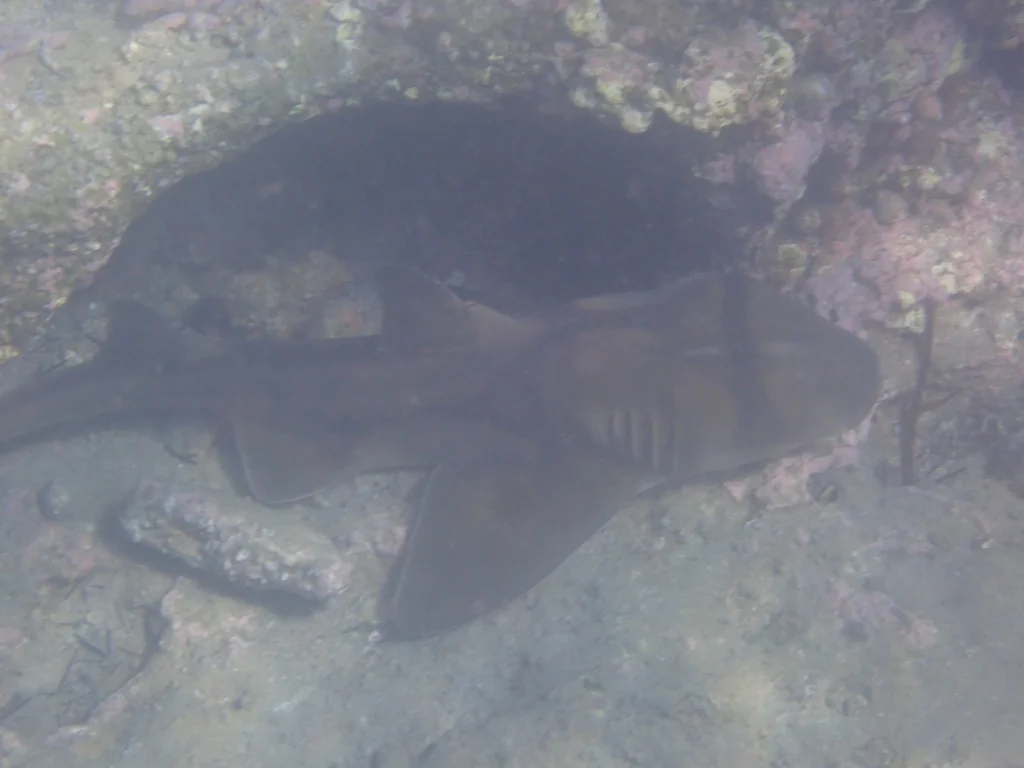
The wall's compelling vertical profile presents numerous nooks, crannies, and ledges, along with smaller caves, all contributing to a diverse and sheltered ecosystem. These intricate features provide countless opportunities for observing cryptic life, from camouflaged critters to colorful nudibranchs tucked into rocky crevices. During the cooler winter months, the site undergoes a notable transformation as large groups of Port Jackson Sharks congregate here, resting on sandy patches and within rocky overhangs.
Their calm, often docile behavior offers a distinct seasonal highlight for divers observing them in their natural resting grounds. Access to this dive site is exclusively by boat; operators typically position vessels directly over the prime dive area, facilitating a direct descent onto the reef plateau.
Given the depths and potentially variable conditions, an Advanced Open Water certification is typically recommended. This certification allows divers to comfortably and safely explore the deeper sections, approaching the maximum depth of 30 m (98 ft) in some areas, and fully appreciating the unique inhabitants and intricate structures of the wall without feeling rushed.
Conditions are Good
Optimal conditions expected
Current conditions near The Wall show 23° air, 18° sea temperature, 1.5 m waves, and 34 km/h wind. Forecast data is refreshed regularly to ensure accuracy.
Best Time to Dive
While The Wall invites divers year-round, conditions vary seasonally, influencing the dive experience. Months such as January through March, and June, August, September, October, November, and December generally present moderate dive scores. During these periods, average air temperatures range from 14°C (57°F) in June to 22°C (72°F) in February, with rainfall typically between 1.75 mm and 4.63 mm. In contrast, April, May, and July often register poorer dive scores, characterized by higher wave heights, increased wind speeds, and greater rainfall, peaking at 6.36 mm in April. Winter diving, particularly from June to August, is notable for the congregation of Port Jackson sharks, even though water temperatures are not consistently reported and will vary.
PEAK SEASON SCORE
Scores combine air & water temps, waves, wind & rainfall for overall conditions.
BEST MONTHS TO DIVE
Monthly records compiled from satellite and marine observation nodes over the last 3 years. Data provided by Open-Meteo and MET Norway.
Dive Experience & Conditions
Access to The Wall is exclusively by boat, typically involving a descent along the mooring line directly onto the reef plateau. Underwater, the wall offers a compelling drift or static dive, depending on local currents. Visibility at the site is not consistently reported and varies significantly based on prevailing weather patterns and recent rainfall. Divers should anticipate wave heights that can range from 1.6 m (5.2 ft) to nearly 2 m (6.6 ft), and wind speeds averaging between 30 km/h (18.6 mph) and 36 km/h (22.4 mph) throughout the year, impacting surface conditions. Exploring the wall's intricacies means observing life tucked into crevices and occasionally looking out into the blue for pelagic encounters.
Dive Difficulty & Safety Guidelines
Exploring the full extent of The Wall, particularly its deeper sections beyond 21 m (69 ft), requires an Advanced Open Water certification to safely manage depth and bottom time. Given the maximum reported depth of 30 m (98 ft), sound deep diving practices, including meticulous air management and conservative no-decompression limits, are crucial.
As this is a boat dive, adhering to the dive operator's safety briefings and procedures is paramount. Divers should maintain excellent buoyancy control to avoid contact with the fragile wall ecosystem and be prepared for potentially variable sea states, which can impact entry and exit from the water.
Recommended Equipment
Overhead environment. Do not enter beyond training and gas planning limits.
- Dive Computer
- Primary & Backup Lights
- Reel / Spool
- Cutting Tool
This gear list is based on verified equipment signals for The Wall, Australia. Always confirm final gear choices with your dive operator, guide, or liveaboard.
Recommended Dive Suit
5mm wetsuit usually provides adequate warmth in water around this temperature. Surface intervals may feel cooler. Water conditions at The Wall are currently measured at approximately 18°C (65°F). Surface air temperatures are resting at 23°C (73°F).
The coming days appear slightly cooler according to the latest forecast. A significant temperature drop is forecast; strongly suggest bringing a backup warmer suit option. Some divers bring an extra layer for surface intervals between dives.
Conditions can vary slightly across different parts of the same dive site.
Emergency & Medical Support
Essential information to help you plan your dive trip to The Wall.

Hyperbaric chambers are a critical part of dive safety infrastructure. Availability varies significantly by region, and not all dive areas have immediate access.
Before diving, it's recommended to:
- confirm nearest medical facilities
- check emergency procedures with local dive operators
- ensure dive insurance covers evacuation if required
Divers Alert Network
Diving emergency assistance available through DAN World.
+1-919-684-9111- 24/7 emergency hotline
- Diving medical assistance
- Evacuation coordination
Emergency contacts are provided for reference. Always verify local emergency services before diving.
Marine Life at The Wall
The initial focus for many divers at The Wall often shifts to the elusive Weedy Sea Dragons, which inhabit the 'Weedy Valley' area. These graceful creatures blend seamlessly with their surroundings.
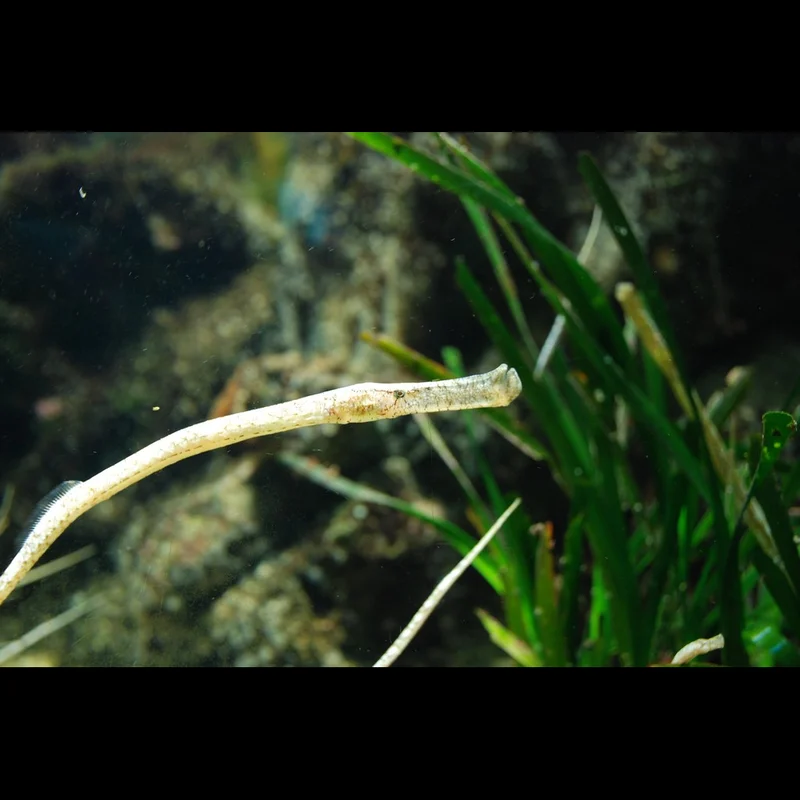
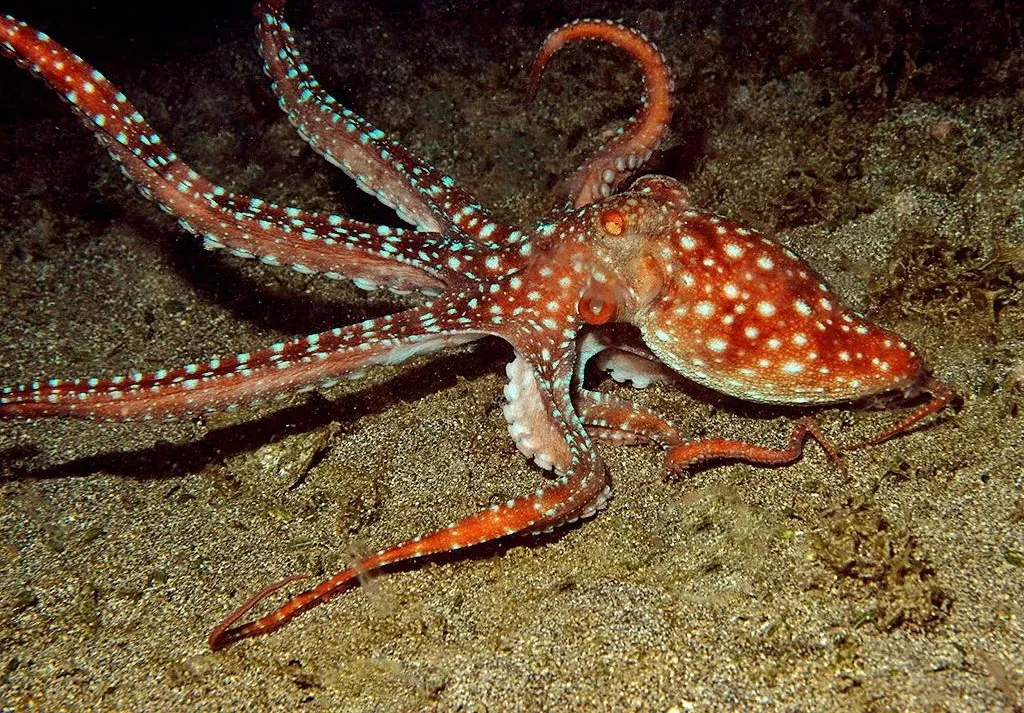
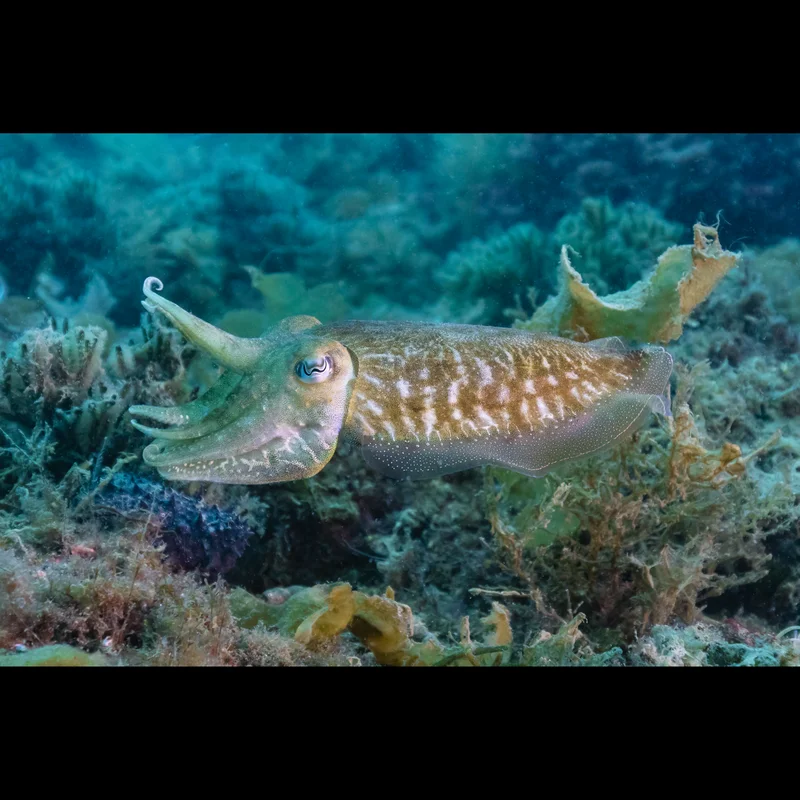
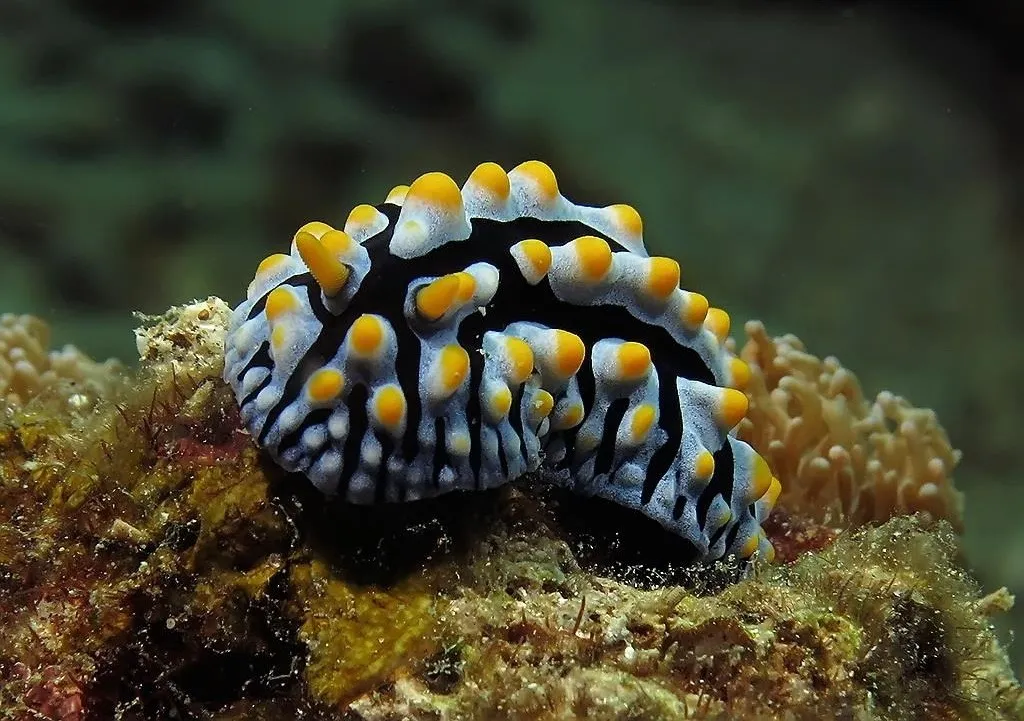
During the cooler winter months, large congregations of Port Jackson Sharks become a prominent feature. Divers will also regularly notice various nudibranchs, giant cuttlefish, and octopuses tucked into the wall's many hiding spots.
Schools of pelagic fish can be observed cruising past the vertical reef face, alongside pipefish and occasionally larger sharks like Grey Nurse Sharks or Wobbegongs.
Dive Sites Near The Wall
View all dive sites in AustraliaDiscover more underwater gems in this area.
Dive Centers Near The Wall
Today: 07:00 - 17:00
Nearest Airports
Nearest airports to help plan travel to this dive area.
Search Flights
Check available flights and routes on Expedia, using the nearby airports listed in this section.
Search Flights on ExpediaFrequently Asked Questions
What certification level is required for diving The Wall?
An Advanced Open Water certification is generally recommended, especially for exploring the deeper sections of the wall beyond 21 m (69 ft) down to its maximum depth of 30 m (98 ft).
What are the typical depths at The Wall?
The wall typically starts at about 10 m (33 ft) and drops to 22 m (72 ft), with some areas reaching a maximum depth of 30 m (98 ft). Weedy Valley, a key area, is found at depths greater than 21 m (69 ft).
What unique marine life can I expect to see?
The Wall is known for its Weedy Sea Dragons, particularly in 'Weedy Valley'. During winter, expect to see groups of Port Jackson Sharks, along with nudibranchs, cuttlefish, octopus, and various pelagic fish.
How is the dive site accessed?
Access to The Wall is exclusively by boat. Dive operators will typically take you directly to the site, allowing for a descent along the mooring line.
What are the best months for diving at The Wall?
Most months, including January-March, June, August-December, offer moderate dive conditions. While April, May, and July can be poorer due to weather, winter months are excellent for spotting Port Jackson Sharks.
Are water temperatures consistently warm at The Wall?
Water temperatures at The Wall are not consistently reported and vary depending on the season. Divers should plan for varying thermal conditions and consider appropriate exposure protection.
Planning to dive The Wall?
Send one inquiry and receive offers directly from the best verified local dive operators.
Conditions are Good
Optimal conditions expected
Current conditions near The Wall show 23° air, 18° sea temperature, 1.5 m waves, and 34 km/h wind. Forecast data is refreshed regularly to ensure accuracy.