
Diving at Shark Junction (Bahamas)
For certified Open Water divers seeking direct engagement with marine predators, Shark Junction delivers an unparalleled experience in Grand Bahama. This site is specifically geared towards divers comfortable interacting closely with sharks, typically Caribbean reef sharks. It's a prime example of Grand Bahama's diverse underwater offerings, emphasizing close encounters over intricate reef structures. Preparing for this dive means understanding and respecting the dynamics of a managed shark interaction.
Tonight's objective overview for Shark Junction shows an air temperature of 26°C. The measured surface conditions include wave heights around 0.3 m. This environmental data is logged for the close of the day.
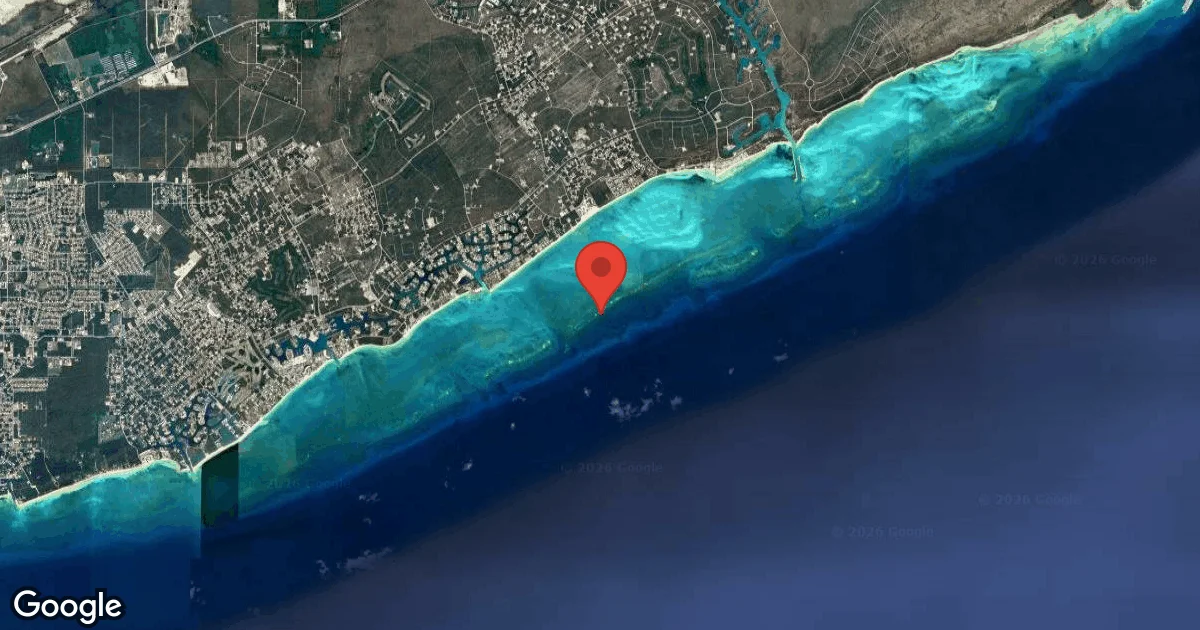
Dive Site Location & Key Facts
Dive Site Overview
Shark Junction has cemented its reputation as a premier site for encountering Caribbean reef sharks on Grand Bahama. For decades, this location has drawn divers keen to experience these majestic creatures up close, establishing itself as a focal point for the island's celebrated shark diving industry.
Dive operators like Reef Oasis Dive Club and UNEXSO regularly lead excursions here, facilitating interactions that often include active feeding to ensure consistent shark presence. These dives generally occur within recreational depths, typically ranging from 6 to 24 m (20 to 80 ft), mirroring other local reef sites. The environment here is primarily a sandy bottom adjacent to reef structures, providing a clear stage for observing shark behavior.
Divers often spend time observing the sharks as they patrol the area, offering ample opportunities for photography and unique behavioral insights. This consistent activity makes Shark Junction a reliable destination for a thrilling dive.
Conditions are Good
Optimal conditions expected
Current conditions near Shark Junction show 26° air, 31° sea temperature, 0.3 m waves, and 19 km/h wind. Forecast data is refreshed regularly to ensure accuracy.
Best Time to Dive
To maximize comfort and enjoyment, planning a trip to Shark Junction often aligns with the calmer, warmer months. July and September typically offer excellent dive conditions, characterized by lower wave heights averaging around 0.5 m (1.6 ft) and light winds. During these periods, air temperatures average 28-29°C (82-84°F), creating a pleasant surface environment. Throughout most of the year, including winter and spring, dive scores remain consistently good, even with slightly increased wind speeds and wave heights around 0.7-0.8 m (2.3-2.6 ft). Rainfall remains relatively low for most months, though June through October see slightly higher precipitation, yet this rarely impacts underwater visibility significantly. Overall, consistent shark activity means good diving can be had almost any time, with summer and early fall offering peak tranquility.
PEAK SEASON SCORE
Scores combine air & water temps, waves, wind & rainfall for overall conditions.
BEST MONTHS TO DIVE
Monthly records compiled from satellite and marine observation nodes over the last 3 years. Data provided by Open-Meteo and MET Norway.
Dive Experience & Conditions
Descending into Shark Junction immediately brings divers into an active marine environment. Water temperatures typically mirror the warm ambient air, making for comfortable diving, though specific thermoclines can occur. Conditions generally feature good visibility, essential for observing the agile Caribbean reef sharks. Currents can vary, influencing how divers position themselves for observation, but are generally manageable. Observing the sharks in their natural habitat requires calm demeanor and precise buoyancy control. Many encounters involve active feeding, which draws the sharks into close proximity, allowing divers to appreciate their power and grace. The sandy bottom, interspersed with reef patches, provides a clear backdrop for these interactions, enhancing the visual experience.
Dive Difficulty & Safety Guidelines
Approaching shark encounters at Shark Junction requires adherence to established safety protocols and dive operator guidelines. Divers must possess at least an Open Water Diver certification. For specific active feeding dives, some operators like UNEXSO require an orientation dive completed with them prior to participating.
Maintaining composure and following the instructions of the dive guides are paramount for a safe experience. Divers should keep their hands close to their bodies and avoid sudden movements that could startle the sharks.
Due to the interactive nature of these dives, excellent buoyancy control helps maintain a respectful distance and prevents accidental contact. Always prioritize listening to your dive professional's briefing and instructions.
Recommended Equipment
- Dive Computer
This gear list is based on verified equipment signals for Shark Junction, Bahamas. Always confirm final gear choices with your dive operator, guide, or liveaboard.
Recommended Dive Suit
Short-term weather patterns suggest stable conditions for divers visiting the area.
Thermal protection such as dive skin or rash guard is commonly used in similar temperatures.
Current dive conditions indicate that water temperatures around Shark Junction are sitting at roughly 31°C (87°F). Surface air temperatures are resting at 26°C (79°F).
Emergency & Medical Support
Essential information to help you plan your dive trip to Shark Junction.

Hyperbaric chambers are a critical part of dive safety infrastructure. Availability varies significantly by region, and not all dive areas have immediate access.
Before diving, it's recommended to:
- confirm nearest medical facilities
- check emergency procedures with local dive operators
- ensure dive insurance covers evacuation if required
Divers Alert Network
Diving emergency assistance available through DAN World.
+1-919-684-9111- 24/7 emergency hotline
- Diving medical assistance
- Evacuation coordination
Emergency contacts are provided for reference. Always verify local emergency services before diving.
Marine Life at Shark Junction
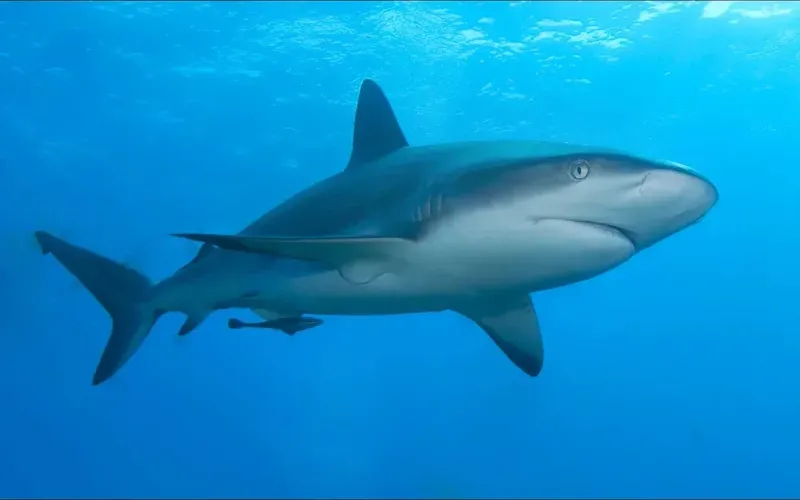
The primary draw at Shark Junction is, unequivocally, the Caribbean reef shark. Divers are virtually guaranteed encounters with these powerful animals during most visits.
Witnessing their natural behavior in a controlled setting is the main event. Observing these sharks as they move with purpose, often during active feeding sessions, offers an intimate look at their predatory efficiency.
This site offers an incredible opportunity to appreciate these sharks up close, feeling their presence in the water. Beyond the dominant sharks, other reef fish might be present, but they typically remain in the background compared to the main spectacle.

Dive Sites Near Shark Junction
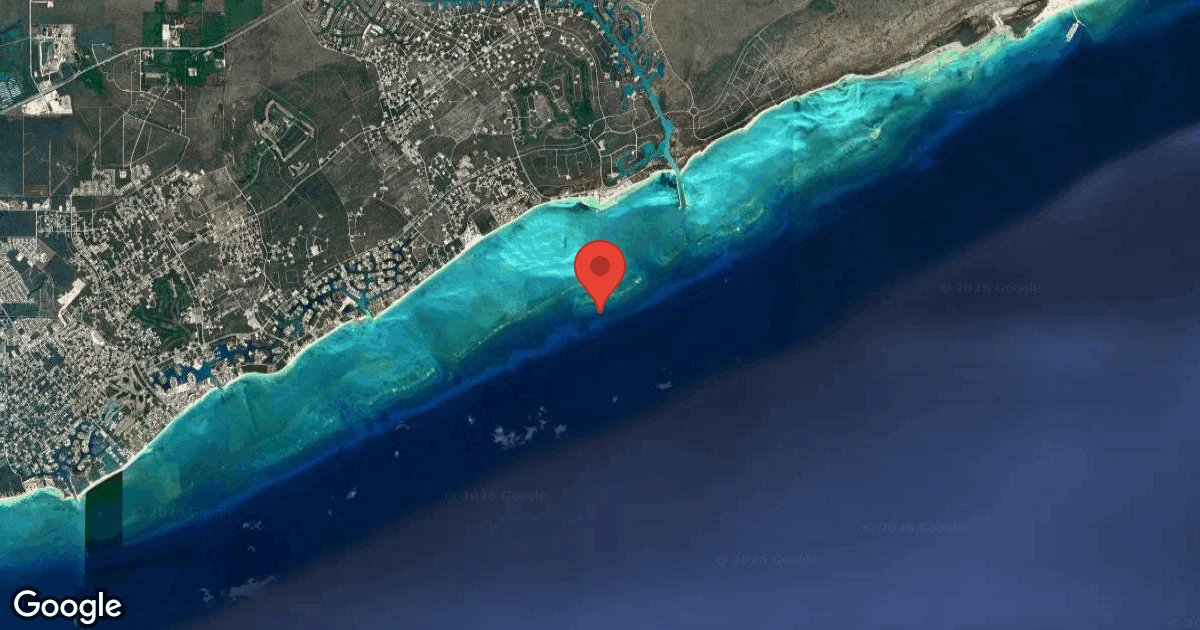
View all dive sites in BahamasDiscover more underwater gems in this area.
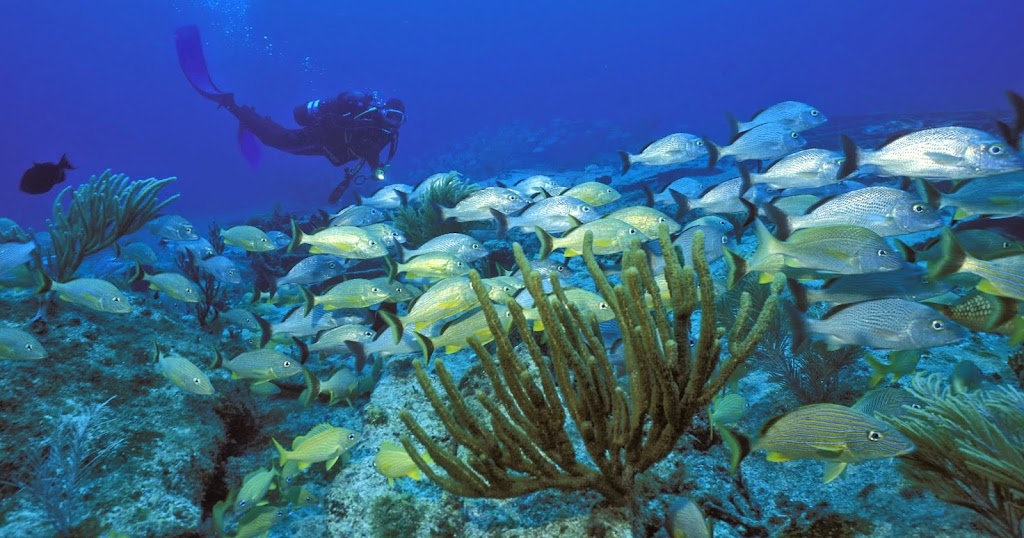
Dive Centers Near Shark Junction
Today: 09:00 - 15:00
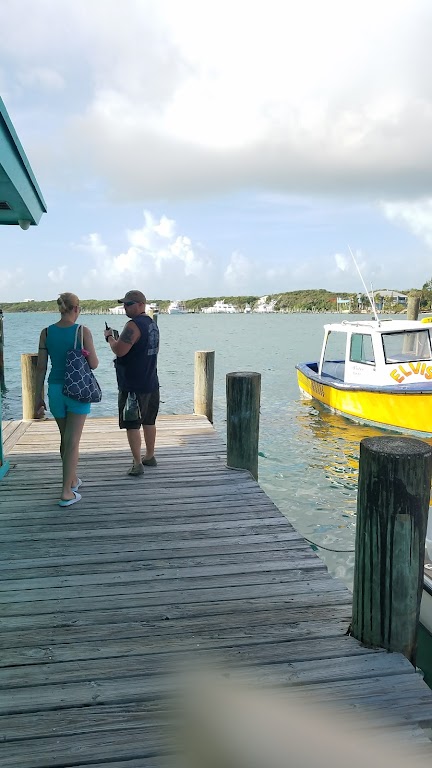
Nearest Airports
Nearest airports to help plan travel to this dive area.
Search Flights
Check available flights and routes on Expedia, using the nearby airports listed in this section.
Search Flights on ExpediaFrequently Asked Questions
What certification do I need for Shark Junction?
Divers must hold at least an Open Water Diver certification to participate in dives at Shark Junction. Some operators may require an additional orientation dive or specific experience for active feeding encounters. Always confirm specific requirements with your chosen dive center.
How safe are the shark encounters?
Shark encounters are conducted under strict supervision with experienced dive professionals. Following all guidelines, maintaining composure, and avoiding sudden movements significantly contributes to diver safety. These are managed interactions designed to be predictable and secure for certified divers.
What types of sharks are commonly seen?
Caribbean reef sharks are the primary species encountered at Shark Junction. These are resident sharks well-accustomed to the presence of divers. While other species might occasionally pass through, the focus remains on the Caribbean reef sharks.
What is the typical dive depth at this site?
Dives at Shark Junction typically stay within recreational depth limits, ranging from 6 to 24 m (20 to 80 ft). The main interaction areas are often shallower, allowing for extended bottom time. It's a comfortable depth for most certified Open Water divers.
What are the usual visibility and current conditions?
Visibility at Shark Junction is generally good, allowing for clear observation of the sharks. Currents can vary, influencing diver positioning during the encounter. Dive guides will always brief you on prevailing conditions and how to best manage them.
Does shark feeding occur at Shark Junction?
Yes, many dive operators at Shark Junction facilitate active feeding sessions to ensure a consistent presence of Caribbean reef sharks. These controlled feedings are part of the managed interaction experience. It's a key aspect of how this site operates.
Is this dive suitable for new Open Water divers?
While an Open Water certification is the minimum requirement, new divers should be comfortable with their buoyancy control and general dive skills. The active nature of shark encounters benefits from a calm demeanor underwater. Consult with your dive operator to assess suitability based on your experience level.
Planning to dive Shark Junction?
Send one inquiry and receive offers directly from the best verified local dive operators.
Conditions are Good
Optimal conditions expected
Current conditions near Shark Junction show 26° air, 31° sea temperature, 0.3 m waves, and 19 km/h wind. Forecast data is refreshed regularly to ensure accuracy.