
Diving in Bahamas
Diving across Bahamas is defined by variation, with sites offering different conditions depending on their setting. Our database currently contains 6 dive locations across Bahamas. This makes it easier to assess where and when to dive.
Exploring the diverse dive sites of the Bahamas typically begins with arrival at one of its major international gateways, such as Lynden Pindling International Airport in Nassau, Freeport Grand Bahama International Airport, or George Town International Airport on Exuma. From these hubs, divers often utilize commuter planes, ferries, or private speedboat transfers to reach the various out-islands and their distinct diving opportunities. This logistical spread allows for a dynamic approach to experiencing the archipelago.
Divers can choose between the convenience of resort-based operations, popular in areas like Nassau, Freeport, and Andros, or embark on weeklong liveaboard itineraries. These liveaboards often depart from Nassau or Freeport, providing access to more remote locations such as Tiger Beach, Bimini, and the Exuma Cays. Both options facilitate exploration of the country's extensive underwater landscapes.
The Bahamas presents a wide range of underwater structures, including dramatic walls, historic wrecks, unique blue holes, and expansive coral reefs. This variety ensures that whether accessed by day boat or an extended cruise, divers can find experiences tailored to their interests across the many islands and cays.
Dive Map of Bahamas
Visually organizing the numerous islands and cays reveals the Bahamas as a geographically varied diving destination. Each distinct area offers unique underwater topography and marine encounters, from extensive shallow reefs to deep oceanic trenches that shape the dive experience.
Key regions like Andros, Bimini, the Exumas, and San Salvador are spread across the archipelago, each featuring notable dive sites. Andros provides a significant barrier reef and numerous blue holes, while Bimini offers dramatic underwater cliffs. The Exumas combine walls with rich shallow reefs, and San Salvador features vertical walls and historic wrecks. This geographical arrangement provides a broad spectrum of diving opportunities.
Understanding this regional layout helps divers plan their exploration, whether seeking shark encounters in the west or the unique geological formations further afield.
Dive Sites to Explore
View all 6 sites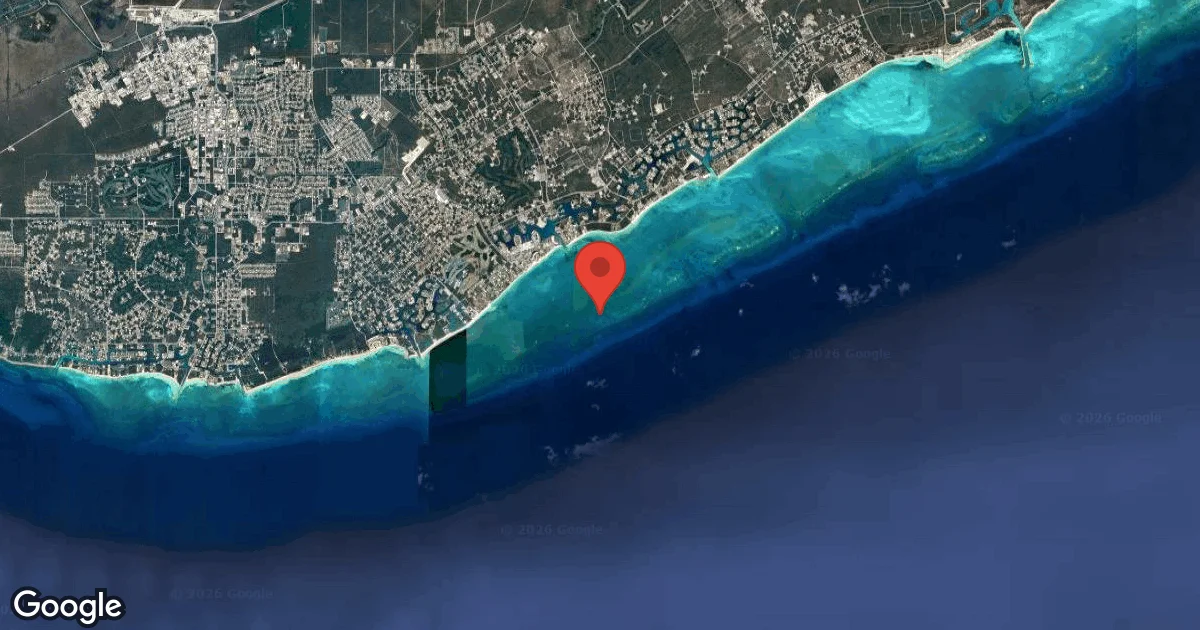
The Bahamas features a collection of iconic dive sites that cater to a spectrum of interests, from thrilling shark encounters to exploring unique geological formations and historic wrecks. These sites are distributed across various islands, offering distinct experiences.
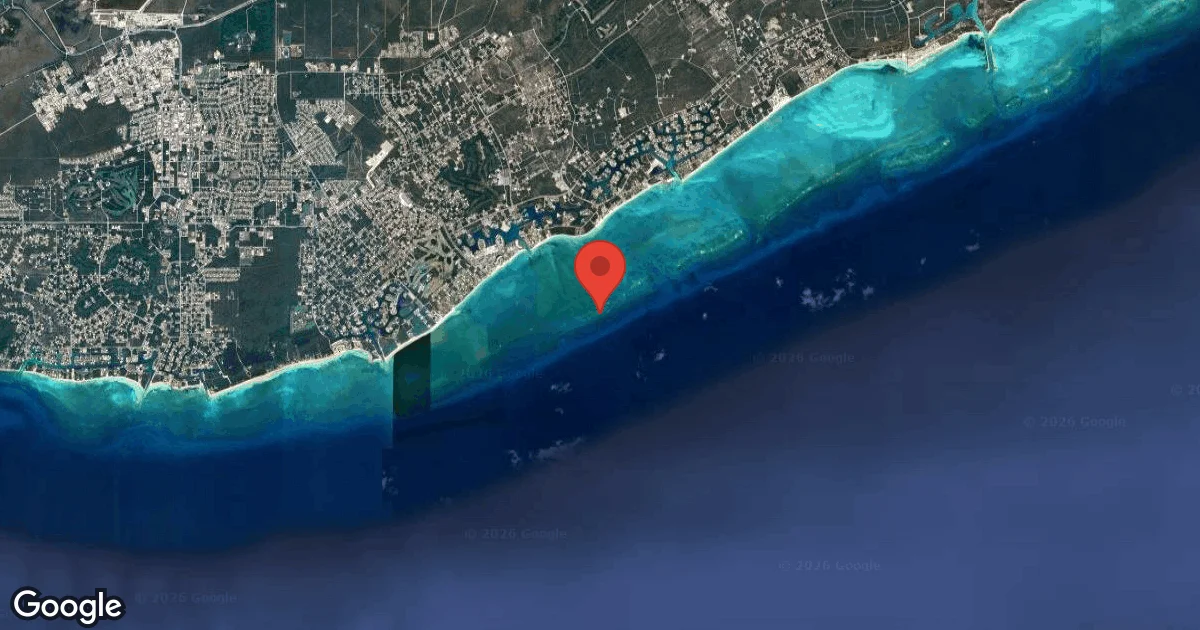
Tiger Beach, located off Grand Bahama, provides reliable tiger shark encounters from October to January, often alongside lemon sharks and remoras. This site is characterized by shallow, turquoise waters and a sandy bottom, offering excellent visibility for photography.
On Long Island, Dean’s Blue Hole presents a different kind of adventure. As a vertical sinkhole with cathedral-like walls and curious thermoclines, it offers an exploration opportunity for advanced divers. This site is one of over 200 blue holes found throughout the Bahamas.
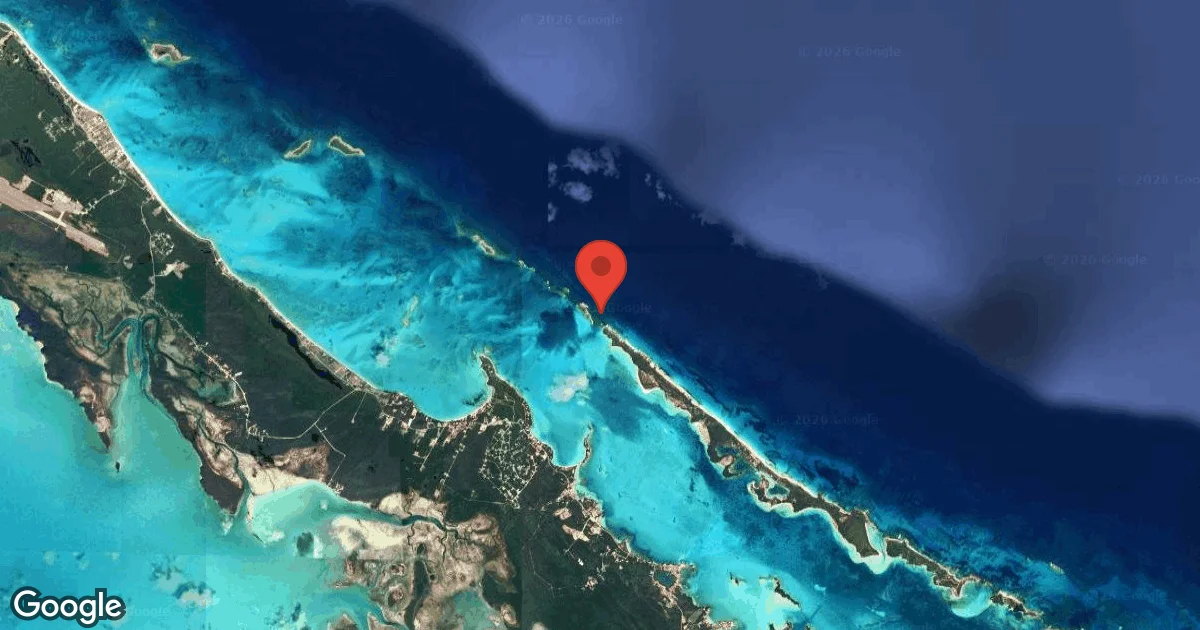
The Tongue of The Ocean, a vast 60,000-foot canyon between Andros and Nassau, features dramatic vertical wall dives where underwater cliffs drop hundreds of meters. These deep walls offer a unique perspective on the ocean's depths. Another notable wreck is the S.S. Sapona off Bimini, an 86-meter (282 ft) long vessel well-suited for ambient light photography. The Austin Smith Wreck is also a local favorite. For an exhilarating drift experience, The Washing Machine in the Exumas provides a fast-paced ride through a unique current phenomenon, often described as a 'spin cycle at depth'. Thunderball Grotto, north of Great Exuma, is recognized for its appearances in films and its shallow reef life.
Best Time to Dive in Bahamas
Choosing the best time to dive in the Bahamas involves considering a trade-off between water conditions, marine life encounters, and topside weather. Diving is available year-round, but specific seasons favor different experiences.
The Dry Season, from November to May, is generally considered the best overall time. Air temperatures are mild, ranging from 18-29°C (65-85°F), with minimal rainfall. This period is prime for shark diving, with great hammerheads and bull sharks common in Bimini from November to April, and tiger sharks congregating at Tiger Beach from December to March. Oceanic whitetip sharks are often seen off Cat Island from April to June. Water temperatures during winter months are cooler, around 21-27°C (70-80°F), sometimes requiring a thicker wetsuit.
Conversely, the Wet Season, from June to October, brings warmer water temperatures, typically 27-31°C (80-88°F), and lush green landscapes. While visibility remains good, there is an increased risk of tropical storms or hurricanes, with the peak storm risk in August and September. This period can offer quieter dive sites and is suitable for those interested in macro subjects, reef scenes, and wreck diving when weather permits. Overall visibility ranges from 24-61m (80-200ft) but can be less predictable in rougher winter waters.
Monthly Sea Temperatures
Diver comfort in the Bahamas is influenced by seasonal sea temperatures, which remain warm throughout the year. Water temperatures vary by season, ranging from 22°C (72°F) in January to 28°C (84°F) in August, sometimes reaching 31°C (88°F) in summer.
During the cooler winter months, from January through March, temperatures are typically between 21-22°C (70-72°F). By April, the water warms to 24-25°C (75-77°F), and in May, it reaches 25-27°C (77-80°F). Autumn temperatures generally stay above 27°C (80°F) until the first cold front in November.
While the water is consistently warm, a 3mm wetsuit is recommended for winter, and a 7mm suit might be preferred for extended dives at sites like Tiger Beach in January or February. This ensures sustained comfort during longer immersions.
| Jan | Feb | Mar | Apr | May | Jun | Jul | Aug | Sep | Oct | Nov | Dec | |
|---|---|---|---|---|---|---|---|---|---|---|---|---|
| Max | 25° | 25° | 26° | 27° | 29° | 30° | 31° | 31° | 31° | 30° | 29° | 26° |
| Avg | 23° | 23° | 24° | 26° | 27° | 28° | 30° | 30° | 30° | 29° | 26° | 25° |
| Min | 22° | 22° | 22° | 24° | 25° | 27° | 29° | 29° | 29° | 27° | 24° | 23° |
Dive Conditions
Diver skill requirements can vary significantly depending on the chosen site in the Bahamas, where conditions range from calm, shallow reefs to challenging currents and deep wall dives. Visibility is often exceptional, frequently ranging from 24-30 meters (80-100 feet) and at times extending up to 46-61 meters (150-200 feet). This clarity allows for extensive underwater views and enhances the experience for all skill levels.
While currents are generally not common across much of the archipelago, specific locations are known for their exhilarating drift dives and stronger flows. Sites like Current Cut in Eleuthera and Columbus Point in Cat Island feature strong currents, attracting pelagic sharks and making them more suitable for advanced divers. These areas often require precise buoyancy control and experience in drift diving techniques.
The Washing Machine in the Exumas is another prime example of a dynamic drift dive, where divers can experience a 'spin cycle at depth' due to unique current patterns. In contrast, areas around Cat Island also offer calm waters with gentle currents, providing opportunities for relaxed diving and underwater photography, suitable for less experienced divers or those seeking a tranquil experience. This diversity allows divers to select sites that match their comfort and certification levels.
Marine Life Highlights
Most Mentioned Species
Marine life in Bahamas varies across dive locations, with different species appearing depending on environment and conditions. The species highlighted here are the most frequently associated with dive sites in our data, offering a realistic overview of what divers are most likely to encounter.
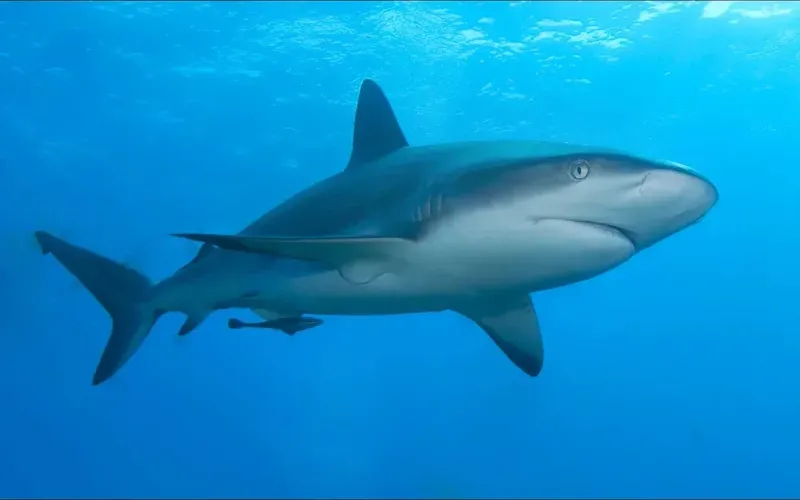
The abundant marine life of the Bahamas features diverse shark populations as a primary draw. Divers frequently encounter great hammerhead sharks in Bimini, particularly from December to March, and tiger sharks are a consistent presence at Tiger Beach between October and January. Oceanic whitetip sharks are often seen off Cat Island from April to June. Other shark species include Caribbean reef sharks, nurse sharks, lemon sharks, and bull sharks.
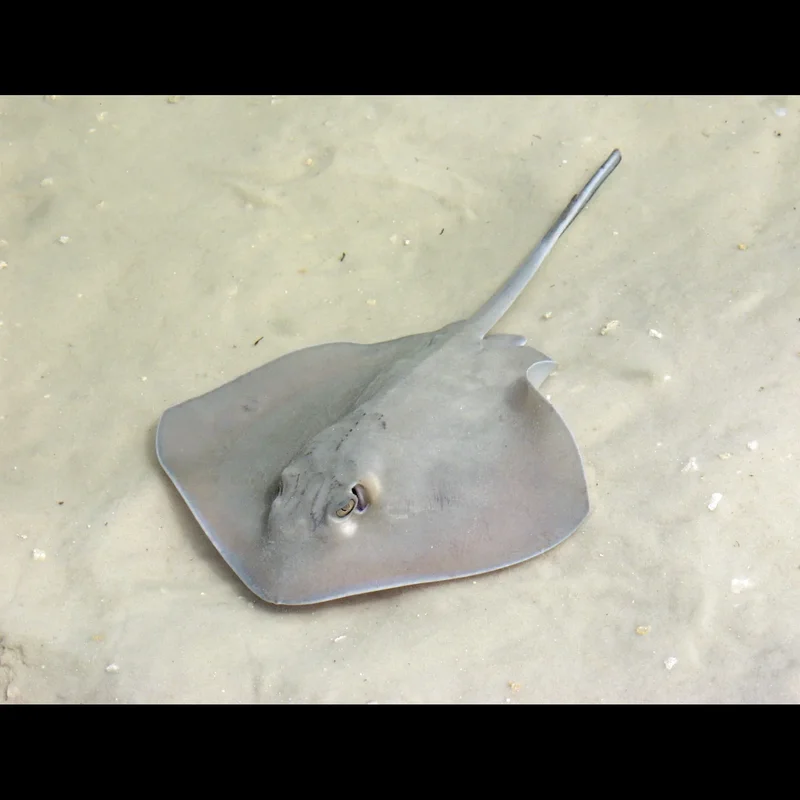
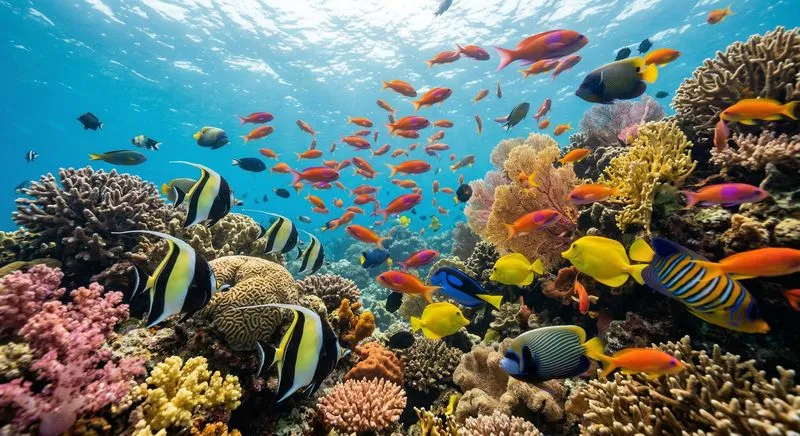
Beyond sharks, the waters host various other pelagic and reef inhabitants. Atlantic spotted and bottlenose dolphins are common, offering opportunities for encounters. Green sea turtles and loggerhead turtles are regularly observed gliding across reefs or near wrecks. Rays, large groupers, schools of jacks, barracudas, and angelfish populate the coral formations.
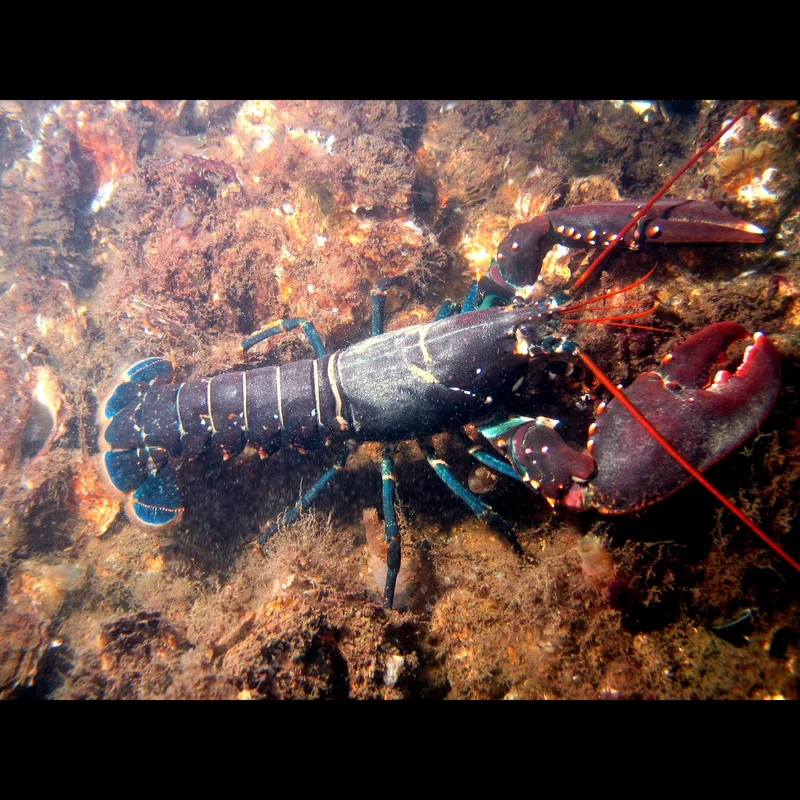
For those interested in macro life, a closer look reveals smaller creatures such as lettuce sea slugs, nudibranchs, shrimp, and long-spined sea urchins along the coral heads of the Exumas and Eleuthera. This rich ecosystem provides a wide array of observations for divers.
Regions for Diving
Accessing the diverse diving regions of the Bahamas is facilitated by a network of international airports and inter-island transport options, allowing divers to explore distinct underwater environments.
Bimini, for example, is accessible by commuter planes or ferries and offers vertical wall dives. From November to April, Bimini is a key destination for aggregations of great hammerhead and bull sharks, making it a prominent spot for large animal encounters. The S.S. Sapona wreck, an 86-meter (282 ft) vessel, also offers an intriguing exploration opportunity.
Grand Bahama, with Freeport Grand Bahama International Airport, serves as a hub for sites like Tiger Beach. This area is recognized for consistent tiger shark diving year-round, often accompanied by lemon sharks. Grand Bahama also features dolphin encounters and notable wrecks like Theos Wreck, adding to its appeal.
Andros, home to the 190-mile Andros Barrier Reef, is often explored via resort-based diving. This region is known for its extensive blue holes, such as The Crater and Stargate, offering unique cavern and sinkhole diving experiences. It also has a variety of wrecks for divers to explore. The Exumas, reached by commuter planes or liveaboards, combine walls with rich shallow reefs and provide plenty of pelagic action, particularly on the Atlantic side. Sites like The Washing Machine offer exciting drift dives, while Thunderball Grotto is a recognized location for its film appearances and shallow reef life.
Travel & Passport Guide
Travel Basics
Trip Planning
Safety & Diving Considerations
Diving in the Bahamas requires attention to specific safety guidelines, especially concerning interactions with marine life and navigating certain dive sites. While cage-free shark diving is common, it is crucial to conduct these excursions under the guidance of trained professionals. Such trips may also require specialized gear and briefings to ensure safety for both divers and animals.
Some dive sites present conditions that necessitate experience beyond a beginner level. For instance, sites with strong currents, like Current Cut in Eleuthera or Columbus Point in Cat Island, are more suitable for advanced divers. Blue holes, such as Angelfish Bluehole, can narrow significantly, leading to single-file cave diving that demands specific training and comfort.
Divers should also be mindful of general dive safety protocols, including waiting at least 24 hours after multiple repetitive dives before flying. Liveaboards often require divers to carry diving insurance, and a passport valid for at least six months beyond the intended stay is mandatory for entry. These measures contribute to a safer diving experience in the archipelago.
Dive Centers in Bahamas
View all 14 dive centers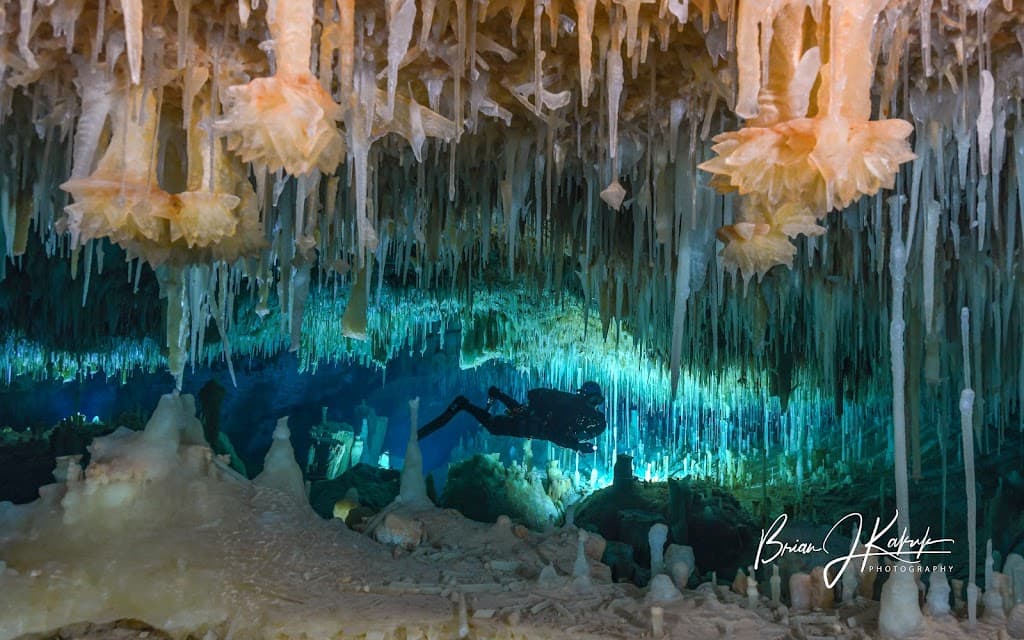
Frequently Asked Questions
When is the best time to see sharks in the Bahamas?
Shark encounters are a major draw in the Bahamas, with peak seasons varying by species and location. Great hammerhead and bull sharks are common in Bimini from November to April. Tiger sharks frequent Tiger Beach from October to January. Oceanic whitetip sharks are often seen off Cat Island between April and June. Overall, shark diving is at its most dramatic from December to March, aligning with the dry season.
What are the typical water temperatures for diving in the Bahamas?
Water temperatures in the Bahamas are warm year-round. They generally range from 22°C (72°F) in January to 28°C (84°F) in August, sometimes reaching 31°C (88°F) in the summer months. During the cooler winter, from January to March, temperatures are typically 21-22°C (70-72°F). Divers usually find a 3mm wetsuit sufficient, though a 7mm suit may be preferred for longer winter dives.
How good is the underwater visibility in the Bahamas?
The Bahamas offers consistently excellent underwater visibility. It frequently ranges from 24-30 meters (80-100 feet), and it's not uncommon for visibility to extend up to 46-61 meters (150-200 feet) in many areas. Even at specific sites like Black Forest in San Salvador, visibility can reach 27 meters (90 feet). This clarity significantly enhances the diving experience across the archipelago.
What are the common travel options between the Bahamian islands?
Inter-island travel in the Bahamas is facilitated by several options. Commuter planes provide quick connections between many islands. Ferries offer a more leisurely pace and are suitable for shorter distances. Private speedboat transfers are also available for those seeking flexibility or direct routes to specific dive sites like Tiger Beach, Bimini, or the Exumas. These options make exploring the diverse regions accessible for divers.
Are there any specific safety considerations for shark diving in the Bahamas?
Yes, specific safety considerations apply to shark diving in the Bahamas. While cage-free shark diving is a highlight, it must be conducted under the strict guidance of experienced professionals. These excursions often involve specialized gear and thorough briefings to ensure diver safety. It's also recommended that divers have experience beyond a beginner level for these encounters, as the wildlife interactions can be intense.