
Diving at Ann's Paradise (Bahamas)
Within the rich underwater landscape of the Bahamas near Nassau, where expansive coral reefs meet dramatic undersea walls, Ann's Paradise forms part of a vibrant ecosystem. While specific detailed accounts for this particular site are not widely reported, it is understood to share the region's characteristic topography. Expect to find a blend of reef formations and potentially deeper sections, contributing to the diverse dive experiences common to this part of the Caribbean.
Tonight's objective overview for Ann's Paradise shows an air temperature of 27°C. The measured surface conditions include wave heights around 0.3 m. This environmental data is logged for the close of the day.
Dive Site Location & Key Facts
Dive Site Overview
Ann's Paradise exists within the vibrant tapestry of Nassau's underwater topography, a region known for its transition from shallow reef systems to dramatic drop-offs. While comprehensive reports on this specific site are not widely available, nearby areas illustrate the typical Bahamian dive experience, which combines expansive coral formations with interesting structural features.
Divers often navigate extensive spur and groove reefs, where delicate Sea Fans and other soft corals thrive, providing shelter for countless tropical species. Exploring these areas might also reveal fascinating limestone caverns and swim-throughs, adding a layer of adventure to the typical dive plan. Depths encountered across local sites vary significantly; some shallower experiences, like those at Barracuda Shoals, are around 9 meters, while other sections, such as the Traveler's Rest Wall, extend further, reaching 27 m (90 ft).
These conditions often promote a relaxed dive pace, ideal for appreciating the intricate reef architecture and the myriad of smaller marine inhabitants. Clear water and generally calm conditions frequently define a dive here, offering good visibility and ample chances to observe the active life supported by these robust coral systems. It's an area where the transition from sandy bottoms to coral gardens is a common sight.
Conditions are Excellent
07:00 - 14:00
Optimal conditions expected
Current conditions near Ann's Paradise show 27° air, 31° sea temperature, 0.3 m waves, and 18 km/h wind. Forecast data is refreshed regularly to ensure accuracy.
Best Time to Dive
Planning a visit to Ann's Paradise, like other Nassau dive sites, presents favorable conditions for much of the year, though distinct seasonal patterns exist. The warmest months for diving are typically July through September, when air temperatures average between 28-29°C (82-84°F), offering excellent comfort both in and out of the water. During these peak summer months, average wave heights are also generally lower, ranging from 0.5-0.6 m (1.6-2.0 ft), which often translates to calmer surface conditions. However, this period also sees the highest average rainfall, peaking in September with about 5.8 mm (0.23 inches). Conversely, the cooler winter months from December to March bring average air temperatures between 20.5-22.5°C (69-72°F) and slightly higher wave heights, averaging 0.7-0.8 m (2.3-2.6 ft), which can sometimes lead to choppier boat rides. Rainfall is considerably lower in winter, providing drier surface weather. Regardless of the season, visibility remains generally good, supported by consistent wind speeds usually around 16-21 km/h (10-13 mph).
PEAK SEASON SCORE
Scores combine air & water temps, waves, wind & rainfall for overall conditions.
BEST MONTHS TO DIVE
Monthly records compiled from satellite and marine observation nodes over the last 3 years. Data provided by Open-Meteo and MET Norway.
Dive Experience & Conditions
Approaching Ann's Paradise, divers generally find favorable current dynamics, a hallmark of many Bahamian reef systems. Conditions at local dive sites are often calm and exceptionally clear, especially within sheltered reef sections or around structures like the Lost Blue Hole. While specific current reports for Ann's Paradise are limited, many adjacent reefs accommodate a wide range of experience levels, from beginners to advanced divers. Depths can span from vibrant shallow coral gardens, potentially around 3-10 m (10-35 ft), to more extensive wall environments that reach 24-27 meters. Visibility frequently exceeds 20 meters, providing expansive views of the topography and the vibrant marine activity. Water temperatures, though not consistently logged in system data, typically remain warm throughout the year, ensuring comfortable diving without the need for heavy thermal protection.
Dive Difficulty & Safety Guidelines
Adhering to standard safety protocols remains paramount when diving any Nassau site, Ann's Paradise included. Specific localized challenges for this site are not widely detailed, yet divers should always be vigilant for potential boat traffic during ascents, particularly near common offshore excursion paths. Careful monitoring of bottom time and nitrogen levels is essential, especially when exploring deeper sections or conducting multiple dives.
Divers must always operate within their certification limits; for example, while some regional walls descend dramatically, recreational divers typically stay within 30 m (100 ft). Protecting marine life necessitates observing without direct contact and maintaining precise neutral buoyancy to safeguard delicate coral structures.
Planning dives with a reputable local operator, such as Blue Adventures, ensures access to experienced guides and appropriate safety equipment.
Recommended Equipment
- Dive Computer
This gear list is based on verified equipment signals for Ann's Paradise, Bahamas. Always confirm final gear choices with your dive operator, guide, or liveaboard.
Recommended Dive Suit
Forecast models show minimal temperature variation in the coming days.
Thermal protection such as dive skin or rash guard is commonly used in similar temperatures.
Current dive conditions indicate that water temperatures around Ann's Paradise are sitting at roughly 31°C (87°F). Surface air temperatures are resting at 27°C (80°F).
Emergency & Medical Support
Essential information to help you plan your dive trip to Ann's Paradise.

Hyperbaric chambers are a critical part of dive safety infrastructure. Availability varies significantly by region, and not all dive areas have immediate access.
Before diving, it's recommended to:
- confirm nearest medical facilities
- check emergency procedures with local dive operators
- ensure dive insurance covers evacuation if required
Divers Alert Network
Diving emergency assistance available through DAN World.
+1-919-684-9111- 24/7 emergency hotline
- Diving medical assistance
- Evacuation coordination
Emergency contacts are provided for reference. Always verify local emergency services before diving.
Marine Life at Ann's Paradise
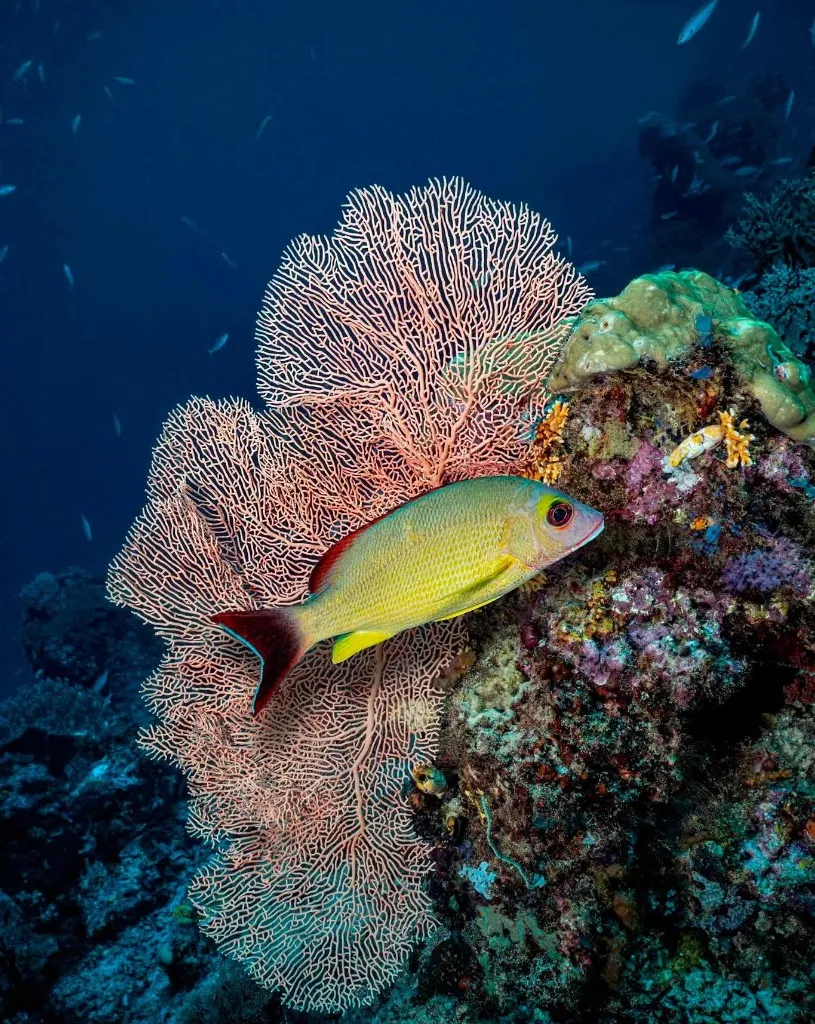
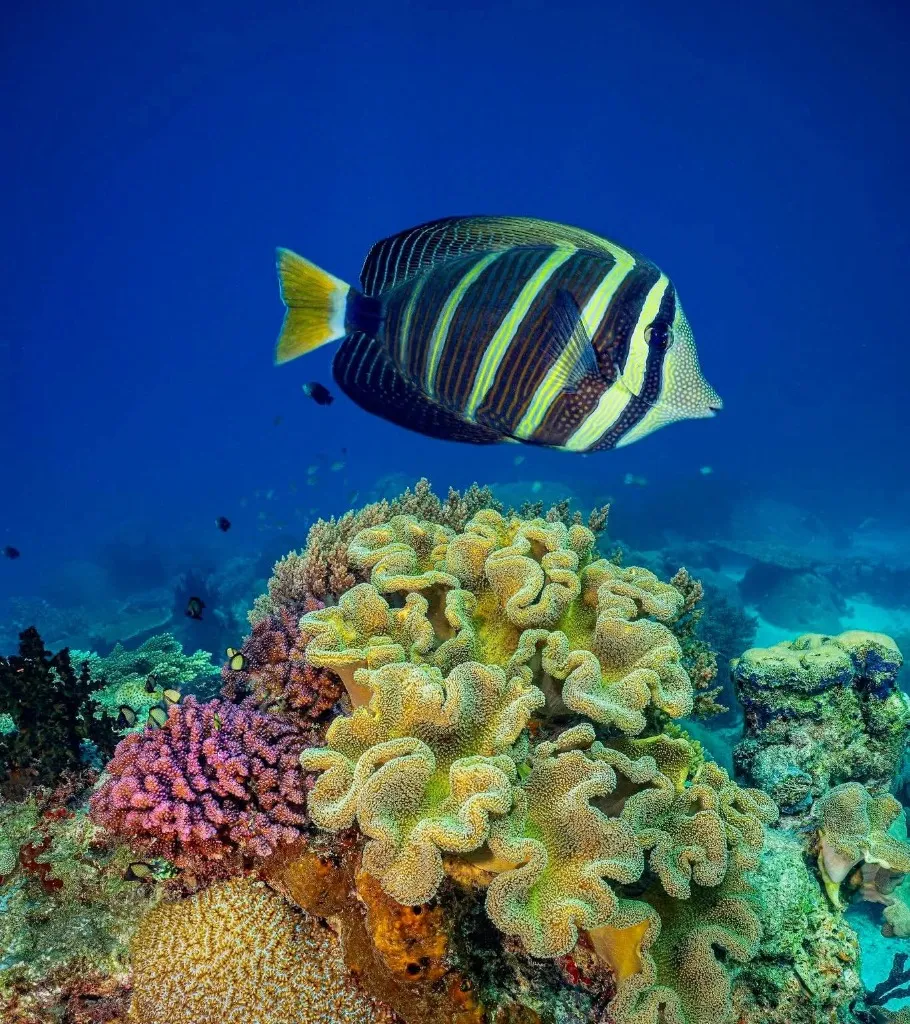
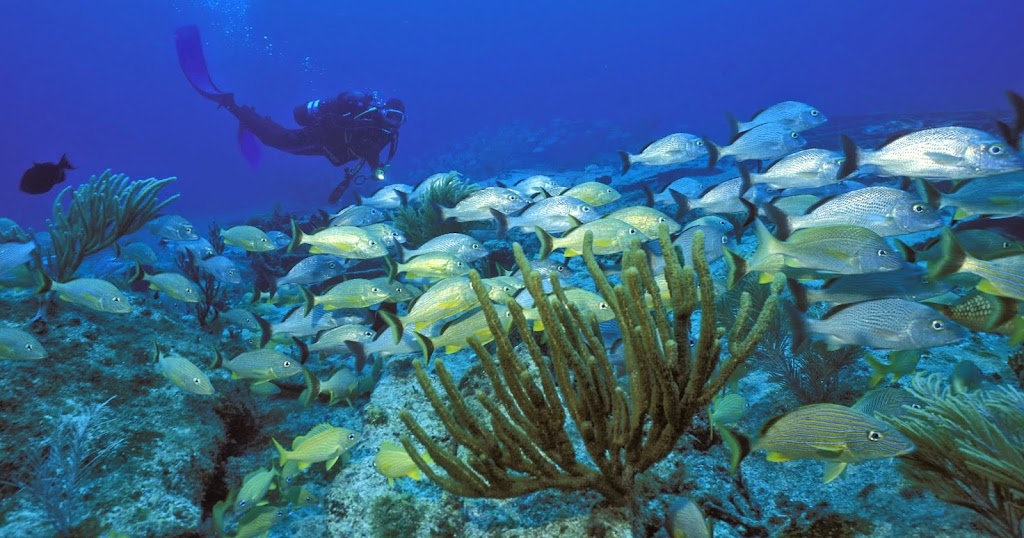
Focusing on the marine inhabitants, Ann's Paradise likely shares the rich biodiversity common to the reefs and walls near Nassau. Divers frequently encounter a vibrant spectrum of reef fish, including Snappers, Blue Tangs, Grunts, and Parrot Fish darting among the corals.
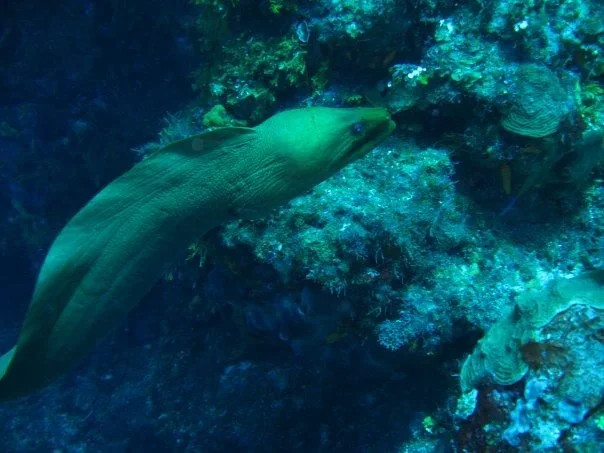
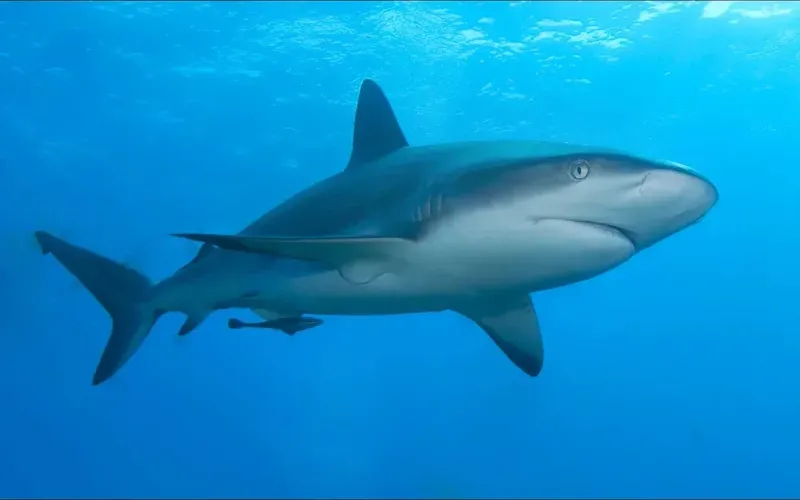
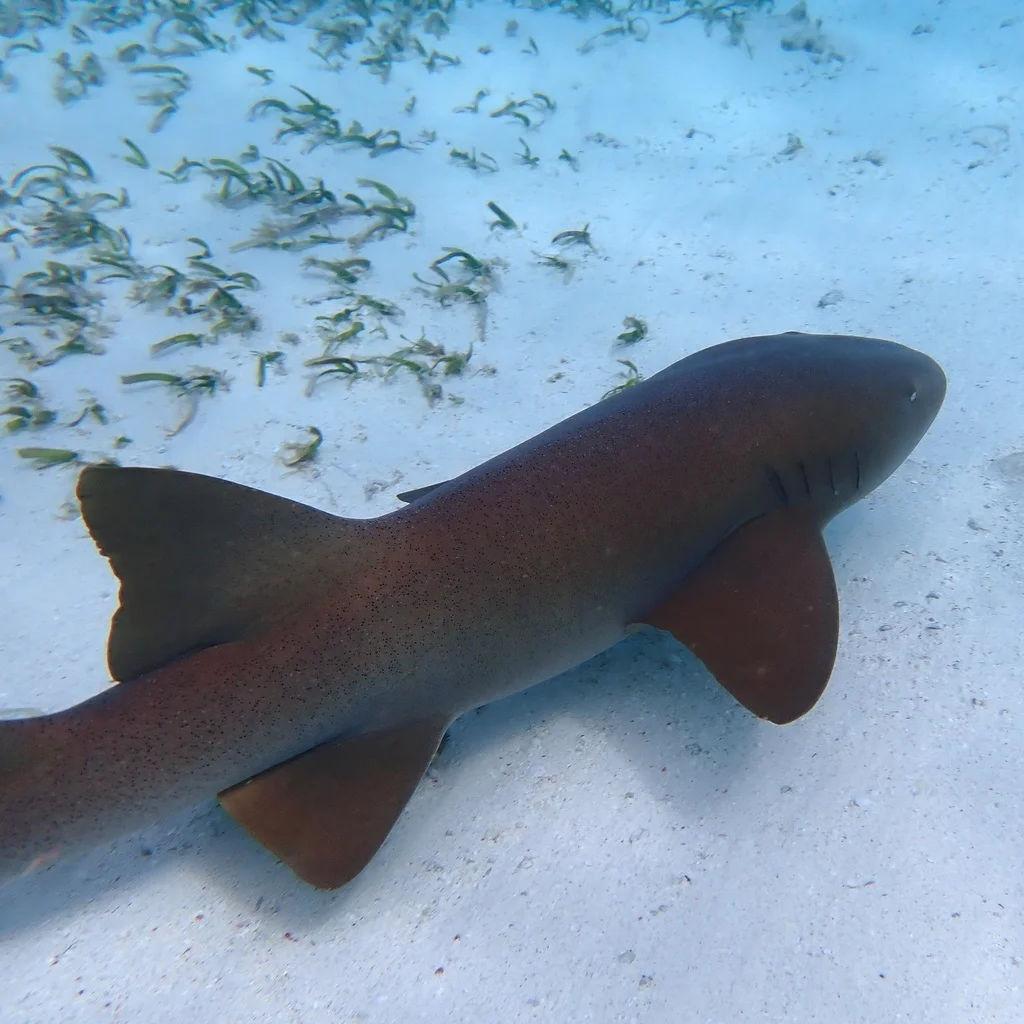
Observing larger pelagics is also a possibility; Barracudas are often seen patrolling reef edges, and sightings of Nurse Sharks or even Reef Sharks can occur, particularly in areas with more pronounced topography. Crustaceans such as lobsters might be found tucked into crevices, while various Angelfish and Moray Eels add to the diverse ecosystem.
The presence of both hard and soft corals, like Sea Fans and Gorgonians, forms a thriving habitat for these species.
Dive Sites Near Ann's Paradise
View all dive sites in BahamasDiscover more underwater gems in this area.
Dive Centers Near Ann's Paradise
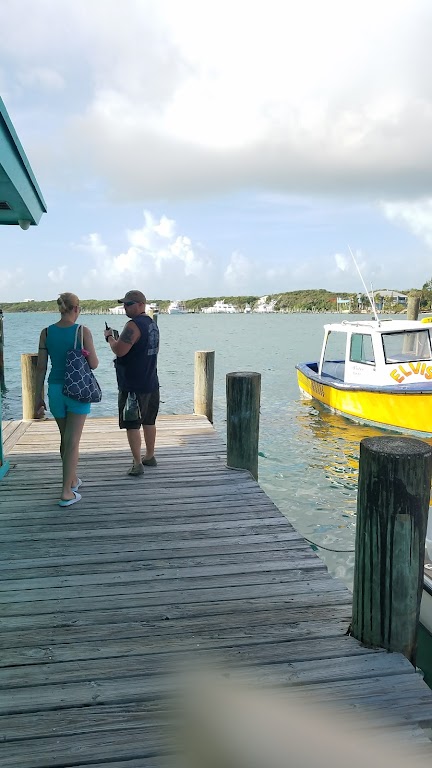
Today: 08:00 - 17:00
Nearest Airports
Nearest airports to help plan travel to this dive area.
Search Flights
Check available flights and routes on Expedia, using the nearby airports listed in this section.
Search Flights on ExpediaFrequently Asked Questions
Is Ann's Paradise suitable for beginner divers?
While specific details for Ann's Paradise are not consistently reported, many dive sites in the Nassau area, especially shallower reefs, are considered excellent for novice divers. It's best to consult with your dive operator regarding the specific conditions for your planned excursion.
What is the typical depth range for a dive at Ann's Paradise?
The typical depth range for Ann's Paradise is not widely published. However, sites in this region of the Bahamas often vary from shallow reef sections around 3-10 meters to deeper wall dives that can reach 30 m (100 ft) for recreational limits.
What kind of marine life can I expect to see?
You can expect to see marine life typical of Bahamian reefs, such as various Snappers, Blue Tangs, and Grunts. Encounters with larger species like Barracudas, Nurse Sharks, and occasionally Reef Sharks are also possible.
Are there specific coral formations at Ann's Paradise?
Specific coral formations for Ann's Paradise are not detailed in available information. Generally, reefs in the Nassau area feature a mix of hard corals like Stag-horn and Elk-horn, alongside extensive soft corals, Sea Fans, and Gorgonians.
How is the visibility at this site?
Visibility in the Bahamian waters surrounding Nassau is typically very good. Divers can often expect clear conditions, frequently exceeding 20 meters, which allows for excellent views of the underwater topography and marine life.
Can I book excursions to Ann's Paradise through Atlantis or Blue Adventures?
Blue Adventures, operated by Stuart Cove, offers SCUBA excursions to various sites near Paradise Island and Nassau, including reefs, walls, and wrecks. It is advisable to directly contact Blue Adventures to inquire about their specific itineraries and whether Ann's Paradise is currently included.
Planning to dive Ann's Paradise?
Send one inquiry and receive offers directly from the best verified local dive operators.
Conditions are Excellent
07:00 - 14:00
Optimal conditions expected
Current conditions near Ann's Paradise show 27° air, 31° sea temperature, 0.3 m waves, and 18 km/h wind. Forecast data is refreshed regularly to ensure accuracy.