Loading...

Diving at Horseshoe Reef (Barbados)
Published
Last updated
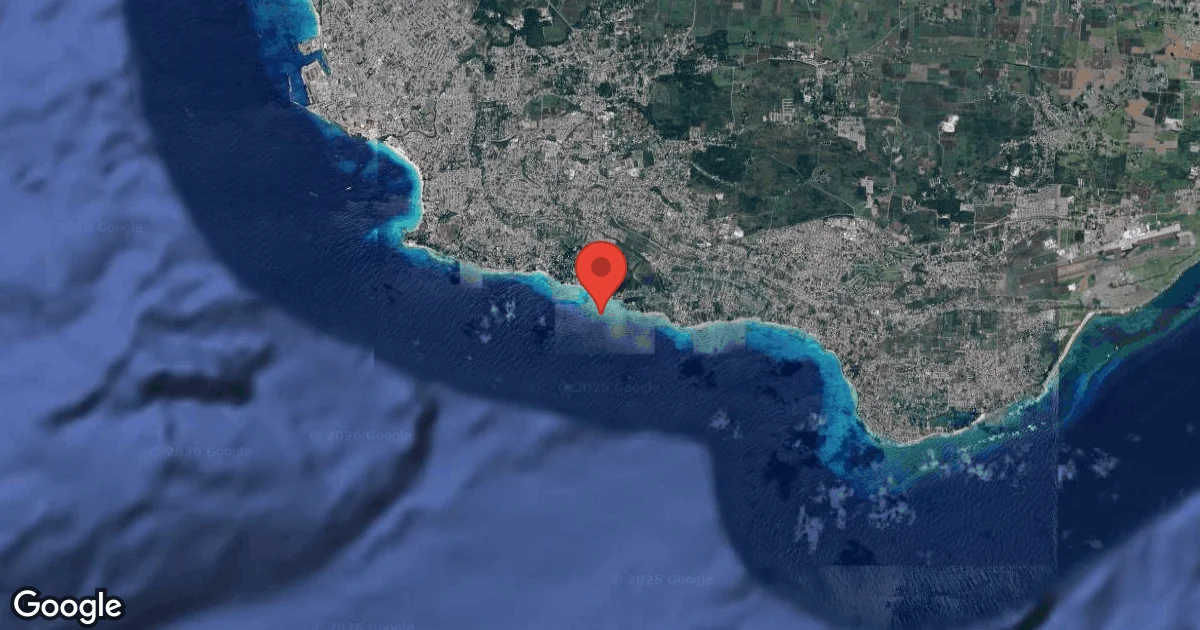
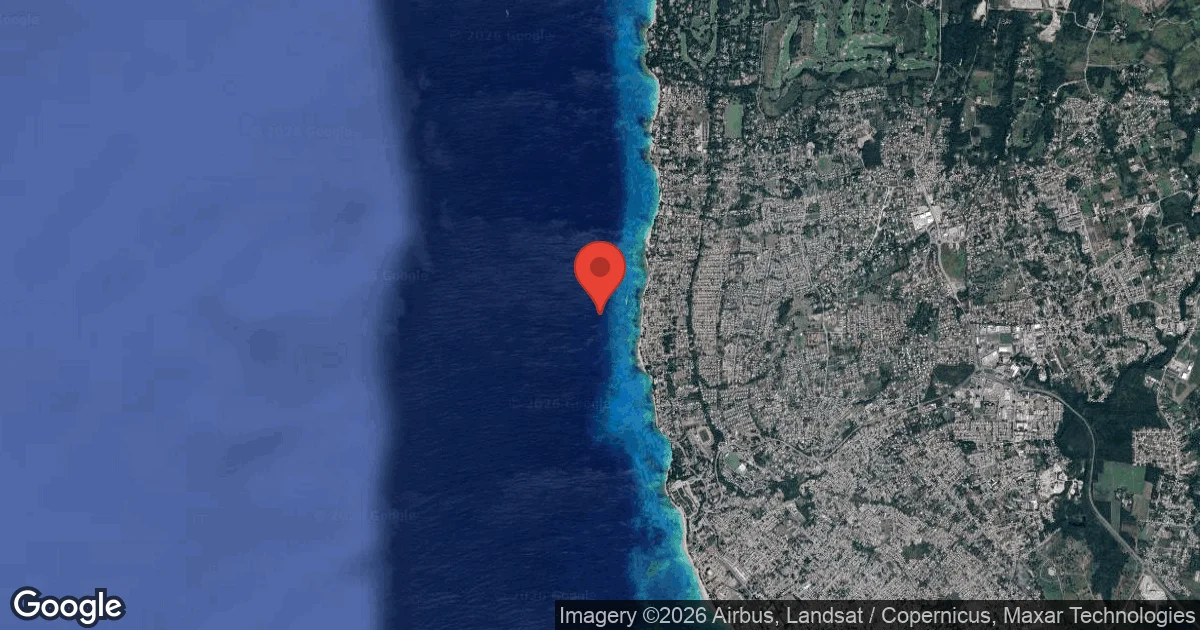
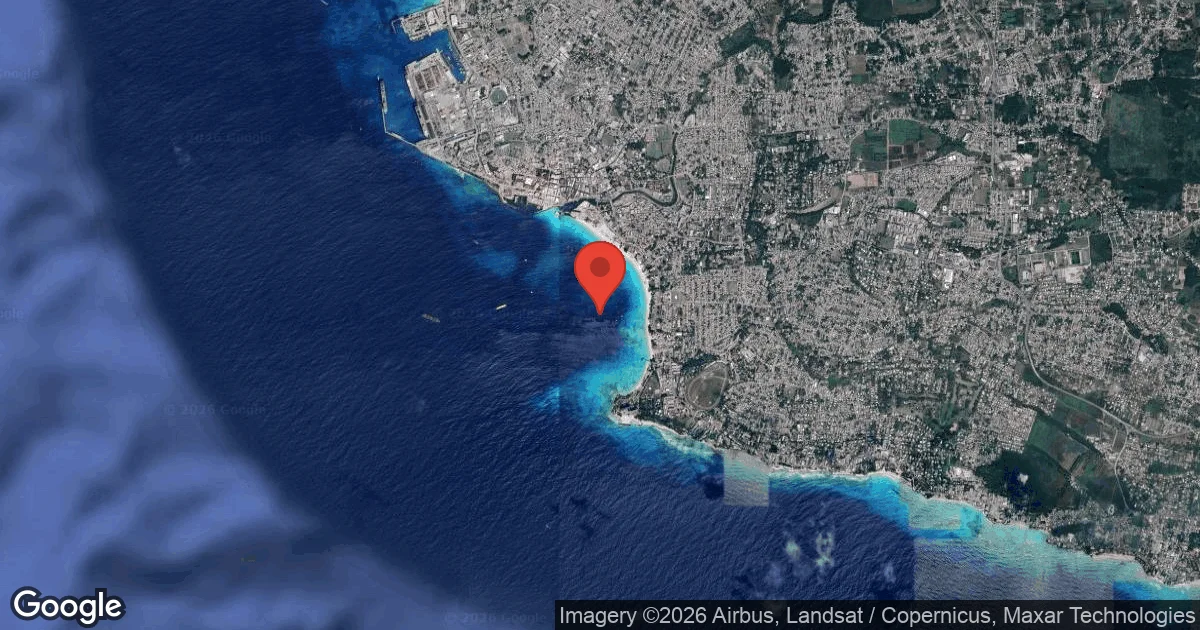
Positioned along Barbados's sheltered West Coast between Batts Rock and Fitts Village, Horseshoe Reef is a classic leeward coral-and-rock formation descending to 30 m (98 ft). Protected from open Atlantic swells by the island's landmass, it offers clear, calm water and denser hard-coral architecture than many faster-moving south-coast drift reefs.
Evening condition tracking at Horseshoe Reef features an air temperature of 30°C. We have recorded wave heights measuring 1.1 m during this period. These figures outline the environmental parameters currently present.
Dive Site Location & Key Facts
Max Depth30m / 98ft
Entry Typeboat
Water Typesalt
Dive Types
DriftReef
Dive Site Overview
Horseshoe Reef curves gently seaward off Barbados's Platinum Coast, combining sculpted limestone ledges with healthy colonies of brain coral, star coral, pillar coral, and swaying gorgonian sea rods. Because the West Coast sits in the lee of prevailing northeast trade winds, underwater topography here develops taller sponge and hard-coral relief than surge-swept southern shelves.
Boat dives typically begin over the brighter upper reef terrace between 10 and 16 m (33 and 52 ft) before angling gradually down sand-and-rubble chutes toward the deeper outer reef edge at 27–30 m (90–98 ft). Mild alongshore currents allow relaxed observation and macro photography while still refreshing the reef slope with plankton.
With forgiving leeward surface conditions and stepped depth contours, dive leaders regularly tailor profiles for Open Water divers exploring the mid-reef coral gardens or Advanced divers working the deeper 25–30 m sponge ledges.
Horseshoe Reef
Conditions are Good
7/10
Confidence: 8/10
Indicates meteorological model agreement and data availability.
Best Dive Window
Optimal conditions expected
06:12
18:45
H: 10:45
L: 16:20
Air / Sea Temp
30° / 29°
Wave Height
1.2 m
Wind Speed
30 km/h E
Rain Chance
50%
Current conditions near Horseshoe Reef show 30° air, 29° sea temperature, 1.2 m waves, and 30 km/h wind. Forecast data is refreshed regularly to ensure accuracy.
Radius: ~12km
Updated: Nov 23, 2026, 12:41 local timeMARINE: OPEN-METEOWEATHER: YR.NO
Best Time to Dive
Horseshoe Reef is diveable year-round thanks to the West Coast's natural wind shadow. Sea temperatures stay comfortably tropical between 26.5°C (80°F) in February and 29.5°C (85°F) in September and October.
From December through May, dry trade-wind weather brings crisp sunny mornings and consistent 18–30 m (60–100 ft) visibility. Between June and November, calmer summer winds often turn the Platinum Coast glassy, though passing late-summer groundswells or heavy rain showers can briefly trim nearshore clarity for a day or two.
PEAK SEASON SCORE
82/100
Very GoodScores combine air & water temps, waves, wind & rainfall for overall conditions.
BEST MONTHS TO DIVE
AUG
SEP
OCT
DIVE SCORE GUIDE (0–100)
Excellent (90–100)
Very Good (80–89)
Good (70–79)
Moderate (50–69)
Poor (30–49)
Not Recommended (0–29)
Monthly records compiled from satellite and marine observation nodes over the last 3 years. Data provided by Open-Meteo and MET Norway.
Dive Experience & Conditions
Reached via a short boat run from Bridgetown, Carlisle Bay, or West Coast moorings near Holetown, Horseshoe Reef typically features calm entries and mild to moderate alongshore drift. Visibility averages 18–25 m (60–80 ft) and frequently approaches 30 m (100 ft) on settled dry-season mornings.
Water temperatures of 26.5–29.5°C (80–85°F) allow most divers to wear a 3 mm shorty, rashguard, or thin 3 mm fullsuit. Because the outer ledge drops smoothly toward 30 m (98 ft), monitoring no-decompression limits and air supply on the deeper seaward rim is key before ascending back onto the sunlit coral terrace.
Dive Difficulty & Safety Guidelines
Maintain careful neutral buoyancy above hard-coral heads and sponge formations, keeping fins and gauges tucked clear of the reef. Divers exploring the deeper 24–30 m (80–98 ft) outer edge should hold Advanced Open Water certification or equivalent deep-dive experience and track no-decompression time closely.
Because West Coast boat traffic—including catamarans, water taxis, and pleasure craft—is active nearshore, always ascend beside the dive boat's mooring or follow your divemaster's surface marker buoy (DSMB), completing a 3-minute safety stop at 5 m (15 ft).
Recommended Equipment
Current and surface separation risk. Local briefing strongly recommended.
- Dive Computer
- DSMB
- Reel / Spool
This gear list is based on verified equipment signals for Horseshoe Reef, Barbados. Always confirm final gear choices with your dive operator, guide, or liveaboard.
Recommended Dive Suit
Recent conditions suggest the water at Horseshoe Reef remains near 29°C (85°F), offering typical conditions for the area. Surface air temperatures are resting at 30°C (86°F).
Weather models indicate a small drop in surface temperatures later this week. Cooler days are ahead; you might want a warmer option for later in the week. A neoprene vest or hood can add flexibility if temperatures feel cooler underwater.
Most divers exploring waters at this temperature rely on dive skin or rash guard for effective insulation. Consider warmer surface protection (like a boat coat) due to brisk winds. Water temperature is only one factor influencing overall comfort during a dive. Stronger winds may also make surface intervals feel cooler than usual.
Horseshoe Reef conditions last reviewed: 12:41 local time (UTC-4), Nov 23, 2026
Emergency & Medical Support
Essential information to help you plan your dive trip to Horseshoe Reef.

Hyperbaric chambers are a critical part of dive safety infrastructure. Availability varies significantly by region, and not all dive areas have immediate access.
Before diving, it's recommended to:
- confirm nearest medical facilities
- check emergency procedures with local dive operators
- ensure dive insurance covers evacuation if required
24/7 Available
Divers Alert Network
Diving emergency assistance available through DAN World.
+1-919-684-9111- 24/7 emergency hotline
- Diving medical assistance
- Evacuation coordination
Emergency contacts are provided for reference. Always verify local emergency services before diving.
Closest Listed Hyperbaric Chambers (≤ 200 km)
Approximate straight-line distances from this dive site — emergency travel times may vary.
5 km5 kmBarbados Defence Force Hyperbaric Chamber
Bridgetown, Barbados24/7ICU+1-246-436-5483Details5 kmBarbados Defence Force Hyperbaric Chamber
24/7 ListedICU CapableBridgetown, Barbados · Multi
Hours: 24/7Facility: Barbados Defence Force Medical Facility / Queen Elizabeth HospitalICU On-Site: YesSource: Official Facility RecordsOfficial website
5 km
Barbados Defence Force Hyperbaric Chamber
Bridgetown, Barbados24/7ICU+1-246-436-5483Details
5 km
Barbados Defence Force Hyperbaric Chamber
24/7 ListedICU CapableBridgetown, Barbados · Multi
Hours: 24/7
Facility: Barbados Defence Force Medical Facility / Queen Elizabeth Hospital
ICU On-Site: Yes
Source: Official Facility Records
Official websiteChamber data is sourced from official public facility records and has not been independently verified by Dive Navigator. Always contact local emergency services, DAN, your dive operator, or the facility directly before travelling.
Reference onlyMarine Life at Horseshoe Reef
Hard-coral spurs and rocky undercuts along Horseshoe Reef shelter classic West Coast Barbados marine life. Hawksbill sea turtles regularly browse on sponges along the mid-reef slope, while French and queen angelfish, stoplight parrotfish, blue tangs, and trumpetfish weave through sea plumes and barrel sponges.
Schools of creole wrasse, blue chromis, and mahogany and yellowtail snappers hover above the coral heads, occasionally joined in mid-water by barracuda and horse-eye jacks.
Closer inspection of rocky crevices and sponge bases reveals spotted and goldentail moray eels, banded coral shrimp, arrow crabs, spiny lobsters, camouflaged frogfish, and invasive lionfish monitored by local Barbados reef conservation teams.
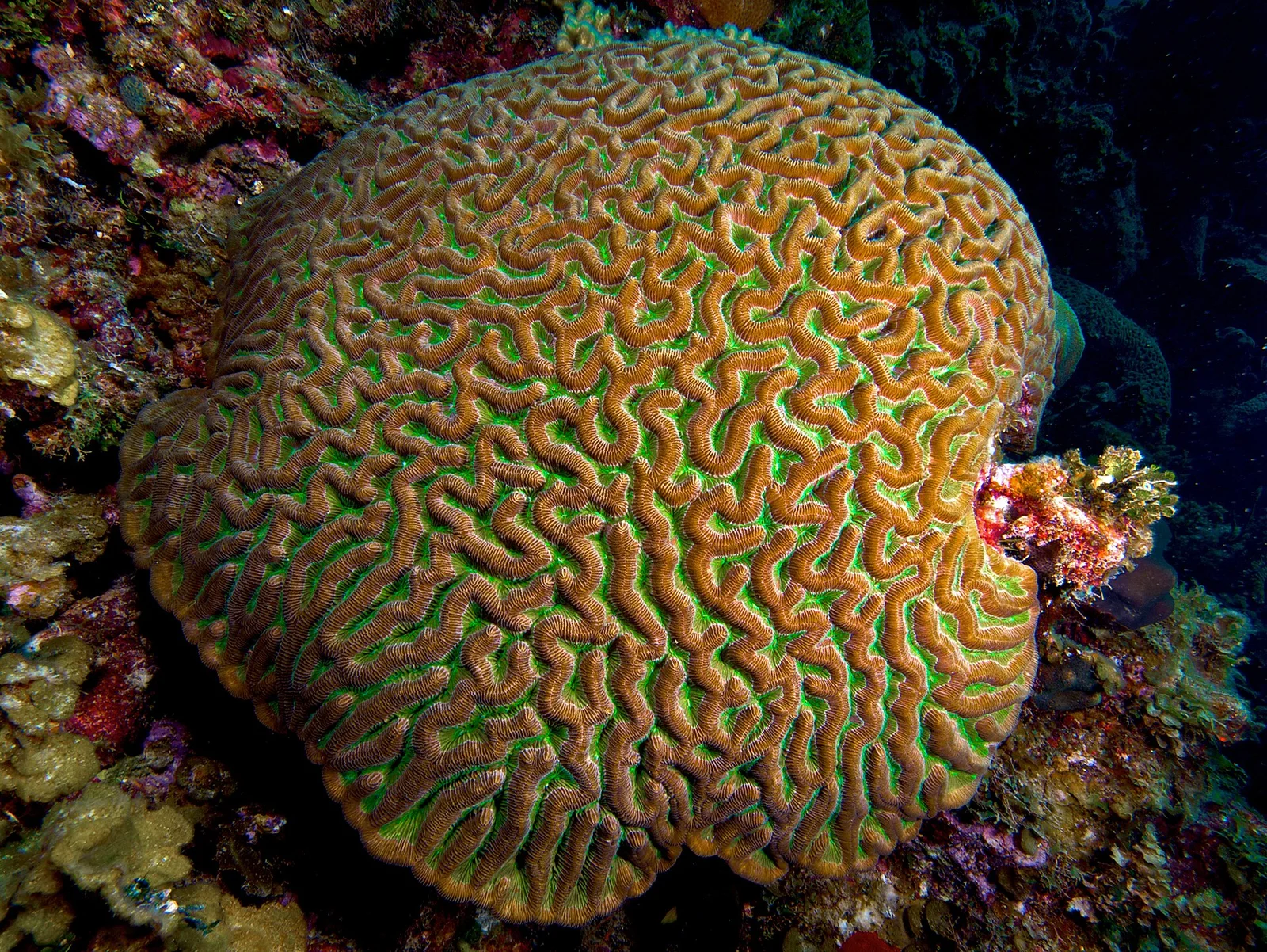
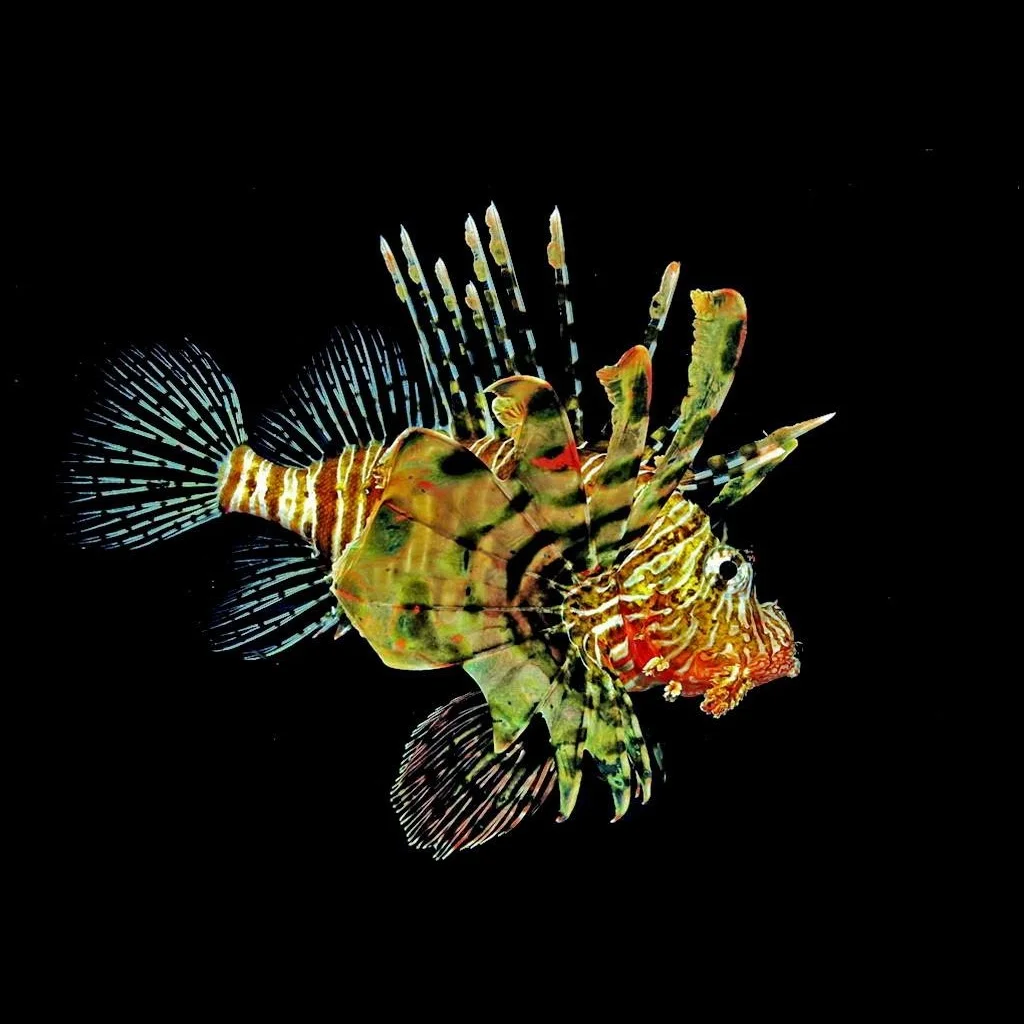
Image contributors:Nick Hobgood
Want to contribute photos or local dive knowledge? Learn how to contributeDive Sites Near Horseshoe Reef
View all dive sites in BarbadosDiscover more underwater gems in this area.
Dive Centers Near Horseshoe Reef
No Dive Centers Local To Horseshoe Reef
Are you a dive center visiting this location? Get listed to reach divers.
Nearest Airports
Nearest airports to help plan travel to this dive area.
Grantley Adams International Airport BGI
17 km
Lauriston Airport CRU
211 km
A.N.R. Robinson International Airport TAB
254 km
💵 Currency: Local Currency
Search Flights
Check available flights and routes on Expedia, using the nearby airports listed in this section.
Search Flights on ExpediaAffiliate link · Dive Navigator may earn a commission at no extra cost to you.
Frequently Asked Questions
Where is Horseshoe Reef located in Barbados?
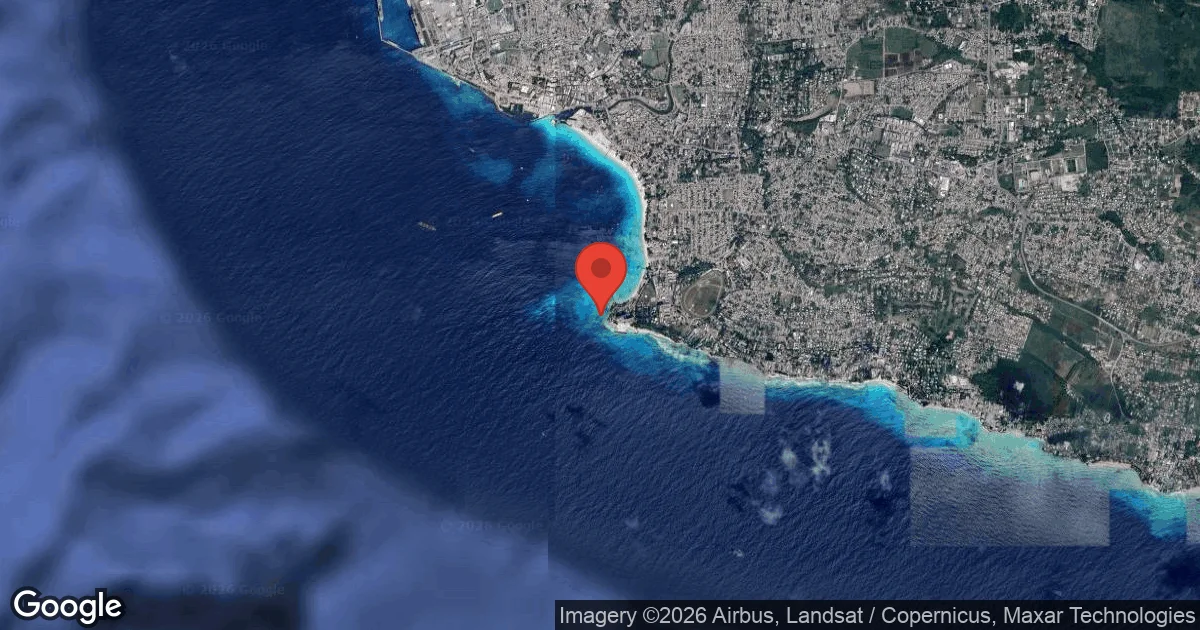
Horseshoe Reef sits off Barbados's sheltered West Coast (13.1188° N, 59.6407° W) between Batts Rock Beach and Fitts Village, a short boat ride north of Bridgetown and Carlisle Bay.
How deep is Horseshoe Reef?
The upper and middle reef sections sit comfortably within 10–18 m (33–60 ft), while the outer seaward reef slope descends to a maximum depth of roughly 30 m (98 ft).
Are currents strong at Horseshoe Reef?
Currents along Barbados's leeward West Coast are generally mild to moderate—noticeably calmer than exposed south- or east-coast sites—allowing relaxed reef exploration or gentle drift profiles.
Is Horseshoe Reef suitable for Open Water divers?
Yes. Open Water divers can comfortably explore the sunlit upper and mid-reef coral formations down to 18 m (60 ft), while Advanced divers can extend down the outer rock-and-sponge ledges to 30 m (98 ft).
What marine life is commonly spotted at Horseshoe Reef?
Divers regularly encounter hawksbill sea turtles, parrotfish, French angelfish, creole wrasse, yellowtail snappers, moray eels, spiny lobsters, barrel sponges, and occasional barracuda.
How do you reach Barbados for diving at Horseshoe Reef?
International flights arrive at Grantley Adams International Airport (BGI) in Christ Church, located about 25–35 minutes by road from Bridgetown, Carlisle Bay, and West Coast dive centers.
Trip Inquiry
Planning to dive Horseshoe Reef?
Tell us your dates and diving needs. We'll review your request and seek offers from relevant local dive centers.
Request Dive Offers Free request for offers • No booking obligation
Horseshoe Reef
Conditions are Good
7/10
Confidence: 8/10
Indicates meteorological model agreement and data availability.
Best Dive Window
Optimal conditions expected
06:12
18:45
H: 10:45
L: 16:20
Air / Sea Temp
30° / 29°
Wave Height
1.2 m
Wind Speed
30 km/h E
Rain Chance
50%
Current conditions near Horseshoe Reef show 30° air, 29° sea temperature, 1.2 m waves, and 30 km/h wind. Forecast data is refreshed regularly to ensure accuracy.
Radius: ~12km
Updated: Nov 23, 2026, 12:41 local timeMARINE: OPEN-METEOWEATHER: YR.NO


