Loading...

Diving at Asta (Barbados)
Published
Last updated
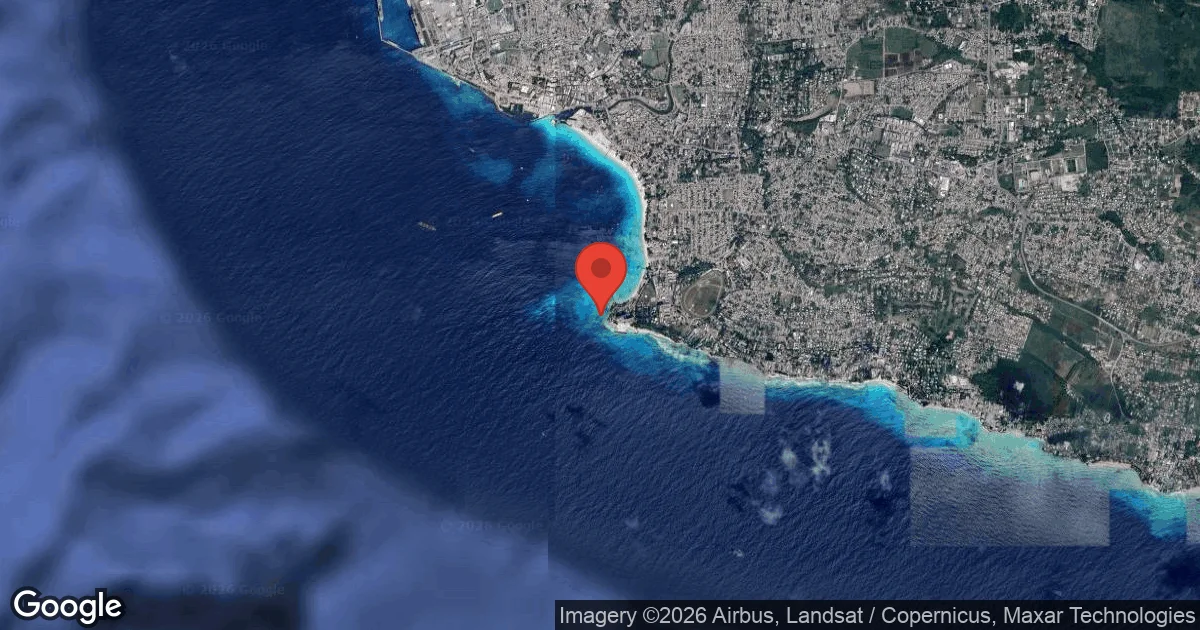
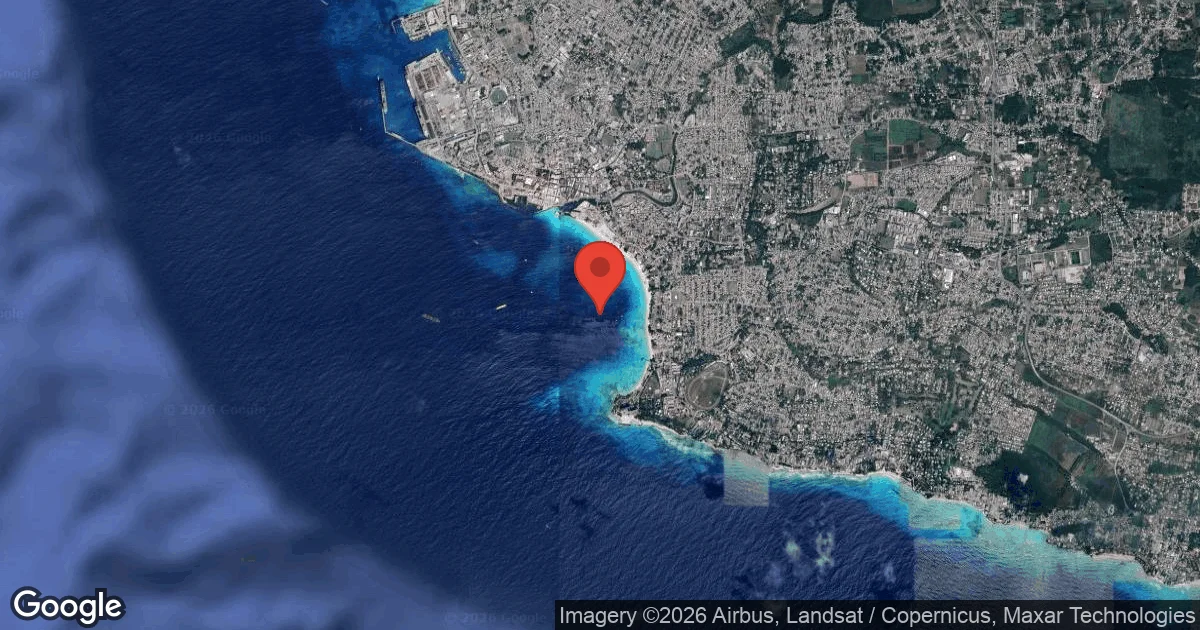
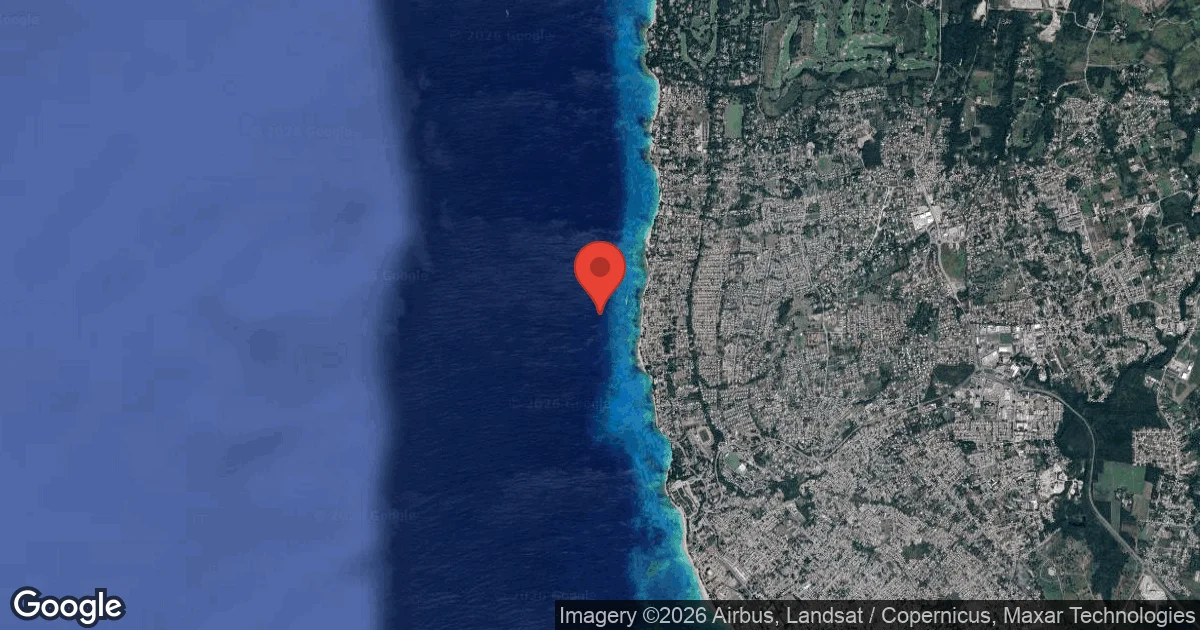
Stretching offshore from the Palm Beach and Hastings coastline in Christ Church, just southeast of Carlisle Bay, Asta (widely known locally as Asta Reef) forms a vibrant section of Barbados's South Coast inner fringe reef system. Named after the historic Asta Beach Hotel once standing opposite the site, this gently sloping coral reef spans roughly 8 to 30 m (25 to 98 ft) and sits immediately alongside the coral-draped Friars Crag freighter wreck.
Evening condition tracking at Asta features an air temperature of 26.5°C. We have recorded wave heights measuring 1.4 m during this period. These figures outline the environmental parameters currently present.
Dive Site Location & Key Facts
Max Depth30m / 98ft
Entry Typeboat
Water Typesalt
Dive Types
DriftReef
Dive Site Overview
Asta belongs to the continuous band of inner fringe reefs protecting Barbados's southwest and south coasts. Its shallower landward crest begins around 8–9 m (25–30 ft) and grades steadily seaward down a broad coral-and-sponge slope to sandy outer edges near 27–30 m (90–98 ft), allowing dive leaders to tailor profiles easily for newly certified Open Water divers on the upper terrace or deeper recreational groups working the outer drop.
The reef framework combines brain and star corals, swaying sea rods, gorgonian fans, and tall barrel sponges cut by sand chutes where stingrays and garden eels settle. Because the topography slopes gradually without sheer overhead walls, natural sunlight illuminates the upper and mid-reef zones well, making the site popular with underwater photographers looking for classic Caribbean reef color and fish portraits.
One of Asta's signature appeals is its proximity to the Friars Crag (Friar's Craig), a Dutch freighter intentionally sunk as an artificial reef in July 1985 in 15 m (50 ft) of water. When the prevailing south-coast current flows steadily at its normal pace, charter boats routinely drop divers onto Asta Reef first and finish the dive drifting onto the three sponge-encrusted sections of the Friars Crag wreck.
API Debug Error:
Weather Error: fetch failed
Best Time to Dive
Diving at Asta runs year-round in warm Caribbean water ranging from 26°C (79°F) in winter to 29°C (84°F) in late summer and autumn. The dry season from December through May brings crisp trade-wind weather and minimal coastal runoff, keeping visibility consistently clear in the 15–25 m (50–80 ft) range.
June through November often delivers the calmest, flattest surface conditions whenever Atlantic trade winds ease, though brief tropical squalls or passing late-summer swells can occasionally stir chop along the south coast compared with Barbados's more sheltered west coast. Morning boat departures generally encounter the lightest wind and most predictable surface conditions.
PEAK SEASON SCORE
78/100
GoodScores combine air & water temps, waves, wind & rainfall for overall conditions.
BEST MONTHS TO DIVE
AUG
SEP
OCT
DIVE SCORE GUIDE (0–100)
Excellent (90–100)
Very Good (80–89)
Good (70–79)
Moderate (50–69)
Poor (30–49)
Not Recommended (0–29)
Monthly records compiled from satellite and marine observation nodes over the last 3 years. Data provided by Open-Meteo and MET Norway.
Dive Experience & Conditions
Diving at Asta is conducted from local dive boats—typically a short run from Carlisle Bay or south-coast moorings—and is most often run as a relaxed drift dive. Under normal conditions, a mild to moderate alongshore current carries divers effortlessly across coral heads, sand patches, and sponge gardens without requiring heavy finning.
Because Barbados's south coast faces more open Atlantic fetch than the leeward west coast, gentle surface chop and occasional bottom surge on the shallower 8–12 m (25–40 ft) crest are normal on breezy trade-wind days. Dropping slightly deeper onto the 14–22 m (45–72 ft) mid-reef slope smooths out surface motion while keeping generous no-decompression bottom time for exploring crevices and finishing near the Friars Crag hull.
Dive Difficulty & Safety Guidelines
Rated Beginner to Intermediate, Asta accommodates all certification levels when groups match their maximum depth to their training—staying between 9 and 18 m (30 and 60 ft) for Open Water profiles or angling down toward the 24–30 m (80–98 ft) outer reef for Advanced divers.
Because south-coast currents can occasionally pick up speed or reverse direction with tidal shifts, divers should stay together as a group behind the divemaster's float, monitor gas closely on deeper outer-slope excursions, and carry a surface marker buoy (DSMB) for boat pickups away from the mooring. Maintain neutral buoyancy over coral heads and avoid kneeling near rubble patches where bearded fireworms and camouflaged scorpionfish rest.
Recommended Equipment
Current and surface separation risk. Local briefing strongly recommended.
- Dive Computer
- DSMB
- Reel / Spool
This gear list is based on verified equipment signals for Asta, Barbados. Always confirm final gear choices with your dive operator, guide, or liveaboard.
Recommended Dive Suit
The latest conditions reported around Asta place the water temperature close to 29°C (85°F). Surface air temperatures are resting at 27°C (80°F).
Many divers choose dive skin or rash guard when diving in similar conditions. A hood or vest is suggested for sensitive divers due to surface winds.
Short-term weather patterns suggest stable conditions for divers visiting the area.
Asta conditions last reviewed: 02:14 local time (UTC-4), Nov 23, 2026
Emergency & Medical Support
Essential information to help you plan your dive trip to Asta.

Hyperbaric chambers are a critical part of dive safety infrastructure. Availability varies significantly by region, and not all dive areas have immediate access.
Before diving, it's recommended to:
- confirm nearest medical facilities
- check emergency procedures with local dive operators
- ensure dive insurance covers evacuation if required
24/7 Available
Divers Alert Network
Diving emergency assistance available through DAN World.
+1-919-684-9111- 24/7 emergency hotline
- Diving medical assistance
- Evacuation coordination
Emergency contacts are provided for reference. Always verify local emergency services before diving.
Closest Listed Hyperbaric Chambers (≤ 200 km)
Approximate straight-line distances from this dive site — emergency travel times may vary.
1 km1 kmBarbados Defence Force Hyperbaric Chamber
Bridgetown, Barbados24/7ICU+1-246-436-5483Details1 kmBarbados Defence Force Hyperbaric Chamber
24/7 ListedICU CapableBridgetown, Barbados · Multi
Hours: 24/7Facility: Barbados Defence Force Medical Facility / Queen Elizabeth HospitalICU On-Site: YesSource: Official Facility RecordsOfficial website
1 km
Barbados Defence Force Hyperbaric Chamber
Bridgetown, Barbados24/7ICU+1-246-436-5483Details
1 km
Barbados Defence Force Hyperbaric Chamber
24/7 ListedICU CapableBridgetown, Barbados · Multi
Hours: 24/7
Facility: Barbados Defence Force Medical Facility / Queen Elizabeth Hospital
ICU On-Site: Yes
Source: Official Facility Records
Official websiteChamber data is sourced from official public facility records and has not been independently verified by Dive Navigator. Always contact local emergency services, DAN, your dive operator, or the facility directly before travelling.
Reference onlyMarine Life at Asta
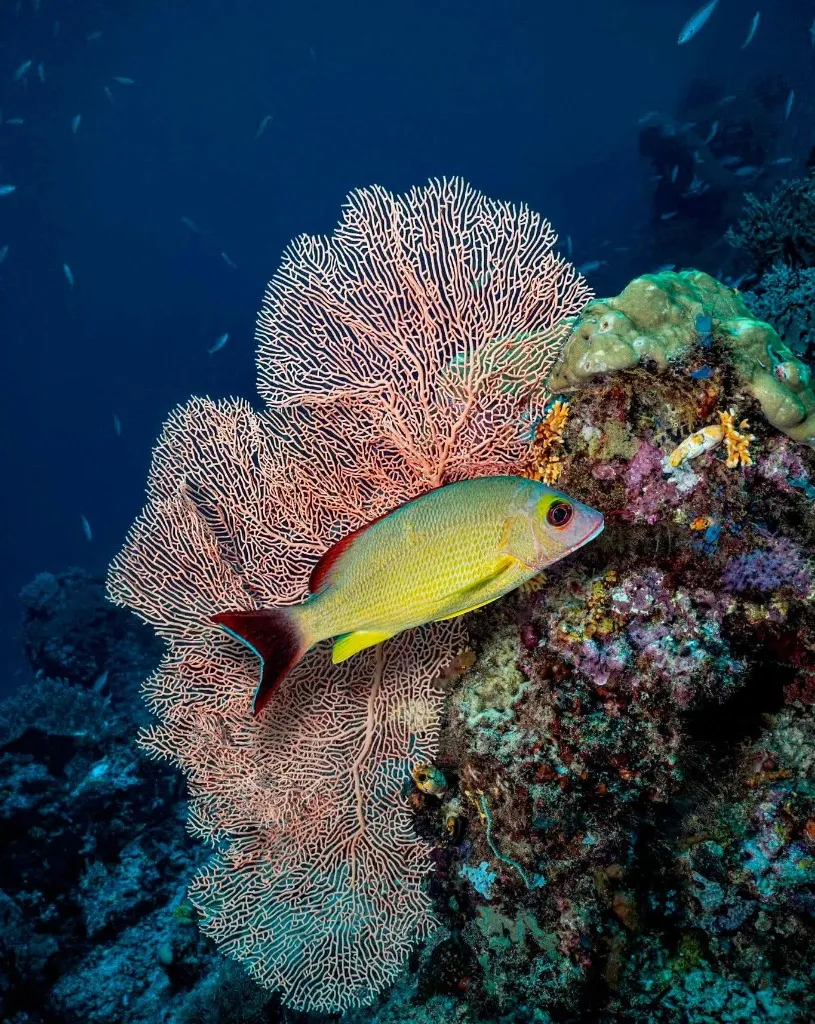
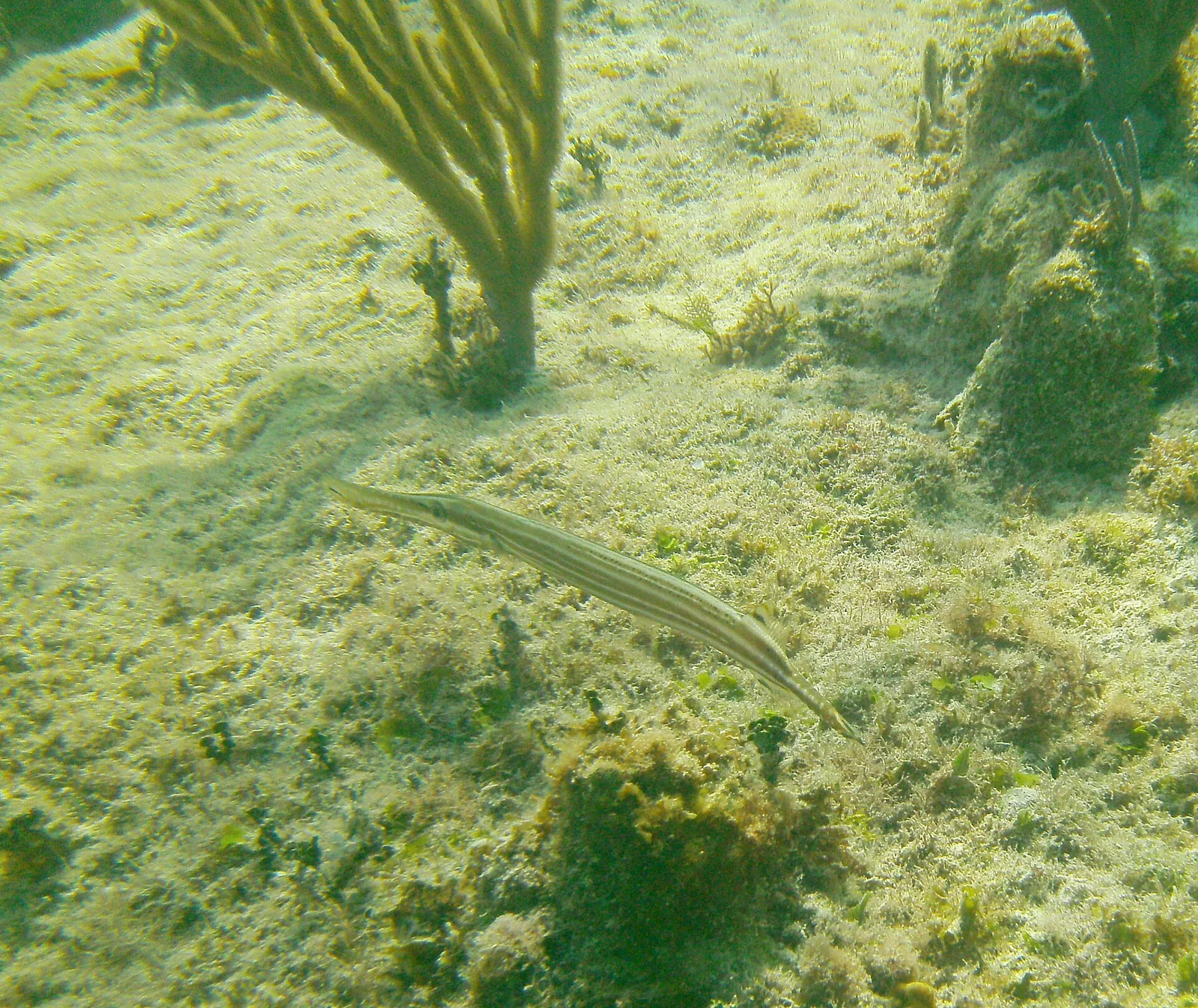
Healthy sponge and soft-coral cover across Asta supports dense Caribbean reef life at every depth. Schools of mahogany and yellowtail snappers, creole wrasse, and blue chromis hang in the gentle current above the reef crest, while French angelfish, princess and stoplight parrotfish, and trumpetfish weave among sea plumes and barrel sponges.
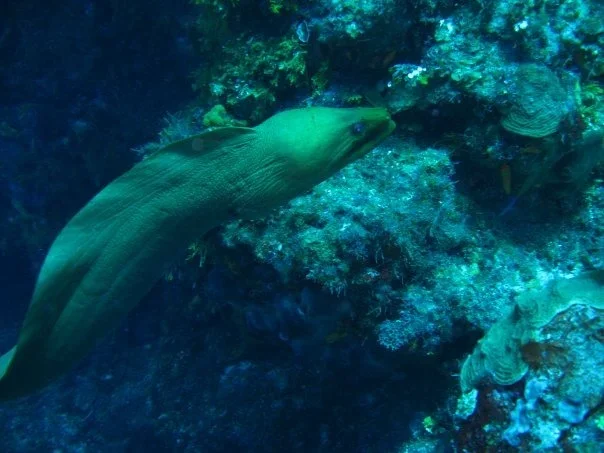
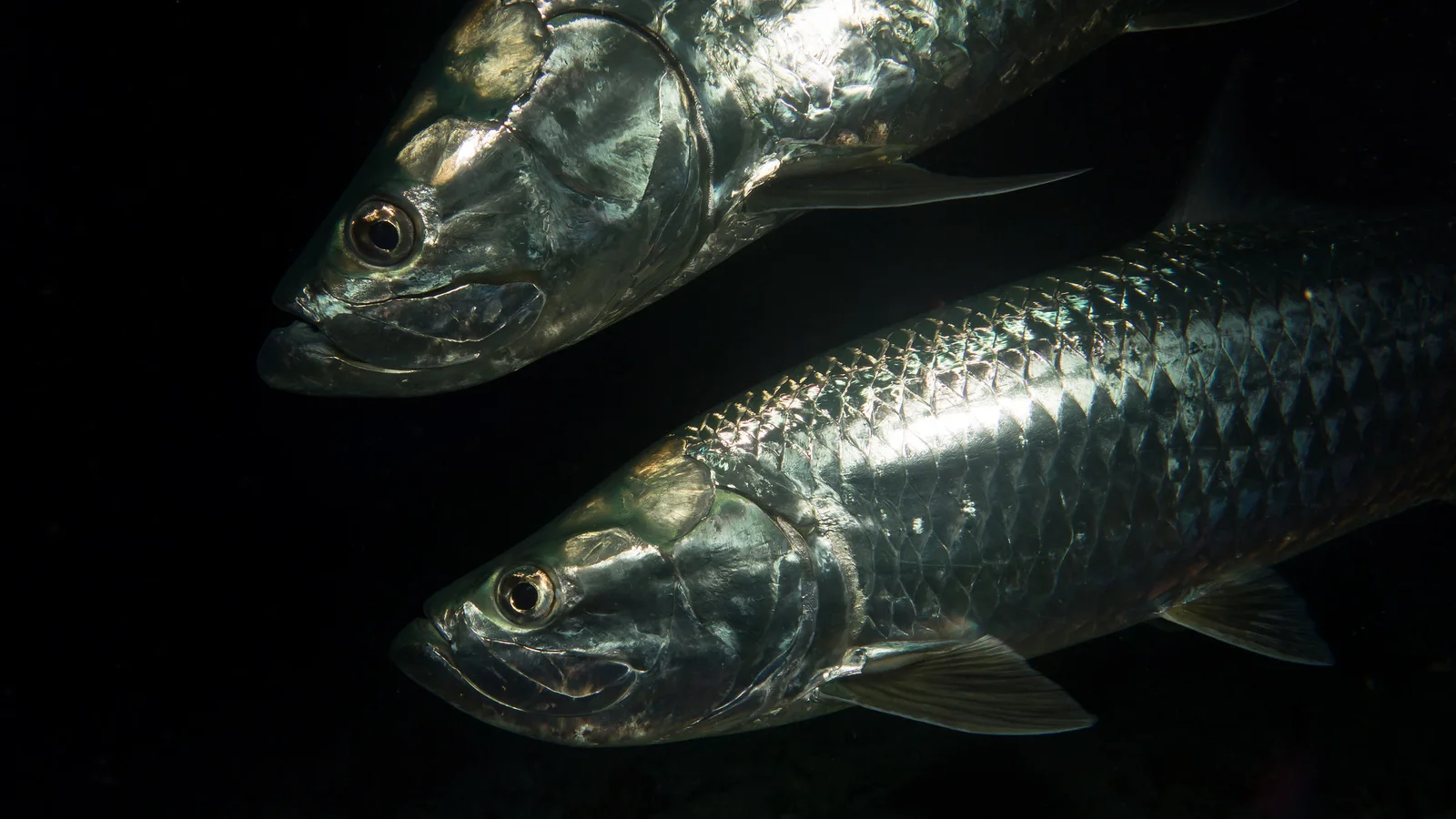
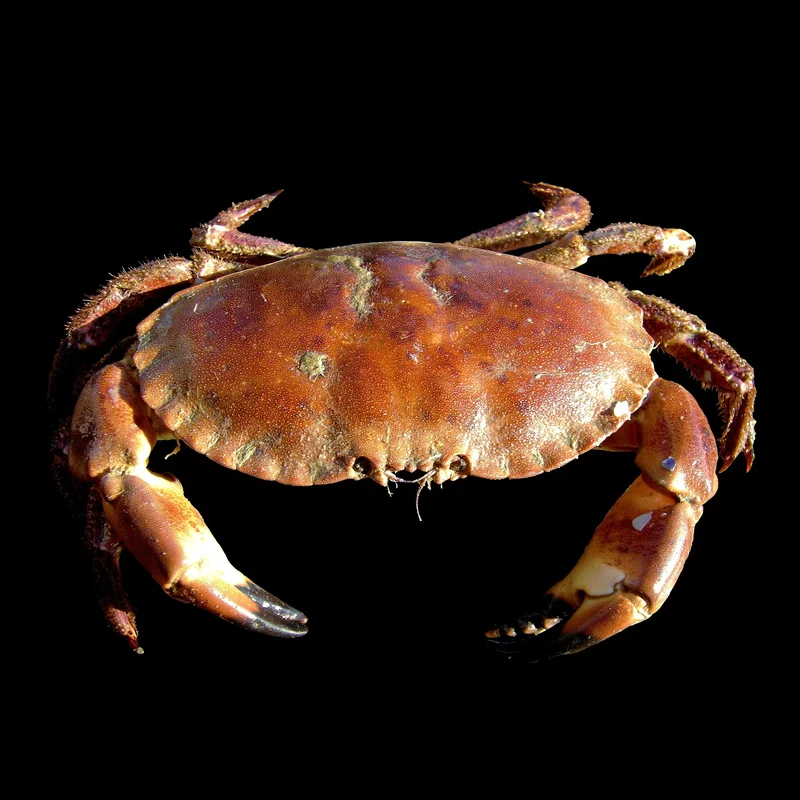
Hawksbill and green sea turtles regularly feed on sponges along the slope, southern stingrays forage across adjacent sand channels, and great barracuda and tarpon patrol mid-water—especially as divers transition toward the Friars Crag wreck. Peering beneath coral ledges and sponge bases frequently reveals spotted moray eels, spiny lobsters, channel clinging crabs, and nocturnal squirrelfish sheltering in the shade.
1 / 3
Image contributors:Kris Mikael Krister, Hans Hillewaert + 5 more
Want to contribute photos or local dive knowledge? Learn how to contributeDive Sites Near Asta
View all dive sites in BarbadosDiscover more underwater gems in this area.
Dive Centers Near Asta
No Dive Centers Local To Asta
Are you a dive center visiting this location? Get listed to reach divers.
Nearest Airports
Nearest airports to help plan travel to this dive area.
Grantley Adams International Airport BGI
12 km
Lauriston Airport CRU
214 km
A.N.R. Robinson International Airport TAB
252 km
💵 Currency: Local Currency
Search Flights
Check available flights and routes on Expedia, using the nearby airports listed in this section.
Search Flights on ExpediaAffiliate link · Dive Navigator may earn a commission at no extra cost to you.
Frequently Asked Questions
Where is the Asta dive site located in Barbados?
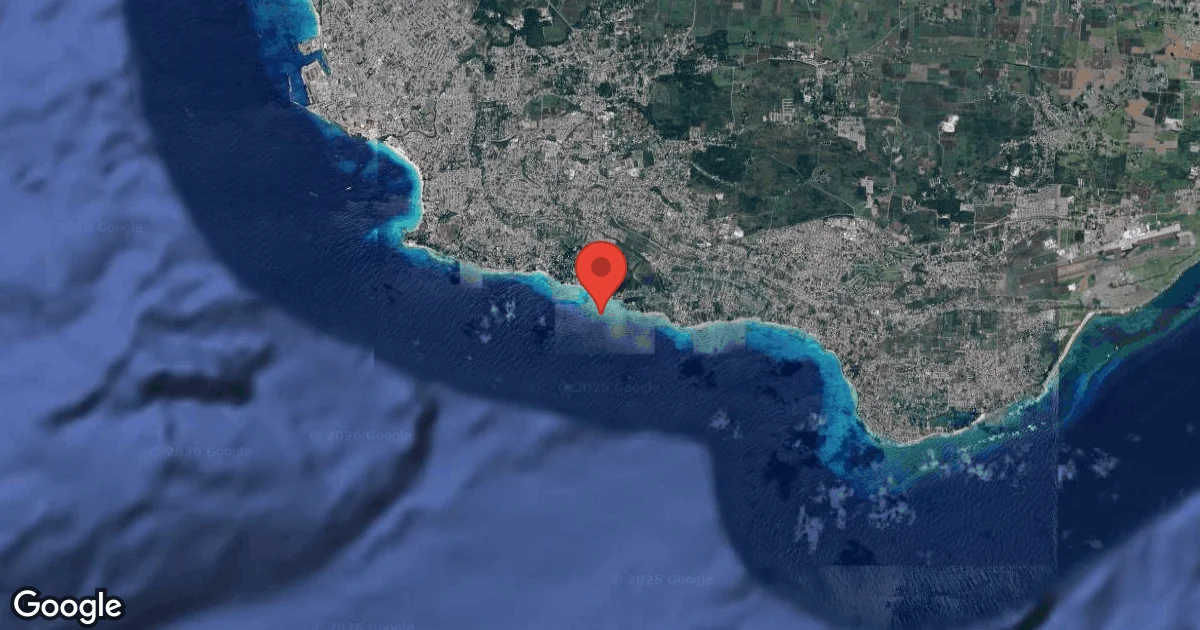
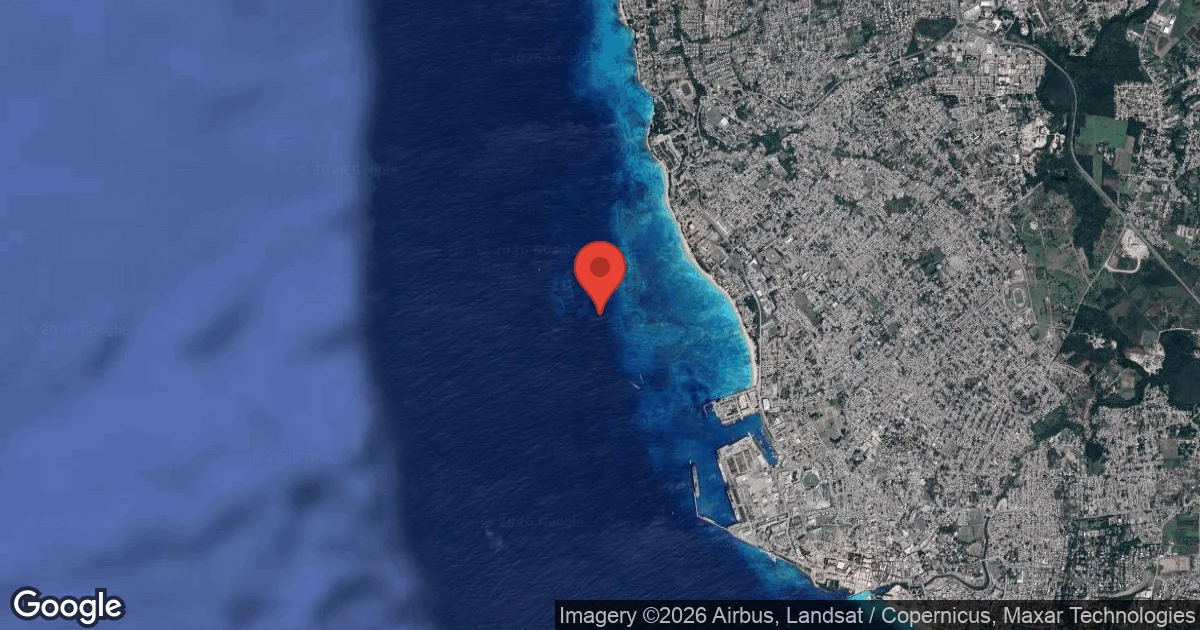
Asta Reef lies off the Palm Beach and Hastings shoreline in Christ Church on Barbados's south coast (13.0734° N, 59.6005° W), a short boat ride southeast of Carlisle Bay.
How deep is Asta Reef?
The inner fringe reef begins around 8–9 m (25–30 ft) on its landward side and slopes gradually seaward to roughly 27–30 m (90–98 ft), making it adaptable for both shallow and deeper recreational dive plans.
Can you combine Asta Reef and the Friars Crag wreck on one dive?
Yes. The 1985 Friars Crag freighter wreck sits right next to Asta in about 15 m (50 ft) of water, and when the south-coast current runs in its usual direction and speed, dive boats regularly run both sites as a single combination drift dive.
Is Asta suitable for beginner divers?
Yes—the upper and middle reef sections between 9 and 18 m (30 and 60 ft) are regularly dived by Open Water divers under normal mild drift conditions, while deeper outer ledges down to 30 m (98 ft) suit Advanced divers.
How do you access Asta Reef?
Asta is a boat-access site served by dive centers operating out of Carlisle Bay, Bridgetown, and the Christ Church south coast.
Trip Inquiry
Planning to dive Asta?
Tell us your dates and diving needs. We'll review your request and seek offers from relevant local dive centers.
Request Dive Offers Free request for offers • No booking obligation
API Debug Error:
Weather Error: fetch failed


