Loading...

Diving at SS Stavronikita (Barbados)
Published
Last updated
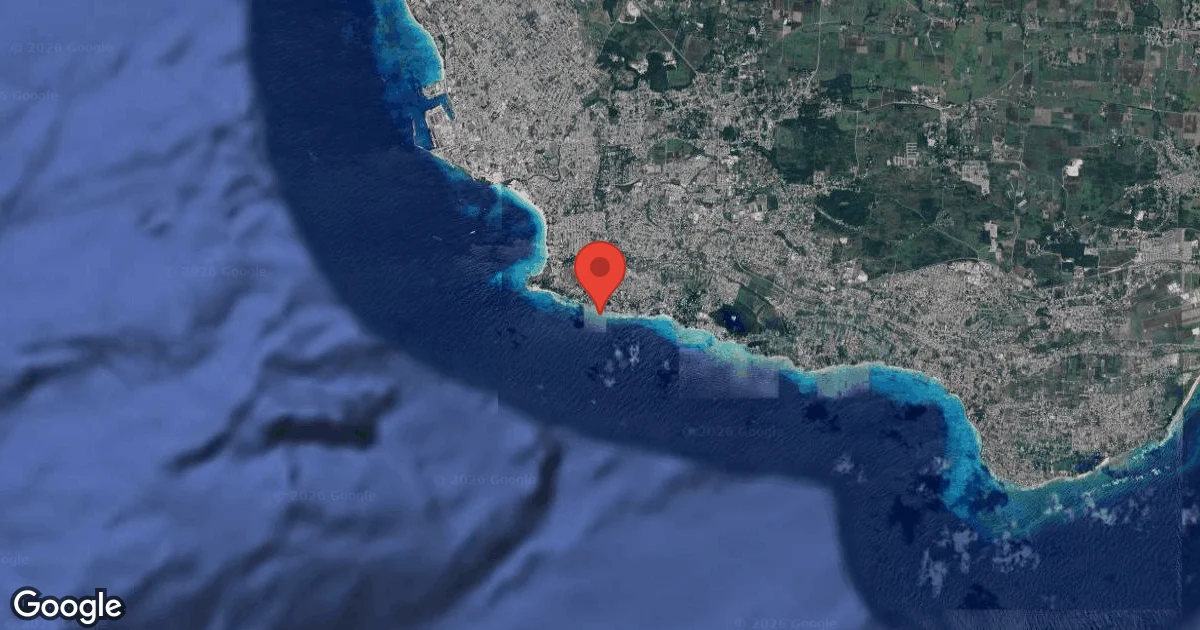
Resting upright on a sandy seabed off the Fitts Village and Prospect coastline in St. James, the SS Stavronikita is Barbados's largest artificial reef and flagship deep wreck dive. Measuring 111 m / 365 ft from bow to stern, this former Greek cargo ship spans a dramatic vertical profile from its shallowest forward masthead near 6 m / 20 ft down to its bronze propeller at 40 to 42 m / 130 to 138 ft. Advanced divers visit year-round for clear leeward Caribbean visibility and dense forests of rope sponges, sea fans, and black coral.
As evening covers SS Stavronikita, the local air temperature is measured at 30°C. The current wave height at the surface is recorded at 1.1 m. These late-day readings characterize the surface conditions for the night.
Dive Site Location & Key Facts
Site Characteristics
Max Depth42m / 138ft
Entry Typeboat
Water Typesalt
Dive Types
DeepReefWreck
Dive Site Overview
Built in Denmark in 1956 as the Danish freighter MV Ohio before sailing under Greek ownership, the SS Stavronikita met disaster on 26 August 1976 while carrying 101,000 bags of Irish cement toward the Caribbean. A severe onboard fire and explosion claimed six crew members and left the surviving twenty-four sailors drifting for four days without radio contact before rescue teams towed the scorched hull into Bridgetown.
After sitting at anchor off Carlisle Bay for more than a year, the Barbados Parks and Beach Commission purchased the derelict ship at auction in October 1977, stripped salvageable machinery, and pumped out roughly 70,000 gallons of fuel oil. In November 1978, a U.S. Navy demolition team detonated seven hull charges totaling 91 kg / 200 lbs of explosives roughly 365 m / 400 yd off the St. James west coast, settling the 111 m / 365 ft hull bolt upright on an even keel.
Nearly five decades underwater have transformed "The Stav" into a towering vertical reef connected to the offshore management zone of the Folkestone marine reserve. Because the ship stands upright on white sand, groups can tailor their dive plan by certification: Advanced Open Water divers focus on the 21 m / 70 ft bow, open cargo holds full of petrified cement bags, and the 24 to 30 m / 80 to 100 ft wheelhouse, while Deep Diver and technical teams drop to the stern rudder and propeller at 40 to 42 m / 130 to 138 ft.
Because a single tank never covers a 111 m / 365 ft vessel at depth, west-coast operators routinely run the SS Stavronikita as the deep morning lead dive followed by a shallow reef drift at nearby Dottins, Paynes Bay, or Johnsons.
SS Stavronikita
Conditions are Good
7/10
Confidence: 8/10
Indicates meteorological model agreement and data availability.
Best Dive Window
Optimal conditions expected
06:12
18:45
H: 10:45
L: 16:20
Air / Sea Temp
30° / 29°
Wave Height
1.2 m
Wind Speed
30 km/h E
Rain Chance
50%
Current conditions near SS Stavronikita show 30° air, 29° sea temperature, 1.2 m waves, and 30 km/h wind. Forecast data is refreshed regularly to ensure accuracy.
Radius: ~12km
Updated: Nov 23, 2026, 11:47 local timeMARINE: OPEN-METEOWEATHER: YR.NO
Best Time to Dive
Diving on the SS Stavronikita runs year-round along Barbados's sheltered leeward west coast, where Caribbean water temperatures stay between 26°C / 79°F in winter and 29°C / 84°F from August through October. Dry trade-wind months from December through May deliver minimal rainfall and crisp underwater clarity averaging 20 to 30 m / 65 to 100 ft, though occasional winter north swells between November and March can kick up temporary surface chop.
Summer and early autumn from June through October bring warmer seas and glass-flat leeward mornings, with visibility regularly reaching 18 to 30 m / 60 to 100 ft outside passing tropical rain squalls. Morning boat departures consistently offer the brightest vertical sunlight down to the main deck and the lightest surface traffic.
PEAK SEASON SCORE
82/100
Very GoodScores combine air & water temps, waves, wind & rainfall for overall conditions.
BEST MONTHS TO DIVE
AUG
SEP
OCT
DIVE SCORE GUIDE (0–100)
Excellent (90–100)
Very Good (80–89)
Good (70–79)
Moderate (50–69)
Poor (30–49)
Not Recommended (0–29)
Monthly records compiled from satellite and marine observation nodes over the last 3 years. Data provided by Open-Meteo and MET Norway.
Dive Experience & Conditions
Access to the SS Stavronikita is exclusively by dive boat from Holetown, Speightstown, or Bridgetown, with crews tying directly onto permanent surface mooring buoys above the wreck. Descending the mooring line, divers often spot the sponge-draped forward masthead rising to 6 m / 20 ft before dropping onto the bow winch deck at 21 m / 70 ft and the wide-open cargo holds between 24 and 27 m / 80 and 90 ft.
Visibility typically holds between 18 and 30 m / 60 and 100 ft, letting natural light frame the superstructure, kingposts, and open wheelhouse. Alongshore currents on the deep hull are usually mild to moderate, though brisker mid-water drift can pull across the shallow foremast during your 5 m / 16 ft safety stop.
Dive Difficulty & Safety Guidelines
Exploring the SS Stavronikita requires at least Advanced Open Water certification, strict gas monitoring, and disciplined no-decompression management. Even along the main deck and bridge at 24 to 30 m / 80 to 100 ft, air no-decompression limits tick down quickly, making Enriched Air Nitrox (EANx 32%) a smart choice for recreational profiles staying above its maximum operating depth. Venturing down to the aft winches and the stern propeller at 40 to 42 m / 130 to 138 ft requires Deep Diver or technical training planned on air or appropriate deep gas mixes.
Although hatch covers were removed prior to scuttling and demolition blast holes open into lower corridors forward of the starboard propeller, nearly fifty years of corrosion have weakened internal bulkheads. Restrict interior swim-throughs to broad, sunlit cargo holds and cleared wheelhouse spaces unless you hold formal Wreck Diver training and dive with a seasoned local guide. Keep hands and fins clear of rusting steel edges, stinging hydroids, and bearded fireworms resting along the railings.
Recommended Equipment
Technical depth range. Advanced planning, gas management, and appropriate certification required.
Overhead / entanglement risk. Wreck penetration requires proper training.
- Dive Computer
- DSMB
- Primary & Backup Lights
- Wreck Reel
- Cutting Tool
This gear list is based on verified equipment signals for SS Stavronikita, Barbados. Always confirm final gear choices with your dive operator, guide, or liveaboard.
Recommended Dive Suit
Dive skin or rash guard is frequently recommended by dive operators for conditions like these. Consider warmer surface protection (like a boat coat) due to brisk winds. Those diving at SS Stavronikita today will likely encounter water temperatures in the region of 29°C (85°F). Surface air temperatures are resting at 30°C (86°F).
Surface temperatures may decrease slightly later in the week. Cooler days are ahead; you might want a warmer option for later in the week. Some divers bring an extra layer for surface intervals between dives.
Even small thermoclines can occasionally cause noticeable changes in water temperature.
SS Stavronikita conditions last reviewed: 11:47 local time (UTC-4), Nov 23, 2026
Emergency & Medical Support
Essential information to help you plan your dive trip to SS Stavronikita.

Hyperbaric chambers are a critical part of dive safety infrastructure. Availability varies significantly by region, and not all dive areas have immediate access.
Before diving, it's recommended to:
- confirm nearest medical facilities
- check emergency procedures with local dive operators
- ensure dive insurance covers evacuation if required
24/7 Available
Divers Alert Network
Diving emergency assistance available through DAN World.
+1-919-684-9111- 24/7 emergency hotline
- Diving medical assistance
- Evacuation coordination
Emergency contacts are provided for reference. Always verify local emergency services before diving.
Closest Listed Hyperbaric Chambers (≤ 200 km)
Approximate straight-line distances from this dive site — emergency travel times may vary.
8 km8 kmBarbados Defence Force Hyperbaric Chamber
Bridgetown, Barbados24/7ICU+1-246-436-5483Details8 kmBarbados Defence Force Hyperbaric Chamber
24/7 ListedICU CapableBridgetown, Barbados · Multi
Hours: 24/7Facility: Barbados Defence Force Medical Facility / Queen Elizabeth HospitalICU On-Site: YesSource: Official Facility RecordsOfficial website
8 km
Barbados Defence Force Hyperbaric Chamber
Bridgetown, Barbados24/7ICU+1-246-436-5483Details
8 km
Barbados Defence Force Hyperbaric Chamber
24/7 ListedICU CapableBridgetown, Barbados · Multi
Hours: 24/7
Facility: Barbados Defence Force Medical Facility / Queen Elizabeth Hospital
ICU On-Site: Yes
Source: Official Facility Records
Official websiteChamber data is sourced from official public facility records and has not been independently verified by Dive Navigator. Always contact local emergency services, DAN, your dive operator, or the facility directly before travelling.
Reference onlyMarine Life at SS Stavronikita
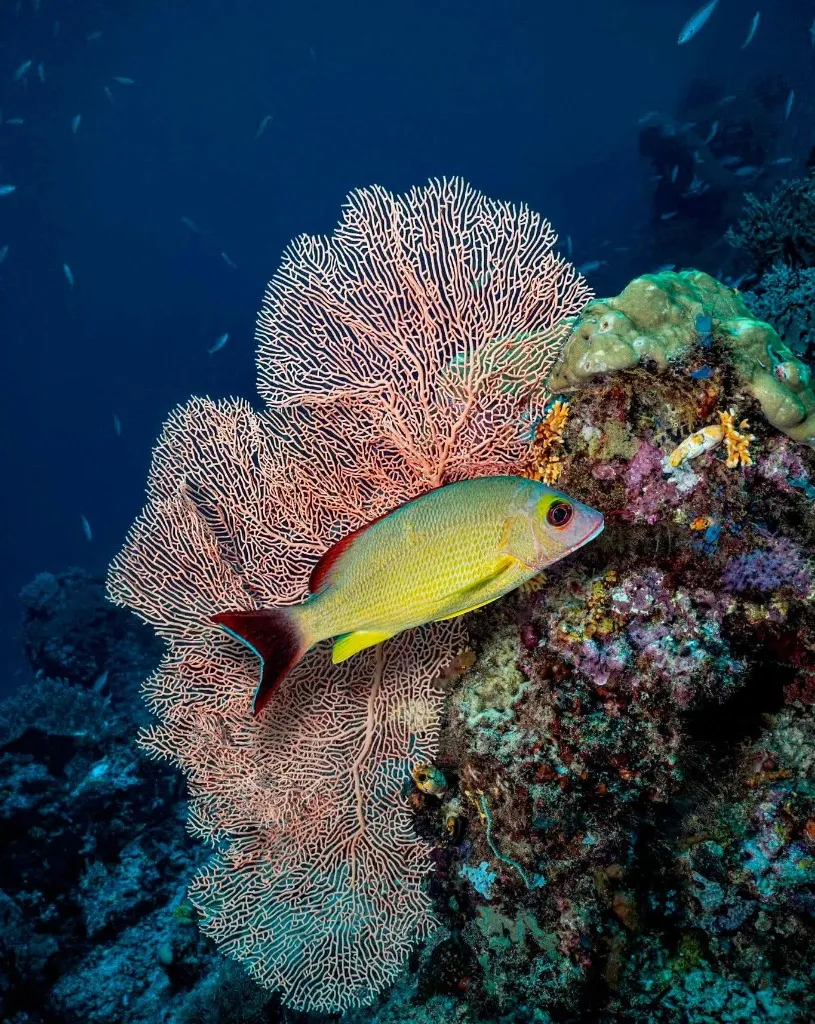
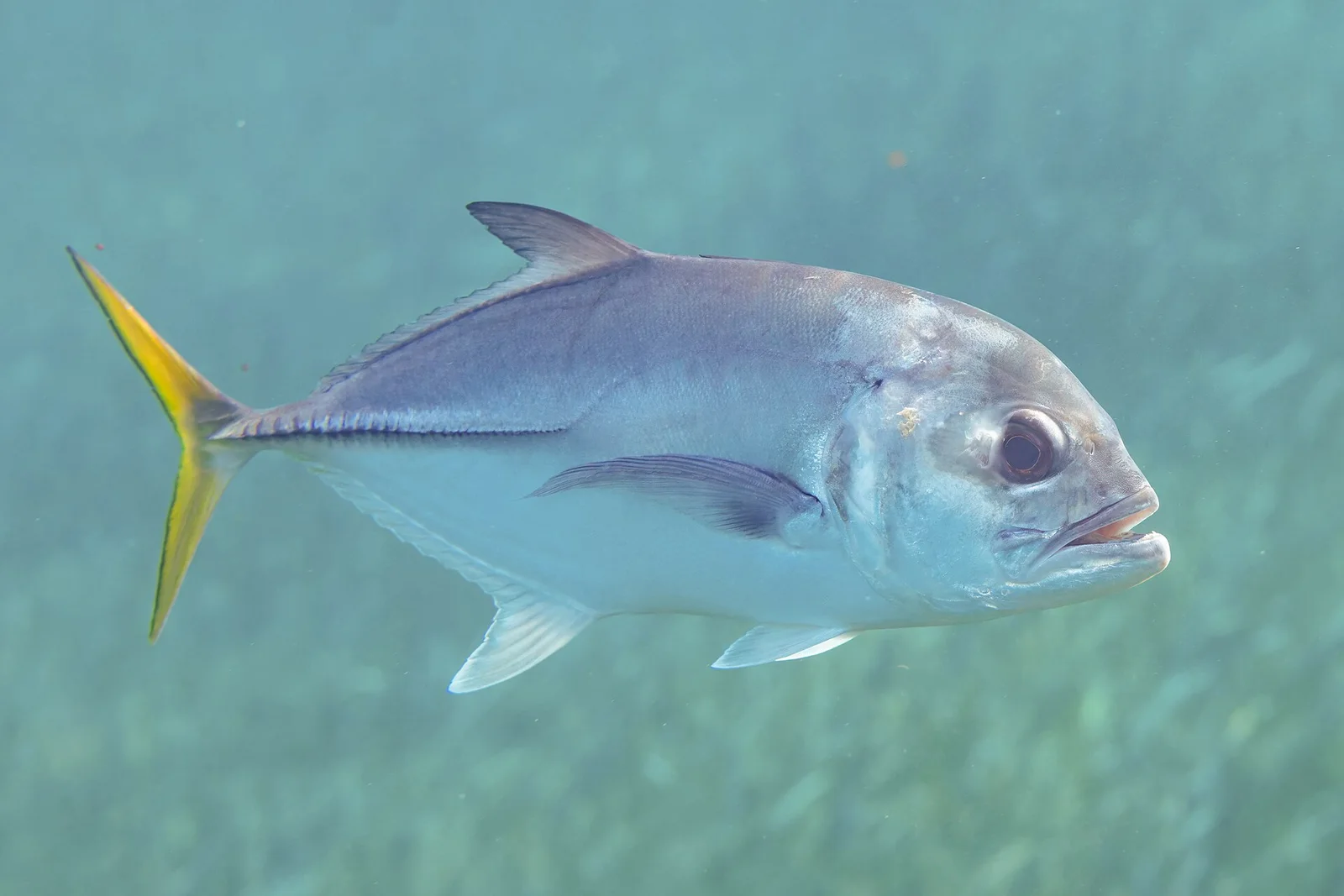
Decades of uninterrupted growth have wrapped the SS Stavronikita's masts, kingposts, and railings in thick orange elephant ear sponges, yellow tube sponges, rope sponges, barrel sponges, and deep-water black coral bushes. Dense rivers of purple-and-gold creole wrasse, blue chromis, and bogas pour continuously over the bow and around the shallow foremast, drawing resident great barracuda, horse-eye jacks, black jacks, rainbow runners, and hunting amberjack.
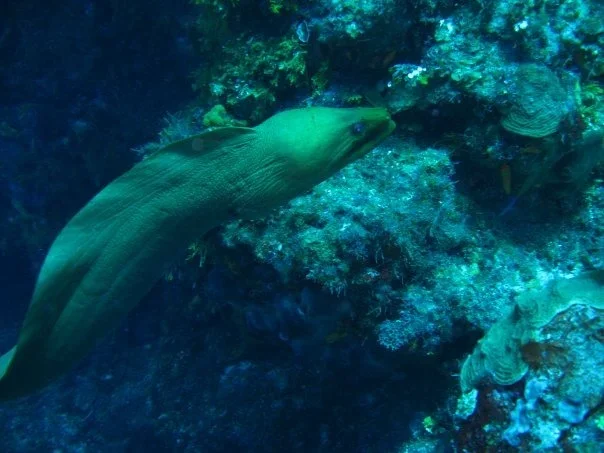
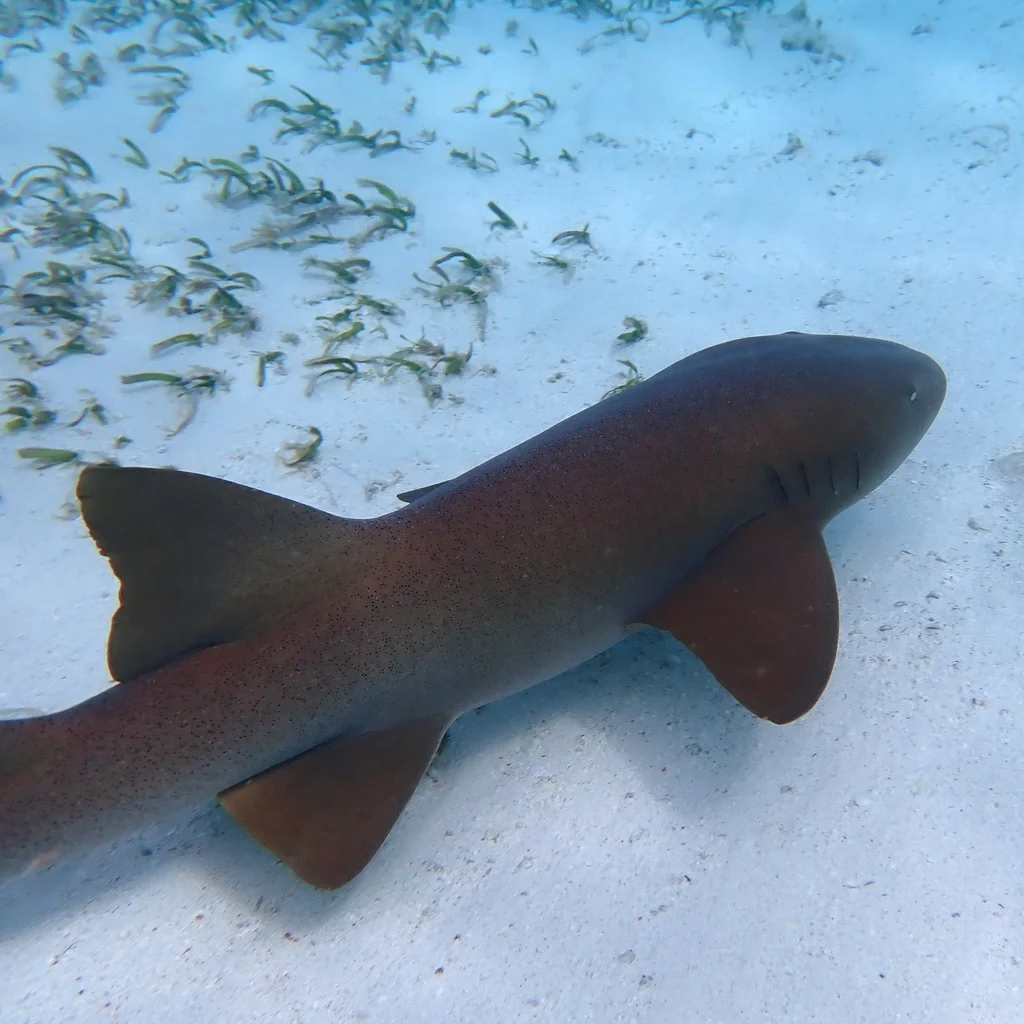
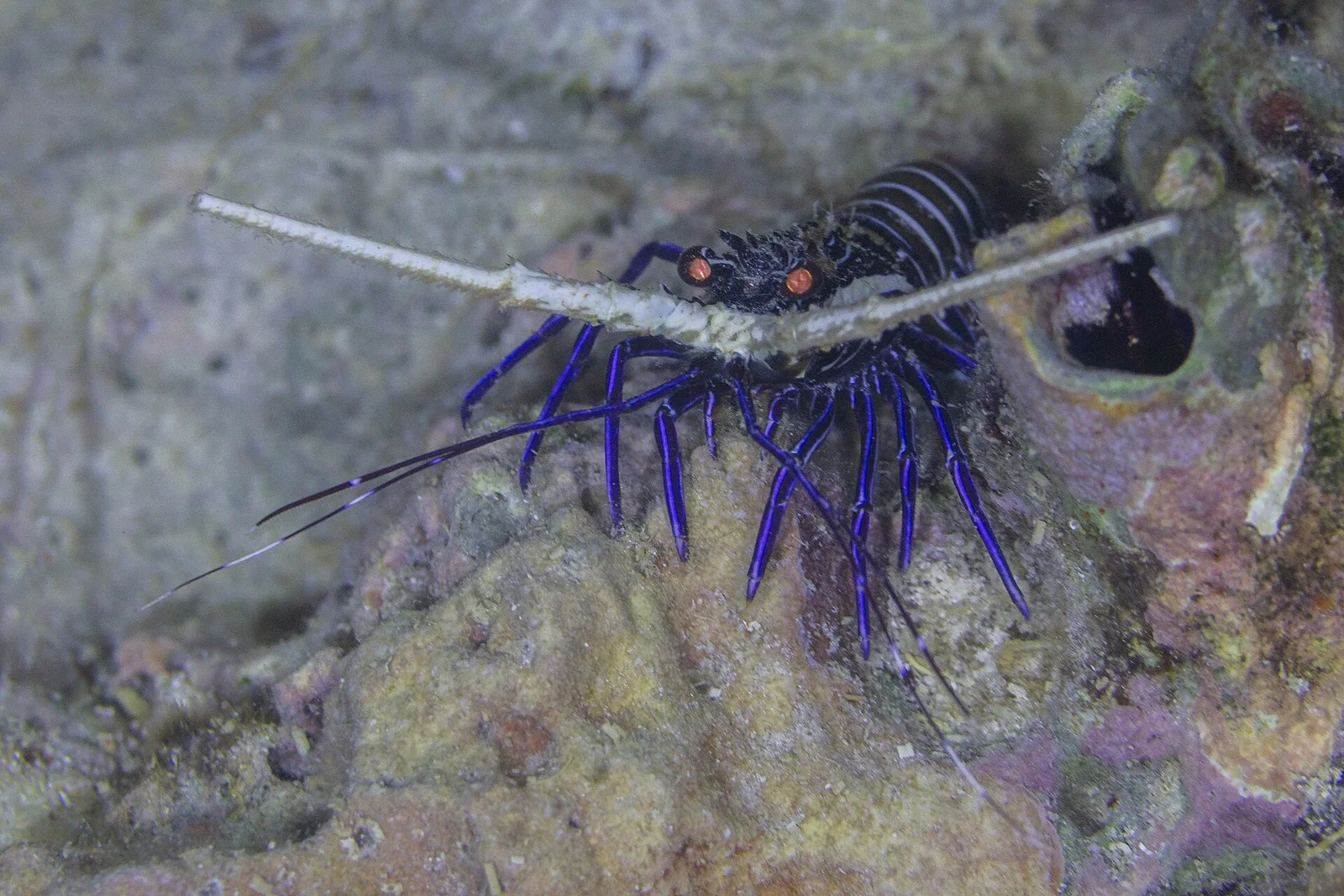
Along the cargo decks and darker hull recesses, divers regularly spot foraging hawksbill turtles, green moray eels, spotted morays, French and queen angelfish, mahogany snappers, and squirrelfish. Peer closely into shaded crevices and encrusting sponges to find spiny lobsters, arrow crabs, banded coral shrimp, bearded fireworms, and camouflaged frogfish or scorpionfish, while nurse sharks and southern stingrays occasionally rest near the deep sand around the hull.
1 / 2
Image contributors:Stan Shebs, Diego Delso + 2 more
Want to contribute photos or local dive knowledge? Learn how to contributeDive Sites Near SS Stavronikita
View all dive sites in BarbadosDiscover more underwater gems in this area.
Dive Centers Near SS Stavronikita
No Dive Centers Local To SS Stavronikita
Are you a dive center visiting this location? Get listed to reach divers.
Nearest Airports
Nearest airports to help plan travel to this dive area.
Grantley Adams International Airport BGI
18 km
Lauriston Airport CRU
212 km
A.N.R. Robinson International Airport TAB
256 km
💵 Currency: Local Currency
Search Flights
Check available flights and routes on Expedia, using the nearby airports listed in this section.
Search Flights on ExpediaAffiliate link · Dive Navigator may earn a commission at no extra cost to you.
Frequently Asked Questions
How deep is the SS Stavronikita wreck in Barbados?
The SS Stavronikita sits upright on a sandy seabed at 40 to 42 m / 130 to 138 ft at her stern propeller and rudder. Because of her height, the bow rises to 21 m / 70 ft, the main deck and wheelhouse span 24 to 30 m / 80 to 100 ft, and the forward masthead reaches within 6 m / 20 ft of the surface.
What certification level do I need to dive the SS Stavronikita?
You need at least Advanced Open Water certification to explore the bow, upper superstructure, and open cargo decks safely down to 30 m / 98 ft. Descending to inspect the stern winches and propeller at 40 to 42 m / 130 to 138 ft requires Deep Diver training or technical gas planning.
Can you dive the SS Stavronikita from shore or snorkel over it?
No, scuba access is strictly by dive boat tying onto offshore mooring buoys roughly 365 m / 400 yd off the Fitts Village and Prospect coast in St. James. While the tip of the 6 m / 20 ft foremast is sometimes visible from the surface on crystal-clear days, the hull lies far too deep in an active boat corridor for recreational snorkeling.
Can divers penetrate the interior of the SS Stavronikita?
Before sinking the ship in November 1978, crews removed the cargo hatch covers and stripped hazards so experienced divers can peer or swim through wide, sunlit cargo holds and the upper wheelhouse. Deeper dark corridors and demolition blast holes carry silt, corrosion, and structural collapse risks and should never be entered without dedicated Wreck Diver training and a local guide.
Should I use Nitrox or air when diving the SS Stavronikita?
Enriched Air Nitrox (EANx 32%) is ideal if you keep your dive on the bow, masts, cargo holds, and bridge above 30 m / 98 ft, giving you substantially longer no-decompression bottom time. Divers planning a deep drop to the 40 to 42 m / 130 to 138 ft propeller must dive air or a custom technical gas mix because 32% Nitrox exceeds safe oxygen partial pressure limits at the seabed.
What happened to the SS Stavronikita before it sank?
Built in Denmark in 1956, the 111 m / 365 ft freighter caught fire at sea on 26 August 1976 while transporting 101,000 bags of cement from Ireland to the Caribbean, tragically killing six crewmen. After being towed to Barbados, the government purchased the burned hulk for $30,000, cleaned out 70,000 gallons of oil, and scuttled her upright with U.S. Navy demolition charges in November 1978.
Trip Inquiry
Planning to dive SS Stavronikita?
Tell us your dates and diving needs. We'll review your request and seek offers from relevant local dive centers.
Request Dive Offers Free request for offers • No booking obligation
SS Stavronikita
Conditions are Good
7/10
Confidence: 8/10
Indicates meteorological model agreement and data availability.
Best Dive Window
Optimal conditions expected
06:12
18:45
H: 10:45
L: 16:20
Air / Sea Temp
30° / 29°
Wave Height
1.2 m
Wind Speed
30 km/h E
Rain Chance
50%
Current conditions near SS Stavronikita show 30° air, 29° sea temperature, 1.2 m waves, and 30 km/h wind. Forecast data is refreshed regularly to ensure accuracy.
Radius: ~12km
Updated: Nov 23, 2026, 11:47 local timeMARINE: OPEN-METEOWEATHER: YR.NO


