Loading...

Diving at Trident (Barbados)
Published
Last updated
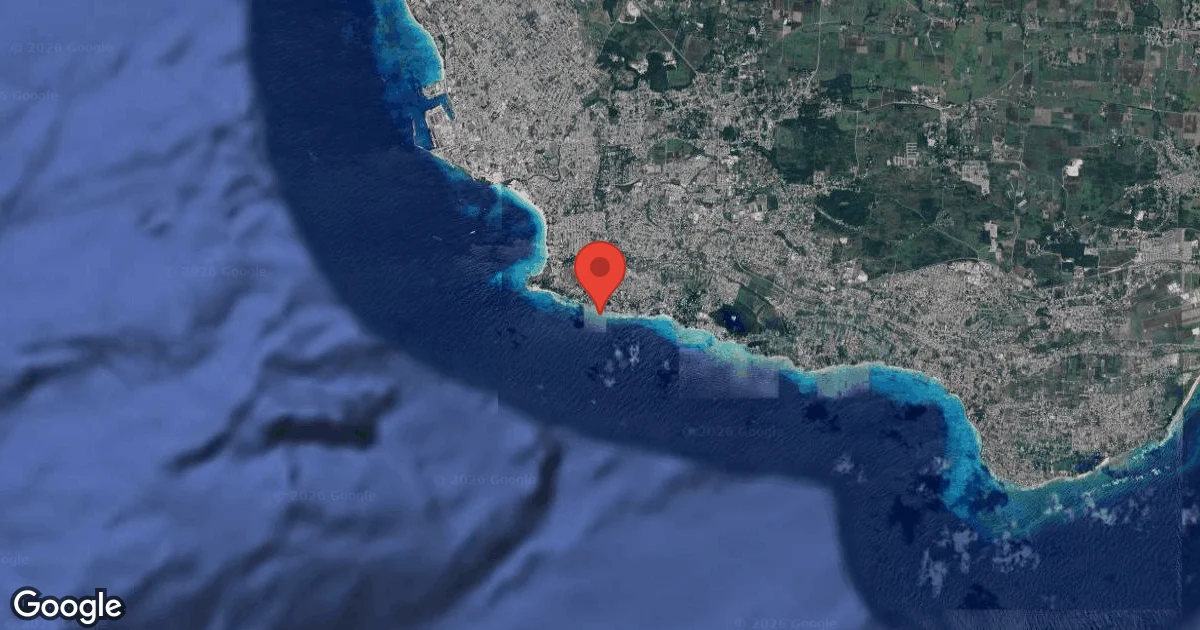
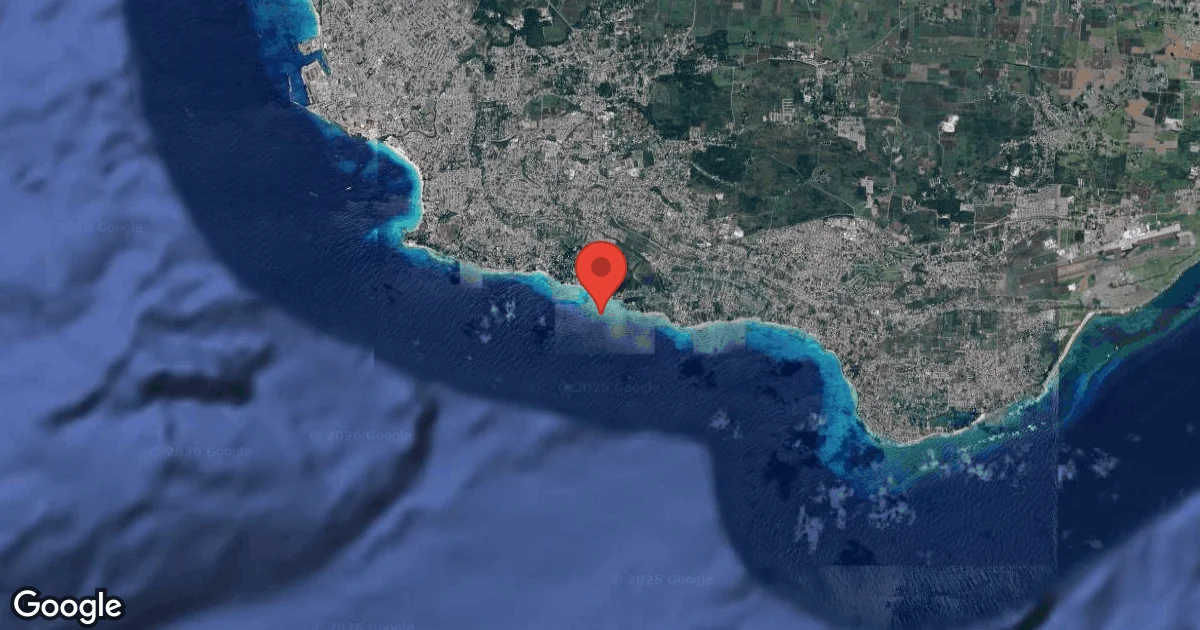
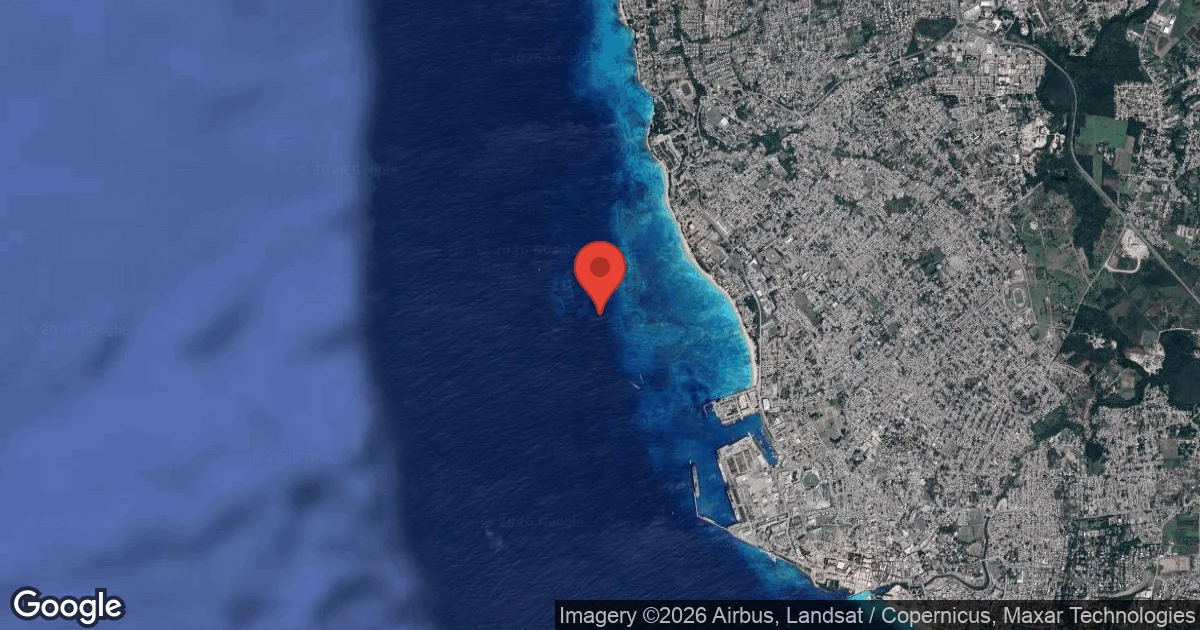
Scuttled in April 2016 just outside Carlisle Bay off Bridgetown, Trident is the retired 37.5 m (123 ft) flagship patrol vessel of the Barbados Coast Guard. Resting upright on bright white sand in 20 m (65 ft) of calm Caribbean water, the wreck is famous for its intact bow deck gun, open wheelhouse, and photogenic swim-throughs.
As evening covers Trident, the local air temperature is measured at 30°C. The current wave height at the surface is recorded at 1.1 m. These late-day readings characterize the surface conditions for the night.
Dive Site Location & Key Facts
Max Depth20m / 66ft
Entry Typeboat
Water Typesalt
Dive Types
Wreck
Dive Site Overview
Built in England by Brooke Marine in 1981 as HMBS Trident, this fast patrol craft served the Barbados Coast Guard for more than three decades before being cleaned of pollutants, prepped with diver access openings, and purposefully sunk as an artificial reef in 2016.
Today the vessel sits upright on a flat sandy seabed at a maximum depth of 20 m (65 ft), with her main deck rising around 12–15 m (40–50 ft) and upper bridge structure shallower still. Wide, cleared doorways and window cutouts create inviting light-filled swim-throughs along the superstructure and wheelhouse without requiring technical deep-wreck decompression.
At the bow, the ship's preserved 40 mm Bofors deck gun points forward into clear blue water, rapidly becoming encrusted in colorful rope and encrusting sponges and serving as one of the signature underwater photo subjects in Barbados.
Trident
Conditions are Good
7/10
Confidence: 8/10
Indicates meteorological model agreement and data availability.
Best Dive Window
Optimal conditions expected
06:12
18:45
H: 10:45
L: 16:20
Air / Sea Temp
30° / 29°
Wave Height
1.2 m
Wind Speed
30 km/h E
Rain Chance
50%
Current conditions near Trident show 30° air, 29° sea temperature, 1.2 m waves, and 30 km/h wind. Forecast data is refreshed regularly to ensure accuracy.
Radius: ~12km
Updated: Nov 23, 2026, 11:30 local timeMARINE: OPEN-METEOWEATHER: YR.NO
Best Time to Dive
Located on the sheltered southwest approach outside Carlisle Bay, Trident is diveable 12 months a year. Water temperatures range from 26.5°C (80°F) between January and March to 29.5°C (85°F) from August through October.
Dry-season months from December to May deliver steady sunshine and crisp 15–25 m (50–80 ft) visibility over the white-sand bottom, while calm summer mornings from June to October frequently offer flat seas and effortless boat boarding.
PEAK SEASON SCORE
82/100
Very GoodScores combine air & water temps, waves, wind & rainfall for overall conditions.
BEST MONTHS TO DIVE
AUG
SEP
OCT
DIVE SCORE GUIDE (0–100)
Excellent (90–100)
Very Good (80–89)
Good (70–79)
Moderate (50–69)
Poor (30–49)
Not Recommended (0–29)
Monthly records compiled from satellite and marine observation nodes over the last 3 years. Data provided by Open-Meteo and MET Norway.
Dive Experience & Conditions
Accessed by a short 5-to-10-minute boat ride from Carlisle Bay and Bridgetown dive shops, Trident offers an ideal intermediate and wreck-specialty profile within standard recreational no-decompression limits. Because the seabed sits at 20 m (65 ft), divers enjoy generous bottom time to circle the stern, inspect the bridge, and frame wide-angle shots of the forward gun.
Currents are typically mild to moderate across the outer bay shelf, though occasional tidal drift can sweep across the bow and superstructure. Descending and ascending along the mooring line keeps entries and safety stops straightforward.
Dive Difficulty & Safety Guidelines
Although Trident was purposefully prepared for recreational divers with wide swim-through openings, never enter enclosed lower compartments without proper wreck training, a dive light, and frog-kick finning to avoid stirring fine sediment.
Keep hands bare and avoid bracing on sponge-coated railings or the bow gun where fire coral, hydroids, and camouflaged scorpionfish settle. Because outer Carlisle Bay experiences regular harbour and catamaran boat traffic, always complete your 5 m (15 ft) safety stop on the mooring line or deploy a DSMB before surfacing.
Recommended Equipment
Overhead / entanglement risk. Wreck penetration requires proper training.
- Dive Computer
- DSMB
- Primary & Backup Lights
- Wreck Reel
- Cutting Tool
This gear list is based on verified equipment signals for Trident, Barbados. Always confirm final gear choices with your dive operator, guide, or liveaboard.
Recommended Dive Suit
For many recreational divers, dive skin or rash guard provides a practical level of insulation in these conditions. Consider warmer surface protection (like a boat coat) due to brisk winds. Divers who tend to get cold easily may prefer slightly thicker exposure protection.
The waters surrounding Trident are currently maintaining temperatures close to 29°C (85°F). Surface air temperatures are resting at 30°C (86°F).
Environmental conditions may feel slightly cooler as the week progresses. Cooler days are ahead; you might want a warmer option for later in the week. Bringing an additional thermal layer can be helpful if conditions change.
Trident conditions last reviewed: 11:30 local time (UTC-4), Nov 23, 2026
Emergency & Medical Support
Essential information to help you plan your dive trip to Trident.

Hyperbaric chambers are a critical part of dive safety infrastructure. Availability varies significantly by region, and not all dive areas have immediate access.
Before diving, it's recommended to:
- confirm nearest medical facilities
- check emergency procedures with local dive operators
- ensure dive insurance covers evacuation if required
24/7 Available
Divers Alert Network
Diving emergency assistance available through DAN World.
+1-919-684-9111- 24/7 emergency hotline
- Diving medical assistance
- Evacuation coordination
Emergency contacts are provided for reference. Always verify local emergency services before diving.
Closest Listed Hyperbaric Chambers (≤ 200 km)
Approximate straight-line distances from this dive site — emergency travel times may vary.
1 km1 kmBarbados Defence Force Hyperbaric Chamber
Bridgetown, Barbados24/7ICU+1-246-436-5483Details1 kmBarbados Defence Force Hyperbaric Chamber
24/7 ListedICU CapableBridgetown, Barbados · Multi
Hours: 24/7Facility: Barbados Defence Force Medical Facility / Queen Elizabeth HospitalICU On-Site: YesSource: Official Facility RecordsOfficial website
1 km
Barbados Defence Force Hyperbaric Chamber
Bridgetown, Barbados24/7ICU+1-246-436-5483Details
1 km
Barbados Defence Force Hyperbaric Chamber
24/7 ListedICU CapableBridgetown, Barbados · Multi
Hours: 24/7
Facility: Barbados Defence Force Medical Facility / Queen Elizabeth Hospital
ICU On-Site: Yes
Source: Official Facility Records
Official websiteChamber data is sourced from official public facility records and has not been independently verified by Dive Navigator. Always contact local emergency services, DAN, your dive operator, or the facility directly before travelling.
Reference onlyMarine Life at Trident
Since sinking in 2016, Trident's steel hull, railings, and forward gun barrel have blossomed with orange, yellow, and purple encrusting sponges, hydroids, and cup corals. Tight schools of horse-eye jacks, barracuda, and silversides swirl around the mast and wheelhouse roof.
Inside shaded overhangs and open companionways, divers spot soldierfish, squirrelfish, grunts, snappers, and spotted moray eels, while hawksbill and green sea turtles frequently cruise past the deck or rest beside the hull.
Out on the surrounding white-sand apron at 20 m (65 ft), southern stingrays, garden eels, flying gurnards, and camouflaged flounders forage within view of the ship.
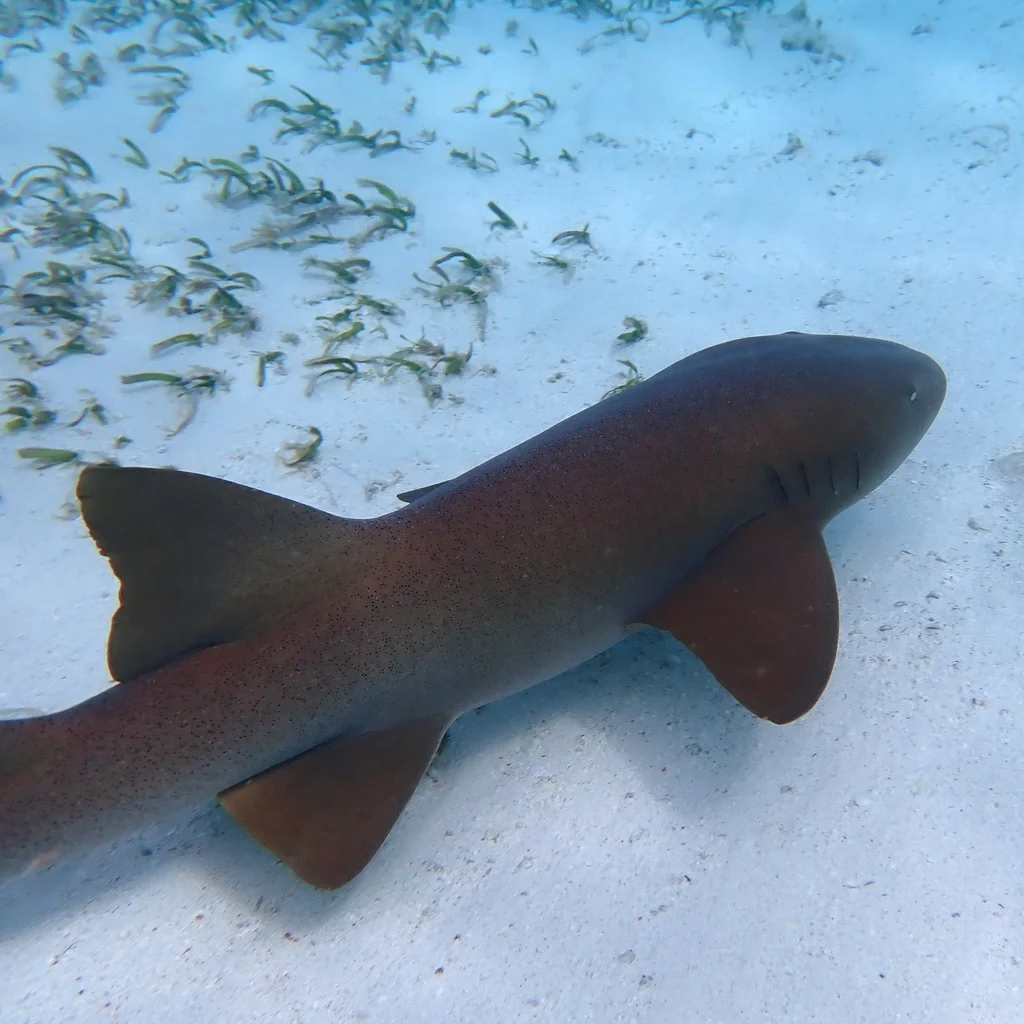
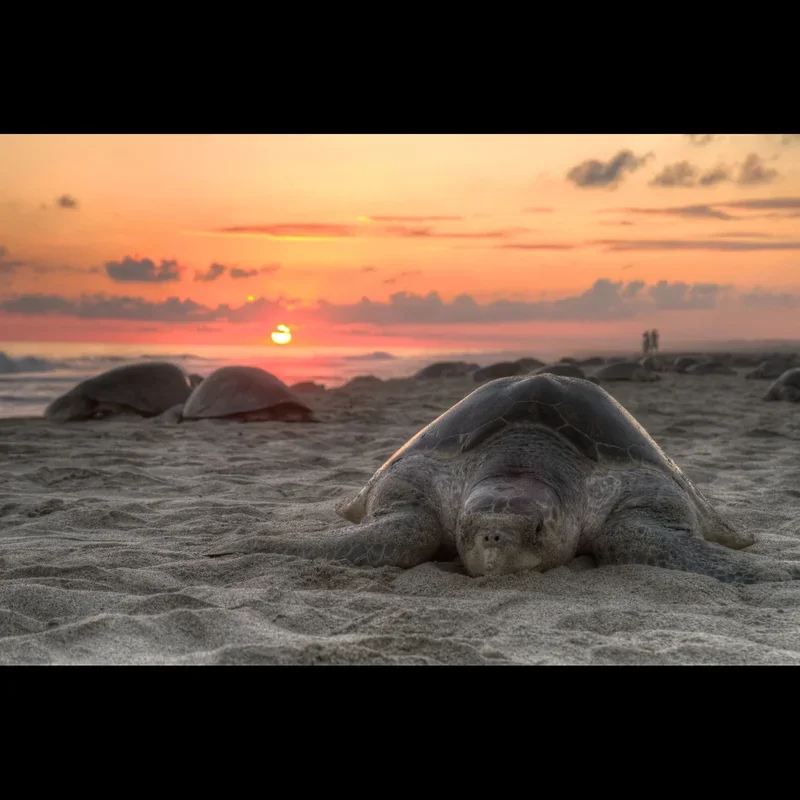
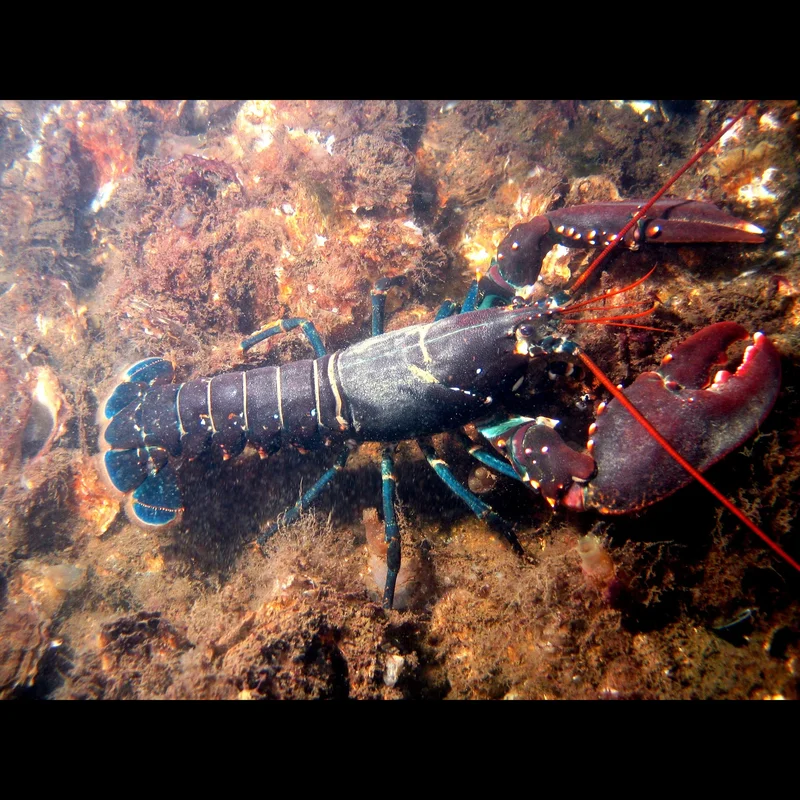
Image contributors:Stan Shebs, Claudio Giovenzana + 1 more
Want to contribute photos or local dive knowledge? Learn how to contributeDive Sites Near Trident
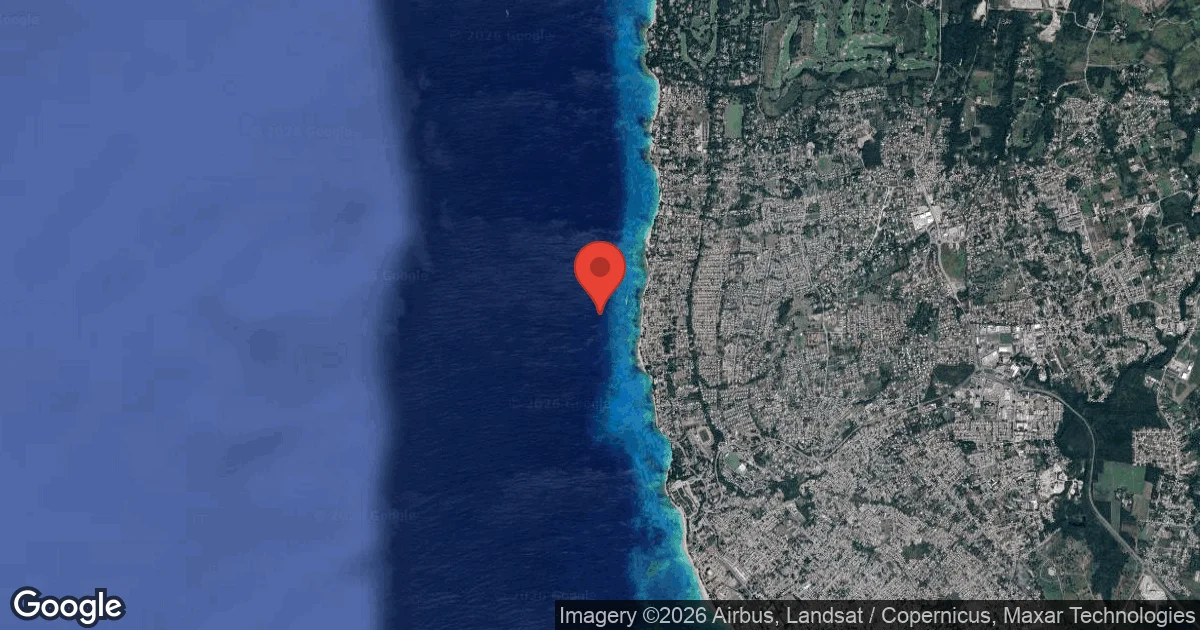
View all dive sites in BarbadosDiscover more underwater gems in this area.
Dive Centers Near Trident
No Dive Centers Local To Trident
Are you a dive center visiting this location? Get listed to reach divers.
Nearest Airports
Nearest airports to help plan travel to this dive area.
Grantley Adams International Airport BGI
13 km
Lauriston Airport CRU
213 km
A.N.R. Robinson International Airport TAB
252 km
💵 Currency: Local Currency
Search Flights
Check available flights and routes on Expedia, using the nearby airports listed in this section.
Search Flights on ExpediaAffiliate link · Dive Navigator may earn a commission at no extra cost to you.
Frequently Asked Questions
What kind of wreck is Trident in Barbados?
Trident (formerly HMBS Trident) is a retired 37.5 m (123 ft) Barbados Coast Guard patrol vessel purposefully scuttled in April 2016 outside Carlisle Bay as an artificial reef, complete with its intact bow deck gun.
How deep is the Trident wreck dive?
The wreck rests upright on a sandy bottom at a maximum depth of 20 m (65 ft), with the main deck and bridge structure rising between roughly 10 and 15 m (33 and 50 ft).
What certification level is recommended for diving Trident?
Because the seabed sits at 20 m (65 ft), Open Water divers diving with a local guide can tour the upper deck and bow gun within 18 m, while Advanced Open Water or Wreck Diver certification is ideal for exploring the full hull base and swim-throughs.
Can divers swim through the Trident wreck?
Yes—the vessel was cleaned and prepared prior to sinking with wide, sunlit swim-throughs in the wheelhouse and upper superstructure suitable for recreational divers with good buoyancy control.
What marine life lives on the Trident shipwreck?
Schools of horse-eye jacks, barracuda, snappers, and grunts patrol the hull alongside hawksbill and green sea turtles, moray eels, scorpionfish, and southern stingrays on the surrounding sand.
How far is Trident from Carlisle Bay?
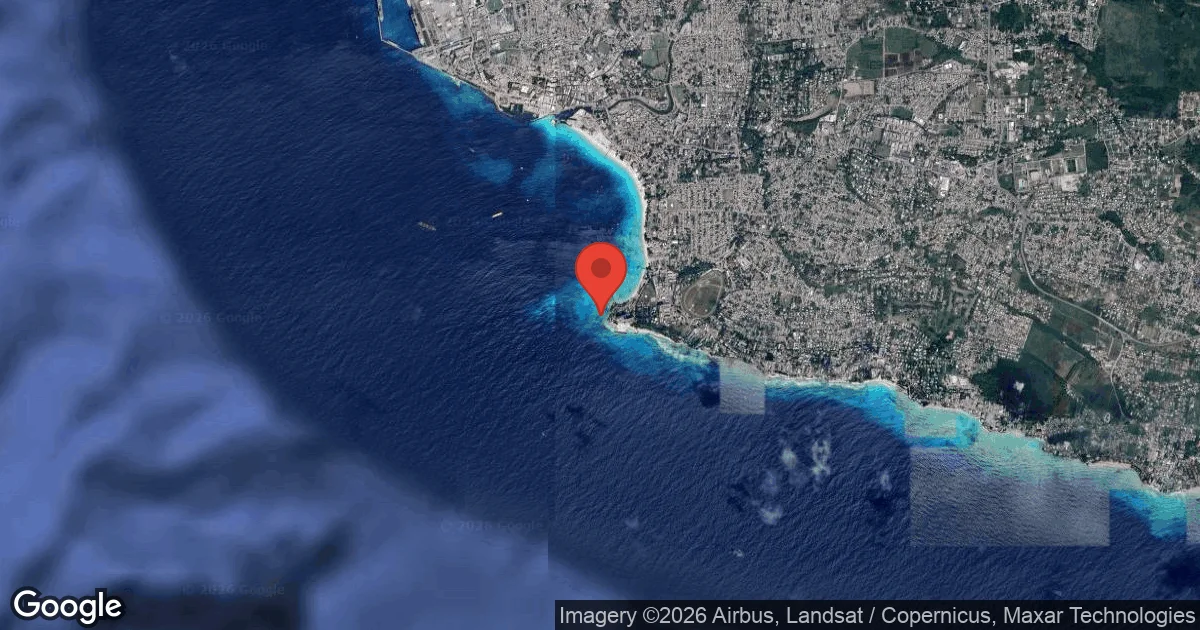
Trident sits just outside Carlisle Bay near Bridgetown (13.0867° N, 59.6139° W), reached in roughly 5 to 10 minutes by dive boat.
Trip Inquiry
Planning to dive Trident?
Tell us your dates and diving needs. We'll review your request and seek offers from relevant local dive centers.
Request Dive Offers Free request for offers • No booking obligation
Trident
Conditions are Good
7/10
Confidence: 8/10
Indicates meteorological model agreement and data availability.
Best Dive Window
Optimal conditions expected
06:12
18:45
H: 10:45
L: 16:20
Air / Sea Temp
30° / 29°
Wave Height
1.2 m
Wind Speed
30 km/h E
Rain Chance
50%
Current conditions near Trident show 30° air, 29° sea temperature, 1.2 m waves, and 30 km/h wind. Forecast data is refreshed regularly to ensure accuracy.
Radius: ~12km
Updated: Nov 23, 2026, 11:30 local timeMARINE: OPEN-METEOWEATHER: YR.NO


