
Diving at Caverna da Sapata (Brazil)
Caverna da Sapata, situated within Brazil's Fernando de Noronha archipelago, presents divers with generally mild conditions. Visibility typically ranges from 15 to 30 m (50-100 ft), often coupled with mild currents and an absence of significant surge. This site, reaching a maximum depth of 30 m (100 ft), is celebrated for its intricate cave systems and the striking play of natural light, providing a captivating underwater experience.
As evening covers Caverna da Sapata, the local air temperature is measured at 25.5°C. The current wave height at the surface is recorded at 1.8 m. These late-day readings characterize the surface conditions for the night.
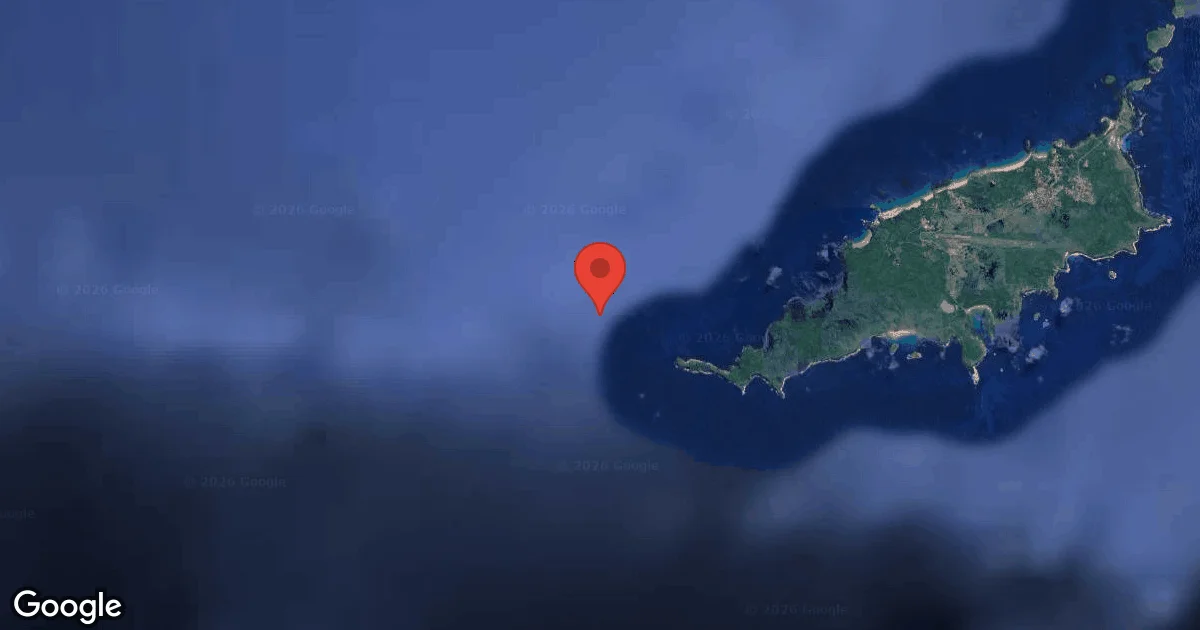
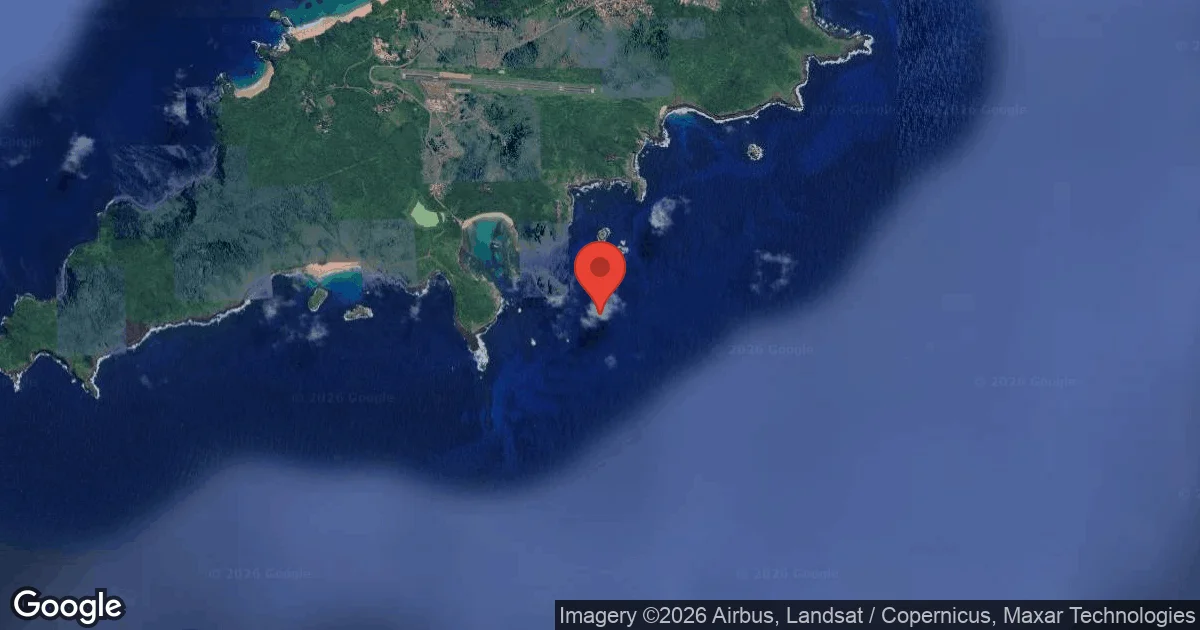
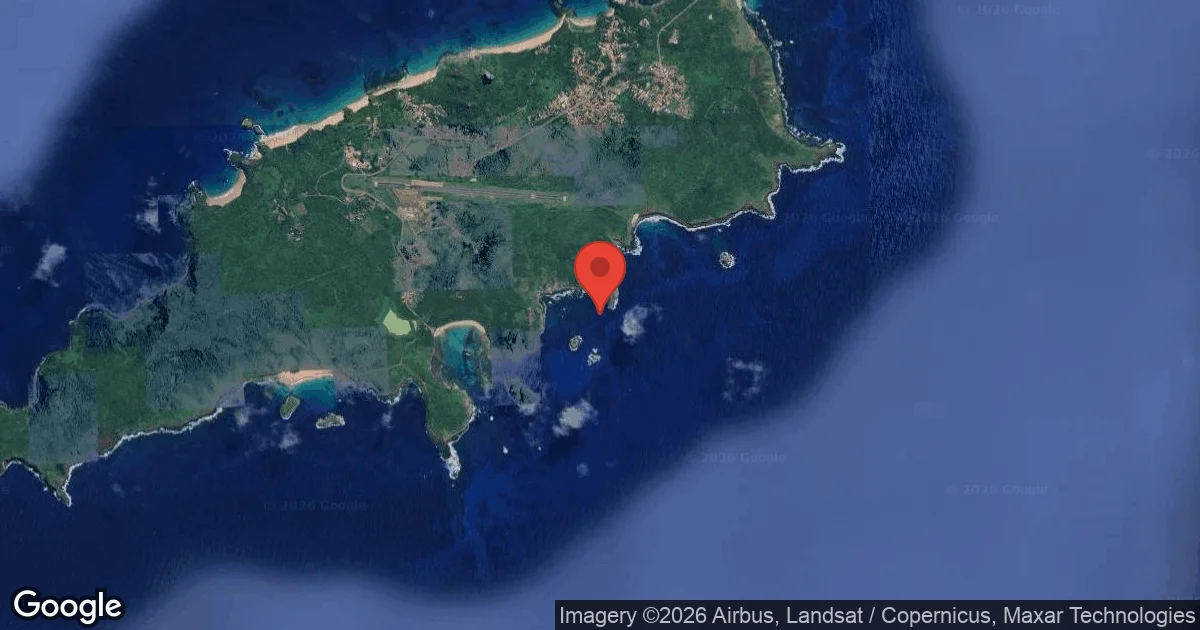
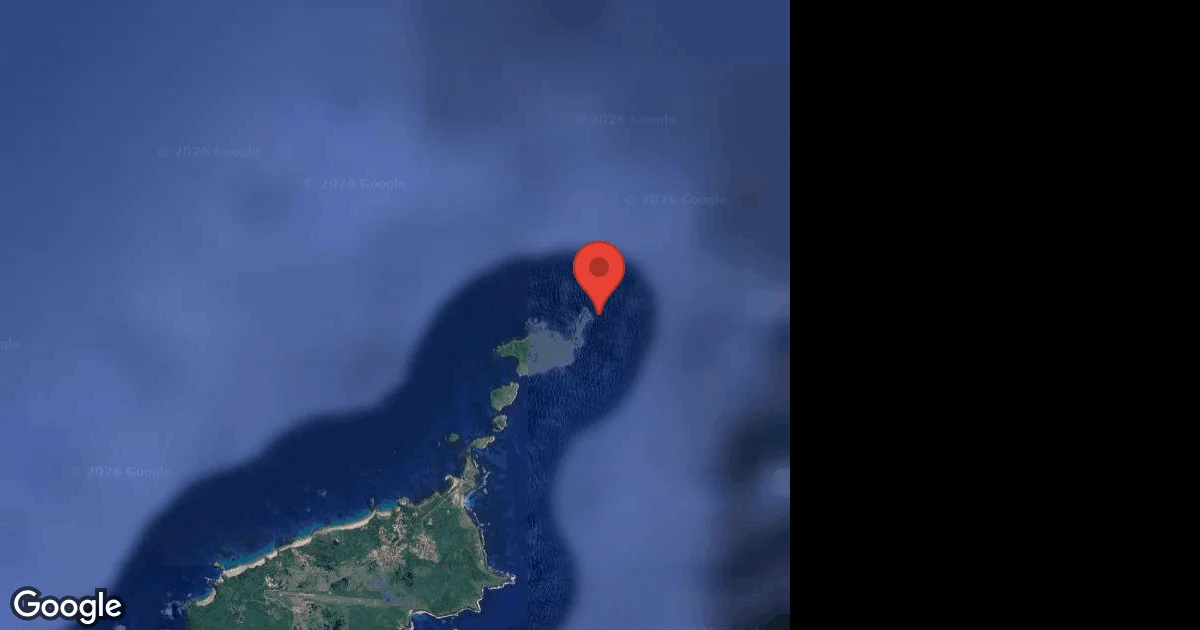
Dive Site Location & Key Facts
Dive Site Overview
Found within the protected waters of Fernando de Noronha, Caverna da Sapata's geological history is evident in its striking underwater landscape. The site is characterized by an impressive cavern, approximately 15 m (50 ft) high and 30 m (100 ft) long, carved into the natural rock formations.
Divers here navigate through a network of corridors, canyons, and arches, showcasing a dramatic interplay of light and shadow as sunlight penetrates the cave openings. These formations provide a captivating backdrop for exploration, with bottom types consisting of rock, sand, and coral.
While often described as an intermediate to advanced dive due to its cave environment, many sections are accessible even for certified beginners under proper guidance. A key aspect of diving in this region is the requirement for specific permits for all dives within Fernando de Noronha, underscoring the site's ecological significance and protected status.
The site's allure lies not just in its structure but also in the dynamic experience of navigating these ancient underwater passages.
Conditions are Moderate
Optimal conditions expected
Current conditions near Caverna da Sapata show 26° air, 27° sea temperature, 2.0 m waves, and 33 km/h wind. Forecast data is refreshed regularly to ensure accuracy.
Best Time to Dive
To maximize the dive experience at Caverna da Sapata, planning a visit between August and December is generally recommended. During these months, divers often encounter stable underwater conditions, which contribute to better visibility within the cavern. While air temperatures consistently hover around 26-27°C (79-81°F) year-round, rainfall is notably minimal from August through December, decreasing the likelihood of run-off impacting clarity. Water temperatures during summer months typically range from 24-28°C (75-82°F), cooling slightly to 22-26°C (72-79°F) in winter, ensuring comfortable thermal conditions. Although some system data indicates higher wave heights and wind speeds during parts of this period, the specific conditions within the protected cave environment can remain favorable. Focusing on this window allows divers to best appreciate the site’s unique light patterns and diverse marine life.
PEAK SEASON SCORE
Scores combine air & water temps, waves, wind & rainfall for overall conditions.
BEST MONTHS TO DIVE
Monthly records compiled from satellite and marine observation nodes over the last 3 years. Data provided by Open-Meteo and MET Norway.
Dive Experience & Conditions
Exploring Caverna da Sapata means navigating a depth profile that primarily extends to its maximum depth of 30 meters. Within the cave's confines, the experience is largely defined by the extraordinary interaction of natural light. Sunlight filters through openings, creating dynamic shafts and patterns across the rocky interior, enhancing the cave dive. Visibility at this location is reliably good, often spanning 15 to 30 meters, which is crucial for appreciating the intricate formations and marine life. Currents are typically mild, and surge is generally absent, providing a stable environment for exploration. Water temperatures are consistently warm, ranging from 22-28°C (72-82°F) throughout the year, removing the need for heavy thermal protection. Although rated for intermediate to advanced divers, the cavern's layout allows for guided exploration even for those with entry-level certifications seeking a unique underwater adventure.
Dive Difficulty & Safety Guidelines
Expert planning for Caverna da Sapata necessitates a clear understanding of its specific requirements and conditions. Firstly, securing the necessary diving permits for Fernando de Noronha is mandatory for all visitors; don't overlook this crucial step. While the site can be explored by divers of varying experience levels, those venturing into the cave's deeper or more intricate sections should hold appropriate cave or cavern certifications.
Always dive with a qualified local guide who understands the site's unique flow and light conditions. Equipment checks are paramount before entry, given the overhead environment.
Maintain proper buoyancy control to protect the delicate formations and avoid disturbing sediments, which could reduce visibility. Due to the enclosed nature of the cavern, always monitor air consumption and bottom time closely.
Recommended Equipment
- Dive Computer
This gear list is based on verified equipment signals for Caverna da Sapata, Brazil. Always confirm final gear choices with your dive operator, guide, or liveaboard.
Recommended Dive Suit
Divers visiting Caverna da Sapata today can expect water conditions around 27°C (80°F). Surface air temperatures are resting at 26°C (78°F).
2-3mm shorty or light wetsuit generally offers enough warmth for most dives under these conditions. Consider warmer surface protection (like a boat coat) due to brisk winds.
Forecast trends indicate little change in overall diving conditions during the next few days.
Due to technical issues with our weather providers, live updates are temporarily delayed. The data above reflects the conditions at the time of the last successful fetch.
Emergency & Medical Support
Essential information to help you plan your dive trip to Caverna da Sapata.

Hyperbaric chambers are a critical part of dive safety infrastructure. Availability varies significantly by region, and not all dive areas have immediate access.
Before diving, it's recommended to:
- confirm nearest medical facilities
- check emergency procedures with local dive operators
- ensure dive insurance covers evacuation if required
Divers Alert Network
Diving emergency assistance available through DAN World.
+1-919-684-9111- 24/7 emergency hotline
- Diving medical assistance
- Evacuation coordination
Emergency contacts are provided for reference. Always verify local emergency services before diving.
Marine Life at Caverna da Sapata
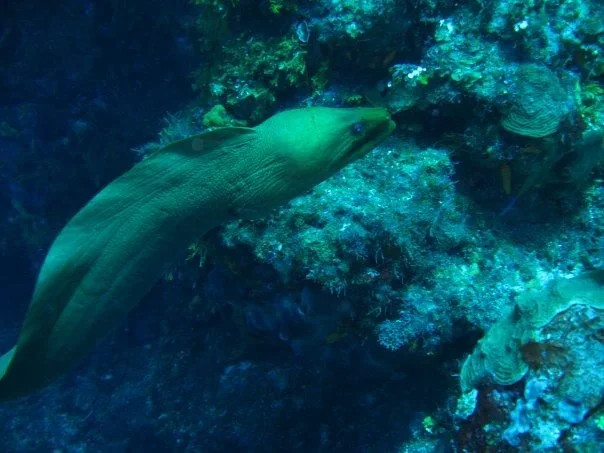
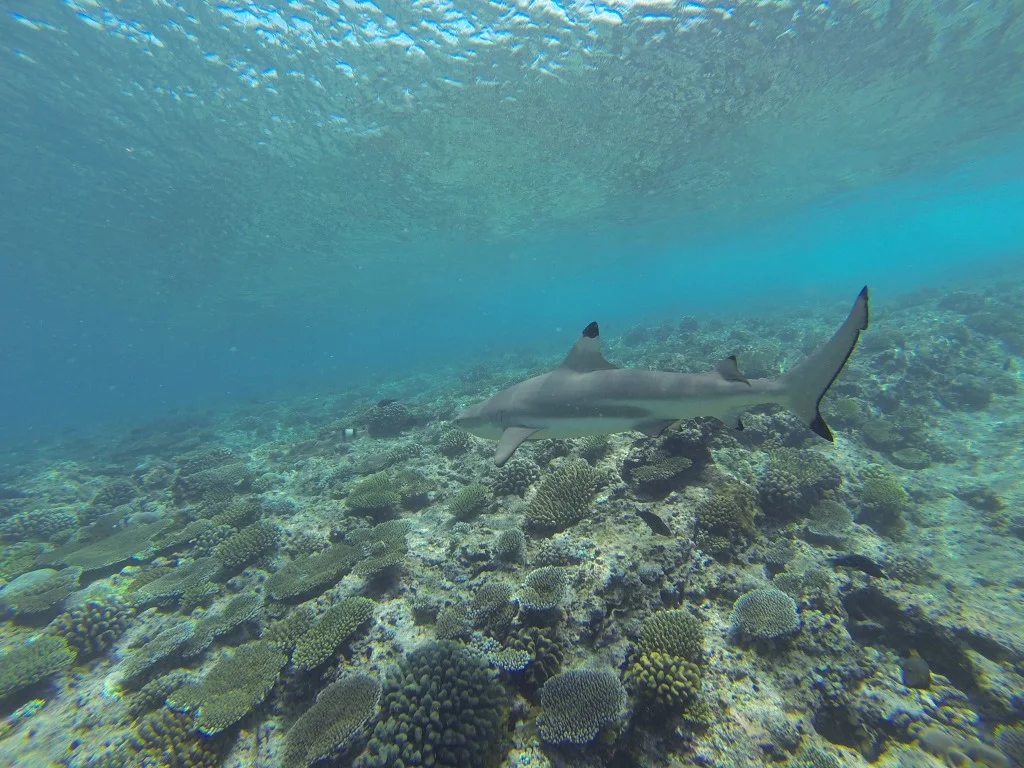
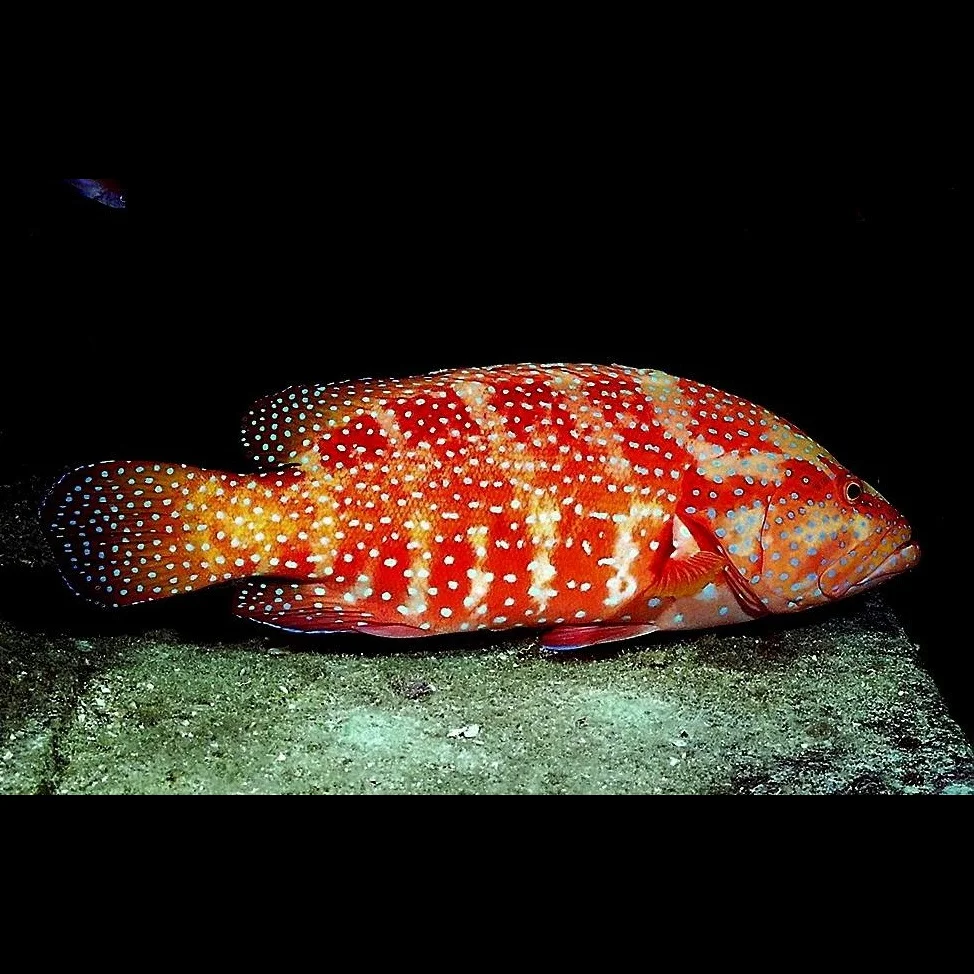
The marine life within Caverna da Sapata centers around its rock and coral structures, providing refuge for various species. Divers often encounter different types of groupers, including larger individuals, alongside nail rays resting on the sandy bottom.
While exploring the reef and wall sections, expect to see an array of smaller reef fish and occasional moray eels peeking from crevices. Fernando de Noronha as a whole is known for sightings of larger pelagics, so don't be surprised by passing sharks, turtles, or even dolphins and whales in the surrounding waters. This vibrant ecosystem thrives amidst the unique geological formations of the cavern.
Dive Sites Near Caverna da Sapata
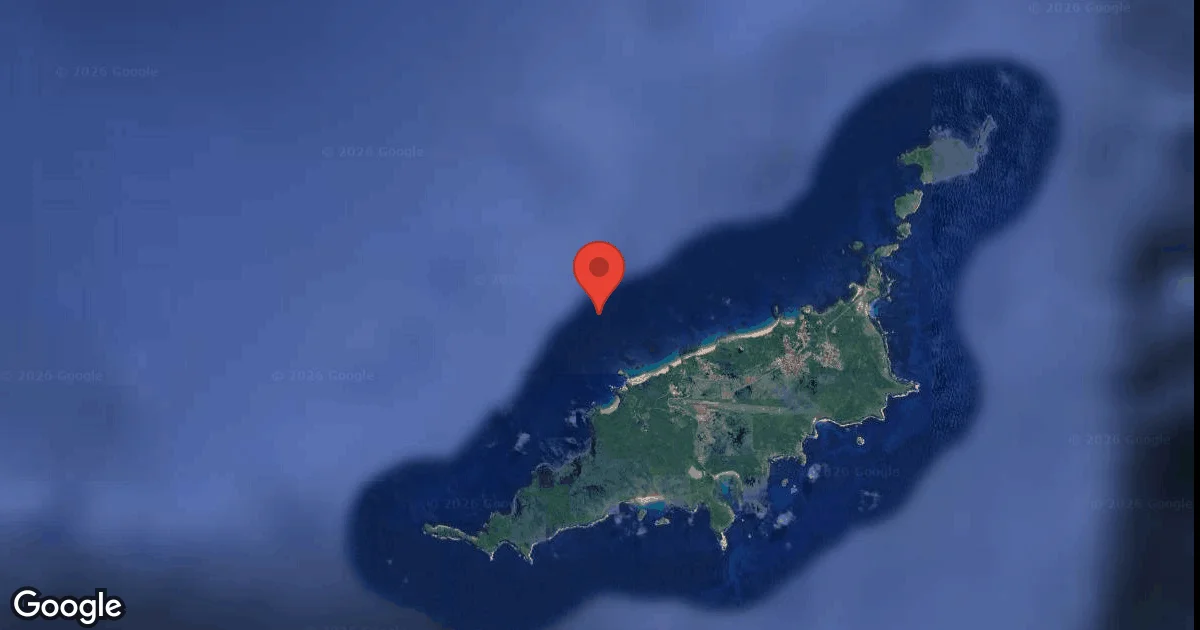
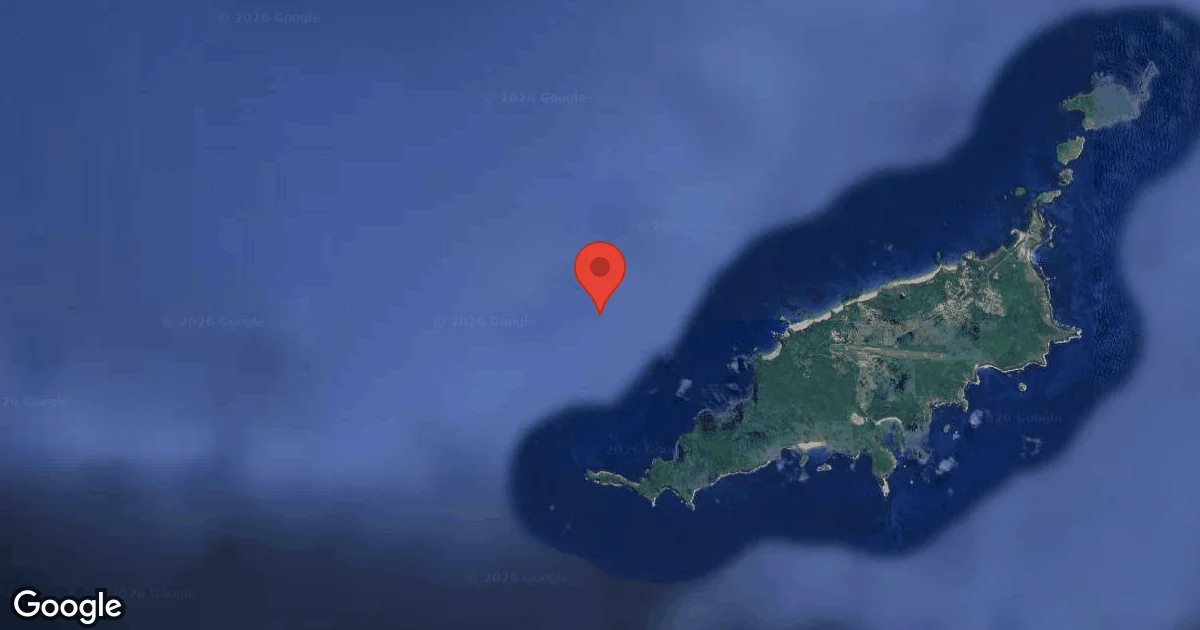
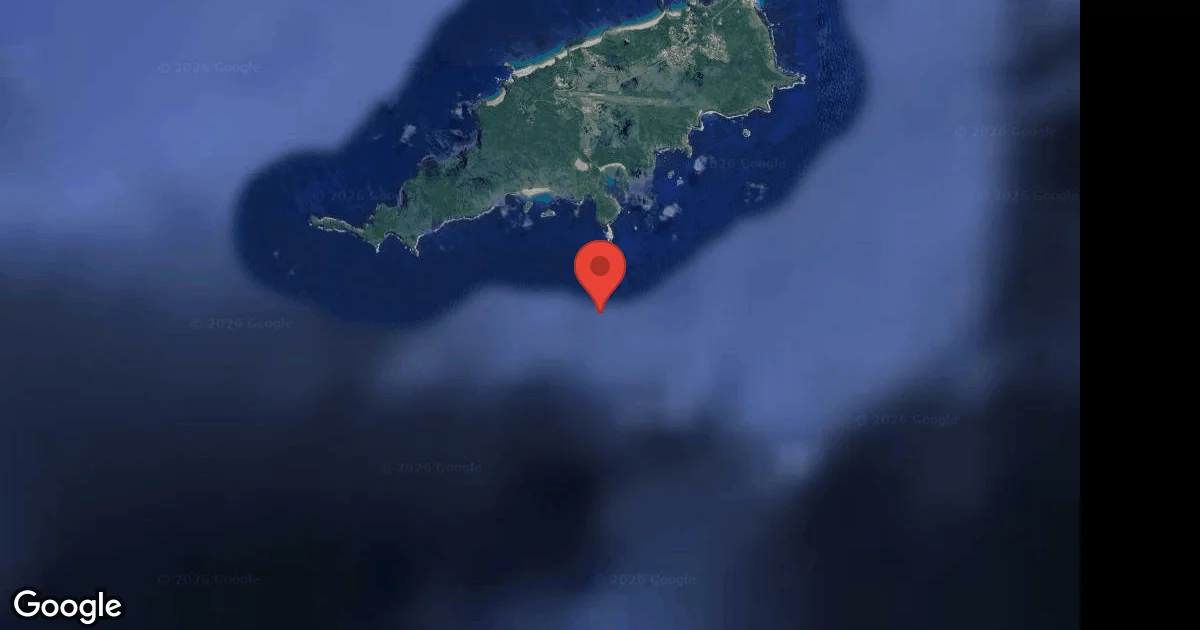
View all dive sites in BrazilDiscover more underwater gems in this area.
Dive Centers Near Caverna da Sapata
No Dive Centers Local To Caverna da Sapata
Are you a dive center visiting this location? Get listed to reach divers.
Nearest Airports
Nearest airports to help plan travel to this dive area.
Search Flights
Check available flights and routes on Expedia, using the nearby airports listed in this section.
Search Flights on ExpediaFrequently Asked Questions
Are there any specific permit requirements for diving here?
Yes, all divers must obtain specific permits to dive within the Fernando de Noronha archipelago, which includes Caverna da Sapata. Ensure these are arranged prior to your dive.
How clear are the waters at Caverna da Sapata?
Visibility is generally excellent, consistently ranging from 15 to 30 meters. This allows for clear views of the intricate cave formations and marine life.
What kind of marine life can I expect to see?
Expect to observe various species of groupers and nail rays within the cavern. The surrounding reef areas are home to many small reef fish, moray eels, and sometimes larger pelagics like sharks or turtles.
Is Caverna da Sapata suitable for beginner divers?
While often recommended for intermediate to advanced divers due to the cave environment, guided dives are possible for certified beginners. Discuss your experience with a local dive operator.
What are the water temperatures like throughout the year?
Water temperatures remain comfortably warm, typically between 22-28°C (72-82°F) year-round. This range means a 3mm wetsuit or shorty is usually sufficient.
Planning to dive Caverna da Sapata?
Send one inquiry and receive offers directly from the best verified local dive operators.
Conditions are Moderate
Optimal conditions expected
Current conditions near Caverna da Sapata show 26° air, 27° sea temperature, 2.0 m waves, and 33 km/h wind. Forecast data is refreshed regularly to ensure accuracy.