
Diving at Caieiras (Brazil)
Caieiras presents a striking contrast for divers, ranging from tranquil, shallow bays ideal for beginners to challenging deep wrecks and intricate volcanic formations demanding advanced skills. This coastal area offers both sheltered, quiet spots rich in diverse marine life and more exposed sites where currents test experienced divers, ensuring a varied underwater experience tailored to different certification levels.
As evening covers Caieiras, the local air temperature is measured at 27°C. The current wave height at the surface is recorded at 1.7 m. These late-day readings characterize the surface conditions for the night.
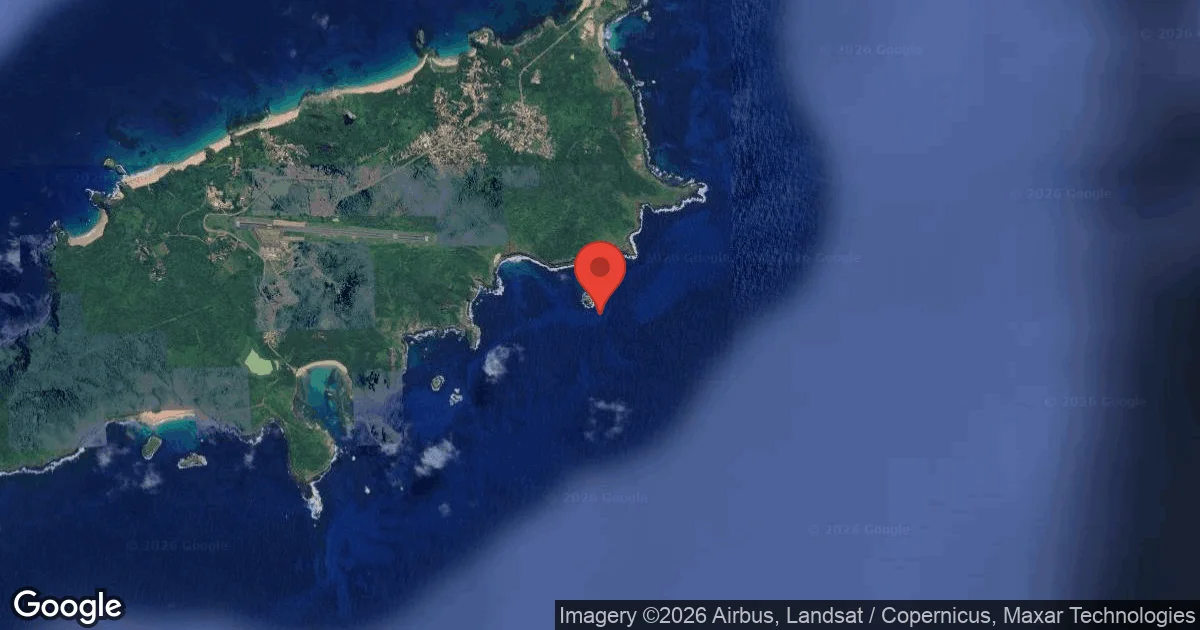
Dive Site Location & Key Facts
Dive Site Overview
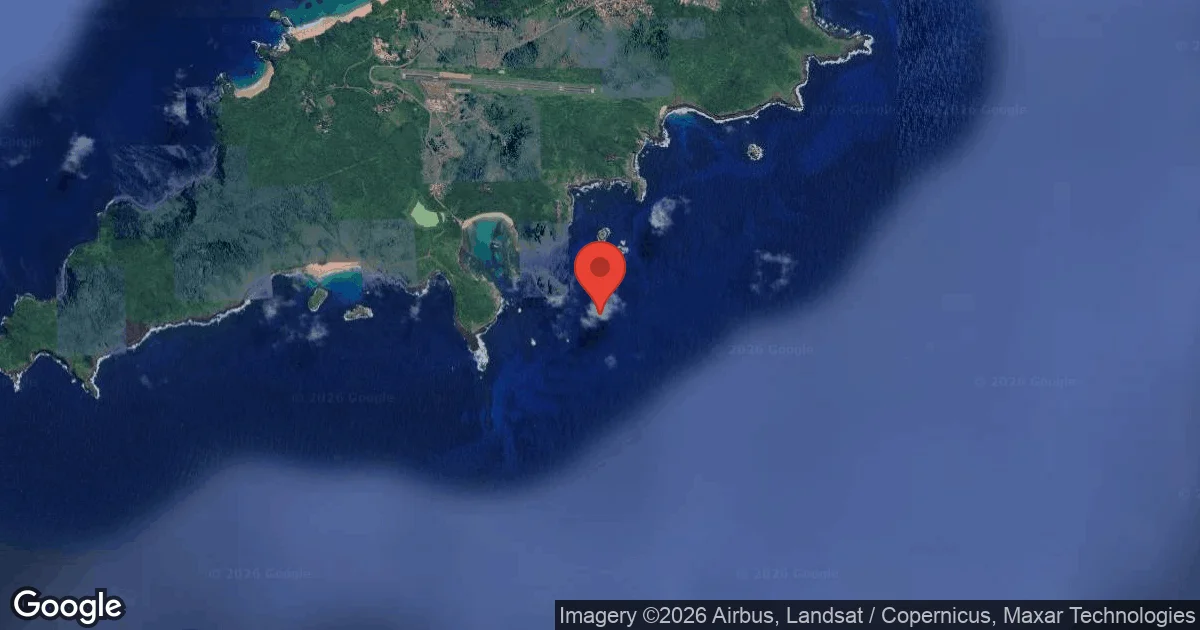
The underwater topography of Caieiras is largely defined by ancient volcanic activity and distinct rock formations that shape numerous dive sites. One area, known simply as Caieiras, features dives around 17 m (56 ft) among three prominent rock structures.
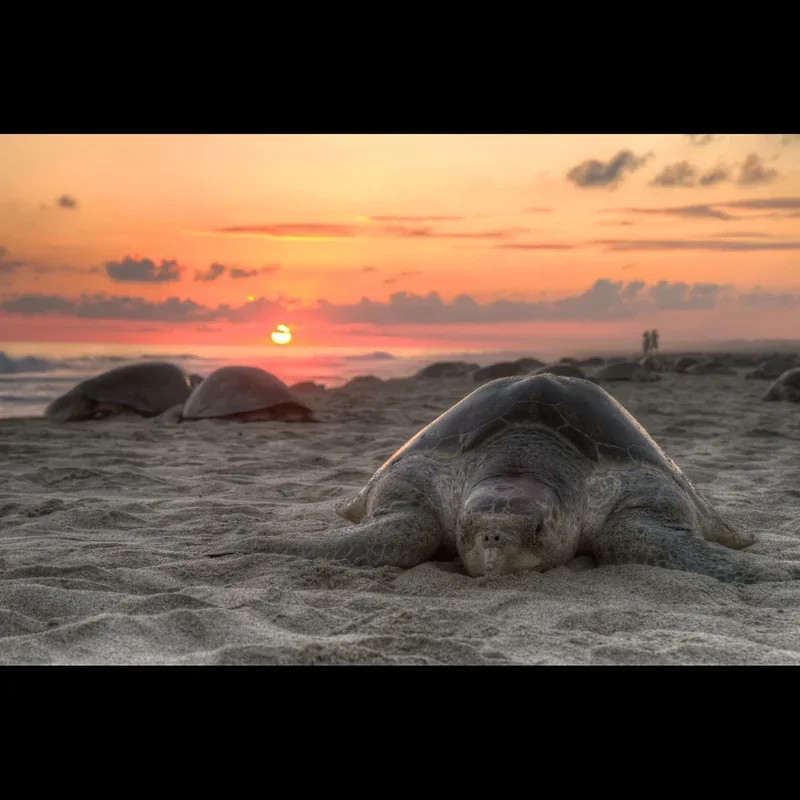
This spot is distinguished by abundant algae, serving as a critical resting and feeding ground for sea turtles. Further exploration reveals sites like Ilha do Meio, a sheltered and quiet location with dives typically reaching up to 15 m (49 ft), known for its rich marine life. Ressurreta, positioned between Rata and Middle Islands, offers depths between 8 and 12 m (26 and 39 ft), making it suitable for introductory dives and night excursions.
For those seeking drift experiences, Buraco das Cabras begins in the Outside Sea and concludes in the Inside Sea, maintaining an average depth of 15 m (49 ft) amidst volcanic rock formations. More demanding sites include Cabeço da Sapata, a multi-level dive reaching up to 42 m (138 ft) that requires advanced or XR certifications due to potential currents.
Caverna da Sapata, measuring approximately 15 m (49 ft) high by 30 m (98 ft) long, is a sizable cave accessible to both beginner and advanced divers despite the possibility of currents. Deeper still, the well-known Corveta Ipiranga V17 wreck lies at approximately 60 m (197 ft), a significant deep diving challenge.
Conditions are Moderate
Optimal conditions expected
Current conditions near Caieiras show 27° air, 27° sea temperature, 1.9 m waves, and 31 km/h wind. Forecast data is refreshed regularly to ensure accuracy.
Best Time to Dive
Conditions in Caieiras shift seasonally, defining periods of more favorable diving, which transition between moderate and poorer ratings. The period from November to June generally offers more favorable conditions, reflected by moderate dive scores (5-6). During these months, air temperatures remain comfortably warm, averaging between 26.5-27.5°C (80-82°F), with relatively lower wave heights, typically ranging from 1.7-2.1 m (5.6-6.9 ft), and moderate wind speeds. Rainfall is also generally low throughout this timeframe, contributing to better overall underwater clarity. Conversely, the months from July to October are typically rated as poor for diving, primarily due to higher average wave heights, reaching 2.2 m (7.2 ft), and stronger winds, often averaging 32.5-34.6 km/h (20.2-21.5 mph). While air temperatures remain pleasant, ranging from 26-26.5°C (79-80°F), these elevated sea conditions can reduce visibility and increase surface chop, making entry and exit more challenging.
PEAK SEASON SCORE
Scores combine air & water temps, waves, wind & rainfall for overall conditions.
BEST MONTHS TO DIVE
Monthly records compiled from satellite and marine observation nodes over the last 3 years. Data provided by Open-Meteo and MET Norway.
Dive Experience & Conditions
Divers exploring Caieiras will encounter a broad range of underwater conditions, from calm, sheltered areas to more dynamic, exposed sites. Visibility can vary significantly; some locations, like Canal da Sela da Gineta, offer exceptionally clear, shallower waters, while Cabeço Dois Irmaos can boast visibility between 30 and 50 m (98 and 164 ft). However, other areas, such as the Naufrágio Buenos Aires and Ilha Rasa, might report average visibility closer to 3 m (10 ft). Currents are another variable factor; while sites like Cabeço Dois Irmaos typically experience weak currents, others such as Canal da Sela da Gineta can present moderate flow, and locations like Naufrágio Buenos Aires are known for strong surface currents. Depths for exploration span a wide range, from shallow training dives at 8 m (26 ft) at Naufragio do Porto, up to challenging deep dives reaching 60 m (197 ft) at the Corveta Ipiranga V17 wreck. Expect a diverse underwater landscape comprising volcanic rock formations, canyons, arches, and small caves that create interesting swim-throughs and shelters for marine life.
Dive Difficulty & Safety Guidelines
Safe diving around Caieiras demands attention to diverse factors, particularly current strength and depth. Several sites, including Canal da Sela da Gineta and Caverna da Sapata, can experience moderate currents, necessitating good buoyancy control and dive planning.
For deeper excursions, such as Cabeço da Sapata at 42 m (138 ft) or Cabeço Dois Irmaos at 52 m (171 ft), an Extended Range (XR) certification or significant experience with deep dives is essential, and it's always recommended to be accompanied by a professional. While some locations like Ressurreta, Ilha do Meio, and Ponta do Bananal are well-suited for beginners and offer sheltered, shallow experiences, sites like Ilha Rasa - Guincho, reaching up to 20 m (66 ft), still warrant attention for less experienced divers.
Drift dives, like Buraco das Cabras, require awareness of the entry and exit points but are designed to minimize diver effort during displacement.
Recommended Equipment
- Dive Computer
This gear list is based on verified equipment signals for Caieiras, Brazil. Always confirm final gear choices with your dive operator, guide, or liveaboard.
Recommended Dive Suit
2-3mm shorty or light wetsuit usually provides adequate warmth in water around this temperature. Consider warmer surface protection (like a boat coat) due to brisk winds. Those diving at Caieiras today will likely encounter water temperatures in the region of 27°C (80°F). Surface air temperatures are resting at 27°C (81°F).
Environmental conditions are expected to remain consistent in the short-term outlook.
Conditions can vary slightly across different parts of the same dive site.
Due to technical issues with our weather providers, data hasn't been fetched for over 48 hours. The data above reflects the conditions at the time of the last successful fetch.
Emergency & Medical Support
Essential information to help you plan your dive trip to Caieiras.

Hyperbaric chambers are a critical part of dive safety infrastructure. Availability varies significantly by region, and not all dive areas have immediate access.
Before diving, it's recommended to:
- confirm nearest medical facilities
- check emergency procedures with local dive operators
- ensure dive insurance covers evacuation if required
Divers Alert Network
Diving emergency assistance available through DAN World.
+1-919-684-9111- 24/7 emergency hotline
- Diving medical assistance
- Evacuation coordination
Emergency contacts are provided for reference. Always verify local emergency services before diving.
Marine Life at Caieiras
The underwater realm of Caieiras showcases diverse inhabitants, often sheltering within the intricate rock formations. Sea turtles are frequently observed, particularly at the Caieiras dive spot, where they utilize the algae-rich areas for feeding and resting.
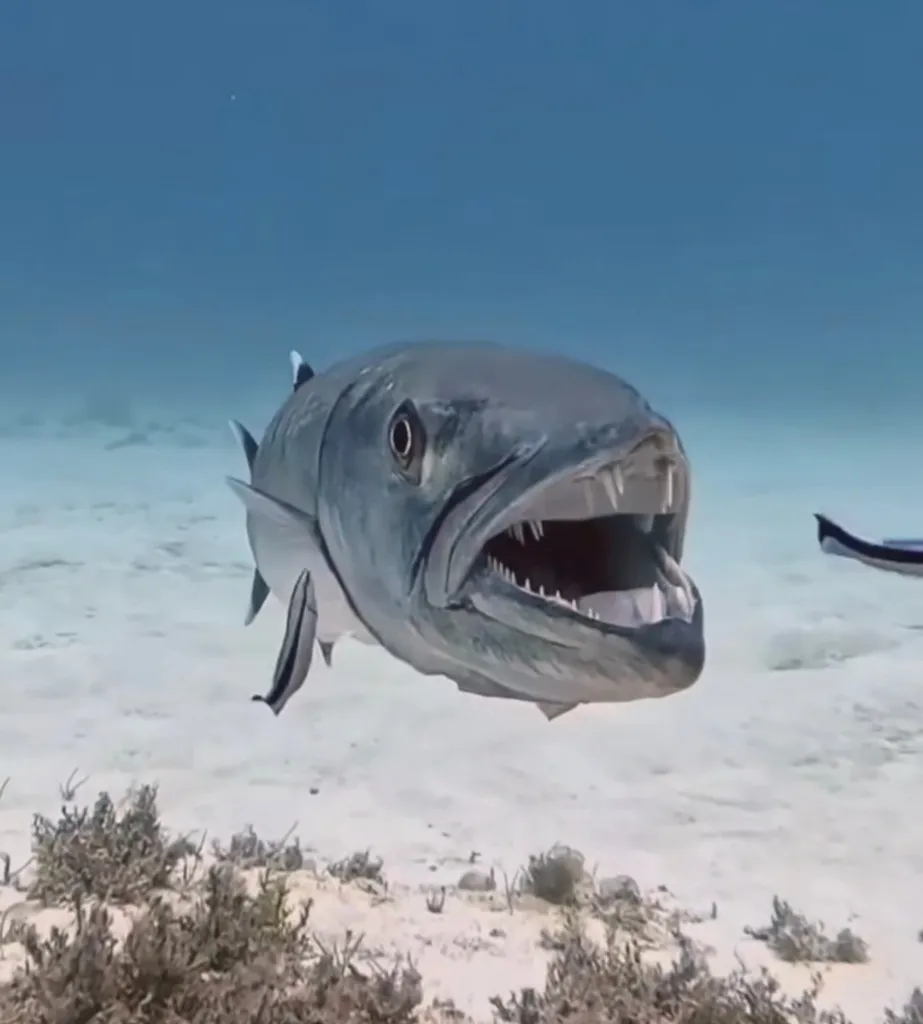
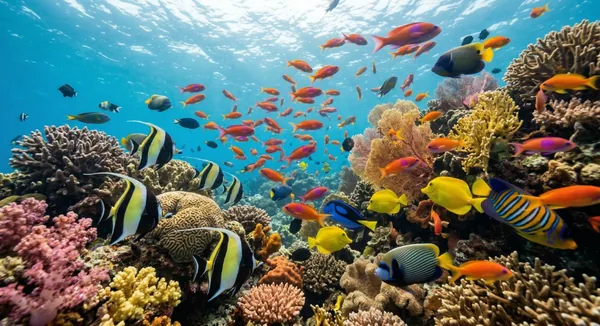
Several sites, including Cabritos and Ilha do Meio, are recognized for supporting a variety of fish species, thriving within their volcanic structures and sheltered environments. Divers might also encounter schools of fish, including barracudas, in certain areas.
Ressurreta and Parcel do Coronel are highlighted for their general abundance of marine life. For those exploring Morro de Fora, a concentration of fire corals provides a visually distinct highlight, adding another layer to the underwater scenery.
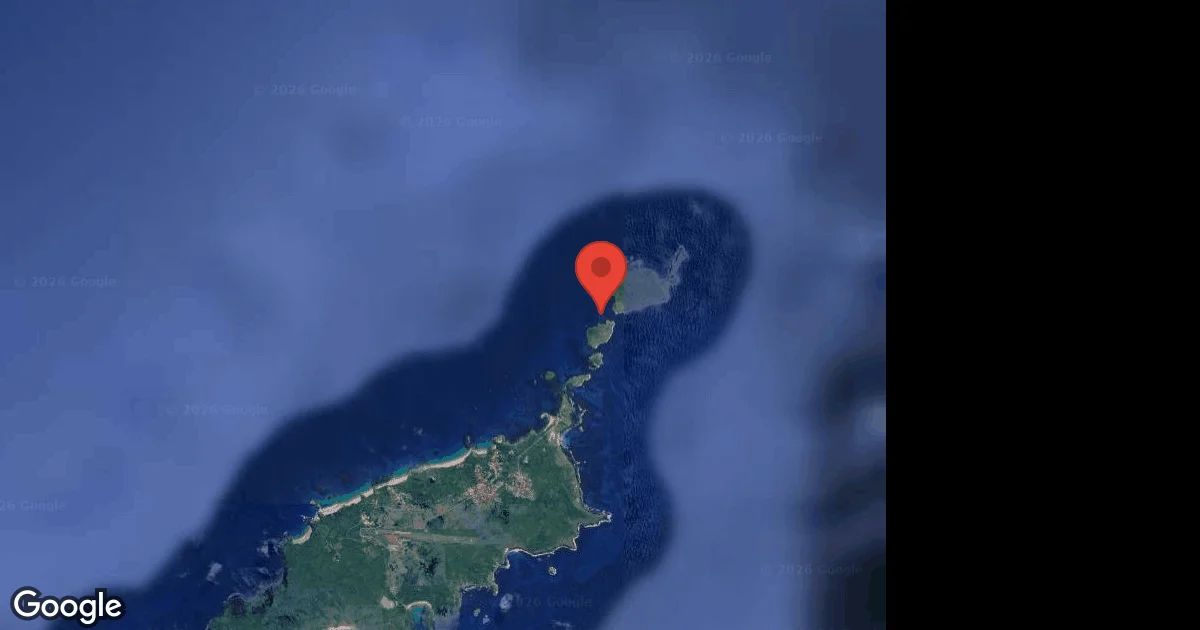
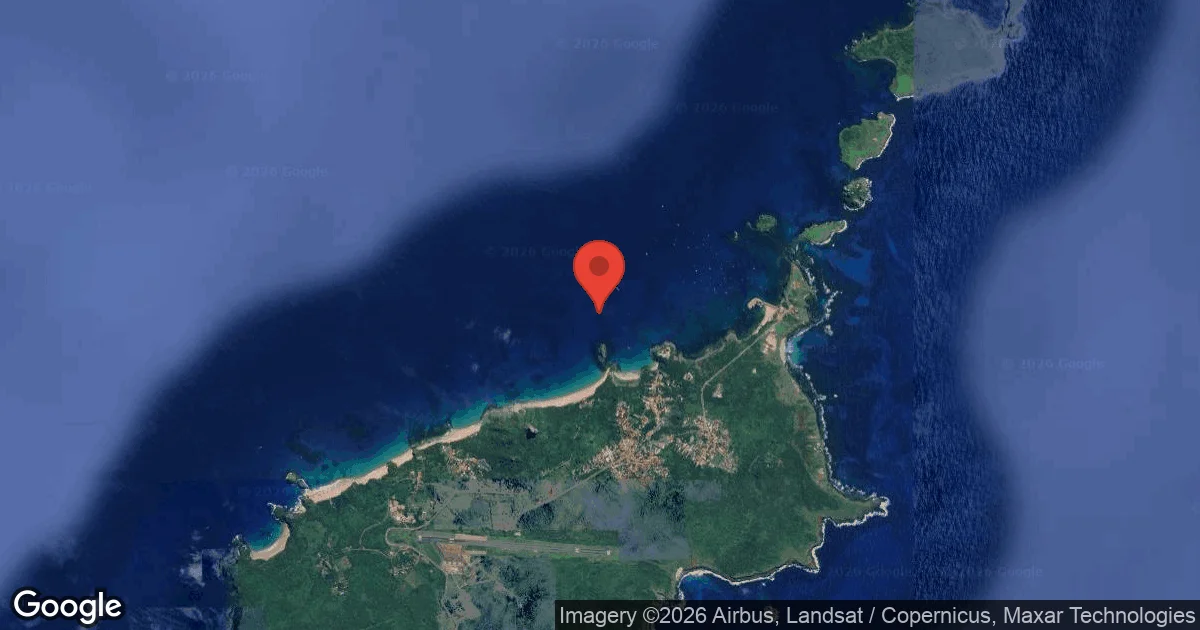
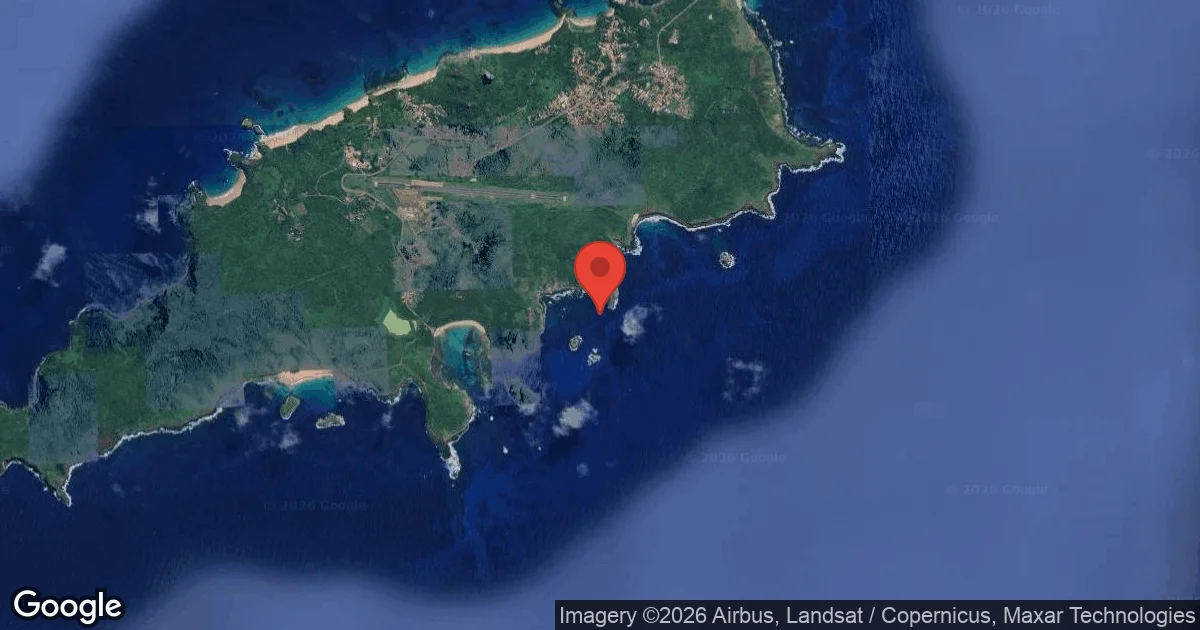
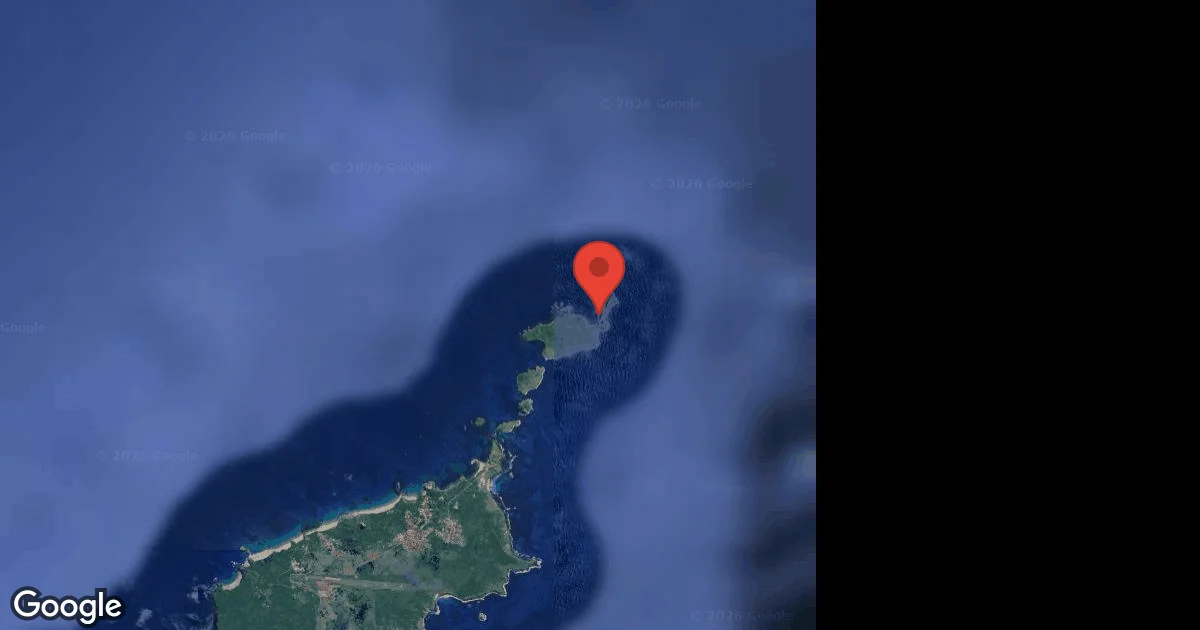
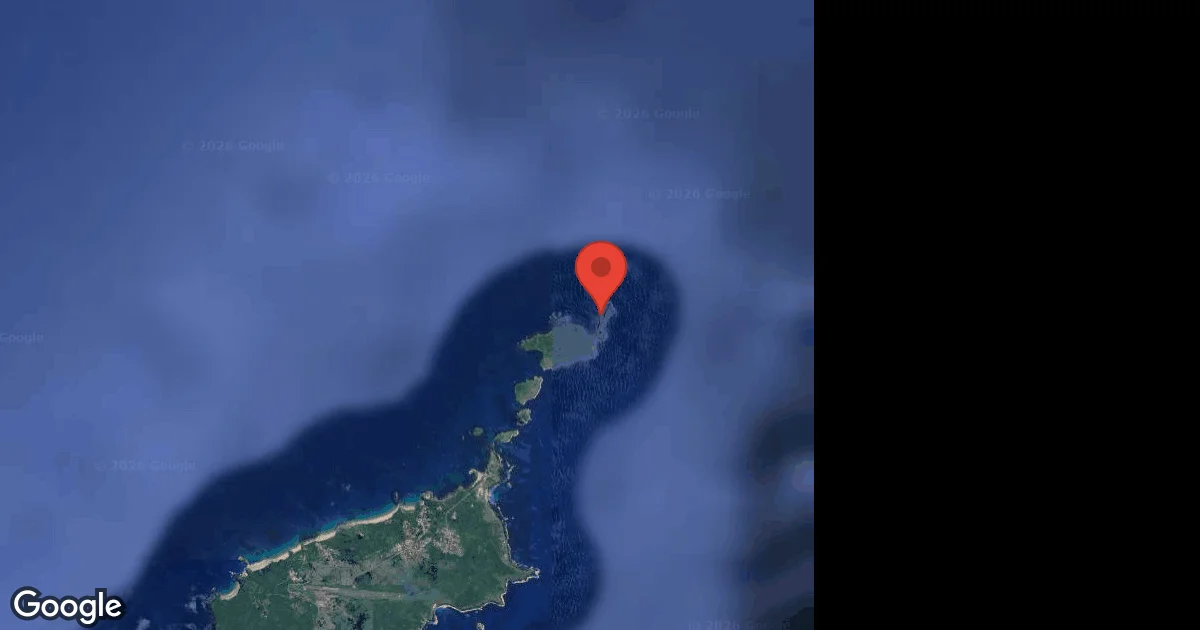
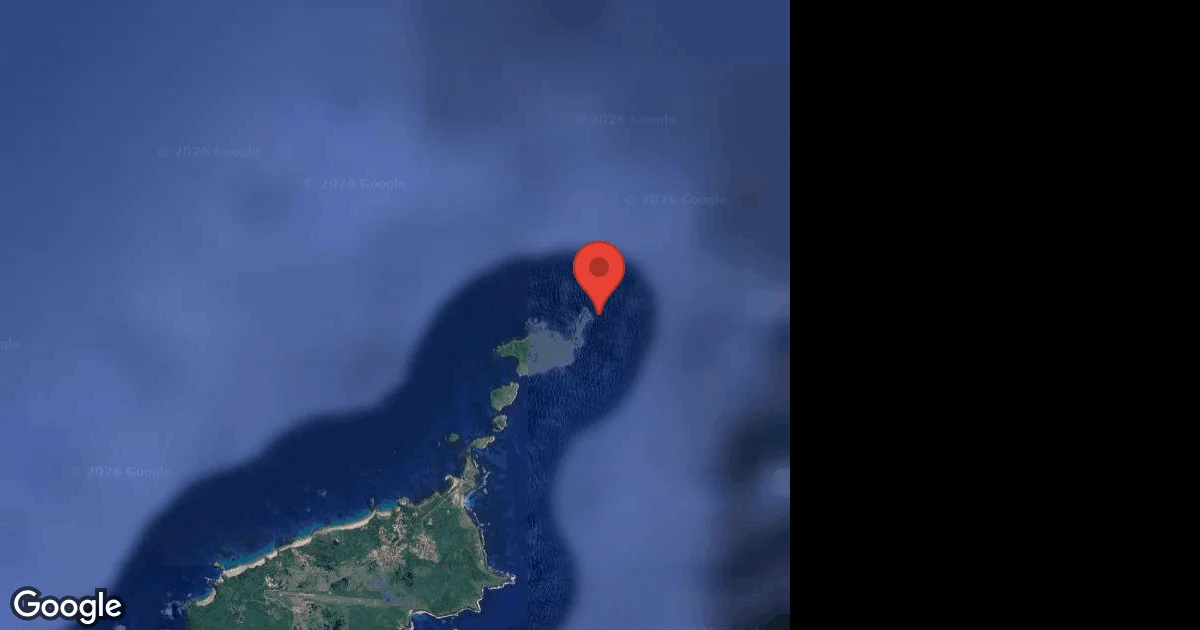
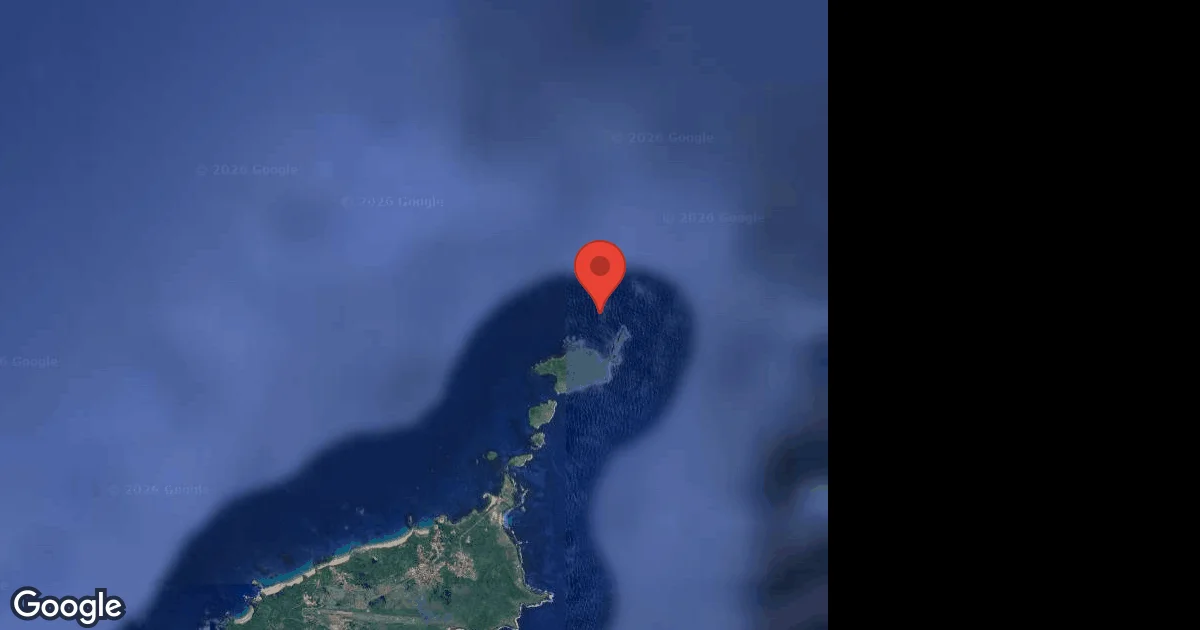
Dive Sites Near Caieiras
View all dive sites in BrazilDiscover more underwater gems in this area.
Dive Centers Near Caieiras
No Dive Centers Local To Caieiras
Are you a dive center visiting this location? Get listed to reach divers.
Nearest Airports
Nearest airports to help plan travel to this dive area.
Search Flights
Check available flights and routes on Expedia, using the nearby airports listed in this section.
Search Flights on ExpediaFrequently Asked Questions
What types of diving are available in Caieiras?
Caieiras offers a wide range of diving experiences, from shallow, sheltered reefs suitable for beginners to deeper wrecks, volcanic formations, and cave dives for advanced and technical divers. You'll find opportunities for both static exploration and drift diving.
Are there dive sites suitable for beginners?
Yes, several sites cater to less experienced divers. Ressurreta, Ilha do Meio, Caverna da Sapata, and Ponta do Bananal provide sheltered and shallower conditions, often between 8 to 15 m (26 to 49 ft), ideal for introductory dives or certifications.
What is the typical depth range for dives in Caieiras?
The depths vary significantly across the region, from shallow training spots around 8 m (26 ft) to advanced recreational dives up to 42 m (138 ft). Technical divers can explore deeper sites like the Corveta Ipiranga V17 wreck, which lies at approximately 60 m (197 ft).
What are the common water conditions and visibility?
Water conditions can be variable. Visibility ranges from exceptionally clear, up to 50 m (164 ft) at some sites, to as low as 3 m (10 ft) in others. Currents can be weak to moderate, with some exposed areas experiencing strong surface currents, requiring careful planning.
What marine life can divers expect to see?
Divers commonly encounter sea turtles, especially in algae-rich areas, and various reef fish sheltering in volcanic formations. Schools of fish like barracudas are also present, and some sites are known for their general abundance and diversity of marine life, including fire corals.
When is the best time of year to dive in Caieiras?
The most favorable diving conditions typically occur from November to June, when dive scores are moderate. This period generally sees lower wave heights and lighter winds, leading to better visibility and calmer seas for diving, despite consistent warm air temperatures.
Are there any wreck diving opportunities?
Yes, Caieiras is home to several wrecks. The Corveta Ipiranga V17 is a deep, well-known wreck at 60 m (197 ft), and the Naufragio do Porto is a shallower wreck around 8 m (26 ft), often used for training. The Naufrágio Buenos Aires also presents a historical wreck challenge.
Planning to dive Caieiras?
Send one inquiry and receive offers directly from the best verified local dive operators.
Conditions are Moderate
Optimal conditions expected
Current conditions near Caieiras show 27° air, 27° sea temperature, 1.9 m waves, and 31 km/h wind. Forecast data is refreshed regularly to ensure accuracy.