
Diving at Macaxeira (Brazil)
Macaxeira challenges experienced divers with consistent currents and a deep profile, demanding preparedness. Planning for these dynamic conditions and ensuring strong buoyancy control will significantly enhance exploration of its unique rock formations and vibrant marine ecosystems. This Fernando de Noronha site reveals a truly dynamic underwater environment for those well-equipped and ready for an exciting drift.
Tonight's objective overview for Macaxeira shows an air temperature of 27°C. The measured surface conditions include wave heights around 1.8 m. This environmental data is logged for the close of the day.
Dive Site Location & Key Facts
Dive Site Overview
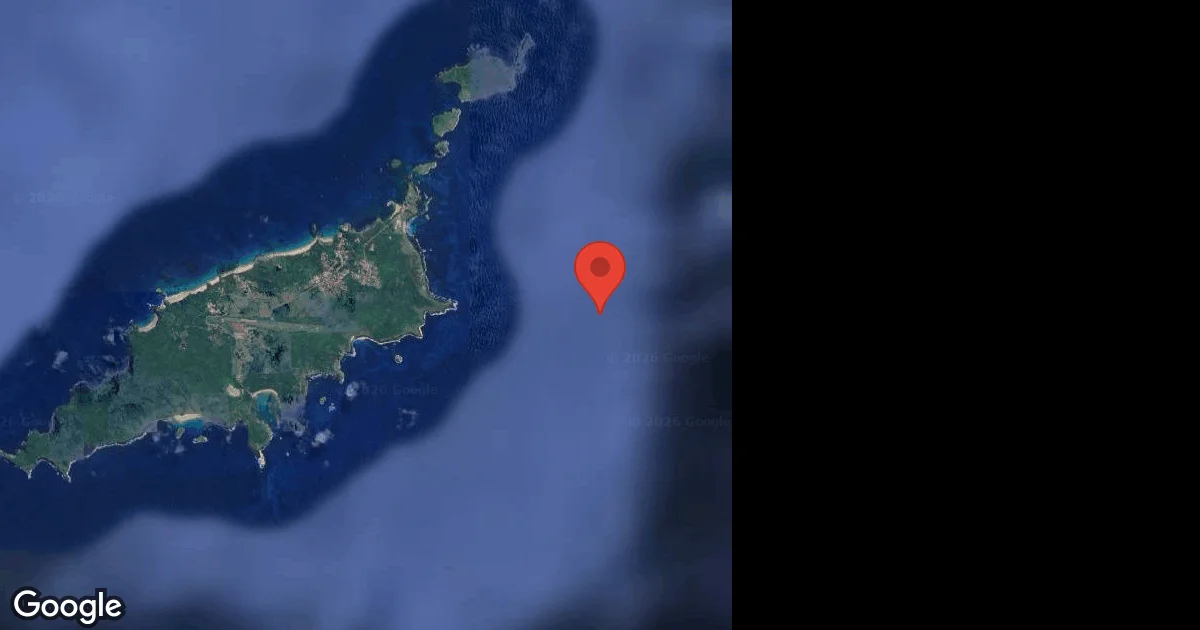
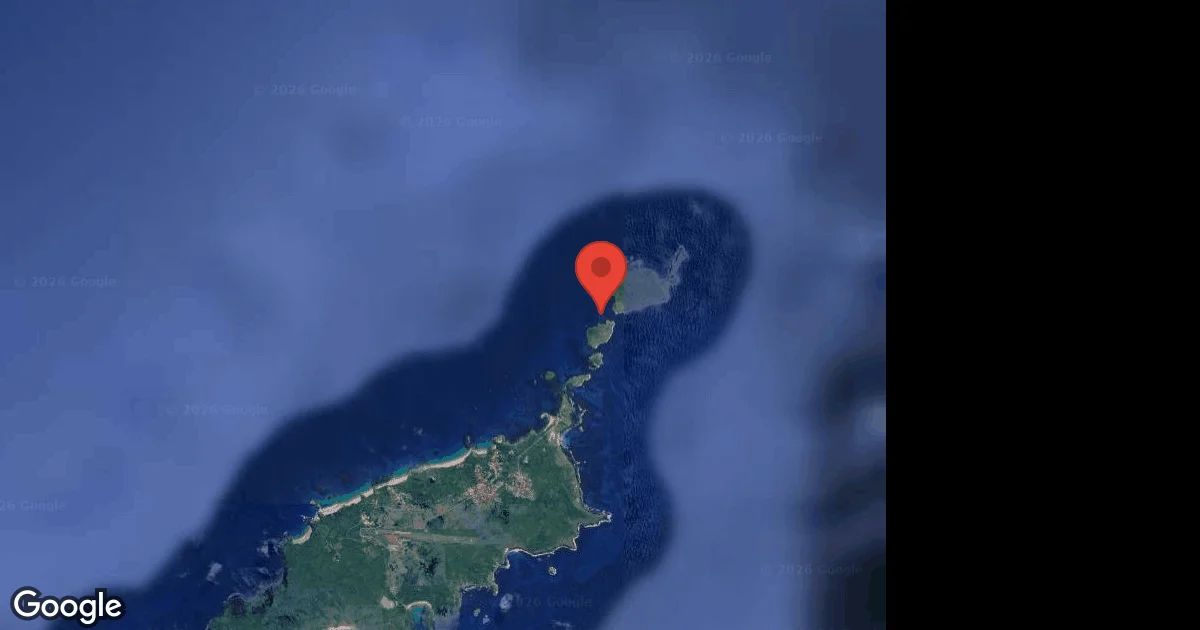
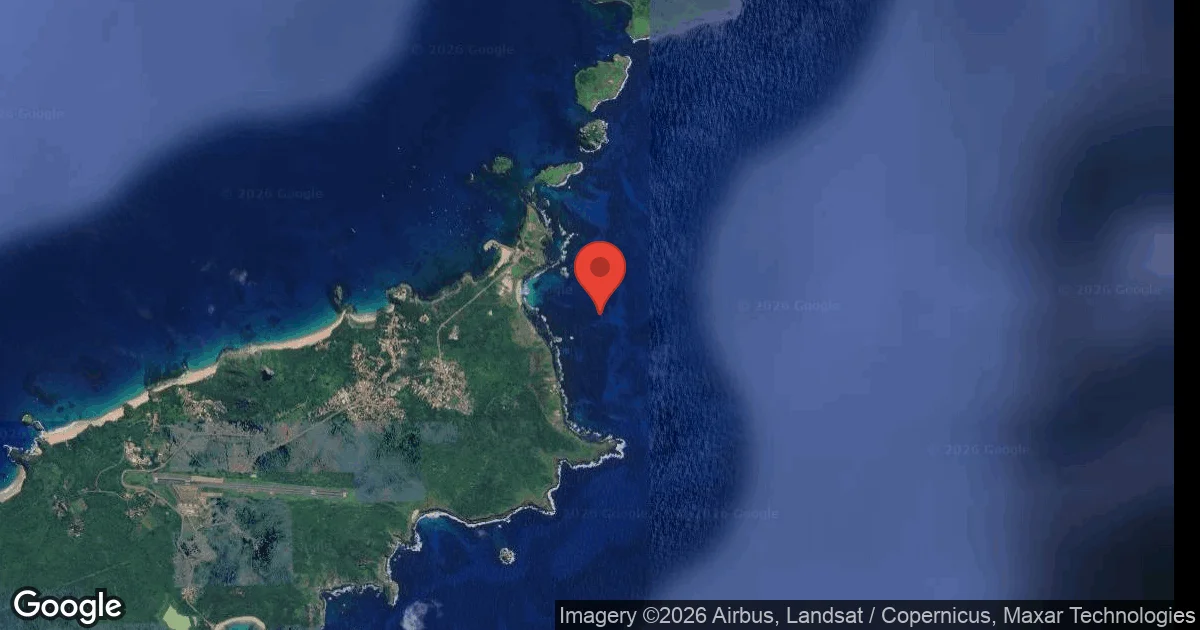
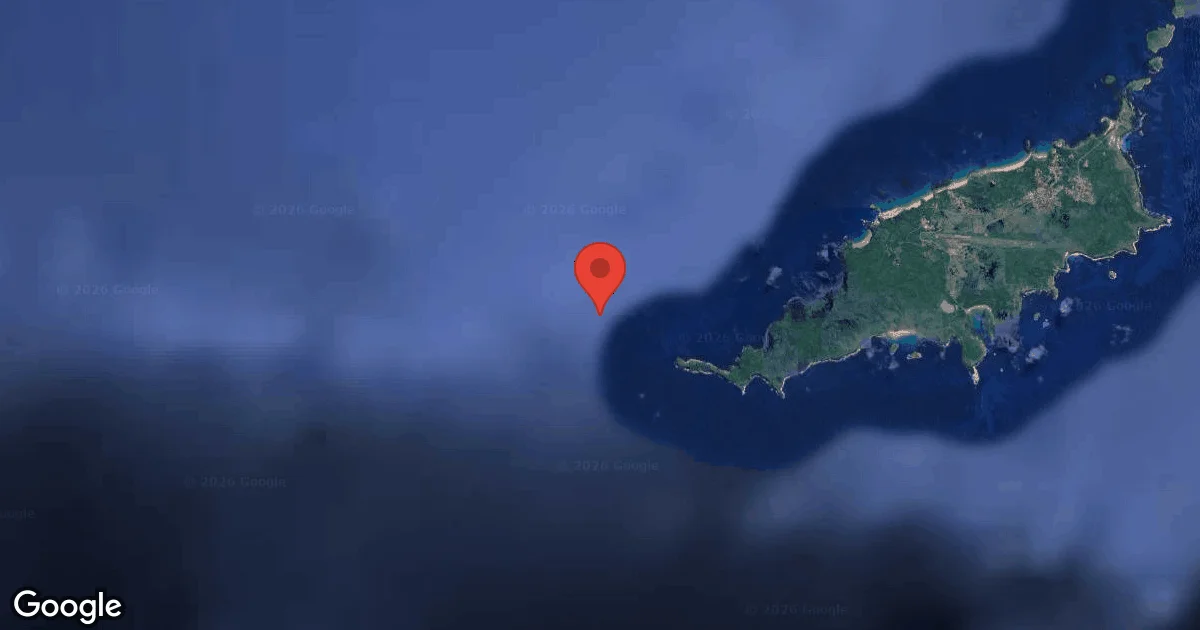
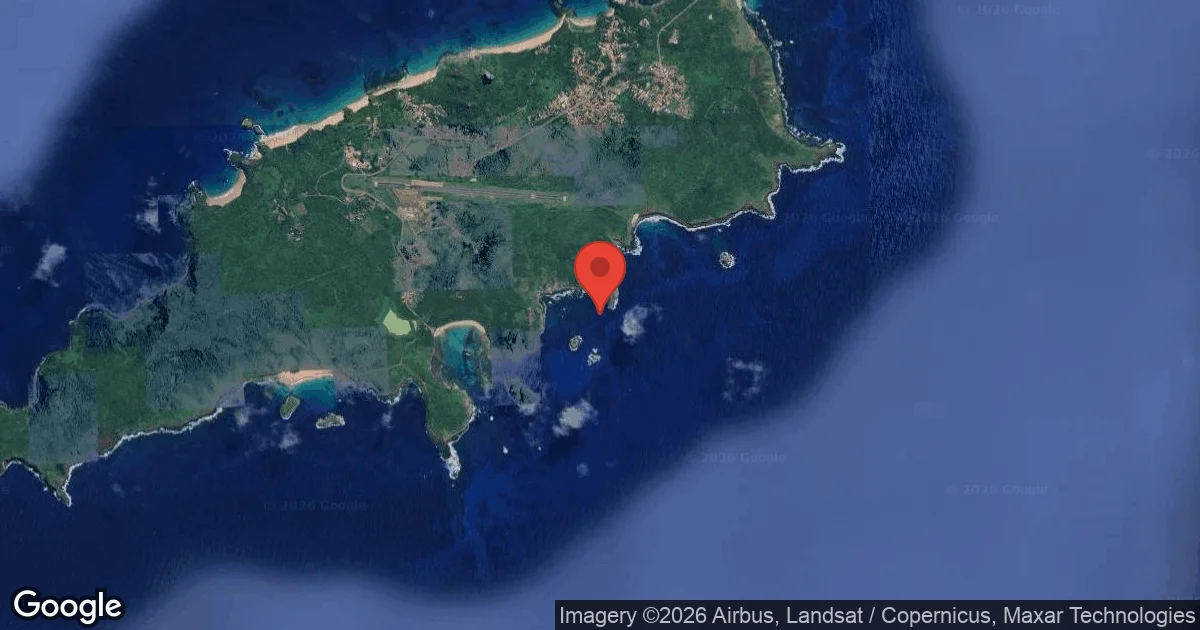
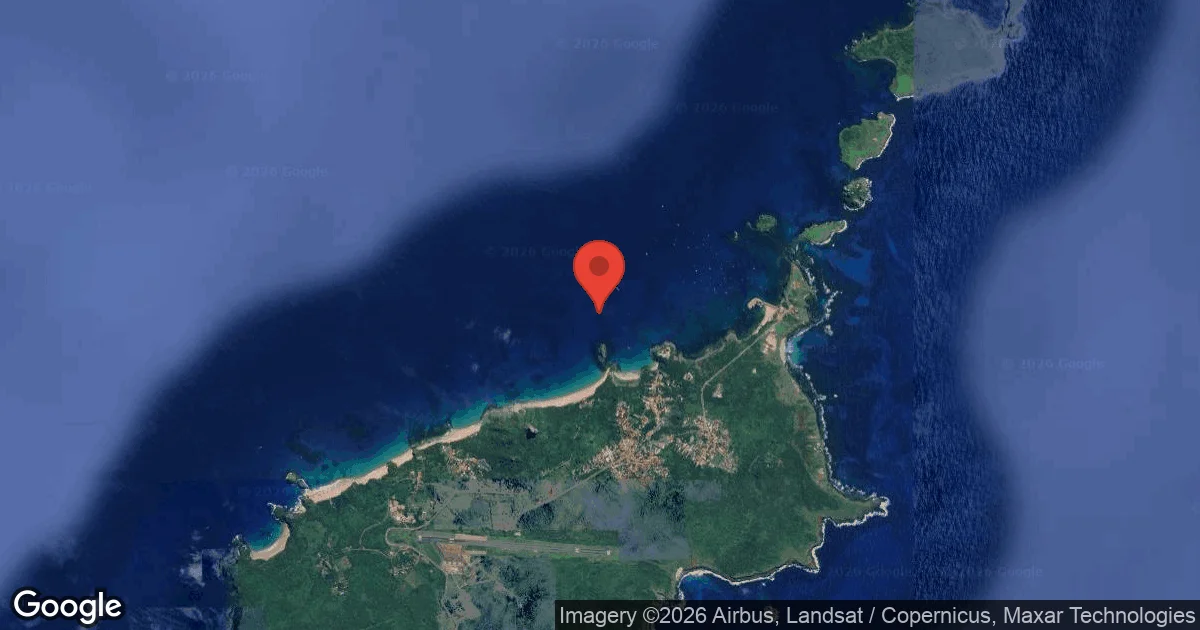
Descending into Macaxeira plunges divers into the "Sea of Outside" off Fernando de Noronha's northern extreme, offering a truly current-driven experience. The site features dramatic geological structures, beginning with a prominent wall of collapsed rocks that naturally guides the dive.
Following the wall's outline, topography transitions to a plateau, richly adorned with various algae, providing a distinct contrast to the rock face. Maximum depth here can reach 40 m (130 ft), making it suitable for experienced divers comfortable with deeper profiles. Currents are always present, influencing the drift and marine life encountered.
Expect to navigate a dynamic underwater environment where visibility averages around 20 m (65 ft), allowing clear views of intricate rock formations and passing schools of fish. Persistent water movement and significant depth define this location, demanding good situational awareness throughout the dive.
Conditions are Moderate
Optimal conditions expected
Current conditions near Macaxeira show 27° air, 27° sea temperature, 1.9 m waves, and 31 km/h wind. Forecast data is refreshed regularly to ensure accuracy.
Best Time to Dive
Optimal diving at Macaxeira generally aligns with periods of more moderate sea conditions, specifically January, June, and December, when dive scores are consistently higher. During these months, average wave heights tend to be on the lower end of the annual range, contributing to calmer surface conditions. Air temperatures remain consistently warm year-round, typically ranging from 26-27.5°C (79-82°F), ensuring comfortable surface intervals regardless of the season. Rainfall is minimal, with the driest months showing less than 1 mm, though April can see up to 11.8 mm. Conversely, July through October often present poorer dive conditions due to increased wave heights and stronger winds, which can reach over 34 km/h (21 mph) in September. Divers planning trips during these windier months should anticipate a more challenging experience with potentially rougher surface conditions and increased current intensity.
PEAK SEASON SCORE
Scores combine air & water temps, waves, wind & rainfall for overall conditions.
BEST MONTHS TO DIVE
Monthly records compiled from satellite and marine observation nodes over the last 3 years. Data provided by Open-Meteo and MET Norway.
Dive Experience & Conditions
Encountering Macaxeira means accepting the pervasive presence of current, which consistently leads divers along the site's unique structure. This is fundamentally a drift dive, with the water flow guiding exploration past a wall of collapsed rocks. Following this feature, the topography opens onto a plateau, often covered in dense algae, attracting varied marine life. Typical visibility hovers around 20 meters or 65 feet, allowing for good observation of the environment even with active water movement. While water temperature isn't consistently reported, air temperatures average between 26-27.5°C (79-82°F) throughout the year, suggesting warm surface conditions. The dive often reaches its maximum reported depth, requiring divers to manage buoyancy effectively in the moving water column. Expect a dynamic interaction with the current; it's a defining characteristic of Macaxeira.
Dive Difficulty & Safety Guidelines
Approaching Macaxeira requires a careful assessment of its inherent challenges, primarily the strong and consistently present current. Divers must plan diligently for these active water conditions, emphasizing robust buoyancy control and exceptional situational awareness, particularly along the rock wall. Because of its significant depth, it's designated for experienced divers who are proficient in managing deep drift dives.
Maintaining close proximity to your buddy and your dive guide is crucial, especially in areas with potential downcurrents or unpredictable shifts in water movement. Ensure all equipment is securely fastened, and practice good air management given the potential for increased exertion in the current.
Recommended Equipment
Current and surface separation risk. Local briefing strongly recommended.
- Dive Computer
- DSMB
- Reel / Spool
This gear list is based on verified equipment signals for Macaxeira, Brazil. Always confirm final gear choices with your dive operator, guide, or liveaboard.
Recommended Dive Suit
Water temperatures at Macaxeira are currently estimated to be around 27°C (80°F), shaping the overall diving conditions for today. Surface air temperatures are resting at 27°C (80°F).
2-3mm shorty or light wetsuit generally offers enough warmth for most dives under these conditions. Consider warmer surface protection (like a boat coat) due to brisk winds.
Forecast conditions over the next few days suggest temperatures will remain relatively stable.
Emergency & Medical Support
Essential information to help you plan your dive trip to Macaxeira.

Hyperbaric chambers are a critical part of dive safety infrastructure. Availability varies significantly by region, and not all dive areas have immediate access.
Before diving, it's recommended to:
- confirm nearest medical facilities
- check emergency procedures with local dive operators
- ensure dive insurance covers evacuation if required
Divers Alert Network
Diving emergency assistance available through DAN World.
+1-919-684-9111- 24/7 emergency hotline
- Diving medical assistance
- Evacuation coordination
Emergency contacts are provided for reference. Always verify local emergency services before diving.
Marine Life at Macaxeira
Venturing through Macaxeira's currents, divers often first notice the active schools of fish moving along the wall and plateau. Shoals of mackerel, horse mackerel, and anchovies circulate in the area, providing a dynamic visual experience.
Down on the plateau, the famed Eel Garden can be observed, housing various species among the algae and intricate rock formations. Rays, particularly nail rays, are frequently sighted gliding across the sandy patches or near the rocky structures.
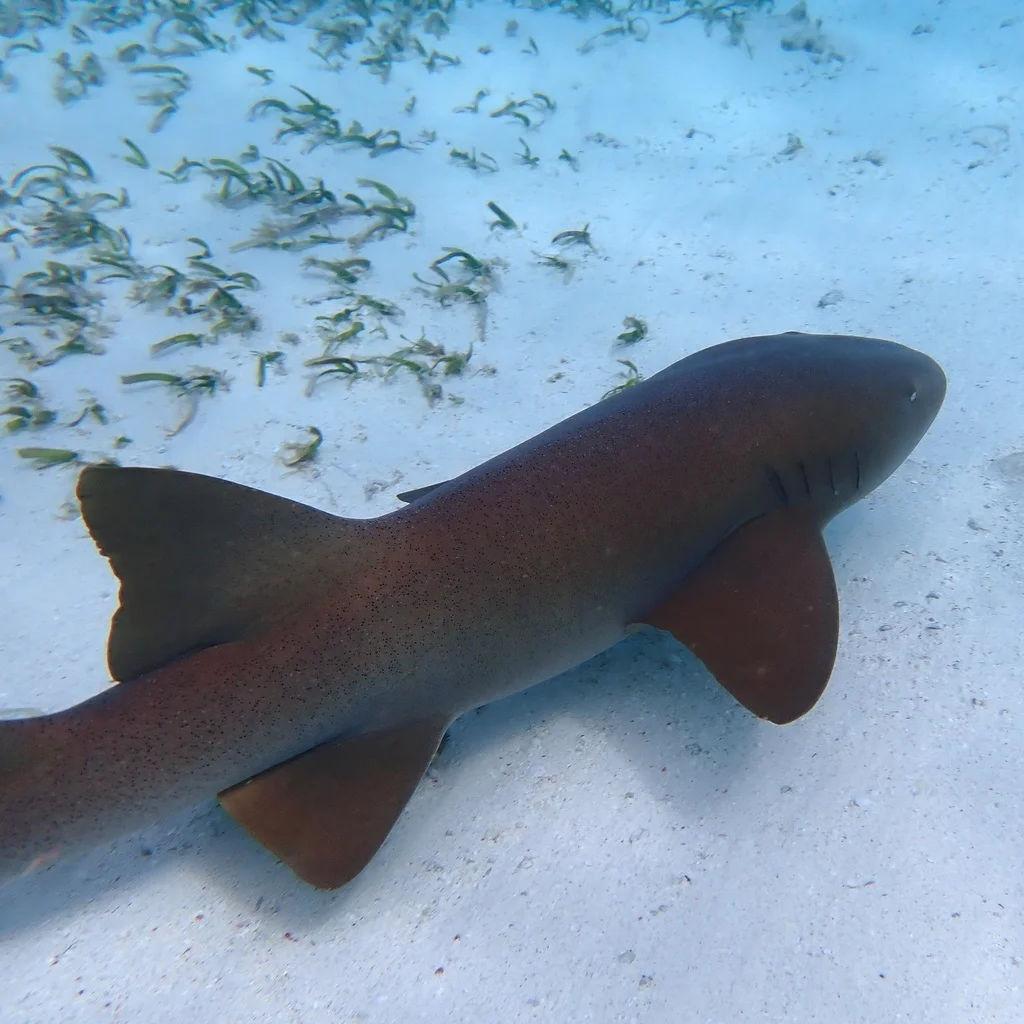
Additionally, divers occasionally spot larger pelagic creatures such as nurse sharks and lemon sharks, adding an element of thrill to the dive.

Dive Sites Near Macaxeira
View all dive sites in BrazilDiscover more underwater gems in this area.
Dive Centers Near Macaxeira
No Dive Centers Local To Macaxeira
Are you a dive center visiting this location? Get listed to reach divers.
Nearest Airports
Nearest airports to help plan travel to this dive area.
Search Flights
Check available flights and routes on Expedia, using the nearby airports listed in this section.
Search Flights on ExpediaFrequently Asked Questions
What is the typical depth range at Macaxeira?
Macaxeira is known for its deeper profile, extending to its maximum reported depth. It generally caters to experienced divers comfortable with these depths, allowing for exploration of its wall and plateau.
Are there strong currents at Macaxeira?
Yes, strong currents are consistently present at Macaxeira, making it primarily a drift dive. Divers should plan accordingly and maintain excellent buoyancy control to navigate the site safely and efficiently.
What kind of marine life can I expect to see?
Divers often encounter schools of mackerel, horse mackerel, and anchovies. You can also expect to see nail rays, various eels in the 'Eel Garden' among the algae, and occasionally nurse sharks and lemon sharks.
What level of diving experience is required for Macaxeira?
Macaxeira is recommended for experienced and advanced divers due to its significant depth and the constant presence of strong currents. Good buoyancy control and prior drift diving experience are essential for a safe and enjoyable dive.
How is the visibility at this dive site?
Visibility at Macaxeira typically averages around 20 meters, or approximately 65 feet. Good views of the rock formations and marine life are possible, even with prevalent currents characterizing the dive.
What is the underwater topography like at Macaxeira?
Macaxeira's topography features a prominent wall of collapsed rocks that divers drift along, eventually leading to a plateau. Often, this plateau appears covered in various algae, creating an interesting contrast to the rugged rock formations.
What is the best time of year to dive Macaxeira?
The best times are generally January, June, and December, which typically have higher dive scores and more moderate wave conditions. Air temperatures are consistently warm year-round, between 26-27.5°C (79-82°F).
Planning to dive Macaxeira?
Send one inquiry and receive offers directly from the best verified local dive operators.
Conditions are Moderate
Optimal conditions expected
Current conditions near Macaxeira show 27° air, 27° sea temperature, 1.9 m waves, and 31 km/h wind. Forecast data is refreshed regularly to ensure accuracy.