
Diving at Blue Water Wreck (Brunei Darussalam)
Approaching the Blue Water Wreck, divers are often greeted by clearer conditions that lend this site its name. This large Filipino fishing trawler, the Mabini Padre, met its end in 1981 after a fire, settling on its port side. An established artificial reef now, its structure invites Advanced Open Water divers to explore a significant piece of Brunei's underwater history. Such wrecks provide a compelling journey into a vessel frozen in time.
As evening covers Blue Water Wreck, the local air temperature is measured at 29°C. The current wave height at the surface is recorded at 0.6 m. These late-day readings characterize the surface conditions for the night.
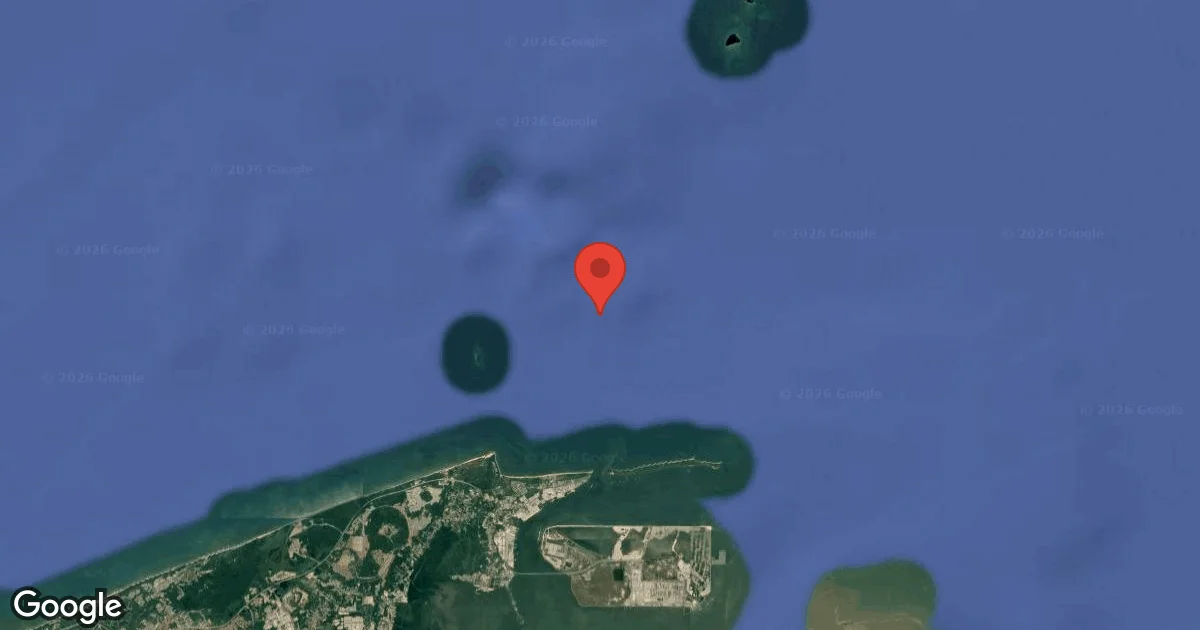
Dive Site Location & Key Facts
Dive Site Overview
A compelling historical narrative unfolds at the Blue Water Wreck, tracing its origins as the sizeable Filipino fishing trawler, Mabini Padre. Its sinking followed a fire on a fateful Friday the 13th in 1981.
Resting prominently on its port side, the vessel lies at a maximum depth of around 35 m / 115 ft on the sandy seabed. Its starboard side, however, rises significantly, reaching up to 24 m / 79 ft towards the surface, providing diverse exploration opportunities.
The clearer conditions, which inspired its contemporary name, often offer improved visibility compared to other sites within Brunei Bay, enhancing the historical dive. Recognized as one of Brunei's "big four" wrecks, it stands out for its size and well-preserved internal structure.
Intricate machinery details, including elements of its diesel engine and expansive condenser tubes from refrigerated holds, are still discernible after decades underwater. These features invite cautious exploration for suitably certified divers. A substantial site, it continuously evolves into a thriving marine habitat.
Conditions are Good
07:00 - 14:00
Optimal conditions expected
Current conditions near Blue Water Wreck show 29° air, 31° sea temperature, 0.7 m waves, and 22 km/h wind. Forecast data is refreshed regularly to ensure accuracy.
Best Time to Dive
Months of April and May consistently rate "Excellent" for diving at the Blue Water Wreck. During this period, average wave heights are at their lowest, around 0.4 meters, contributing to calmer seas and better access. Air temperatures remain warm, typically ranging from 28-28.5°C / 82-83°F, with minimal rainfall averaging 5.9-9.0 mm, enhancing comfort both in and out of the water. While specific water temperature data for the wreck isn't consistently reported, regional patterns suggest warm tropical conditions throughout the year, likely mirroring the consistent air temperatures. June to March generally offers "Good" diving scores, with slightly increased wave heights and rainfall, but still presents enjoyable opportunities. January, however, shows moderate conditions, with higher wave activity and rainfall potentially impacting visibility and comfort. Planning dives during the calmer dry season months maximizes the chances for clearer views of the wreck.
PEAK SEASON SCORE
Scores combine air & water temps, waves, wind & rainfall for overall conditions.
BEST MONTHS TO DIVE
Monthly records compiled from satellite and marine observation nodes over the last 3 years. Data provided by Open-Meteo and MET Norway.
Dive Experience & Conditions
Diver experience here is often enhanced by clearer conditions, typically surpassing other Brunei Bay locations. Currents around the Blue Water Wreck can vary, but these clearer conditions tend to offer more expansive views of the sunken trawler. With the wreck lying on its port side, the elevated starboard section creates distinct underwater topography, allowing for varying light penetration and unique current patterns around its structure. Exploration involves navigating both the exterior, revealing the vessel's overall integrity, and potentially cautious penetration of interior sections, depending on diver training and prevailing conditions. A contrasting sandy bottom and vibrant growth on the wreck highlight its role as an isolated habitat. Such a dynamic environment encourages observation of marine life adapting to structural complexity and currents.
Dive Difficulty & Safety Guidelines
For a safe and rewarding experience, an Advanced Open Water certification or higher is essential due to the depths involved. Wreck's deepest points on the seabed necessitate careful no-decompression limit planning and conservative dive profiles. While the external structure is largely stable, interior penetration, if attempted by qualified divers, requires extreme caution because of potential entanglement hazards and silting.
Always carry appropriate wreck diving equipment and maintain excellent buoyancy control to avoid disturbing the wreck or its inhabitants. Observing the wreck for loose or fragile sections is prudent, as all wrecks are in a constant state of decomposition.
Always dive with a reputable local guide who understands the site's specific conditions and nuances.
Recommended Equipment
Deep dive hazard. Increased narcosis and gas consumption risk.
Overhead / entanglement risk. Wreck penetration requires proper training.
- Dive Computer
- DSMB
- Primary & Backup Lights
- Wreck Reel
- Cutting Tool
This gear list is based on verified equipment signals for Blue Water Wreck, Brunei Darussalam. Always confirm final gear choices with your dive operator, guide, or liveaboard.
Recommended Dive Suit
Short-term weather patterns suggest stable conditions for divers visiting the area.
Thermal protection such as dive skin or rash guard is commonly used in similar temperatures.
Recent environmental data from Blue Water Wreck indicates water temperatures near 31°C (88°F). Surface air temperatures are resting at 29°C (85°F).
Emergency & Medical Support
Essential information to help you plan your dive trip to Blue Water Wreck.

Hyperbaric chambers are a critical part of dive safety infrastructure. Availability varies significantly by region, and not all dive areas have immediate access.
Before diving, it's recommended to:
- confirm nearest medical facilities
- check emergency procedures with local dive operators
- ensure dive insurance covers evacuation if required
Divers Alert Network
Diving emergency assistance available through DAN World.
+1-919-684-9111- 24/7 emergency hotline
- Diving medical assistance
- Evacuation coordination
Emergency contacts are provided for reference. Always verify local emergency services before diving.
Marine Life at Blue Water Wreck
Underwater, the Blue Water Wreck's landscape provides a striking contrast between the sandy ocean bottom and the vibrant ecosystem flourishing on the wreck itself. Delicate corals have extensively colonized the vessel, both internally and externally, transforming the sunken trawler into an intricate artificial reef.
Dense marine flora attracts a diverse array of fish species, finding shelter and foraging grounds within the wreck's many crevices and open spaces. This site acts as an oasis, lively with fish against the otherwise sparse seabed.
While specific sightings vary, general health of the coral growth supports a rich, dynamic environment, inviting close observation of smaller inhabitants that call this wreck home.
Dive Sites Near Blue Water Wreck
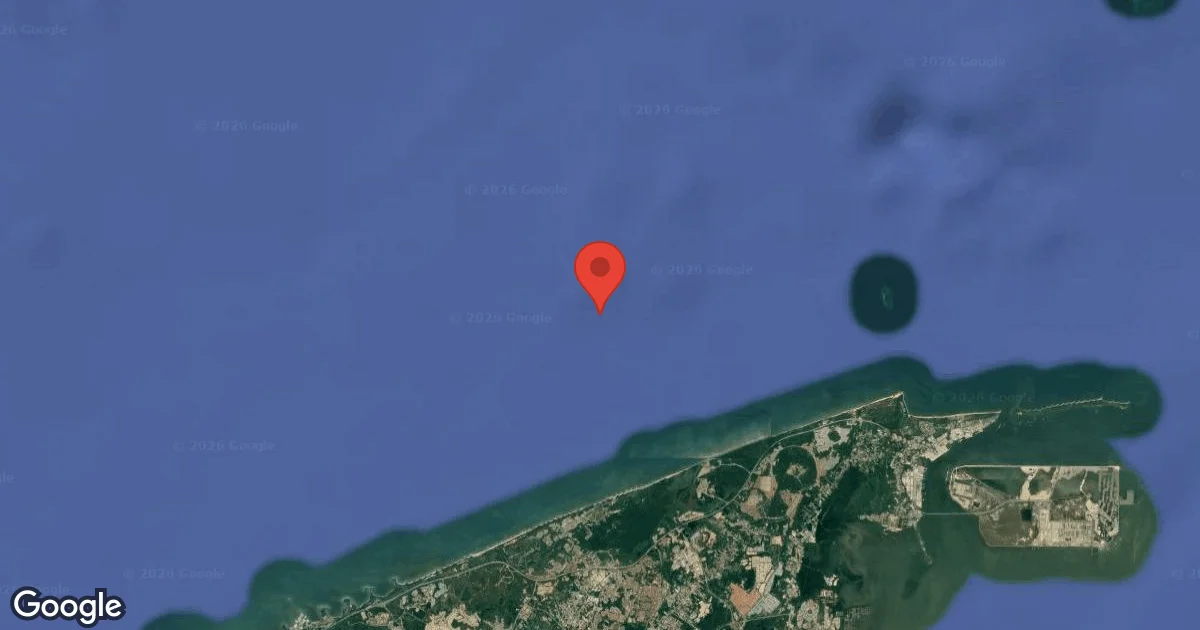
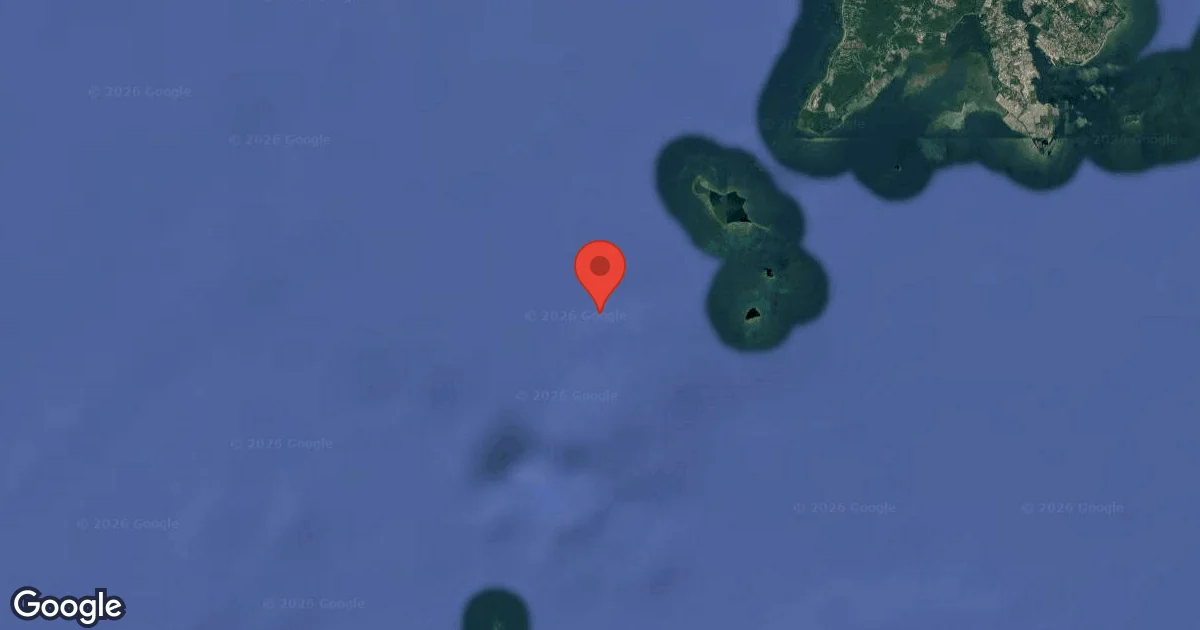
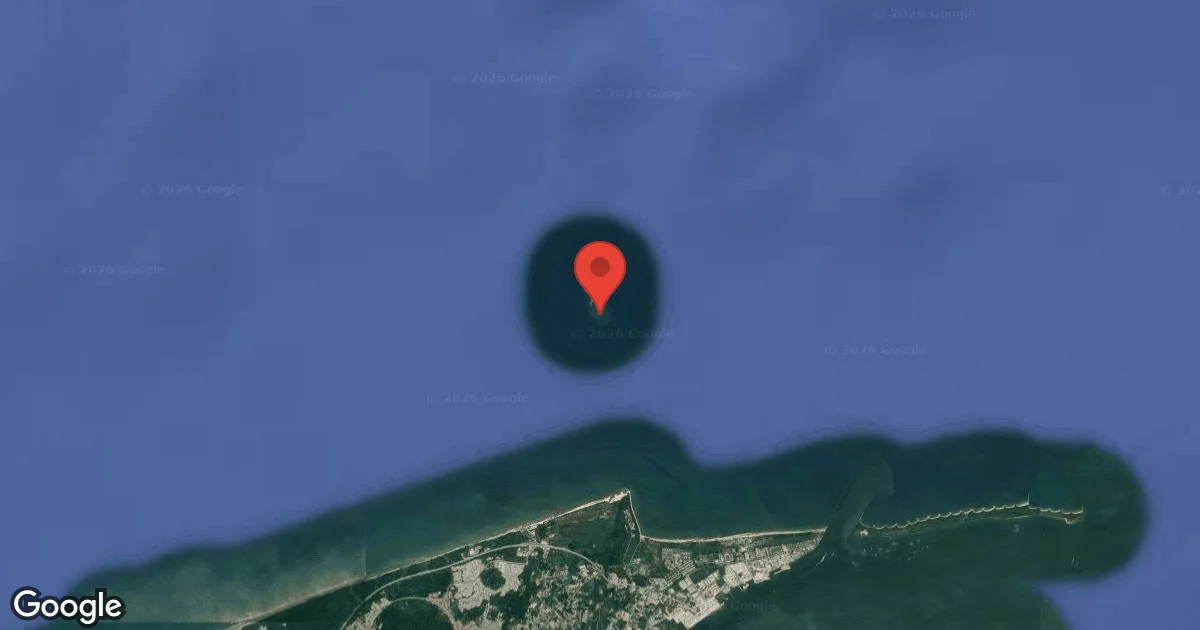
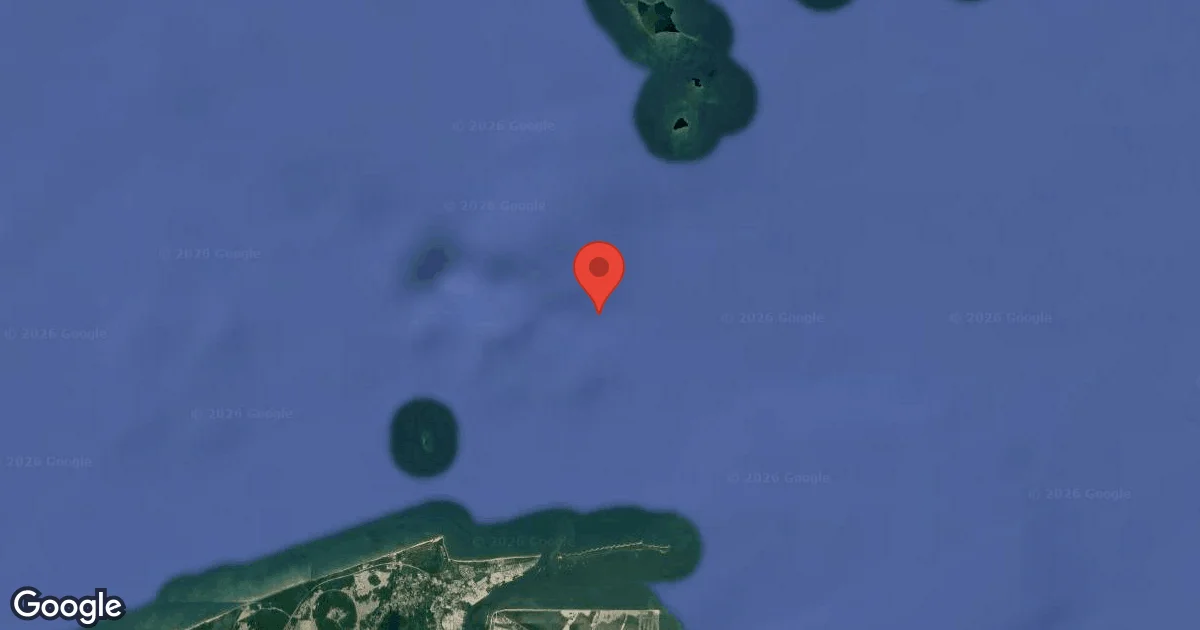
View all dive sites in Brunei DarussalamDiscover more underwater gems in this area.
Dive Centers Near Blue Water Wreck
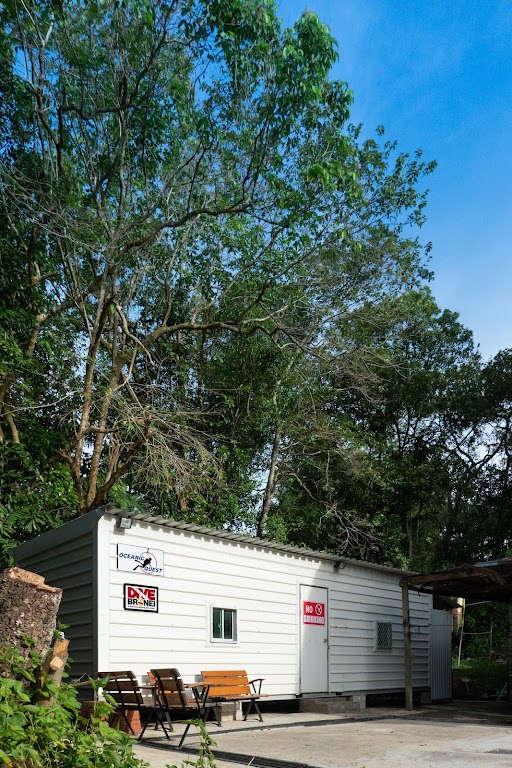
Nearest Airports
Nearest airports to help plan travel to this dive area.
Search Flights
Check available flights and routes on Expedia, using the nearby airports listed in this section.
Search Flights on ExpediaFrequently Asked Questions
What kind of wreck is the Blue Water Wreck?
It was originally a large Filipino fishing trawler named Mabini Padre. It sank in 1981 after catching fire and now rests on its port side on a sandy seabed.
What depth is the Blue Water Wreck?
The wreck's deepest points on the seabed are around 35 meters / 115 feet. Its starboard side rises significantly, providing shallower exploration opportunities.
What certification is required to dive the Blue Water Wreck?
Divers need to be Advanced Open Water certified or equivalent due to the depths involved. This ensures they have the necessary training for deeper wreck exploration.
Is visibility generally good at this site?
Yes, the Blue Water Wreck gets its name from the clear conditions often found there. Visibility is generally better than other dive sites within Brunei Bay.
What marine life can be seen on the wreck?
The wreck is covered in delicate corals and serves as a habitat for a variety of fish. It acts as an oasis for marine life on the otherwise sandy bottom.
When is the best time to dive the Blue Water Wreck?
The optimal time is during April and May, offering excellent diving conditions with calm seas and minimal rain. Good conditions are typical most other months.
Planning to dive Blue Water Wreck?
Send one inquiry and receive offers directly from the best verified local dive operators.
Conditions are Good
07:00 - 14:00
Optimal conditions expected
Current conditions near Blue Water Wreck show 29° air, 31° sea temperature, 0.7 m waves, and 22 km/h wind. Forecast data is refreshed regularly to ensure accuracy.