
Diving at Pelong Rock (Brunei Darussalam)
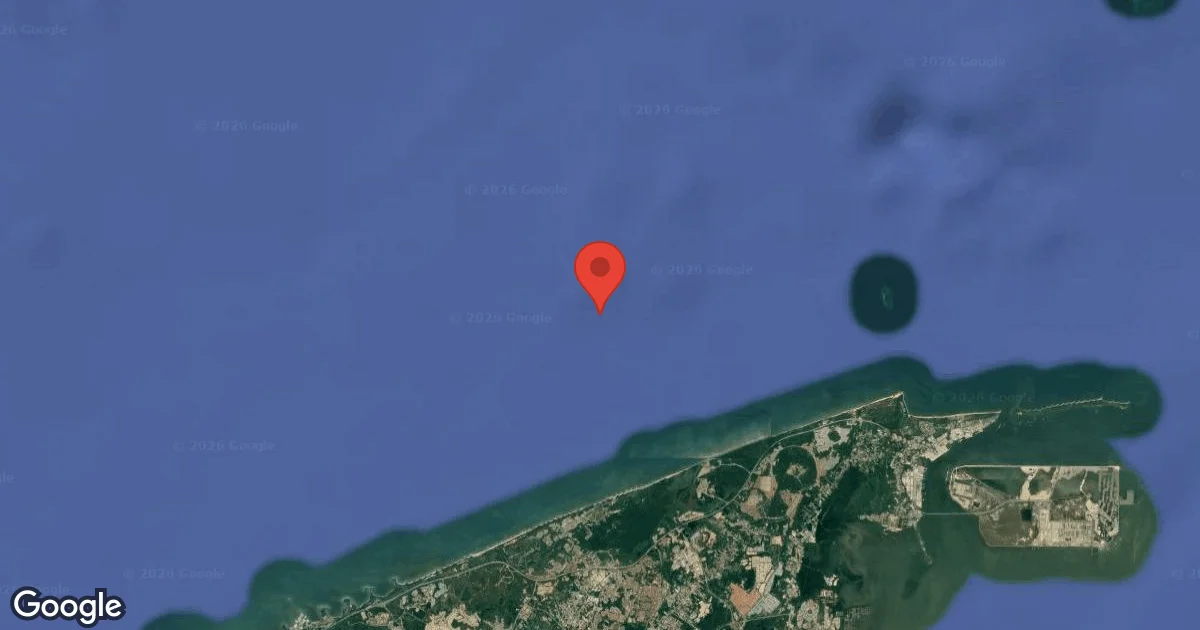
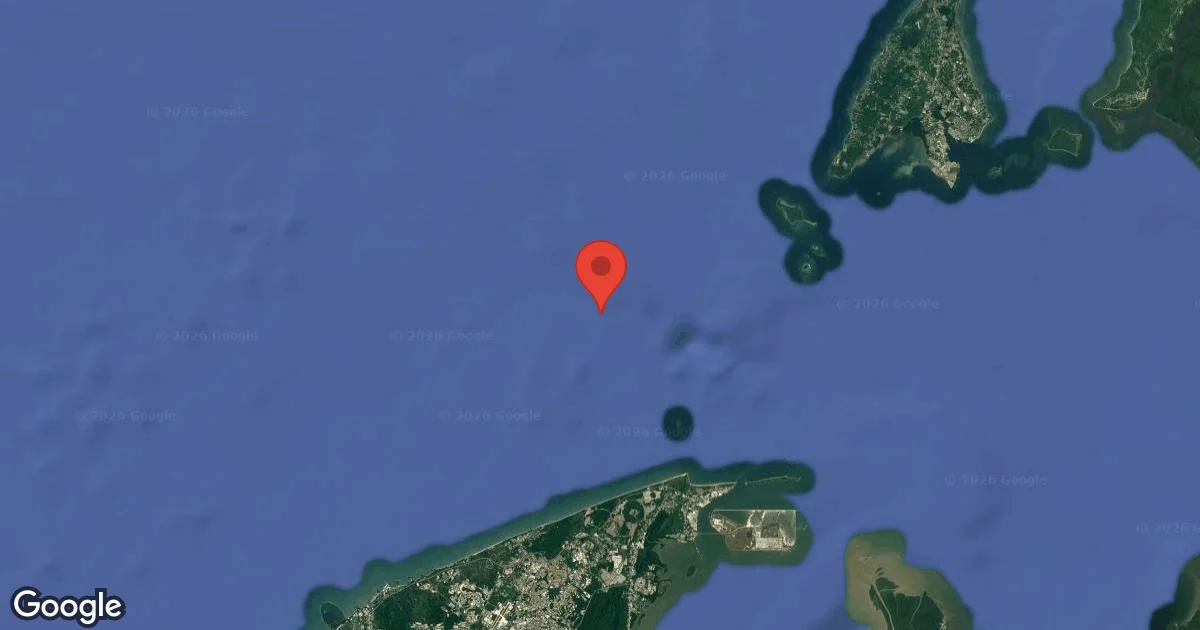
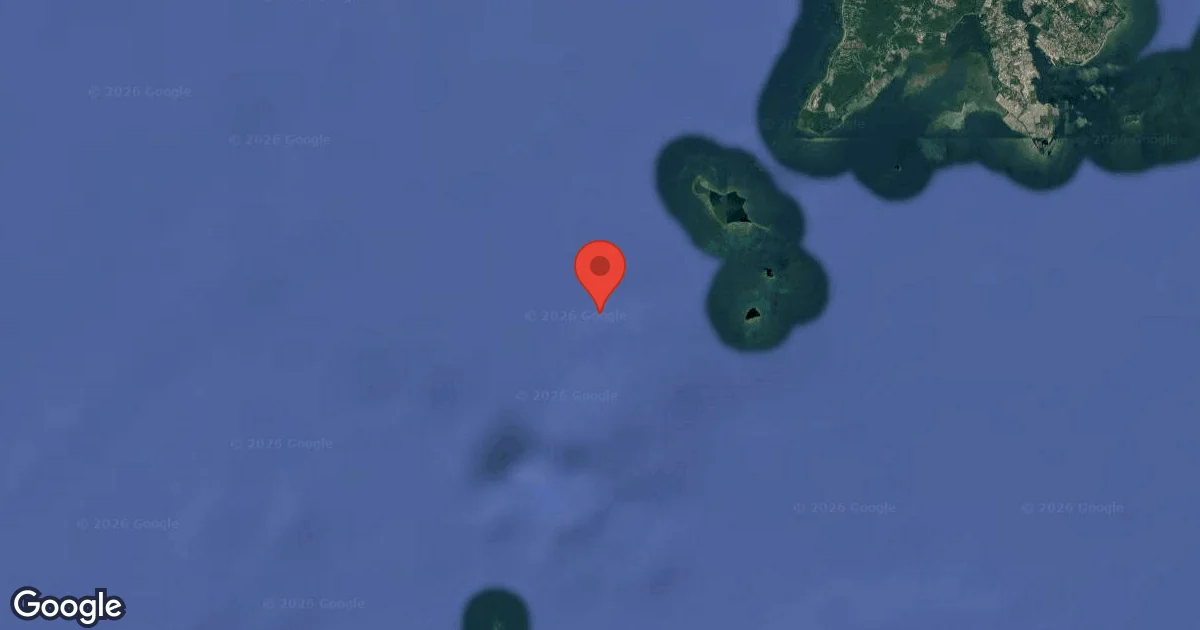
Pelong Rock stands as a prominent rock island, serving as a focal point for underwater exploration in Brunei Darussalam. This site is defined by its extensive shallow reef systems, which create an accessible and engaging environment for divers of varying experience levels. With depths that extend from approximately 1 m down to 18 m (3 ft to 60 ft), it's a versatile location known for its coral formations and diverse marine life. It's often paired with visits to nearby Abana Reef for extended underwater adventures.
Evening condition tracking at Pelong Rock features an air temperature of 25.5°C. We have recorded wave heights measuring 0.4 m during this period. These figures outline the environmental parameters currently present.
Dive Site Location & Key Facts
Dive Site Overview
Descending into the waters surrounding Pelong Rock immediately immerses divers in a vibrant reef ecosystem. This small island, frequently accessed through local operators like Poni Divers, proves an engaging setting for both snorkelers and certified divers seeking diverse underwater encounters.
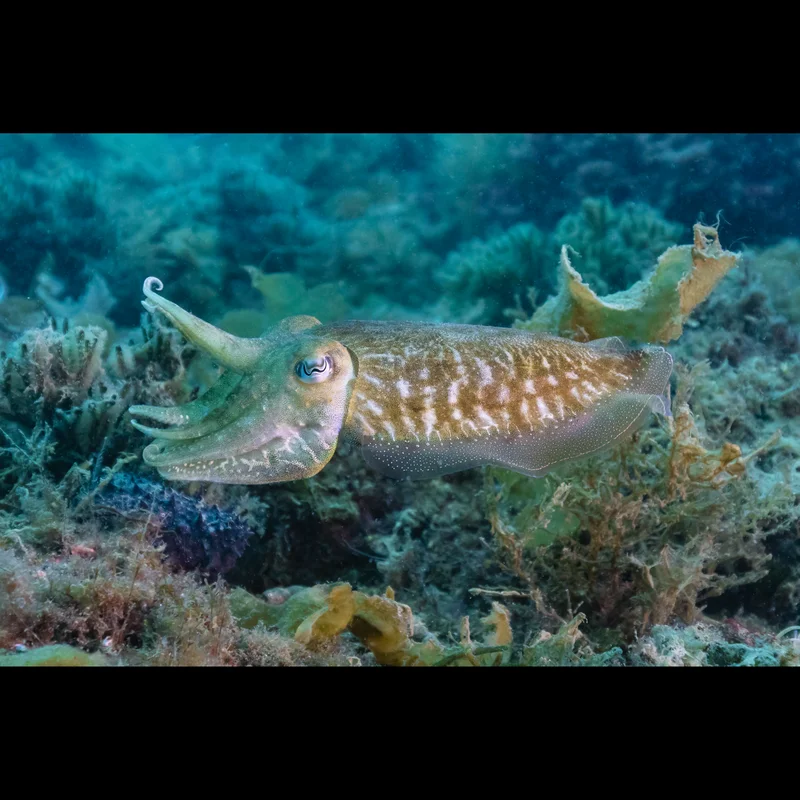
Reviewers consistently highlight a rich tapestry of marine life: numerous starfishes are observed spread across the substrate, cuttlefishes subtly maneuver through the intricate coral formations, and sea cucumbers slowly traverse the sandy patches. Various fish species, from colorful reef inhabitants to smaller schooling fish, animate the entire environment, providing ample observation opportunities.
The site's generally manageable depths, which range effectively from approximately 1 m to 18 m (3 ft to 60 ft), make it a popular and highly suitable location for PADI Open Water Dive courses. Aspiring divers can practice skills and gain confidence within a rich, biodiverse setting that encourages exploration.
Water clarity is often reported to exceed expectations, enhancing visibility of the extensive coral gardens and the active marine communities they support. While some divers have noted encounters with tiny, often unseen jellyfish that can cause minor stings, the overall consensus remains positive, pointing to a consistently compelling underwater world rich in both macro and reef life. This site genuinely rewards careful observation for all skill levels.
Conditions are Good
Optimal conditions expected
Current conditions near Pelong Rock show 26° air, 31° sea temperature, 0.4 m waves, and 24 km/h wind. Forecast data is refreshed regularly to ensure accuracy.
Best Time to Dive
Planning your visit to Pelong Rock with an eye on visibility is key, with several months offering optimal conditions. The dive scores indicate excellent periods between March and October. During these months, the average air temperatures remain warm, typically ranging from 27.5°C to 28°C (81.3°F to 82.8°F), contributing to comfortable topside conditions. Wave heights are generally lower from April to October, averaging between 0.2 m and 0.4 m, which can translate to calmer seas and improved underwater clarity. While water temperature data isn't consistently reported, the region's tropical climate suggests warm waters year-round. Rainfall is relatively consistent throughout the year, but the 'Excellent' dive scores suggest that its impact on dive conditions is often favorable during these peak months.
PEAK SEASON SCORE
Scores combine air & water temps, waves, wind & rainfall for overall conditions.
BEST MONTHS TO DIVE
Monthly records compiled from satellite and marine observation nodes over the last 3 years. Data provided by Open-Meteo and MET Norway.
Dive Experience & Conditions
Approaching Pelong Rock typically involves a boat entry, placing divers directly into the saline waters surrounding the rock island. Upon descending, divers immediately encounter a series of shallow reefs, which are ideal for foundational dive training and leisurely explorations. Depths here range effectively from 1 m to 18 m (3 ft to 60 ft). Conditions can vary; however, divers often report clearer waters, providing good visibility of the extensive coral formations and the diverse fish life that inhabits them. It's a site that rewards careful observation of the macro life nestled within the reef structure, even as larger pelagics may pass through.
Dive Difficulty & Safety Guidelines
Diving at Pelong Rock requires awareness of local conditions to ensure a safe experience. One reported aspect is the occasional presence of tiny, nearly invisible jellyfish, which can cause minor stings. Wearing protective gear, such as a full-body wetsuit or rash guard, can be advisable to mitigate this minor challenge.
It's highly recommended to coordinate dives through experienced local operators, such as Poni Divers, who are familiar with the site and its nuances. Always adhere to standard safe diving practices: plan your dive, dive your plan, monitor your air supply, and avoid solo diving.
Additionally, respecting the marine environment is paramount, ensuring no damage to the corals or disturbance to marine life. Divers should note that direct access to the rock island itself is not generally permitted.
Recommended Equipment
- Dive Computer
- DSMB
This gear list is based on verified equipment signals for Pelong Rock, Brunei Darussalam. Always confirm final gear choices with your dive operator, guide, or liveaboard.
Recommended Dive Suit
Individual comfort in the water can vary significantly from diver to diver, even under the same conditions.
For most recreational dives, dive skin or rash guard should provide comfortable protection. Forecast trends indicate little change in overall diving conditions during the next few days.
Water temperatures across the dive area at Pelong Rock are presently estimated to be around 31°C (88°F). Surface air temperatures are resting at 26°C (78°F).
Emergency & Medical Support
Essential information to help you plan your dive trip to Pelong Rock.

Hyperbaric chambers are a critical part of dive safety infrastructure. Availability varies significantly by region, and not all dive areas have immediate access.
Before diving, it's recommended to:
- confirm nearest medical facilities
- check emergency procedures with local dive operators
- ensure dive insurance covers evacuation if required
Divers Alert Network
Diving emergency assistance available through DAN World.
+1-919-684-9111- 24/7 emergency hotline
- Diving medical assistance
- Evacuation coordination
Emergency contacts are provided for reference. Always verify local emergency services before diving.
Marine Life at Pelong Rock
The underwater landscape at Pelong Rock is notably rich with coral growth, forming the foundation for a vibrant ecosystem. Divers regularly observe starfishes spread across the substrate, alongside secretive cuttlefishes maneuvering through the reef.
Sea cucumbers are commonly found, slowly traversing the seabed. Various species of reef fish dart among the coral branches, contributing to the site's dynamic feel.
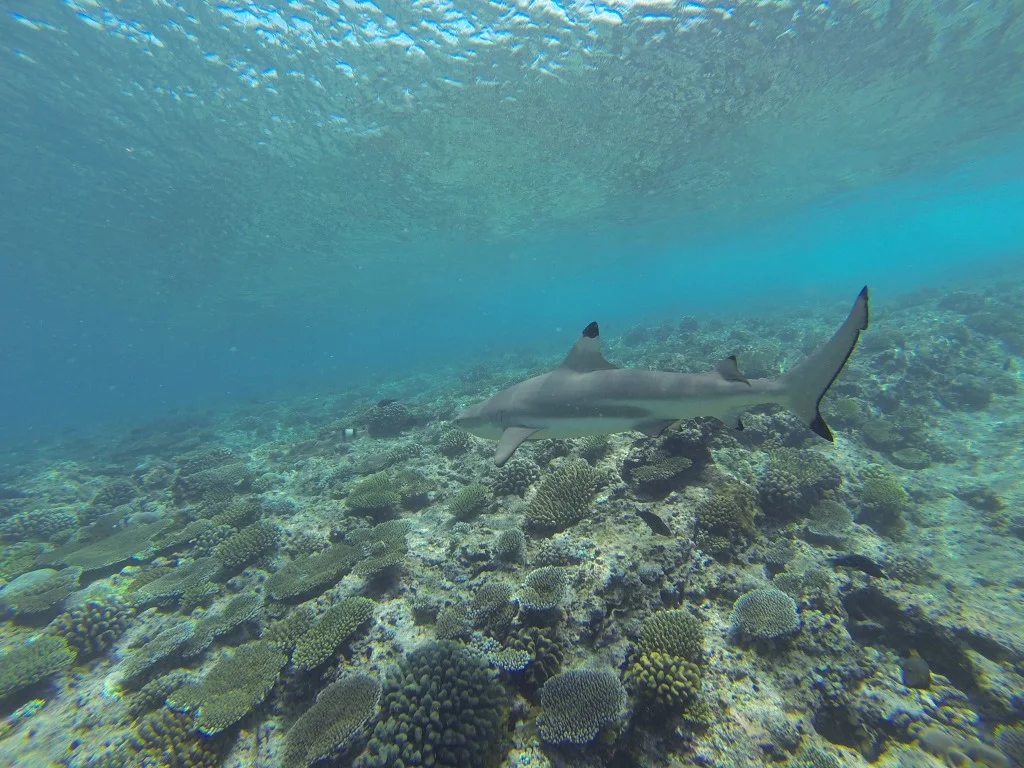
While not guaranteed, there's also potential to spot larger pelagic species such as sharks, whales, dolphins, and turtles, adding an element of grander wildlife to the already diverse reef sightings.

Dive Sites Near Pelong Rock
View all dive sites in Brunei DarussalamDiscover more underwater gems in this area.
Dive Centers Near Pelong Rock
Nearest Airports
Nearest airports to help plan travel to this dive area.
Search Flights
Check available flights and routes on Expedia, using the nearby airports listed in this section.
Search Flights on ExpediaFrequently Asked Questions
What is the typical maximum depth at Pelong Rock?
The dive site at Pelong Rock typically reaches a maximum depth of around 18 m (60 ft). This range makes it suitable for various skill levels, including introductory dive courses and experienced recreational diving.
What kind of marine life can I expect to see?
Divers often encounter an abundance of corals, alongside various fish species. Specific sightings commonly reported include starfishes, cuttlefishes, and sea cucumbers. There's also potential for observing sharks, whales, dolphins, and turtles, though these are less frequent.
Is Pelong Rock suitable for beginner divers?
Yes, Pelong Rock is considered highly suitable for beginner divers and for conducting PADI Open Water Dive courses. Its shallow reef systems and manageable depths provide an excellent learning environment.
Are there any specific hazards to be aware of while diving here?
Reviewers have mentioned encounters with tiny, nearly invisible jellyfish that can cause minor stings. Wearing appropriate protective gear, such as a full-body wetsuit, can help minimize this minor discomfort.
What is the best way to arrange a dive at Pelong Rock?
It's recommended to book your diving or snorkeling excursions through experienced local dive operators. Poni Divers is specifically mentioned in reviews as a company that facilitates visits to Pelong Rock.
How do the water conditions vary throughout the year?
While water temperature data isn't consistently reported, air temperatures are warm and stable year-round. The period from March to October generally sees lower wave heights and often clearer waters, contributing to excellent dive conditions and better visibility.
How does Pelong Rock compare to nearby dive sites like Abana Reef?
Pelong Rock offers extensive corals and diverse marine life, making it a great dive. However, some feedback suggests that Abana Reef, located just five minutes away, may feature an even greater abundance of corals. Both sites offer compelling underwater experiences.
Planning to dive Pelong Rock?
Send one inquiry and receive offers directly from the best verified local dive operators.
Conditions are Good
Optimal conditions expected
Current conditions near Pelong Rock show 26° air, 31° sea temperature, 0.4 m waves, and 24 km/h wind. Forecast data is refreshed regularly to ensure accuracy.