
Diving at Australian Wreck (Brunei Darussalam)
The Australian Wreck presents a significant underwater structure, lying on its port side at a 50-degree angle. Measuring 94 meters (308 ft) in length, this historical vessel creates a substantial artificial reef on the sandy seafloor. Its top sections reach up to 22 meters (72 ft), offering a distinctive profile that contrasts against the open water. Divers encounter a skeletal frame displaying various components like its steam engine, winches, and even scattered cement bags.
As evening covers Australian Wreck, the local air temperature is measured at 29°C. The current wave height at the surface is recorded at 0.6 m. These late-day readings characterize the surface conditions for the night.
Dive Site Location & Key Facts
Dive Site Overview
Initially known by a misleading name, the Australian Wreck carries a compelling, somber history beneath Brunei's waters. Originally the Dutch passenger cargo ship SS De Klerk, built in 1900, she was scuttled by the Dutch Navy in 1942 to prevent Japanese capture.
Later, the Imperial Japanese Navy refloated and repurposed her as the Imaji Maru, using her to transport goods and passengers, including a significant number of prisoners. In 1944, while en route from Singapore to Manila with a stop in Brunei, she fatally struck a Japanese mine, sinking to a maximum depth of 35 meters (115 ft).
Reports indicate 339 lives were lost, many of them prisoners chained within her holds. Today, the wreck rests with three decks accessible; some areas allow for easy swimthroughs, while more technical penetration is available for qualified divers.
Silt has accumulated within the cargo holds, gradually burying the historical, and at times ghastly, secrets of the Imaji Maru's past.
Conditions are Good
07:00 - 14:00
Optimal conditions expected
Current conditions near Australian Wreck show 29° air, 31° sea temperature, 0.5 m waves, and 22 km/h wind. Forecast data is refreshed regularly to ensure accuracy.
Best Time to Dive
Planning a dive at the Australian Wreck involves considering seasonal variations for optimal conditions. Brunei offers consistent diving throughout the year, but clearer visibility and calmer surface conditions often occur between April and October. These months are characterized by reduced wave heights, typically averaging 0.3-0.5 meters (about 0.85 to 1.57 feet), and moderate wind speeds from 13.9-15.9 km/h (8.6-9.9 mph). During this period, air temperatures stay comfortably warm, generally 28°C (82°F), with decreased average rainfall. December through March also provides good diving opportunities, though conditions can include slightly higher wave heights, up to 0.8 meters (around 2.56 feet), and increased rainfall. Air temperatures during these months typically range from 27-27.5°C (81-82°F). Targeting the drier, calmer season generally enhances the dive experience, offering better visibility and more comfortable surface intervals.
PEAK SEASON SCORE
Scores combine air & water temps, waves, wind & rainfall for overall conditions.
BEST MONTHS TO DIVE
Monthly records compiled from satellite and marine observation nodes over the last 3 years. Data provided by Open-Meteo and MET Norway.
Dive Experience & Conditions
Diving the Australian Wreck, one encounters a vessel on its port side at a pronounced 50-degree angle. The shallowest sections of the superstructure rise to around 22 meters (about 72 feet), with the wreck descending to a maximum depth of 35 meters (roughly 115 feet) on the sandy seabed. Visibility generally remains clear, though conditions can fluctuate based on environmental factors. Water temperatures, while not specifically recorded for this wreck, mirror typical regional averages for tropical waters, often ranging between 27-30°C (81-86°F). Persistent open-sea currents and surge have contributed to the fragility of some superstructure components. Inside the wreck, accumulated silt within the cargo holds demands meticulous buoyancy control to avoid disturbing sediment. Accessible swimthroughs are available on various decks, but any technical penetration into more confined spaces requires appropriate certification and experience.
Dive Difficulty & Safety Guidelines
Navigating the Australian Wreck requires respect for its age and past, particularly for those considering internal exploration. The site is suitable for Advanced Open Water certified divers and above due to its depth and potential for variable currents. Some areas of the wreck's superstructures are fragile from persistent currents and surge, necessitating cautious movement, especially during penetration.
Divers must maintain excellent buoyancy control to avoid contact with the wreck and to prevent disturbing accumulated silt within the cargo holds. Penetration dives should only be undertaken by qualified divers, ideally with a guide, and with appropriate wreck diving equipment.
Always dive within your training limits and be mindful of the wreck's historical significance as a war grave.
Recommended Equipment
Overhead / entanglement risk. Wreck penetration requires proper training.
- Dive Computer
- DSMB
- Primary & Backup Lights
- Wreck Reel
- Cutting Tool
This gear list is based on verified equipment signals for Australian Wreck, Brunei Darussalam. Always confirm final gear choices with your dive operator, guide, or liveaboard.
Recommended Dive Suit
For many recreational divers, dive skin or rash guard provides a practical level of insulation in these conditions. Consider warmer surface protection (like a boat coat) due to brisk winds. Divers who tend to get cold easily may prefer slightly thicker exposure protection.
The waters surrounding Australian Wreck are currently maintaining temperatures close to 31°C (88°F). Surface air temperatures are resting at 29°C (85°F).
Current forecasts indicate relatively stable conditions for the coming days.
Emergency & Medical Support
Essential information to help you plan your dive trip to Australian Wreck.

Hyperbaric chambers are a critical part of dive safety infrastructure. Availability varies significantly by region, and not all dive areas have immediate access.
Before diving, it's recommended to:
- confirm nearest medical facilities
- check emergency procedures with local dive operators
- ensure dive insurance covers evacuation if required
Divers Alert Network
Diving emergency assistance available through DAN World.
+1-919-684-9111- 24/7 emergency hotline
- Diving medical assistance
- Evacuation coordination
Emergency contacts are provided for reference. Always verify local emergency services before diving.
Marine Life at Australian Wreck
Acting as an artificial reef, the Australian Wreck attracts a diverse range of marine life. Its structure serves as a sanctuary and hunting ground for various fish species and invertebrates, providing an 'oasis' against the surrounding sandy bottom.
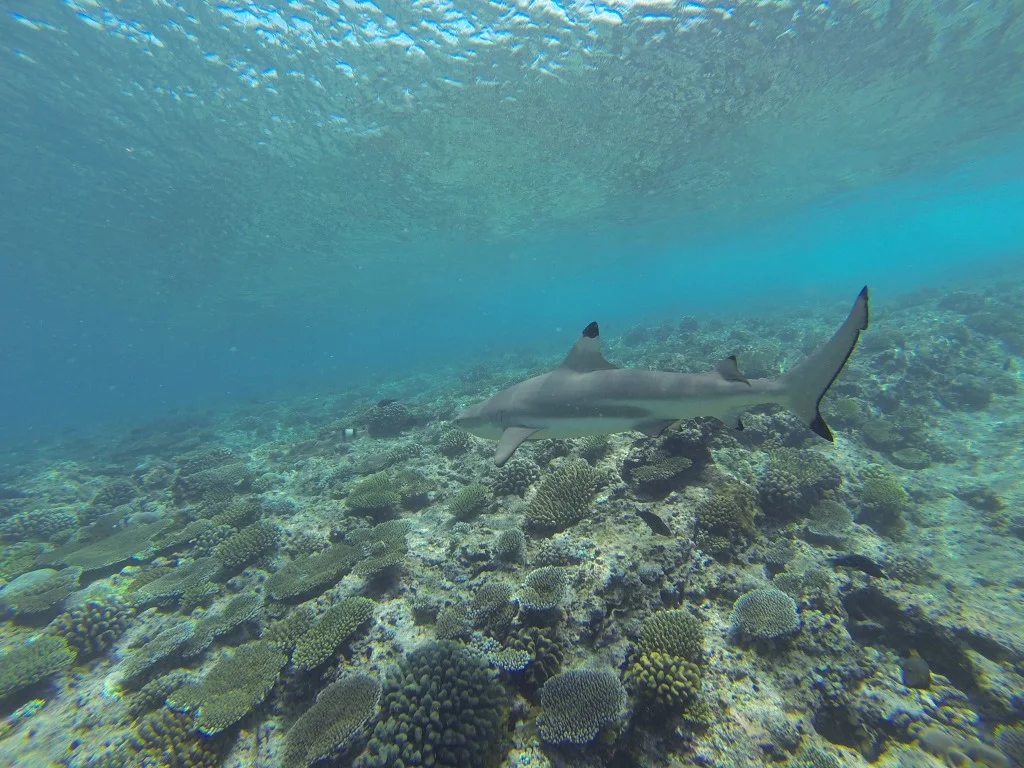
Corals and other marine flora have begun to envelop parts of the wreck, contributing to its vibrant ecosystem. While not consistently reported for every dive, sightings of sharks, turtles, and occasional dolphins and whales have been noted in the wider Brunei waters, adding to the potential for exciting encounters.
Dive Sites Near Australian Wreck
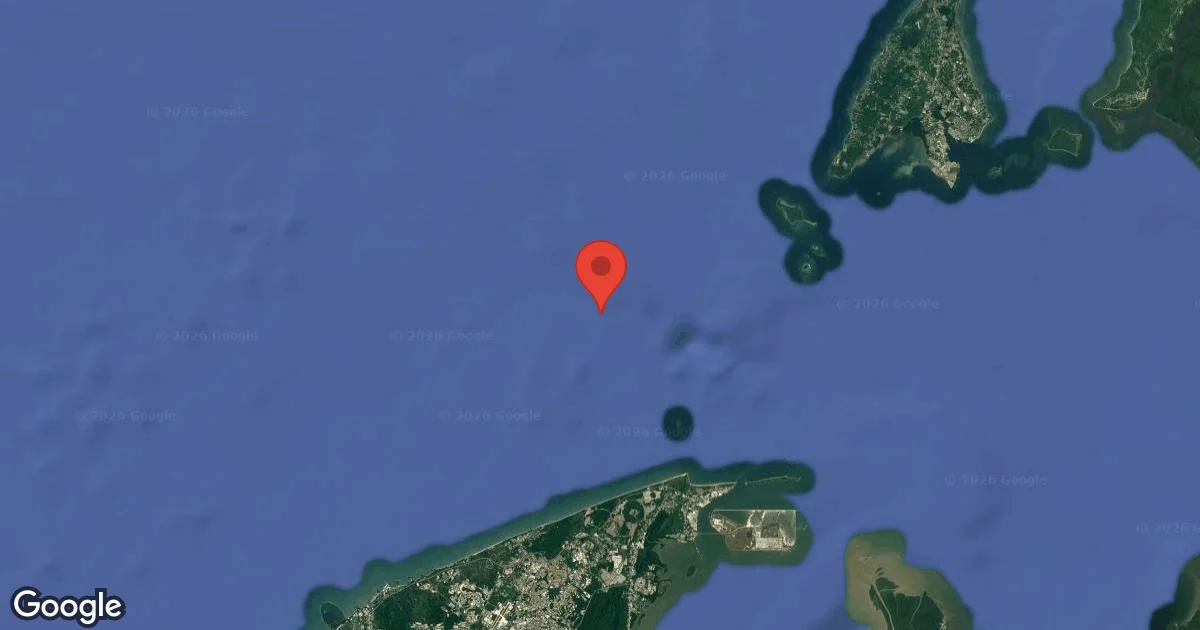
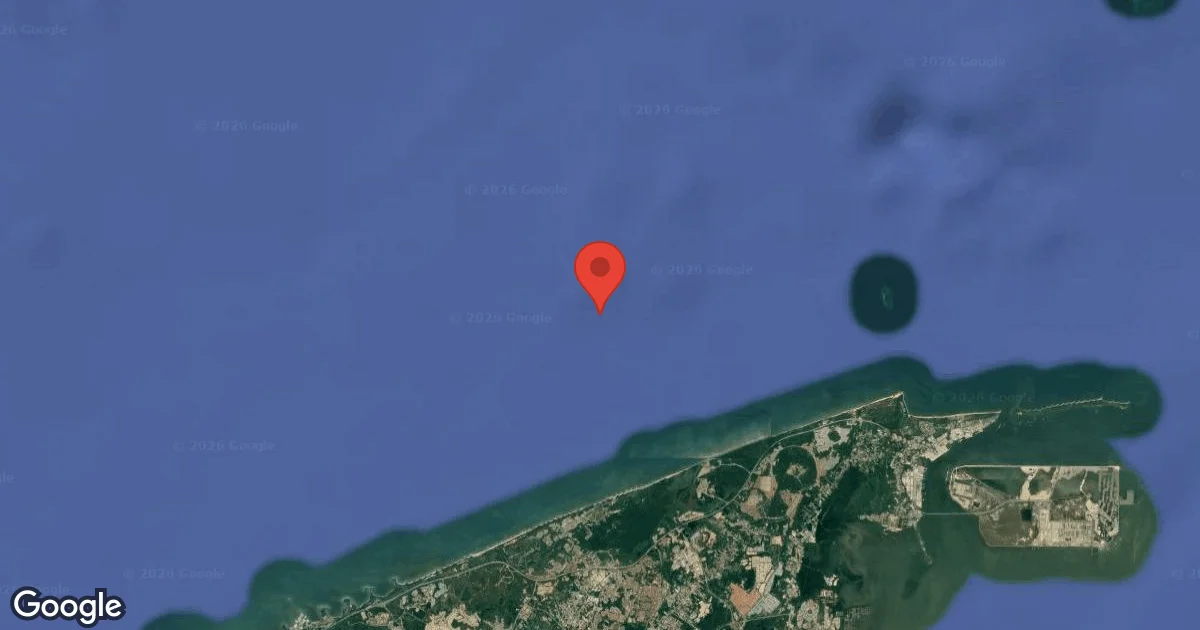
View all dive sites in Brunei DarussalamDiscover more underwater gems in this area.
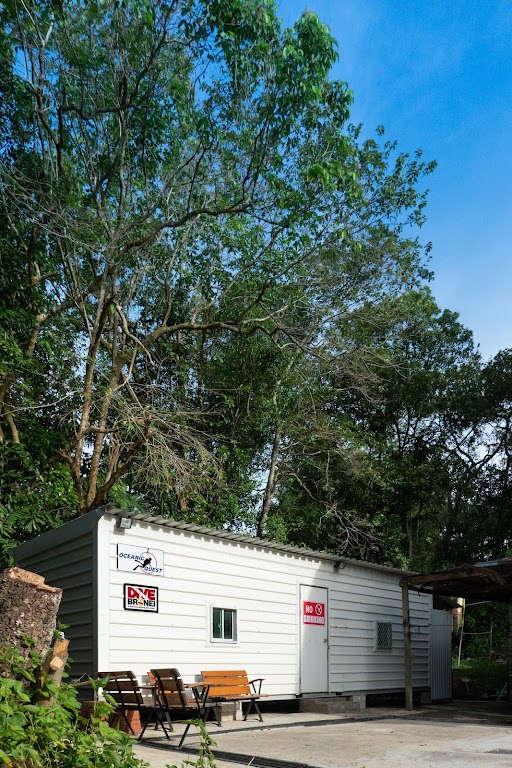
Dive Centers Near Australian Wreck
Nearest Airports
Nearest airports to help plan travel to this dive area.
Search Flights
Check available flights and routes on Expedia, using the nearby airports listed in this section.
Search Flights on ExpediaFrequently Asked Questions
What is the true history behind the Australian Wreck's name?
The Australian Wreck is a misnomer; she was not Australian nor sunk by Australian forces. Originally the Dutch SS De Klerk, she was later repurposed by the Japanese as the Imaji Maru and was sunk by a Japanese mine in 1944.
What is the maximum depth of the Australian Wreck?
The Australian Wreck rests at a maximum depth of 35 meters on the seabed. Its highest points, part of the superstructure, ascend to around 22 meters.
What certification level is required to dive the Australian Wreck?
This wreck is generally suitable for Advanced Open Water certified divers and above. Its depth and potential for penetration require a higher level of training and experience.
Are there opportunities for wreck penetration?
Yes, the wreck features three decks with opportunities for both easy swimthroughs and more technical penetration. Any internal exploration should only be undertaken by qualified and careful divers due to the wreck's fragility and accumulated silt.
What artifacts can be seen on the wreck?
Divers can observe numerous impressive structures and artifacts, including the skeletal frame of the hull, its steam engine, deck winches, tires, chains, and even several toilets. Cement bags from its cargo are also visible in some areas.
Are there human remains on the wreck?
Historically, skeletal remains were occasionally uncovered within the wreck in the 1980s. However, due to accumulated silt over time, it is believed that the remains of those lost are now buried and largely obscured.
What kind of marine life can be found at the Australian Wreck?
The wreck acts as an artificial reef, attracting a variety of fish and delicate corals that have grown on and around its structure. Larger marine life such as sharks, turtles, and occasional dolphins or whales may be sighted in the surrounding Brunei waters.
Planning to dive Australian Wreck?
Send one inquiry and receive offers directly from the best verified local dive operators.
Conditions are Good
07:00 - 14:00
Optimal conditions expected
Current conditions near Australian Wreck show 29° air, 31° sea temperature, 0.5 m waves, and 22 km/h wind. Forecast data is refreshed regularly to ensure accuracy.