
Diving at Oil Rig Reef (Brunei Darussalam)
Descending into the waters off Brunei, the Oil Rig Reef presents an unusual underwater landscape. Divers encounter the skeletal remains of decommissioned oil rig structures, transformed over decades into a vibrant artificial reef. It's a striking contrast of industrial history and thriving marine life, inviting exploration of its many nooks and crannies.
Evening condition tracking at Oil Rig Reef features an air temperature of 26°C. We have recorded wave heights measuring 0.5 m during this period. These figures outline the environmental parameters currently present.
Dive Site Location & Key Facts
Dive Site Overview
The Oil Rig Reef represents a deliberate act of conservation, a forward-thinking initiative by Brunei Shell Petroleum. In 1994, several decommissioned oil rig structures were purposefully sunk here as part of a 'Rigs to Reefs' program.
This strategic move established an expansive artificial reef, now covering a significant 100 square meter area. This fascinating site descends to a maximum depth of 18 m (59 ft), making it comfortably accessible for Open Water certified divers and those with higher certifications. Exploring the intricate metal framework reveals an astonishing transformation: what was once an industrial complex now provides a vibrant habitat.
Marine ecosystems have quickly reclaimed these new substrates, with corals and sponges colonizing the girders and beams. This compelling example of human repurposing for ecological benefit offers a distinct blend of wreck and reef diving.
Divers can expect to navigate through various levels of the former platforms, observing how diverse marine growth has flourished on the metal and the creatures it shelters. It's a testament to how human infrastructure can support thriving biodiversity.
Conditions are Good
07:00 - 14:00
Optimal conditions expected
Current conditions near Oil Rig Reef show 26° air, 32° sea temperature, 0.5 m waves, and 21 km/h wind. Forecast data is refreshed regularly to ensure accuracy.
Best Time to Dive
Optimal diving conditions prevail for much of the year at Oil Rig Reef, with particularly 'Excellent' dive scores reported from April, and consistently from June through September. During these months, wave heights are typically lower, contributing to clearer visibility and more comfortable boat journeys. Air temperatures remain warm and consistent, generally ranging between 28°C (82°F) and 28.5°C (83°F), with rainfall generally decreasing, reaching its lowest average in June at 5.4 mm. Even outside this peak window, months like February and March offer 'Good' diving scores, with air temperatures around 27°C (81°F) and moderate wave conditions. Divers can generally expect favorable conditions, but the late spring and summer months often provide the calmest seas and best overall experience.
PEAK SEASON SCORE
Scores combine air & water temps, waves, wind & rainfall for overall conditions.
BEST MONTHS TO DIVE
Monthly records compiled from satellite and marine observation nodes over the last 3 years. Data provided by Open-Meteo and MET Norway.
Dive Experience & Conditions
Accessing this site by boat is the standard approach, bringing divers directly to the artificial reef. The structures themselves begin at a top depth of approximately 6 m (20 ft), extending down to the seafloor at 18 m (59 ft). Nearby, an associated reef and sandy bottom area sits at about 8 m (26 ft), providing additional habitat to explore. These sunken platforms have been colonized extensively, creating complex environments for marine life. Divers can navigate through the various levels and sections of the former rig, observing how different organisms inhabit the varying depths and exposures.
Dive Difficulty & Safety Guidelines
Diving at Oil Rig Reef requires Open Water certification or higher, ensuring divers have the foundational skills for this type of environment. While the site is generally considered suitable for recreational divers, always adhere to standard safe diving practices. Maintaining proper buoyancy control is crucial to avoid contact with the structures and to protect the delicate marine growth.
Currents vary depending on conditions, so monitoring local reports and following your dive guide's instructions are essential. There are no specific hazards consistently reported beyond general diving considerations.
Recommended Equipment
Overhead / entanglement risk. Wreck penetration requires proper training.
- Dive Computer
- DSMB
- Primary & Backup Lights
- Wreck Reel
- Cutting Tool
This gear list is based on verified equipment signals for Oil Rig Reef, Brunei Darussalam. Always confirm final gear choices with your dive operator, guide, or liveaboard.
Recommended Dive Suit
Dive skin or rash guard is widely used for recreational dives in waters of this temperature. Consider warmer surface protection (like a boat coat) due to brisk winds. For divers entering the water at Oil Rig Reef, temperatures are currently hovering around 32°C (89°F). Surface air temperatures are resting at 26°C (79°F).
Short-term weather patterns suggest stable conditions for divers visiting the area.
Water temperatures can occasionally shift throughout the day depending on currents and depth layers.
Due to technical issues with our weather providers, live updates are temporarily delayed. The data above reflects the conditions at the time of the last successful fetch.
Emergency & Medical Support
Essential information to help you plan your dive trip to Oil Rig Reef.

Hyperbaric chambers are a critical part of dive safety infrastructure. Availability varies significantly by region, and not all dive areas have immediate access.
Before diving, it's recommended to:
- confirm nearest medical facilities
- check emergency procedures with local dive operators
- ensure dive insurance covers evacuation if required
Divers Alert Network
Diving emergency assistance available through DAN World.
+1-919-684-9111- 24/7 emergency hotline
- Diving medical assistance
- Evacuation coordination
Emergency contacts are provided for reference. Always verify local emergency services before diving.
Marine Life at Oil Rig Reef
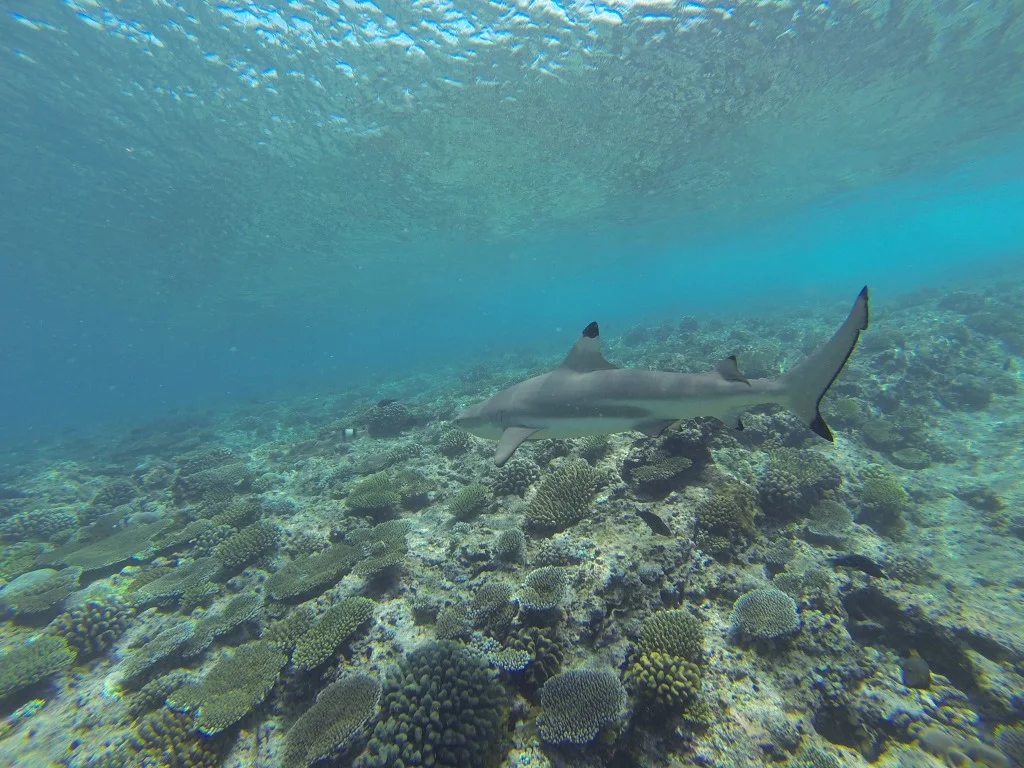
Immediately upon arrival at Oil Rig Reef, divers often observe an impressive array of Gorgonian fan corals, which cling to the metalwork, filtering nutrients from the water. The transformed structures provide shelter for a large variety of marine life. While specific sightings vary, the site is known to host diverse reef fish, and there are occasional reports of larger pelagics such as sharks, whales, dolphins, and turtles passing through the area, drawn by the rich ecosystem the artificial reef supports.

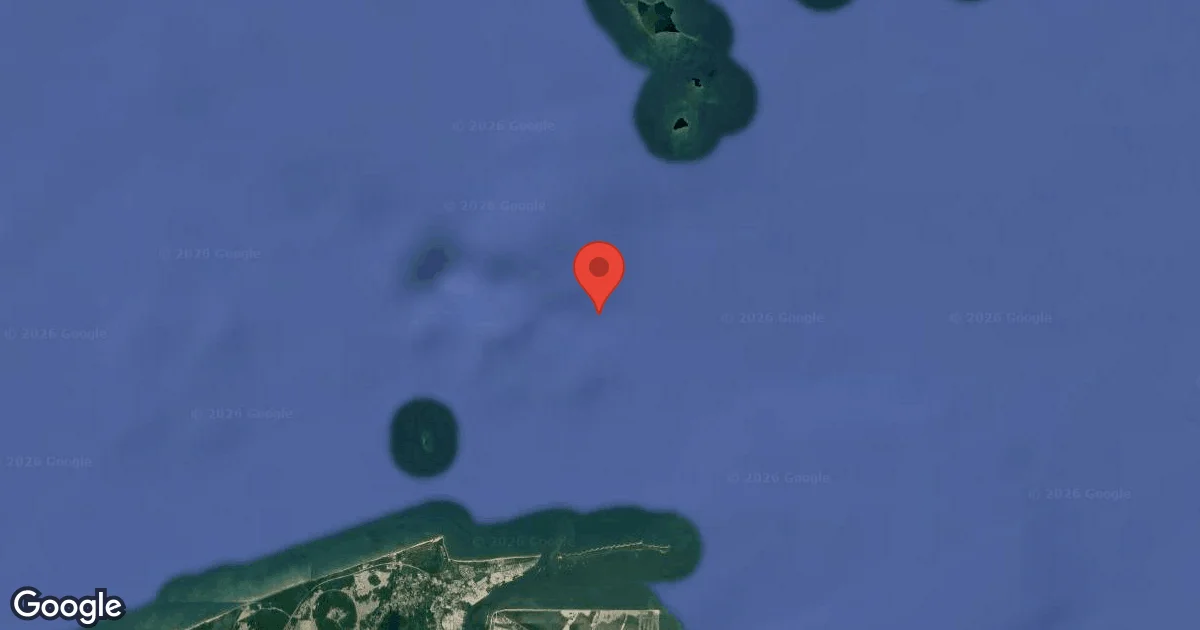
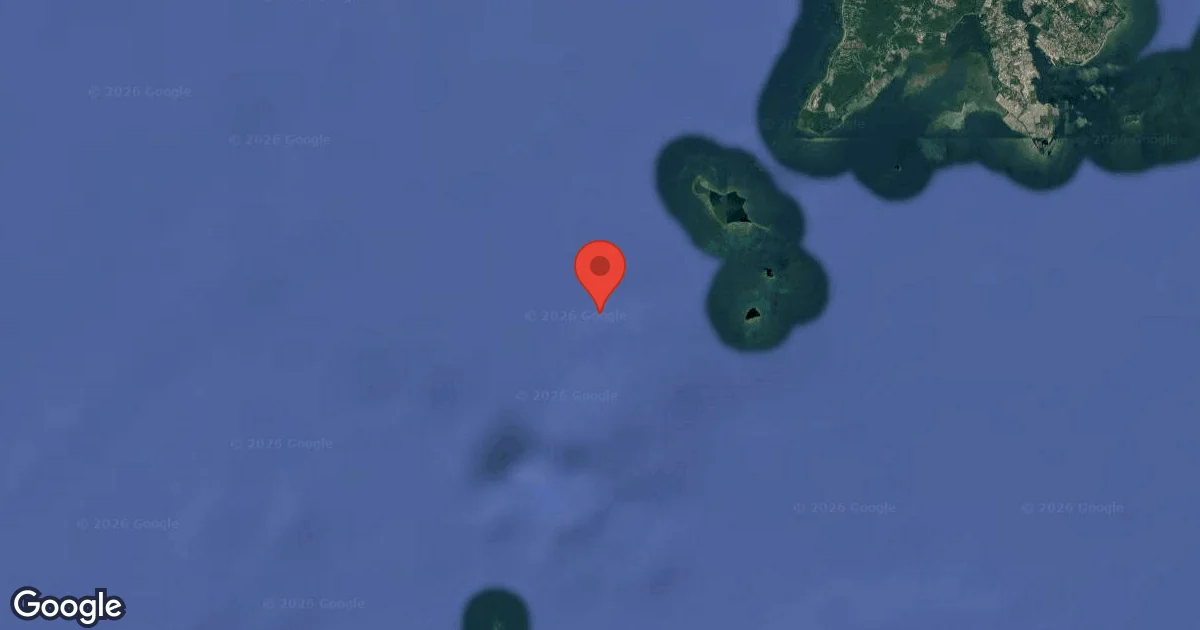
Dive Sites Near Oil Rig Reef
View all dive sites in Brunei DarussalamDiscover more underwater gems in this area.
Dive Centers Near Oil Rig Reef

Nearest Airports
Nearest airports to help plan travel to this dive area.
Search Flights
Check available flights and routes on Expedia, using the nearby airports listed in this section.
Search Flights on ExpediaFrequently Asked Questions
What is the maximum depth at Oil Rig Reef?
The maximum depth at the Oil Rig Reef is 18 m (59 ft) at the base of the structures. This depth is well within the limits for Open Water certified divers.
What certification level is required to dive here?
This dive site is suitable for Open Water certified divers and those holding higher certifications. Good buoyancy control is beneficial for navigating the structures.
What kind of structures make up the reef?
The reef is formed from several decommissioned oil rig structures. These were intentionally sunk in 1994 as part of Brunei Shell Petroleum's 'Rigs to Reefs' program.
When is the best time of year to dive Oil Rig Reef?
The months from April, and particularly June through September, generally offer the best diving conditions with 'Excellent' scores. Air temperatures are warm, and rainfall averages are lower during these periods.
What kind of marine life can I expect to see?
Divers can expect to see various reef fish, large Gorgonian fan corals, and a wide variety of other invertebrates. There are also reports of larger marine animals like sharks, whales, dolphins, and turtles in the area.
Are there strong currents at Oil Rig Reef?
Currents can vary depending on prevailing conditions. It's always advisable to consult with your local dive operator or guide for the most current information before entering the water.
Planning to dive Oil Rig Reef?
Send one inquiry and receive offers directly from the best verified local dive operators.
Conditions are Good
07:00 - 14:00
Optimal conditions expected
Current conditions near Oil Rig Reef show 26° air, 32° sea temperature, 0.5 m waves, and 21 km/h wind. Forecast data is refreshed regularly to ensure accuracy.