
Diving at Cement Wreck (Brunei Darussalam)
Approaching the Cement Wreck demands recognition of its inherent fragility. Divers planning to explore its interior must exercise extreme caution, as superstructures show clear signs of decomposition and instability. Designed for advanced-level divers, exploration here requires a minimum of 50 logged dives and explicit proof of certification to ensure a safe and responsible experience.
Evening condition tracking at Cement Wreck features an air temperature of 27.5°C. We have recorded wave heights measuring 0.5 m during this period. These figures outline the environmental parameters currently present.
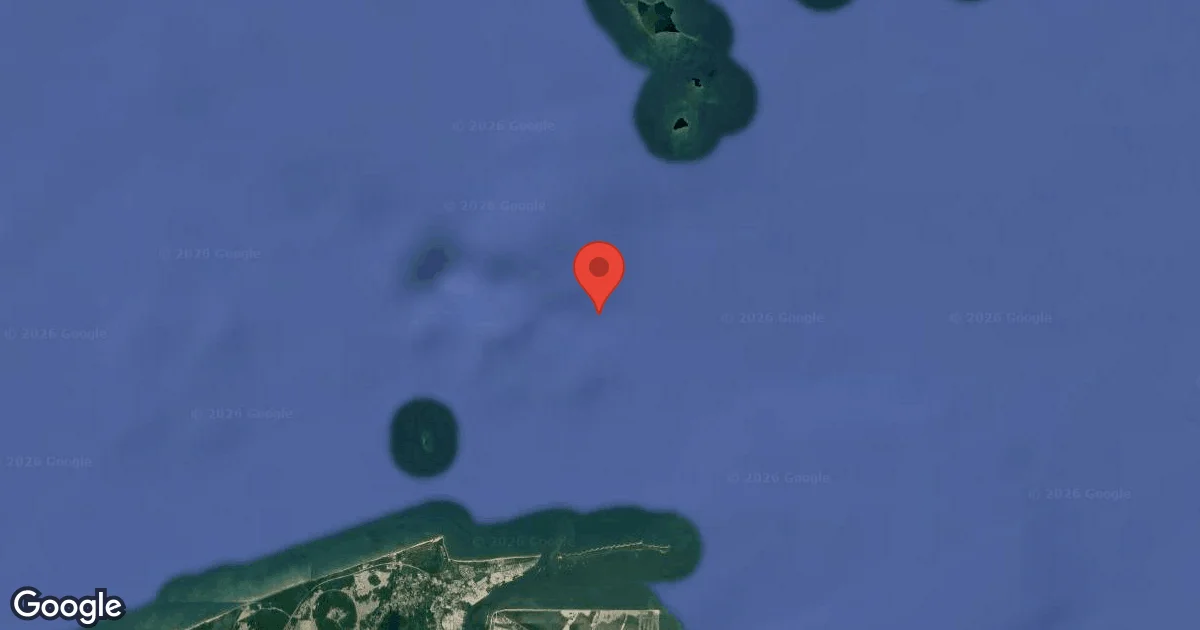
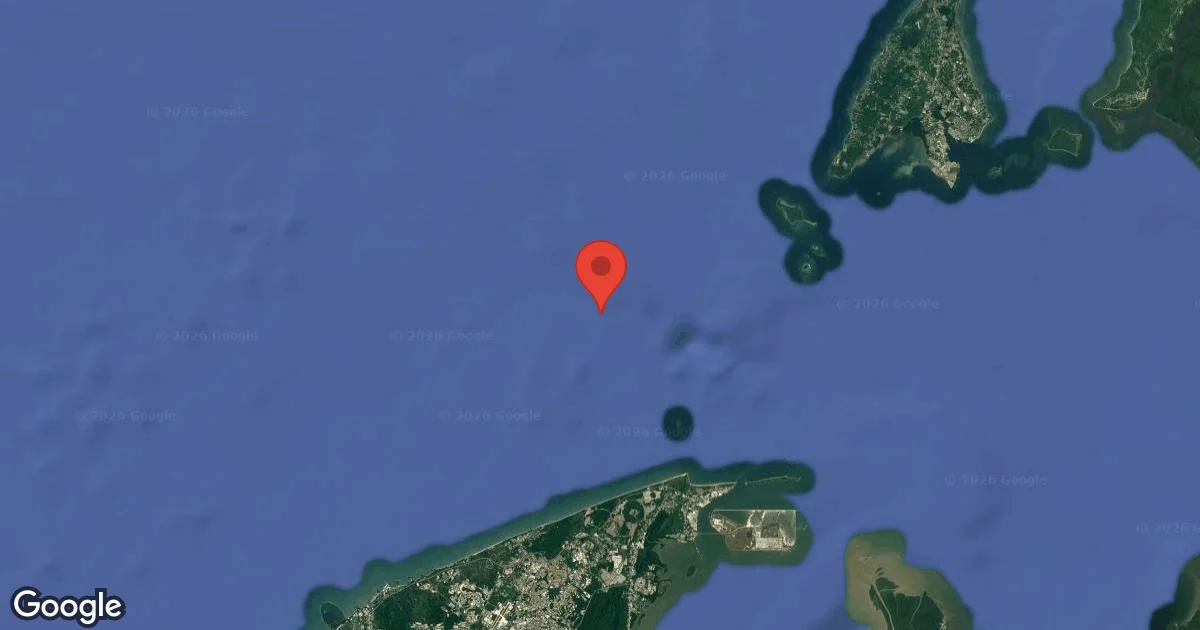
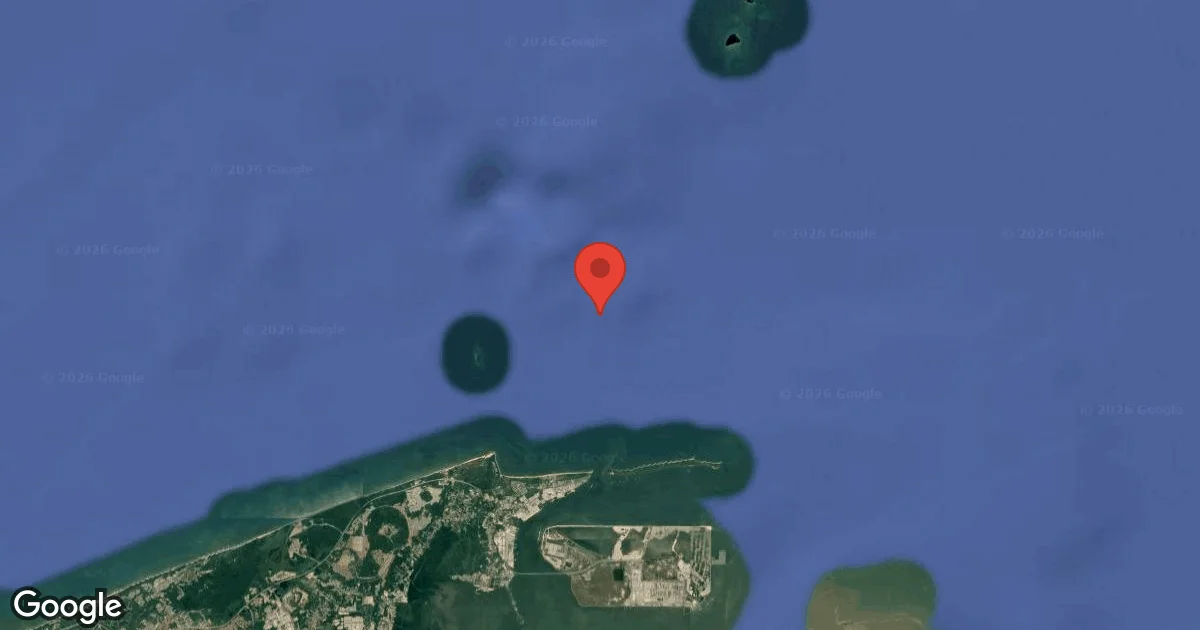
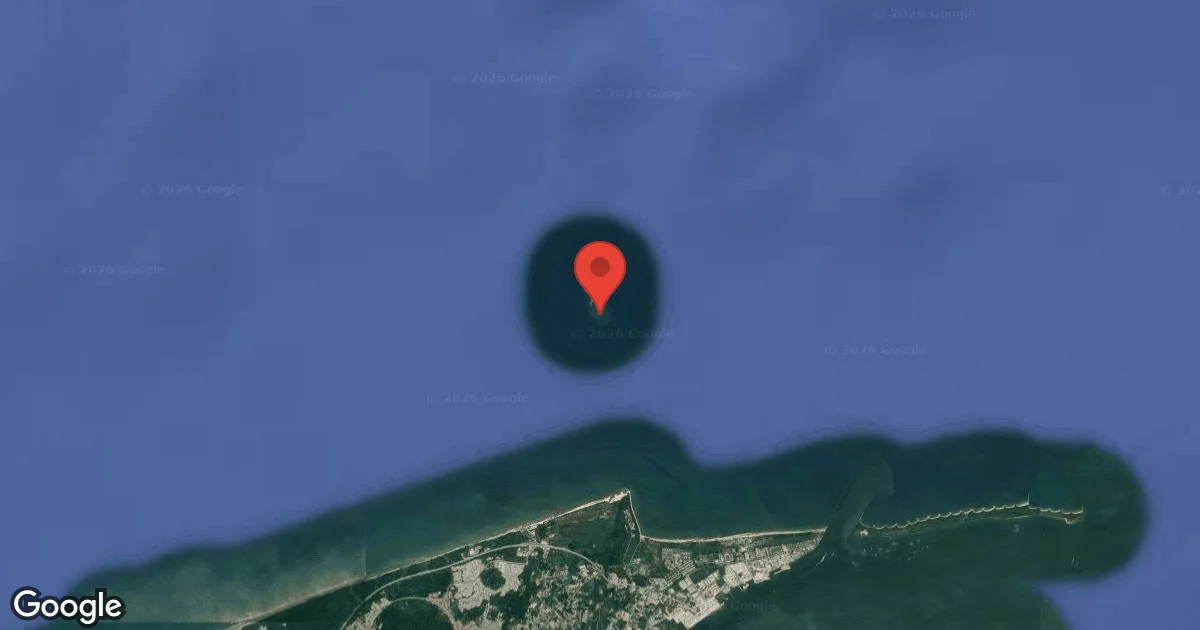
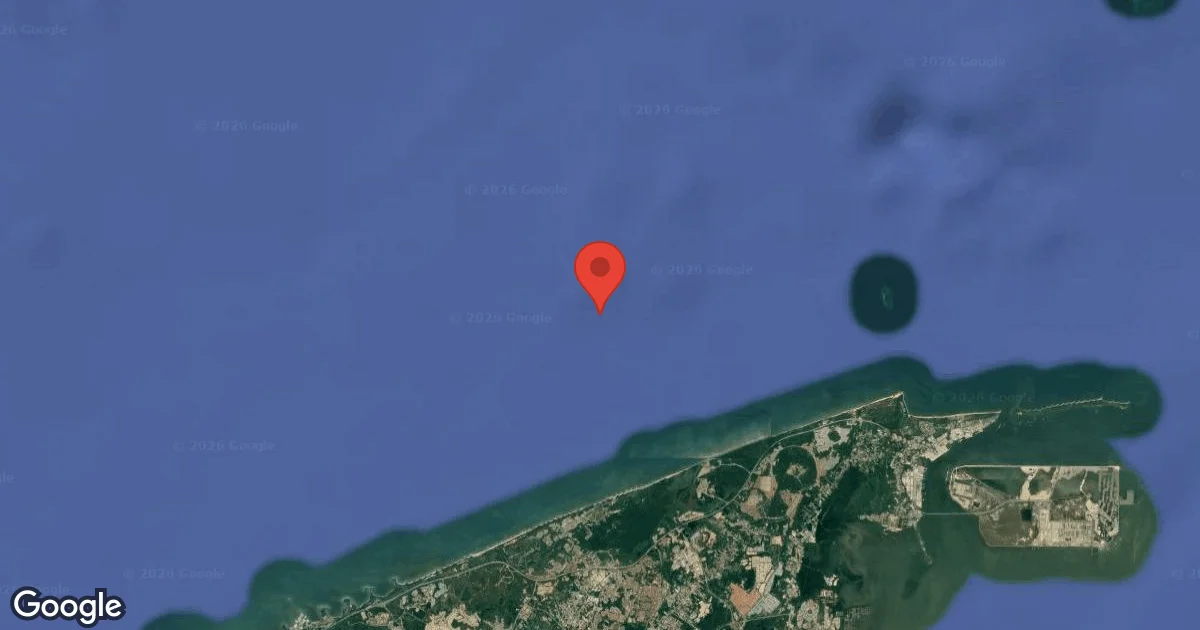
Dive Site Location & Key Facts
Dive Site Overview
Originally the MV Tung Hwang, the Cement Wreck's history intertwines with Brunei's development. This cargo ship transported cement supplies from Taiwan, destined for the Sultan’s Istana Nurul Iman construction, tragically striking shallow rocky obstructions in the Samarang Banks.
Though initially surviving the impact, the vessel foundered in Brunei’s waters, settling near the Bluewater Wreck. Measuring 90 meters (295 feet) in length, it now rests upright on the seabed, with prominent kingposts reaching upwards. Its open deck is densely covered in marine growth, transforming into a thriving artificial ecosystem.
Scattered cement bags remain strewn across the deck, gradually integrating into vibrant marine flora and providing additional substrate for colonization. With an accessible maximum depth of around 21 meters (70 feet), the site proves appealing for extended bottom times, offering ample opportunity for thorough exterior exploration.
An intact orientation makes navigation straightforward for divers, revealing different sections of the former cargo vessel.
Conditions are Good
Optimal conditions expected
Current conditions near Cement Wreck show 27° air, 31° sea temperature, 0.6 m waves, and 19 km/h wind. Forecast data is refreshed regularly to ensure accuracy.
Best Time to Dive
Divers seeking optimal conditions for the Cement Wreck often target months with calmer seas and clearer visibility. April, May, and June consistently show 'Excellent' dive scores, benefiting from lower average wave heights, typically between 0.32 and 0.5 meters (1 to 1.6 feet), and moderate rainfall averaging 6 to 9.8 millimeters. These months offer a generally more comfortable experience, enhancing both surface and underwater enjoyment. Other periods, from January to March and July to December, are rated 'Good' for diving. During these months, wave heights might increase slightly, up to 0.9 meters (3.0 feet), and rainfall can be higher, reaching up to 11.1 millimeters. Air temperatures remain consistently warm year-round, ranging from 27-28.5°C (81-83°F). Water temperatures typically mirror the tropical air, ranging from 27-29°C (81-84°F), providing comfortable diving throughout the year.
PEAK SEASON SCORE
Scores combine air & water temps, waves, wind & rainfall for overall conditions.
BEST MONTHS TO DIVE
Monthly records compiled from satellite and marine observation nodes over the last 3 years. Data provided by Open-Meteo and MET Norway.
Dive Experience & Conditions
An open-sea environment surrounds the Cement Wreck, introducing a dynamic interplay of currents and surge. Constant pounding from these forces contributes to reported superstructure fragility, emphasizing the need for cautious approaches during any potential penetration attempts. Visibility at the site is fortunately often clear, enhancing the wreck's dramatic underwater scenery, allowing for comprehensive views of its structure. Light filters through broken hull sections, creating an atmospheric feel appreciated by photographers seeking evocative wreck shots. Resting at approximately 21 meters (70 feet), the wreck's depth is ideal for prolonged dives, allowing ample time to observe detailed coral growth and resident marine life. An upright MV Tung Hwang, with prominent kingposts still reaching towards the surface, provides a clear structural outline for diver navigation across its main deck.
Dive Difficulty & Safety Guidelines
For a safe and rewarding experience at the Cement Wreck, adherence to specific guidelines is paramount. Strict entry for advanced-level divers requires proof of a minimum of 50 logged dives prior to booking. Qualified divers considering penetration must exercise extreme caution due to superstructure fragility and the constant pounding from open-sea currents and surge.
Advance booking of at least three days is required; trips operate with a minimum of four divers and a maximum of ten. Always dive within your training and experience limits, and be mindful of buoyancy to avoid contact with delicate coral growth and the deteriorating wreck structure.
Recommended Equipment
Overhead / entanglement risk. Wreck penetration requires proper training.
- Dive Computer
- Primary & Backup Lights
- Wreck Reel
- Cutting Tool
This gear list is based on verified equipment signals for Cement Wreck, Brunei Darussalam. Always confirm final gear choices with your dive operator, guide, or liveaboard.
Recommended Dive Suit
With water temperatures around 31°C (88°F), many divers find a dive skin or rash guard provides comfortable protection.
Divers performing multiple dives may appreciate slightly warmer protection later in the day.
Forecast models indicate that diving conditions should remain largely unchanged.
Due to technical issues with our weather providers, data hasn't been fetched for over 48 hours. The data above reflects the conditions at the time of the last successful fetch.
Emergency & Medical Support
Essential information to help you plan your dive trip to Cement Wreck.

Hyperbaric chambers are a critical part of dive safety infrastructure. Availability varies significantly by region, and not all dive areas have immediate access.
Before diving, it's recommended to:
- confirm nearest medical facilities
- check emergency procedures with local dive operators
- ensure dive insurance covers evacuation if required
Divers Alert Network
Diving emergency assistance available through DAN World.
+1-919-684-9111- 24/7 emergency hotline
- Diving medical assistance
- Evacuation coordination
Emergency contacts are provided for reference. Always verify local emergency services before diving.
Marine Life at Cement Wreck
A submerged landscape at the Cement Wreck presents a vibrant tableau, transforming the sunken freighter into a thriving artificial reef. Remains are now covered in spectacular coral growth, including large sea fans, sponges, and soft corals that add bursts of color to the wreck's metalwork.
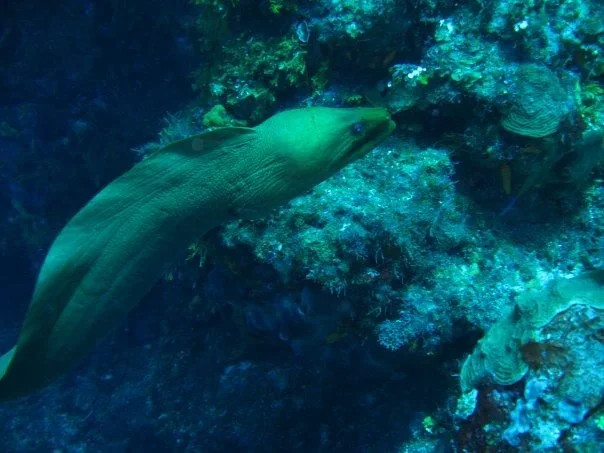
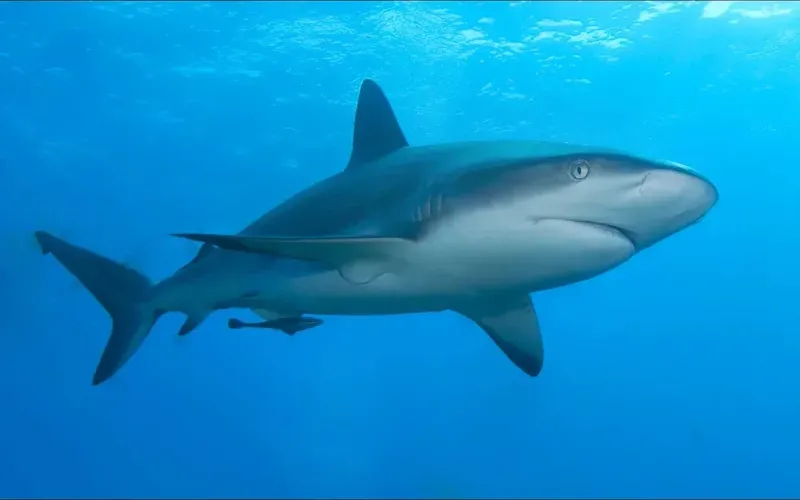
These prolific growths provide shelter and foraging grounds for diverse marine inhabitants. Divers often spot reef sharks patrolling the perimeter, while moray eels can be observed peeking from crevices within the ship's structure.
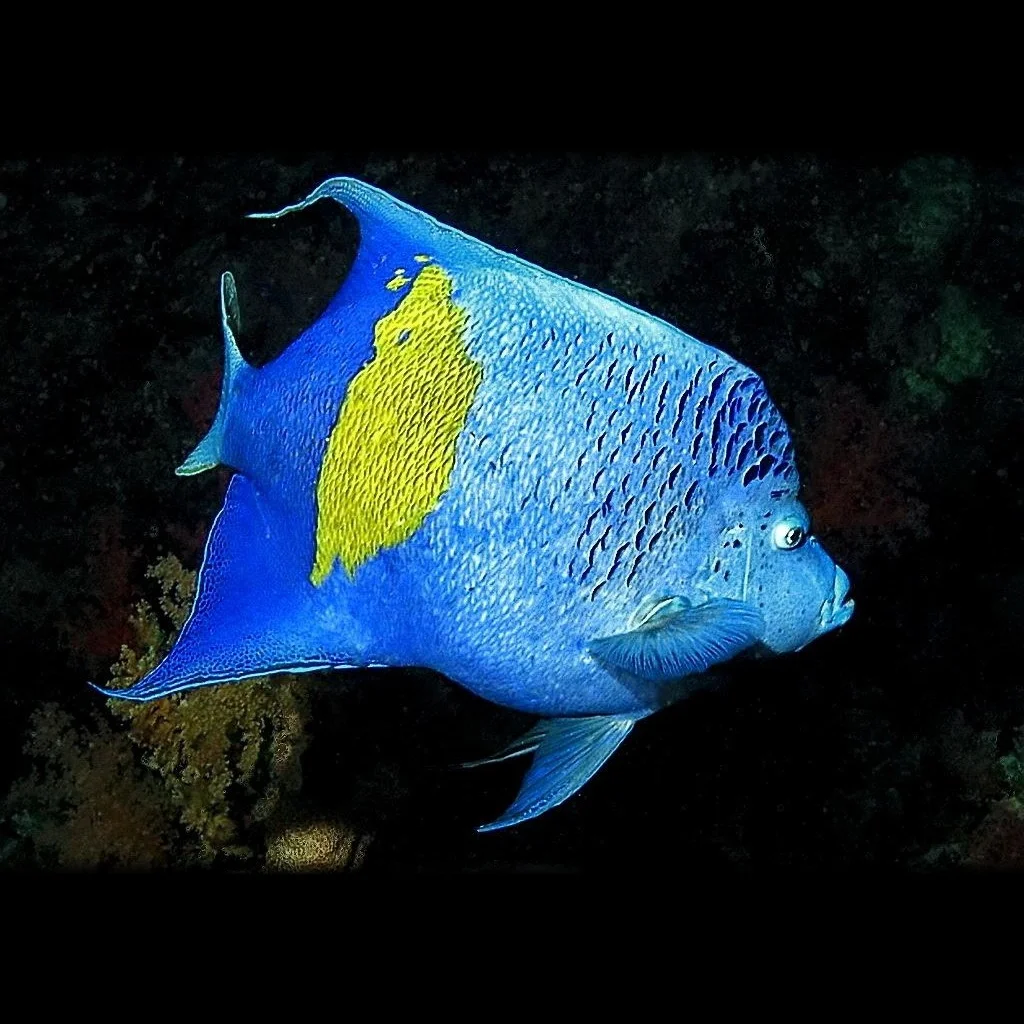
Juvenile angelfish weave through the superstructure, adding to the lively fish population that has made this former cargo ship their home.
Dive Sites Near Cement Wreck
View all dive sites in Brunei DarussalamDiscover more underwater gems in this area.
Dive Centers Near Cement Wreck
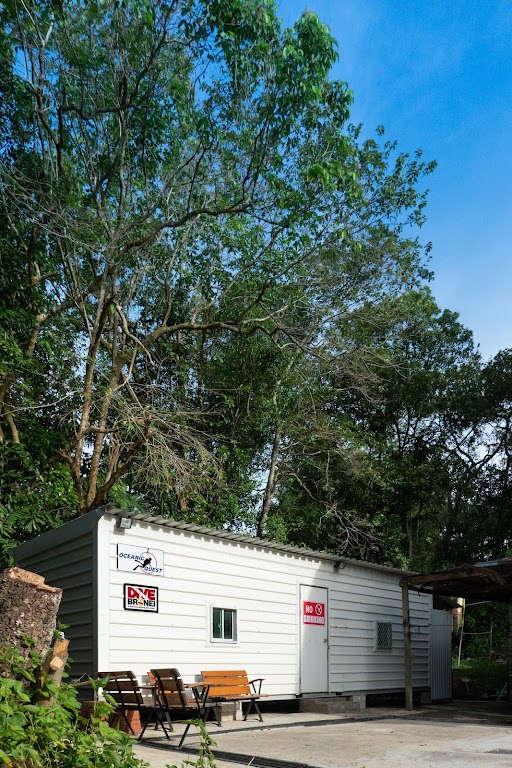
Nearest Airports
Nearest airports to help plan travel to this dive area.
Search Flights
Check available flights and routes on Expedia, using the nearby airports listed in this section.
Search Flights on ExpediaFrequently Asked Questions
What is the maximum depth of the Cement Wreck?
Sitting in relatively shallow waters, its deepest sections reach approximately 21 meters (70 feet). This accessible depth makes it suitable for extended bottom times.
What type of ship was the Cement Wreck?
It was originally the MV Tung Hwang, a cargo ship. It transported cement supplies when it foundered in Brunei's waters.
Is wreck penetration allowed at the Cement Wreck?
Wreck penetration is possible for qualified divers, but extreme caution is advised. Superstructures are known to be fragile due to constant exposure to currents and surge.
What is the typical visibility at the Cement Wreck?
Visibility at the Cement Wreck is often clear. Good conditions allow for excellent photographic opportunities and a comprehensive view of the wreck's structure and marine life.
What marine life can be seen at the Cement Wreck?
A spectacular coral growth, including sea fans, sponges, and soft corals, covers the wreck. Divers commonly encounter reef sharks, moray eels, and juvenile angelfish, among other lively fish species.
What are the diver requirements for this site?
Diving here is strictly for advanced-level divers. A minimum of 50 logged dives and proof of certification are required before booking to ensure diver safety and proficiency.
How do currents affect diving the Cement Wreck?
In an open-sea environment, the Cement Wreck can be subjected to currents and surge. These conditions contribute to structural fragility, requiring divers to be mindful of positioning and buoyancy.
Planning to dive Cement Wreck?
Send one inquiry and receive offers directly from the best verified local dive operators.
Conditions are Good
Optimal conditions expected
Current conditions near Cement Wreck show 27° air, 31° sea temperature, 0.6 m waves, and 19 km/h wind. Forecast data is refreshed regularly to ensure accuracy.