
Diving at Oak Leaf (Canada)
Oak Leaf in Canada presents a versatile shore diving site, accommodating various certification levels. Recreational divers holding Open Water certification will find ample exploration opportunities in areas like the Big Bay and Main Wall. For those seeking deeper challenges, the Deep Wall and technical profiles necessitate Advanced Open Water or specialized technical training. Divers comfortable with shore entries will find the site’s flexibility appealing.
As evening covers Oak Leaf, the local air temperature is measured at 19.5°C. The current wave height at the surface is recorded at 0 m. These late-day readings characterize the surface conditions for the night.
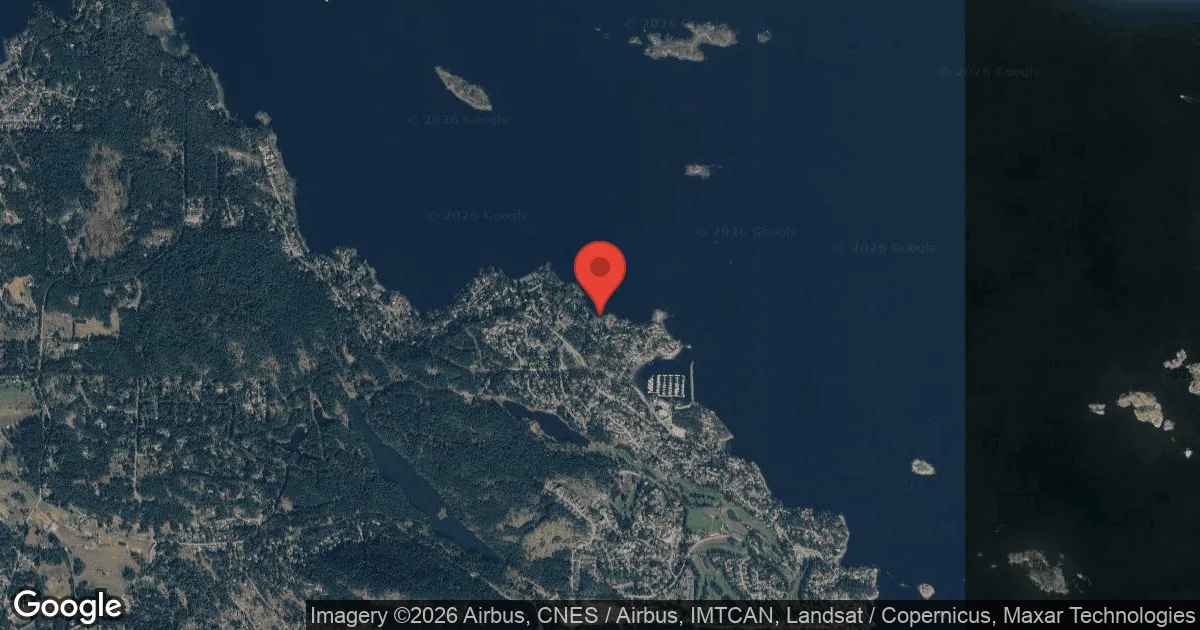
Dive Site Location & Key Facts
Dive Site Overview
This site in Nanoose Bay has cemented its reputation as a well-loved and reliable shore diving spot on Central Vancouver Island. It is distinguished by easy access, diverse underwater topography, and the ability to remain diveable throughout the year, often serving as a reliable option when other locations are affected by weather or visibility issues.
Divers here can choose from several distinct routes. The Big Bay offers shallower exploration, typically reaching max depths of 9-12 m (30-40 ft), making it ideal for beginners, night dives, and extended bottom times exploring its sandy basin and scattered marine life.
Moving centrally, the Main Wall presents a gently sloping profile, rich with kelp forests and a variety of rockfish, making it suitable for Open Water divers seeking a vibrant ecosystem within recreational limits. For those with advanced training, the Deep Wall extends well into technical depths, with vertical structures and sponge gardens that appeal to more experienced divers.
Further out, the Pinnacle offers a distinct navigational challenge and unique habitat. Your specific dive route will depend on tidal conditions, desired features, and prevailing visibility, emphasizing the site's versatility for a wide range of certifications and interests.
Conditions are Excellent
07:00 - 14:00
Optimal conditions expected
Current conditions near Oak Leaf show 19° air, 17° sea temperature, 0.0 m waves, and 15 km/h wind. Forecast data is refreshed regularly to ensure accuracy.
Best Time to Dive
Seasonal variations significantly impact diving conditions, with winter months typically offering the clearest visibility. Air temperatures fluctuate, ranging from an average of 4.5-6.5°C (40-44°F) during January-March, to a much warmer 16-19.5°C (61-67°F) in June-August. Rainfall is notably lower in summer, with averages around 1.0-1.7 mm in July and August, compared to 6.6-8.2 mm in rainier periods like January and December. While spring herring spawns and summer algae blooms can reduce surface visibility, divers sometimes find clearer water by descending beneath these layers. The site is generally best enjoyed at higher slack tide to ensure a safer shore entry and exit, mitigating the challenges posed by ankle-twisting rocks exposed at low tide. For an optimal blend of clearer water and pleasant surface conditions, late spring through early autumn typically offers favorable diving.
PEAK SEASON SCORE
Scores combine air & water temps, waves, wind & rainfall for overall conditions.
BEST MONTHS TO DIVE
Monthly records compiled from satellite and marine observation nodes over the last 3 years. Data provided by Open-Meteo and MET Norway.
Dive Experience & Conditions
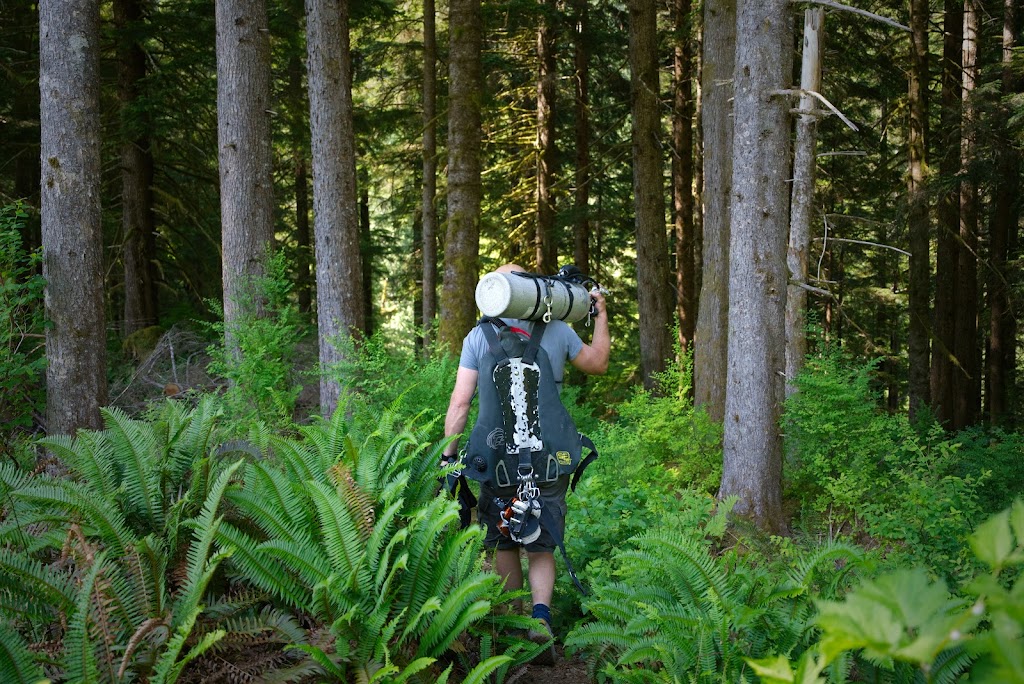
Initiating a dive here requires navigating a broad, rugged shoreline which quickly transitions into a diverse underwater environment. The initial shore entry can be straightforward or somewhat slippery; planning dives around higher slack tide is recommended to simplify this phase. Once submerged, the site reveals multiple distinct areas. The Big Bay, accessed via a far-left entry, is characterized by a shallow, sandy basin, typically reaching 9-12 m (30-40 ft) in depth, making it an excellent choice for night dives. Moving centrally, the Main Wall presents a gently sloping profile rich with kelp, suitable for Open Water divers. Straight out from the middle, the Deep Wall is where advanced and technical divers explore greater depths. Visibility fluctuates considerably; while winter often brings the best clarity, spring and summer conditions can see reduced visibility due to natural phenomena, though often improving with depth.
Dive Difficulty & Safety Guidelines
Careful consideration of tidal movements and potential currents is advised for this location. It's crucial to time your dives for higher slack tide, which not only mitigates strong currents possible on large exchanges but also ensures a safer entry and exit over the site's rocky shoreline. For exploration of deeper profiles, especially along the Deep Wall, appropriate technical training, along with documented deep diver experience, is non-negotiable.
Maintain rigorous buoyancy control and meticulous gas planning on all dives. During summer, heightened fishing activity is common; divers should remain aware of potential surfacing hazards and give wide berth to fishing boats and lines.
Developing good navigation skills is also highly beneficial for exploring the site's multiple features effectively.
Recommended Equipment
- Dive Computer
- Hard-soled Dive Boots
This gear list is based on verified equipment signals for Oak Leaf, Canada. Always confirm final gear choices with your dive operator, guide, or liveaboard.
Recommended Dive Suit
Repeated dives during the same day can gradually reduce overall body warmth.
Divers exploring Oak Leaf today will likely encounter water temperatures close to 17°C (62°F). Surface air temperatures are resting at 19°C (67°F). Divers spending extended time underwater often rely on 5-7mm wetsuit for balanced warmth and flexibility. Surface intervals may feel cooler.
Environmental conditions may feel slightly cooler as the week progresses. A significant temperature drop is forecast; strongly suggest bringing a backup warmer suit option. A thicker wetsuit may be worth considering for extended dives.
Emergency & Medical Support
Essential information to help you plan your dive trip to Oak Leaf.

Hyperbaric chambers are a critical part of dive safety infrastructure. Availability varies significantly by region, and not all dive areas have immediate access.
Before diving, it's recommended to:
- confirm nearest medical facilities
- check emergency procedures with local dive operators
- ensure dive insurance covers evacuation if required
Divers Alert Network
Diving emergency assistance available through DAN World.
+1-919-684-9111- 24/7 emergency hotline
- Diving medical assistance
- Evacuation coordination
Emergency contacts are provided for reference. Always verify local emergency services before diving.
Marine Life at Oak Leaf
Consistent opportunities for marine observations await divers, featuring both resident species and seasonal visitors. Divers frequently encounter Giant Pacific Octopus and ruby octopus throughout various sections of the site.
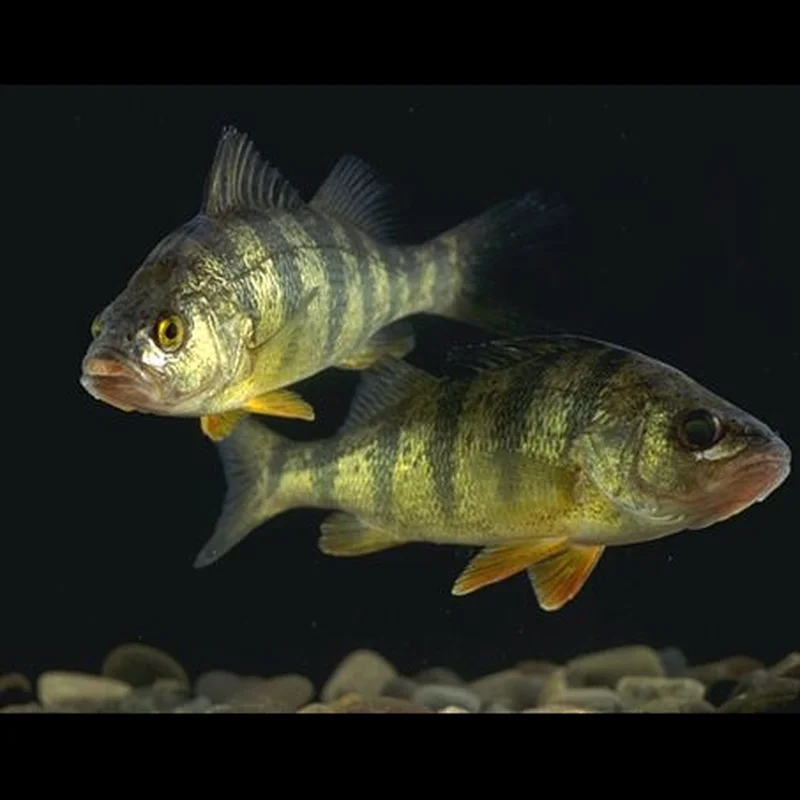
The Big Bay area is particularly known for seasonal lumpsuckers, which appear from December to February, alongside occasional stubby squid and chimaera. Along the Main and Deep Walls, rockfish, lingcod, and perch are common sightings.
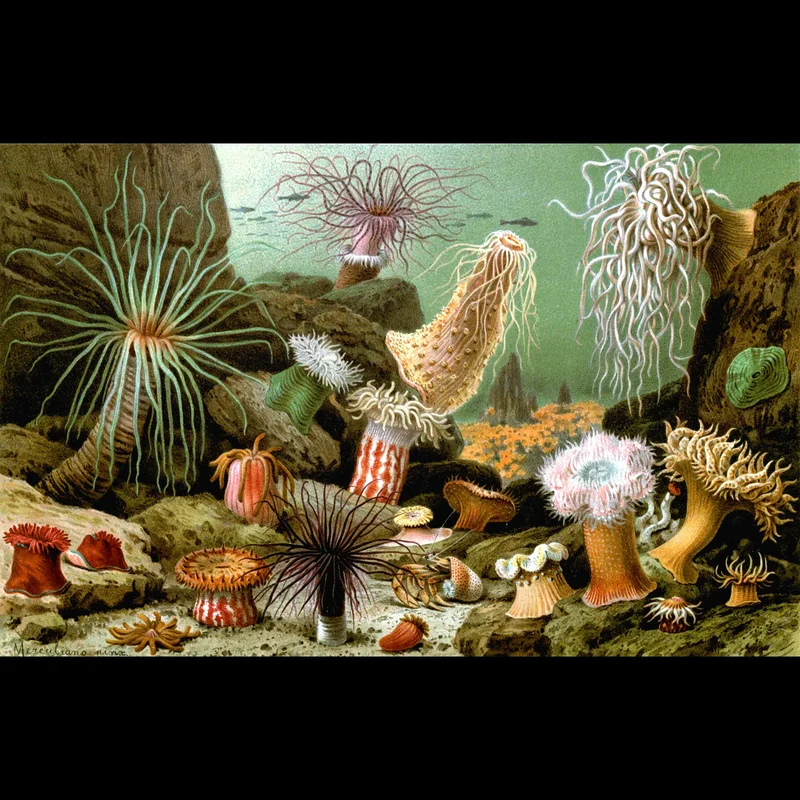
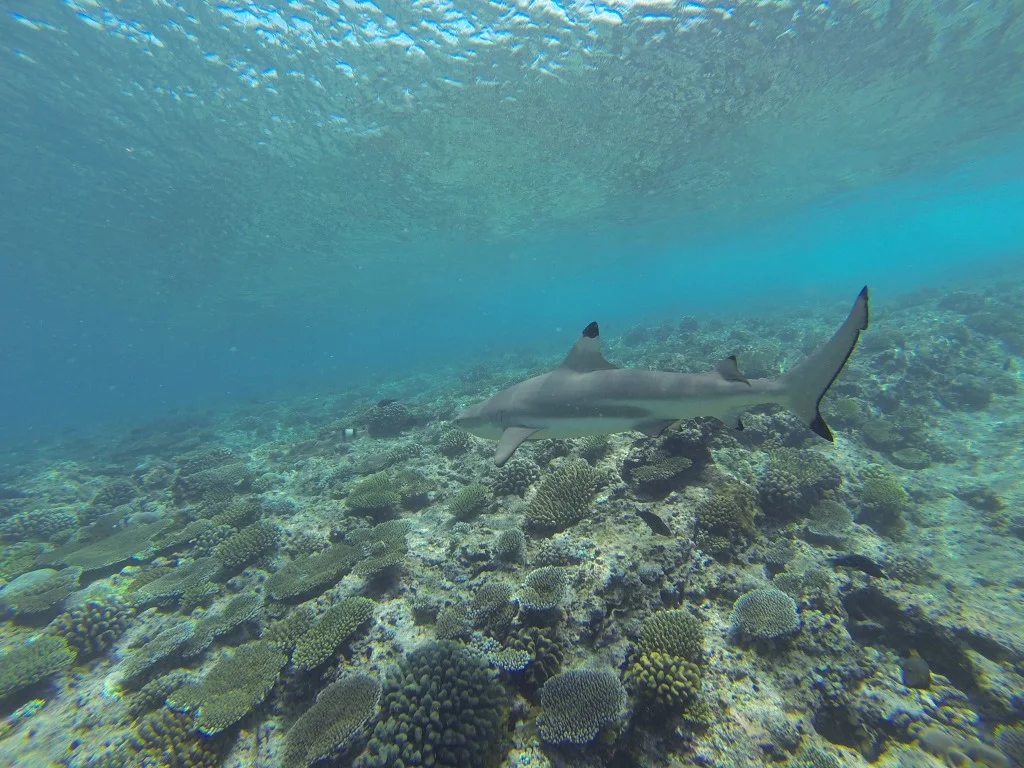
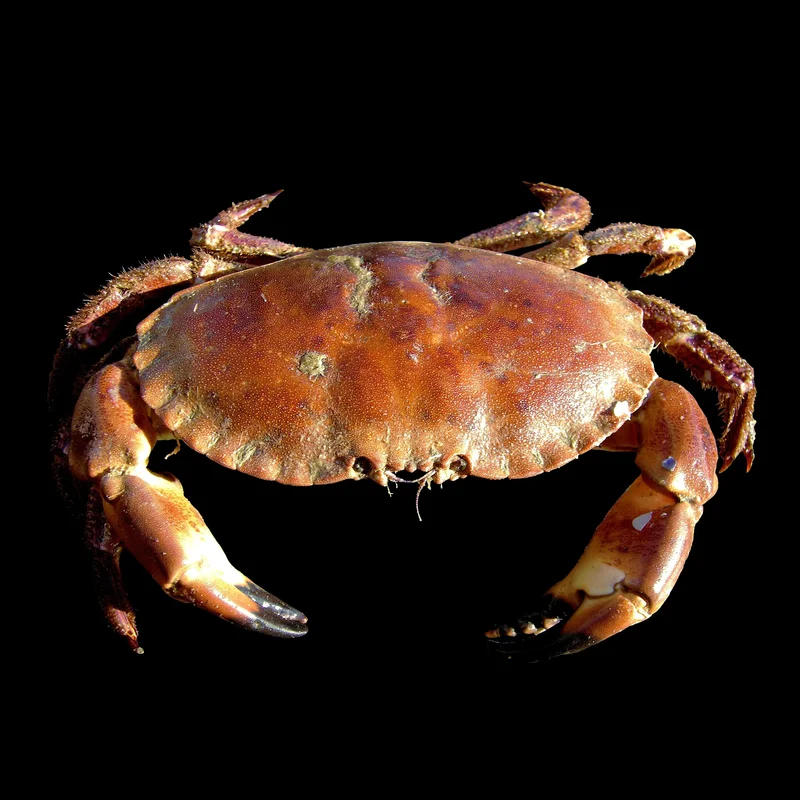
Deeper zones host impressive cloud sponges and large boot sponges, with rare reports of six-gill sharks. Other invertebrates like sea anemones and crabs are reliably observed across the diverse underwater landscape.
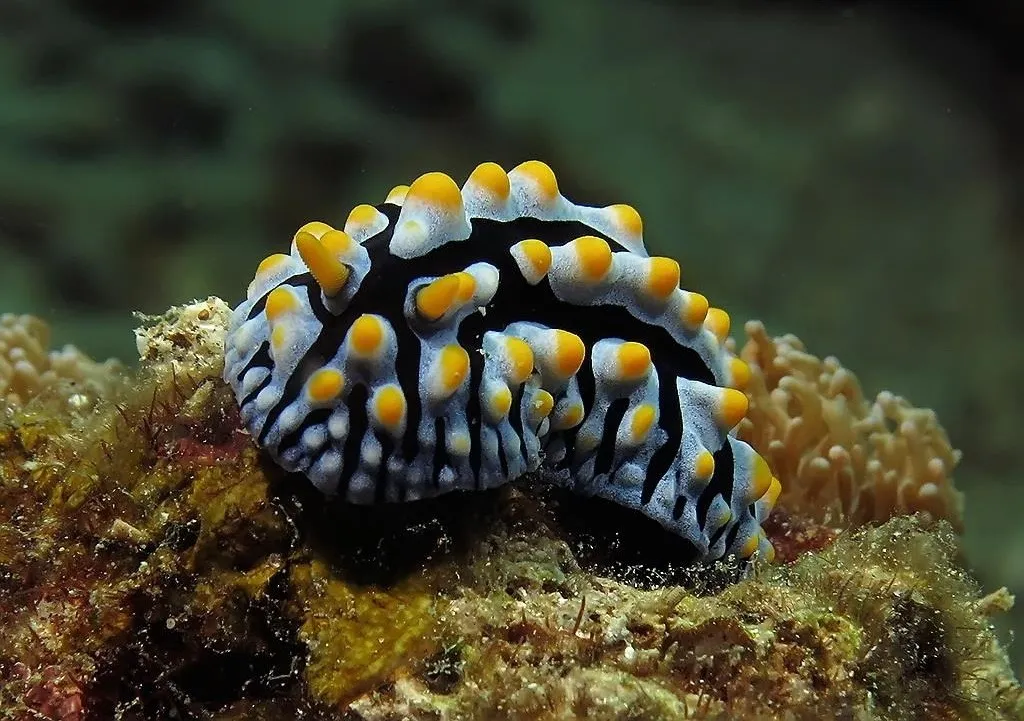
Dive Sites Near Oak Leaf
View all dive sites in CanadaDiscover more underwater gems in this area.
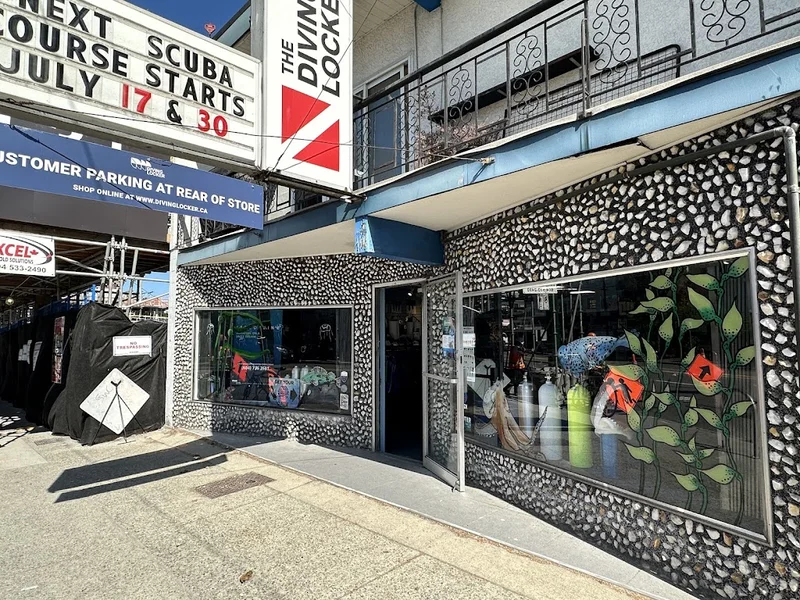
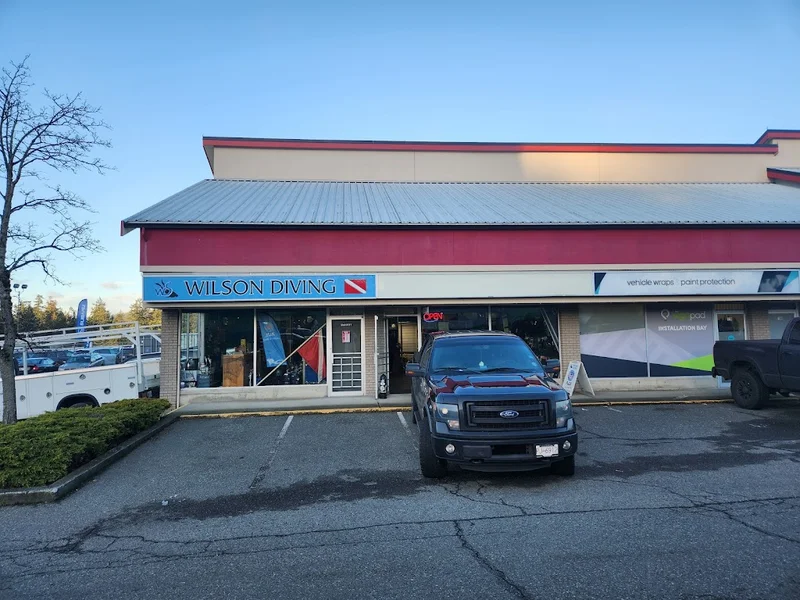
Dive Centers Near Oak Leaf
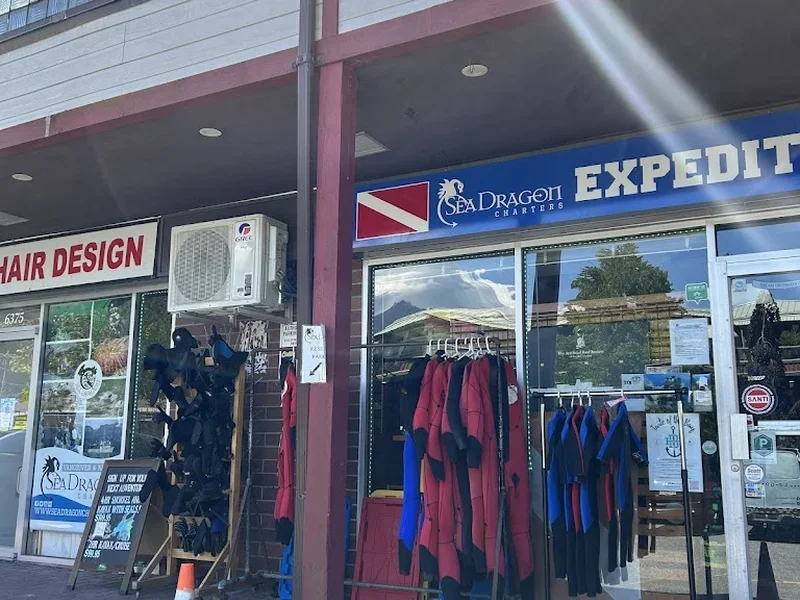
Today: 10:00 - 18:00
Nearest Airports
Nearest airports to help plan travel to this dive area.
Search Flights
Check available flights and routes on Expedia, using the nearby airports listed in this section.
Search Flights on ExpediaFrequently Asked Questions
What certification level is required for Oak Leaf?
Open Water Diver certification is suitable for the Big Bay and Main Wall. For the Deep Wall and beyond recreational depths, Advanced Open Water or technical training is recommended due to the increased challenges and depths.
When is the best time to dive at Oak Leaf?
Winter generally offers the best visibility, though late spring through early autumn provides more pleasant surface air temperatures and less rain. Optimal diving is often at higher slack tide to manage currents and ensure safe entry/exit.
What marine life can I expect to see?
Divers often spot Giant Pacific Octopus and ruby octopus. Seasonal highlights include lumpsuckers in winter. Rockfish, lingcod, perch, various sponges, stubby squid, and chimaera are also commonly observed, with rare six-gill shark sightings on the deep wall.
Are there different dive routes at this site?
Yes, Oak Leaf features distinct routes: the shallow Big Bay, the gently sloping Main Wall, the Deep Wall for advanced divers, and the Pinnacle. Your choice depends on tide, conditions, and desired experience.
Is the shore entry difficult?
The shore entry can be straightforward or slippery, varying with the tide. It is highly recommended to dive at higher slack tide to mitigate strong currents and to avoid ankle-twisting rocks exposed during low tide.
What safety precautions should I take?
Always plan your dive around higher slack tide to avoid strong currents. Maintain excellent buoyancy and gas planning, especially for deeper sections. Be mindful of summer fishing activity, which can pose surfacing hazards.
Planning to dive Oak Leaf?
Send one inquiry and receive offers directly from the best verified local dive operators.
Conditions are Excellent
07:00 - 14:00
Optimal conditions expected
Current conditions near Oak Leaf show 19° air, 17° sea temperature, 0.0 m waves, and 15 km/h wind. Forecast data is refreshed regularly to ensure accuracy.