
Diving at Tyee Cove (Canada)
A varied depth profile defines this site, accommodating divers from beginners in shallow training areas to experienced explorers engaging with deeper walls. Accessible via shore, an easy entry leads to a gentle slope, transitioning into structured underwater terrain. Recreational divers typically explore down to 30 m (100 ft), finding stepped rock formations and diverse marine habitats. Shallower sections are ideal for skill development. Extended swims can reveal deeper profiles for those seeking advanced challenges.
Tonight's objective overview for Tyee Cove shows an air temperature of 17°C. The measured surface conditions include wave heights around 0.1 m. This environmental data is logged for the close of the day.
Dive Site Location & Key Facts
Dive Site Overview
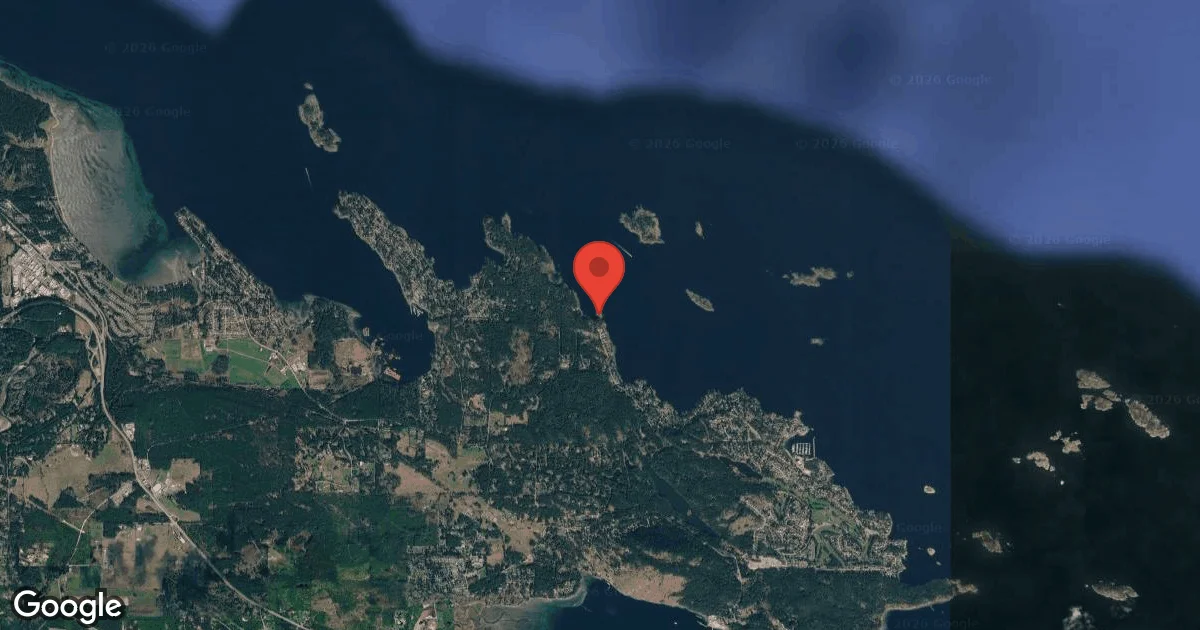
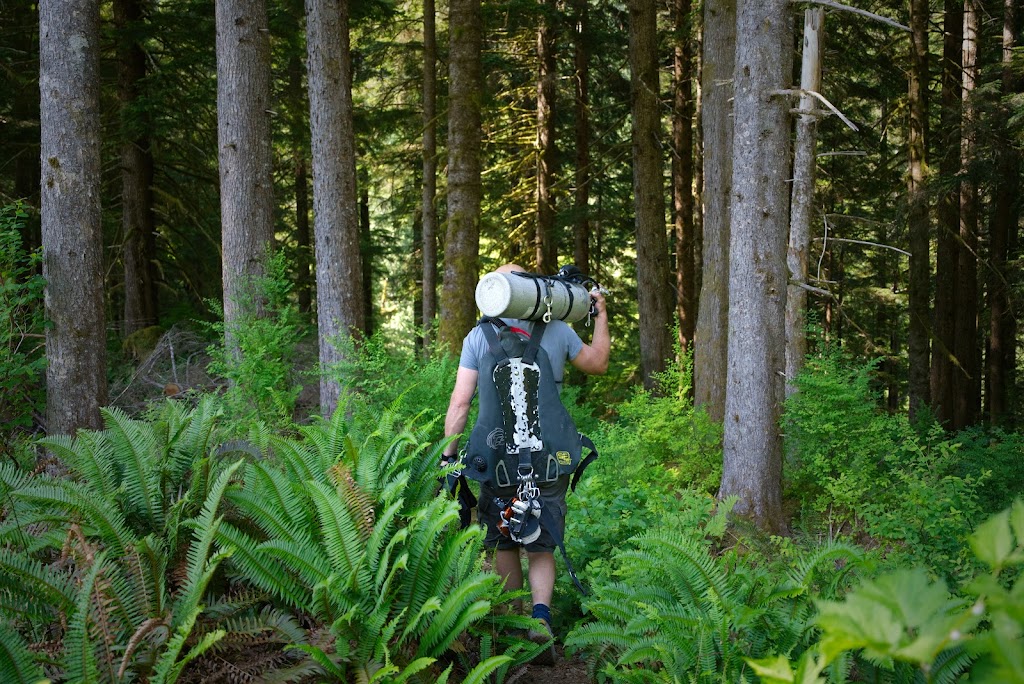
Navigating this site is straightforward, with two distinct walls framing a central sandy chute, providing intuitive references for divers of all levels. Entry from the beach, often via a well-worn path on the right side, leads into a small bay.
A sandy chute, running north-south from this entry point, serves as a natural dividing reference. To the left, a longer wall extends, reportedly leading to areas where specific marine life, such as wolf eels, have been observed after a sustained swim.
On the right, a shorter but equally engaging dive awaits, featuring beautiful shelves in shallower water that host octopus and schools of fish. Beyond the immediate bay, a gradual slope leads to deeper water, with layered rock formations providing visual interest.
This environment supports both introductory open water training and repeat visits by seasoned local divers, who return for its structure and varied life.
Conditions are Excellent
07:00 - 14:00
Optimal conditions expected
Current conditions near Tyee Cove show 17° air, 17° sea temperature, 0.0 m waves, and 13 km/h wind. Forecast data is refreshed regularly to ensure accuracy.
Best Time to Dive
Planning for optimal visibility at Tyee Cove often involves considering tidal conditions and seasonal weather patterns. While visibility can vary, the site is generally accessible year-round, with high dive scores reported monthly. Air temperatures are mildest during summer months, averaging around 20°C (68°F) in July and 20°C (68°F) in August, making surface conditions comfortable. Rainfall is minimal from May through September, with averages between 1.1 mm (July) and 2.3 mm (September), contributing to calmer surface conditions and potentially better underwater clarity. Conversely, the wettest months like December, with an average of 8.2 mm of rain, might introduce more runoff and affect visibility. Wind speeds are relatively consistent throughout the year, with slightly higher averages in November and December. Checking local tide charts remains crucial, as current can shift visibility.
PEAK SEASON SCORE
Scores combine air & water temps, waves, wind & rainfall for overall conditions.
BEST MONTHS TO DIVE
Monthly records compiled from satellite and marine observation nodes over the last 3 years. Data provided by Open-Meteo and MET Norway.
Dive Experience & Conditions
Conditions at this site support a range of dive experiences, from shallow training dives to explorations reaching a max depth of 30 m (100 ft). Beginners benefit from easy entries, clear navigation references, and gradual depth options in initial sandy areas and shallower wall sections. Interesting terrain here avoids immediate deep exposure. Experienced divers find enough structure for return visits, including steeper walls, deeper profiles, and opportunities for longer swims. Water temperature data isn't consistently reported, but divers should anticipate typical cold water conditions, requiring appropriate exposure protection. Potential currents are generally mild, yet they remain variable with tides; planning around these can enhance the dive experience.
Dive Difficulty & Safety Guidelines
Potential hazards here include variable currents, particularly with changing tides; divers must remain aware. Rocky areas near the entry point require careful footing when gearing up and entering the water. Depths can extend to recreational limits and beyond, warranting appropriate certification and gas management for deeper profiles.
For those new to the area, local guides or site briefings are highly recommended, as conditions can change. Proper planning around tides is important for the best experience.
Amenities like ample parking, washrooms, and picnic tables are available, enhancing surface intervals.
Recommended Equipment
- Dive Computer
- Hard-soled Dive Boots
This gear list is based on verified equipment signals for Tyee Cove, Canada. Always confirm final gear choices with your dive operator, guide, or liveaboard.
Recommended Dive Suit
Forecast trends indicate little change in overall diving conditions during the next few days.
Two divers in the same water temperature may experience very different comfort levels. Surface intervals may feel noticeably cooler once you exit the water.
Many divers find that 5-7mm wetsuit offers the right level of insulation for conditions like these. A thermal robe or jacket is recommended between dives. Divers preparing to enter the water at Tyee Cove will likely find temperatures around 17°C (62°F) today. Surface air temperatures are resting at 17°C (62°F).
Emergency & Medical Support
Essential information to help you plan your dive trip to Tyee Cove.

Hyperbaric chambers are a critical part of dive safety infrastructure. Availability varies significantly by region, and not all dive areas have immediate access.
Before diving, it's recommended to:
- confirm nearest medical facilities
- check emergency procedures with local dive operators
- ensure dive insurance covers evacuation if required
Divers Alert Network
Diving emergency assistance available through DAN World.
+1-919-684-9111- 24/7 emergency hotline
- Diving medical assistance
- Evacuation coordination
Emergency contacts are provided for reference. Always verify local emergency services before diving.
Marine Life at Tyee Cove
Divers can encounter various marine species thriving among diverse underwater structures here. On the right wall's shelves, divers frequently observe octopus and schools of fish.
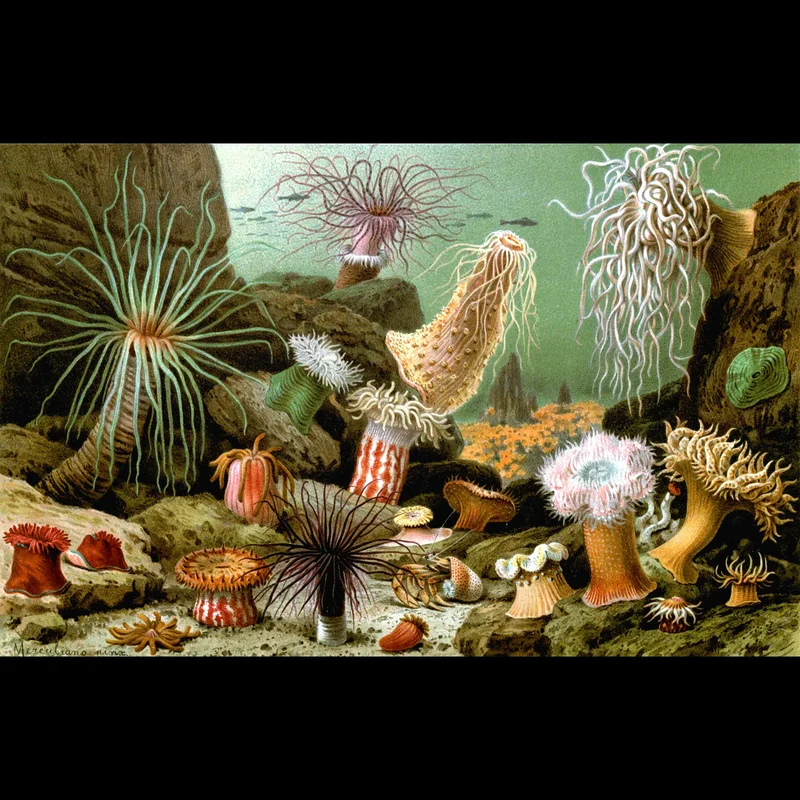
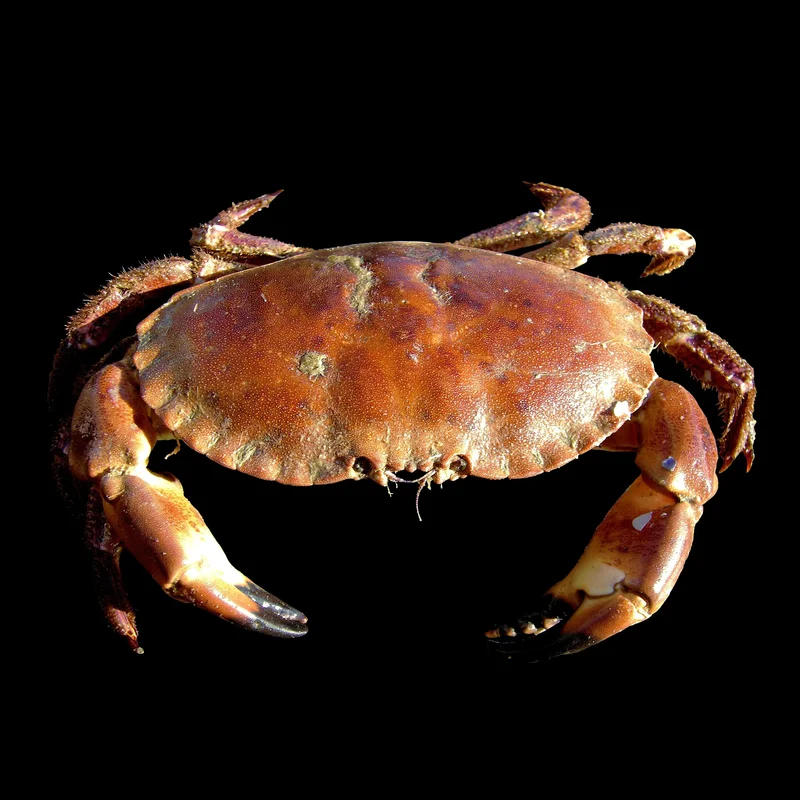
A longer swim along deeper sections of the left wall has revealed habitats for wolf eels. Crabs and sea anemones are also commonly found throughout, adhering to rocks and inhabiting crevices.
The blend of sandy bottoms and rocky walls creates micro-habitats supporting a good variety of Pacific Northwest invertebrates and fish.

Dive Sites Near Tyee Cove
View all dive sites in CanadaDiscover more underwater gems in this area.
Dive Centers Near Tyee Cove

Today: 10:00 - 18:00

Nearest Airports
Nearest airports to help plan travel to this dive area.
Search Flights
Check available flights and routes on Expedia, using the nearby airports listed in this section.
Search Flights on ExpediaFrequently Asked Questions
Is Tyee Cove suitable for new divers?
Yes, it's regularly used for open water training due to its easy entry, clear navigation, and gradual depth options. Newer divers can explore interesting terrain without immediate deep exposure.
What facilities are available at Tyee Cove?
The site offers ample parking close to the beach, picnic tables for gearing up, and a washroom with a small changing facility. This makes it a comfortable shore diving location.
How deep is Tyee Cove?
Tyee Cove reaches an approximate maximum depth of 30 m (100 ft). This range accommodates both shallower training areas and deeper, stepped walls for experienced divers.
Are currents an issue at Tyee Cove?
Potential currents are generally mild, but they can be variable depending on tides. Planning your dive around the local tide schedule is important for the best experience.
What's the best way to enter the water?
The easiest entry is on the right-hand side of the beach, where a well-worn path leads into the water. This provides a clean, simple shore entry even when fully geared up.
Can I see larger marine life here?
Yes, specific sightings like wolf eels have been reported along the left wall, and octopus are frequently observed on the shallower shelves of the right wall. The site is home to various local invertebrates and fish.
Planning to dive Tyee Cove?
Send one inquiry and receive offers directly from the best verified local dive operators.
Conditions are Excellent
07:00 - 14:00
Optimal conditions expected
Current conditions near Tyee Cove show 17° air, 17° sea temperature, 0.0 m waves, and 13 km/h wind. Forecast data is refreshed regularly to ensure accuracy.