
Diving at Mola Mola (Chile)
Divers considering Mola Mola in Chile should possess at least an intermediate certification or higher. This site, with a maximum reported depth of 25 m (82 ft), presents conditions best navigated by those comfortable managing potential variations in the marine environment. It's an area where foundational dive skills are routinely applied, allowing for appreciation of the site's distinct features without unnecessary distraction. Preparedness for cooler water conditions often associated with Chilean diving is also key.
Evening condition tracking at Mola Mola features an air temperature of 13°C. We have recorded wave heights measuring 1.3 m during this period. These figures outline the environmental parameters currently present.
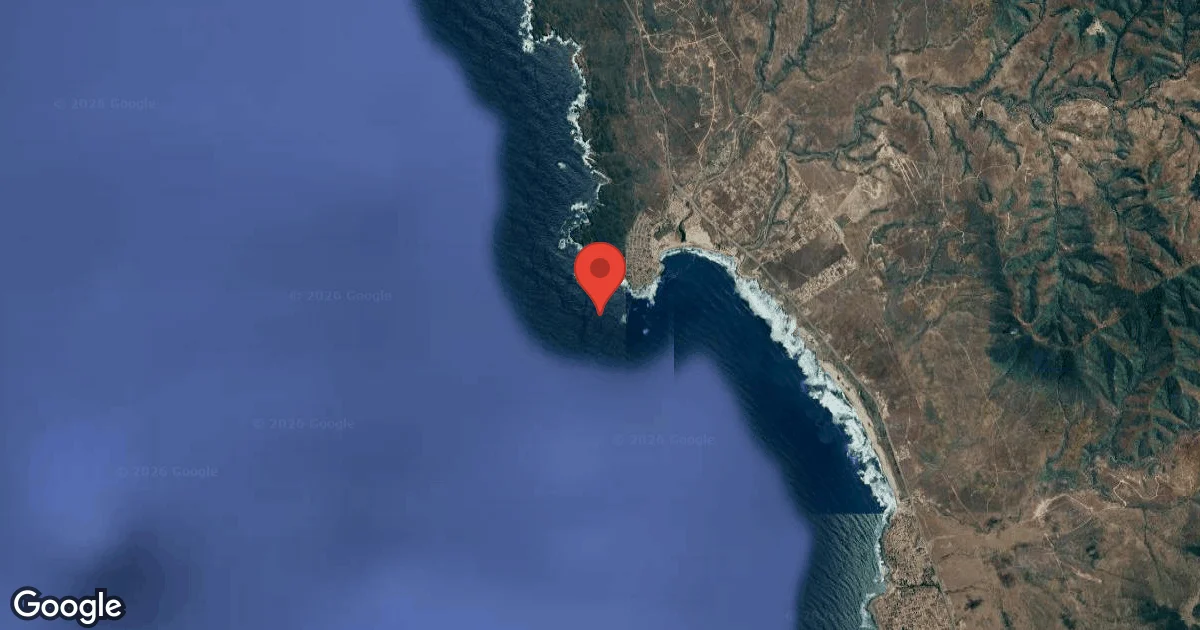
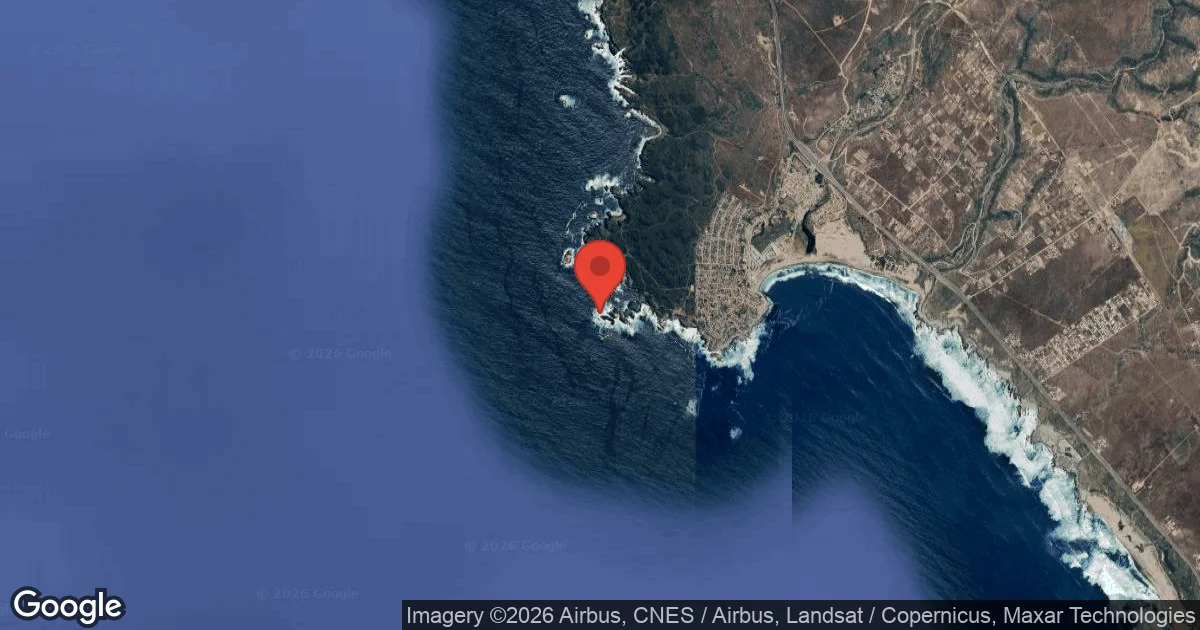
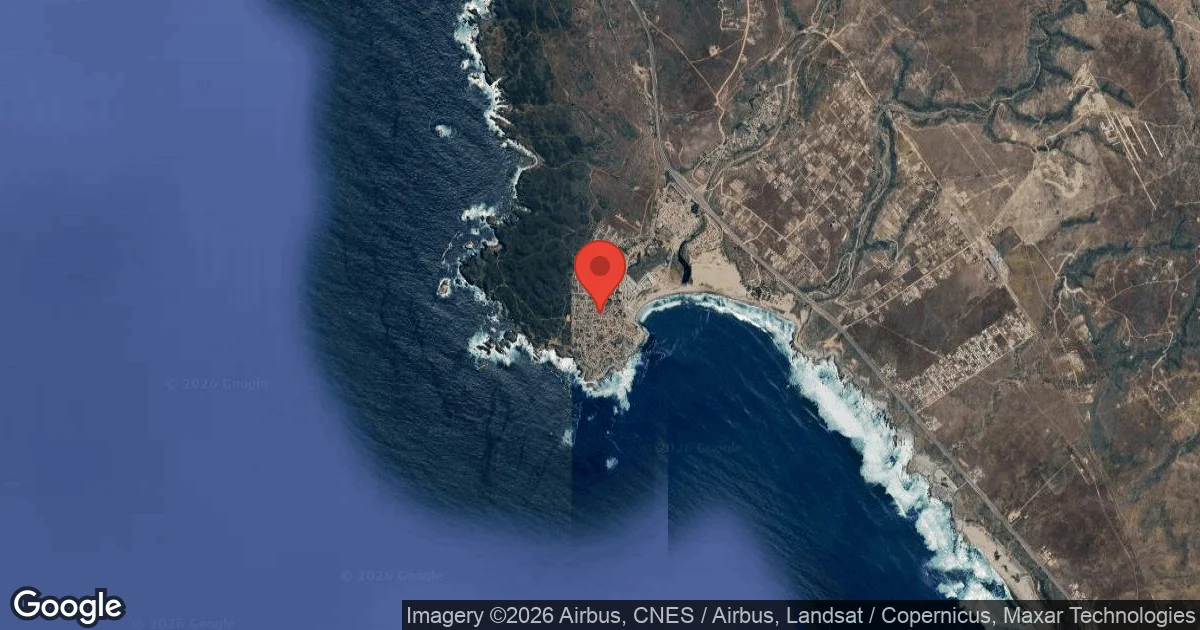
Dive Site Location & Key Facts
Dive Site Overview
This dive site, named Mola Mola, is characterized by its expansive white sandy bottom, leading to a reported maximum depth of 25 m (82 ft). The underwater landscape shifts to rock formations as you explore the deeper sections.
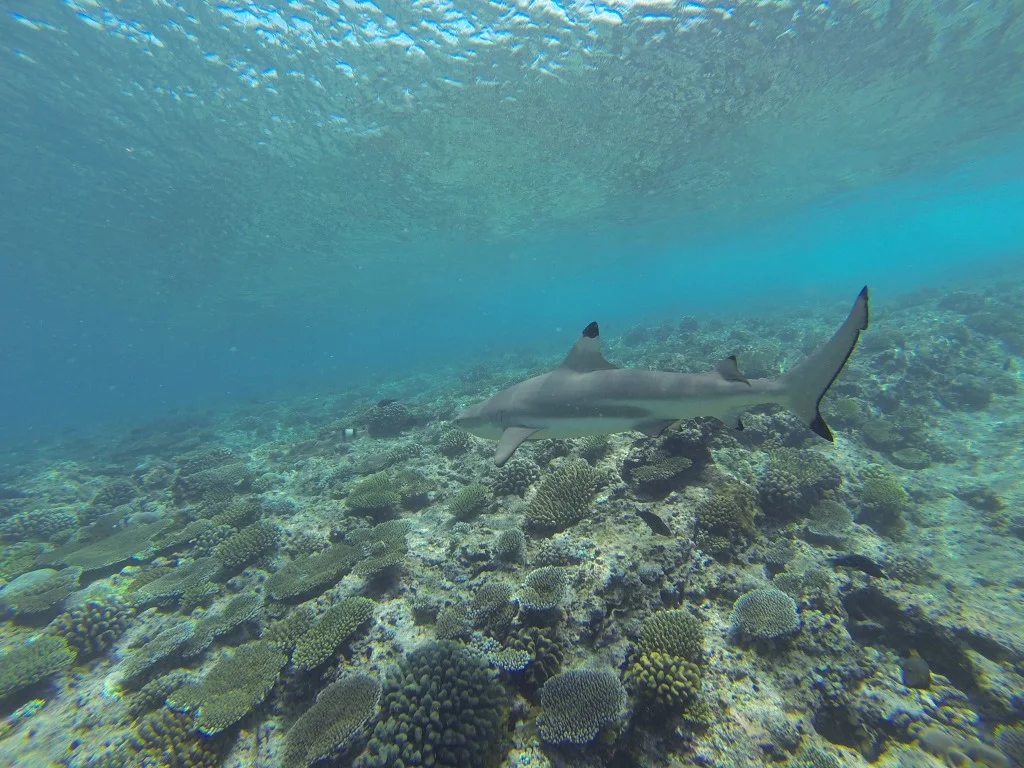
For many divers, the allure lies in the vibrant diversity observed, particularly on days when the waters are calm, transforming the area into what feels like a living aquarium. Schools of various fish species are commonly encountered, moving in coordinated patterns.
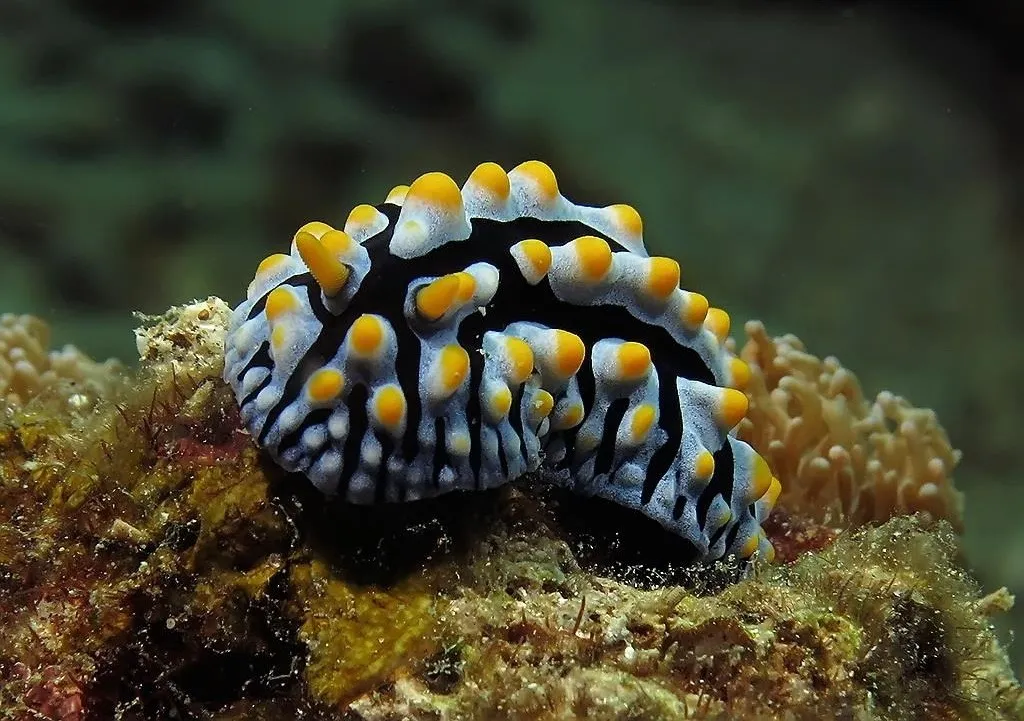
Additionally, the rocky substrata host numerous nudibranchs, displaying a spectrum of colors and intricate forms. While the site shares its name with the ocean sunfish, its primary draw relates to the local reef ecosystem and the consistent presence of its resident fauna.
Above the surface, sightings of Chilean dolphins leaping near the boat are also a noted experience for divers en route.
Conditions are Good
Optimal conditions expected
Current conditions near Mola Mola show 13° air, 15° sea temperature, 1.2 m waves, and 20 km/h wind. Forecast data is refreshed regularly to ensure accuracy.
Best Time to Dive
Planning your dive for the austral summer months, typically December through February, generally offers the most favorable conditions for Mola Mola. During this period, the air temperatures are at their highest, averaging around 16-17.5°C (61-64°F), contributing to a more comfortable surface experience. Rainfall is minimal, often less than 0.2 mm, ensuring clearer skies and less surface disruption. Wave heights also tend to be slightly reduced, averaging around 1.9 m (6.2 ft), which can lead to the calmer waters described as making the site feel like an "aquarium." While the site generally maintains a 'Moderate' dive score year-round, these summer months provide a palpable improvement in overall comfort and visibility, enhancing the chances for an optimal underwater experience. Be aware that winds can still be a factor, with average speeds around 18-19 km/h (11-12 mph).
PEAK SEASON SCORE
Scores combine air & water temps, waves, wind & rainfall for overall conditions.
BEST MONTHS TO DIVE
Monthly records compiled from satellite and marine observation nodes over the last 3 years. Data provided by Open-Meteo and MET Norway.
Dive Experience & Conditions
Descending into Mola Mola, a diver immediately notices the distinct white sandy seafloor, which sets a unique visual tone for the site. Visibility here varies depending on ocean dynamics, but on calmer days, the clarity transforms the site into a remarkably vibrant underwater scene. Exploring deeper, the sand gives way to rocky patches where an abundance of colorful nudibranchs reveal themselves, adding intricate details to the landscape. While specific water temperature data isn't consistently reported for this site, Chilean coastal waters generally trend cooler. Average wave heights range from 1.8 to 2.3 m (6 to 7.5 ft) throughout the year, suggesting that surface conditions can be active. Divers should prepare for these environmental nuances to fully appreciate the site's rich benthic life.
Dive Difficulty & Safety Guidelines
Approaching Mola Mola requires a dive certification of intermediate level or higher, reflecting the need for established buoyancy control and situational awareness. Given the site's reported depth of 25 m (82 ft), conservative dive planning, including appropriate gas management and decompression limits, is essential.
While specific hazards like strong currents or surge are not explicitly detailed for this location, general Chilean coastal diving can involve dynamic conditions. Always conduct a thorough buddy check and adhere to your dive plan.
Maintaining neutral buoyancy is crucial to protect the delicate rock formations and their resident nudibranch populations. Local dive operators are the best resource for current conditions and site-specific guidance, ensuring a safe and responsible dive.
Recommended Equipment
- Dive Computer
This gear list is based on verified equipment signals for Mola Mola, Chile. Always confirm final gear choices with your dive operator, guide, or liveaboard.
Recommended Dive Suit
5-7mm wetsuit is often considered an appropriate level of exposure protection for conditions like these. A thermal robe or jacket is recommended between dives.
Divers planning a dive at Mola Mola today will likely encounter water temperatures close to 15°C (59°F). Surface air temperatures are resting at 13°C (56°F).
The upcoming forecast points to generally steady conditions in the area.
Due to technical issues with our weather providers, data hasn't been fetched for over 48 hours. The data above reflects the conditions at the time of the last successful fetch.
Emergency & Medical Support
Essential information to help you plan your dive trip to Mola Mola.

Hyperbaric chambers are a critical part of dive safety infrastructure. Availability varies significantly by region, and not all dive areas have immediate access.
Before diving, it's recommended to:
- confirm nearest medical facilities
- check emergency procedures with local dive operators
- ensure dive insurance covers evacuation if required
Divers Alert Network
Diving emergency assistance available through DAN World.
+1-919-684-9111- 24/7 emergency hotline
- Diving medical assistance
- Evacuation coordination
Emergency contacts are provided for reference. Always verify local emergency services before diving.
Marine Life at Mola Mola
Mola Mola is particularly notable for its vibrant populations of benthic invertebrates and schooling fish. Divers regularly encounter a diverse array of fish species forming active schools over the white sandy bottom and among the rocky structures.
The site also boasts a rich display of nudibranchs, which are often found clinging to the rocks, exhibiting a wide spectrum of colors and patterns. Beyond the immediate dive site, observations from the boat include sightings of Chilean dolphins, known to jump near vessels.
While the name suggests otherwise, specific sightings of ocean sunfish (Mola mola) are not consistently reported for this particular Chilean location; instead, the ecosystem focuses on the varied fish, nudibranchs, and occasional larger pelagics like sharks, whales, and turtles.

Dive Sites Near Mola Mola
View all dive sites in ChileDiscover more underwater gems in this area.
Dive Centers Near Mola Mola
Today: 08:00 - 19:00
Nearest Airports
Nearest airports to help plan travel to this dive area.
Search Flights
Check available flights and routes on Expedia, using the nearby airports listed in this section.
Search Flights on ExpediaFrequently Asked Questions
What skill level is required to dive Mola Mola?
This dive site is recommended for divers with an intermediate certification level or higher. It's best suited for those comfortable navigating moderate conditions and deeper profiles.
What is the typical depth at Mola Mola?
The site has a reported maximum depth of 25 m (82 ft), with divers exploring the white sandy bottom and rocky formations.
What kind of marine life can I expect to see?
You can anticipate seeing diverse schools of fish and a variety of colorful nudibranchs on the rocky seafloor. Chilean dolphins are also often spotted from the boat.
Is Mola Mola a good site to see ocean sunfish?
Despite its name, ocean sunfish (Mola mola) are not consistently reported as common sightings at this specific dive site in Chile. The site is known more for its local reef ecosystem.
When are the best conditions for diving?
The austral summer months, from December to February, generally offer the most favorable conditions with higher air temperatures, lower rainfall, and calmer wave action, enhancing the overall dive experience.
What are the water temperatures like?
Specific water temperature data for Mola Mola, Chile, is not consistently reported. However, divers should generally expect cooler water conditions, typical of the Chilean coast.
What makes the site feel like an "aquarium"?
On days with calm waters, the site transforms into a 'true aquarium' due to the sheer quantity and diversity of schooling fish and vibrant nudibranchs visible, creating a vivid and active underwater scene.
Planning to dive Mola Mola?
Send one inquiry and receive offers directly from the best verified local dive operators.
Conditions are Good
Optimal conditions expected
Current conditions near Mola Mola show 13° air, 15° sea temperature, 1.2 m waves, and 20 km/h wind. Forecast data is refreshed regularly to ensure accuracy.