
Diving at El Salto (Chile)
El Salto, Chile, is characterized by dramatic volcanic topography, providing a compelling dive environment. Divers explore canyons carved by ancient lava flows and ascend among black rocky peaks. This site offers a distinct cold-water experience in the Pacific Ocean, where the undersea landscape itself is a primary draw. It's a journey through geological formations that define this marine reserve.
Evening condition tracking at El Salto features an air temperature of 14°C. We have recorded wave heights measuring 1.2 m during this period. These figures outline the environmental parameters currently present.
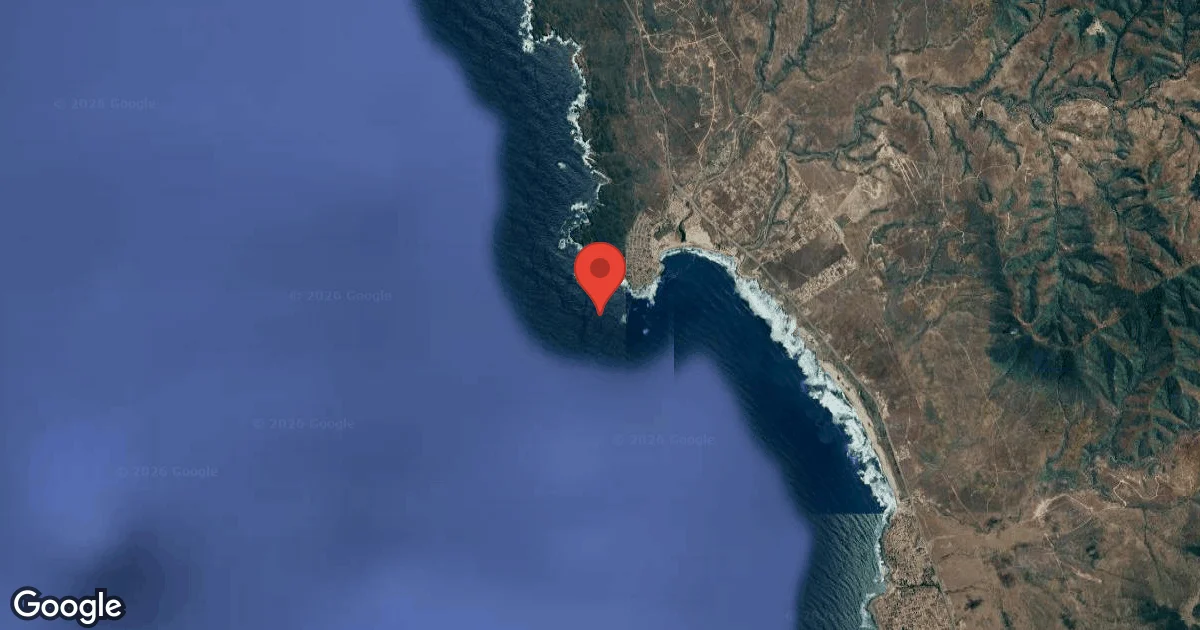
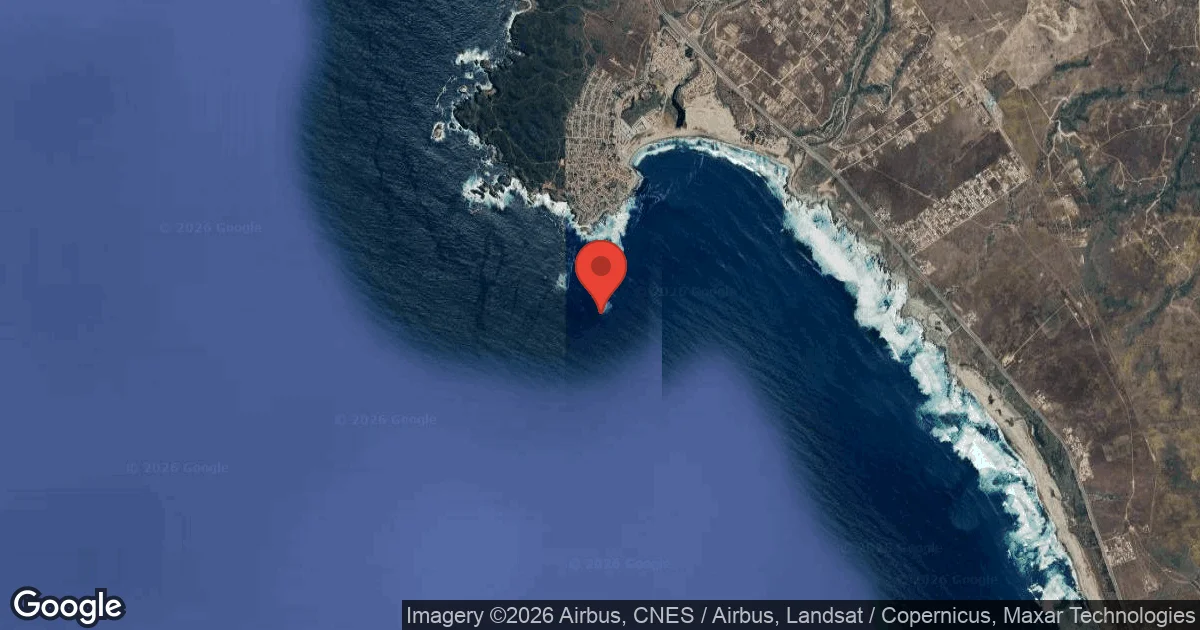
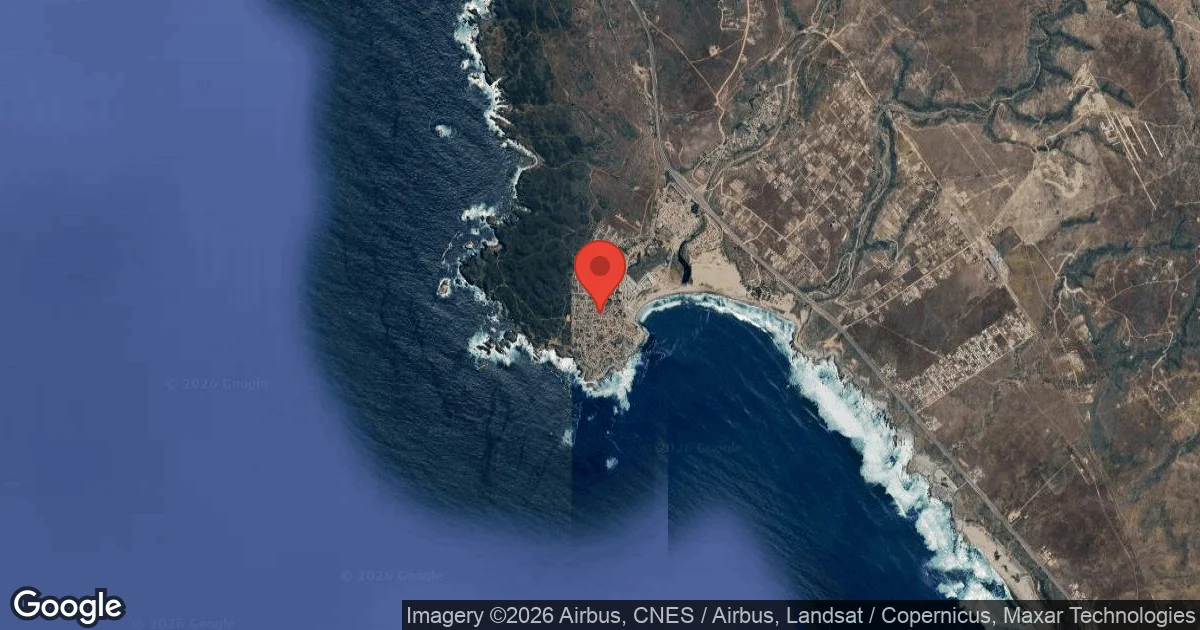
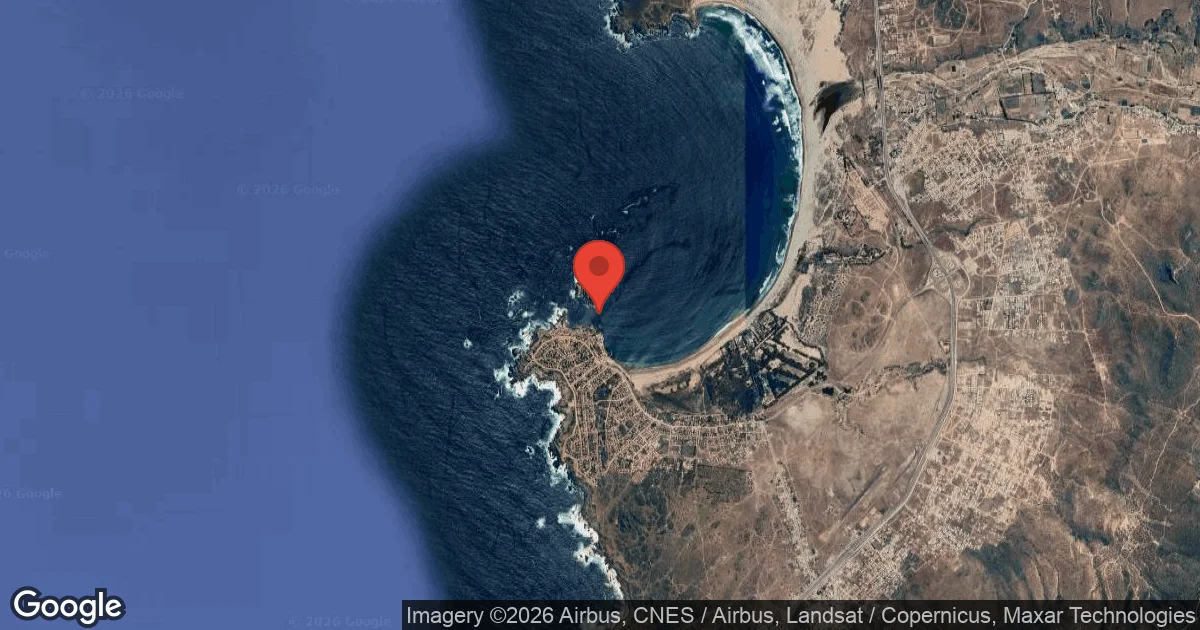
Dive Site Location & Key Facts
Dive Site Overview
Initiating a dive at El Salto means entering a world shaped by powerful volcanic activity. The descent typically begins by traversing a channel, a former lava flow with distinct canyons on either side, gradually leading into deeper oceanic expanses.
Divers generally proceed towards the east, navigating an ascent through rugged black rock pinnacles, eventually reaching a prominent lava tongue. This feature unlocks the most engaging part of the dive, where past eruptions have sculpted an intricate network of volcanic tubes, windows, caverns, and small caves.
These structures, particularly in shallower sections, allow sunlight to penetrate, creating a captivating visual display. The site is suitable for various experience levels, with guided excursions tailored to ensure diver safety and enjoyment amidst these unique formations.
A flat platform frequently guides divers into a volcanic tube, offering a path that loops back towards the initial lava channel, facilitating the return to the surface.
Conditions are Good
Optimal conditions expected
Current conditions near El Salto show 14° air, 15° sea temperature, 1.3 m waves, and 27 km/h wind. Forecast data is refreshed regularly to ensure accuracy.
Best Time to Dive
Planning a trip to El Salto is best considered with an understanding of the local climate patterns, which influence surface conditions more than underwater experiences. Air temperatures are mild, ranging from around 11°C / 52°F in July to a warmer 18°C / 64°F in February, making the summer months (December to February) generally more comfortable topside. Rain levels remain consistently low throughout the year, with a maximum of around 3 mm / 0.1 inches reported in June and August. While the dive score is rated as 'Moderate' year-round, wave heights can fluctuate seasonally, typically ranging from 2.1 m / 6.9 ft to 2.5 m / 8.2 ft. Always check specific local weather forecasts for current wave conditions before any planned dive.
PEAK SEASON SCORE
Scores combine air & water temps, waves, wind & rainfall for overall conditions.
BEST MONTHS TO DIVE
Monthly records compiled from satellite and marine observation nodes over the last 3 years. Data provided by Open-Meteo and MET Norway.
Dive Experience & Conditions
Divers at El Salto can expect a varied depth profile, moving from shallower, sunlit volcanic caverns to expansive, deep wall and pinnacle environments. Some sections, particularly the interior of volcanic tubes and caves, are explored at depths not typically exceeding 10 m / 33 ft, where natural light often breaks through. Other areas feature terrain sloping into very deep waters, characteristic of ocean wall diving. Given the site's Pacific Ocean location, water temperatures are not consistently reported but are generally cool, necessitating a thick wetsuit. Visibility tends to be good, allowing for clear appreciation of the dramatic underwater topography.
Dive Difficulty & Safety Guidelines
Approaching El Salto requires adherence to established diving protocols, prioritizing diver safety through careful planning. Operating with certified instructors from local dive centers, which uphold international safety standards, is highly recommended. The varied topography, including deep walls and confined overhead environments like caverns and volcanic tubes, implies a need for appropriate certifications for certain sections.
Beginners can undertake discovery dives to become familiar with cold-water techniques and equipment before attempting more challenging routes. Always verify local weather and sea state conditions, as wave action can vary and influence entry and exit points.
Divers should be mindful of their air consumption and no-decompression limits, especially when exploring deeper wall sections.
Recommended Equipment
Deep dive hazard. Increased narcosis and gas consumption risk.
Overhead environment. Do not enter beyond training and gas planning limits.
- Dive Computer
- DSMB
- Primary & Backup Lights
- Reel / Spool
- Cutting Tool
This gear list is based on verified equipment signals for El Salto, Chile. Always confirm final gear choices with your dive operator, guide, or liveaboard.
Recommended Dive Suit
With water temperatures around 15°C (58°F), many divers find a 7mm wetsuit or semidry provides comfortable protection.
Local dive briefings can provide the most accurate guidance.
The upcoming forecast points to generally steady conditions in the area.
Emergency & Medical Support
Essential information to help you plan your dive trip to El Salto.

Hyperbaric chambers are a critical part of dive safety infrastructure. Availability varies significantly by region, and not all dive areas have immediate access.
Before diving, it's recommended to:
- confirm nearest medical facilities
- check emergency procedures with local dive operators
- ensure dive insurance covers evacuation if required
Divers Alert Network
Diving emergency assistance available through DAN World.
+1-919-684-9111- 24/7 emergency hotline
- Diving medical assistance
- Evacuation coordination
Emergency contacts are provided for reference. Always verify local emergency services before diving.
Marine Life at El Salto
The rocky formations and volcanic topography at El Salto shape habitats for a range of cold-water marine species. While specific local sightings are not consistently reported, Chilean Pacific waters typically feature an abundance of invertebrates, often observed clinging to rock faces.
Divers exploring kelp forests, which can be present in colder Chilean waters, might encounter various species of kelpfish. Occasional sightings of marine mammals or larger fish schools are possible, though these tend to vary depending on conditions and the specific dive path taken.

Dive Sites Near El Salto
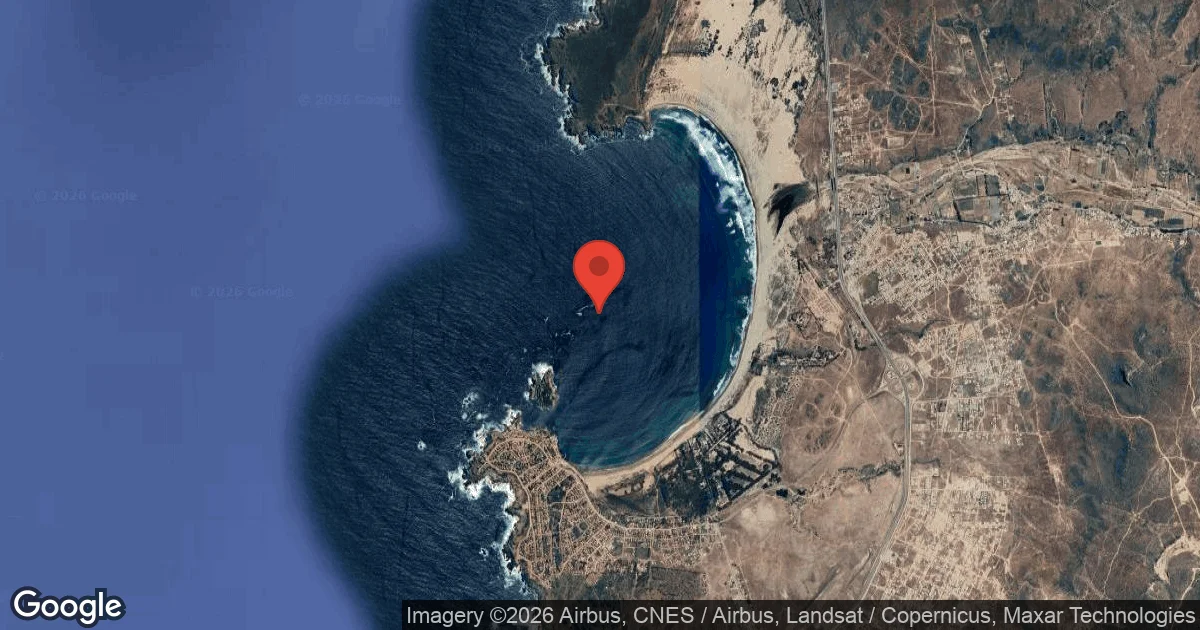
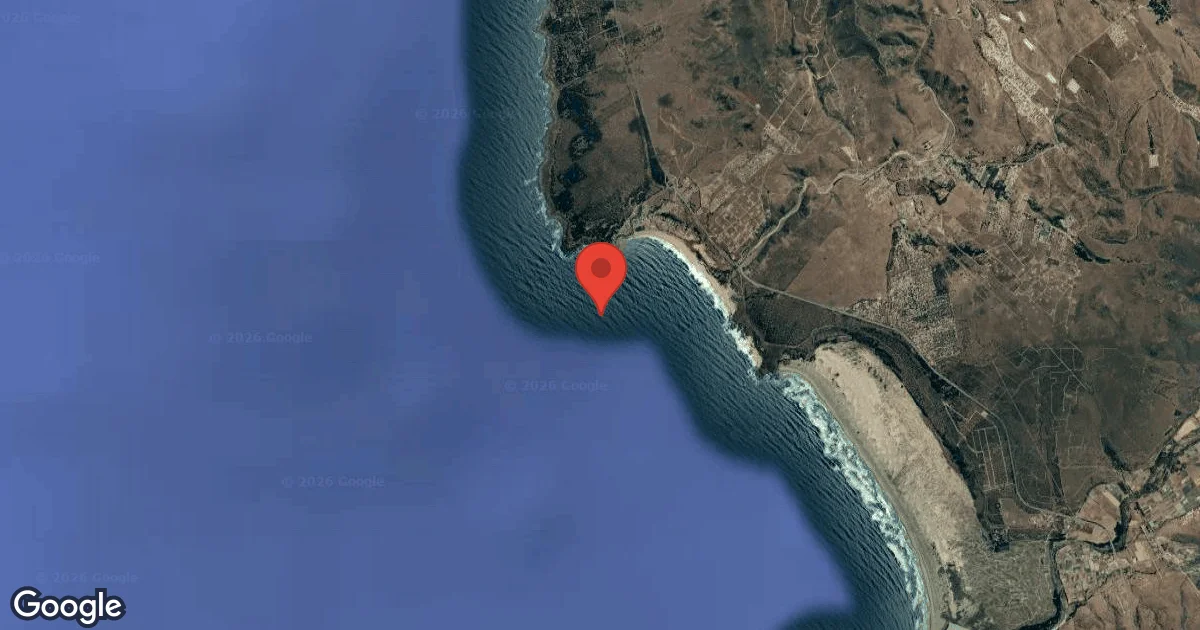
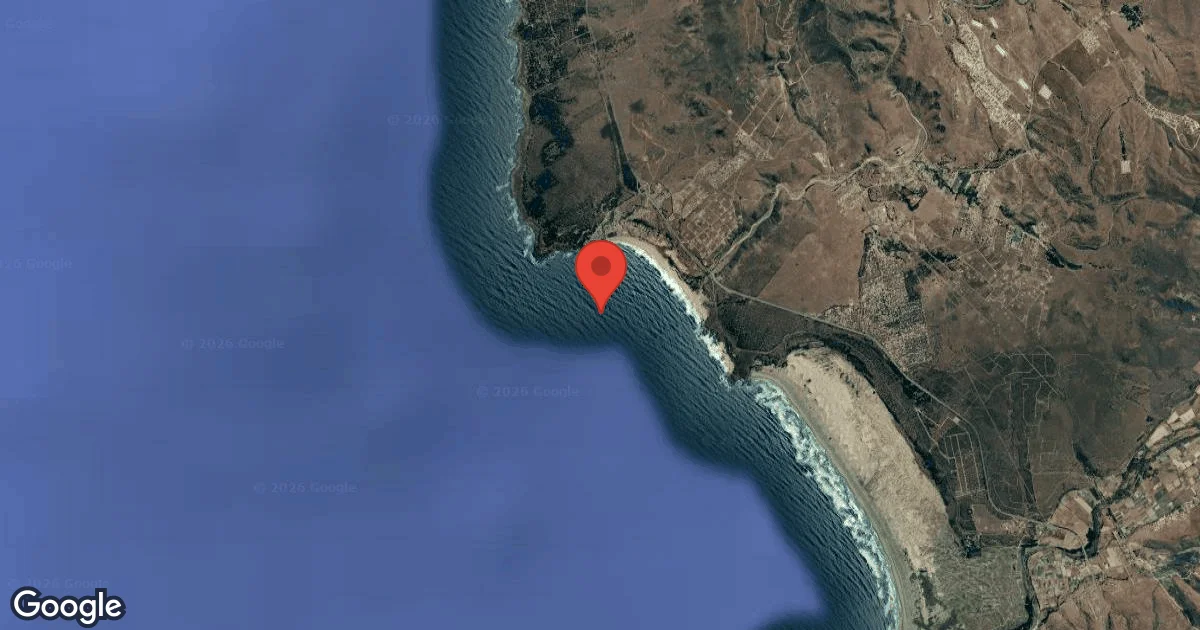
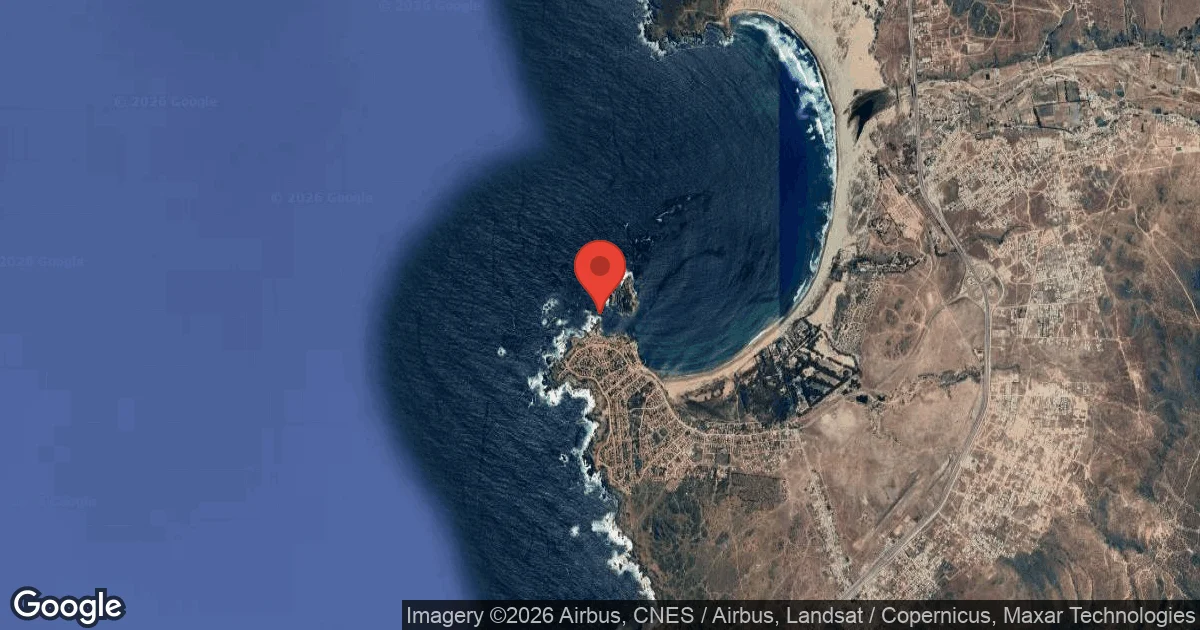
View all dive sites in ChileDiscover more underwater gems in this area.
Dive Centers Near El Salto
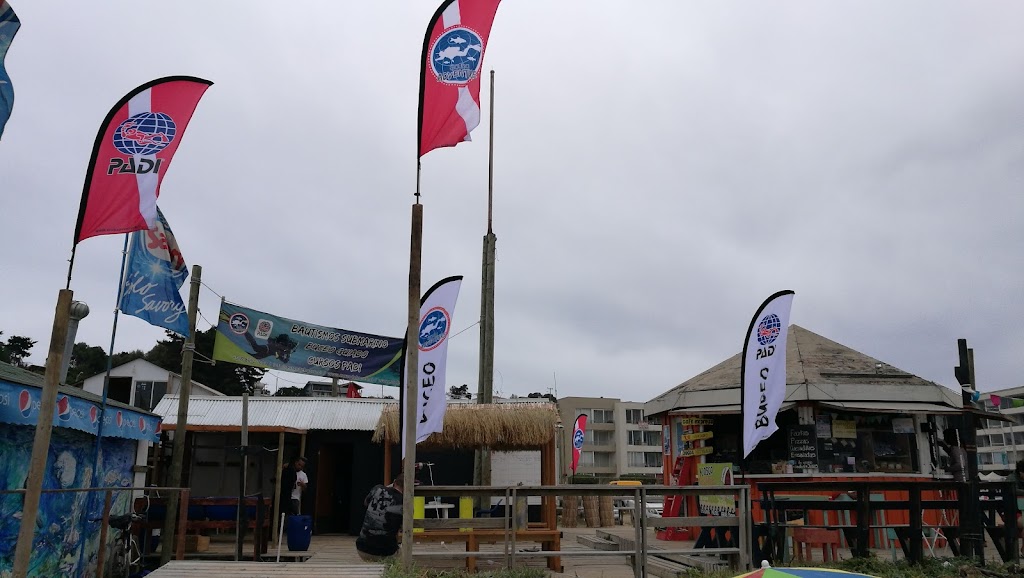
Today: 08:00 - 19:00
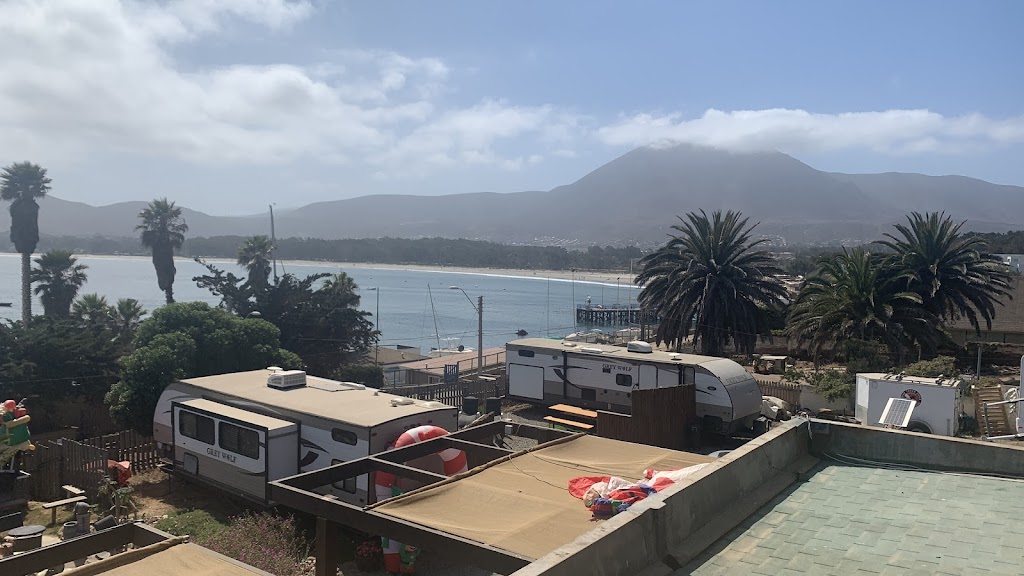
Nearest Airports
Nearest airports to help plan travel to this dive area.
Search Flights
Check available flights and routes on Expedia, using the nearby airports listed in this section.
Search Flights on ExpediaFrequently Asked Questions
What is the typical water temperature at El Salto?
Water temperatures at El Salto are generally cool, consistent with cold-water diving in the Pacific Ocean. While specific figures aren't consistently reported, a thick wetsuit is recommended to ensure diver comfort and safety in these conditions.
Are there any specific certifications needed for diving El Salto?
For general dives, standard open water certification is sufficient. However, exploring the volcanic tubes, caverns, and deeper wall sections may require advanced training, such as cavern or deep diver certifications. Always consult with a local dive operator for specific requirements based on your planned dive.
What kind of visibility can I expect?
Visibility at El Salto generally tends to be good, allowing clear views of the dramatic underwater topography. Conditions can vary based on local currents and seasonal factors, so checking with local dive centers before your dive is always a good idea.
Is El Salto suitable for beginner divers?
El Salto offers diverse diving experiences, some of which are accessible to beginners under direct supervision. Introductory or discovery dives are available through local dive schools, providing an opportunity to experience the site's unique features in a controlled environment.
What unique geological features can be seen at El Salto?
El Salto is known for its remarkable volcanic topography. Divers will encounter ancient lava flow channels, intricate volcanic tubes, windows, and caverns, alongside dramatic black rocky peaks and deep walls. These formations create a unique and visually engaging underwater landscape.
How do I get to the dive site?
Access to El Salto is typically by boat from a local port, usually organized through certified dive centers in the region. These centers also provide guided excursions and necessary equipment, ensuring a well-supported diving experience.
Planning to dive El Salto?
Send one inquiry and receive offers directly from the best verified local dive operators.
Conditions are Good
Optimal conditions expected
Current conditions near El Salto show 14° air, 15° sea temperature, 1.3 m waves, and 27 km/h wind. Forecast data is refreshed regularly to ensure accuracy.