
Diving at California (Chile)
California presents itself as a significant offshore reef system in Chile's Valparaíso Region, a 'bajo' that rises from the depths. Divers immediately notice the substantial structure, which begins around 12 meters (40 ft) and plunges to depths of 45-50 meters (150-165 ft). Its remote, open-sea nature underscores the need for divers with intermediate to advanced experience.
Evening condition tracking at California features an air temperature of 12.5°C. We have recorded wave heights measuring 1.2 m during this period. These figures outline the environmental parameters currently present.
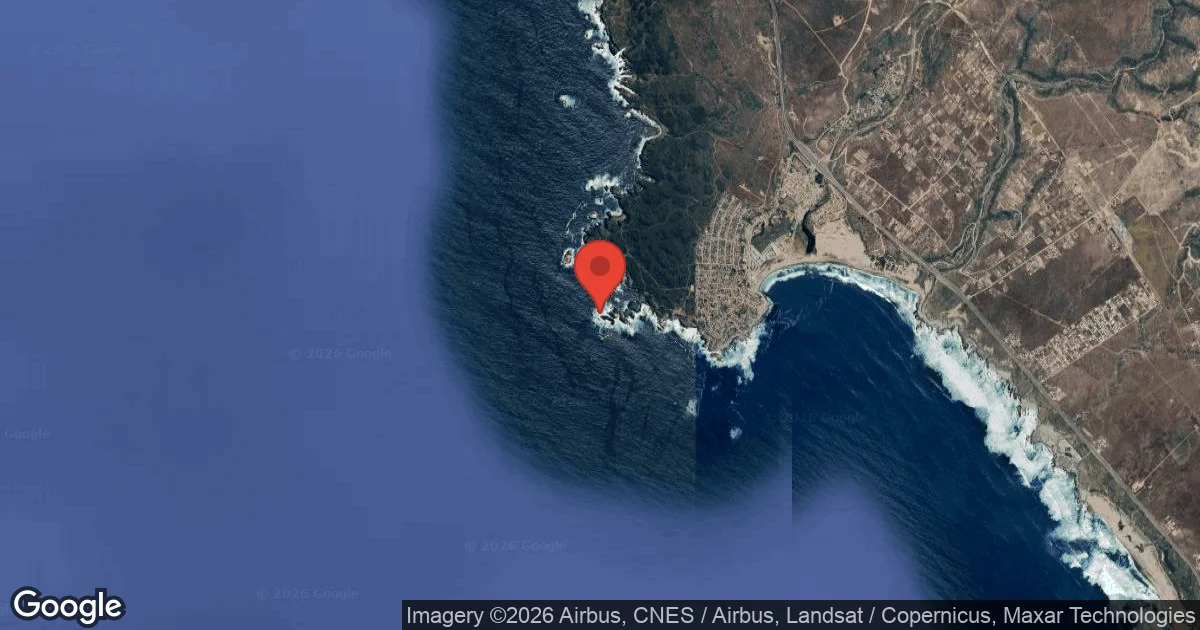
Dive Site Location & Key Facts
Dive Site Overview
Operating as an open-sea dive site, California is fundamentally shaped by its unique geological formation as a submerged shoal or 'bajo'. This significant underwater structure begins to rise around 12 meters (40 ft) below the surface, eventually plunging to depths of 45-50 meters (150-165 ft) where it meets a white sandy bottom.
Its exposed position means divers should anticipate moderate to medium currents, which actively sculpt the reef's contours and influence the flow of nutrients. These consistent ocean forces have fostered a remarkably vibrant and diverse ecosystem over time, supporting a wide array of marine life adapted to dynamic conditions. Experiencing this site means encountering the powerful, unyielding forces that define Chile's Pacific coastline.
The underwater landscape is rich. It demands respect for its power and appreciation for its subtle beauty.
A remarkable diversity of flora and fauna, alongside striking colors found across the reef, is considered its principal characteristic, inviting exploration of a robust marine habitat. These currents, while requiring attentiveness, are also instrumental in delivering the planktonic food sources that sustain the vast invertebrate communities and the large schools of fish observed here.
Conditions are Good
Optimal conditions expected
Current conditions near California show 13° air, 15° sea temperature, 1.2 m waves, and 26 km/h wind. Forecast data is refreshed regularly to ensure accuracy.
Best Time to Dive
Planning your dive at California for the warmest air temperatures and more favorable surface conditions often aligns with the Chilean summer months. January and February typically see average air temperatures around 17.5°C (64°F), presenting a more comfortable experience before and after dives. These months generally exhibit lower average rainfall, less than 0.2 mm, minimizing surface disruption. While the water temperature is not consistently reported, the overall moderate dive scores from December through February suggest a generally more approachable period for diving. Conversely, winter months, particularly June through August, show air temperatures dropping to between 11-12°C (52-54°F) and higher average wave heights, reaching up to 2.3 meters (7.5 ft), which can influence boat travel and entry/exit conditions. Rain also peaks in June and August, with averages around 3.0-3.6 mm, potentially impacting surface visibility and overall comfort.
PEAK SEASON SCORE
Scores combine air & water temps, waves, wind & rainfall for overall conditions.
BEST MONTHS TO DIVE
Monthly records compiled from satellite and marine observation nodes over the last 3 years. Data provided by Open-Meteo and MET Norway.
Dive Experience & Conditions
Descending into California, divers should be prepared for its open-sea characteristics, as currents are frequently moderate to medium here. The dive begins on the upper sections of the 'bajo', starting at about 12 meters (40 ft), where the structure of this reef becomes apparent. As you follow the contours downwards, the dive progresses to deeper sections, reaching a maximum depth range of 45-50 meters (150-165 ft) where the reef transitions to a white sandy bottom. Visibility varies depending on conditions, influenced by its exposed location. This site is tailored for divers with at least intermediate experience and advanced certifications due to the depths and potential currents involved. Navigating this deep reef system requires attentiveness to buoyancy and gas management, especially when exploring its impressive vertical relief.
Dive Difficulty & Safety Guidelines
When approaching California, prioritize an assessment of current conditions, as moderate to medium currents are typical for this open-sea site. It's crucial for divers to be proficient in drift diving techniques and maintain constant communication with their dive guides. Given the site's maximum depth potential of 45-50 meters (150-165 ft), advanced certifications are recommended, particularly for those planning deeper exploration.
Always dive within your training and experience limits. Divers should plan their bottom time conservatively and manage their gas supply meticulously, ensuring ample reserves for ascent and safety stops. Regular check-ins with your buddy are essential throughout the dive.
Recommended Equipment
- Dive Computer
This gear list is based on verified equipment signals for California, Chile. Always confirm final gear choices with your dive operator, guide, or liveaboard.
Recommended Dive Suit
Recent conditions suggest the water at California remains near 15°C (59°F), offering typical conditions for the area. Surface air temperatures are resting at 13°C (55°F).
The next few days appear likely to bring similar environmental conditions.
Most divers exploring waters at this temperature rely on 7mm wetsuit or semidry for effective insulation. A thermal robe or jacket is recommended between dives. Water temperature is only one factor influencing overall comfort during a dive. Surface intervals may feel noticeably cooler once you exit the water.
Due to technical issues with our weather providers, live updates are temporarily delayed. The data above reflects the conditions at the time of the last successful fetch.
Emergency & Medical Support
Essential information to help you plan your dive trip to California.

Hyperbaric chambers are a critical part of dive safety infrastructure. Availability varies significantly by region, and not all dive areas have immediate access.
Before diving, it's recommended to:
- confirm nearest medical facilities
- check emergency procedures with local dive operators
- ensure dive insurance covers evacuation if required
Divers Alert Network
Diving emergency assistance available through DAN World.
+1-919-684-9111- 24/7 emergency hotline
- Diving medical assistance
- Evacuation coordination
Emergency contacts are provided for reference. Always verify local emergency services before diving.
Marine Life at California
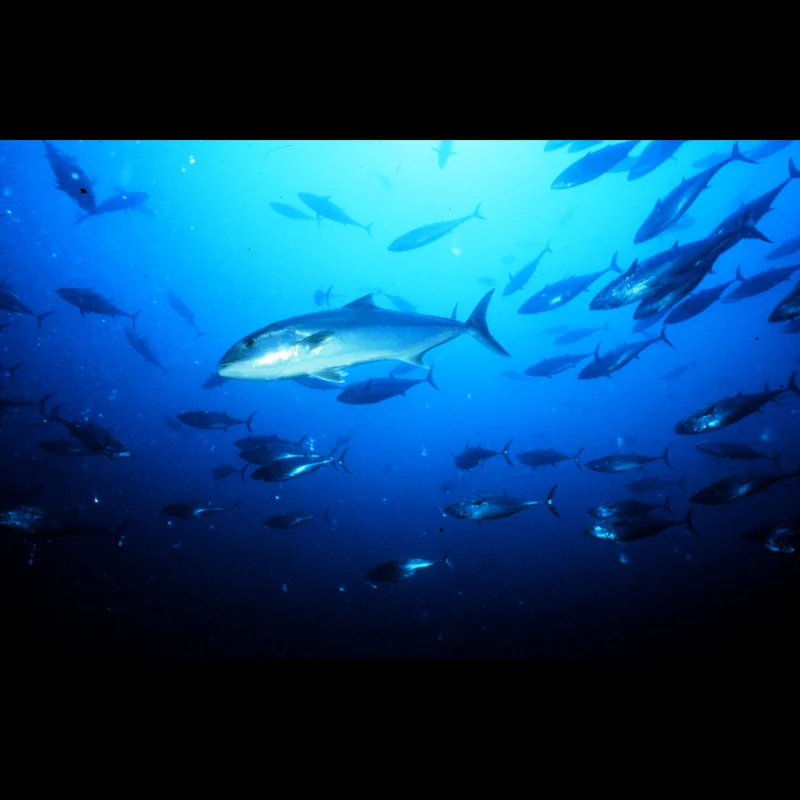
Entering the waters of California, divers are immediately struck by an abundance of life, with huge sponges and vibrant gorgonians adorning the reef structure. Large schools of various fish species patrol the reef, creating dynamic underwater scenes.
Many local rock fish find refuge among the crevices and ledges of the 'bajo'. During summer, spectacular jellyfish may visit these waters, adding another layer of visual interest.
Depending on the season, divers might also witness active hunting, with 'Vidriolas' (amberjacks) or 'Palometas' (pompano) pursuing prey. Keep an eye out for dolphins, which are reported to frequent the area at various times of the year, adding a thrilling dimension to your dive experience.

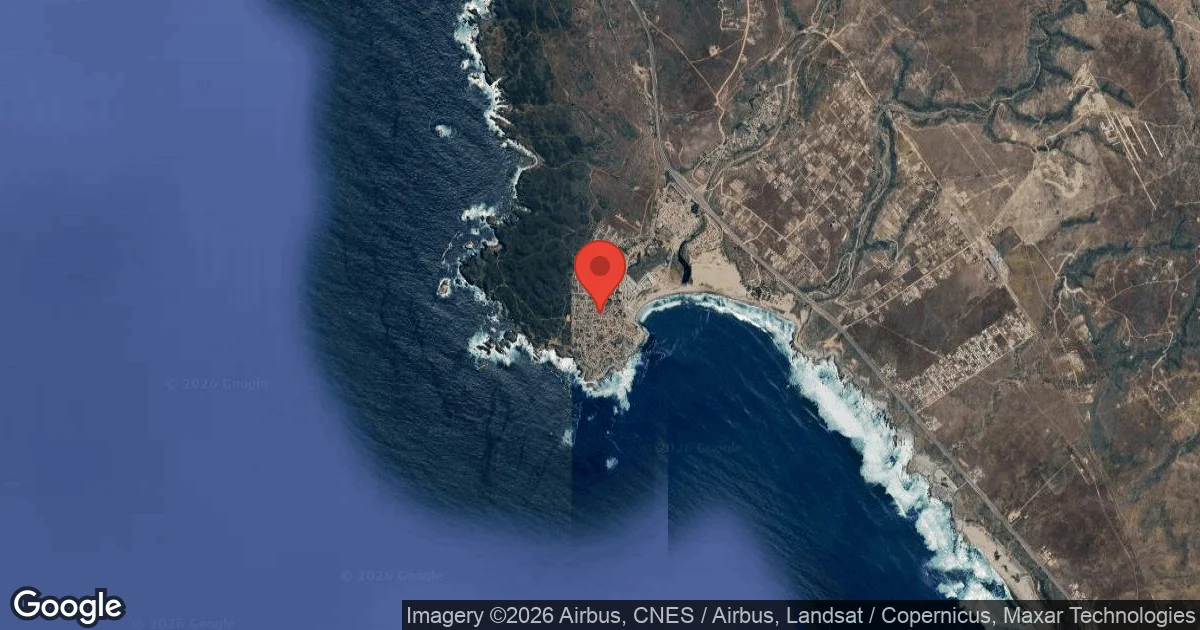
Dive Sites Near California
View all dive sites in ChileDiscover more underwater gems in this area.
Dive Centers Near California
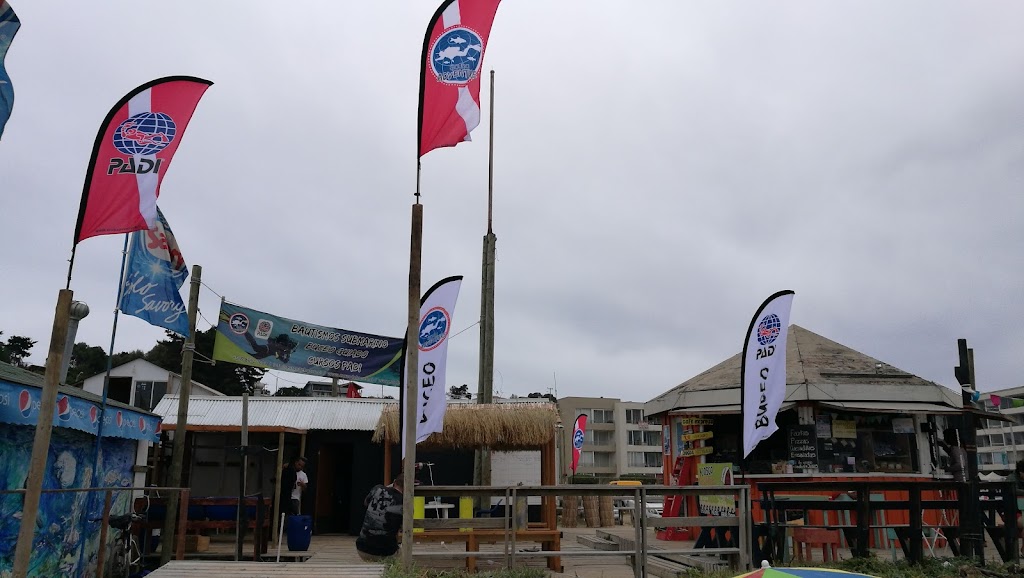
Today: 08:00 - 19:00
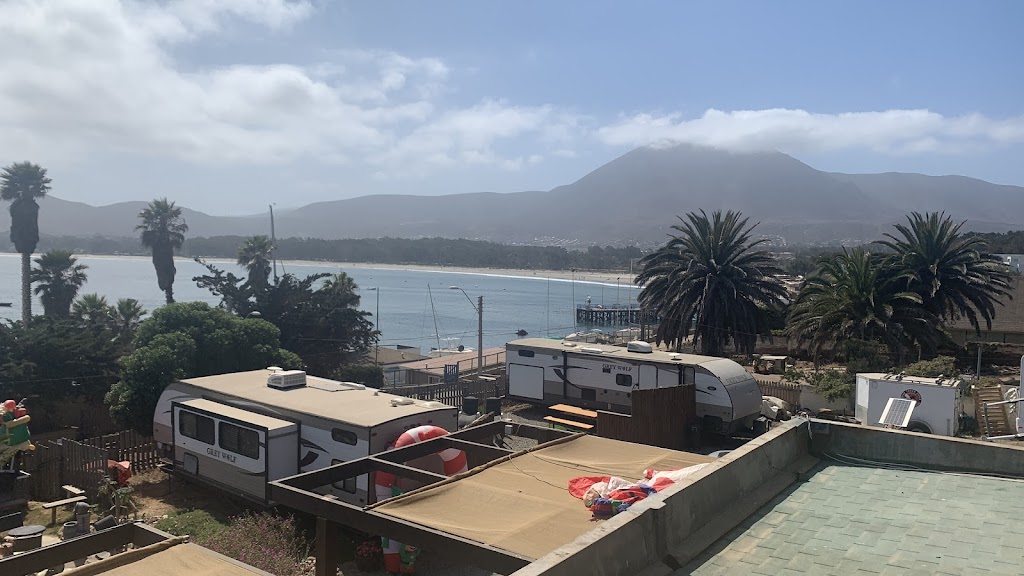
Nearest Airports
Nearest airports to help plan travel to this dive area.
Search Flights
Check available flights and routes on Expedia, using the nearby airports listed in this section.
Search Flights on ExpediaFrequently Asked Questions
What skill level is required to dive California?
California is best suited for divers with intermediate to advanced experience. Its open-sea location, potential currents, and depths ranging from 12 to 50 meters (40 to 165 ft) necessitate a higher level of training and comfort in challenging conditions.
Are currents a significant factor at this dive site?
Yes, moderate to medium currents are common at California. Divers should be prepared for drift diving and maintain good buoyancy control to navigate the site effectively.
What is the typical depth range for a dive at California?
This site begins around 12 meters (40 ft) and descends to a white sandy bottom at 45-50 meters (150-165 ft). Recreational divers typically explore the shallower and mid-depth sections of the 'bajo'.
What marine life can I expect to see?
Divers can expect to encounter huge sponges, colorful gorgonians, and large schools of fish. Local rock fish are abundant, and seasonally, spectacular jellyfish, 'Vidriolas' or 'Palometas' hunting, and dolphins may be observed.
When is the best time of year to dive California?
The warmer air temperatures and generally lower rainfall from December through February, coinciding with the Chilean summer, often offer more comfortable surface conditions for diving. However, dive scores remain moderate year-round.
Is California a shore dive or a boat dive?
California is an open-sea dive, indicating it is typically accessed via boat. Its location as a submerged shoal further supports boat access for safe entry and exit.
Planning to dive California?
Send one inquiry and receive offers directly from the best verified local dive operators.
Conditions are Good
Optimal conditions expected
Current conditions near California show 13° air, 15° sea temperature, 1.2 m waves, and 26 km/h wind. Forecast data is refreshed regularly to ensure accuracy.