
Diving in Chile
Dive conditions in Chile are influenced by local geography, resulting in noticeable differences between sites. Our platform currently includes 16 mapped dive sites across Chile. This supports planning across different types of dive environments.
Chile presents a varied diving experience shaped by its extensive and geographically diverse coastline. From its temperate zones to the colder, nutrient-rich southern waters, divers encounter distinct underwater environments. The country offers a mix of geological features, including volcanic rock formations, submerged lava tubes, and underwater caves, alongside historical shipwreck sites.
The diving style often involves navigating dynamic conditions and cooler temperatures, particularly in central and southern regions dominated by rocky reefs and expansive kelp forests. These dense underwater forests provide shelter for numerous species, creating unique observational opportunities. Further offshore, destinations like Easter Island (Rapa Nui) offer dramatically different conditions, with exceptional visibility and unique geological structures.
Exploration extends to the remote Juan Fernández Archipelago, known for its distinct ecosystems and endemic species such as the Juan Fernández fur seal. Whether exploring sunken whaling boats in Quintay, the historical sites near Valparaíso, or the Patagonian fjords, the diving here caters to those seeking an adventurous encounter with diverse marine habitats and significant geological features. Expect encounters with sea lions, dolphins, and various fish species, adding to the rich underwater tapestry.
Dive Map of Chile
Connecting to Chile's diverse dive regions presents a logistical journey, often initiating with air travel. Divers commonly fly into Santiago International Airport for access to central areas. Regional flights also serve hubs like Puerto Montt, Puerto Natales, and Punta Arenas for southern destinations.
From these primary arrival points, further transport via local ferries, boats, or car rentals is necessary to reach specific dive sites. This layered travel approach enables exploration across the country, from the central coast near Valparaíso and La Serena to the remote Patagonian fjords and the Juan Fernández Archipelago.
Accessing destinations such as Chiloe Island or Easter Island (Rapa Nui) requires additional specialized charters. This system allows for reaching a wide array of sites, including the sunken ships in Quintay or the reefs of Los Molles, but requires careful planning for each leg of the journey.
Dive Sites to Explore
View all 16 sites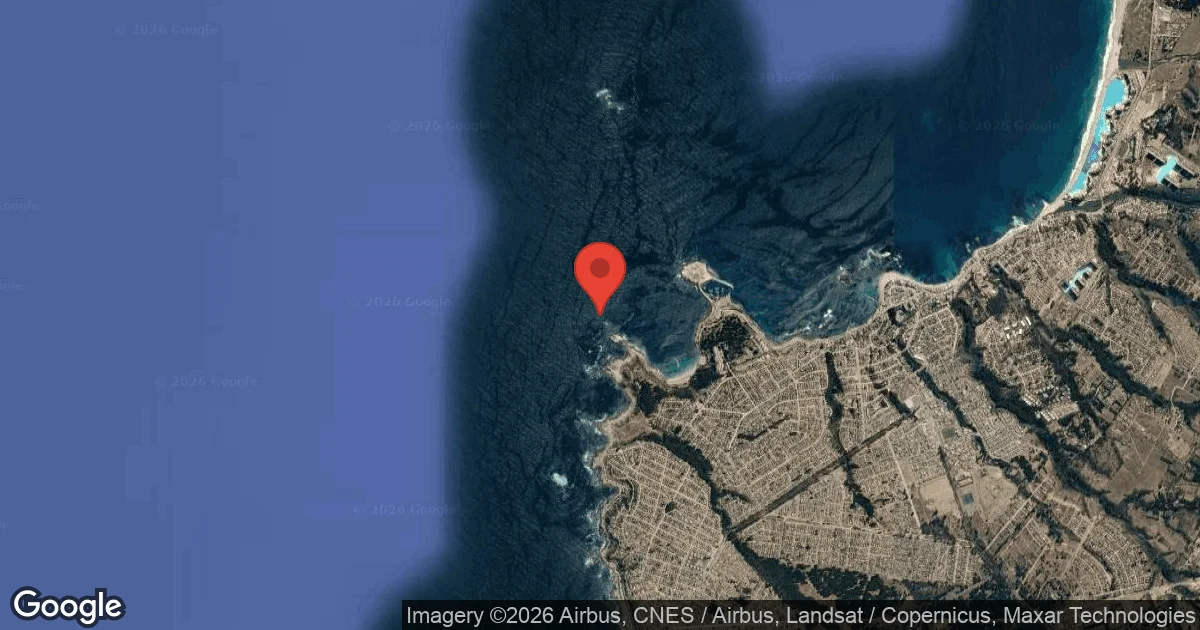
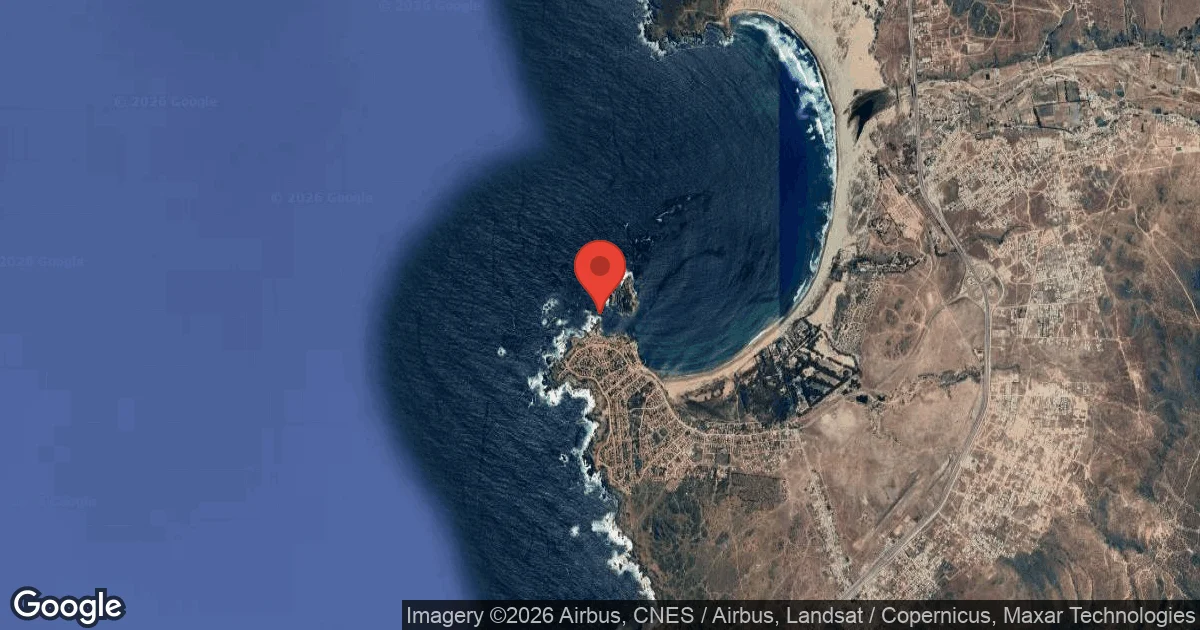
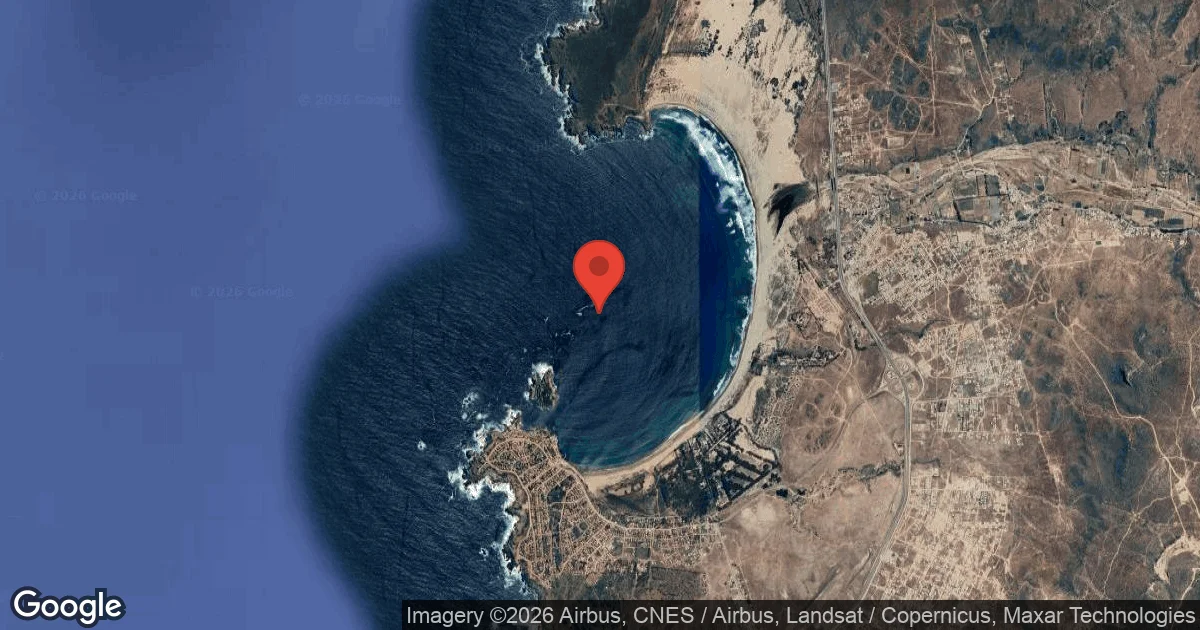
Chile's diving landscape offers a wide spectrum of depths, catering to both new and experienced divers. Many sites provide accessible shallow dives with calm conditions, ideal for initial explorations and observing coastal marine life, often in sheltered bays. Conversely, deeper sites challenge advanced divers with more complex topography, including historic shipwrecks and intricate geological formations. This variation in depth means divers can choose between tranquil, sheltered environments or more exposed, deeper explorations with significant underwater structures and dynamic currents.
The shallow areas often feature abundant kelp forests and rocky reefs, providing habitat for smaller fish and invertebrates, as well as opportunities to encounter marine mammals closer to the surface. As depths increase, the environment transitions to include dramatic walls, deeper wrecks such as the SS Itata, and unique volcanic features, each presenting different types of marine encounters and requiring varying levels of dive experience. This allows for a tailored diving journey, from gentle introductions to more demanding underwater adventures across Chile's diverse subaquatic terrain.
Easter Island (Rapa Nui): This remote destination offers dives around volcanic rock formations, submerged lava tubes, and underwater caves. Divers can also encounter unique sights like submerged moai statues. Visibility here can be exceptional, often exceeding 50 m (164 ft), making it a remarkable geological and cultural dive experience.
Quintay: Located in the Valparaíso region, Quintay is known for its accessible shipwreck diving. The site features sunken whaling boats, including an intact boiler from a whaling ship. These wrecks are now enveloped in marine life, offering an interesting historical dive for both beginners and more experienced divers.
Juan Fernández Archipelago: This remote island chain, including Robinson Crusoe Island and Isla Alejandro Selkirk, offers diverse diving. Sites like Cumberland Bay are suitable for various skill levels. Divers here explore kelp forests and encounter a fascinating array of marine life, including the endemic Juan Fernández fur seal. Santa Clara Island in the archipelago also offers incredible visibility and diverse species.
Los Molles: This destination is recognized for its distinctive underwater mountains and vibrant soft corals and sponges. Diving in Los Molles reveals a unique ecosystem where conditions often highlight the rich invertebrate life and colorful formations present. It provides a different experience compared to the wreck sites or volcanic landscapes found elsewhere.
Best Time to Dive in Chile
The optimal period for diving in Chile varies significantly by region, but generally, the austral summer months from November to March offer the most favorable conditions. In southern Chile, this period brings milder temperatures and calmer seas, enhancing both comfort and accessibility for divers. Similarly, the Juan Fernández Archipelago experiences its most stable sea conditions and improved access for dive operations during the summer.
For northern Chile and destinations like Easter Island (Rapa Nui) or Chañaral de Aceituno, diving is possible year-round due to consistently milder temperatures. However, visibility in northern areas is often optimal between December and March, coinciding with warmer waters. While diving can occur throughout the year, the austral summer remains the most predictable window for stable conditions across many of the country's dive sites.
During the cooler months, from April through November, water temperatures in central and southern regions can drop significantly, ranging from 10 to 14°C (50 to 57°F). This requires appropriate thermal protection. Surface conditions may also be more dynamic with variable visibility. Planning around these seasonal shifts ensures divers can maximize their experience in Chile’s diverse aquatic environments.
Monthly Sea Temperatures
The extensive north-south stretch of Chile's coastline and its oceanic influences are the primary factors behind the significant variation in sea temperatures. Central regions experience summer water temperatures typically ranging from 14 to 18°C (57 to 64°F). From April through November, these temperatures can drop considerably, often settling between 10 to 14°C (50 to 57°F) in central and southern areas.
Further north, along coastal desert areas, waters can be warmer, reaching up to 22°C (72°F). Far offshore, Easter Island (Rapa Nui) maintains a notably milder range of 20 to 25°C (68 to 77°F) year-round.
Conversely, the southernmost regions, including Patagonia and the Chilean Antarctic, feature cold, often icy waters, sometimes as low as 10°C (50°F). Divers should prepare for these diverse thermal conditions with appropriate exposure protection.
| Jan | Feb | Mar | Apr | May | Jun | Jul | Aug | Sep | Oct | Nov | Dec | |
|---|---|---|---|---|---|---|---|---|---|---|---|---|
| Max | 16° | 16° | 15° | 14° | 13° | 12° | 11° | 11° | 12° | 12° | 14° | 15° |
| Avg | 15° | 14° | 14° | 13° | 12° | 11° | 11° | 10° | 11° | 11° | 13° | 14° |
| Min | 13° | 13° | 13° | 11° | 11° | 10° | 10° | 10° | 10° | 10° | 11° | 12° |
Dive Conditions
Dynamic surface conditions, marked by surge and waves, are a defining characteristic of diving in Chile, particularly in open coastal areas. These factors contribute to an environment often better suited for experienced divers comfortable with varied conditions. While some sheltered bays, such as those found in Viña del Mar, offer calmer waters and milder currents, many other sites present stronger currents that necessitate careful planning and advanced diving skills.
Underwater visibility is another highly variable aspect. It fluctuates significantly depending on location, season, and factors like plankton levels and weather. Some areas, notably Easter Island (Rapa Nui), boast exceptional clarity exceeding 50 m (164 ft), and Santa Clara Island also offers incredible views.
Mainland sites typically see visibility up to 30 m (98 ft). The Juan Fernández Archipelago experiences peak visibility between November and April, and northern Chile often has optimal clarity from December to March. Divers should be prepared for these diverse and sometimes challenging underwater environments.
Marine Life Highlights
Most Mentioned Species
Marine life in Chile varies across dive locations, with different species appearing depending on environment and conditions. The species highlighted here are the most frequently associated with dive sites in our data, offering a realistic overview of what divers are most likely to encounter.
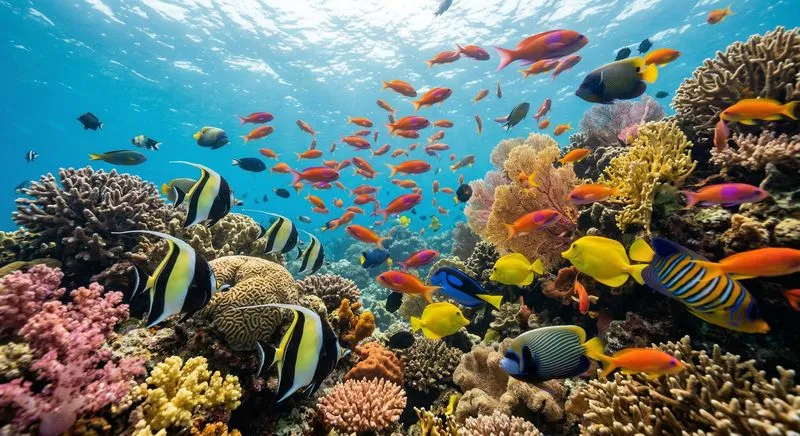
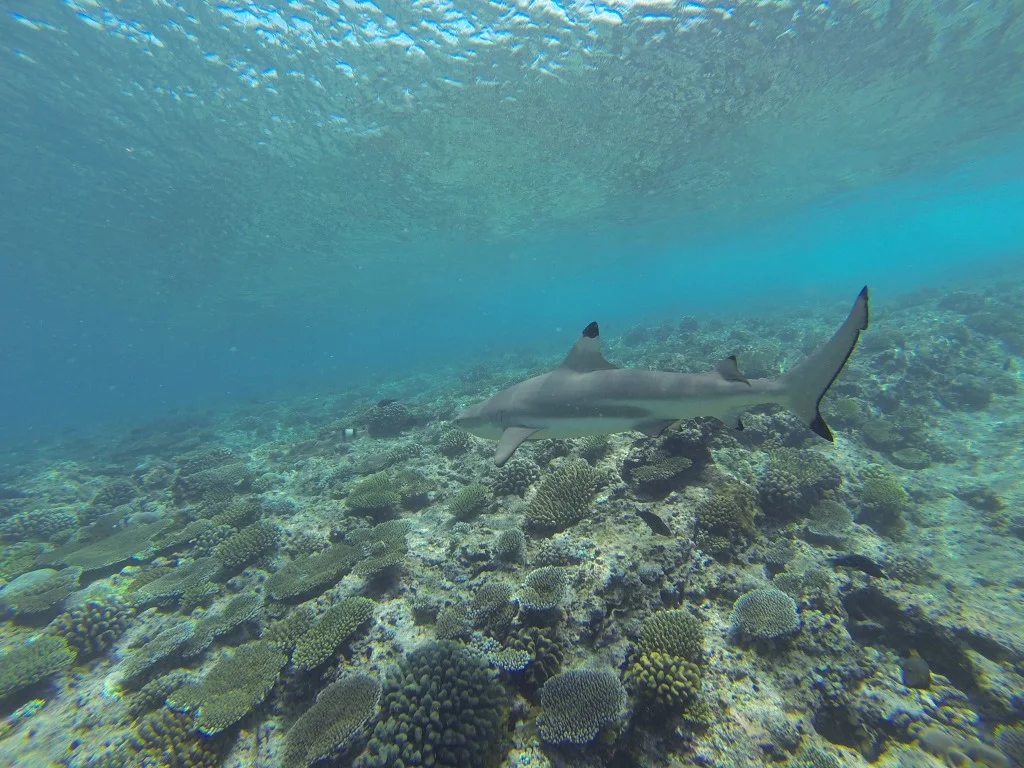
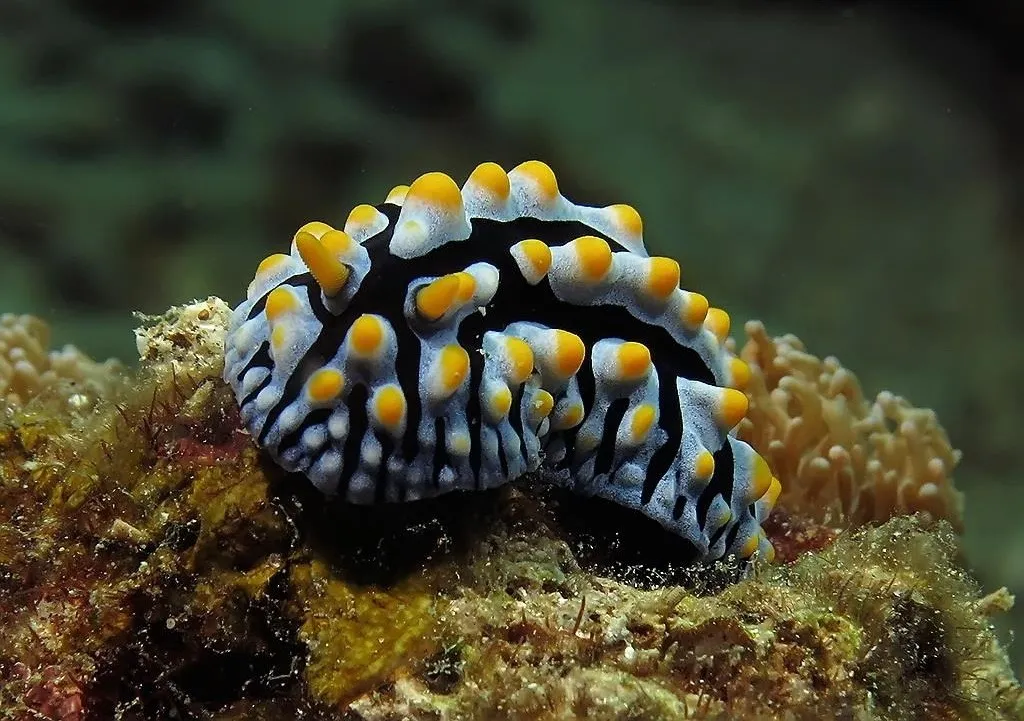
Kelp forests serve as primary habitats for much of Chile's marine life, particularly in central and southern regions. These dense underwater ecosystems support a wide array of invertebrates such as king crabs, lobsters, sea stars, and sea urchins. Numerous fish species, including sea bass, Chilean rockfish, and giant kelpfish, also thrive within these protective environments.
Encounters with marine mammals are relatively frequent; sea lions and dolphins are commonly observed. The Juan Fernández Archipelago is home to the endemic Juan Fernández fur seal, while Humboldt penguins can be spotted in northern areas like Pan de Azúcar National Park.
While schools of jack mackerel and various colorful fish are abundant, sightings of larger pelagic species like sharks are rare along most of mainland Chile. Seasonal migrations bring various whale species, including humpback, blue, and sei whales, to certain regions. The elusive Chilean devil ray and Humboldt squid represent rarer, yet possible, encounters for divers.
Regions for Diving
Diving in Chile offers a distinct style for each geographical region, ranging from subtropical offshore adventures to rugged cold-water explorations along the mainland. Each area presents unique topography, marine life, and conditions, guiding divers towards specific experiences.
The Easter Island (Rapa Nui) region provides a truly unique volcanic diving style. Here, divers explore submerged lava tubes, underwater caves, and dramatic rock formations, often encountering the iconic submerged moai statues. With water temperatures consistently around 20-25°C (68-77°F) and visibility frequently exceeding 50 m (164 ft), the diving is focused on pristine volcanic landscapes and endemic species like the Easter Island butterflyfish. This remote destination emphasizes geological exploration and unique cultural encounters.
Off the central coast, the Juan Fernández Archipelago offers an ecological diving style, centered on its rich biodiversity and endemic species. Sites like those around Robinson Crusoe Island and Isla Alejandro Selkirk feature extensive kelp forests, providing habitat for the endemic Juan Fernández fur seal and other marine life. Visibility here is often clearer, and sea lion encounters are common. The best diving season is from November to April, with water temperatures ranging from 14 to 18°C (57 to 64°F) during summer, making it ideal for those interested in unique ecosystems.
Along the Central Chilean Coast, including areas like Valparaíso, Quintay, Los Molles, and Coquimbo, the diving style blends historical wreck exploration with vibrant rocky reef encounters. Quintay is known for its sunken whaling boats, while La Herradura near Coquimbo also offers shipwrecks. Los Molles stands out with its underwater mountains, soft corals, and sponges. This region provides diverse opportunities, from beginner-friendly, sheltered waters in Viña del Mar to more exposed sites, with water temperatures typically between 14-18°C (57-64°F) in summer.
For the adventurous, Southern Chile and Patagonia, extending towards the Chilean Antarctic, offer a rugged, cold-water diving style. This involves exploring nutrient-rich icy waters, where kelp forests thrive and large marine mammals are frequently sighted. Diving here is about raw natural beauty and encounters with cold-water species like crustaceans, mollusks, and various marine mammals. Water temperatures can be as low as 10°C (50°F), requiring robust thermal protection, and the best conditions are typically found during the austral summer from November to March.
Travel & Passport Guide
Travel Basics
Trip Planning
Safety & Diving Considerations
Environmental challenges are a primary safety consideration for those exploring Chile's underwater environments. Strong currents and dynamic surface conditions, including surge, are common, particularly at exposed coastal sites. The waters, especially in central and southern regions, are consistently cold, necessitating appropriate thermal protection to ensure diver comfort and safety.
This means many sites are better suited for experienced divers already comfortable with cold-water environments and potentially variable visibility. Dive centers often recommend or require specific thermal gear, such as thick wetsuits or drysuits.
While some sheltered areas offer calmer conditions, divers should always prioritize local guidance and assess their own skill level before undertaking more challenging explorations. Preparedness for these natural factors is key to a safe and enjoyable experience.
Dive Centers in Chile
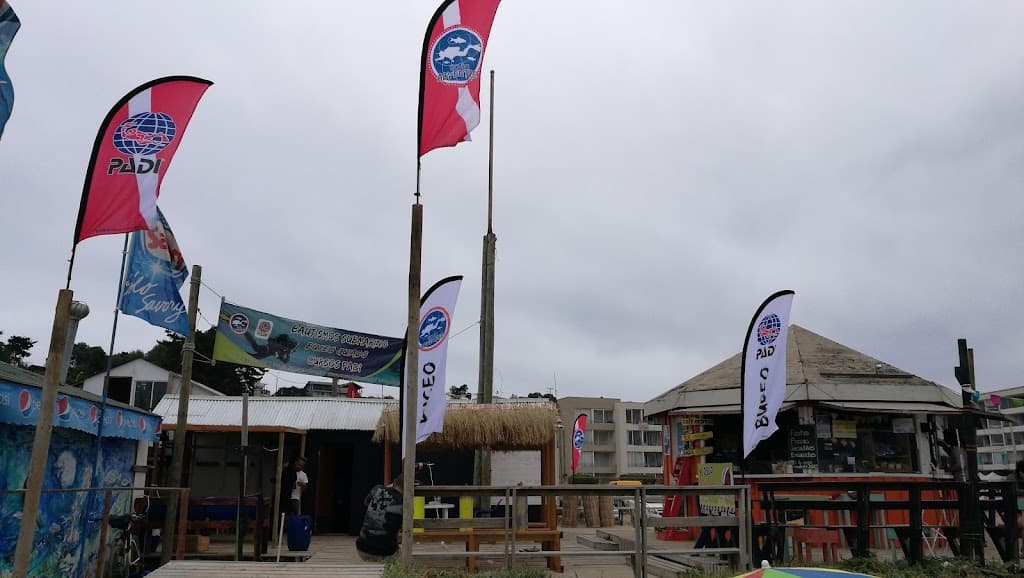
View all 7 dive centers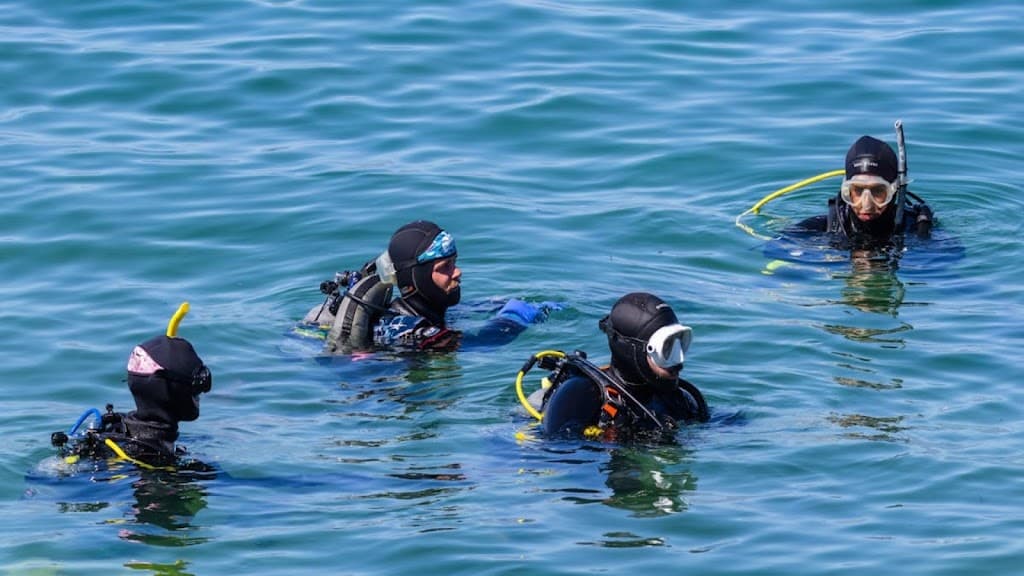
Frequently Asked Questions
What are the typical water temperatures for diving in Chile?
Water temperatures in Chile vary significantly by region and season. In central areas, summer temperatures generally range from 14 to 18°C (57 to 64°F), dropping to 10 to 14°C (50 to 57°F) during cooler months. Northern areas can see warmer waters, reaching up to 22°C (72°F). Easter Island (Rapa Nui), however, maintains a much milder 20 to 25°C (68 to 77°F) year-round. Southern and Patagonian waters are considerably colder, often around 10°C (50°F), requiring advanced thermal protection.
Which regions in Chile offer the best diving for beginners?
Beginner-friendly diving can be found in several sheltered locations along the Chilean coast. Viña del Mar, for instance, is noted for its calm and protected waters, making it suitable for new divers. Cumberland Bay in the Juan Fernández Archipelago is also recommended for both beginner and experienced divers. Quintay, with its accessible sunken whaling boats, offers discovery dives ideal for those trying scuba for the first time. These sites generally have milder conditions, supporting a more comfortable introductory experience.
What kind of visibility can I expect when diving in Chile?
Visibility in Chile is highly variable, influenced by location, season, and oceanographic factors like plankton levels. While some mainland sites offer visibility up to 30 m (98 ft), this can fluctuate. Easter Island (Rapa Nui) stands out with exceptional clarity, frequently exceeding 50 m (164 ft). The Juan Fernández Archipelago experiences peak visibility from November to April, while northern Chile often has optimal conditions between December and March. Divers should be prepared for varying levels of underwater clarity across different regions.
What unique marine life can be seen in Chile's waters?
Chile's waters host diverse marine life, with some unique and endemic species. The Juan Fernández Archipelago is home to the endemic Juan Fernández fur seal. Divers may also encounter sea lions, dolphins, and Humboldt penguins. Kelp forests are populated by giant kelpfish, sea bass, and various crustaceans and mollusks. While shark encounters are rare on the mainland, seasonal whale migrations (humpback, blue, sei) occur in certain regions. Rarer sightings include the Humboldt squid and the Chilean devil ray.
Are there any notable shipwreck sites for diving in Chile?
Yes, Chile offers several interesting shipwreck sites for divers. Quintay is particularly known for its sunken whaling boats, including an intact boiler that has become an artificial reef. La Herradura in the Coquimbo Region is another popular destination for its shipwrecks, which are now home to diverse marine species. Additionally, the country's maritime history has left behind other exploreable wrecks, such as the SS Itata, providing intriguing historical dive opportunities for those interested in artificial reefs and maritime heritage.