Loading...

Diving at Čavlin Shallows Roman Wreck (Croatia)
Published
Explore the wave-swept limestone shoal of Pličina Čavlin in Murtersko More, where a late 1st-century BC elm-framed Roman merchant ship met its fate along the ancient Dalmatian coastal trade route.
Starting the day at Čavlin Shallows Roman Wreck, the ambient air temperature is recorded at 14°C. Ongoing monitoring shows wave heights measuring 1.9 m. This data represents the current surface conditions for early activities.
Dive Site Location & Key Facts
Site Characteristics
Max Depth28m / 92ft
Entry Typeboat
Water Typesalt
Dive Types
ArchaeologicalReefWreck
Dive Site Overview
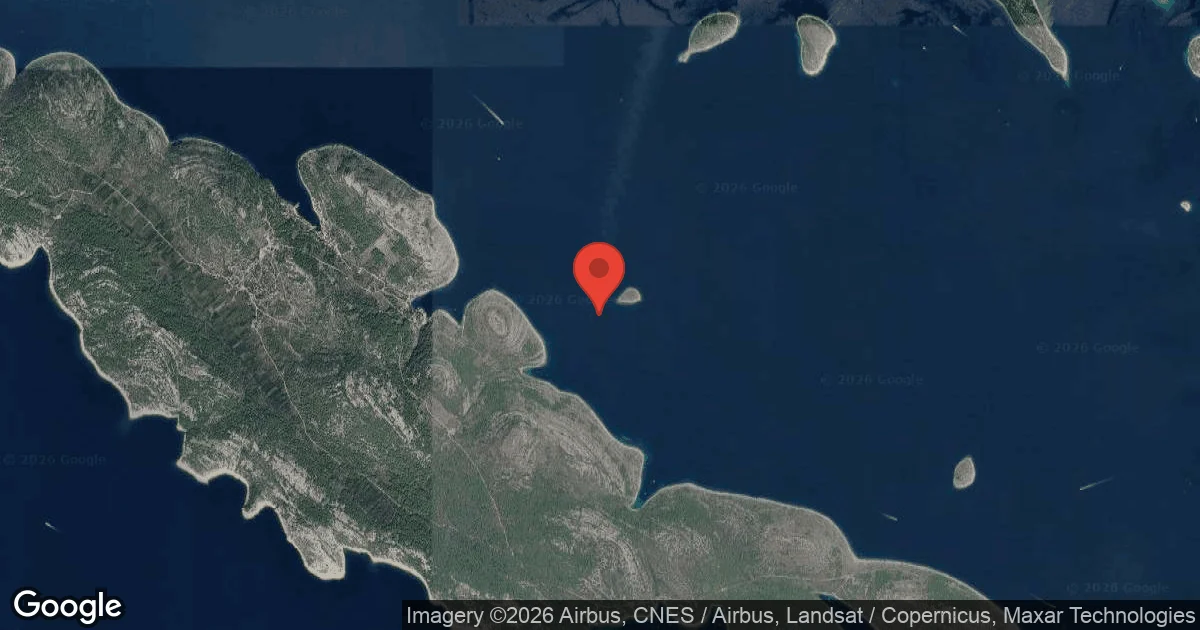
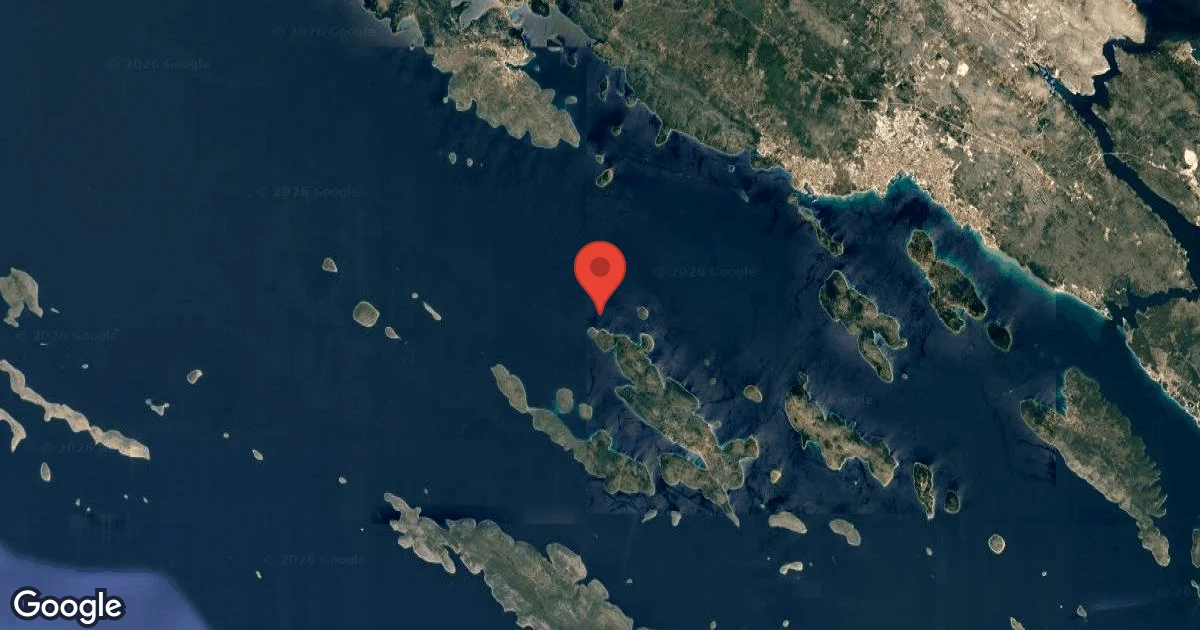
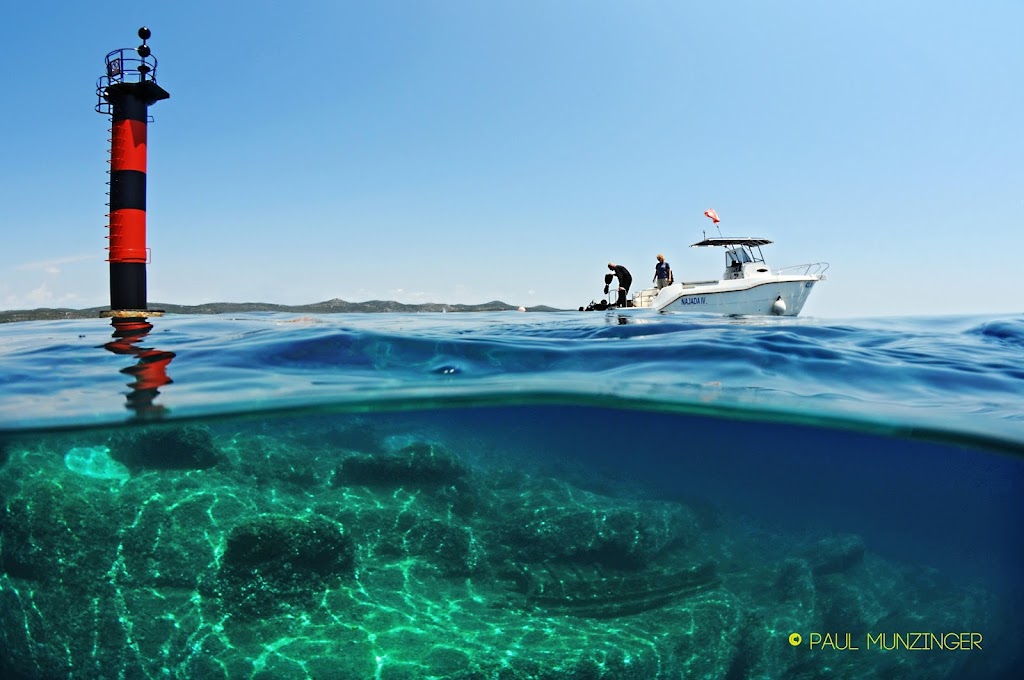
Positioned in the exposed expanse of Murtersko More roughly seven kilometers southwest of Murter Island and north of Žirje, the Čavlin Shallows (Pličina Čavlin) rise near uninhabited Čavlin Islet right astride the ancient eastern Adriatic shipping highway linking Aquileia and northern Italy with central Dalmatia. In 1998, a Murter dive-center co-owner discovered and discreetly reported an unlooted Roman shipwreck resting along the shoal, prompting a five-year systematic rescue excavation led by Croatian underwater archaeologists between 2001 and 2005.
Archaeological dredging of the sand pockets and rocky gullies revealed a remarkably informative late Republican cargo dated to the second half of the 1st century BC: 59 northern Italic Lamboglia 2 wine amphorae (mostly unstoppered for secondary reuse), one North African Punic Dressel 18 amphora, one southern Italic Brindisi amphora, fine galley ceramics, oil lamps, a stone rotary grindstone, lead anchor stocks, three large iron anchors stowed as cargo, and an exquisite stylized bronze duck appliqué from the vessel's bow. Beneath the sand, 36 preserved wooden ribs crafted from elm (Ulmus) alongside the keel confirmed a classic 15-meter Adriatic navis oneraria.
Following completion of the five-year rescue excavation, recovered artifacts were transferred for desalination and museum conservation while the shoal itself remains a rewarding archaeological-context reef dive out of Murter, Betina, and Jezera. Divers trace the exact rocky reef crest, fractured limestone drop-offs, and sand-floored pockets between 12 and 28 meters that snared ancient coasters in stormy jugos and buras, occasionally spotting encrusted ceramic fragments and ballast stones integrated into the reef.
Čavlin Shallows Roman Wreck
Conditions are Poor
4/10
Confidence: 8/10
Indicates meteorological model agreement and data availability.
DIVE WARNING
High Swell Advisory. Not recommended.
06:12
18:45
H: 10:45
L: 16:20
Air / Sea Temp
14° / 19°
Wave Height
2.2 m
Wind Speed
56 km/h NNE
Rain Chance
0%
Current conditions near Čavlin Shallows Roman Wreck show 14° air, 19° sea temperature, 2.2 m waves, and 56 km/h wind. Forecast data is refreshed regularly to ensure accuracy.
Radius: ~12km
Updated: Nov 23, 2026, 03:13 local timeMARINE: OPEN-METEOWEATHER: YR.NO
Best Time to Dive
May through October provides the most reliable sea conditions across Murtersko More, an open basin between Murter, Kornati, Kaprije, and Žirje that can build choppy short-period waves during afternoon winds. Early mornings from June through September offer glassy boat runs of twenty to thirty minutes from Murter or Betina and underwater visibility averaging 25 meters.
Summer water temperatures climb to 23 to 25 degrees Celsius across the 12-meter shoal summit and settle around 18 to 20 degrees Celsius at 28 meters, making Čavlin Shallows noticeably warmer and more forgiving on gas consumption than deeper 45-to-60-meter sites farther offshore.
PEAK SEASON SCORE
90/100
ExcellentScores combine air & water temps, waves, wind & rainfall for overall conditions.
BEST MONTHS TO DIVE
JUN
JUL
AUG
DIVE SCORE GUIDE (0–100)
Excellent (90–100)
Very Good (80–89)
Good (70–79)
Moderate (50–69)
Poor (30–49)
Not Recommended (0–29)
Monthly records compiled from satellite and marine observation nodes over the last 3 years. Data provided by Open-Meteo and MET Norway.
Dive Experience & Conditions
Dropped by boat over the 12-meter rocky crown of the shoal, divers descend into bright, clear water framed by sculpted limestone ledges, undercut boulders, and Posidonia seagrass patches. Navigating down the flanks between 18 and 28 meters reveals sand channels and gravel-filled basins between rock spurs—the exact depositional traps that shielded the Roman ship's elm ribs and amphora stack from two millennia of winter swells.
Because Pličina Čavlin stands exposed in the open channel between the Kornati gateway and the Šibenik archipelago, mild to moderate currents regularly wash across the reef, bringing clean offshore water and concentrating baitfish on the up-current face. The moderate 28-meter maximum depth allows generous no-decompression bottom time to explore both the deeper sand-and-rock pockets and the vibrant shallow boulder ridges during a relaxed multi-level ascent.
Dive Difficulty & Safety Guidelines
Although maximum depth stays within 28 meters, Pličina Čavlin is an open-water shoal exposed to boat traffic transiting Murtersko More toward Kornati National Park. Divers must ascend along the reef crest or deploy a high-visibility delayed surface marker buoy well before surfacing, listening carefully for yacht and speedboat engines.
Currents over the shoal crest can pick up noticeably when afternoon maestral or southeasterly jugo winds freshen. Under Croatian Cultural Heritage Protection Law, any residual amphora sherds or ancient stone ballast encountered in reef crevices must remain completely untouched in situ.
Recommended Equipment
Overhead / entanglement risk. Wreck penetration requires proper training.
- Dive Computer
- DSMB
- Primary & Backup Lights
- Wreck Reel
- Cutting Tool
This gear list is based on verified equipment signals for Čavlin Shallows Roman Wreck, Croatia. Always confirm final gear choices with your dive operator, guide, or liveaboard.
Recommended Dive Suit
Water temperatures at Čavlin Shallows Roman Wreck are currently estimated to be around 19°C (65°F), shaping the overall diving conditions for today. Surface air temperatures are resting at 14°C (57°F).
Many divers choose 5mm wetsuit when diving in similar conditions. Strong winds are present; please take strong precautions against rapid cooling during surface intervals. A thermal robe or jacket is recommended between dives.
Forecast models show minimal temperature variation in the coming days.
Čavlin Shallows Roman Wreck conditions last reviewed: 03:13 local time (UTC+1), Nov 23, 2026
Emergency & Medical Support
Essential information to help you plan your dive trip to Čavlin Shallows Roman Wreck.

Hyperbaric chambers are a critical part of dive safety infrastructure. Availability varies significantly by region, and not all dive areas have immediate access.
Before diving, it's recommended to:
- confirm nearest medical facilities
- check emergency procedures with local dive operators
- ensure dive insurance covers evacuation if required
24/7 Available
Divers Alert Network
Diving emergency assistance available through DAN Europe.
+39 0642115685- 24/7 emergency hotline
- Diving medical assistance
- Evacuation coordination
Emergency contacts are provided for reference. Always verify local emergency services before diving.
Closest Listed Hyperbaric Chambers (≤ 200 km)
Approximate straight-line distances from this dive site — emergency travel times may vary.
76 km76 kmZavod za pomorsku medicinu Split – Odjel za podvodnu i hiperbaričnu medicinu
Split, Croatia24/7ICU194Details76 kmZavod za pomorsku medicinu Split – Odjel za podvodnu i hiperbaričnu medicinu
24/7 ListedICU CapableSplit, Croatia · Multiplace
24/7 Emergency194CollapseHours: 24/7 EmergencyFacility: Zavod za pomorsku medicinu / KBC Split (Križine)ICU On-Site: YesSource: KBC Rijeka / Poliklinika OXY
76 km
Zavod za pomorsku medicinu Split – Odjel za podvodnu i hiperbaričnu medicinu
Split, Croatia24/7ICU194Details
76 km
Zavod za pomorsku medicinu Split – Odjel za podvodnu i hiperbaričnu medicinu
24/7 ListedICU CapableSplit, Croatia · Multiplace
24/7 Emergency194
CollapseHours: 24/7 Emergency
Facility: Zavod za pomorsku medicinu / KBC Split (Križine)
ICU On-Site: Yes
Source: KBC Rijeka / Poliklinika OXY
176 km176 kmPoliklinika za baromedicinu OXY – Poslovna jedinica Crikvenica
Crikvenica, Croatia+385 51 785 229Details176 kmPoliklinika za baromedicinu OXY – Poslovna jedinica Crikvenica
Crikvenica, Croatia · Multiplace
Hours: Mon–Fri 07:30–15:30Facility: Thalassotherapia CrikvenicaICU On-Site: Not reportedSource: KBC Rijeka / Poliklinika OXYOfficial website
176 km
Poliklinika za baromedicinu OXY – Poslovna jedinica Crikvenica
Crikvenica, Croatia+385 51 785 229Details
176 km
Poliklinika za baromedicinu OXY – Poslovna jedinica Crikvenica
Crikvenica, Croatia · Multiplace
Hours: Mon–Fri 07:30–15:30
Facility: Thalassotherapia Crikvenica
ICU On-Site: Not reported
Source: KBC Rijeka / Poliklinika OXY
Official website186 km186 kmPoliklinika za baromedicinu OXY – Podružnica Pula
Pula, Croatia+385 52 215 663Details186 kmPoliklinika za baromedicinu OXY – Podružnica Pula
Pula, Croatia · Multiplace
Hours: Mon–Fri 07:30–15:30Facility: Opća bolnica PulaICU On-Site: Not reportedSource: KBC Rijeka / Poliklinika OXYOfficial website
186 km
Poliklinika za baromedicinu OXY – Podružnica Pula
Pula, Croatia+385 52 215 663Details
186 km
Poliklinika za baromedicinu OXY – Podružnica Pula
Pula, Croatia · Multiplace
Hours: Mon–Fri 07:30–15:30
Facility: Opća bolnica Pula
ICU On-Site: Not reported
Source: KBC Rijeka / Poliklinika OXY
Official websiteChamber data is sourced from official Croatian hospital and baromedicine facility records and has not been independently verified by Dive Navigator. Always contact local emergency services, DAN, your dive operator, or the facility directly before travelling.
Reference onlyMarine Life at Čavlin Shallows Roman Wreck
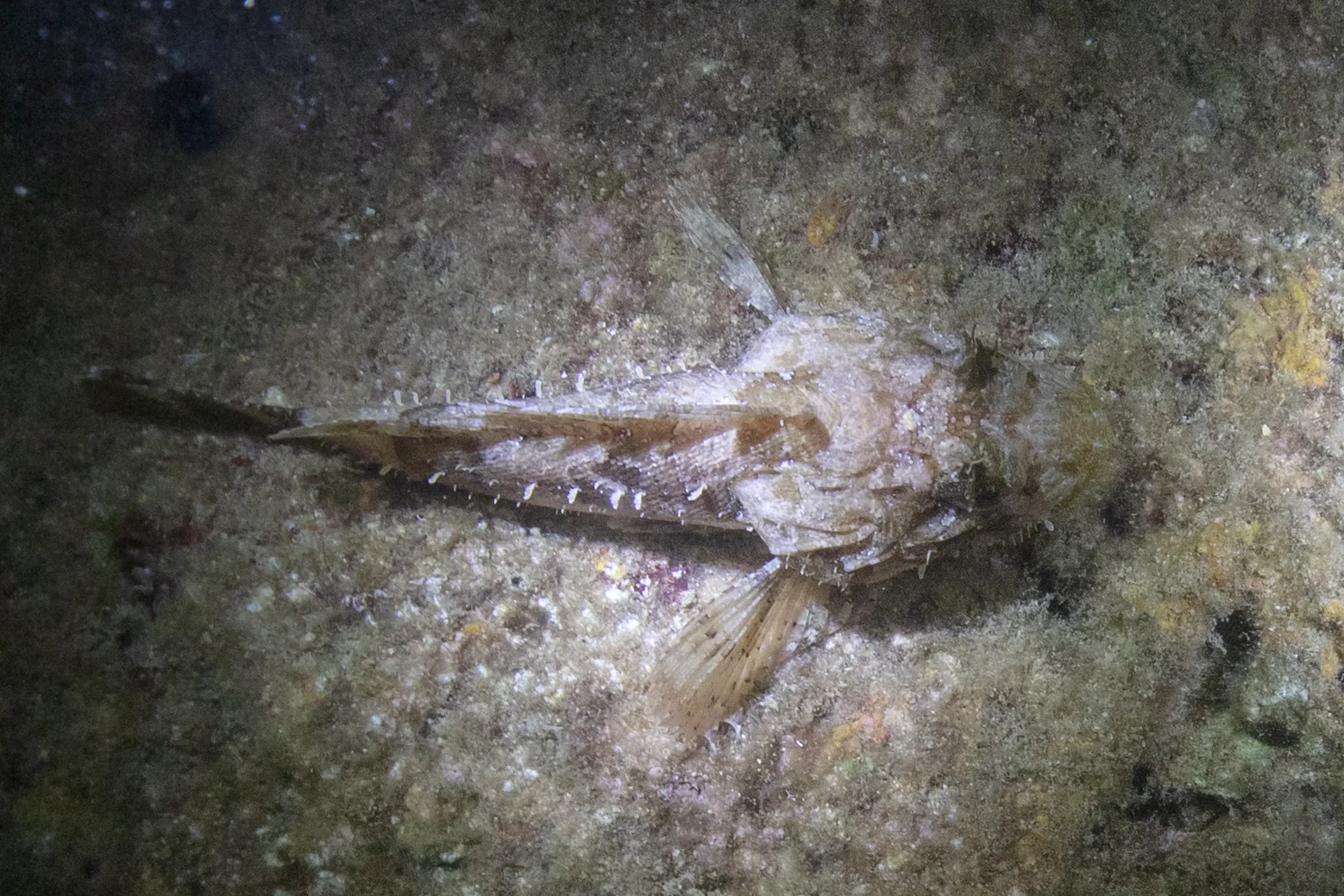
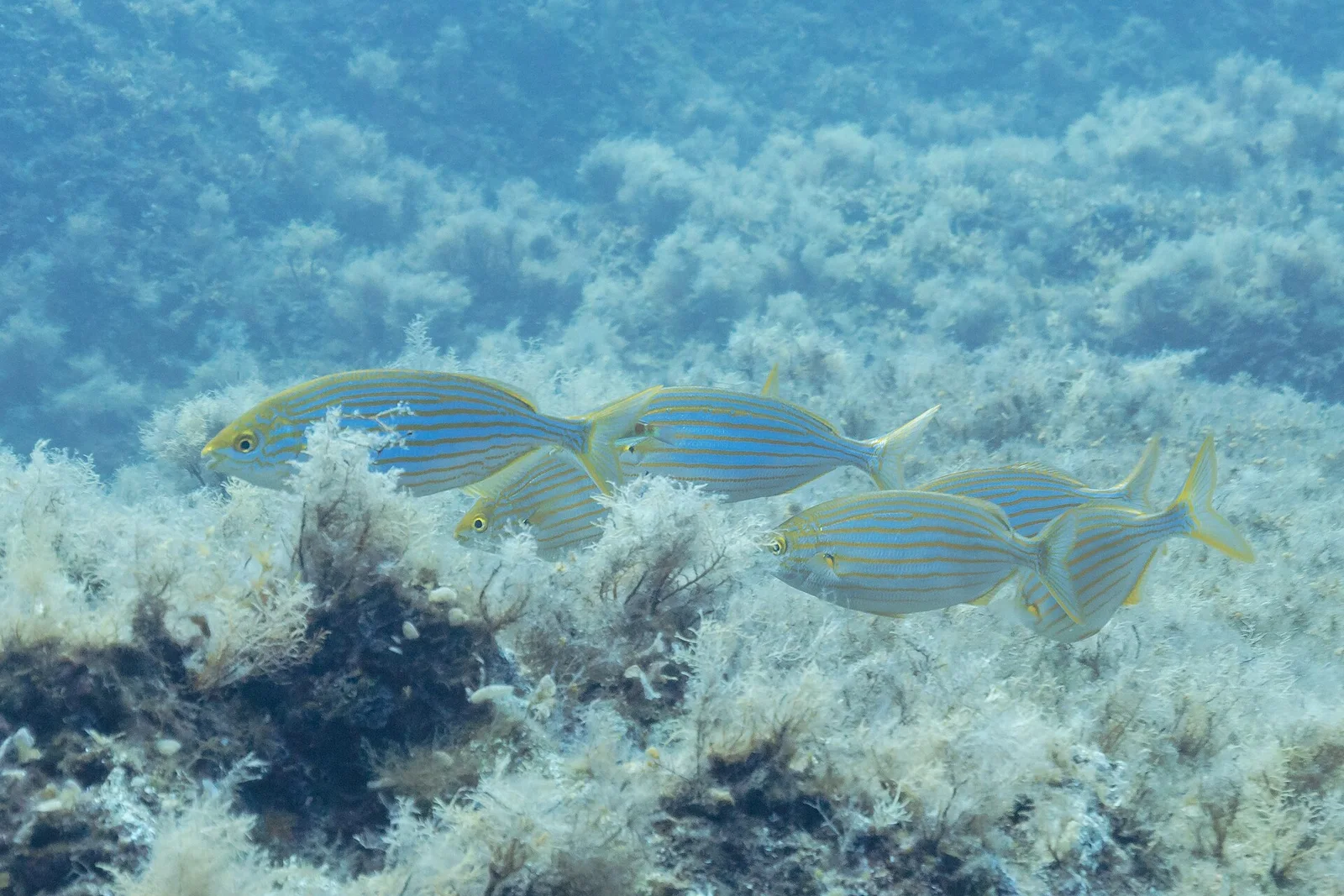
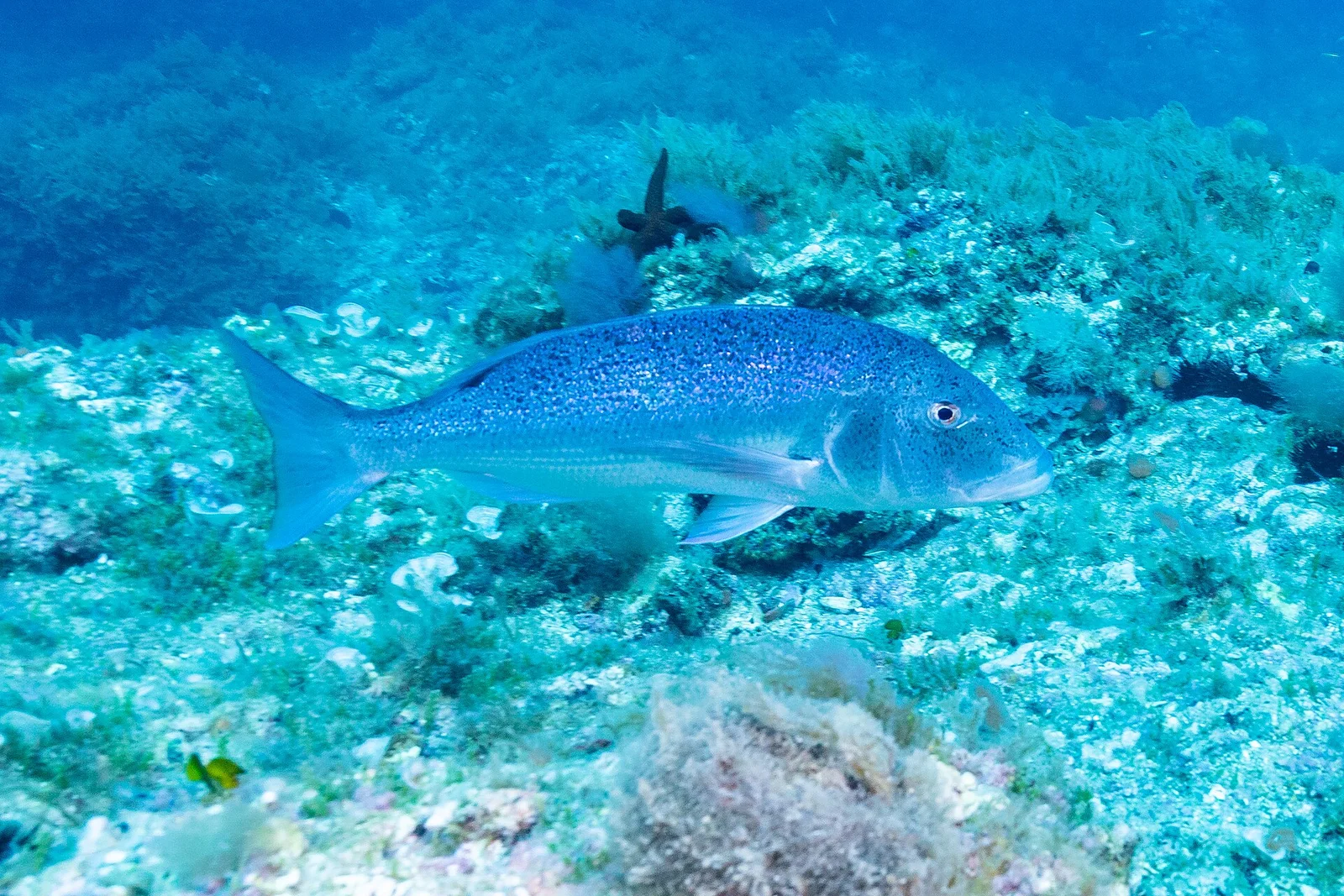
Flushed by clean Murtersko More currents, the shoal's limestone terraces and boulder crevices teem with classic central Dalmatian reef life. Schools of two-banded sea breams, salema, and chromis swirl over the 12-to-16-meter crown, while predatory common dentex and amberjack cruise along the deeper 25-meter drop-off.
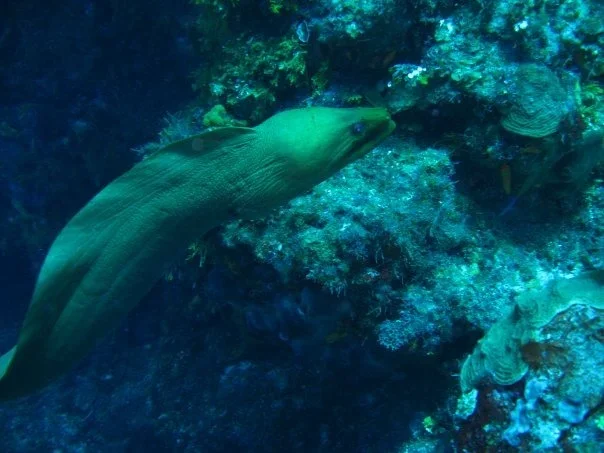
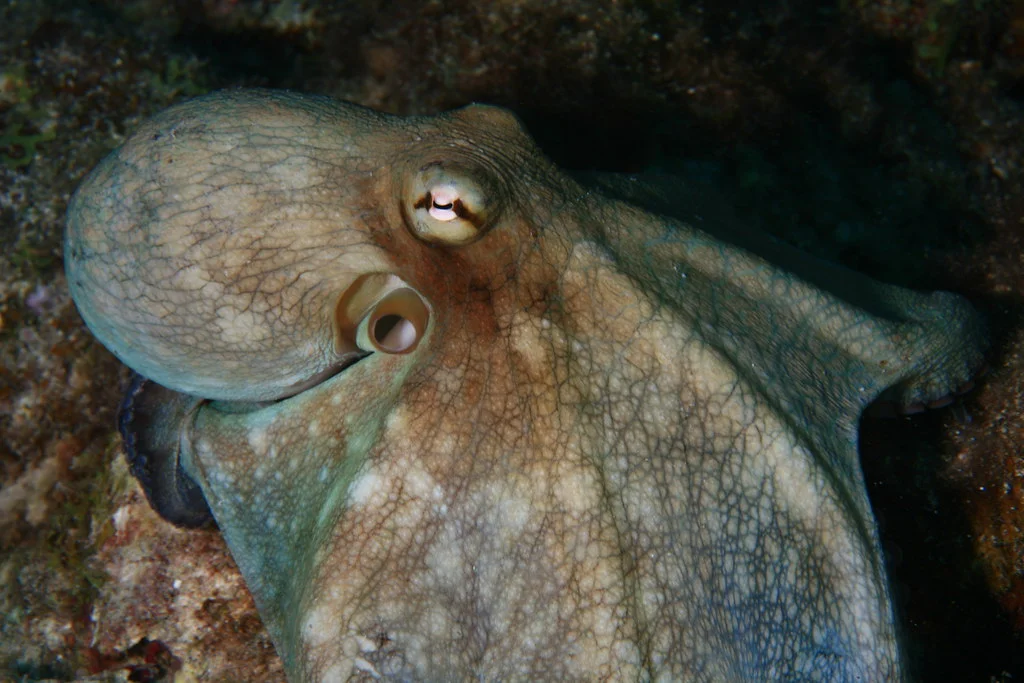
Crevices and undercut rock ledges shelter Mediterranean moray eels, common octopuses, painted combers, and well-camouflaged red scorpionfish resting motionless among coralline algae and orange encrusting sponges. In late spring and early summer, nudibranchs and colorful bryozoans dot shaded rock faces along the deeper gullies.
1 / 2
Image contributors:Diego Delso, laszlo-photo + 1 more
Want to contribute photos or local dive knowledge? Learn how to contributeDive Sites Near Čavlin Shallows Roman Wreck
View all dive sites in CroatiaDiscover more underwater gems in this area.
Dive Centers Near Čavlin Shallows Roman Wreck
Working Hours
SunClosed
Mon08:30 - 15:00
Tue08:30 - 15:00
Wed08:30 - 15:00
Thu08:30 - 15:00
Fri08:30 - 15:00
Sat08:30 - 13:00
Today: 08:30 - 15:00
SunClosed
Mon08:30 - 15:00
Tue08:30 - 15:00
Wed08:30 - 15:00
Thu08:30 - 15:00
Fri08:30 - 15:00
Sat08:30 - 13:00
4.9| 326 reviews
21.6 km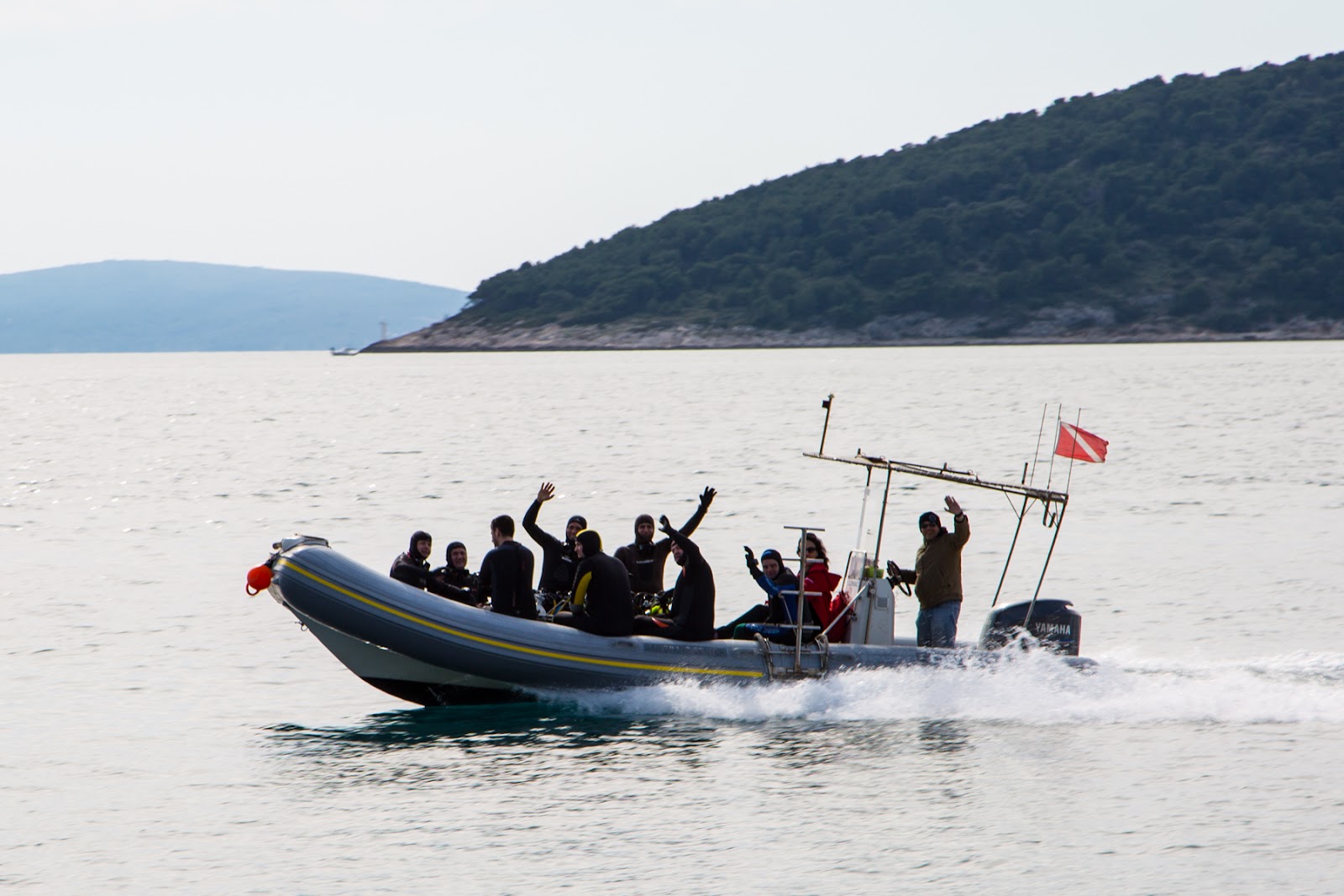
5| 144 reviews
38.4 km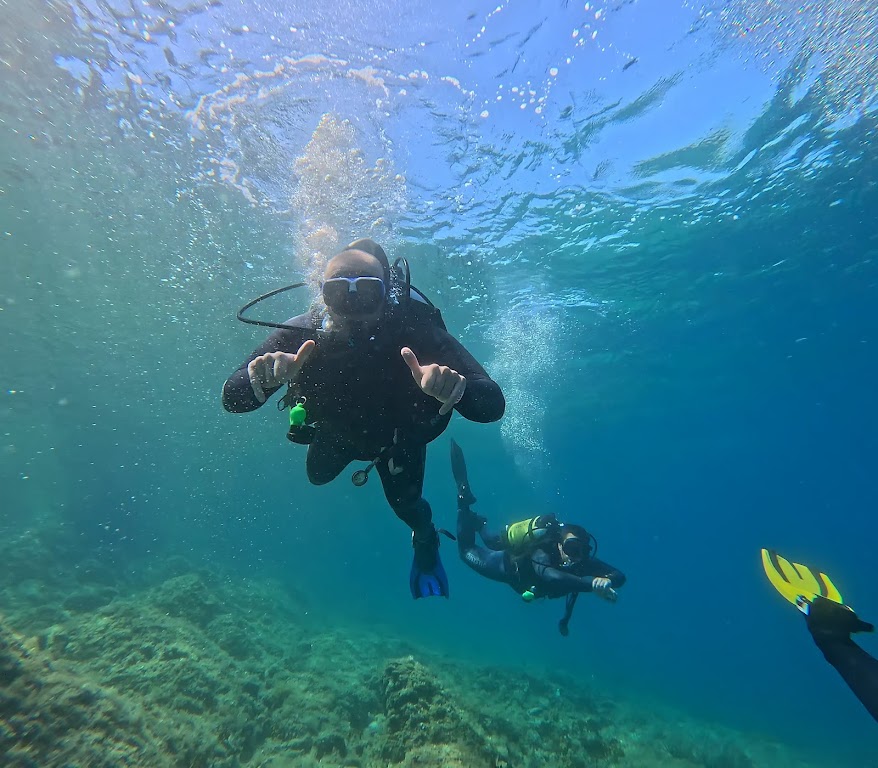
4.6| 136 reviews
41.6 kmNearest Airports
Nearest airports to help plan travel to this dive area.
Zadar Airport ZAD
44 km
Split Saint Jerome Airport SPU
62 km
Brač Airport BWK
102 km
💵 Currency: EUR
Search Flights
Check available flights and routes on Expedia, using the nearby airports listed in this section.
Search Flights on ExpediaAffiliate link · Dive Navigator may earn a commission at no extra cost to you.
Frequently Asked Questions
Are intact amphorae still stacked on the seabed at Čavlin Shallows?
No, during the 2001–2005 systematic rescue excavation, archaeologists documented and recovered the 59 Lamboglia 2 amphorae, anchors, and bronze duck figurehead for conservation, so divers today explore the authentic Roman wreck topography, rocky shoal drop-offs, and scattered reef context.
What is the depth range at Čavlin Shallows?
The rocky shoal rises to approximately 12 meters near its shallowest crown and slopes through terraced ledges and sand pockets down to 28 meters.
How large was the Roman ship that sank on Pličina Čavlin?
Analysis of the 36 preserved elm wood ribs and keel section established that the vessel was a 15-meter Roman merchant ship dating to the second half of the 1st century BC.
Which dive centers run boat trips to Čavlin Shallows?
Licensed dive centers based in Murter, Betina, Jezera, and Vodice reach Čavlin Shallows in roughly twenty to thirty minutes by boat across Murtersko More.
Is a special Ministry of Culture cage permit required to dive Čavlin Shallows?
No special cage permit is required because the rescue excavation concluded in 2005 and the shoal is not enclosed by a restricted underwater cage, though standard Croatian diving regulations and strict non-disturbance rules apply.
What skill level is recommended for diving Čavlin Shallows?
Advanced open-water divers or experienced open-water divers comfortable with boat entries, 25-to-28-meter depths, and occasional open-shoal currents will enjoy the site safely.
Trip Inquiry
Planning to dive Čavlin Shallows Roman Wreck?
Tell us your dates and diving needs. We'll review your request and seek offers from relevant local dive centers.
Request Dive Offers Free request for offers • No booking obligation
Čavlin Shallows Roman Wreck
Conditions are Poor
4/10
Confidence: 8/10
Indicates meteorological model agreement and data availability.
DIVE WARNING
High Swell Advisory. Not recommended.
06:12
18:45
H: 10:45
L: 16:20
Air / Sea Temp
14° / 19°
Wave Height
2.2 m
Wind Speed
56 km/h NNE
Rain Chance
0%
Current conditions near Čavlin Shallows Roman Wreck show 14° air, 19° sea temperature, 2.2 m waves, and 56 km/h wind. Forecast data is refreshed regularly to ensure accuracy.
Radius: ~12km
Updated: Nov 23, 2026, 03:13 local timeMARINE: OPEN-METEOWEATHER: YR.NO


