Loading...

Diving at Kaprije North Cape Cascades (Croatia)
Published
Glide down staircase-like Adriatic limestone walls off northern Kaprije Island, where gorgonian-draped cascades step from 20 meters into 50-meter cobalt depths.
Starting the day at Kaprije North Cape Cascades, the ambient air temperature is recorded at 14°C. Ongoing monitoring shows wave heights measuring 1.6 m. This data represents the current surface conditions for early activities.
Dive Site Location & Key Facts
Site Characteristics
Max Depth50m / 164ft
Entry Typeboat
Water Typesalt
Dive Types
DeepReefWall
Dive Site Overview
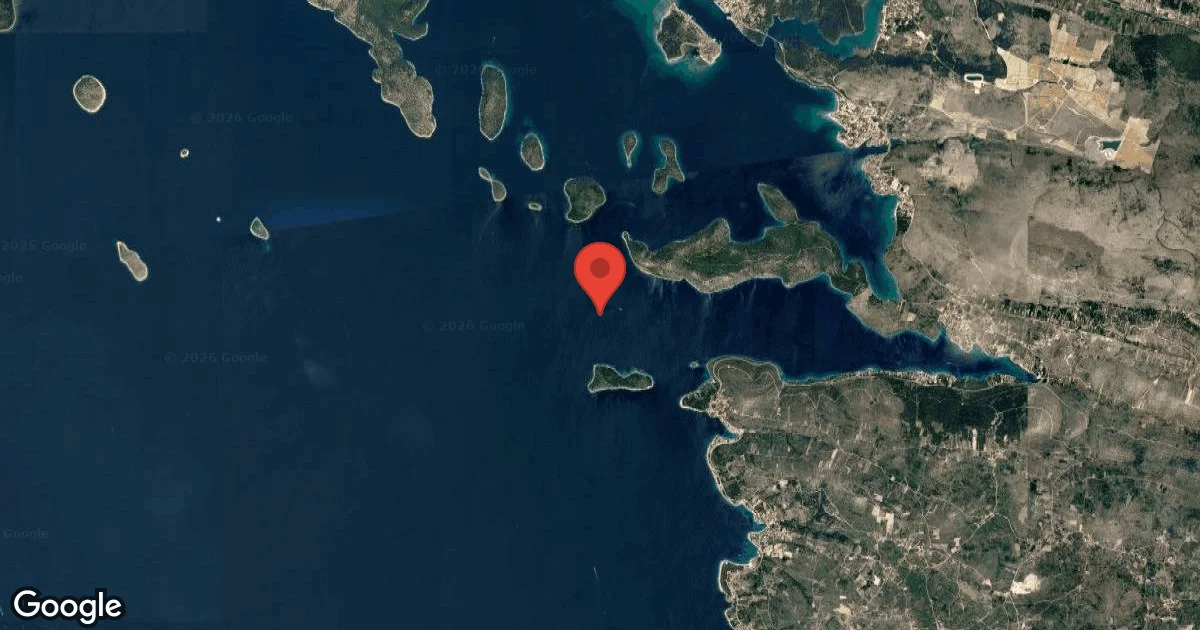
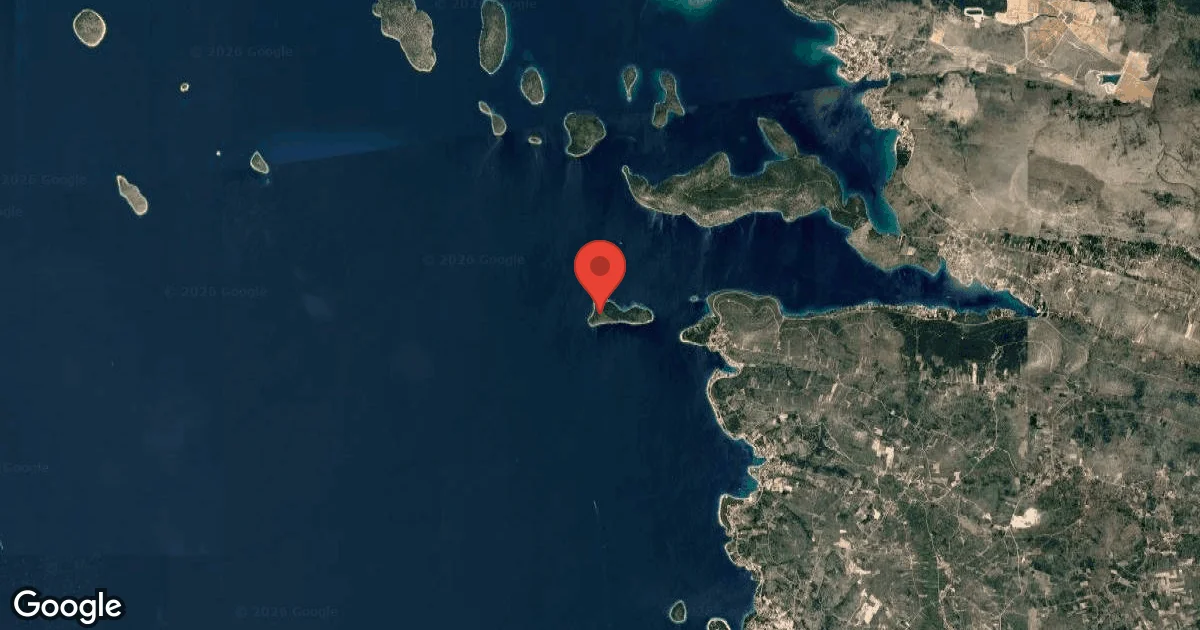
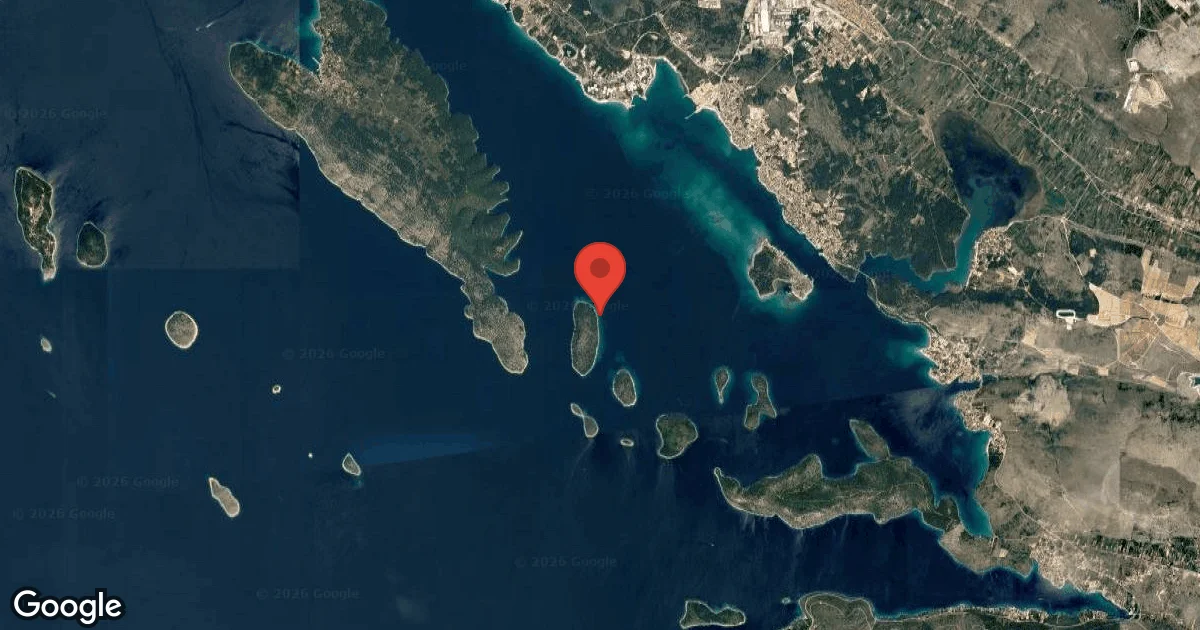
Situated at the northwestern headland of Kaprije Island where Kakanski Kanal meets the open waters of Murtersko More, Kaprije North Cape Cascades is celebrated across central Dalmatia for its sculptural underwater architecture. Unlike sheer, unbroken vertical cliffs that plunge straight into the abyss, the submerged bedrock here fractures into a series of broad horizontal ledges and vertical drop-offs—underwater cascades that begin prominently at 20 meters and step down successively to 50 meters.
Because the cape sits only a few hundred meters west of the famous Francesca da Rimini shipwreck, regional dive centers in Murter, Tisno, Vodice, and Šibenik frequently pair the two sites on two-tank archipelago outings. The shallow headland shelf between 10 and 15 meters provides a sheltered boat anchorage before divers cross the rim into deep blue water.
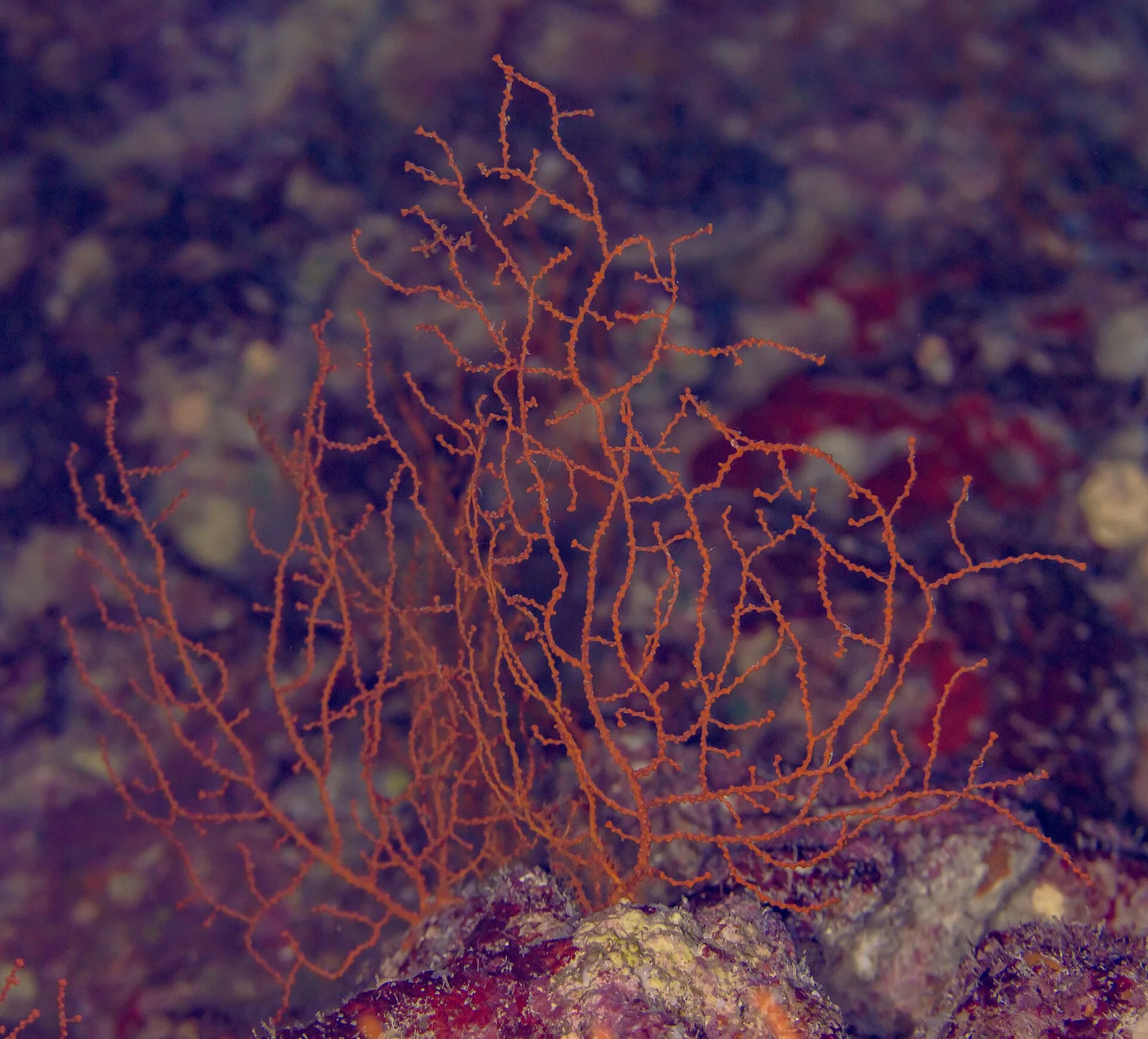
Each stepped terrace hosts a distinct micro-habitat: sunlit upper boulders give way at 18 to 30 meters to undercut overhangs festooned with yellow Eunicella cavolini sea fans and sulfur sponges, while the deeper 35-to-50-meter steps bloom with wide crimson Paramuricea clavata gorgonians and lobster-filled crevices.
Kaprije North Cape Cascades
Conditions are Poor
4/10
Confidence: 8/10
Indicates meteorological model agreement and data availability.
DIVE WARNING
High Wind Advisory (56km/h). Unsafe surface.
06:12
18:45
H: 10:45
L: 16:20
Air / Sea Temp
14° / 19°
Wave Height
2.0 m
Wind Speed
56 km/h NNE
Rain Chance
0%
Current conditions near Kaprije North Cape Cascades show 14° air, 19° sea temperature, 2.0 m waves, and 56 km/h wind. Forecast data is refreshed regularly to ensure accuracy.
Radius: ~12km
Updated: Nov 23, 2026, 03:58 local timeMARINE: OPEN-METEOWEATHER: YR.NO
Best Time to Dive
May through October offers prime diving at Kaprije North Cape, combining warm surface intervals with exceptional underwater transparency that routinely reaches 25 to 30 meters. June and September stand out for tranquil morning seas and active pelagic hunting along the wall face.
During July and August, shallow ledges above 15 meters warm to 24 degrees Celsius, making post-dive safety stops pleasant even after spending bottom time in the 16-to-17-degree-Celsius water below the 22-meter thermocline. When calm summer evenings allow, the upper 15-to-28-meter terraces also make an extraordinary night dive as feather stars and tube anemones unfurl across the rock face.
PEAK SEASON SCORE
90/100
ExcellentScores combine air & water temps, waves, wind & rainfall for overall conditions.
BEST MONTHS TO DIVE
JUN
JUL
AUG
DIVE SCORE GUIDE (0–100)
Excellent (90–100)
Very Good (80–89)
Good (70–79)
Moderate (50–69)
Poor (30–49)
Not Recommended (0–29)
Monthly records compiled from satellite and marine observation nodes over the last 3 years. Data provided by Open-Meteo and MET Norway.
Dive Experience & Conditions
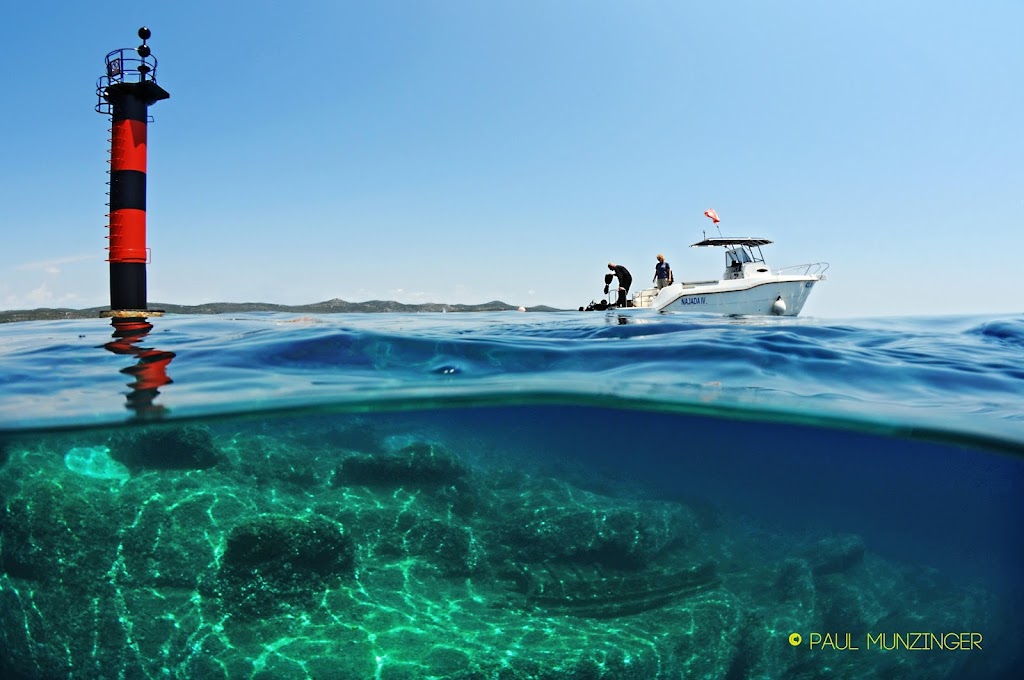
Anchoring over the rocky plateau on the western shoulder of the cape, divers descend into clear water and drop over the first lip at 15 to 20 meters, where an overhanging wall falls to a mid-depth terrace around 30 meters. Advanced open-water divers can cruise comfortably along the 20-to-30-meter steps, while deep-certified divers continue over the outer cascade edge down to 40 meters—with technical divers able to trace the lowest gorgonian steps to 50 meters.
Water clarity is frequently deceptive here, creating an effortless sensation of flight along the contoured limestone steps. Currents sweeping around Cape Kaprije range from gentle to brisk, particularly near the exposed northern tip, so dives are typically planned into any prevailing flow at the start before drifting back along shallower wall steps toward the boat.
Dive Difficulty & Safety Guidelines
Crystal-clear 30-meter visibility along stepped walls can easily tempt divers deeper than planned; monitor your dive computer closely so you remain within your certified depth ceiling (30 meters for advanced open-water divers, 40 meters for deep-specialty divers) and no-decompression limits.
Keep streamlined finning and careful camera trim near overhanging gorgonian fans, as fragile sea-fan branches take decades to regenerate if snapped by careless kicks or dangling gauges. Carry a delayed surface marker buoy in case channel currents carry your ascent slightly off the cape anchorage.
Recommended Equipment
Technical depth range. Advanced planning, gas management, and appropriate certification required.
- Dive Computer
- DSMB
- Primary & Backup Lights
This gear list is based on verified equipment signals for Kaprije North Cape Cascades, Croatia. Always confirm final gear choices with your dive operator, guide, or liveaboard.
Recommended Dive Suit
Comfort levels can also depend on how active a diver is during the dive.
The water around Kaprije North Cape Cascades is currently holding at approximately 19°C (65°F), setting the tone for today's dives. Surface air temperatures are resting at 14°C (57°F). When water temperatures fall within this range, many divers dive comfortably with 5mm wetsuit. Strong winds are present; please take strong precautions against rapid cooling during surface intervals. A thermal robe or jacket is recommended between dives.
Weather projections show fairly stable environmental conditions ahead.
Kaprije North Cape Cascades conditions last reviewed: 03:58 local time (UTC+1), Nov 23, 2026
Emergency & Medical Support
Essential information to help you plan your dive trip to Kaprije North Cape Cascades.

Hyperbaric chambers are a critical part of dive safety infrastructure. Availability varies significantly by region, and not all dive areas have immediate access.
Before diving, it's recommended to:
- confirm nearest medical facilities
- check emergency procedures with local dive operators
- ensure dive insurance covers evacuation if required
24/7 Available
Divers Alert Network
Diving emergency assistance available through DAN Europe.
+39 0642115685- 24/7 emergency hotline
- Diving medical assistance
- Evacuation coordination
Emergency contacts are provided for reference. Always verify local emergency services before diving.
Closest Listed Hyperbaric Chambers (≤ 200 km)
Approximate straight-line distances from this dive site — emergency travel times may vary.
69 km69 kmZavod za pomorsku medicinu Split – Odjel za podvodnu i hiperbaričnu medicinu
Split, Croatia24/7ICU194Details69 kmZavod za pomorsku medicinu Split – Odjel za podvodnu i hiperbaričnu medicinu
24/7 ListedICU CapableSplit, Croatia · Multiplace
24/7 Emergency194CollapseHours: 24/7 EmergencyFacility: Zavod za pomorsku medicinu / KBC Split (Križine)ICU On-Site: YesSource: KBC Rijeka / Poliklinika OXY
69 km
Zavod za pomorsku medicinu Split – Odjel za podvodnu i hiperbaričnu medicinu
Split, Croatia24/7ICU194Details
69 km
Zavod za pomorsku medicinu Split – Odjel za podvodnu i hiperbaričnu medicinu
24/7 ListedICU CapableSplit, Croatia · Multiplace
24/7 Emergency194
CollapseHours: 24/7 Emergency
Facility: Zavod za pomorsku medicinu / KBC Split (Križine)
ICU On-Site: Yes
Source: KBC Rijeka / Poliklinika OXY
181 km181 kmPoliklinika za baromedicinu OXY – Poslovna jedinica Crikvenica
Crikvenica, Croatia+385 51 785 229Details181 kmPoliklinika za baromedicinu OXY – Poslovna jedinica Crikvenica
Crikvenica, Croatia · Multiplace
Hours: Mon–Fri 07:30–15:30Facility: Thalassotherapia CrikvenicaICU On-Site: Not reportedSource: KBC Rijeka / Poliklinika OXYOfficial website
181 km
Poliklinika za baromedicinu OXY – Poslovna jedinica Crikvenica
Crikvenica, Croatia+385 51 785 229Details
181 km
Poliklinika za baromedicinu OXY – Poslovna jedinica Crikvenica
Crikvenica, Croatia · Multiplace
Hours: Mon–Fri 07:30–15:30
Facility: Thalassotherapia Crikvenica
ICU On-Site: Not reported
Source: KBC Rijeka / Poliklinika OXY
Official website192 km192 kmPoliklinika za baromedicinu OXY – Podružnica Pula
Pula, Croatia+385 52 215 663Details192 kmPoliklinika za baromedicinu OXY – Podružnica Pula
Pula, Croatia · Multiplace
Hours: Mon–Fri 07:30–15:30Facility: Opća bolnica PulaICU On-Site: Not reportedSource: KBC Rijeka / Poliklinika OXYOfficial website
192 km
Poliklinika za baromedicinu OXY – Podružnica Pula
Pula, Croatia+385 52 215 663Details
192 km
Poliklinika za baromedicinu OXY – Podružnica Pula
Pula, Croatia · Multiplace
Hours: Mon–Fri 07:30–15:30
Facility: Opća bolnica Pula
ICU On-Site: Not reported
Source: KBC Rijeka / Poliklinika OXY
Official websiteChamber data is sourced from official Croatian hospital and baromedicine facility records and has not been independently verified by Dive Navigator. Always contact local emergency services, DAN, your dive operator, or the facility directly before travelling.
Reference onlyMarine Life at Kaprije North Cape Cascades
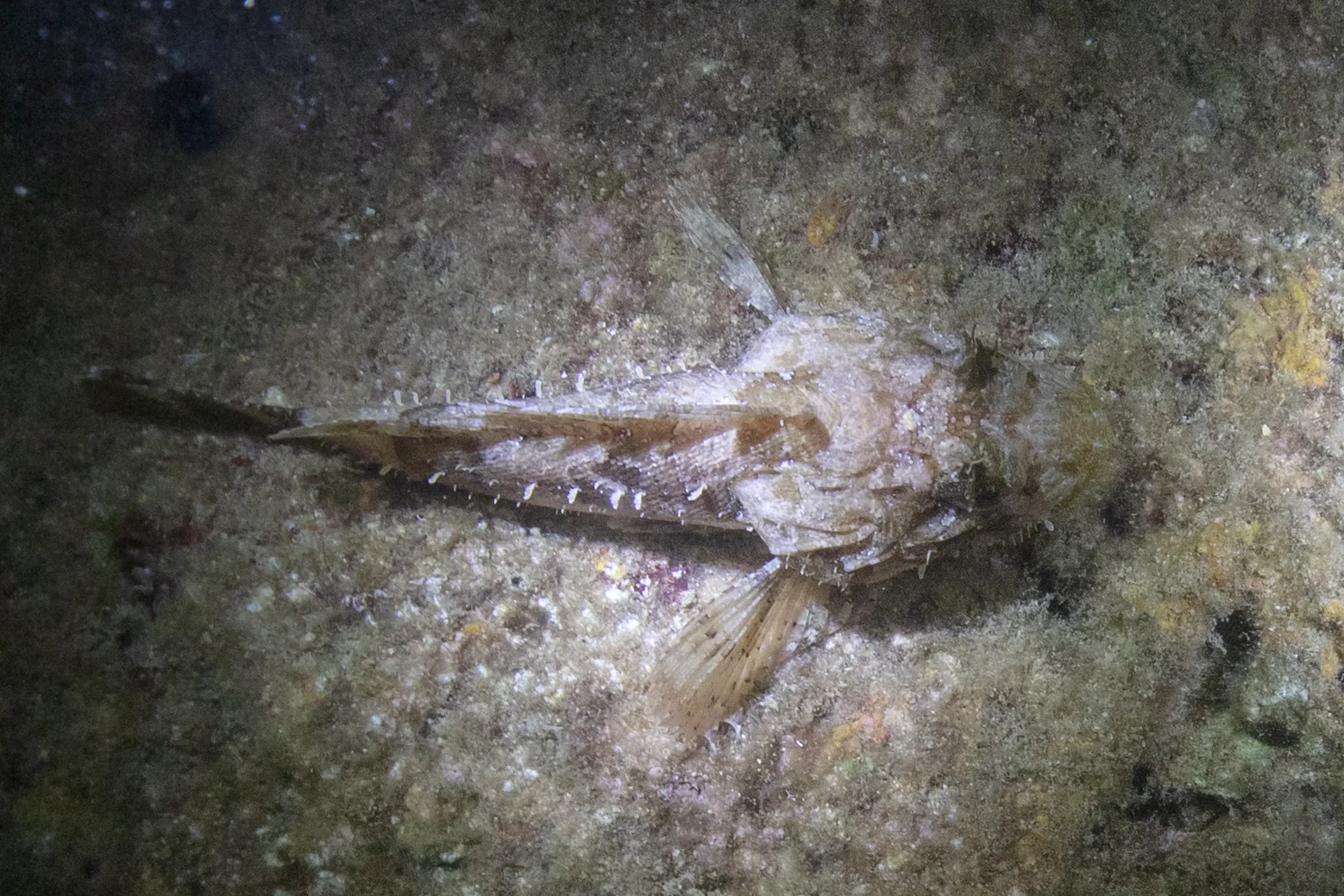
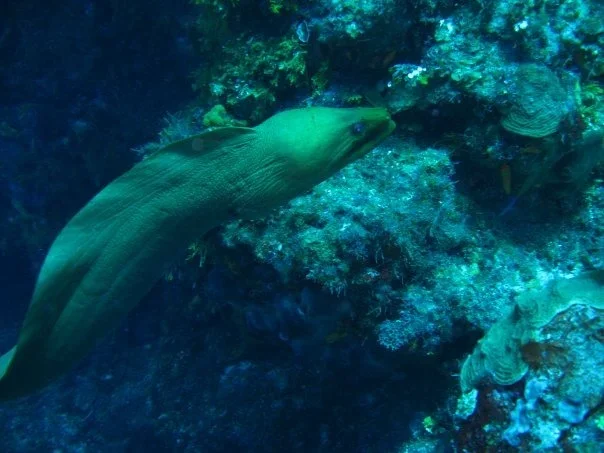
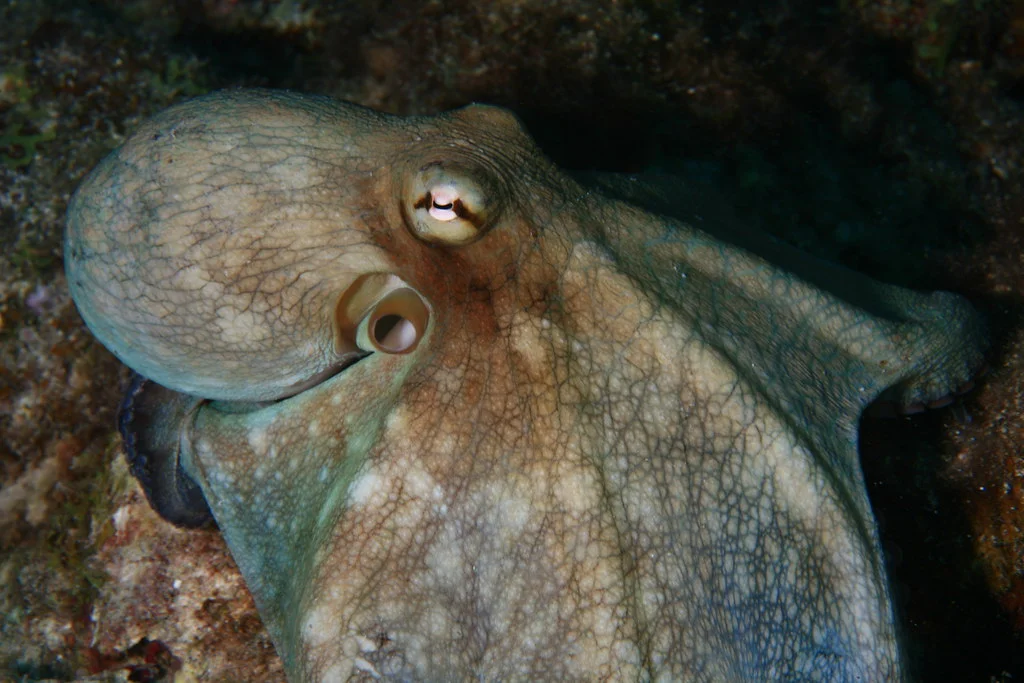
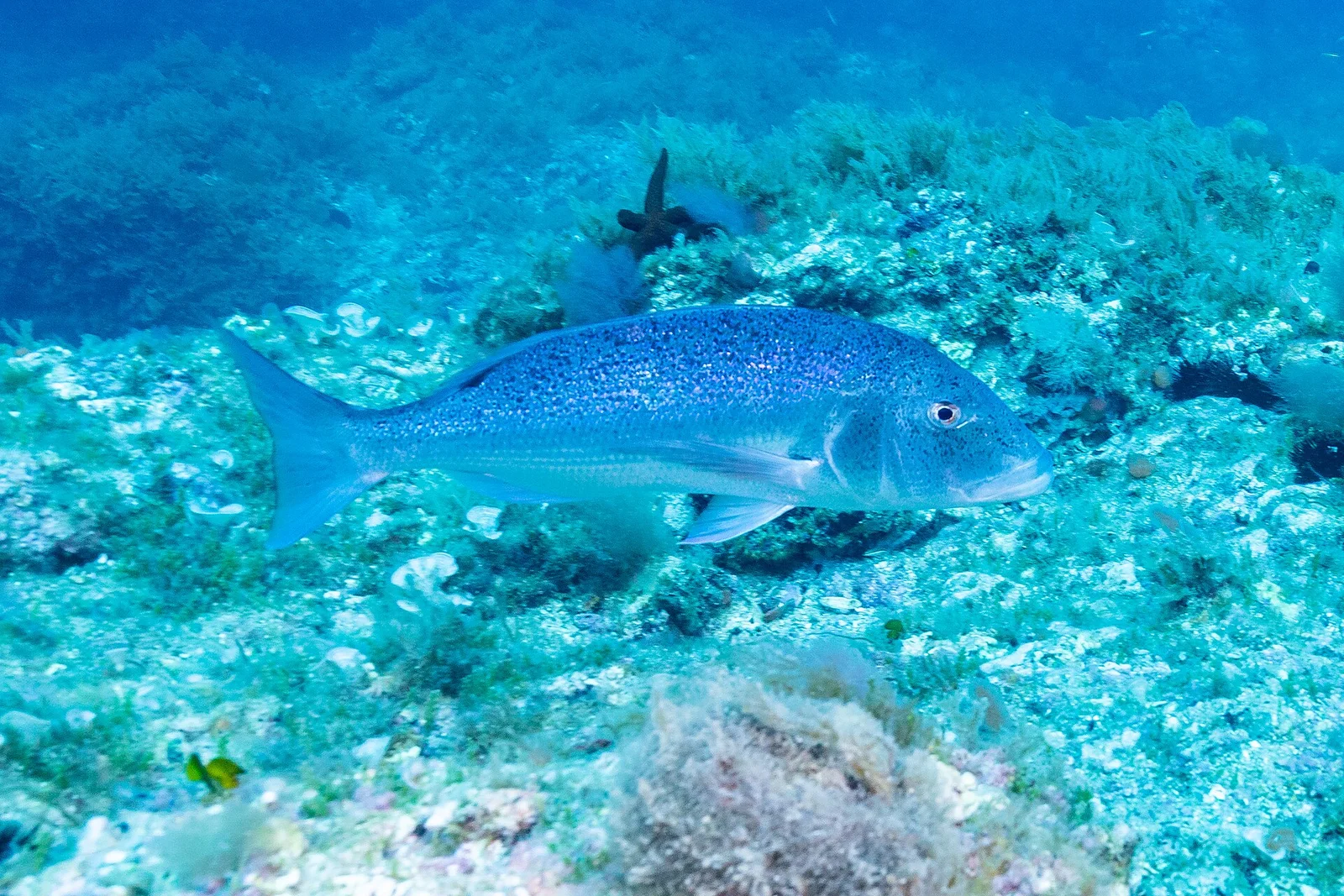
The contrast of bright yellow gorgonians, deep purple-red sea fans, and orange encrusting sponges against royal-blue Adriatic water makes Kaprije North Cape a premier wide-angle photography wall. Deep horizontal fissures and small caverns between 25 and 45 meters shelter long antennae of European lobsters, common octopuses, Mediterranean moray eels, and red scorpionfish.
Clouds of damselfish and magenta swallowtail seaperch (Anthias anthias) dance along the cascade rims, while rainbow wrasses patrol the upper plateau and silvery schools of dentex and sea breams cruise past in the open blue. On night dives along the upper wall, cylinder anemones and feeding crinoids open in vivid display.
1 / 2
Image contributors:Diego Delso, laszlo-photo + 2 more
Want to contribute photos or local dive knowledge? Learn how to contributeDive Sites Near Kaprije North Cape Cascades
View all dive sites in CroatiaDiscover more underwater gems in this area.
Max 53 m
0.6 km
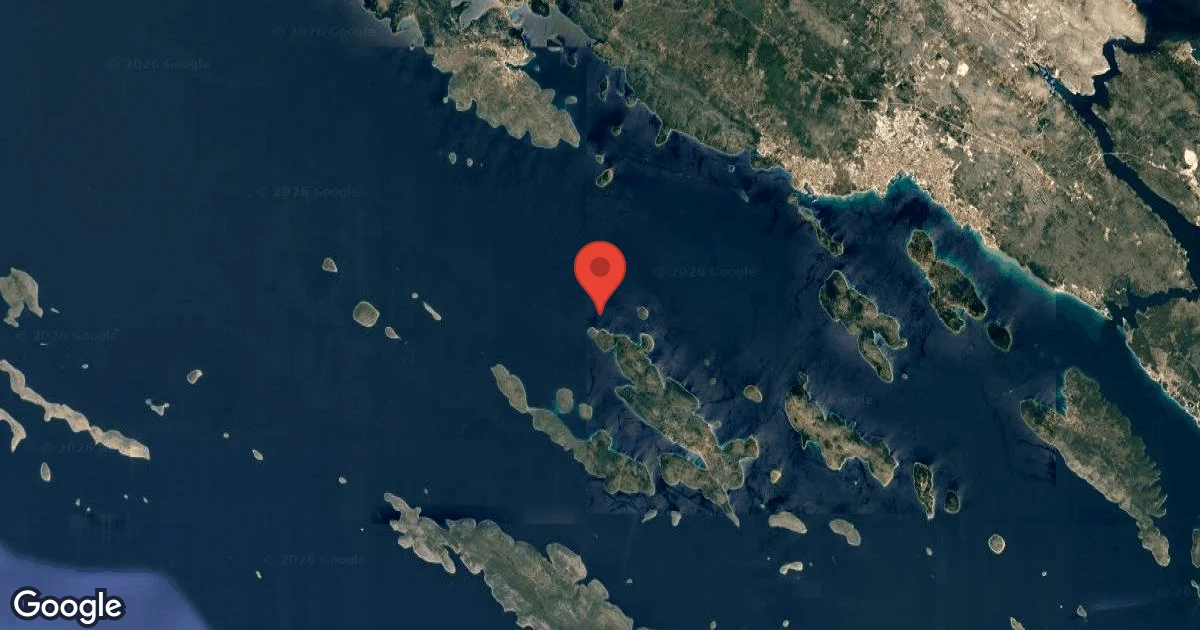
advancedFrancesca da Rimini
BoatDown Line
Max 28 m
7.4 km
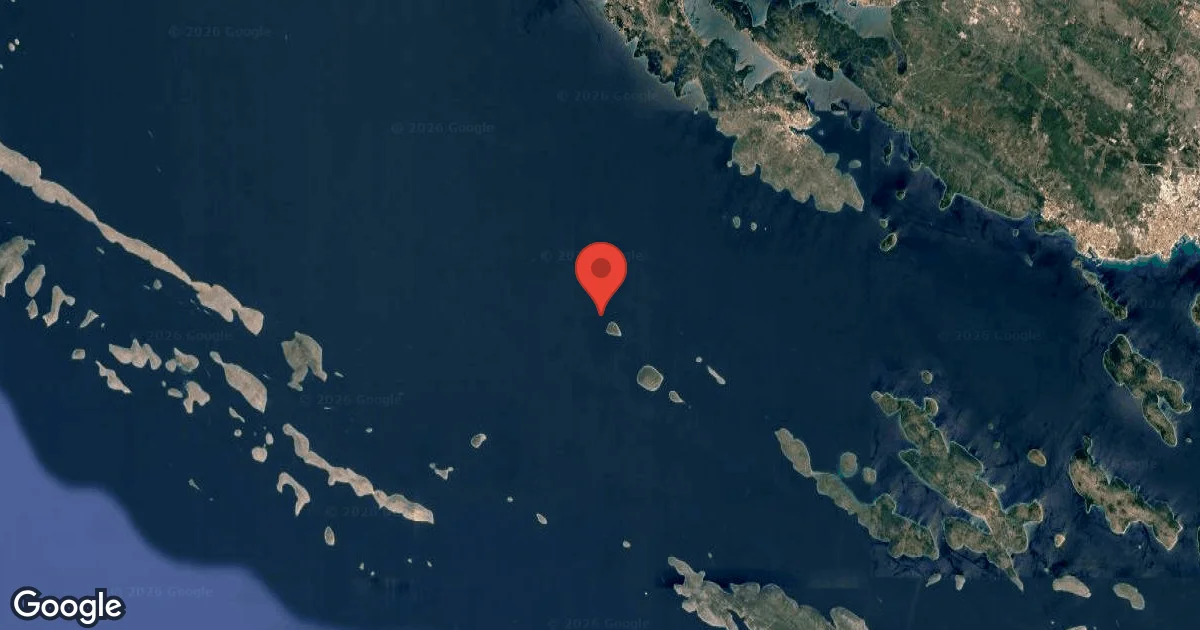
intermediateČavlin Shallows Roman Wreck
BoatOcean
Max 32 m
7.5 km
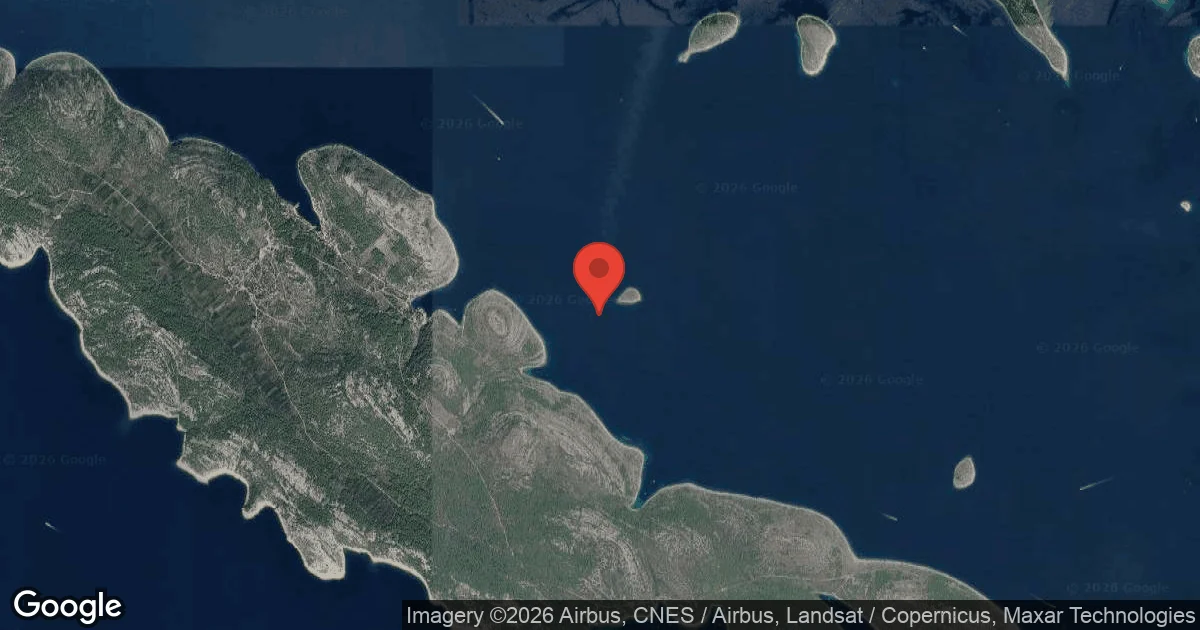
intermediateKoromašna Bay Roman Wreck
BoatDown Line
Max 40 m
20.9 km
advancedCathedral Reef Primošten
BoatCanyon
Max 36 m
21.3 km
advancedTmara Island Cave & Wall
BoatOcean
Max 24 m
18.4 km
intermediateDrvenik Island Siphon Cave
BoatChannel
Max 53 m
0.6 km
advancedFrancesca da Rimini
BoatDown Line
Max 28 m
7.4 km
intermediateČavlin Shallows Roman Wreck
BoatOcean
Max 32 m
7.5 km
intermediateKoromašna Bay Roman Wreck
BoatDown Line
Max 40 m
20.9 km
advancedCathedral Reef Primošten
BoatCanyon
Max 36 m
21.3 km
advancedTmara Island Cave & Wall
BoatOcean
Max 24 m
18.4 km
intermediateDrvenik Island Siphon Cave
BoatChannel
Dive Centers Near Kaprije North Cape Cascades
Working Hours
SunClosed
Mon08:30 - 15:00
Tue08:30 - 15:00
Wed08:30 - 15:00
Thu08:30 - 15:00
Fri08:30 - 15:00
Sat08:30 - 13:00
Today: 08:30 - 15:00
SunClosed
Mon08:30 - 15:00
Tue08:30 - 15:00
Wed08:30 - 15:00
Thu08:30 - 15:00
Fri08:30 - 15:00
Sat08:30 - 13:00
4.9| 326 reviews
26.6 km
5| 144 reviews
31.7 km
4.6| 136 reviews
47.3 kmNearest Airports
Nearest airports to help plan travel to this dive area.
Zadar Airport ZAD
49 km
Split Saint Jerome Airport SPU
55 km
Brač Airport BWK
95 km
💵 Currency: EUR
Search Flights
Check available flights and routes on Expedia, using the nearby airports listed in this section.
Search Flights on ExpediaAffiliate link · Dive Navigator may earn a commission at no extra cost to you.
Frequently Asked Questions
What is the depth profile of Kaprije North Cape Cascades?
Below a shallow 10-to-15-meter anchorage shelf, the main terraced cascades start at 20 meters and step down in successive vertical walls and plateaus to a maximum depth of 50 meters.
Can intermediate divers enjoy Kaprije North Cape without going to 50 meters?
Yes, the stepped terrace geometry allows advanced open-water divers to stay along the rich 15-to-30-meter upper cascades and overhangs, while deep-specialty divers explore the 30-to-40-meter gorgonian zone.
How close is Kaprije North Cape Cascades to the Francesca da Rimini wreck?
The cascades lie just off the northwestern cape of Kaprije only a few hundred meters from Francesca da Rimini, making them a classic two-dive combination trip.
Is night diving possible at Kaprije North Cape?
Yes, in calm weather the upper 15-to-25-meter plateau and first wall step offer an outstanding boat night dive featuring open tube anemones, feather stars, octopuses, and hunting crustaceans.
Are permits needed to dive Kaprije North Cape Cascades?
No special archaeological or national park concession is required for the natural cascades, unlike the restricted Francesca da Rimini wreck nearby.
Are there currents at the northern tip of Kaprije?
Mild to moderate channel currents occur regularly around the exposed cape where Kakanski Kanal meets Murtersko More, so diving with an experienced local boat skipper and carrying a surface marker buoy is recommended.
Trip Inquiry
Planning to dive Kaprije North Cape Cascades?
Tell us your dates and diving needs. We'll review your request and seek offers from relevant local dive centers.
Request Dive Offers Free request for offers • No booking obligation
Kaprije North Cape Cascades
Conditions are Poor
4/10
Confidence: 8/10
Indicates meteorological model agreement and data availability.
DIVE WARNING
High Wind Advisory (56km/h). Unsafe surface.
06:12
18:45
H: 10:45
L: 16:20
Air / Sea Temp
14° / 19°
Wave Height
2.0 m
Wind Speed
56 km/h NNE
Rain Chance
0%
Current conditions near Kaprije North Cape Cascades show 14° air, 19° sea temperature, 2.0 m waves, and 56 km/h wind. Forecast data is refreshed regularly to ensure accuracy.
Radius: ~12km
Updated: Nov 23, 2026, 03:58 local timeMARINE: OPEN-METEOWEATHER: YR.NO


