Loading...

Diving at Koromašna Bay Roman Wreck (Croatia)
Published
Hover above a preserved 2nd-century BC cargo of horn-handled Roman amphorae off Žirje Island's Koromašna Bay, one of Croatia's eight signature underwater museum sites.
Current morning readings from Koromašna Bay Roman Wreck indicate an air temperature of 16°C. Surface wave heights are averaging around 0.7 m at this time. These local measurements provide a baseline for your daily dive planning.
Dive Site Location & Key Facts
Site Characteristics
Max Depth32m / 105ft
Entry Typeboat
Water Typesalt
Dive Types
ArchaeologicalDeepWreck
Dive Site Overview
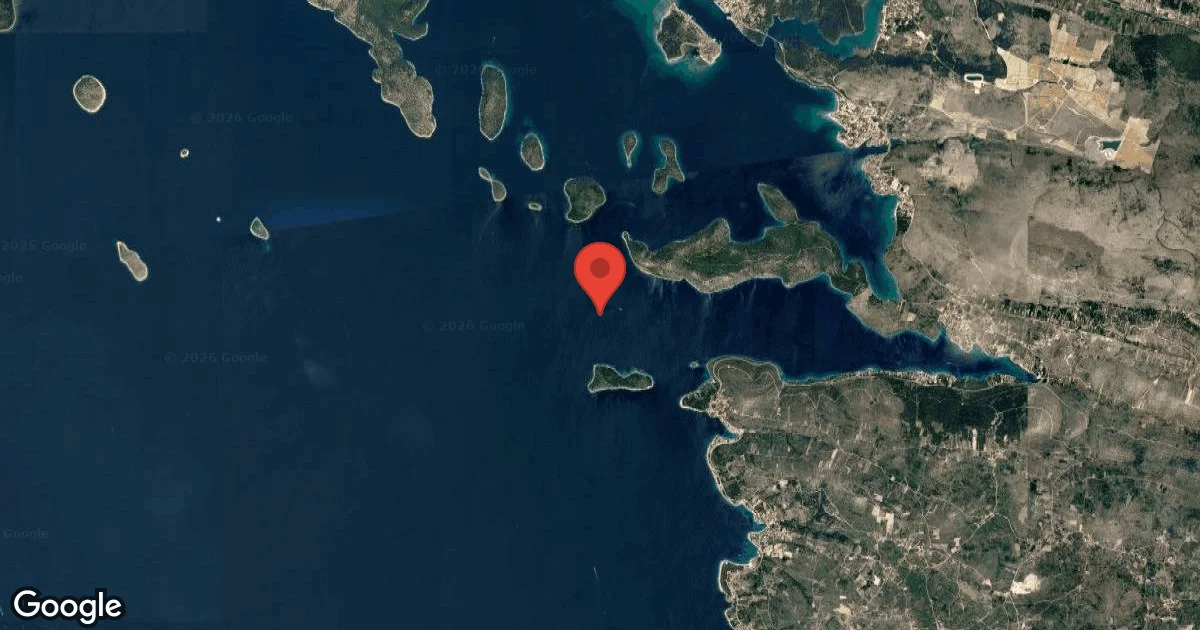
On the northeastern coast of Žirje—the outermost inhabited island of the Šibenik archipelago—sheltered Koromašna Bay served ancient mariners for centuries as a refuge along the eastern Adriatic trade corridor. Just off the bay entrance near Koromašna Islet, at a depth of 27 to 32 meters, lies a rare unlooted 2nd-century BC Roman merchant shipwreck whose cargo mound of roughly one hundred amphorae survived intact on the sandy-rocky slope.
What makes the Koromašna cargo archaeologically exceptional across the Mediterranean is its distinctive assemblage of horn-handled Dressel 34 amphorae alongside Eastern Mediterranean Riley ER1 transport jars, illuminating Hellenistic-era commercial links between Aegean and Levantine ports and Roman Dalmatia. Recognizing its vulnerability to souvenir hunters, the Croatian Conservation Institute enclosed the wreck in a rigid welded-iron cage in 1998 as one of eight pioneering in-situ underwater museums in Croatia.
On December 8, 2011, underwater conservators replaced the overgrown original structure with an upgraded 17-by-9-meter galvanized steel cage protected with anti-corrosive coatings and zinc sacrificial anodes, complete with researcher access gates and a visitor information plaque. Divers swim effortlessly around the perimeter and over the wide mesh roof, enjoying unobstructed close-up views and photography angles of the encrusted amphora pile without ever disturbing the 2,100-year-old site.
Koromašna Bay Roman Wreck
Conditions are Poor
4/10
Confidence: 8/10
Indicates meteorological model agreement and data availability.
DIVE WARNING
High Wind Advisory (58km/h). Unsafe surface.
06:12
18:45
H: 10:45
L: 16:20
Air / Sea Temp
16° / 19°
Wave Height
1.6 m
Wind Speed
58 km/h N
Rain Chance
50%
Current conditions near Koromašna Bay Roman Wreck show 16° air, 19° sea temperature, 1.6 m waves, and 58 km/h wind. Forecast data is refreshed regularly to ensure accuracy.
Radius: ~12km
Updated: Nov 22, 2026, 10:48 local timeMARINE: OPEN-METEOWEATHER: YR.NO
Best Time to Dive
May through October is the optimal season for visiting Koromašna Bay, as eastern Žirje enjoys partial lee protection from westerly open-sea swells while remaining accessible to dive boats running out of Vodice, Tribunj, Tisno, Murter, and Šibenik. Calm mornings in June, July, and September consistently yield 25-meter horizontal visibility, allowing divers to take in the entire 17-meter protective cage in a single panoramic view.
Surface temperatures reach 23 to 25 degrees Celsius in midsummer, cooling to 17 to 19 degrees Celsius around the 30-meter amphora mound below the seasonal thermocline. Strong winter and autumn bura winds blow directly into the northeastern bays of Žirje, making summer high-pressure periods far more dependable.
PEAK SEASON SCORE
85/100
Very GoodScores combine air & water temps, waves, wind & rainfall for overall conditions.
BEST MONTHS TO DIVE
JUN
JUL
AUG
DIVE SCORE GUIDE (0–100)
Excellent (90–100)
Very Good (80–89)
Good (70–79)
Moderate (50–69)
Poor (30–49)
Not Recommended (0–29)
Monthly records compiled from satellite and marine observation nodes over the last 3 years. Data provided by Open-Meteo and MET Norway.
Dive Experience & Conditions
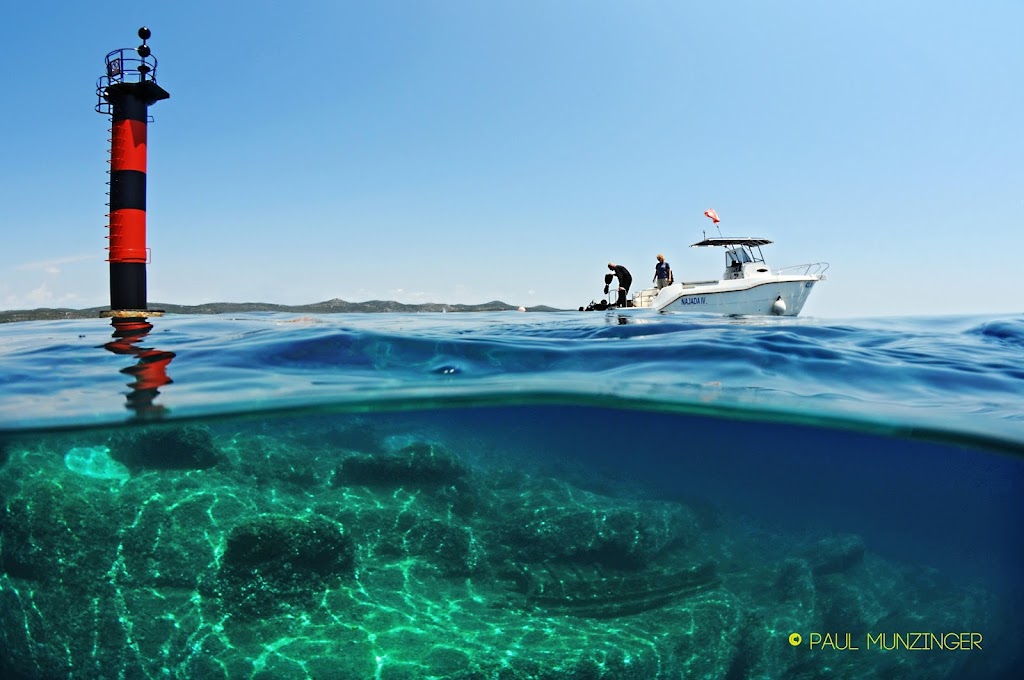
Guided dive boats moor near the mouth of Koromašna Bay and brief divers on the layout and heritage rules before descending a line down the gently sloping rocky-sand seabed. Emerging through clear blue water at 25 meters, the geometric outline of the 17-by-9-meter steel cage frames dense clusters of calcified Roman amphora necks, distinctive horned handles, and pointed bases resting in their ancient stowage footprint.
Currents inside the eastern lee of Žirje are generally mild, giving underwater photographers steady hovering conditions around all four sides and across the top grid of the cage at 27 to 32 meters. After 15 to 20 minutes inspecting the amphorae and reading the underwater plaque, divers ascend slowly up the adjacent coastal rocky slope and seagrass beds of Koromašna Bay to complete a scenic safety stop in warm shallow water.
Dive Difficulty & Safety Guidelines
Koromašna Bay Roman Wreck is a legally protected cultural monument of the Republic of Croatia under UNESCO in-situ preservation standards; diving is restricted exclusively to excursions led by dive centers holding an active Ministry of Culture concession permit. Reaching through the cage bars, resting fins or camera rigs on the galvanized frame, or disturbing sediments around the perimeter is strictly prohibited.
At 27 to 32 meters, no-decompression limits on air require attentive dive-computer monitoring, making enriched air nitrox an ideal gas choice for extending bottom time safely over the amphorae. Maintain neutral buoyancy a meter above the top grid to protect encrusting marine organisms and preserve crystal-clear visibility for fellow divers.
Recommended Equipment
Deep dive hazard. Increased narcosis and gas consumption risk.
Overhead / entanglement risk. Wreck penetration requires proper training.
- Dive Computer
- DSMB
- Primary & Backup Lights
- Wreck Reel
- Cutting Tool
This gear list is based on verified equipment signals for Koromašna Bay Roman Wreck, Croatia. Always confirm final gear choices with your dive operator, guide, or liveaboard.
Recommended Dive Suit
Divers visiting Koromašna Bay Roman Wreck today can expect water conditions around 19°C (66°F). Surface air temperatures are resting at 16°C (61°F).
For the majority of recreational dives here, 5mm wetsuit should provide suitable protection. Consider warmer surface protection (like a boat coat) due to brisk winds. A thermal robe or jacket is recommended between dives.
Environmental conditions are expected to remain consistent in the short-term outlook.
Koromašna Bay Roman Wreck conditions last reviewed: 10:48 local time (UTC+1), Nov 22, 2026
Emergency & Medical Support
Essential information to help you plan your dive trip to Koromašna Bay Roman Wreck.

Hyperbaric chambers are a critical part of dive safety infrastructure. Availability varies significantly by region, and not all dive areas have immediate access.
Before diving, it's recommended to:
- confirm nearest medical facilities
- check emergency procedures with local dive operators
- ensure dive insurance covers evacuation if required
24/7 Available
Divers Alert Network
Diving emergency assistance available through DAN Europe.
+39 0642115685- 24/7 emergency hotline
- Diving medical assistance
- Evacuation coordination
Emergency contacts are provided for reference. Always verify local emergency services before diving.
Closest Listed Hyperbaric Chambers (≤ 200 km)
Approximate straight-line distances from this dive site — emergency travel times may vary.
66 km66 kmZavod za pomorsku medicinu Split – Odjel za podvodnu i hiperbaričnu medicinu
Split, Croatia24/7ICU194Details66 kmZavod za pomorsku medicinu Split – Odjel za podvodnu i hiperbaričnu medicinu
24/7 ListedICU CapableSplit, Croatia · Multiplace
24/7 Emergency194CollapseHours: 24/7 EmergencyFacility: Zavod za pomorsku medicinu / KBC Split (Križine)ICU On-Site: YesSource: KBC Rijeka / Poliklinika OXY
66 km
Zavod za pomorsku medicinu Split – Odjel za podvodnu i hiperbaričnu medicinu
Split, Croatia24/7ICU194Details
66 km
Zavod za pomorsku medicinu Split – Odjel za podvodnu i hiperbaričnu medicinu
24/7 ListedICU CapableSplit, Croatia · Multiplace
24/7 Emergency194
CollapseHours: 24/7 Emergency
Facility: Zavod za pomorsku medicinu / KBC Split (Križine)
ICU On-Site: Yes
Source: KBC Rijeka / Poliklinika OXY
188 km188 kmPoliklinika za baromedicinu OXY – Poslovna jedinica Crikvenica
Crikvenica, Croatia+385 51 785 229Details188 kmPoliklinika za baromedicinu OXY – Poslovna jedinica Crikvenica
Crikvenica, Croatia · Multiplace
Hours: Mon–Fri 07:30–15:30Facility: Thalassotherapia CrikvenicaICU On-Site: Not reportedSource: KBC Rijeka / Poliklinika OXYOfficial website
188 km
Poliklinika za baromedicinu OXY – Poslovna jedinica Crikvenica
Crikvenica, Croatia+385 51 785 229Details
188 km
Poliklinika za baromedicinu OXY – Poslovna jedinica Crikvenica
Crikvenica, Croatia · Multiplace
Hours: Mon–Fri 07:30–15:30
Facility: Thalassotherapia Crikvenica
ICU On-Site: Not reported
Source: KBC Rijeka / Poliklinika OXY
Official website198 km198 kmPoliklinika za baromedicinu OXY – Podružnica Pula
Pula, Croatia+385 52 215 663Details198 kmPoliklinika za baromedicinu OXY – Podružnica Pula
Pula, Croatia · Multiplace
Hours: Mon–Fri 07:30–15:30Facility: Opća bolnica PulaICU On-Site: Not reportedSource: KBC Rijeka / Poliklinika OXYOfficial website
198 km
Poliklinika za baromedicinu OXY – Podružnica Pula
Pula, Croatia+385 52 215 663Details
198 km
Poliklinika za baromedicinu OXY – Podružnica Pula
Pula, Croatia · Multiplace
Hours: Mon–Fri 07:30–15:30
Facility: Opća bolnica Pula
ICU On-Site: Not reported
Source: KBC Rijeka / Poliklinika OXY
Official websiteChamber data is sourced from official Croatian hospital and baromedicine facility records and has not been independently verified by Dive Navigator. Always contact local emergency services, DAN, your dive operator, or the facility directly before travelling.
Reference onlyMarine Life at Koromašna Bay Roman Wreck
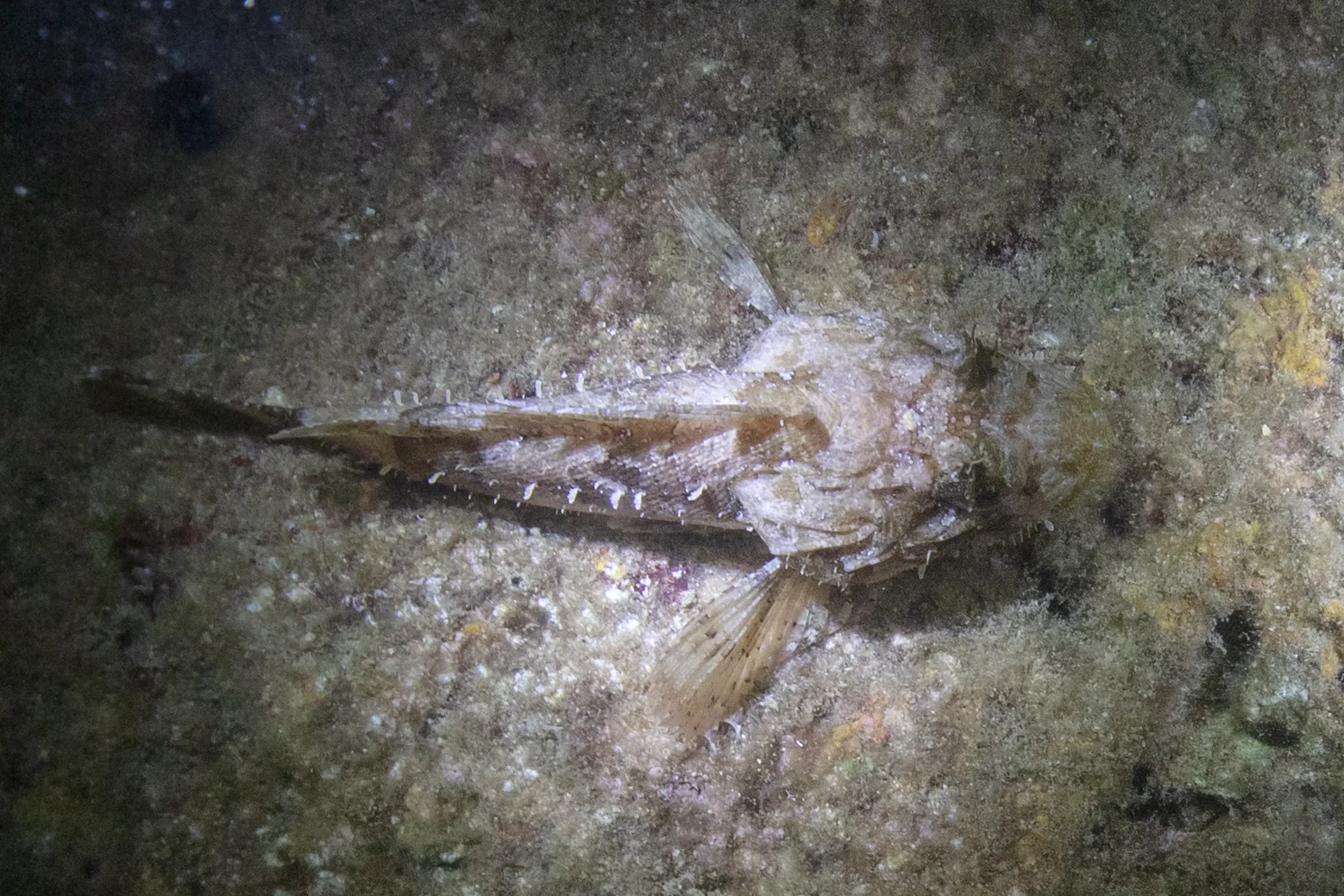
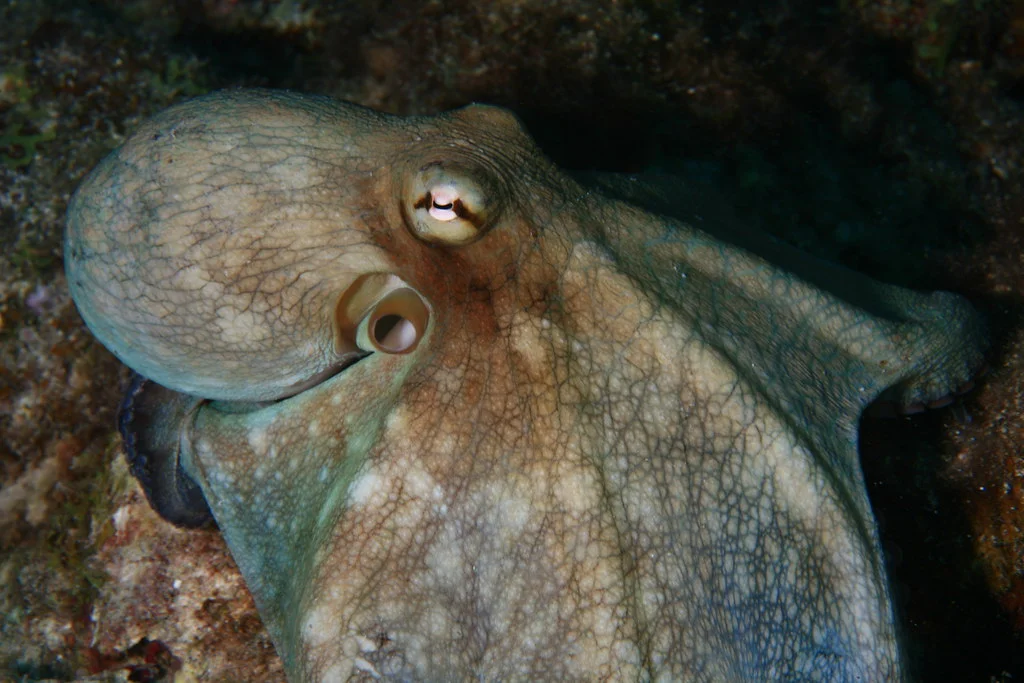
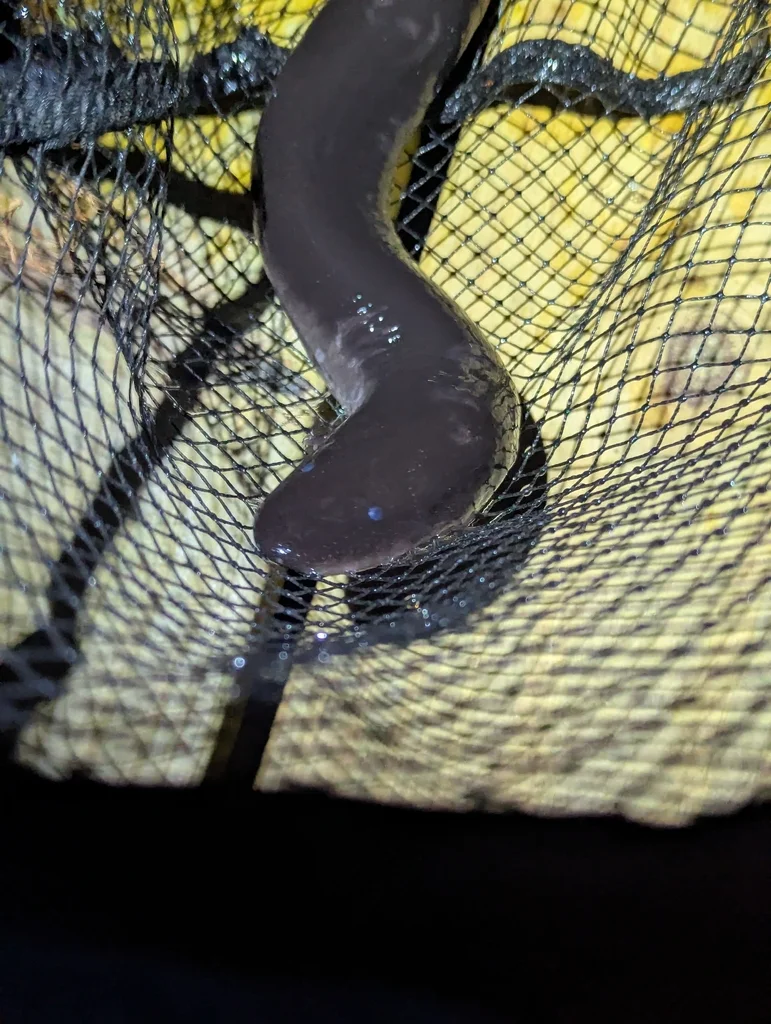
Over more than two decades on the seabed, both the Roman ceramic mound and the galvanized cage framework have evolved into a thriving artificial reef habitat. Common octopuses frequently den inside amphora necks and beneath rim sherds, peering out beside camouflaged red scorpionfish and small conger eels.
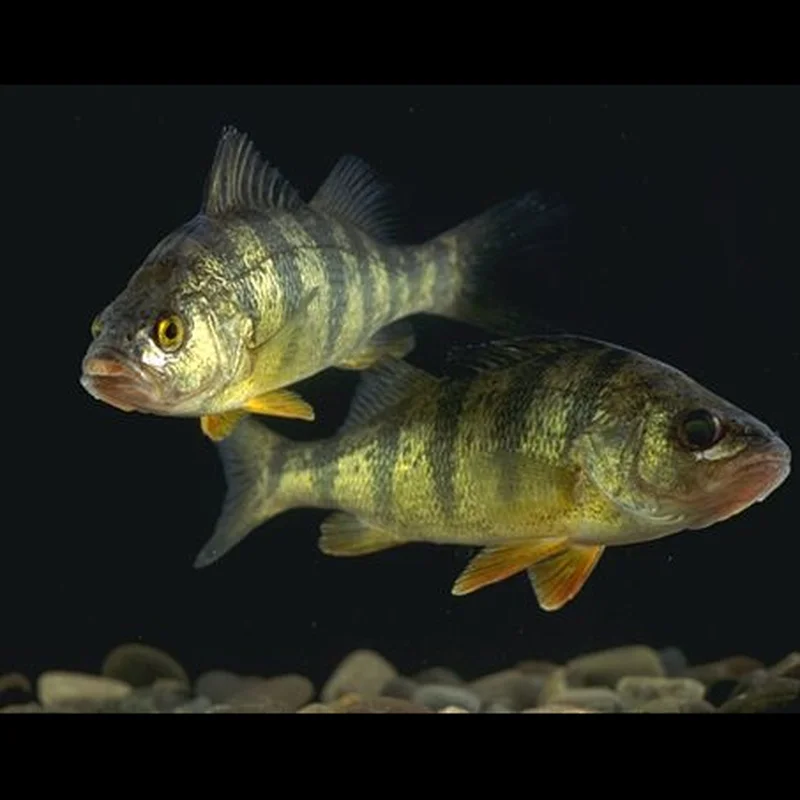
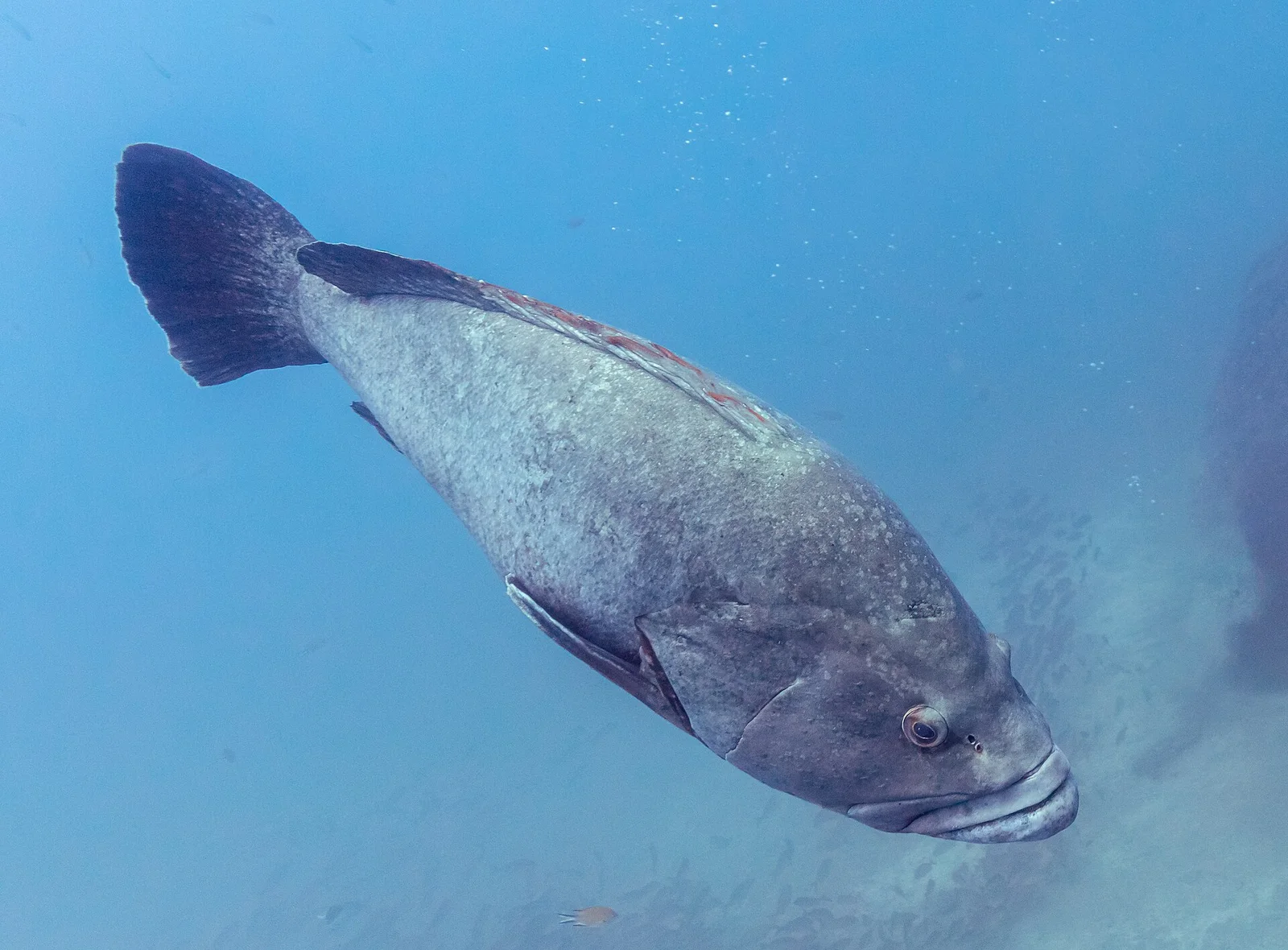
Schools of damselfish, two-banded sea breams, and saddled seabreams hover above the cage roof, while rainbow wrasses and painted combers dart among brightly colored sponges and calcareous tube worms coating the bars. Along the shallower rocky ascent slope toward Koromašna Islet, dusky groupers and moray eels inhabit limestone boulders.
1 / 2
Image contributors:Diego Delso, laszlo-photo + 1 more
Want to contribute photos or local dive knowledge? Learn how to contributeDive Sites Near Koromašna Bay Roman Wreck
View all dive sites in CroatiaDiscover more underwater gems in this area.
Max 28 m
12.5 km
intermediateČavlin Shallows Roman Wreck
BoatOcean
Max 30 m
20.4 km
intermediateWreck Mirano
BoatDown Line
Max 53 m
7.5 km
advancedFrancesca da Rimini
BoatDown Line
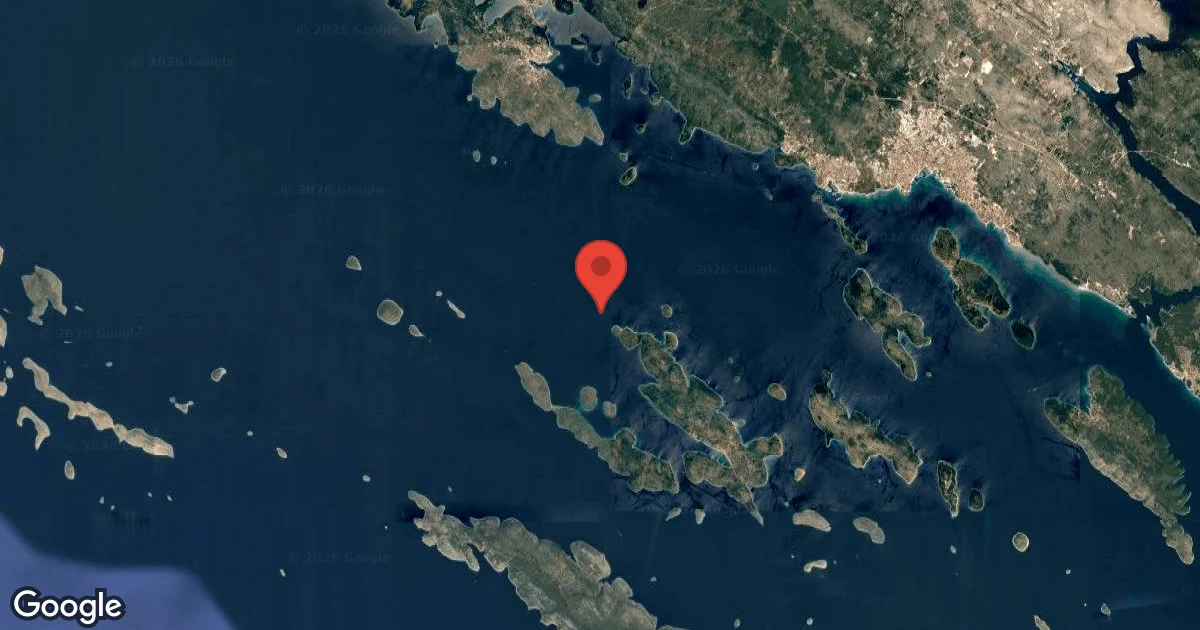
Max 50 m
7.5 km
advancedKaprije North Cape Cascades
Anchor DiveBoat
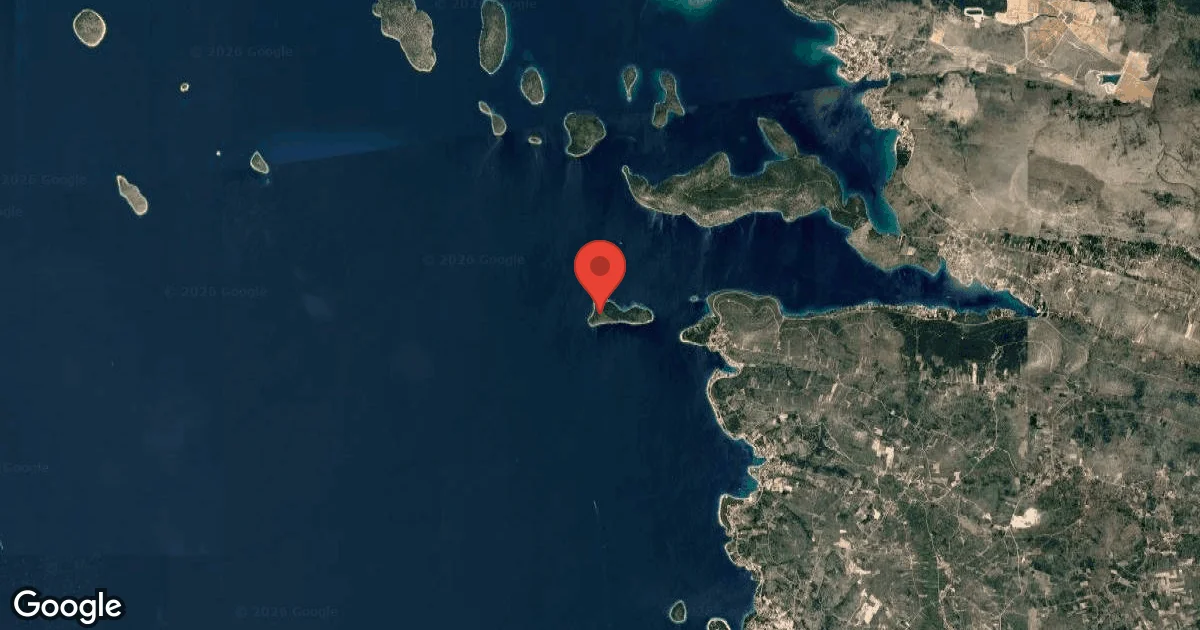
Max 36 m
17.7 km
advancedTmara Island Cave & Wall
BoatOcean
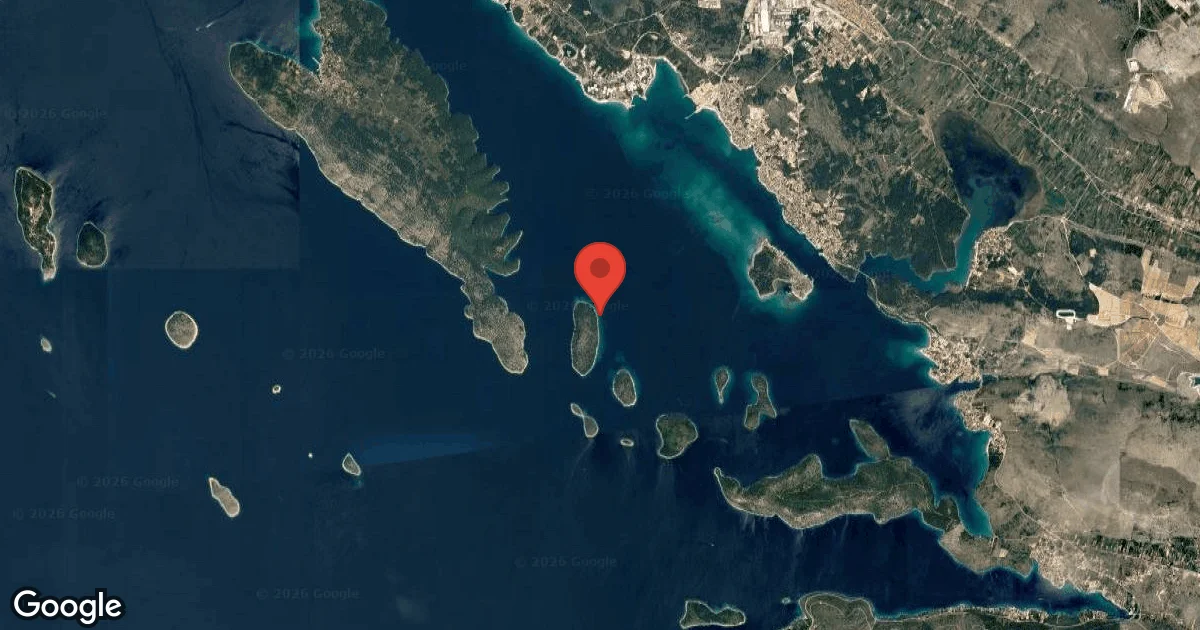
Max 24 m
16.2 km
intermediateDrvenik Island Siphon Cave
BoatChannel
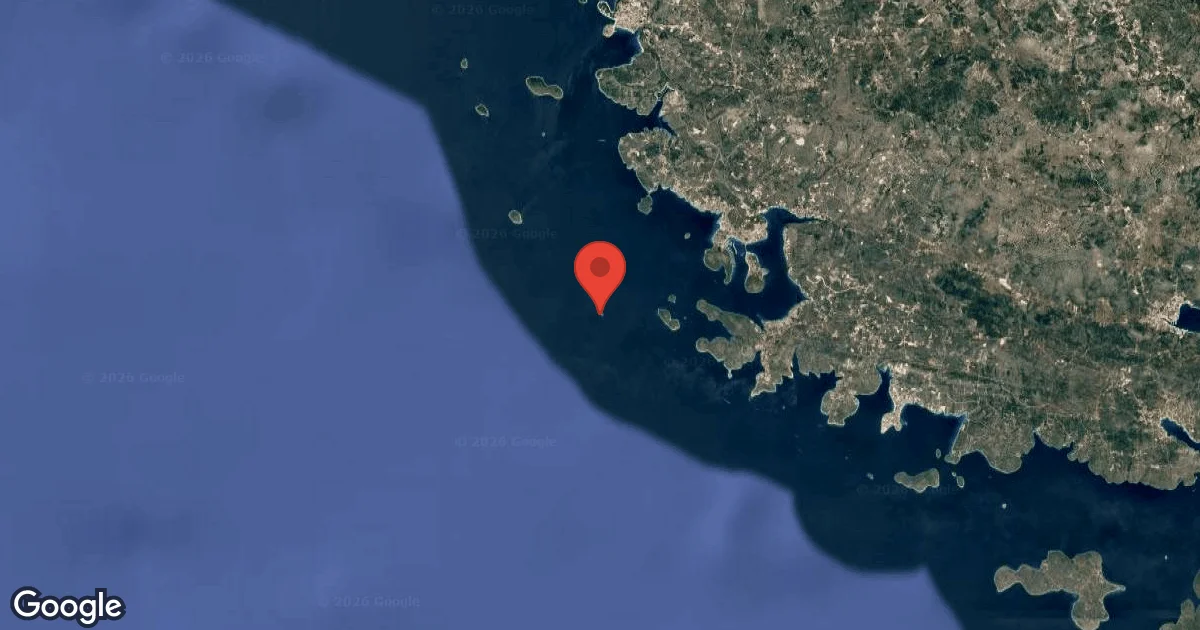
Max 42 m
24.7 km
intermediateMulo Lighthouse Cascades
BoatCanyon
Max 40 m
17.6 km
advancedCathedral Reef Primošten
BoatCanyon
Max 28 m
12.5 km
intermediateČavlin Shallows Roman Wreck
BoatOcean
Max 30 m
20.4 km
intermediateWreck Mirano
BoatDown Line
Max 53 m
7.5 km
advancedFrancesca da Rimini
BoatDown Line
Max 50 m
7.5 km
advancedKaprije North Cape Cascades
Anchor DiveBoat
Max 36 m
17.7 km
advancedTmara Island Cave & Wall
BoatOcean
Max 24 m
16.2 km
intermediateDrvenik Island Siphon Cave
BoatChannel
Max 42 m
24.7 km
intermediateMulo Lighthouse Cascades
BoatCanyon
Max 40 m
17.6 km
advancedCathedral Reef Primošten
BoatCanyon
Dive Centers Near Koromašna Bay Roman Wreck
Working Hours
SunClosed
Mon08:30 - 15:00
Tue08:30 - 15:00
Wed08:30 - 15:00
Thu08:30 - 15:00
Fri08:30 - 15:00
Sat08:30 - 13:00
Today: 08:30 - 15:00
SunClosed
Mon08:30 - 15:00
Tue08:30 - 15:00
Wed08:30 - 15:00
Thu08:30 - 15:00
Fri08:30 - 15:00
Sat08:30 - 13:00
5| 144 reviews
26.3 km
4.9| 326 reviews
33.6 kmNearest Airports
Nearest airports to help plan travel to this dive area.
Split Saint Jerome Airport SPU
51 km
Zadar Airport ZAD
56 km
Brač Airport BWK
91 km
💵 Currency: EUR
Search Flights
Check available flights and routes on Expedia, using the nearby airports listed in this section.
Search Flights on ExpediaAffiliate link · Dive Navigator may earn a commission at no extra cost to you.
Frequently Asked Questions
Can divers enter inside the protective cage at Koromašna Bay?
No, the locked upper gates of the 17-by-9-meter steel cage are reserved exclusively for underwater archaeologists conducting conservation and research, while visiting divers view and photograph the amphorae clearly from just outside the wide mesh.
How old is the shipwreck in Koromašna Bay on Žirje?
The merchant vessel dates to the 2nd century BC and carries approximately one hundred amphorae, highlighted by rare horn-handled Dressel 34 and Eastern Mediterranean Riley ER1 types.
Is a special permit required to dive the Koromašna Bay amphora cage?
Yes, as a protected in-situ archaeological site, it can only be dived as part of an organized group led by a licensed Croatian dive center holding a Ministry of Culture concession.
How deep does the Koromašna Bay Roman Wreck lie?
The protective cage and amphora cargo sit on a sloping seabed between 27 and 32 meters, making it well suited to advanced open-water divers.
Why was the steel cage replaced in 2011?
After protecting the site since 1998, the original cage had suffered marine corrosion and heavy biofouling, so the Croatian Conservation Institute installed a stronger 17-by-9-meter cathodic-protected cage in December 2011 designed to last up to thirty years.
How long is the boat ride to Koromašna Bay?
Depending on the departure marina in Vodice, Tribunj, Tisno, or Šibenik, dive boats reach eastern Žirje in roughly 35 to 50 minutes across the Šibenik archipelago.
Trip Inquiry
Planning to dive Koromašna Bay Roman Wreck?
Tell us your dates and diving needs. We'll review your request and seek offers from relevant local dive centers.
Request Dive Offers Free request for offers • No booking obligation
Koromašna Bay Roman Wreck
Conditions are Poor
4/10
Confidence: 8/10
Indicates meteorological model agreement and data availability.
DIVE WARNING
High Wind Advisory (58km/h). Unsafe surface.
06:12
18:45
H: 10:45
L: 16:20
Air / Sea Temp
16° / 19°
Wave Height
1.6 m
Wind Speed
58 km/h N
Rain Chance
50%
Current conditions near Koromašna Bay Roman Wreck show 16° air, 19° sea temperature, 1.6 m waves, and 58 km/h wind. Forecast data is refreshed regularly to ensure accuracy.
Radius: ~12km
Updated: Nov 22, 2026, 10:48 local timeMARINE: OPEN-METEOWEATHER: YR.NO


