Loading...

Diving at Mulo Lighthouse Cascades (Croatia)
Published
Central Dalmatia's signature open-water lighthouse dive off Rogoznica, where stepped 42-meter limestone cascades and basal caverns attract eagle rays, nursehound catsharks, dentex, and crimson gorgonians.
Starting the day at Mulo Lighthouse Cascades, the ambient air temperature is recorded at 16.5°C. Ongoing monitoring shows wave heights measuring 1.4 m. This data represents the current surface conditions for early activities.
Dive Site Location & Key Facts
Site Characteristics
Max Depth42m / 138ft
Entry Typeboat
Water Typesalt
Dive Types
CavernDeepWall
Dive Site Overview
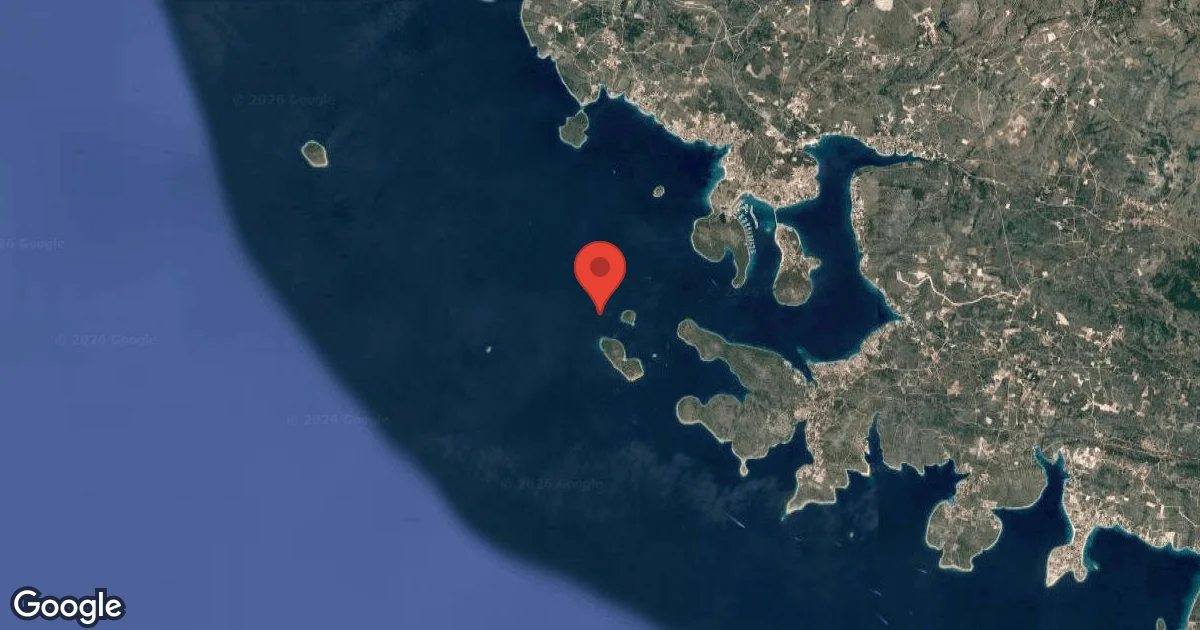
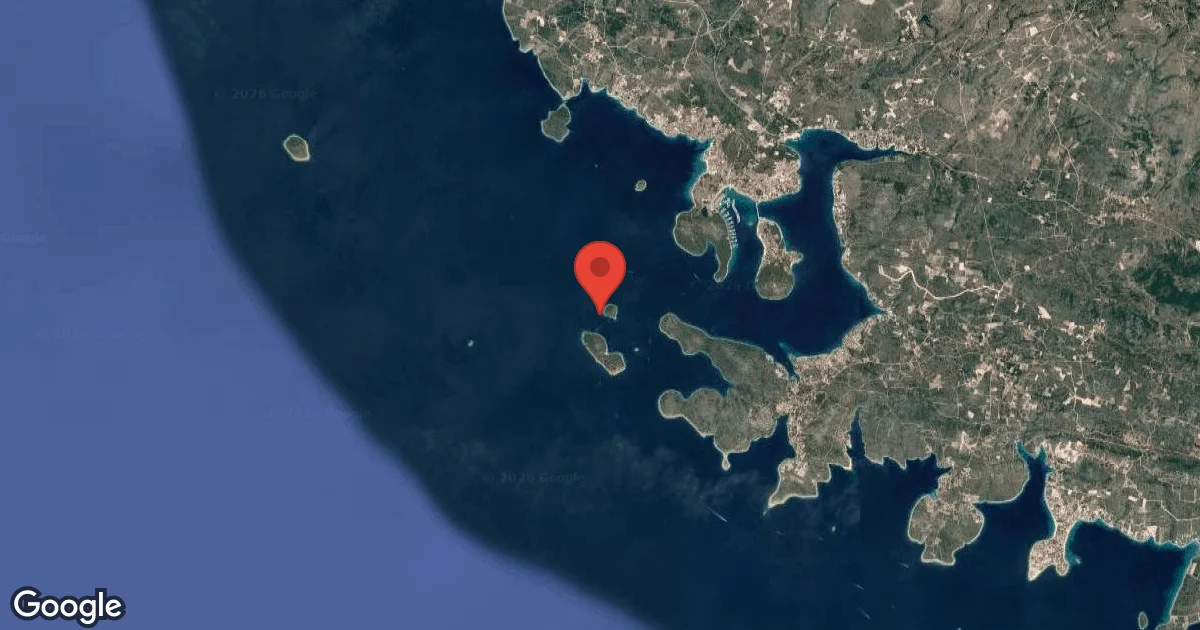
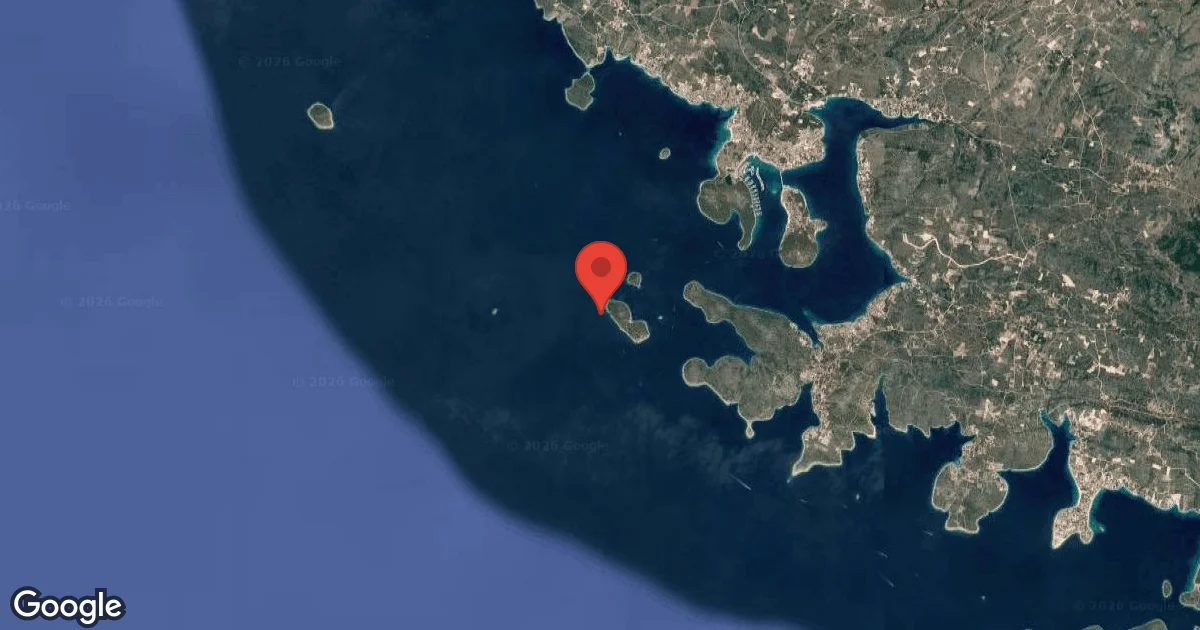
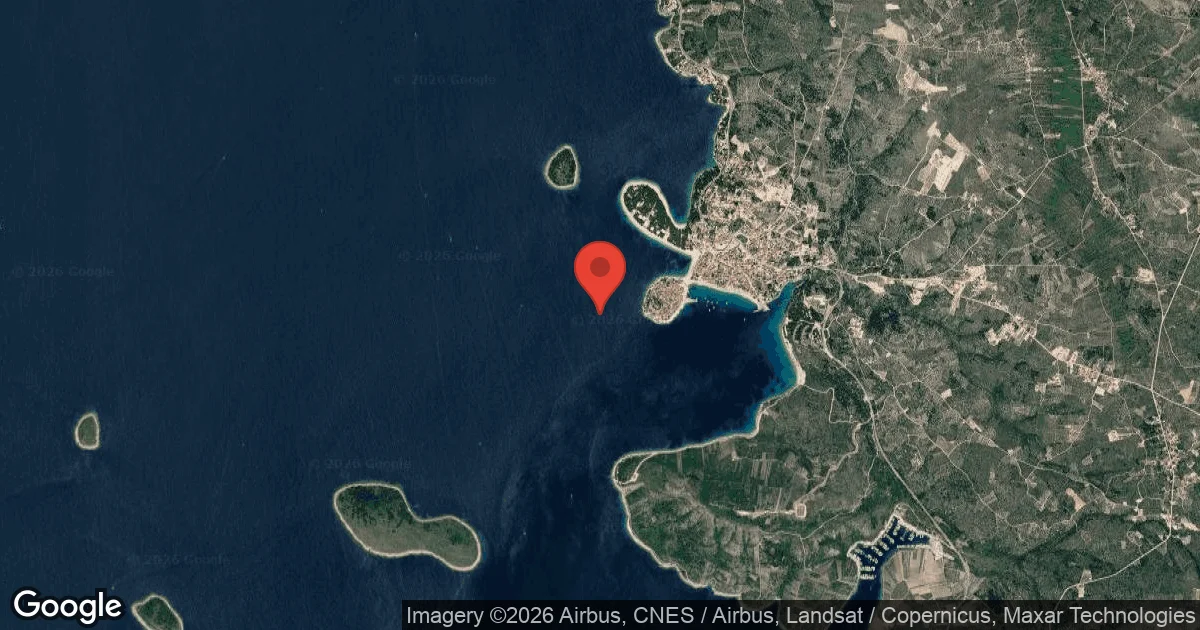
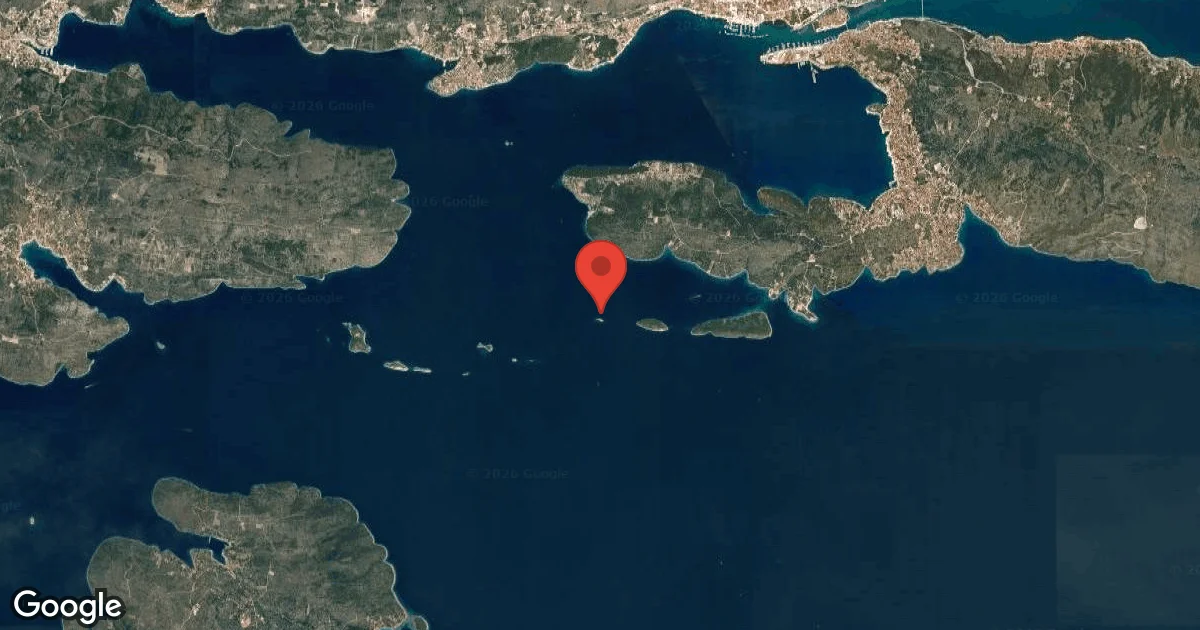
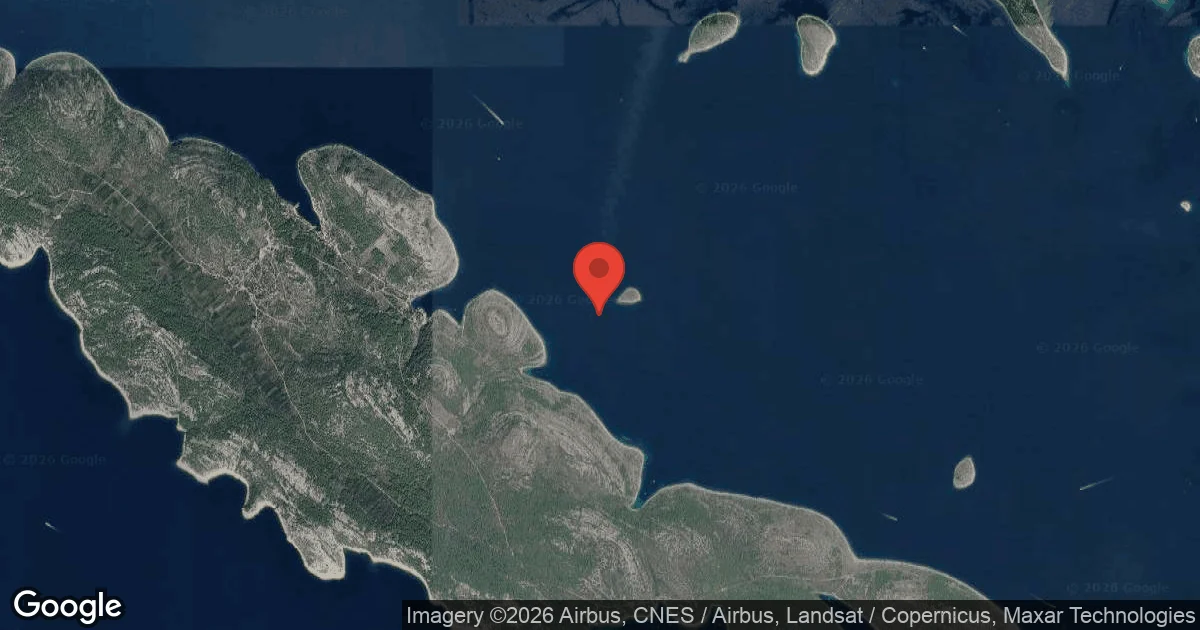
Built of dressed stone blocks by Austro-Hungarian maritime authorities in 1873, Mulo Lighthouse stands sentinel atop a tiny 240-meter-circumference limestone skerry in the open Adriatic west of Rogoznica and Cape Ploča. Because Cape Ploča marks the oceanographic meeting point of northern and southern Adriatic wind and current regimes, the waters swirling around Hrid Mulo receive constant pelagic nutrient exchange and boast exceptional 30-meter visibility.
Underwater, the compact geometry of the islet makes orientation remarkably intuitive, allowing buddy teams to complete a full circular tour when currents are calm. Each quadrant of the rock exhibits distinct terrain, culminating on the seaward western flank where the bedrock drops in dramatic terraced cascades down to 42 meters.
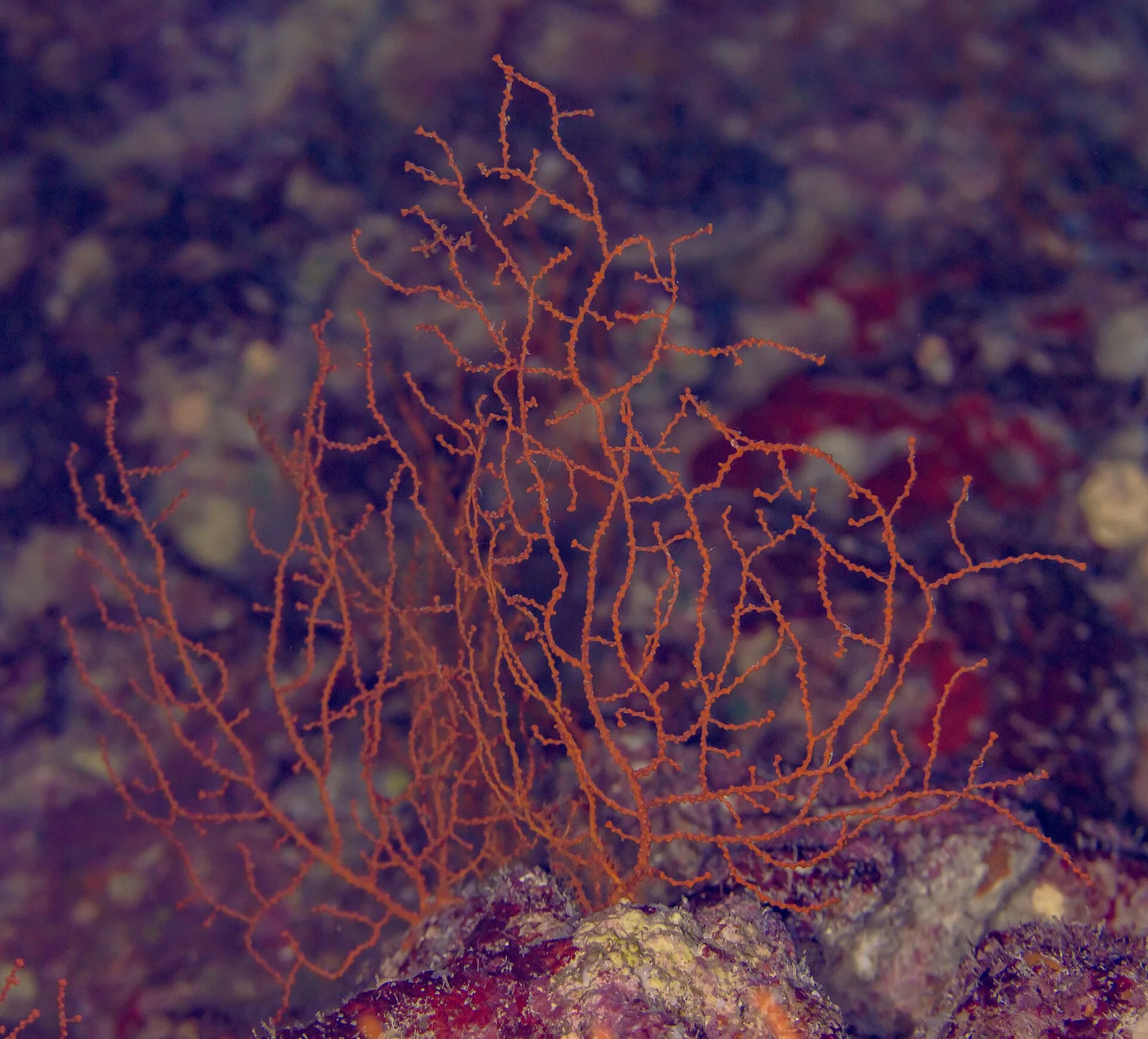
Along the foot of these deep western steps, wave-cut overhangs, recesses, and open basal caverns punctuate the limestone wall beneath canopies of red gorgonian sea fans. Few sites on the Šibenik-Rogoznica coast match Mulo's big-animal potential, with common eagle rays gliding over the deep boulders and large-spotted nursehound catsharks resting inside cool basal crevices.
Mulo Lighthouse Cascades
Conditions are Poor
3/10
Confidence: 8/10
Indicates meteorological model agreement and data availability.
DIVE WARNING
High Wind Advisory (60km/h). Unsafe surface.
06:12
18:45
H: 10:45
L: 16:20
Air / Sea Temp
16° / 19°
Wave Height
1.9 m
Wind Speed
60 km/h N
Rain Chance
100%
Current conditions near Mulo Lighthouse Cascades show 16° air, 19° sea temperature, 1.9 m waves, and 60 km/h wind. Forecast data is refreshed regularly to ensure accuracy.
Radius: ~12km
Updated: Nov 22, 2026, 22:34 local timeMARINE: OPEN-METEOWEATHER: YR.NO
Best Time to Dive
Because Hrid Mulo sits fully exposed to open-sea fetch without surrounding island shelter, diving runs primarily from May through October during settled weather windows. May, June, and early autumn bring cool, oxygen-rich deep water that maximizes sightings of resting nursehound catsharks in the deep western overhangs and cruising eagle rays along the drop-off.
July and August provide the calmest morning sea states and warmest 24 to 26 degree Celsius shallow terraces for relaxed circumnavigation, while a pronounced thermocline keeps the 35 to 42 meter cavern zone brisk around 16 to 18 degrees Celsius. Morning departures are strongly favored before afternoon thermal breezes build chop around the rock.
PEAK SEASON SCORE
91/100
ExcellentScores combine air & water temps, waves, wind & rainfall for overall conditions.
BEST MONTHS TO DIVE
JUN
JUL
AUG
DIVE SCORE GUIDE (0–100)
Excellent (90–100)
Very Good (80–89)
Good (70–79)
Moderate (50–69)
Poor (30–49)
Not Recommended (0–29)
Monthly records compiled from satellite and marine observation nodes over the last 3 years. Data provided by Open-Meteo and MET Norway.
Dive Experience & Conditions
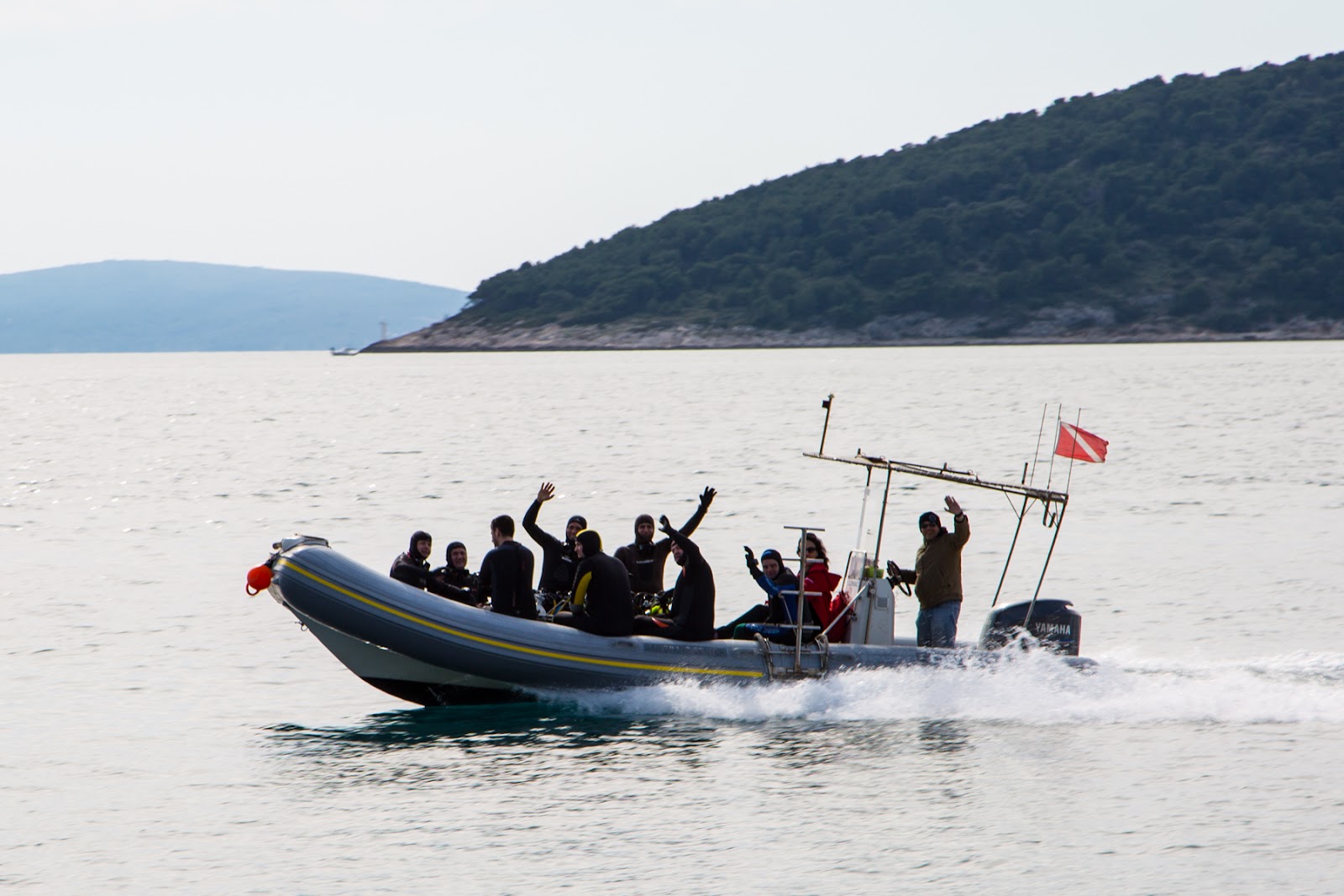
Dive boats anchor or moor in the sheltered lee side of the lighthouse rock—typically the eastern or northeastern shoulder during light westerly breezes—within 15 minutes of departing Rogoznica or 20 minutes from Primošten. Less experienced divers can follow a scenic 12 to 20 meter circuit around the rock's upper ledges, whereas advanced groups head directly toward the western cascades.
Dropping down the stepped western terraces between 25 and 42 meters feels expansive and dramatic, with crystalline blue water framing tiered limestone ledges draped in gorgonians and yellow cluster anemones. Divers inspect the open basal caverns and deep overhangs with torches before spiraling gradually back up the rock's circumference.
Currents around Mulo are variable and can accelerate briskly around the northern and southern corners of the rock where open-sea flow splits around the pinnacle. Staying close to the terraced rock face shields divers from main current shear and leads seamlessly into a sunlit 5-meter safety stop beside the islet's submerged masonry base.
Dive Difficulty & Safety Guidelines
Respect the exposed offshore character of Hrid Mulo: always heed the dive leader's current check before entry, keep the rock wall as your visual reference, and avoid drifting off the leeward corner into open water. While the basal overhangs at 35 to 42 meters are open-mouthed recesses rather than enclosed cave systems, divers exploring below 30 meters must track air reserves and no-decompression limits diligently.
Keep a cutting tool accessible and stay alert for lost commercial fishing nets or longlines snagged on deeper ledges. Every diver should carry an inflatable surface marker buoy in case changing current requires an off-rock ascent.
Recommended Equipment
Technical depth range. Advanced planning, gas management, and appropriate certification required.
Overhead environment. Do not enter beyond training and gas planning limits.
- Dive Computer
- DSMB
- Primary & Backup Lights
- Reel / Spool
- Cutting Tool
This gear list is based on verified equipment signals for Mulo Lighthouse Cascades, Croatia. Always confirm final gear choices with your dive operator, guide, or liveaboard.
Recommended Dive Suit
Individual comfort in the water can vary significantly from diver to diver, even under the same conditions.
For most recreational dives, 5mm wetsuit should provide comfortable protection. Strong winds are present; please take strong precautions against rapid cooling during surface intervals. A thermal robe or jacket is recommended between dives. The coming days appear slightly cooler according to the latest forecast. Cooler days are ahead; you might want a warmer option for later in the week. Carrying a secondary suit is common practice among experienced divers.
Current temperature readings suggest that the water at Mulo Lighthouse Cascades is around 19°C (66°F). Surface air temperatures are resting at 16°C (61°F).
Mulo Lighthouse Cascades conditions last reviewed: 22:34 local time (UTC+1), Nov 22, 2026
Emergency & Medical Support
Essential information to help you plan your dive trip to Mulo Lighthouse Cascades.

Hyperbaric chambers are a critical part of dive safety infrastructure. Availability varies significantly by region, and not all dive areas have immediate access.
Before diving, it's recommended to:
- confirm nearest medical facilities
- check emergency procedures with local dive operators
- ensure dive insurance covers evacuation if required
24/7 Available
Divers Alert Network
Diving emergency assistance available through DAN Europe.
+39 0642115685- 24/7 emergency hotline
- Diving medical assistance
- Evacuation coordination
Emergency contacts are provided for reference. Always verify local emergency services before diving.
Closest Listed Hyperbaric Chambers (≤ 200 km)
Approximate straight-line distances from this dive site — emergency travel times may vary.
44 km44 kmZavod za pomorsku medicinu Split – Odjel za podvodnu i hiperbaričnu medicinu
Split, Croatia24/7ICU194Details44 kmZavod za pomorsku medicinu Split – Odjel za podvodnu i hiperbaričnu medicinu
24/7 ListedICU CapableSplit, Croatia · Multiplace
24/7 Emergency194CollapseHours: 24/7 EmergencyFacility: Zavod za pomorsku medicinu / KBC Split (Križine)ICU On-Site: YesSource: KBC Rijeka / Poliklinika OXY
44 km
Zavod za pomorsku medicinu Split – Odjel za podvodnu i hiperbaričnu medicinu
Split, Croatia24/7ICU194Details
44 km
Zavod za pomorsku medicinu Split – Odjel za podvodnu i hiperbaričnu medicinu
24/7 ListedICU CapableSplit, Croatia · Multiplace
24/7 Emergency194
CollapseHours: 24/7 Emergency
Facility: Zavod za pomorsku medicinu / KBC Split (Križine)
ICU On-Site: Yes
Source: KBC Rijeka / Poliklinika OXY
Chamber data is sourced from official Croatian hospital and baromedicine facility records and has not been independently verified by Dive Navigator. Always contact local emergency services, DAN, your dive operator, or the facility directly before travelling.
Reference onlyMarine Life at Mulo Lighthouse Cascades
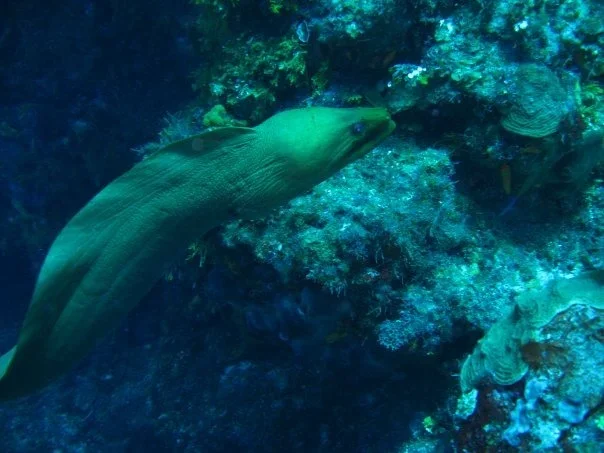
Hrid Mulo's isolated offshore position makes it a premier biological hotspot between Primošten and Split. Along the 30 to 42 meter western cascades and basal recesses, divers frequently spot large-spotted dogfish (Scyliorhinus stellaris, also called nursehounds) resting quietly on sandy cave floors alongside hefty European lobsters, conger eels, and Mediterranean morays.
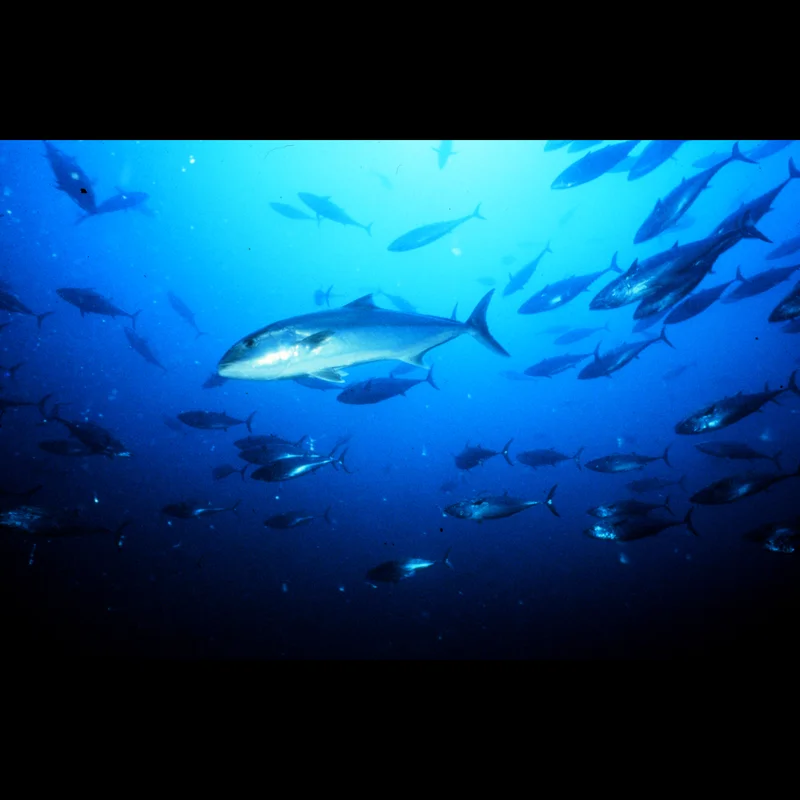
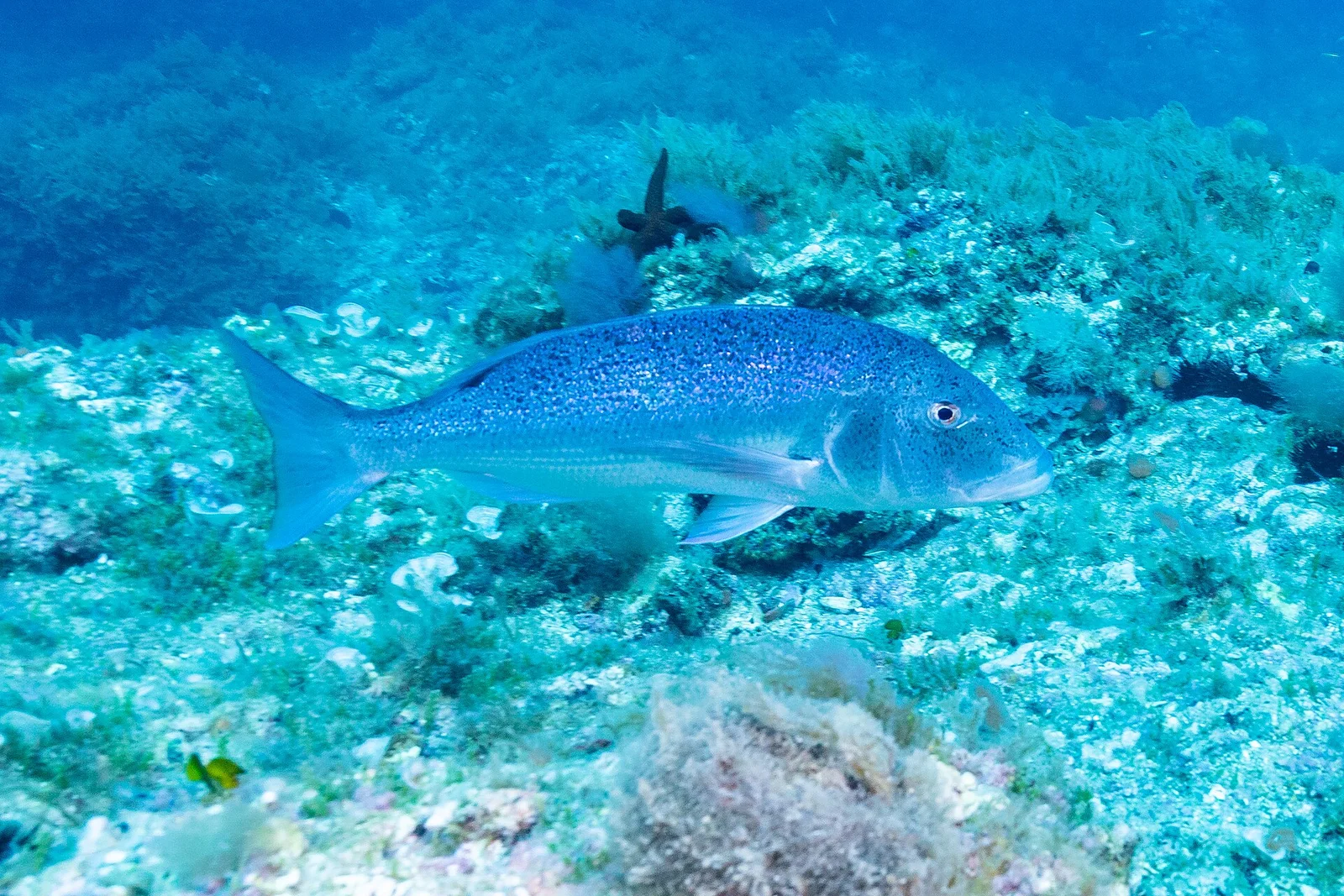
Out in the blue water framing the gorgonian-draped steps, graceful common eagle rays (Myliobatis aquila) cruise past the drop-off, accompanied by hunting packs of common dentex, greater amberjack, and dense baitballs of bogue and chromis.

1 / 2
Image contributors:Diego Delso, A. Hulbert + 2 more
Want to contribute photos or local dive knowledge? Learn how to contributeDive Sites Near Mulo Lighthouse Cascades
View all dive sites in CroatiaDiscover more underwater gems in this area.
Max 42 m
1.7 km
advancedMala Smokvica Pontoon Wreck
BoatDown Line
Max 27 m
1.9 km
intermediateMala Smokvica Steamship Wreck
Anchor DiveBoat
Max 60 m
1.5 km
advancedVelika Smokvica Wall
BoatCanyon
Max 30 m
7.8 km
intermediateWreck Mirano
BoatDown Line
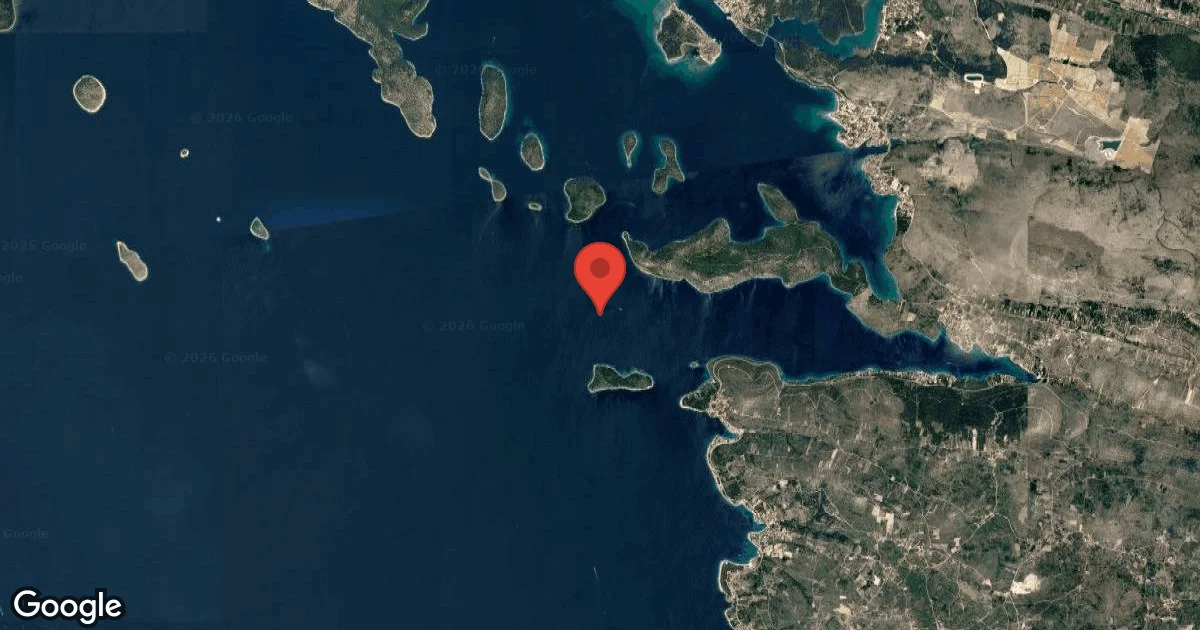
Max 40 m
13.9 km
advancedCathedral Reef Primošten
BoatCanyon
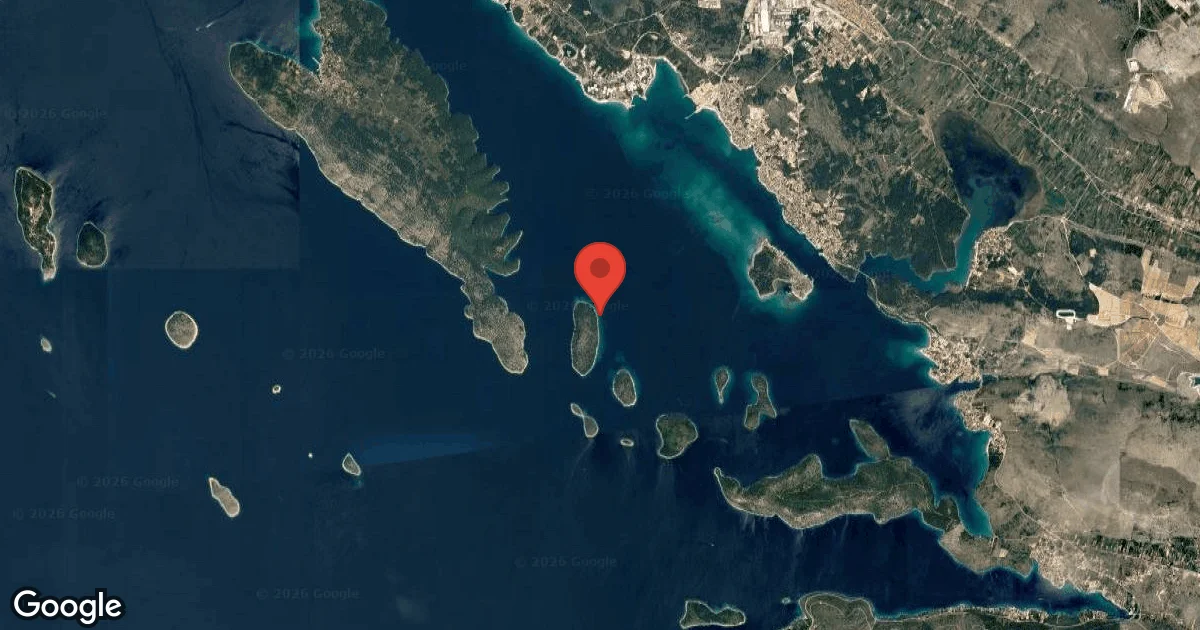
Max 24 m
17.3 km
intermediateDrvenik Island Siphon Cave
BoatChannel
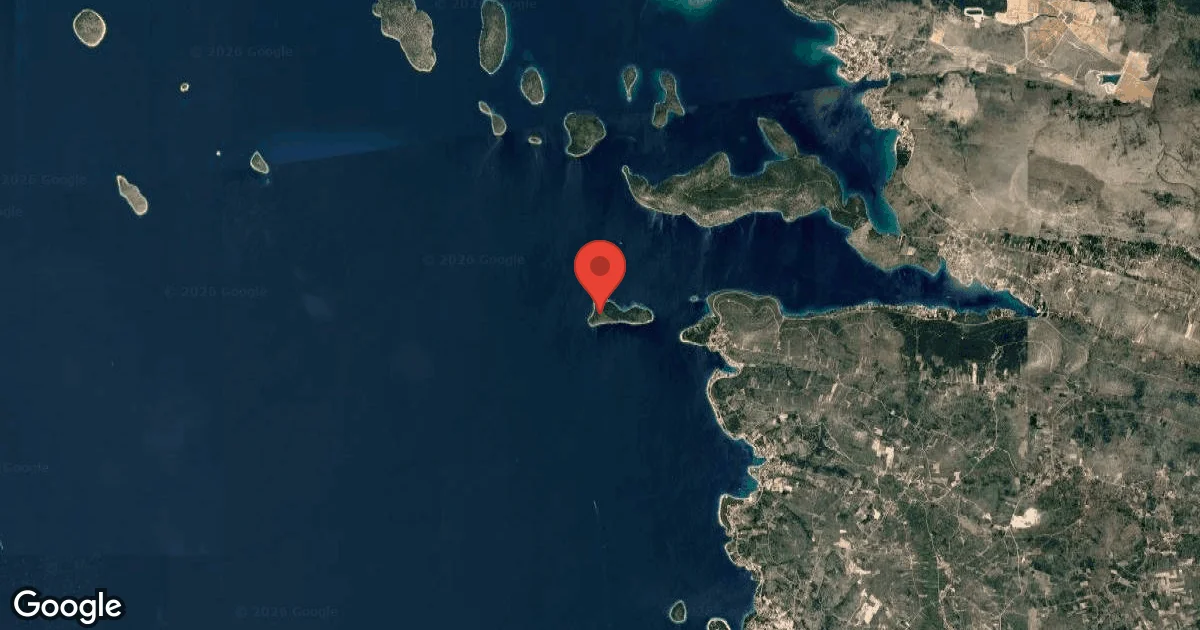
Max 36 m
13 km
advancedTmara Island Cave & Wall
BoatOcean
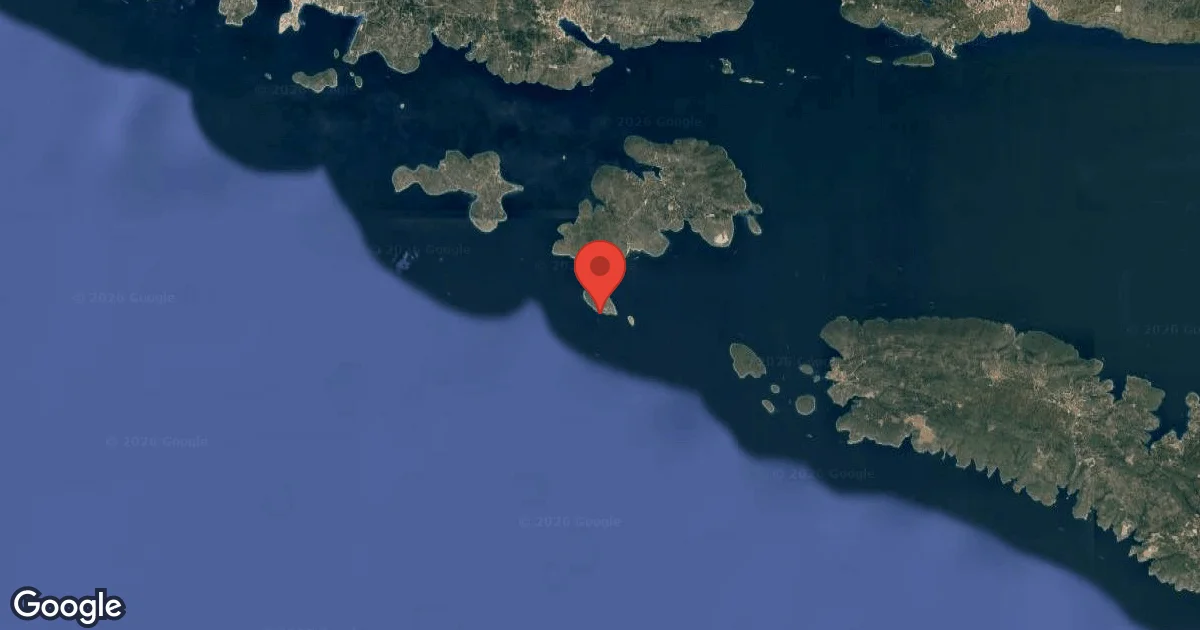
Max 40 m
20 km
Orud
ArchaeologicalReef
Max 42 m
1.7 km
advancedMala Smokvica Pontoon Wreck
BoatDown Line
Max 27 m
1.9 km
intermediateMala Smokvica Steamship Wreck
Anchor DiveBoat
Max 60 m
1.5 km
advancedVelika Smokvica Wall
BoatCanyon
Max 30 m
7.8 km
intermediateWreck Mirano
BoatDown Line
Max 40 m
13.9 km
advancedCathedral Reef Primošten
BoatCanyon
Max 24 m
17.3 km
intermediateDrvenik Island Siphon Cave
BoatChannel
Max 36 m
13 km
advancedTmara Island Cave & Wall
BoatOcean
Max 40 m
20 km
Orud
ArchaeologicalReef
Max 38 m
23.9 km
Zaporinovac
ReefWall
Max 32 m
24.7 km
intermediateKoromašna Bay Roman Wreck
BoatDown Line
1 / 2
Dive Centers Near Mulo Lighthouse Cascades
4.7| 267 reviews
28.6 km
4.8| 70 reviews
47.5 km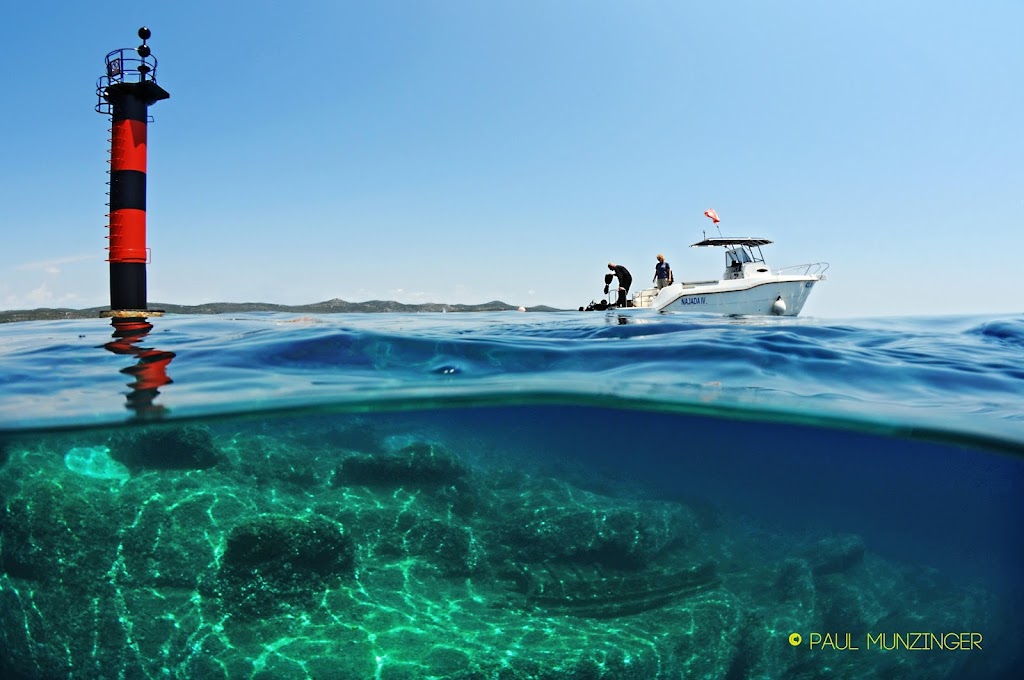
4.5| 117 reviews
44.1 km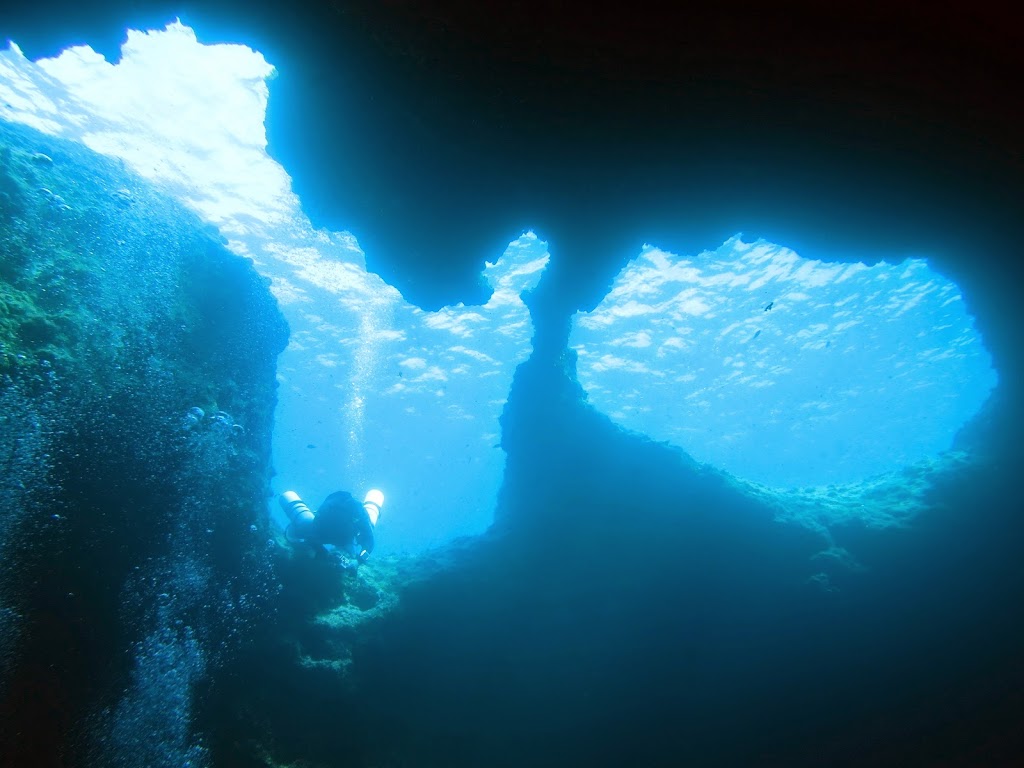
Open Sea Diving Center
4.7(119)• 49.3 km
Nearest Airports
Nearest airports to help plan travel to this dive area.
Split Saint Jerome Airport SPU
31 km
Brač Airport BWK
67 km
Zadar Airport ZAD
79 km
💵 Currency: EUR
Search Flights
Check available flights and routes on Expedia, using the nearby airports listed in this section.
Search Flights on ExpediaAffiliate link · Dive Navigator may earn a commission at no extra cost to you.
Frequently Asked Questions
Why is Mulo Lighthouse considered one of central Dalmatia's top dive sites?
Its isolated open-sea position near the oceanographic boundary of Cape Ploča delivers 30-meter visibility, dramatic 42-meter limestone cascades, lush red gorgonians, and rare Adriatic encounters with eagle rays and nursehound catsharks.
Can you swim all the way around Hrid Mulo on a single dive?
Yes, when currents are mild, the compact 240-meter perimeter of the lighthouse rock allows divers to explore the deep western cascades first and ascend while completing a full circular tour in the shallows.
Do the basal caves at Mulo require overhead cave certification?
No, the features at the foot of the western cascades are wide-mouthed overhangs and shallow basal caverns with direct open exits rather than dark penetration cave passages, though advanced deep-diving skills are essential at 35 to 42 meters.
What pelagic and benthic sharks or rays can be seen here?
Common eagle rays frequently glide along the outer drop-off in open water, while large-spotted dogfish (nursehound catsharks) rest inside cool, shaded crevices and basal recesses along the deep western steps.
Are there underwater hazards to watch for at Mulo Lighthouse?
Variable currents can wrap briskly around the exposed corners of the rock, and occasional snagged fishing nets or lines rest on deeper ledges, making good buoyancy control, a cutting tool, and a surface marker buoy important.
How is Mulo Lighthouse accessed by divers?
Access is exclusively by boat during calm weather windows, typically a 15-minute ride from Rogoznica or 20 minutes from Primošten.
Trip Inquiry
Planning to dive Mulo Lighthouse Cascades?
Tell us your dates and diving needs. We'll review your request and seek offers from relevant local dive centers.
Request Dive Offers Free request for offers • No booking obligation
Mulo Lighthouse Cascades
Conditions are Poor
3/10
Confidence: 8/10
Indicates meteorological model agreement and data availability.
DIVE WARNING
High Wind Advisory (60km/h). Unsafe surface.
06:12
18:45
H: 10:45
L: 16:20
Air / Sea Temp
16° / 19°
Wave Height
1.9 m
Wind Speed
60 km/h N
Rain Chance
100%
Current conditions near Mulo Lighthouse Cascades show 16° air, 19° sea temperature, 1.9 m waves, and 60 km/h wind. Forecast data is refreshed regularly to ensure accuracy.
Radius: ~12km
Updated: Nov 22, 2026, 22:34 local timeMARINE: OPEN-METEOWEATHER: YR.NO


