Loading...

Diving at Wreck Mirano (Croatia)
Published
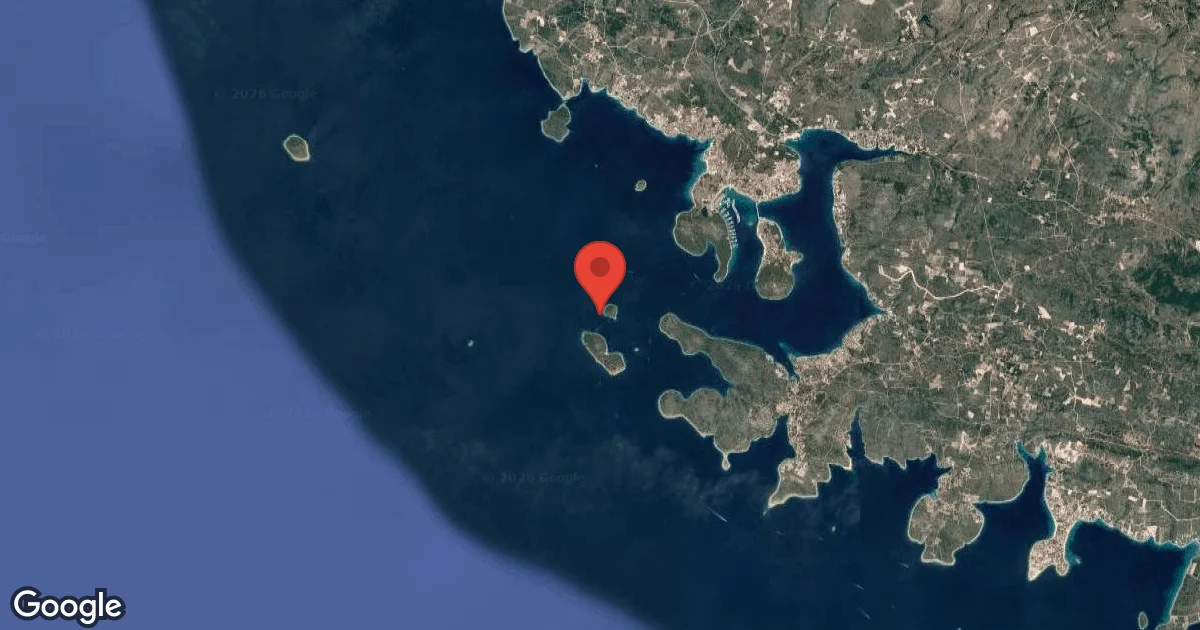
An evocative Second World War cargo steamer resting in 24 to 30 meters off Primošten, where salvaged iron frames and spilled coal cargo form a crustacean-rich artificial habitat on open Adriatic sand.
Early observations for Wreck Mirano report a surface air temperature of 13.5°C. The water surface is currently presenting wave heights of 1.9 m. Consider these environmental metrics before beginning your descent.
Dive Site Location & Key Facts
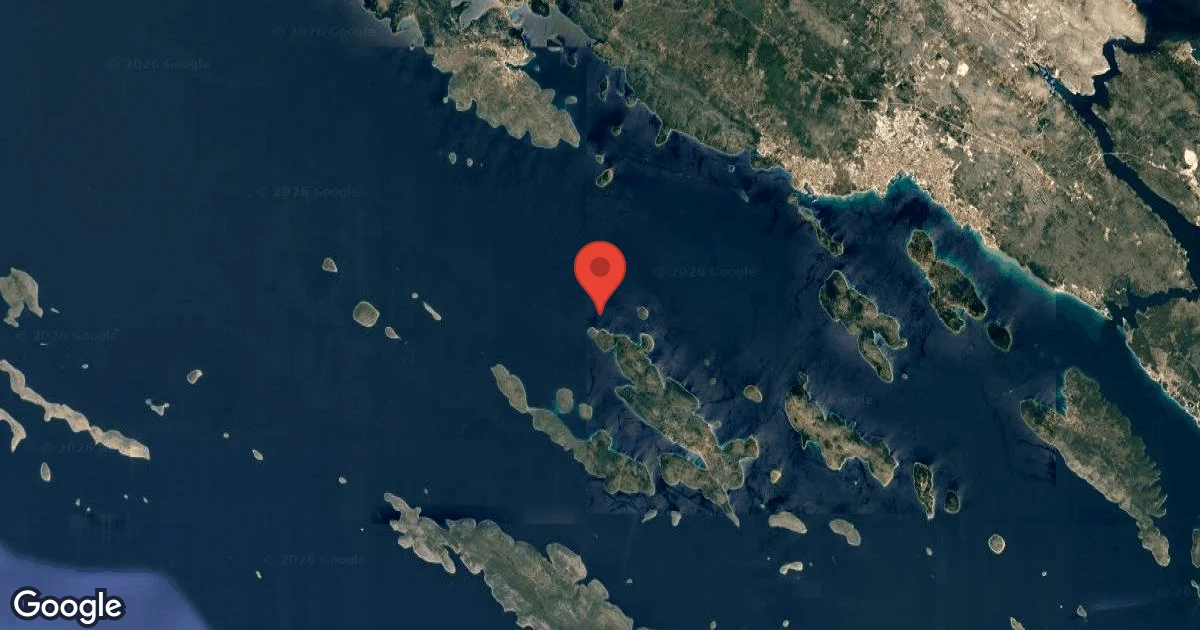
Coordinates43.5842, 15.9152
Estimated Coordinates
Coordinates are estimated from the best available maritime charts and local dive references, as exact GPS pins are not publicly confirmed. Always verify the precise entry or mooring point with a local dive operator.
Site Characteristics
Max Depth30m / 98ft
Entry Typeboat
Water Typesalt
Dive Types
DeepRecreationalWreck
Dive Site Overview
Lying directly off the historic peninsula of Primošten, Wreck Mirano preserves a compelling chapter of central Dalmatian maritime history within comfortable recreational depth limits. Originally built as an Italian merchant steamer and later requisitioned into German wartime coastal service to haul coal along the eastern Adriatic seaboard, the vessel was intercepted by Allied coastal artillery in September 1943. Shells ignited a fierce onboard blaze before the hull settled onto a flat, light-colored sandy bottom between 24 and 30 meters.
In the years following the Second World War, maritime salvage teams cleared the superstructure, main steam engines, and bronze propellers to eliminate hazards to coastal shipping and recover scrap metal. Rather than diminishing the dive, this open structural layout eliminates tight overhead traps and exposes the ship's internal ribs, heavy steel hull plates, a fallen mast section, deck beams, and stout compressed-air starting cylinders.
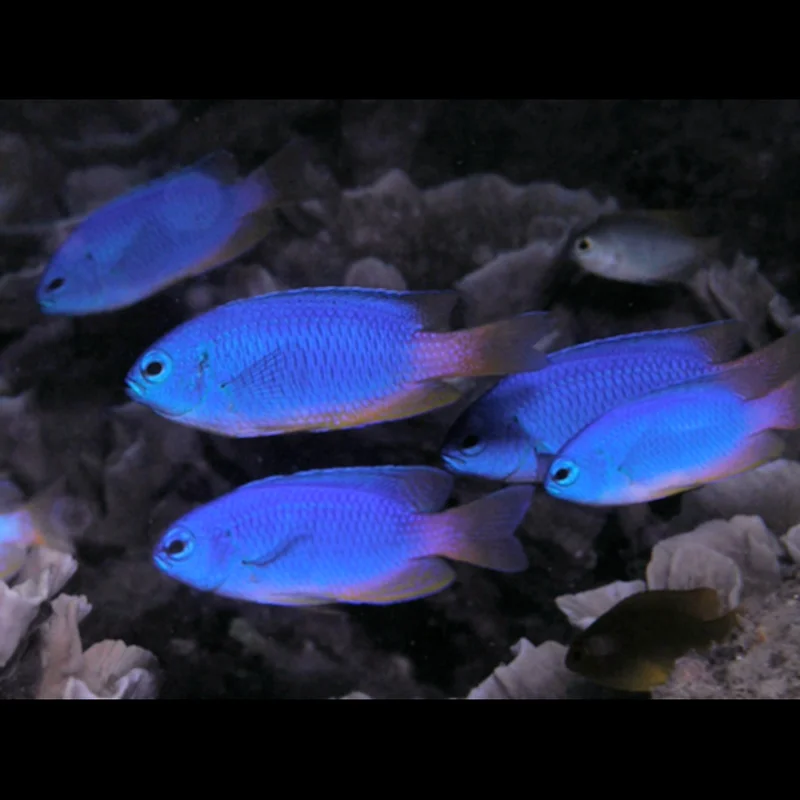
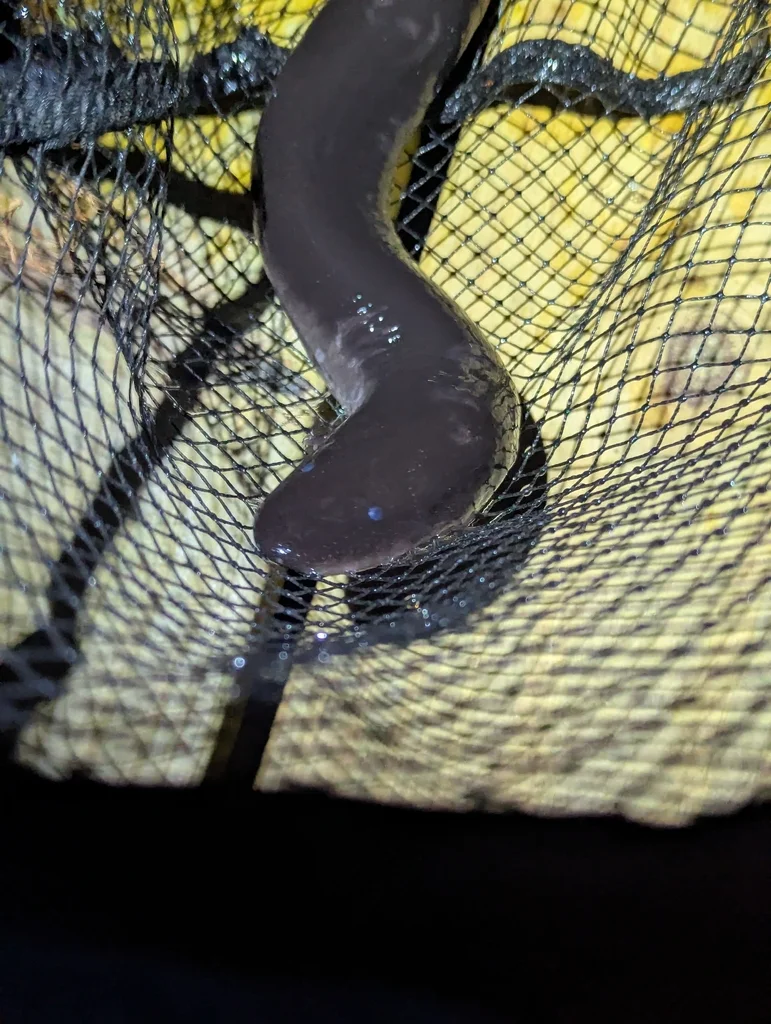
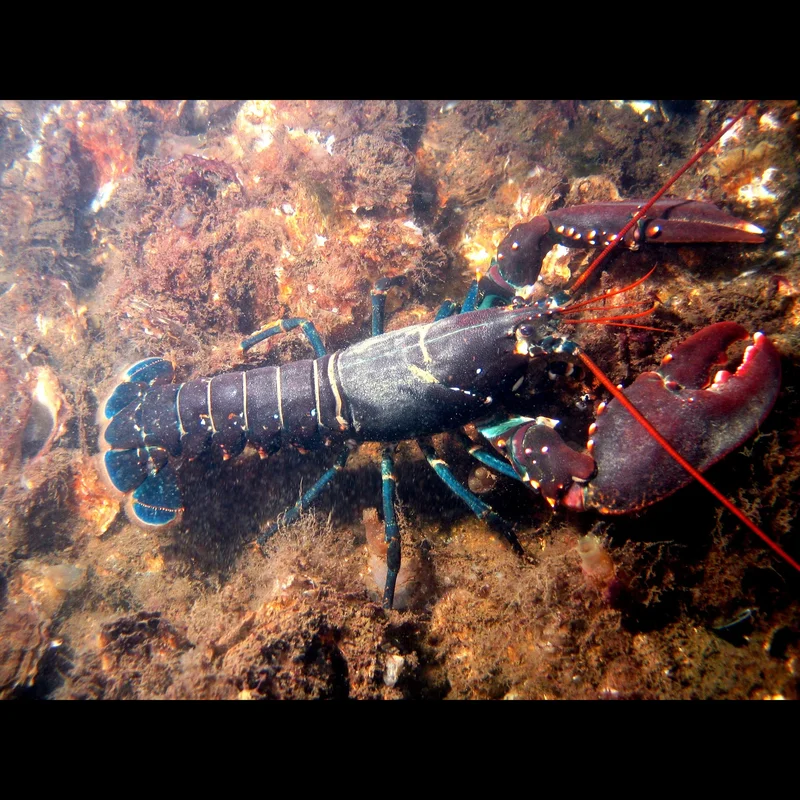
Across the surrounding sand, black lumps of historic coal cargo still pepper the seabed beside sponge-draped ironwork. Because the wreck sits isolated on a wide sedimentary plain, it acts as a powerful biological magnet, drawing dense shoals of bream and damselfish above the frames while sheltering large European lobsters, conger eels, and octopuses beneath every twisted steel plate.
Wreck Mirano
Conditions are Moderate
5/10
Confidence: 8/10
Indicates meteorological model agreement and data availability.
DIVE WARNING
High Wind Advisory (52km/h). Unsafe surface.
06:12
18:45
H: 10:45
L: 16:20
Air / Sea Temp
13° / 19°
Wave Height
1.9 m
Wind Speed
52 km/h N
Rain Chance
0%
Current conditions near Wreck Mirano show 13° air, 19° sea temperature, 1.9 m waves, and 52 km/h wind. Forecast data is refreshed regularly to ensure accuracy.
Radius: ~12km
Updated: Nov 23, 2026, 03:52 local timeMARINE: OPEN-METEOWEATHER: YR.NO
Best Time to Dive
The prime window to dive Wreck Mirano runs from May through October, when settled Adriatic high-pressure systems deliver calm sea states off the Primošten headland and horizontal visibility regularly reaches 18 to 25 meters. Early summer in May and June combines crisp water clarity with active daytime movement from John Dory and mating cuttlefish around the hull.
July and August bring the warmest surface waters of 24 to 26 degrees Celsius, though a distinct thermocline commonly forms between 18 and 22 meters, keeping bottom temperatures over the wreck around 17 to 19 degrees Celsius. September and October are prized by underwater photographers because seasonal mixing deepens the warm layer, softens the thermocline, and quiets pleasure-boat traffic along the Primošten approach.
PEAK SEASON SCORE
92/100
ExcellentScores combine air & water temps, waves, wind & rainfall for overall conditions.
BEST MONTHS TO DIVE
JUN
JUL
AUG
DIVE SCORE GUIDE (0–100)
Excellent (90–100)
Very Good (80–89)
Good (70–79)
Moderate (50–69)
Poor (30–49)
Not Recommended (0–29)
Monthly records compiled from satellite and marine observation nodes over the last 3 years. Data provided by Open-Meteo and MET Norway.
Dive Experience & Conditions
Access is exclusively by dive boat, typically a short run from marinas in Primošten or nearby Rogoznica. Vessels secure to a mooring or shotline dropped beside the main hull structure, enabling a controlled reference descent through open blue water. Around 18 to 20 meters, the dark silhouette of the split iron plating and deck ribs materializes clearly against the pale sandy seafloor.
Divers generally follow an unhurried circuit along the outer hull perimeter at 28 to 30 meters before spiraling inward over the deck remnants, mast section, and compressed-air cylinders around 24 to 26 meters. Currents are ordinarily mild, though light coastal drift can sweep across the exposed seabed during shifting afternoon winds, making descending and ascending on the line straightforward and secure.
Because there are no enclosed interior compartments requiring technical penetration, natural ambient light illuminates the entire wreck footprint on sunny days. A primary dive torch remains invaluable for peering beneath low steel overhangs and inside hollow structural beams where nocturnal crustaceans and moray or conger eels congregate.
Dive Difficulty & Safety Guidelines
With the seabed reaching 30 meters and most of the structural exploration occurring below 24 meters, divers should hold an advanced open-water certification and monitor no-decompression limits closely. Enriched air nitrox is an ideal gas choice here, extending bottom time along the coal-strewn hull without pushing tissue loading.
Maintain disciplined trim and frog-kick propulsion a meter above the sand and ironwork; fine sediment around the coal field lifts easily and corroded plate edges carry sharp encrustations and venomous scorpionfish. Keep an eye out for snagged monofilament fishing lines along the upper ribs, never disturb historical coal or metal artifacts, and deploy a surface marker buoy if completing a free-swimming safety stop at 5 meters.
Recommended Equipment
Overhead / entanglement risk. Wreck penetration requires proper training.
- Dive Computer
- DSMB
- Primary & Backup Lights
- Wreck Reel
- Cutting Tool
This gear list is based on verified equipment signals for Wreck Mirano, Croatia. Always confirm final gear choices with your dive operator, guide, or liveaboard.
Recommended Dive Suit
The latest conditions reported around Wreck Mirano place the water temperature close to 19°C (66°F). Surface air temperatures are resting at 13°C (56°F).
5mm wetsuit is generally considered suitable for water temperatures like this. Strong winds are present; please take strong precautions against rapid cooling during surface intervals. A thermal robe or jacket is recommended between dives.
Conditions in the coming days are expected to stay within a similar temperature range.
Wreck Mirano conditions last reviewed: 03:52 local time (UTC+1), Nov 23, 2026
Emergency & Medical Support
Essential information to help you plan your dive trip to Wreck Mirano.

Hyperbaric chambers are a critical part of dive safety infrastructure. Availability varies significantly by region, and not all dive areas have immediate access.
Before diving, it's recommended to:
- confirm nearest medical facilities
- check emergency procedures with local dive operators
- ensure dive insurance covers evacuation if required
24/7 Available
Divers Alert Network
Diving emergency assistance available through DAN Europe.
+39 0642115685- 24/7 emergency hotline
- Diving medical assistance
- Evacuation coordination
Emergency contacts are provided for reference. Always verify local emergency services before diving.
Closest Listed Hyperbaric Chambers (≤ 200 km)
Approximate straight-line distances from this dive site — emergency travel times may vary.
46 km46 kmZavod za pomorsku medicinu Split – Odjel za podvodnu i hiperbaričnu medicinu
Split, Croatia24/7ICU194Details46 kmZavod za pomorsku medicinu Split – Odjel za podvodnu i hiperbaričnu medicinu
24/7 ListedICU CapableSplit, Croatia · Multiplace
24/7 Emergency194CollapseHours: 24/7 EmergencyFacility: Zavod za pomorsku medicinu / KBC Split (Križine)ICU On-Site: YesSource: KBC Rijeka / Poliklinika OXY
46 km
Zavod za pomorsku medicinu Split – Odjel za podvodnu i hiperbaričnu medicinu
Split, Croatia24/7ICU194Details
46 km
Zavod za pomorsku medicinu Split – Odjel za podvodnu i hiperbaričnu medicinu
24/7 ListedICU CapableSplit, Croatia · Multiplace
24/7 Emergency194
CollapseHours: 24/7 Emergency
Facility: Zavod za pomorsku medicinu / KBC Split (Križine)
ICU On-Site: Yes
Source: KBC Rijeka / Poliklinika OXY
Chamber data is sourced from official Croatian hospital and baromedicine facility records and has not been independently verified by Dive Navigator. Always contact local emergency services, DAN, your dive operator, or the facility directly before travelling.
Reference onlyMarine Life at Wreck Mirano
Isolated wrecks on sandy Adriatic plains concentrate remarkable biomass, and Mirano exemplifies this oasis effect. Heavy yellow and orange encrusting sponges, bryozoans, and calcareous tube worms coat the steel ribs, camouflaging well-grown red scorpionfish that rest motionless on the horizontal beams.
Peering into dark crevices beneath the buckled hull plates and alongside the cylindrical air receivers reliably reveals long antennae of European lobsters, thick-bodied European conger eels, and watchful common octopuses. Above the wreck, silvery clouds of two-banded sea bream, saddled bream, and damselfish hover in the water column, occasionally parted by solitary John Dory or hunting dentex patrolling the perimeter.


1 / 2
Image contributors:Diego Delso, laszlo-photo + 3 more
Want to contribute photos or local dive knowledge? Learn how to contributeDive Sites Near Wreck Mirano
View all dive sites in CroatiaDiscover more underwater gems in this area.
Max 27 m
7.6 km
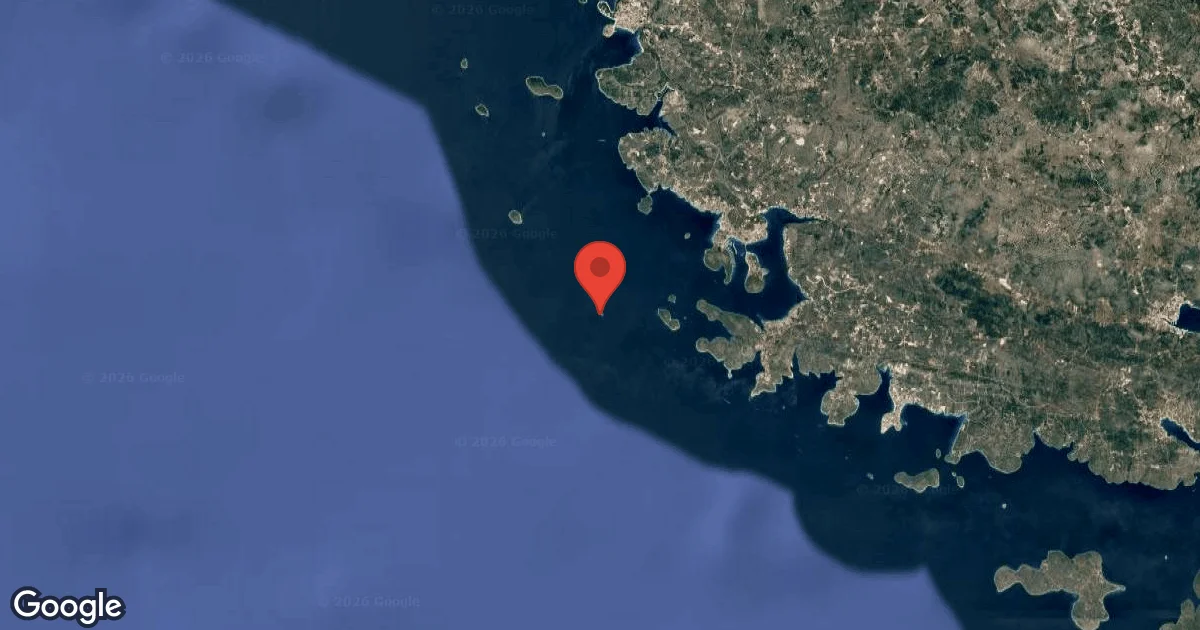
intermediateMala Smokvica Steamship Wreck
Anchor DiveBoat
Max 42 m
7.8 km
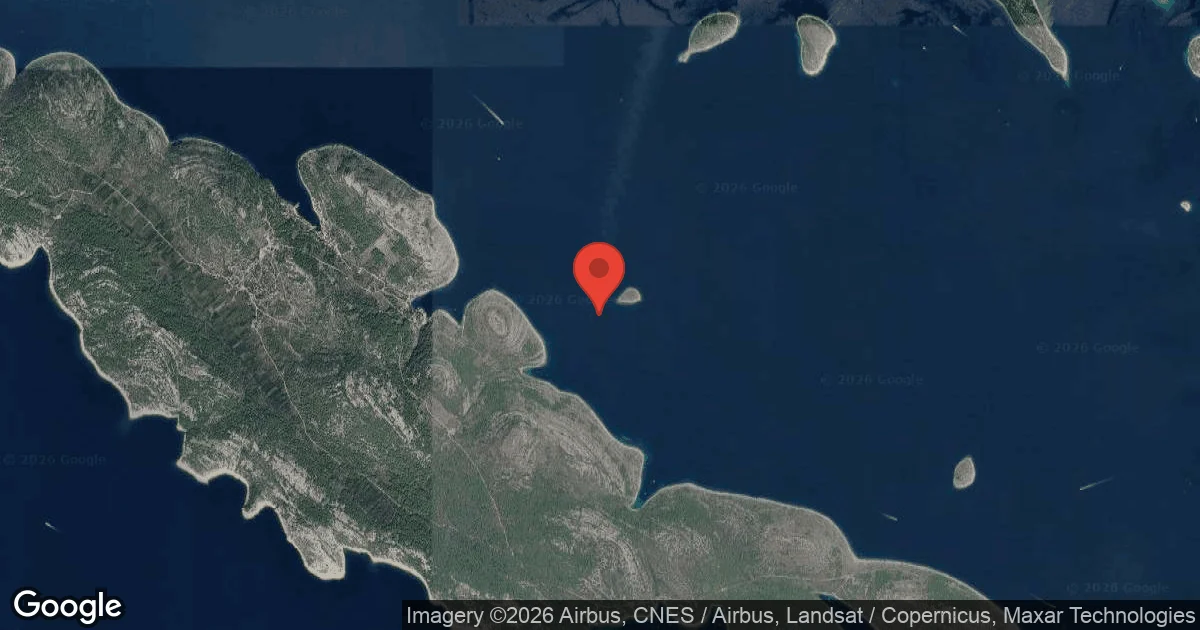
intermediateMulo Lighthouse Cascades
BoatCanyon
Max 32 m
20.4 km
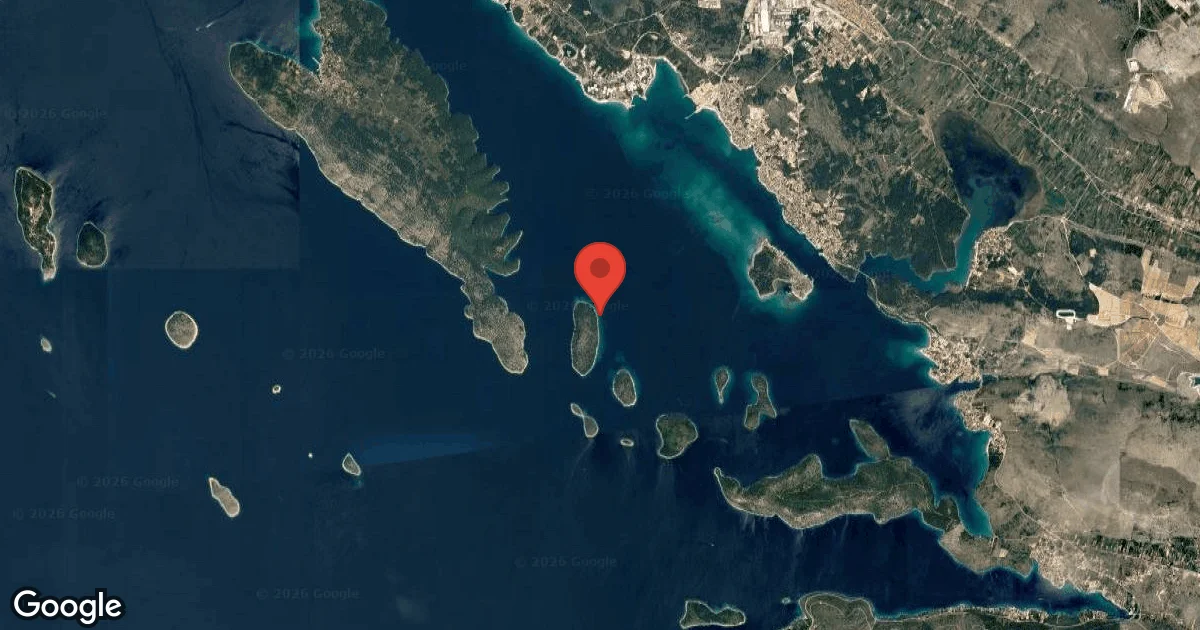
intermediateKoromašna Bay Roman Wreck
BoatDown Line
Max 24 m
9.6 km
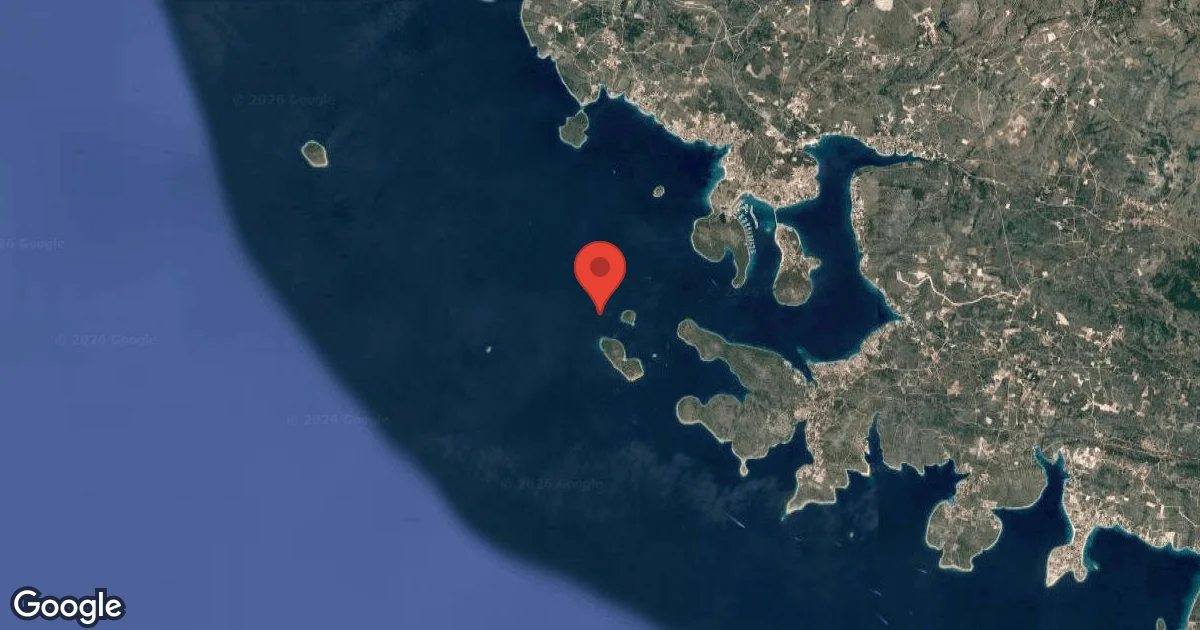
intermediateDrvenik Island Siphon Cave
BoatChannel
Max 42 m
7.5 km
advancedMala Smokvica Pontoon Wreck
BoatDown Line
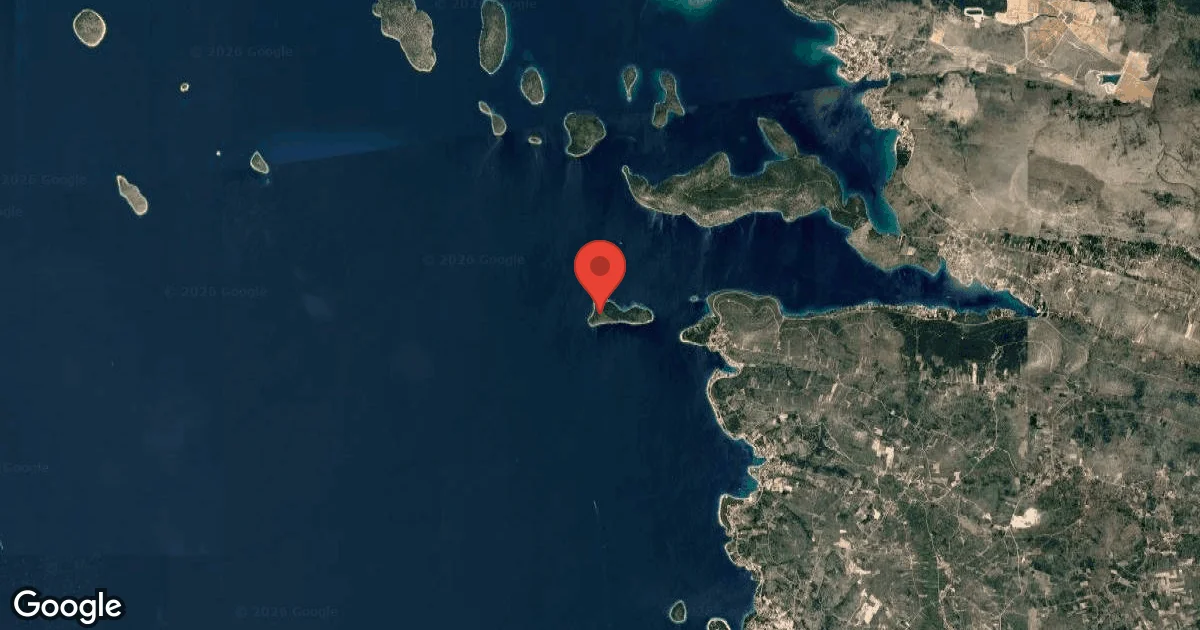
Max 36 m
5.3 km
advancedTmara Island Cave & Wall
BoatOcean
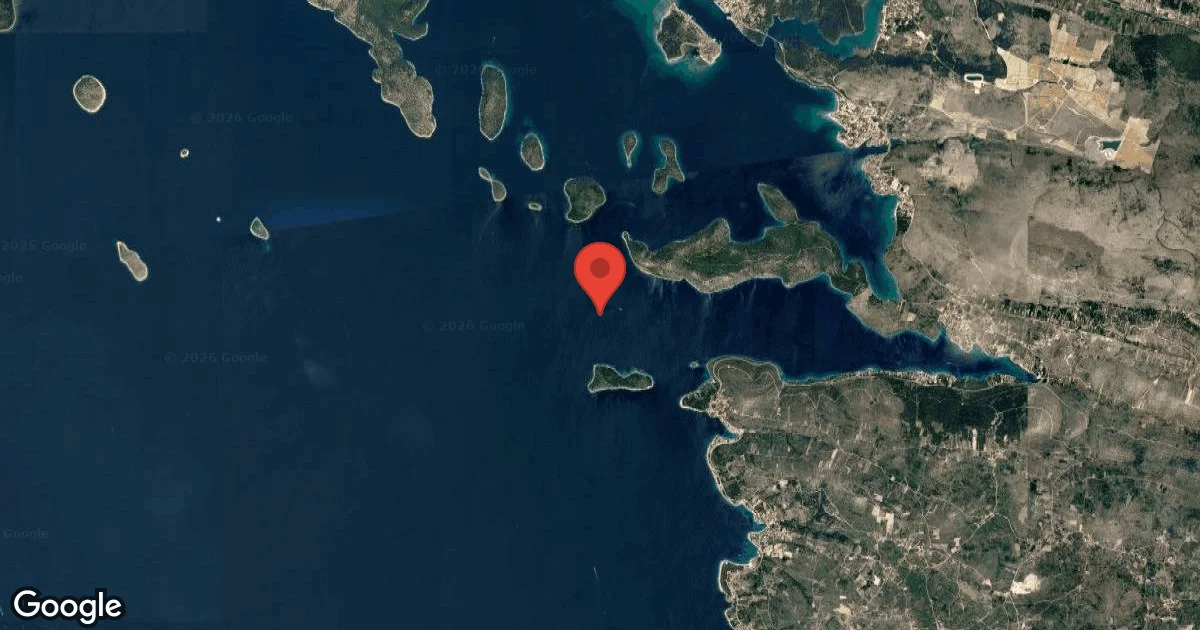
Max 40 m
6.2 km
advancedCathedral Reef Primošten
BoatCanyon
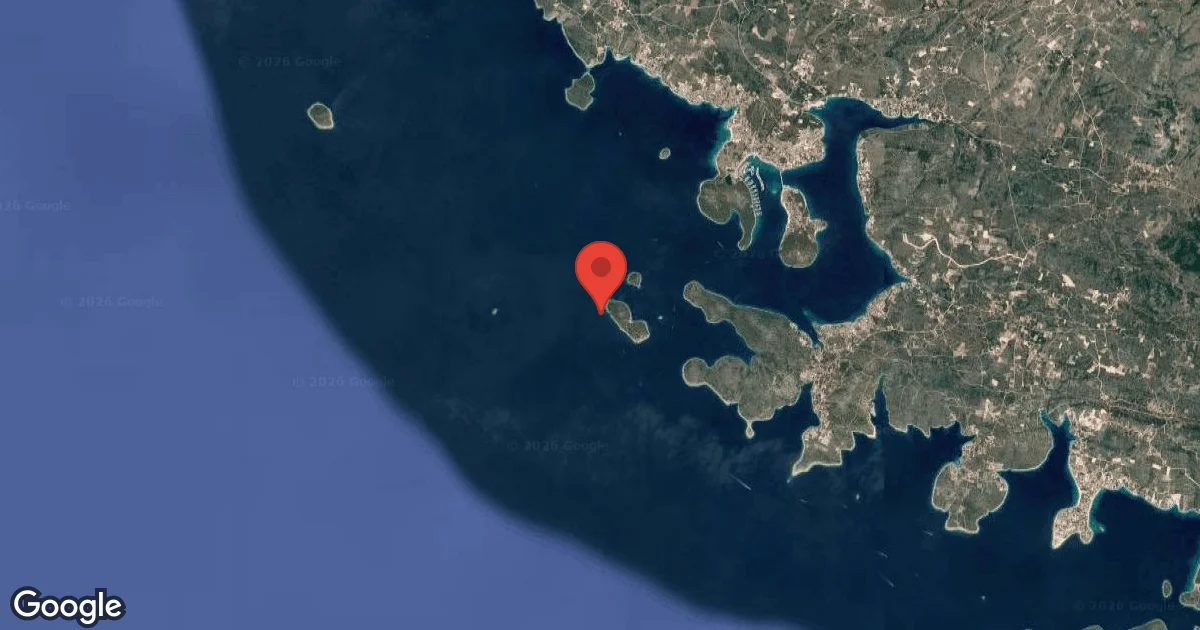
Max 60 m
8 km
advancedVelika Smokvica Wall
BoatCanyon
Max 27 m
7.6 km
intermediateMala Smokvica Steamship Wreck
Anchor DiveBoat
Max 42 m
7.8 km
intermediateMulo Lighthouse Cascades
BoatCanyon
Max 32 m
20.4 km
intermediateKoromašna Bay Roman Wreck
BoatDown Line
Max 24 m
9.6 km
intermediateDrvenik Island Siphon Cave
BoatChannel
Max 42 m
7.5 km
advancedMala Smokvica Pontoon Wreck
BoatDown Line
Max 36 m
5.3 km
advancedTmara Island Cave & Wall
BoatOcean
Max 40 m
6.2 km
advancedCathedral Reef Primošten
BoatCanyon
Max 60 m
8 km
advancedVelika Smokvica Wall
BoatCanyon
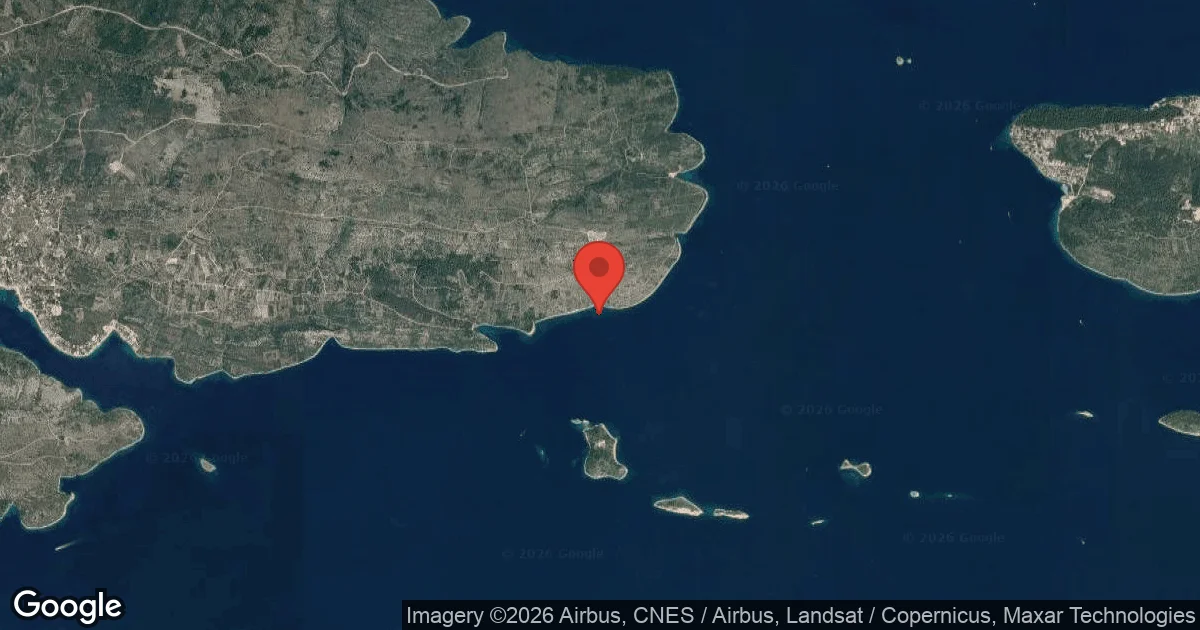
Max 35 m
23.2 km
Wreck „Alcadija“
ReefWreck
Max 53 m
24.8 km
advancedFrancesca da Rimini
BoatDown Line
1 / 2
Dive Centers Near Wreck Mirano
4.7| 267 reviews
30.5 km
4.5| 117 reviews
38.1 kmNearest Airports
Nearest airports to help plan travel to this dive area.
Split Saint Jerome Airport SPU
31 km
Brač Airport BWK
70 km
Zadar Airport ZAD
73 km
💵 Currency: EUR
Search Flights
Check available flights and routes on Expedia, using the nearby airports listed in this section.
Search Flights on ExpediaAffiliate link · Dive Navigator may earn a commission at no extra cost to you.
Frequently Asked Questions
What certification level is required to dive Wreck Mirano?
An advanced open-water certification is required because the wreck lies between 24 and 30 meters, placing the entire tour within deeper recreational limits where gas management and computer monitoring are essential.
How did the steamship Mirano sink off Primošten?
Originally an Italian merchant steamer requisitioned by German forces during the Second World War to transport coal, Mirano was struck by Allied coastal artillery in September 1943, caught fire, and sank off Primošten.
Can divers penetrate inside the hull of Wreck Mirano?
No interior penetration is required or practiced; post-war salvage cleared the engines and upper superstructure, leaving an open, well-lit layout of hull plating, ribs, cylinders, and mast sections.
Is coal cargo still visible on the seabed?
Yes, scattered black lumps of the ship's final coal shipment still rest across the pale sand beside the hull plates and deck frames, providing an unmistakable historical link to its wartime role.
What marine life is most commonly spotted on the wreck?
Divers regularly encounter European lobsters, conger eels, common octopuses, and camouflaged red scorpionfish sheltering in the ironwork, with schools of sea bream, damselfish, and occasional John Dory swimming overhead.
Is nitrox advantageous for diving Wreck Mirano?
Yes, breathing an enriched air nitrox blend such as 32 percent oxygen significantly expands no-decompression bottom time in the 24 to 30 meter depth range, allowing a thorough inspection of the entire wreck field.
Trip Inquiry
Planning to dive Wreck Mirano?
Tell us your dates and diving needs. We'll review your request and seek offers from relevant local dive centers.
Request Dive Offers Free request for offers • No booking obligation
Wreck Mirano
Conditions are Moderate
5/10
Confidence: 8/10
Indicates meteorological model agreement and data availability.
DIVE WARNING
High Wind Advisory (52km/h). Unsafe surface.
06:12
18:45
H: 10:45
L: 16:20
Air / Sea Temp
13° / 19°
Wave Height
1.9 m
Wind Speed
52 km/h N
Rain Chance
0%
Current conditions near Wreck Mirano show 13° air, 19° sea temperature, 1.9 m waves, and 52 km/h wind. Forecast data is refreshed regularly to ensure accuracy.
Radius: ~12km
Updated: Nov 23, 2026, 03:52 local timeMARINE: OPEN-METEOWEATHER: YR.NO


