Loading...

Diving at SMS Szent István (Croatia)
Published
Stand beside triple 305-millimeter dreadnought gun barrels and giant steam-turbine propellers at 68 meters on SMS Szent István, the legendary Austro-Hungarian battleship and war grave off Premuda Island.
Current morning readings from SMS Szent István indicate an air temperature of 12°C. Surface wave heights are averaging around 1.5 m at this time. These local measurements provide a baseline for your daily dive planning.
Dive Site Location & Key Facts
Site Characteristics
Max Depth68m / 223ft
Entry Typeboat
Water Typesalt
Dive Types
DeepTechnicalWreck
Dive Site Overview
Few shipwrecks in European waters match the historical gravity and sheer industrial scale of SMS Szent István. Launched in January 1914 at the Ganz-Danubius shipyard in Rijeka as the fourth and sole Hungarian-built dreadnought of the Austro-Hungarian Navy's Tegetthoff class, the 20,000-ton, 152.2-meter warship carried twelve 305-millimeter Škoda main guns mounted in four triple turrets. Before dawn on June 10, 1918, while steaming south from Pula alongside sister ship SMS Tegetthoff to force the Allied Otranto Barrage, Szent István was ambushed off Premuda Island by two tiny Italian motor torpedo boats commanded by Luigi Rizzo. Two 450-millimeter torpedoes from MAS-15 tore into her starboard boiler rooms at 03:25, triggering progressive flooding that doomed the ship.
Despite desperate counter-measures—including training her massive 305-millimeter gun turrets to port as counterweights—the dreadnought rolled completely over and sank around 06:12 with the loss of 89 sailors, an event famously captured on motion-picture film from Tegetthoff's deck. Rediscovered by Yugoslav Navy hydrographers in the mid-1970s roughly nine nautical miles southwest of Premuda, the battleship rests completely inverted on a flat, silty sand plain between 66 and 68 meters, while her upturned flat-bottomed keel rises to roughly 50 meters.
Because the bow struck the seabed while the stern was still momentarily buoyant, the forward bow section fractured at the forward turret barbette and lies slightly askew beside the main hull. Technical divers swimming along the armored sides at 62 to 68 meters can examine the gaping starboard torpedo impact craters, twin four-bladed propellers and single rudder at the stern, 150-millimeter casemate guns, and the awe-inspiring barrels of the 305-millimeter main battery protruding from beneath the crushed superstructure.
SMS Szent István
Conditions are Moderate
5/10
Confidence: 8/10
Indicates meteorological model agreement and data availability.
DIVE WARNING
High Wind Advisory (41km/h). Unsafe surface.
06:12
18:45
H: 10:45
L: 16:20
Air / Sea Temp
12° / 18°
Wave Height
1.8 m
Wind Speed
41 km/h ENE
Rain Chance
0%
Current conditions near SMS Szent István show 12° air, 18° sea temperature, 1.8 m waves, and 41 km/h wind. Forecast data is refreshed regularly to ensure accuracy.
Radius: ~12km
Updated: Nov 23, 2026, 04:24 local timeMARINE: OPEN-METEOWEATHER: YR.NO
Best Time to Dive
Expeditions to SMS Szent István operate almost exclusively between late May and early October, when settled Adriatic high-pressure systems permit safe open-water mooring nine nautical miles offshore from Premuda. Because the wreck lies completely exposed to open northern Adriatic fetch without island shelter, skippers require calm seas with minimal swell for precise shotline placement and extended decompression hangs.
June and September typically deliver the cleanest deep-water clarity—often 20 to 25 meters across the inverted hull—alongside comfortable surface intervals for support teams. Regardless of summer surface warmth, water temperature below the thermocline at 50 to 68 meters remains a cold 14 to 16 degrees Celsius year-round.
PEAK SEASON SCORE
91/100
ExcellentScores combine air & water temps, waves, wind & rainfall for overall conditions.
BEST MONTHS TO DIVE
JUN
JUL
AUG
DIVE SCORE GUIDE (0–100)
Excellent (90–100)
Very Good (80–89)
Good (70–79)
Moderate (50–69)
Poor (30–49)
Not Recommended (0–29)
Monthly records compiled from satellite and marine observation nodes over the last 3 years. Data provided by Open-Meteo and MET Norway.
Dive Experience & Conditions
Diving Szent István is a serious offshore technical expedition staged via specialized liveaboards or long-range fast boats with official Ministry of Culture permits. Divers descend a heavy shotline through 50 meters of open blue water before the vast, barnacle-and-sponge-encrusted plateau of the upturned hull materializes like an underwater aircraft carrier.
Dropping down the 280-millimeter armored belt to the seabed at 66 to 68 meters reveals the true drama of the wreck. At the stern, twin propellers and shaft brackets tower over the sand; along the starboard midships, jagged hull plating marks the MAS-15 torpedo hits; and forward, a gap beneath the hull rim lets divers illuminate the triple 305-millimeter cannon barrels still slewed to port since the morning of June 10, 1918.
Open-sea currents vary from negligible to brisk mid-water flow across the decompression zone, and the fine mud-sand bottom around the 68-meter perimeter silts easily if fin kicks drop too low. Ascents follow the shotline or drifting decompression stations through long staged gas switches in open blue water.
Dive Difficulty & Safety Guidelines
SMS Szent István is legally designated as a war grave of 89 Austro-Hungarian seamen and a protected cultural heritage monument of the Republic of Croatia. Independent diving is strictly prohibited; access requires a dedicated special permit issued by the Croatian Ministry of Culture for organized technical expeditions, and interior hull penetration or artifact disturbance is forbidden.
At 66 to 68 meters, normoxic or hypoxic trimix (or closed-circuit rebreather with adequate bailout reserves), redundant computers, drysuit thermal protection with argon inflation, and high-output primary and backup canister lights are mandatory. Divers must maintain strict trim well above the silty 68-meter seafloor, beware of snagged offshore fishing nets draped along hull projections, and plan conservative staged decompression schedules.
Recommended Equipment
Technical depth range. Advanced planning, gas management, and appropriate certification required.
Overhead / entanglement risk. Wreck penetration requires proper training.
- Dive Computer
- DSMB
- Primary & Backup Lights
- Wreck Reel
- Cutting Tool
This gear list is based on verified equipment signals for SMS Szent István, Croatia. Always confirm final gear choices with your dive operator, guide, or liveaboard.
Recommended Dive Suit
Forecast models show minimal temperature variation in the coming days.
Thermal protection such as 5-7mm wetsuit is commonly used in similar temperatures. Strong winds are present; please take strong precautions against rapid cooling during surface intervals. A thermal robe or jacket is recommended between dives.
Recent environmental data from SMS Szent István indicates water temperatures near 18°C (64°F). Surface air temperatures are resting at 12°C (54°F).
SMS Szent István conditions last reviewed: 04:24 local time (UTC+1), Nov 23, 2026
Emergency & Medical Support
Essential information to help you plan your dive trip to SMS Szent István.

Hyperbaric chambers are a critical part of dive safety infrastructure. Availability varies significantly by region, and not all dive areas have immediate access.
Before diving, it's recommended to:
- confirm nearest medical facilities
- check emergency procedures with local dive operators
- ensure dive insurance covers evacuation if required
24/7 Available
Divers Alert Network
Diving emergency assistance available through DAN Europe.
+39 0642115685- 24/7 emergency hotline
- Diving medical assistance
- Evacuation coordination
Emergency contacts are provided for reference. Always verify local emergency services before diving.
Closest Listed Hyperbaric Chambers (≤ 200 km)
Approximate straight-line distances from this dive site — emergency travel times may vary.
84 km84 kmPoliklinika za baromedicinu OXY – Podružnica Pula
Pula, Croatia+385 52 215 663Details84 kmPoliklinika za baromedicinu OXY – Podružnica Pula
Pula, Croatia · Multiplace
Hours: Mon–Fri 07:30–15:30Facility: Opća bolnica PulaICU On-Site: Not reportedSource: KBC Rijeka / Poliklinika OXYOfficial website
84 km
Poliklinika za baromedicinu OXY – Podružnica Pula
Pula, Croatia+385 52 215 663Details
84 km
Poliklinika za baromedicinu OXY – Podružnica Pula
Pula, Croatia · Multiplace
Hours: Mon–Fri 07:30–15:30
Facility: Opća bolnica Pula
ICU On-Site: Not reported
Source: KBC Rijeka / Poliklinika OXY
Official website110 km110 kmPoliklinika za baromedicinu OXY – Poslovna jedinica Crikvenica
Crikvenica, Croatia+385 51 785 229Details110 kmPoliklinika za baromedicinu OXY – Poslovna jedinica Crikvenica
Crikvenica, Croatia · Multiplace
Hours: Mon–Fri 07:30–15:30Facility: Thalassotherapia CrikvenicaICU On-Site: Not reportedSource: KBC Rijeka / Poliklinika OXYOfficial website
110 km
Poliklinika za baromedicinu OXY – Poslovna jedinica Crikvenica
Crikvenica, Croatia+385 51 785 229Details
110 km
Poliklinika za baromedicinu OXY – Poslovna jedinica Crikvenica
Crikvenica, Croatia · Multiplace
Hours: Mon–Fri 07:30–15:30
Facility: Thalassotherapia Crikvenica
ICU On-Site: Not reported
Source: KBC Rijeka / Poliklinika OXY
Official website124 km124 kmZavod za podvodnu i hiperbaričnu medicinu – KBC Rijeka
Rijeka, Croatia24/7ICU+385 51 407 435Details124 kmZavod za podvodnu i hiperbaričnu medicinu – KBC Rijeka
24/7 ListedICU CapableRijeka, Croatia · Multiplace (8 seated / 2 stretcher ICU)
Hours: 24/7 EmergencyFacility: Klinički bolnički centar Rijeka (Lokalitet Sušak)ICU On-Site: YesSource: KBC Rijeka / Poliklinika OXYOfficial website
124 km
Zavod za podvodnu i hiperbaričnu medicinu – KBC Rijeka
Rijeka, Croatia24/7ICU+385 51 407 435Details
124 km
Zavod za podvodnu i hiperbaričnu medicinu – KBC Rijeka
24/7 ListedICU CapableRijeka, Croatia · Multiplace (8 seated / 2 stretcher ICU)
Hours: 24/7 Emergency
Facility: Klinički bolnički centar Rijeka (Lokalitet Sušak)
ICU On-Site: Yes
Source: KBC Rijeka / Poliklinika OXY
Official websiteChamber data is sourced from official Croatian hospital and baromedicine facility records and has not been independently verified by Dive Navigator. Always contact local emergency services, DAN, your dive operator, or the facility directly before travelling.
Reference onlyMarine Life at SMS Szent István
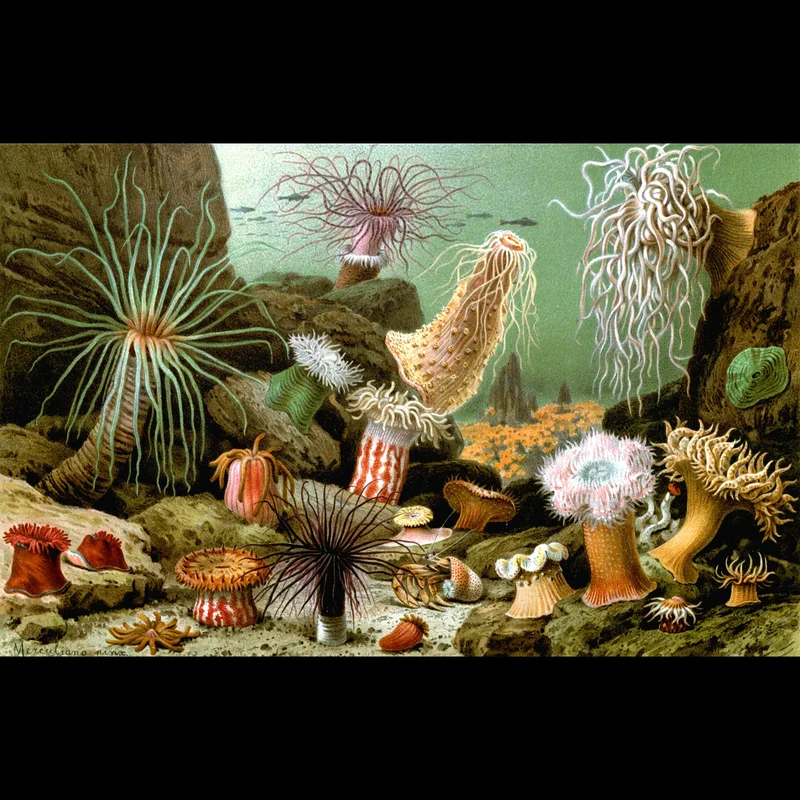
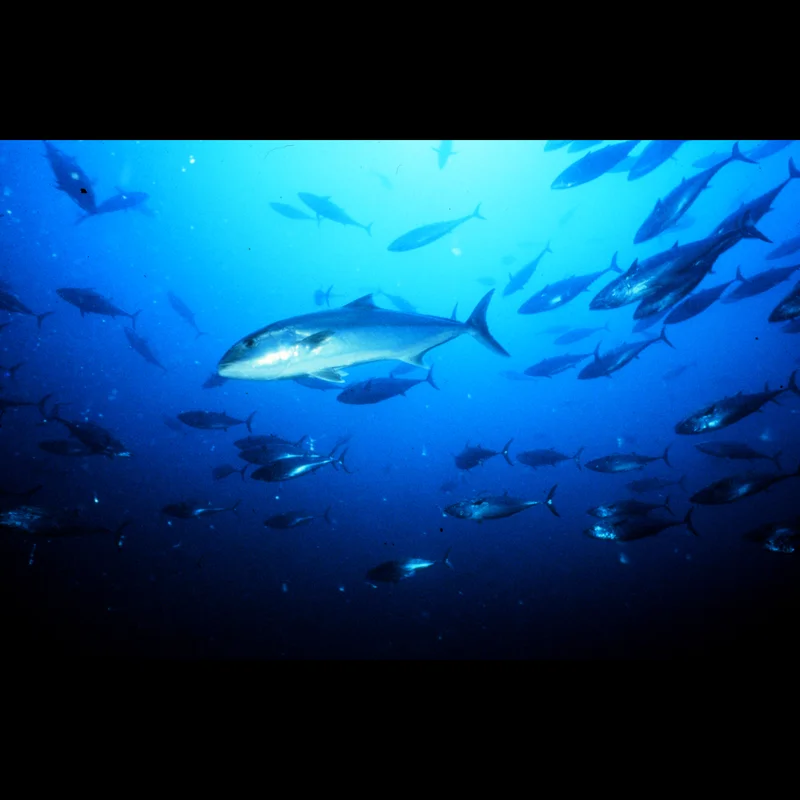
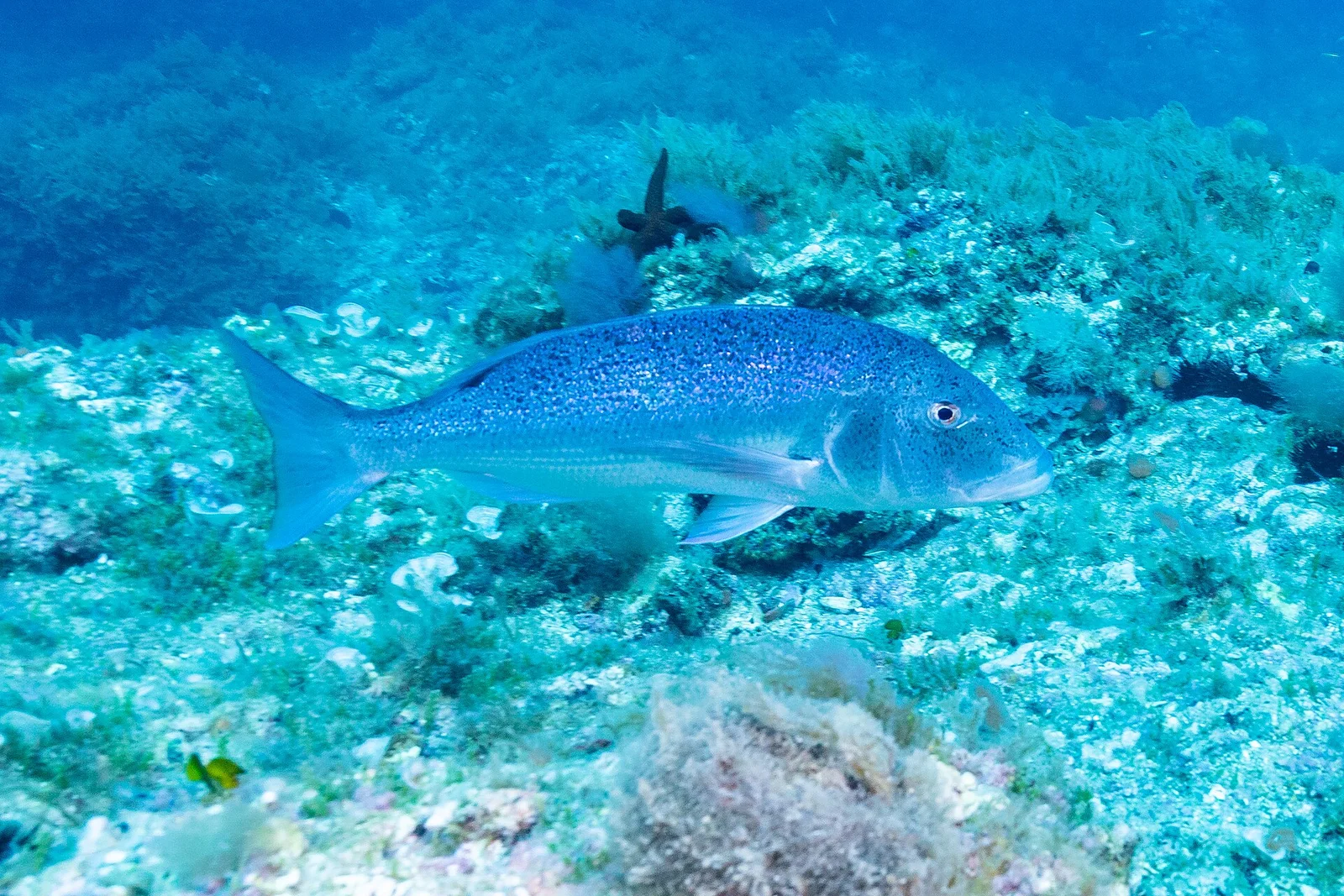
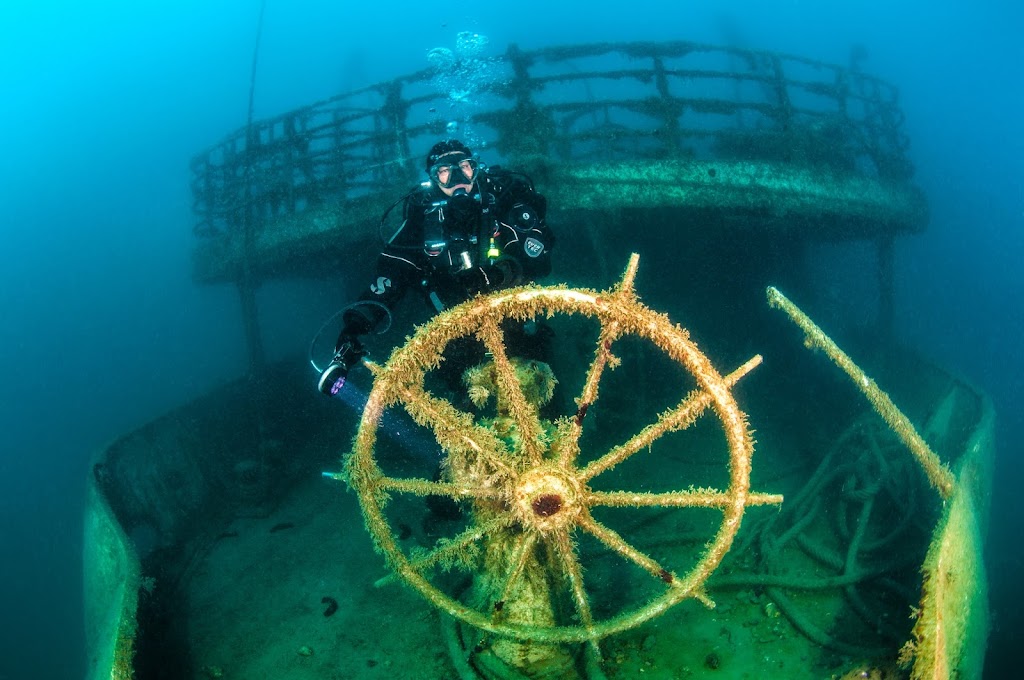
Isolated on a flat offshore plain miles from Premuda's rocky reefs, the 152-meter steel battleship functions as a colossal deep-water oasis for Adriatic megafauna. Schools of greater amberjack, common dentex, and pelagic bonitos patrol above the 50-meter upturned keel, while shimmering clouds of anthias and pouting blanket the armored sides.
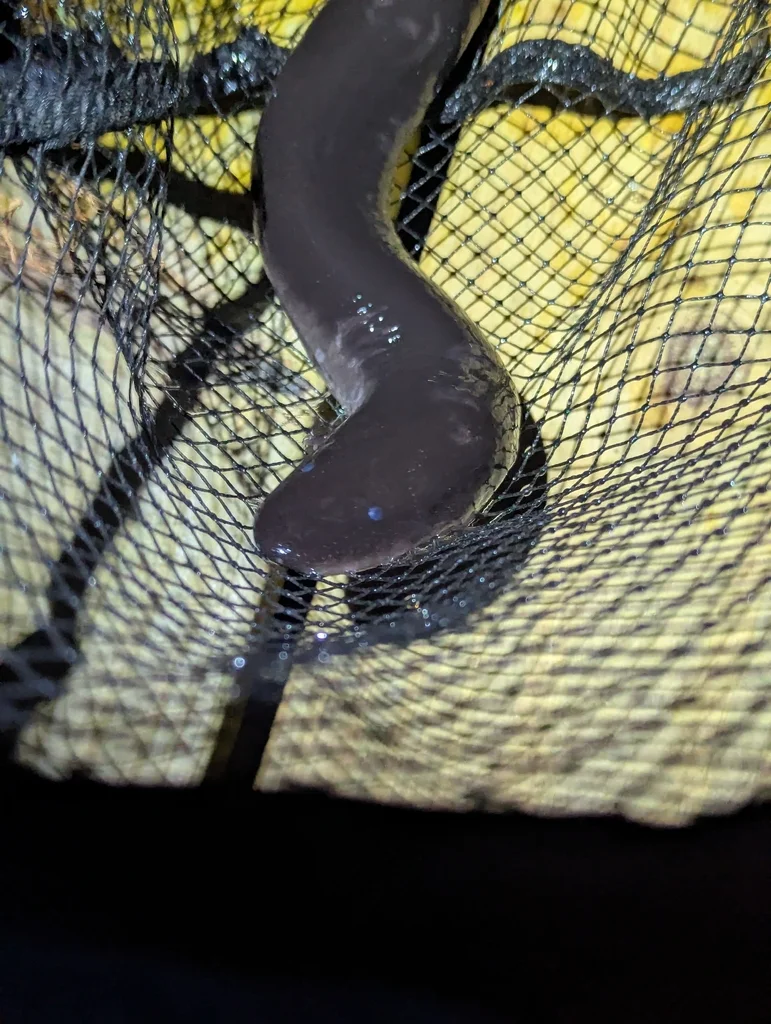
Beneath the dark overhang of the crushed superstructure and casemates, giant European conger eels, forkbeards, and heavy European lobsters occupy armored recesses alongside John Dory gliding calmly along the sand-hull interface. Encrusting yellow sponges, oysters, plumose anemones, and bryozoans coat every square meter of riveted Austro-Hungarian steel.

1 / 2
Image contributors:Diego Delso, Giacomo Merculiano + 2 more
Want to contribute photos or local dive knowledge? Learn how to contributeDive Sites Near SMS Szent István
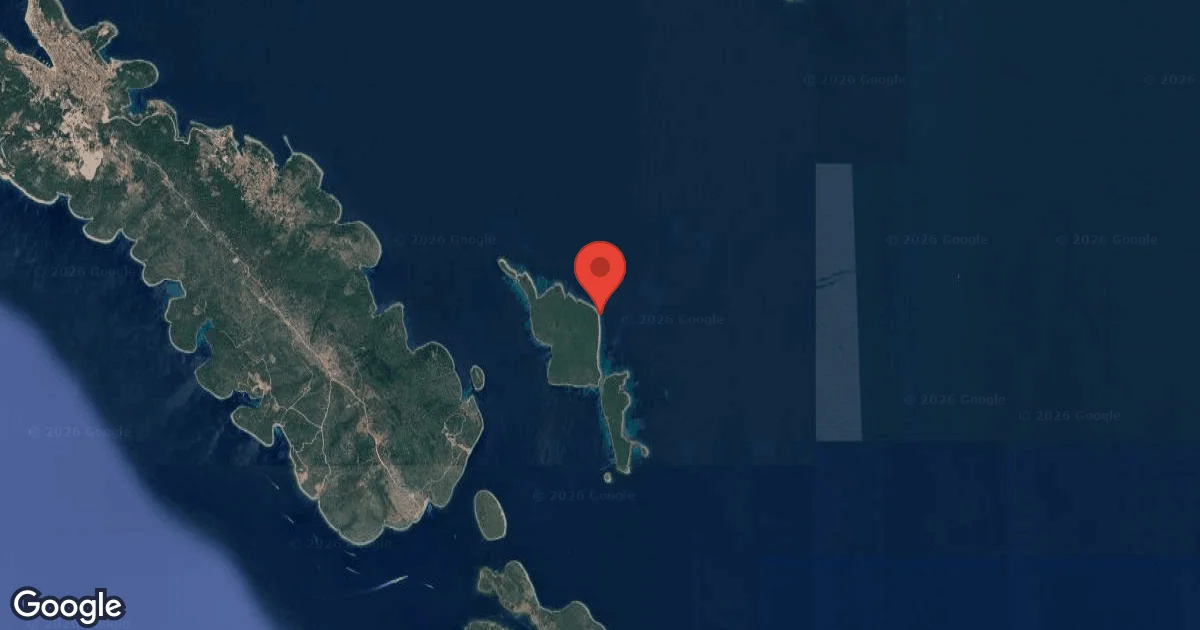
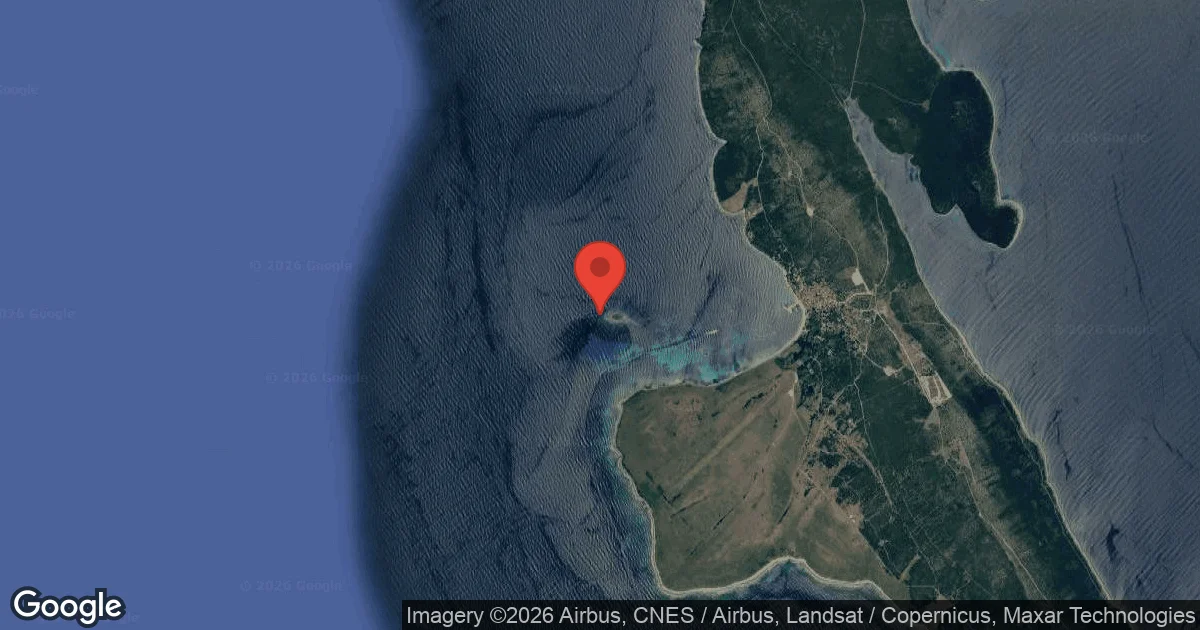
View all dive sites in CroatiaDiscover more underwater gems in this area.
Dive Centers Near SMS Szent István
Working Hours
Sun09:00 - 17:00
Mon09:00 - 17:00
Tue09:00 - 17:00
Wed09:00 - 17:00
Thu09:00 - 17:00
Fri09:00 - 17:00
Sat09:00 - 17:00
Today: 09:00 - 17:00
Sun09:00 - 17:00
Mon09:00 - 17:00
Tue09:00 - 17:00
Wed09:00 - 17:00
Thu09:00 - 17:00
Fri09:00 - 17:00
Sat09:00 - 17:00
4.9| 148 reviews
64.9 km
4.5| 51 reviews
65.7 km
4.2| 91 reviews
60.9 km
Dive Center Scuba Libre
4.8(166)• 76.6 km
Diving Center Shark
4.6(244)• 76 km
Golden Harbor Diving
4.6(136)• 73.6 km
Diving Center Indie
4.7(211)• 81.2 km
Nearest Airports
Nearest airports to help plan travel to this dive area.
Zadar Airport ZAD
77 km
Pula Airport PUY
85 km
Marche Airport AOI
107 km
💵 Currency: EUR
Search Flights
Check available flights and routes on Expedia, using the nearby airports listed in this section.
Search Flights on ExpediaAffiliate link · Dive Navigator may earn a commission at no extra cost to you.
Frequently Asked Questions
Can recreational divers visit SMS Szent István?
No, with the upturned keel starting around 50 meters and the main gun barrels and torpedo damage resting at 66 to 68 meters, SMS Szent István is strictly reserved for certified technical trimix and rebreather divers.
Do divers need a special permit to dive SMS Szent István?
Yes, the wreck is a protected war grave and registered cultural monument under the Croatian Ministry of Culture, requiring advance Ministerial authorization arranged through an approved technical expedition operator.
Why is SMS Szent István lying upside down on the seabed?
High superstructures, heavy triple gun turrets, and progressive boiler-room flooding after two starboard torpedo strikes caused the dreadnought to capsize 180 degrees as she sank on June 10, 1918.
Are the 305 mm battleship guns still visible underwater?
Yes, swimming along the seabed perimeter at 66 to 68 meters lets divers shine lights beneath the hull overhang to view the massive 305-millimeter gun barrels, still turned to port from the crew's final effort to counter the starboard list.
Is wreck penetration permitted on SMS Szent István?
No, interior penetration is prohibited due to its legal status as a war grave, unstable inverted deck structures, live First World War ordnance, and heavy silt hazards.
Where is SMS Szent István located relative to Premuda Island?
The battleship lies in open Adriatic waters approximately eight to nine nautical miles southwest of Premuda Island in the outer Zadar archipelago.
Trip Inquiry
Planning to dive SMS Szent István?
Tell us your dates and diving needs. We'll review your request and seek offers from relevant local dive centers.
Request Dive Offers Free request for offers • No booking obligation
SMS Szent István
Conditions are Moderate
5/10
Confidence: 8/10
Indicates meteorological model agreement and data availability.
DIVE WARNING
High Wind Advisory (41km/h). Unsafe surface.
06:12
18:45
H: 10:45
L: 16:20
Air / Sea Temp
12° / 18°
Wave Height
1.8 m
Wind Speed
41 km/h ENE
Rain Chance
0%
Current conditions near SMS Szent István show 12° air, 18° sea temperature, 1.8 m waves, and 41 km/h wind. Forecast data is refreshed regularly to ensure accuracy.
Radius: ~12km
Updated: Nov 23, 2026, 04:24 local timeMARINE: OPEN-METEOWEATHER: YR.NO