Loading...

Diving at Vela Orjula (Apoxyomenos Site) (Croatia)
Published
Descend the outer limestone ledges of Vele Orjule in the Lošinj archipelago to the iconic 45-meter sand channel where Croatia's famed Hellenistic bronze Apoxyomenos statue lay hidden for two thousand years.
Current morning readings from Vela Orjula (Apoxyomenos Site) indicate an air temperature of 11°C. Surface wave heights are averaging around 1 m at this time. These local measurements provide a baseline for your daily dive planning.
Dive Site Location & Key Facts
Site Characteristics
Max Depth45m / 148ft
Entry Typeboat
Water Typesalt
Dive Types
ArchaeologicalDeepReef
Dive Site Overview
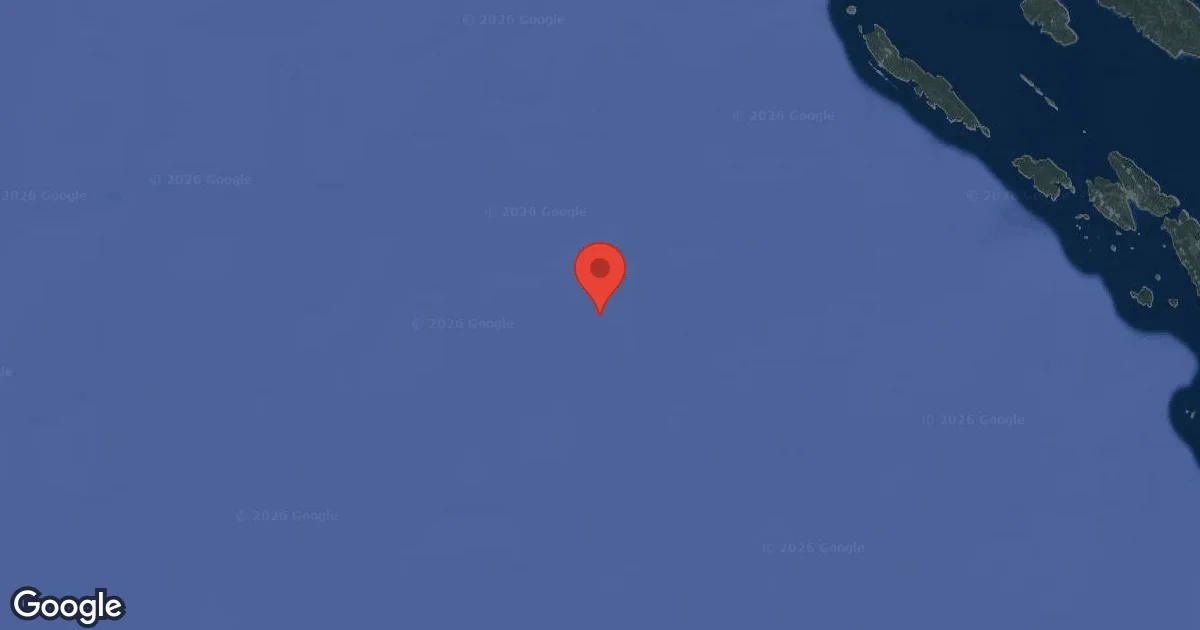
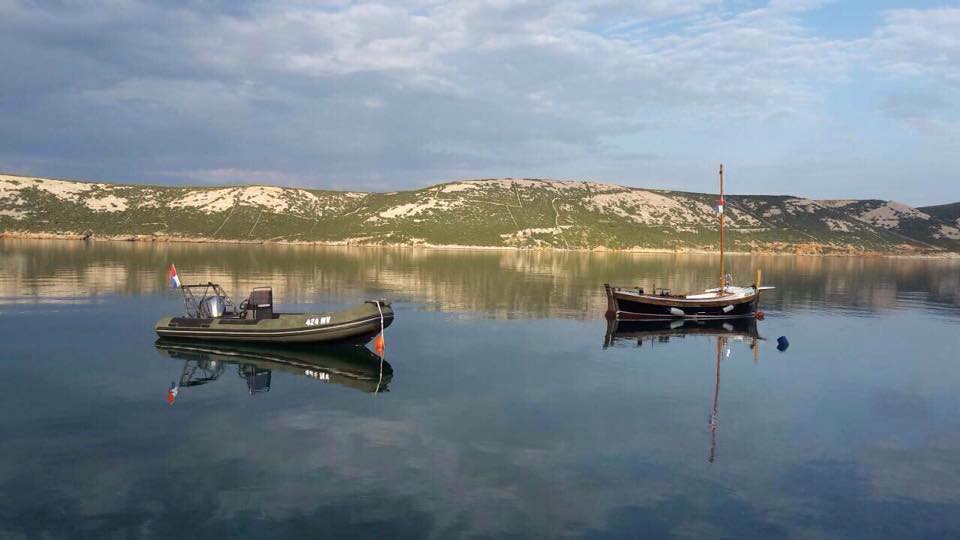
Located southeast of Veli Lošinj between the uninhabited islets of Vele Orjule and Male Orjule, this flagship Kvarner dive site holds an extraordinary place in Mediterranean underwater archaeology. Here, wedged between two rocky limestone ridges on a clean sandy seabed at 45 meters, Belgian recreational diver René Wouters chanced upon an intact, 192-centimeter bronze statue of a young Greek athlete scraping oil and dust from his body with a strigil. Cast in the 2nd or 1st century BC after a 4th-century BC classical prototype and likely jettisoned from a Roman merchant vessel caught in a Kvarner gale during the 1st century AD, the sculpture was painstakingly raised on April 27, 1999 by Croatian Ministry of Culture underwater archaeologists and Special Police divers.
While the restored original bronze masterpiece now anchors the dedicated Museum of Apoxyomenos in Mali Lošinj, diving the discovery site off Vele Orjule lets visiting divers experience the exact submarine landscape that preserved it. Archaeological surveys found no wooden hull structure on the surrounding slope, confirming that the heavy bronze statue and its decorated pedestal were either cast overboard to lighten a storm-tossed Roman ship seeking shelter in the lee of the Orjule islets or lost during a localized grounding along the ancient Osor-Pula sea lane.
Topographically, the dive follows a stepped karst reef descending from a sunlit 10-meter boulder terrace down steeper rocky spurs fissured with crevices and overhangs. At the base of the reef between 42 and 45 meters, pale biogenic sand tongues cut between dark, encrusted rock outcrops, recreating the unmistakable saddle documented during the 1999 recovery operation and commemorated within the Lošinj underwater heritage park context.
Vela Orjula (Apoxyomenos Site)
Conditions are Good
7/10
Confidence: 8/10
Indicates meteorological model agreement and data availability.
Best Dive Window
Optimal conditions expected
06:12
18:45
H: 10:45
L: 16:20
Air / Sea Temp
11° / 17°
Wave Height
1.1 m
Wind Speed
39 km/h NE
Rain Chance
0%
Current conditions near Vela Orjula (Apoxyomenos Site) show 11° air, 17° sea temperature, 1.1 m waves, and 39 km/h wind. Forecast data is refreshed regularly to ensure accuracy.
Radius: ~12km
Updated: Nov 23, 2026, 05:02 local timeMARINE: OPEN-METEOWEATHER: YR.NO
Best Time to Dive
The prime window to dive Vele Orjule runs from May through October, when high-pressure summer stability calms the Kvarnerić channel and boat transits from Mali Lošinj and Veli Lošinj take only twenty to thirty minutes. In May, June, and September, water clarity regularly reaches 25 to 30 meters as reduced boat traffic and mild northerly breezes keep plankton blooms minimal.
July and August bring the warmest surface waters at 23 to 26 degrees Celsius, though a pronounced Adriatic thermocline persists between 18 and 25 meters, dropping bottom temperatures at the 45-meter discovery pocket to a crisp 15 to 16 degrees Celsius. Strong northeastern bura episodes can whip rapidly across the Velebit and Kvarner channels in spring and autumn, so dive operators schedule trips for calm morning windows with light maestral breezes.
PEAK SEASON SCORE
94/100
ExcellentScores combine air & water temps, waves, wind & rainfall for overall conditions.
BEST MONTHS TO DIVE
JUN
JUL
AUG
DIVE SCORE GUIDE (0–100)
Excellent (90–100)
Very Good (80–89)
Good (70–79)
Moderate (50–69)
Poor (30–49)
Not Recommended (0–29)
Monthly records compiled from satellite and marine observation nodes over the last 3 years. Data provided by Open-Meteo and MET Norway.
Dive Experience & Conditions
Accessible exclusively by dive boat from Lošinj, the descent begins over a sheltered rocky shoulder in 10 to 14 meters before angling down the seaward limestone slope. Divers follow the natural contour of twin rock ribs that funnel down toward the 45-meter sand patch, allowing a clear visual appreciation of how storm surge and seabed geometry trapped the bronze statue between boulders rather than burying it under deep silt.
Visibility along the outer Orjule drop-off averages 25 meters, bathing the upper terraces in cobalt light while the deeper gorgonian zone takes on a cooler twilight hue. Mild to moderate channel currents sweep around the southeastern tip of Vele Orjule and over the nearby shallow Prolaz narrows toward Male Orjule, occasionally picking up speed on tidal exchanges.
After a focused bottom phase at 42 to 45 meters inspecting the rocky saddle and deep sponge-draped ledges, divers ascend gradually along the terraced reef wall. The multi-level karst topography between 25 and 10 meters makes for a scenic, unhurried ascent and extended safety stop over sunlit Posidonia seagrass meadows and boulder fields.
Dive Difficulty & Safety Guidelines
Reaching the 45-meter Apoxyomenos discovery depth places this dive squarely at the outer edge of deep recreational limits, requiring deep-diver certification, solid gas-management discipline, and careful no-decompression tracking. Because bottom time at 45 meters is brief on open-circuit air or enriched air within maximum operating depth limits, divers should agree on turn pressures and ascent waypoints before leaving the surface.
Pronounced thermal stratification below 22 meters demands at least a 7-millimeter wetsuit with a hood or a drysuit to prevent cold-induced fatigue and elevated air consumption during the deep phase. Always carry a delayed surface marker buoy for blue-water drift ascents if channel currents freshen along the outer Orjule point, and avoid disturbing seabed sediment or rocky encrustations within this historically documented archaeological zone.
Recommended Equipment
Technical depth range. Advanced planning, gas management, and appropriate certification required.
- Dive Computer
- DSMB
- Primary & Backup Lights
This gear list is based on verified equipment signals for Vela Orjula (Apoxyomenos Site), Croatia. Always confirm final gear choices with your dive operator, guide, or liveaboard.
Recommended Dive Suit
For many recreational divers, 5-7mm wetsuit provides a practical level of insulation in these conditions. Consider warmer surface protection (like a boat coat) due to brisk winds. Strong cold advisory: dress warmly immediately after exiting the water. Divers who tend to get cold easily may prefer slightly thicker exposure protection.
The waters surrounding Vela Orjula (Apoxyomenos Site) are currently maintaining temperatures close to 17°C (63°F). Surface air temperatures are resting at 11°C (52°F).
Current forecasts indicate relatively stable conditions for the coming days.
Vela Orjula (Apoxyomenos Site) conditions last reviewed: 05:02 local time (UTC+1), Nov 23, 2026
Emergency & Medical Support
Essential information to help you plan your dive trip to Vela Orjula (Apoxyomenos Site).

Hyperbaric chambers are a critical part of dive safety infrastructure. Availability varies significantly by region, and not all dive areas have immediate access.
Before diving, it's recommended to:
- confirm nearest medical facilities
- check emergency procedures with local dive operators
- ensure dive insurance covers evacuation if required
24/7 Available
Divers Alert Network
Diving emergency assistance available through DAN Europe.
+39 0642115685- 24/7 emergency hotline
- Diving medical assistance
- Evacuation coordination
Emergency contacts are provided for reference. Always verify local emergency services before diving.
Closest Listed Hyperbaric Chambers (≤ 200 km)
Approximate straight-line distances from this dive site — emergency travel times may vary.
69 km69 kmPoliklinika za baromedicinu OXY – Podružnica Pula
Pula, Croatia+385 52 215 663Details69 kmPoliklinika za baromedicinu OXY – Podružnica Pula
Pula, Croatia · Multiplace
Hours: Mon–Fri 07:30–15:30Facility: Opća bolnica PulaICU On-Site: Not reportedSource: KBC Rijeka / Poliklinika OXYOfficial website
69 km
Poliklinika za baromedicinu OXY – Podružnica Pula
Pula, Croatia+385 52 215 663Details
69 km
Poliklinika za baromedicinu OXY – Podružnica Pula
Pula, Croatia · Multiplace
Hours: Mon–Fri 07:30–15:30
Facility: Opća bolnica Pula
ICU On-Site: Not reported
Source: KBC Rijeka / Poliklinika OXY
Official website77 km77 kmPoliklinika za baromedicinu OXY – Poslovna jedinica Crikvenica
Crikvenica, Croatia+385 51 785 229Details77 kmPoliklinika za baromedicinu OXY – Poslovna jedinica Crikvenica
Crikvenica, Croatia · Multiplace
Hours: Mon–Fri 07:30–15:30Facility: Thalassotherapia CrikvenicaICU On-Site: Not reportedSource: KBC Rijeka / Poliklinika OXYOfficial website
77 km
Poliklinika za baromedicinu OXY – Poslovna jedinica Crikvenica
Crikvenica, Croatia+385 51 785 229Details
77 km
Poliklinika za baromedicinu OXY – Poslovna jedinica Crikvenica
Crikvenica, Croatia · Multiplace
Hours: Mon–Fri 07:30–15:30
Facility: Thalassotherapia Crikvenica
ICU On-Site: Not reported
Source: KBC Rijeka / Poliklinika OXY
Official website92 km92 kmZavod za podvodnu i hiperbaričnu medicinu – KBC Rijeka
Rijeka, Croatia24/7ICU+385 51 407 435Details92 kmZavod za podvodnu i hiperbaričnu medicinu – KBC Rijeka
24/7 ListedICU CapableRijeka, Croatia · Multiplace (8 seated / 2 stretcher ICU)
Hours: 24/7 EmergencyFacility: Klinički bolnički centar Rijeka (Lokalitet Sušak)ICU On-Site: YesSource: KBC Rijeka / Poliklinika OXYOfficial website
92 km
Zavod za podvodnu i hiperbaričnu medicinu – KBC Rijeka
Rijeka, Croatia24/7ICU+385 51 407 435Details
92 km
Zavod za podvodnu i hiperbaričnu medicinu – KBC Rijeka
24/7 ListedICU CapableRijeka, Croatia · Multiplace (8 seated / 2 stretcher ICU)
Hours: 24/7 Emergency
Facility: Klinički bolnički centar Rijeka (Lokalitet Sušak)
ICU On-Site: Yes
Source: KBC Rijeka / Poliklinika OXY
Official websiteChamber data is sourced from official Croatian hospital and baromedicine facility records and has not been independently verified by Dive Navigator. Always contact local emergency services, DAN, your dive operator, or the facility directly before travelling.
Reference onlyMarine Life at Vela Orjula (Apoxyomenos Site)
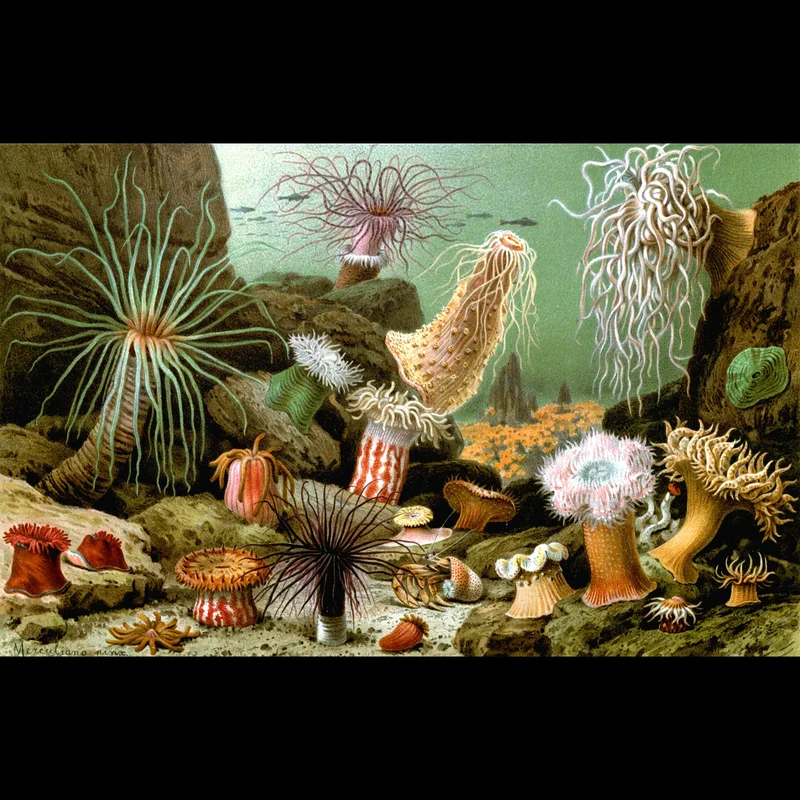
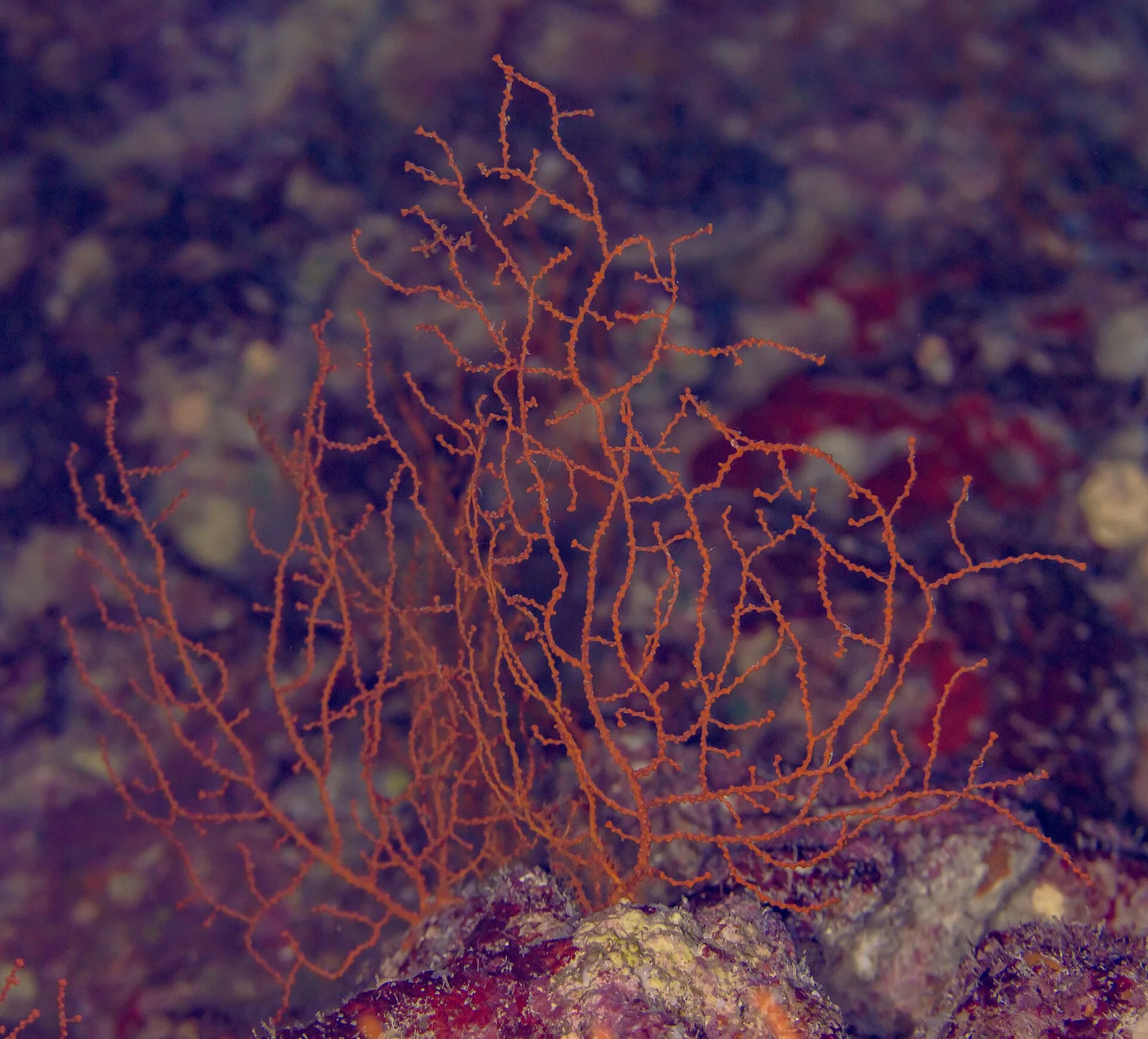
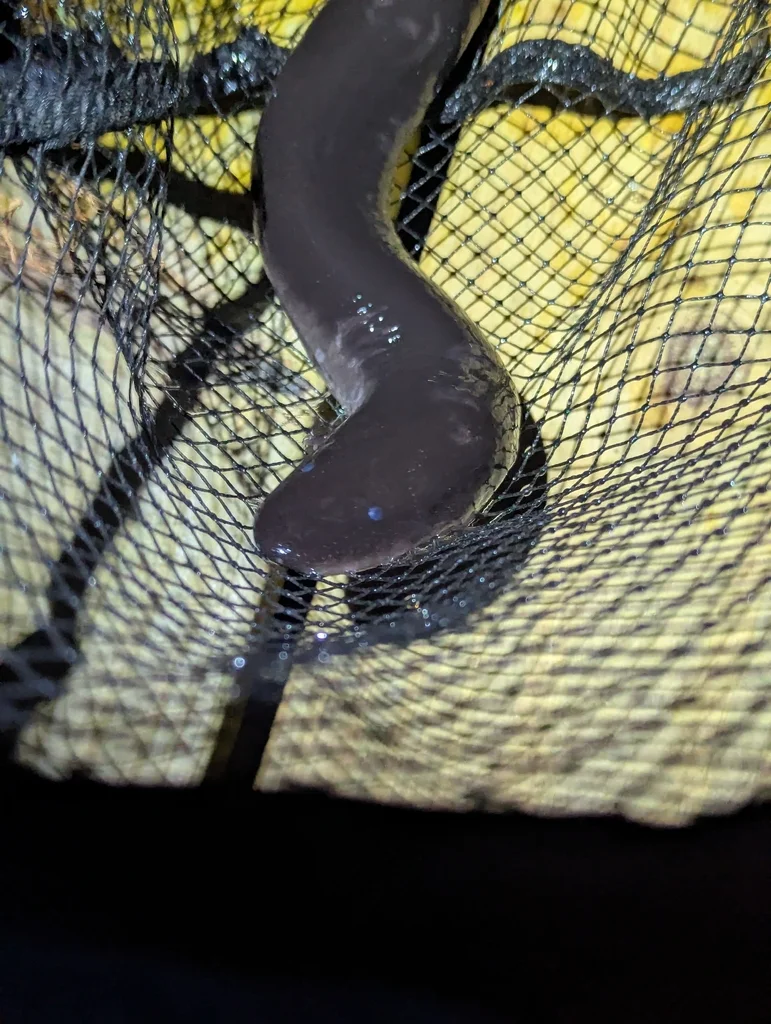
Flushed by nutrient-rich Kvarnerić currents, the deeper limestone outcrops below 28 meters support lush colonies of red and yellow gorgonians, golden axinellid sponges, and yellow cluster anemones clinging to shaded overhangs. Beam a dive torch into undercut fissures along the reef base to reveal European conger eels, red scorpionfish, and squat lobsters tucked into dark limestone pockets.
Mid-water above the rocky spurs, patrolling common dentex and two-banded sea breams hunt along the thermocline edge while dusky groupers eye divers from boulder caverns. Shallower terraces between 10 and 18 meters host common octopuses, painted combers, rainbow wrasses, and dense clouds of damselfish hovering above Posidonia oceanica meadows.


1 / 2
Image contributors:Diego Delso, laszlo-photo + 1 more
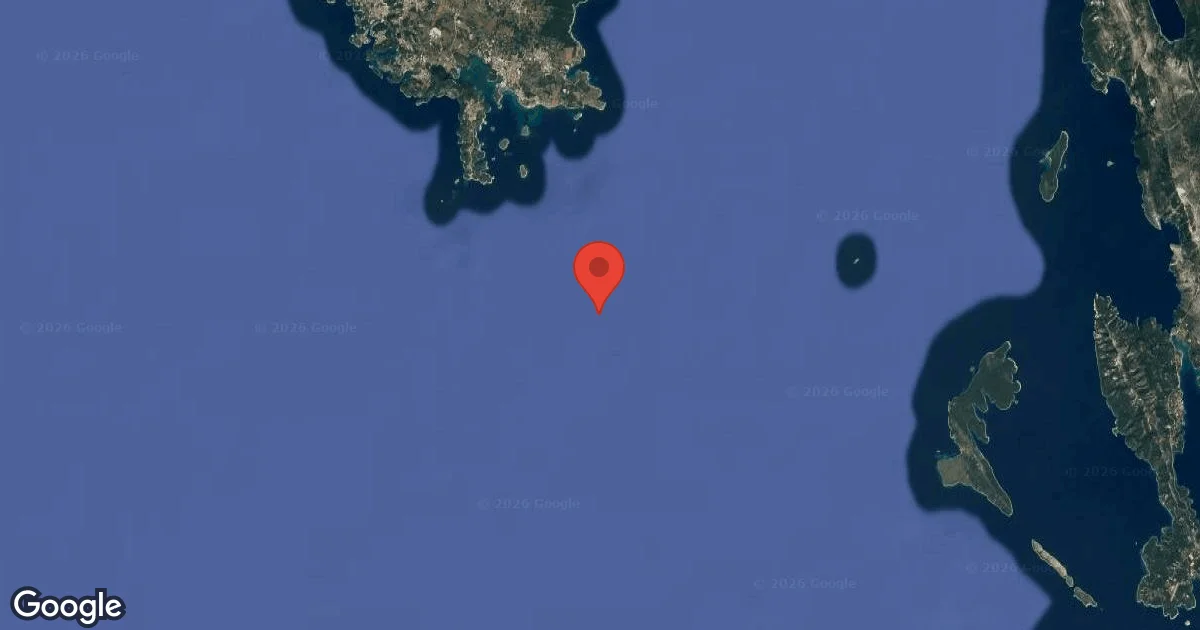
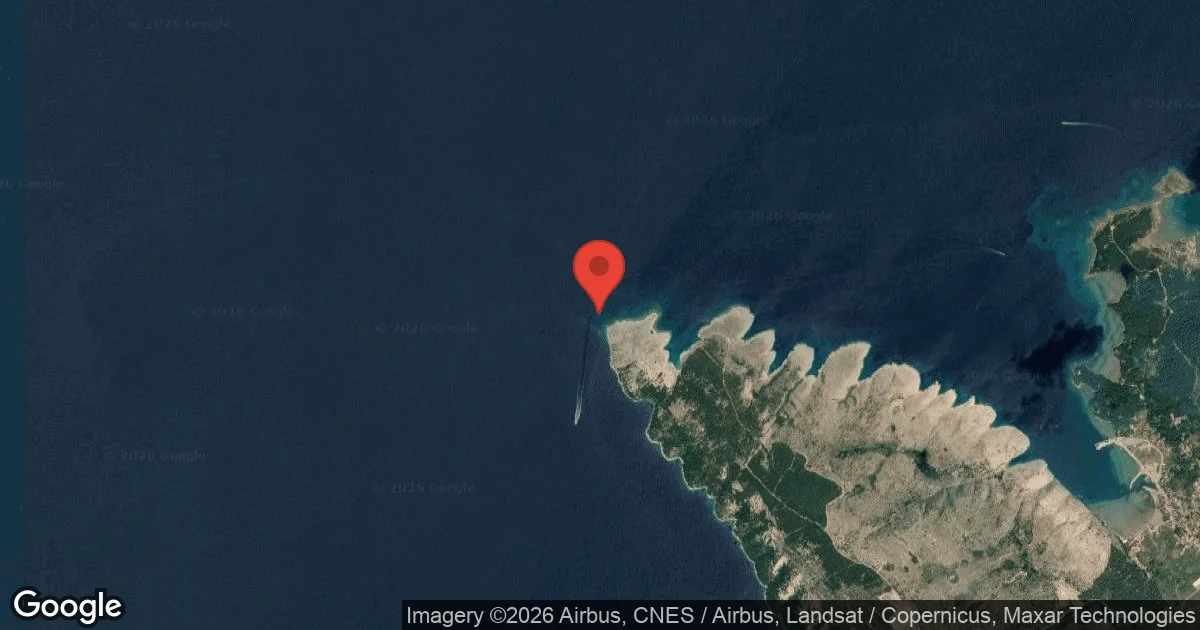
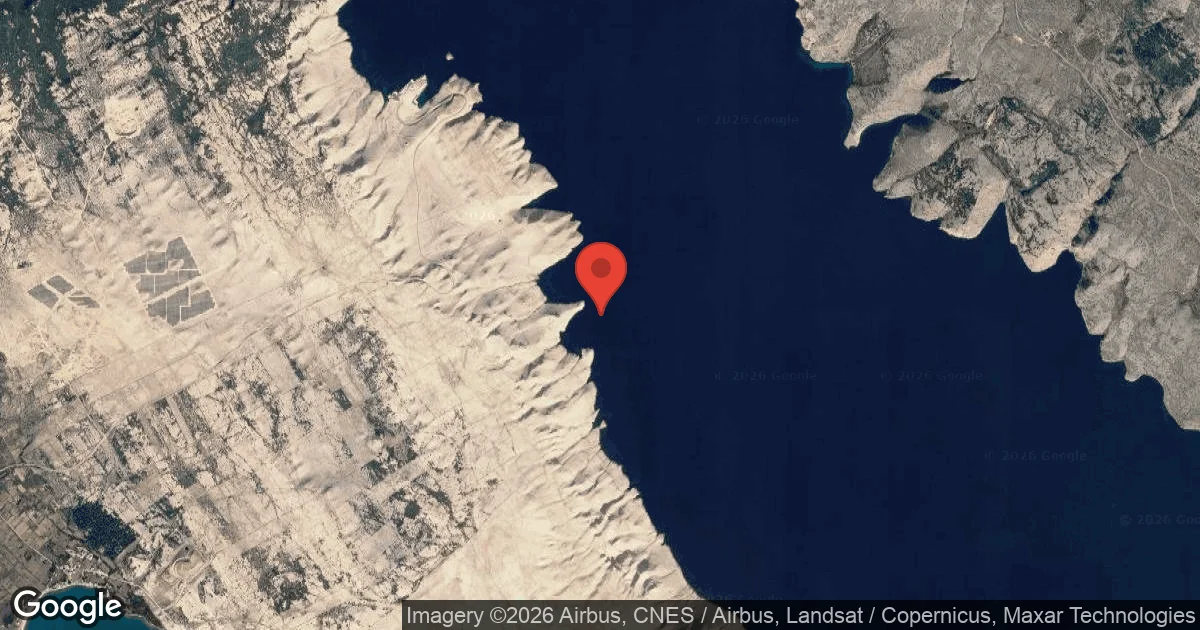
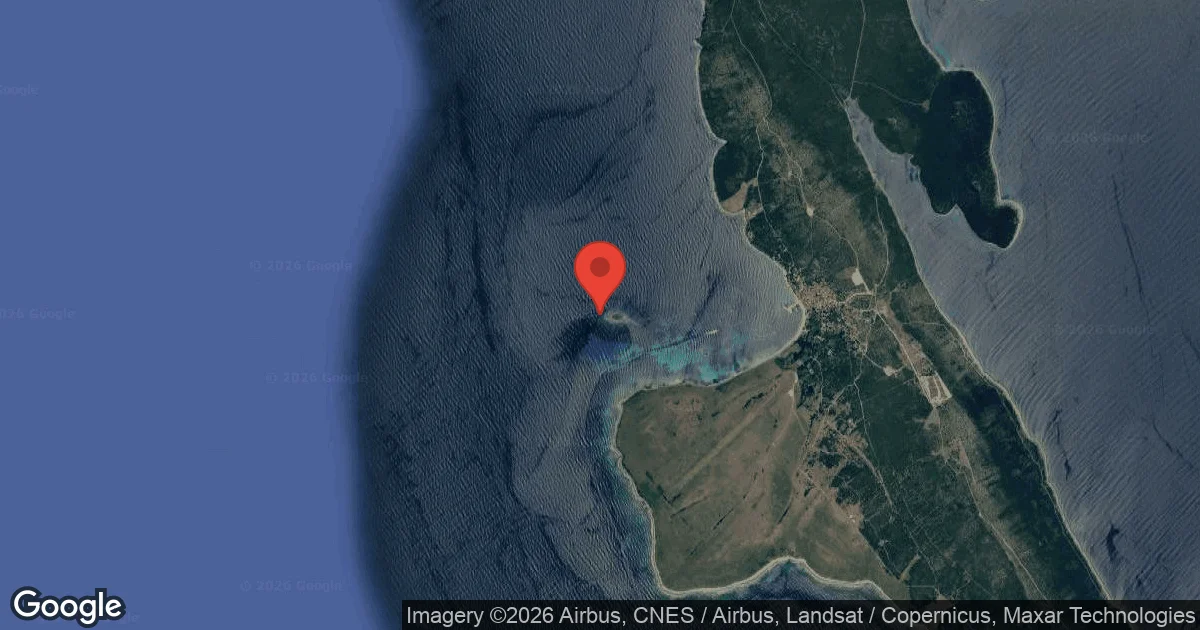
Want to contribute photos or local dive knowledge? Learn how to contributeDive Sites Near Vela Orjula (Apoxyomenos Site)
View all dive sites in CroatiaDiscover more underwater gems in this area.
Dive Centers Near Vela Orjula (Apoxyomenos Site)
Working Hours
Sun09:00 - 17:00
Mon09:00 - 17:00
Tue09:00 - 17:00
Wed09:00 - 17:00
Thu09:00 - 17:00
Fri09:00 - 17:00
Sat09:00 - 17:00
Today: 09:00 - 17:00
Sun09:00 - 17:00
Mon09:00 - 17:00
Tue09:00 - 17:00
Wed09:00 - 17:00
Thu09:00 - 17:00
Fri09:00 - 17:00
Sat09:00 - 17:00
4.5| 51 reviews
31.9 kmNearest Airports
Nearest airports to help plan travel to this dive area.
Pula Airport PUY
67 km
Zadar Airport ZAD
78 km
Rijeka Airport RJK
79 km
💵 Currency: EUR
Search Flights
Check available flights and routes on Expedia, using the nearby airports listed in this section.
Search Flights on ExpediaAffiliate link · Dive Navigator may earn a commission at no extra cost to you.
Frequently Asked Questions
Is the original bronze Apoxyomenos statue still underwater at Vele Orjule?
No, the original 2nd-to-1st-century BC bronze statue was raised on April 27, 1999 for six years of desalination and conservation, and is permanently exhibited at the Museum of Apoxyomenos in Mali Lošinj, while divers visit the authentic 45-meter discovery site and underwater heritage context off Vele Orjule.
How deep is the Apoxyomenos discovery site off Vele Orjule?
The sandy pocket wedged between rocky limestone reefs where the statue rested lies at 45 meters, while the surrounding reef slope rises progressively to shallow boulder terraces at 10 meters.
What certification level is required to dive the Vele Orjule Apoxyomenos site?
Divers visiting the 45-meter discovery saddle need a recognized deep-diver specialty qualification and strong buoyancy control, though advanced open-water divers can explore the upper reef slope above 30 meters.
Were shipwreck timbers or amphorae found alongside the statue?
Extensive underwater archaeological surveys around Vele Orjule revealed no wooden hull remains, indicating the heavy bronze statue was likely jettisoned during a violent storm to save a Roman vessel transiting toward Osor or Pula.
How do divers reach Vele Orjule?
Vele Orjule is an uninhabited islet southeast of Veli Lošinj reached exclusively by boat on guided excursions departing from dive centers in Mali Lošinj and Veli Lošinj.
Are currents strong around the Orjule islets?
Currents are typically mild to moderate along the eastern reef slope, though tidal flow funneling around the Kvarnerić channel can strengthen near exposed points and requires carrying a surface marker buoy.
Trip Inquiry
Planning to dive Vela Orjula (Apoxyomenos Site)?
Tell us your dates and diving needs. We'll review your request and seek offers from relevant local dive centers.
Request Dive Offers Free request for offers • No booking obligation
Vela Orjula (Apoxyomenos Site)
Conditions are Good
7/10
Confidence: 8/10
Indicates meteorological model agreement and data availability.
Best Dive Window
Optimal conditions expected
06:12
18:45
H: 10:45
L: 16:20
Air / Sea Temp
11° / 17°
Wave Height
1.1 m
Wind Speed
39 km/h NE
Rain Chance
0%
Current conditions near Vela Orjula (Apoxyomenos Site) show 11° air, 17° sea temperature, 1.1 m waves, and 39 km/h wind. Forecast data is refreshed regularly to ensure accuracy.
Radius: ~12km
Updated: Nov 23, 2026, 05:02 local timeMARINE: OPEN-METEOWEATHER: YR.NO