
Diving at Alexandria Wreck (Cyprus)
Off Larnaca, Cyprus, the Alexandria Wreck settles at a maximum depth of 30 m (100 ft) on the seafloor. A fishing trawler, it offers divers a descent to its intact hull, typically encountered around 25-27 meters. Such a deep-water landscape provides a distinct contrast to shallower sites, requiring confident navigation in the recreational depth range. Its proximity to the prominent Zenobia wreck contributes to the site's appeal and marine activity.
As evening covers Alexandria Wreck, the local air temperature is measured at 23.5°C. The current wave height at the surface is recorded at 0.6 m. These late-day readings characterize the surface conditions for the night.
Dive Site Location & Key Facts
Dive Site Overview
Off Larnaca, 'Alex' presents a compelling dive site, known formally as the Alexandria Wreck. An old fishing trawler, it rests upright on the seabed, around 30 meters deep, having settled there in approximately 2006.
Local accounts suggest the vessel sank during a storm while being towed from Larnaca to Limassol, presumably en route to be scrapped. Measuring an estimated 35-40 m (115-130 ft) in length and 8-10 meters wide, this structure remains largely intact, allowing for exterior exploration. Situated only about 200 meters from the prominent Zenobia wreck, its proximity enhances the abundance of marine life present.
A fishing exclusion zone around the Zenobia site likely benefits the surrounding area, including Alexandria, by fostering a more vibrant ecosystem. Divers access the wreck exclusively by boat, descending to discover its structure and the marine inhabitants it now shelters.
Many consider 'Alex' a notable spot for underwater photography, capturing images of the wreck's outline against the deep blue of the Mediterranean.
Conditions are Good
07:00 - 14:00
Optimal conditions expected
Current conditions near Alexandria Wreck show 24° air, 28° sea temperature, 0.6 m waves, and 23 km/h wind. Forecast data is refreshed regularly to ensure accuracy.
Best Time to Dive
Diving conditions at the Alexandria Wreck often remain favorable throughout much of the year, though peak season presents distinct advantages. The months from June through October generally offer excellent dive scores, characterized by warmer air temperatures ranging from 23.5°C to 30.5°C (74-87°F). During this period, rainfall is minimal, and average wave heights tend to be lower, providing calmer surface conditions for boat entries and exits. Conversely, the cooler months from January to May and November to December still maintain good dive scores. Air temperatures during these periods fluctuate between 13°C and 22.5°C (55-73°F), with slightly increased average wave heights and rainfall. For optimal comfort and extended bottom times, targeting the late spring to early autumn period is advisable for divers exploring this deeper recreational wreck.
PEAK SEASON SCORE
Scores combine air & water temps, waves, wind & rainfall for overall conditions.
BEST MONTHS TO DIVE
Monthly records compiled from satellite and marine observation nodes over the last 3 years. Data provided by Open-Meteo and MET Norway.
Dive Experience & Conditions
Accessing the Alexandria Wreck always requires a boat, as its offshore location near Larnaca dictates. Descending to the site, divers typically find the trawler resting upright on a sandy bottom at a maximum depth of 30 meters, with much of the exploration occurring around 25-27 meters. Visibility at the site is generally good; however, prevailing currents or weather conditions can influence it. A sandy bottom environment means careful finning is essential to avoid stirring up sediment, which could temporarily reduce clarity. The site typically presents moderate to light currents, not consistently reported as strong, but conditions can vary depending on the day. Navigating the wreck involves exploring its exterior, offering opportunities for closer inspection of the hull. This wreck is well-suited for divers with experience in deeper recreational dives, as managing depth and bottom time effectively enhances the overall experience.
Dive Difficulty & Safety Guidelines
Diving the Alexandria Wreck requires careful planning due to its maximum depth of 30 m (100 ft) and its nature as a wreck site. Although the wreck is largely intact and accessible on the exterior, divers should possess appropriate training and experience for deep dives. Maintaining proper buoyancy control is crucial, especially near the sandy bottom, to prevent disturbing sediment and impairing visibility for other divers.
Current conditions can vary, so assessing and planning for potential water movement is part of a responsible dive. As with any wreck, entanglement hazards from loose lines or protruding structures, though not explicitly reported as significant, should always be considered.
A thorough briefing with local dive professionals familiar with the site's present state and conditions is highly recommended before diving.
Recommended Equipment
Overhead / entanglement risk. Wreck penetration requires proper training.
- Dive Computer
- Primary & Backup Lights
- Wreck Reel
- Cutting Tool
This gear list is based on verified equipment signals for Alexandria Wreck, Cyprus. Always confirm final gear choices with your dive operator, guide, or liveaboard.
Recommended Dive Suit
For divers planning standard recreational dives, 2-3mm shorty or light wetsuit is usually a suitable option. A hood or vest is suggested for sensitive divers due to surface winds. Divers vary widely in how quickly they feel cold underwater.
The waters surrounding Alexandria Wreck are currently maintaining temperatures close to 28°C (83°F). Surface air temperatures are resting at 24°C (74°F).
Temperatures look set to gradually increase over the next several days. A warming trend is expected over the next few days.
Emergency & Medical Support
Essential information to help you plan your dive trip to Alexandria Wreck.

Hyperbaric chambers are a critical part of dive safety infrastructure. Availability varies significantly by region, and not all dive areas have immediate access.
Before diving, it's recommended to:
- confirm nearest medical facilities
- check emergency procedures with local dive operators
- ensure dive insurance covers evacuation if required
Divers Alert Network
Diving emergency assistance available through DAN Europe.
+39 0642115685- 24/7 emergency hotline
- Diving medical assistance
- Evacuation coordination
Emergency contacts are provided for reference. Always verify local emergency services before diving.
Closest Listed Hyperbaric Chambers
Showing listed hyperbaric chamber facilities within 200 km of this dive site.
Distances are approximate straight-line distances and may not reflect emergency travel time.
Poseidonia Medical Centre
24/7 ListedLarnaca, Cyprus•Approx. 12 km straight-line
Poseidonia Medical Centre
24/7 ListedInformation is provided for reference and planning purposes only. Dive Navigator does not verify operational status, staffing, availability, or quality of care at listed facilities. In an emergency, contact local emergency services, DAN, your dive operator, or the chamber directly. Do not travel to a facility without calling ahead.
Hyperbaric Oxygen Therapy Department, General Hospital of Ammochostos (Famagusta)
Paralimni, Cyprus•Approx. 28 km straight-line
Hyperbaric Oxygen Therapy Department, General Hospital of Ammochostos (Famagusta)
Information is provided for reference and planning purposes only. Dive Navigator does not verify operational status, staffing, availability, or quality of care at listed facilities. In an emergency, contact local emergency services, DAN, your dive operator, or the chamber directly. Do not travel to a facility without calling ahead.
Hyperbaric Medical Centre
24/7 ListedNicosia, Cyprus•Approx. 40 km straight-line
Hyperbaric Medical Centre
24/7 ListedInformation is provided for reference and planning purposes only. Dive Navigator does not verify operational status, staffing, availability, or quality of care at listed facilities. In an emergency, contact local emergency services, DAN, your dive operator, or the chamber directly. Do not travel to a facility without calling ahead.
Marine Life at Alexandria Wreck
Upon approaching the Alexandria Wreck, divers often first notice an increased density of marine life congregating around the structure. The wreck's proximity to the protected Zenobia site fosters a vibrant ecosystem.
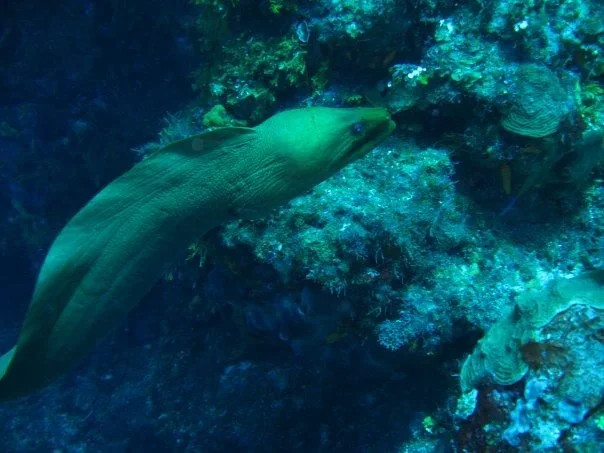
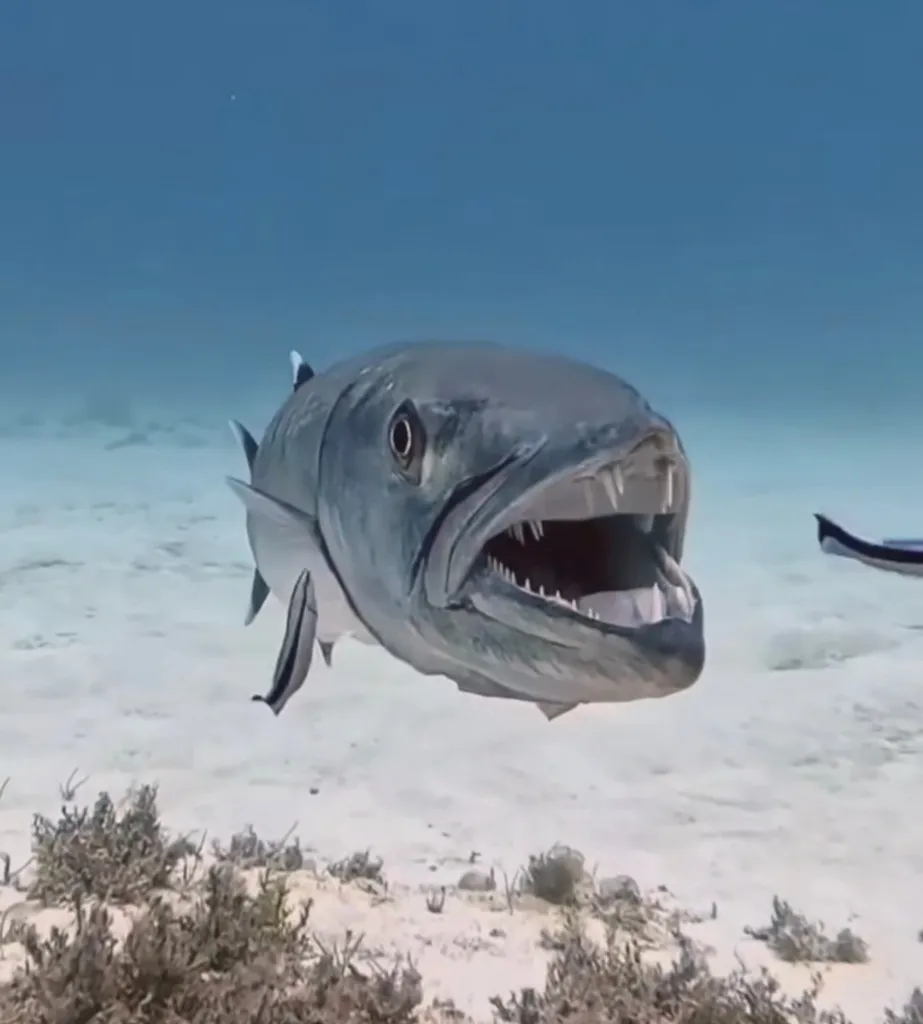
Barracudas are frequently spotted, often patrolling the mid-water column above the wreck. Exploring the exterior, divers may encounter moray eels peeking from crevices within the ship's structure.
Tuna can also be observed moving through the surrounding waters, taking advantage of the abundant fish population the wreck attracts. This former fishing trawler now serves as an artificial reef, providing shelter and feeding grounds for a diverse range of Mediterranean species.

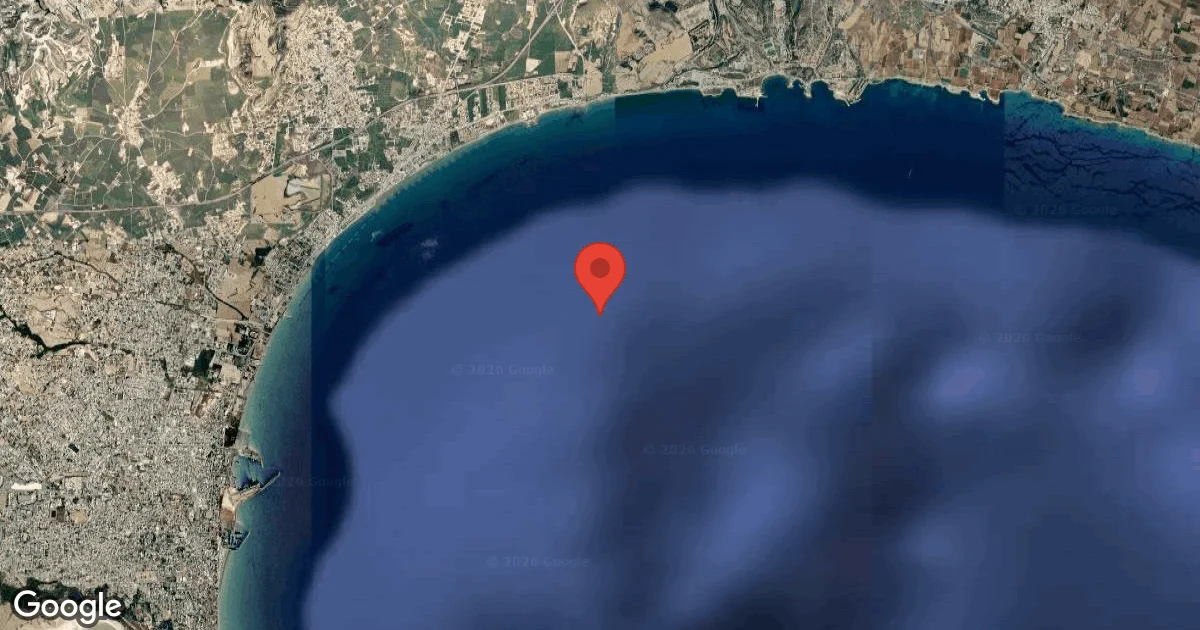
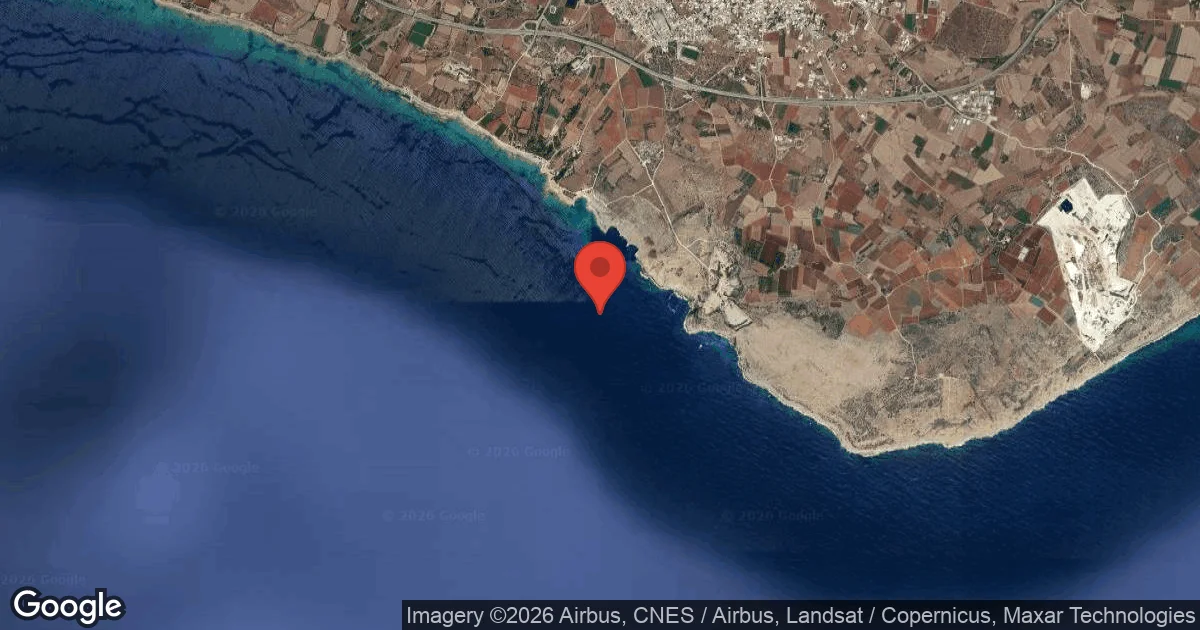
Dive Sites Near Alexandria Wreck
View all dive sites in CyprusDiscover more underwater gems in this area.
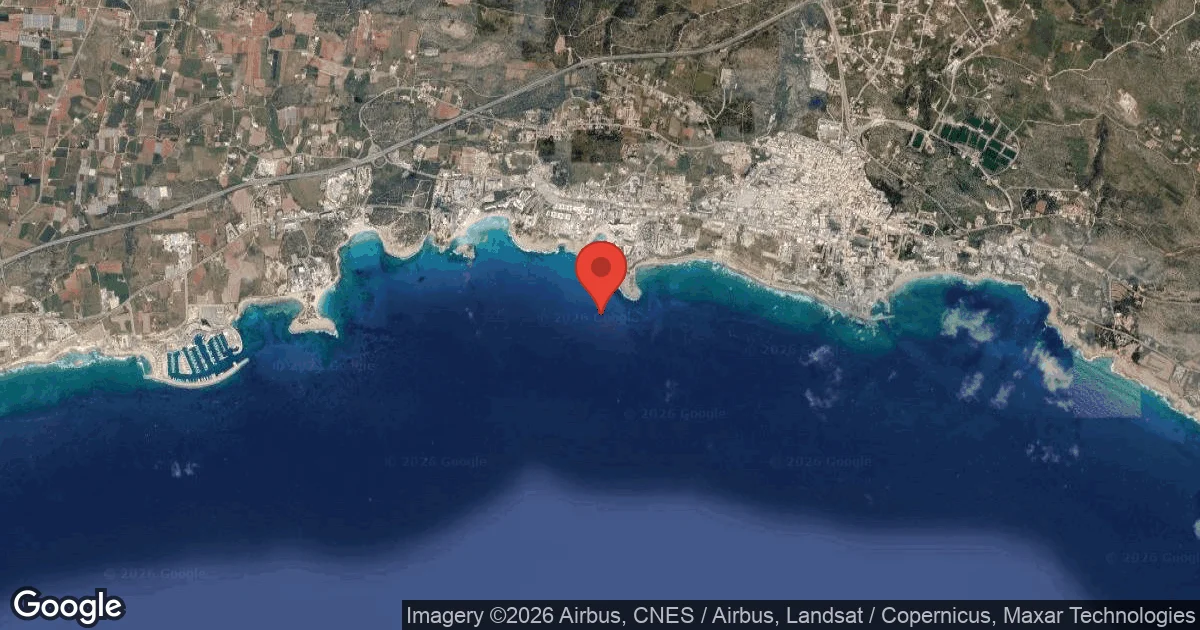
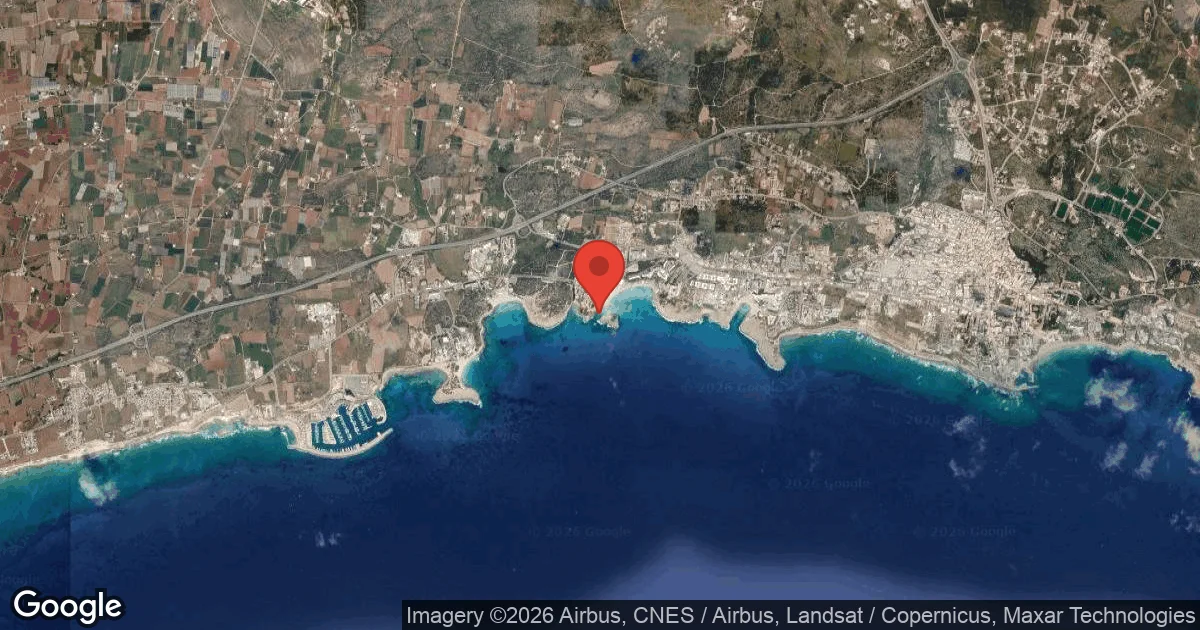
Dive Centers Near Alexandria Wreck
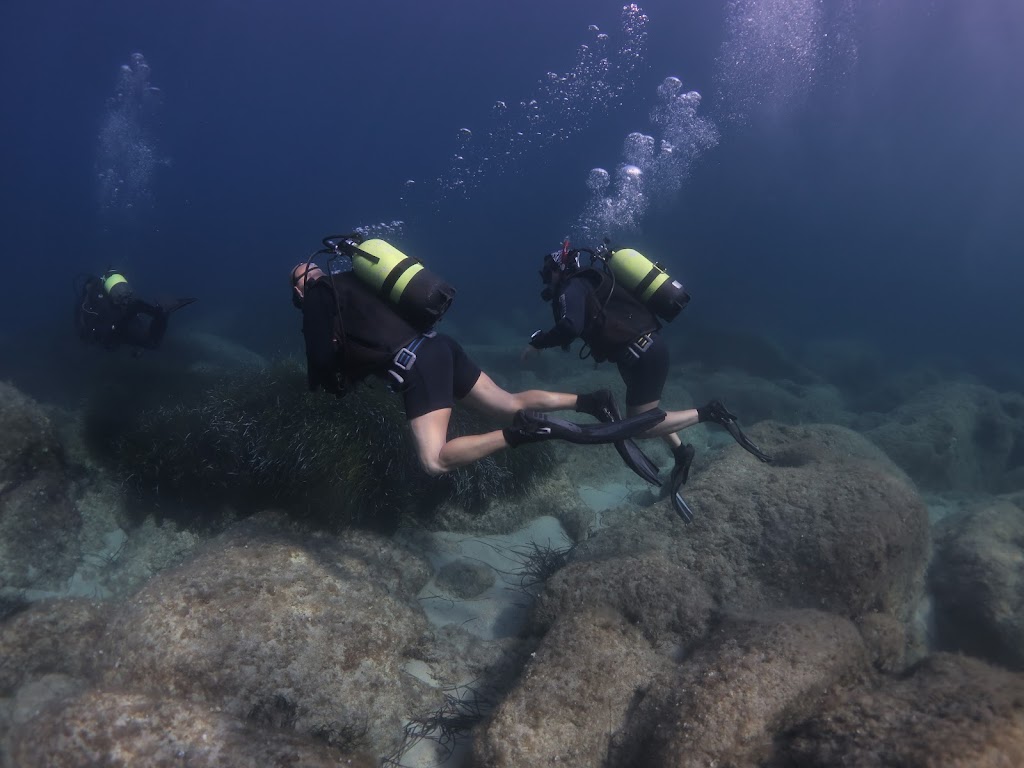
Today: 07:00 - 23:00
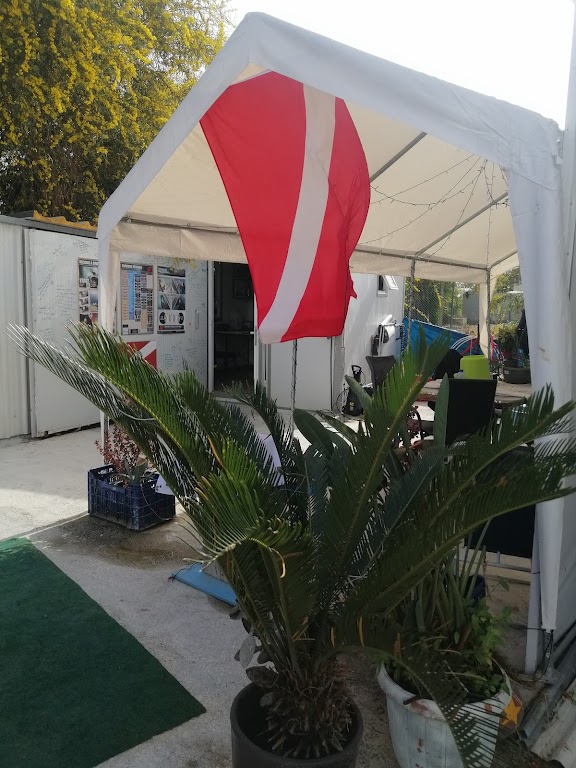
Nearest Airports
Nearest airports to help plan travel to this dive area.
Search Flights
Check available flights and routes on Expedia, using the nearby airports listed in this section.
Search Flights on ExpediaFrequently Asked Questions
What is the Alexandria Wreck?
The Alexandria, locally known as 'Alex', is an old fishing trawler that sank around 2006. It rests upright on a sandy seabed, providing an artificial reef for marine life.
How deep is the Alexandria Wreck?
The wreck's maximum depth is 30 meters, with much of the exploration typically occurring at an average depth of 25-27 meters. It falls within the deeper recreational diving range.
What are the typical diving conditions at the site?
Visibility is generally good, but can be influenced by currents and weather. The sandy bottom requires careful finning to avoid stirring up sediment. Currents are usually light to moderate.
What kind of marine life can be observed at the wreck?
Divers frequently spot barracudas patrolling the area. Moray eels can be found in crevices, and tuna are sometimes seen cruising nearby, attracted by the abundant fish population.
Is the Alexandria Wreck suitable for beginners?
Due to its depth and the need for controlled buoyancy around a wreck, this site is generally recommended for experienced or advanced divers. Open Water certification is usually insufficient for this depth profile.
Why is Nitrox often recommended for this dive?
Given the average depth of 25-27 meters, Nitrox is recommended to extend no-decompression limits and allow for longer bottom times during exploration. It enhances dive safety and duration.
How do I get to the Alexandria Wreck?
The Alexandria Wreck is an offshore site and is only accessible by boat. Dive operators from Larnaca arrange trips to the site.
Planning to dive Alexandria Wreck?
Send one inquiry and receive offers directly from the best verified local dive operators.
Conditions are Good
07:00 - 14:00
Optimal conditions expected
Current conditions near Alexandria Wreck show 24° air, 28° sea temperature, 0.6 m waves, and 23 km/h wind. Forecast data is refreshed regularly to ensure accuracy.