
Diving at Kyrenia Wreck (Cyprus)
An artificial reef purposefully created, the Kyrenia wreck provides an intriguing dive experience off Agia Napa, Cyprus. Sunk in 2015, this former army vessel now rests upright on the sandy seabed, offering a dramatic backdrop for underwater exploration. Its intact structure and accessibility make it a focal point for divers seeking a purposeful wreck dive.
As evening covers Kyrenia Wreck, the local air temperature is measured at 24°C. The current wave height at the surface is recorded at 0.7 m. These late-day readings characterize the surface conditions for the night.
Dive Site Location & Key Facts
Dive Site Overview
The Kyrenia wreck, a purposefully submerged former army vessel, was sunk in 2015 to establish an artificial reef. This initiative aimed to foster marine biodiversity, successfully creating a substantial habitat on the otherwise sandy seafloor off Agia Napa.
The wreck rests upright and largely intact, presenting a dramatic silhouette from a maximum depth of 24 meters (78 feet) up towards shallower sections. While data on interior penetration isn't consistently available, the vessel's open deck areas and exposed superstructure offer extensive opportunities for visual exploration and underwater photography. Divers will find the site exclusively accessible by boat, typically a short, scenic trip from the coast.
Visibility here often reaches around 25 meters, allowing for clear observation of the vessel's exterior and the intricate network of life developing around it. This thriving artificial ecosystem makes each dive a journey through an evolving underwater landscape, constantly drawing in local marine species.
Conditions are Good
Optimal conditions expected
Current conditions near Kyrenia Wreck show 24° air, 28° sea temperature, 0.7 m waves, and 27 km/h wind. Forecast data is refreshed regularly to ensure accuracy.
Best Time to Dive
Considering the local climate, the months of June, September, and October consistently offer excellent diving conditions, marked by high dive scores. During these periods, air temperatures average between 26.5°C and 29.5°C (79.7-84.9°F), indicating pleasant surface intervals. Rain is minimal to non-existent, typically less than 0.2 millimeters, ensuring clear skies. Conversely, the winter months, particularly December and January, see increased rainfall, averaging 1.2 to 3.3 millimeters, and cooler air temperatures ranging from 14.5°C to 15.5°C (58-60°F). While still rated 'Good' for diving, conditions are generally calmer during late spring through early autumn, with average wave heights dropping to around 0.5 meters, compared to nearly 0.8 meters in winter.
PEAK SEASON SCORE
Scores combine air & water temps, waves, wind & rainfall for overall conditions.
BEST MONTHS TO DIVE
Monthly records compiled from satellite and marine observation nodes over the last 3 years. Data provided by Open-Meteo and MET Norway.
Dive Experience & Conditions
Descending upon the Kyrenia wreck, divers will find the vessel standing majestically on a sandy bottom at a maximum depth of 24 meters (78 feet). It's an accessible dive, well-suited for those with an Advanced Open Water Diver certification, and particularly rewarding for PADI Wreck Diver specialists. The wreck's intact state allows for a substantial visual tour around its exterior. While direct water temperature data isn't consistently reported, the Mediterranean generally sees warmer waters from June through October, often in the 22-27°C (72-81°F) range. During the cooler months, temperatures can drop significantly, requiring appropriate thermal protection. Surface entry is always via boat. Visibility is typically good, often around 25 meters, providing excellent viewing of the wreck and its resident marine inhabitants.
Dive Difficulty & Safety Guidelines
Diving the Kyrenia wreck demands an understanding of proper wreck diving protocols, even though it's an artificial reef. While no specific hazards are reported, divers should be aware that all wrecks present potential risks such as entanglement or sharp edges; maintaining good buoyancy control is crucial. An Advanced Open Water Diver certification is recommended, and for those keen on exploring the structure more thoroughly, the PADI Wreck Diver specialty provides valuable training.
Always dive within your certification limits and with a buddy. Consulting local dive professionals about current conditions and any temporary features of the wreck is advised before entering the water. Adhere strictly to a no-touch policy to preserve the wreck and its developing marine ecosystem.
Recommended Equipment
Overhead / entanglement risk. Wreck penetration requires proper training.
- Dive Computer
- DSMB
- Primary & Backup Lights
- Wreck Reel
- Cutting Tool
This gear list is based on verified equipment signals for Kyrenia Wreck, Cyprus. Always confirm final gear choices with your dive operator, guide, or liveaboard.
Recommended Dive Suit
Subtle variations in currents or depth can sometimes influence perceived water temperature.
2-3mm shorty or light wetsuit tends to perform well in water temperatures like those currently observed here. Environmental models indicate a modest warming trend ahead. A warming trend is expected over the next few days.
Divers heading to Kyrenia Wreck today should expect water temperatures around 28°C (83°F). Surface air temperatures are resting at 24°C (76°F).
Emergency & Medical Support
Essential information to help you plan your dive trip to Kyrenia wreck.

Hyperbaric chambers are a critical part of dive safety infrastructure. Availability varies significantly by region, and not all dive areas have immediate access.
Before diving, it's recommended to:
- confirm nearest medical facilities
- check emergency procedures with local dive operators
- ensure dive insurance covers evacuation if required
Divers Alert Network
Diving emergency assistance available through DAN Europe.
+39 0642115685- 24/7 emergency hotline
- Diving medical assistance
- Evacuation coordination
Emergency contacts are provided for reference. Always verify local emergency services before diving.
Closest Listed Hyperbaric Chambers
Showing listed hyperbaric chamber facilities within 200 km of this dive site.
Distances are approximate straight-line distances and may not reflect emergency travel time.
Hyperbaric Oxygen Therapy Department, General Hospital of Ammochostos (Famagusta)
Paralimni, Cyprus•Approx. 9 km straight-line
Hyperbaric Oxygen Therapy Department, General Hospital of Ammochostos (Famagusta)
Information is provided for reference and planning purposes only. Dive Navigator does not verify operational status, staffing, availability, or quality of care at listed facilities. In an emergency, contact local emergency services, DAN, your dive operator, or the chamber directly. Do not travel to a facility without calling ahead.
Poseidonia Medical Centre
24/7 ListedLarnaca, Cyprus•Approx. 36 km straight-line
Poseidonia Medical Centre
24/7 ListedInformation is provided for reference and planning purposes only. Dive Navigator does not verify operational status, staffing, availability, or quality of care at listed facilities. In an emergency, contact local emergency services, DAN, your dive operator, or the chamber directly. Do not travel to a facility without calling ahead.
Hyperbaric Medical Centre
24/7 ListedNicosia, Cyprus•Approx. 59 km straight-line
Hyperbaric Medical Centre
24/7 ListedInformation is provided for reference and planning purposes only. Dive Navigator does not verify operational status, staffing, availability, or quality of care at listed facilities. In an emergency, contact local emergency services, DAN, your dive operator, or the chamber directly. Do not travel to a facility without calling ahead.
Marine Life at Kyrenia Wreck
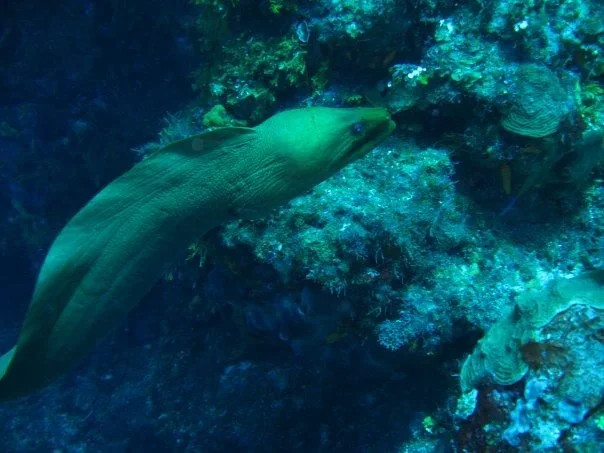
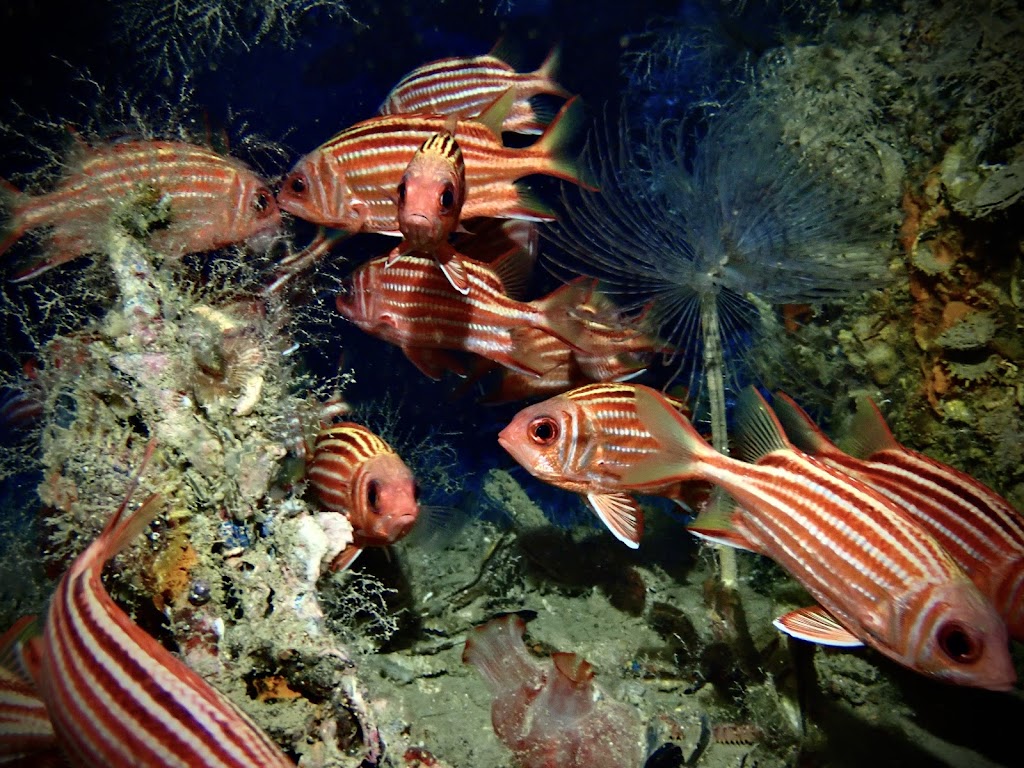
Approaching the Kyrenia wreck, divers quickly notice the vibrant marine life that has colonized this artificial habitat. Moray eels are frequently encountered, often peeking from crevices within the ship's structure.
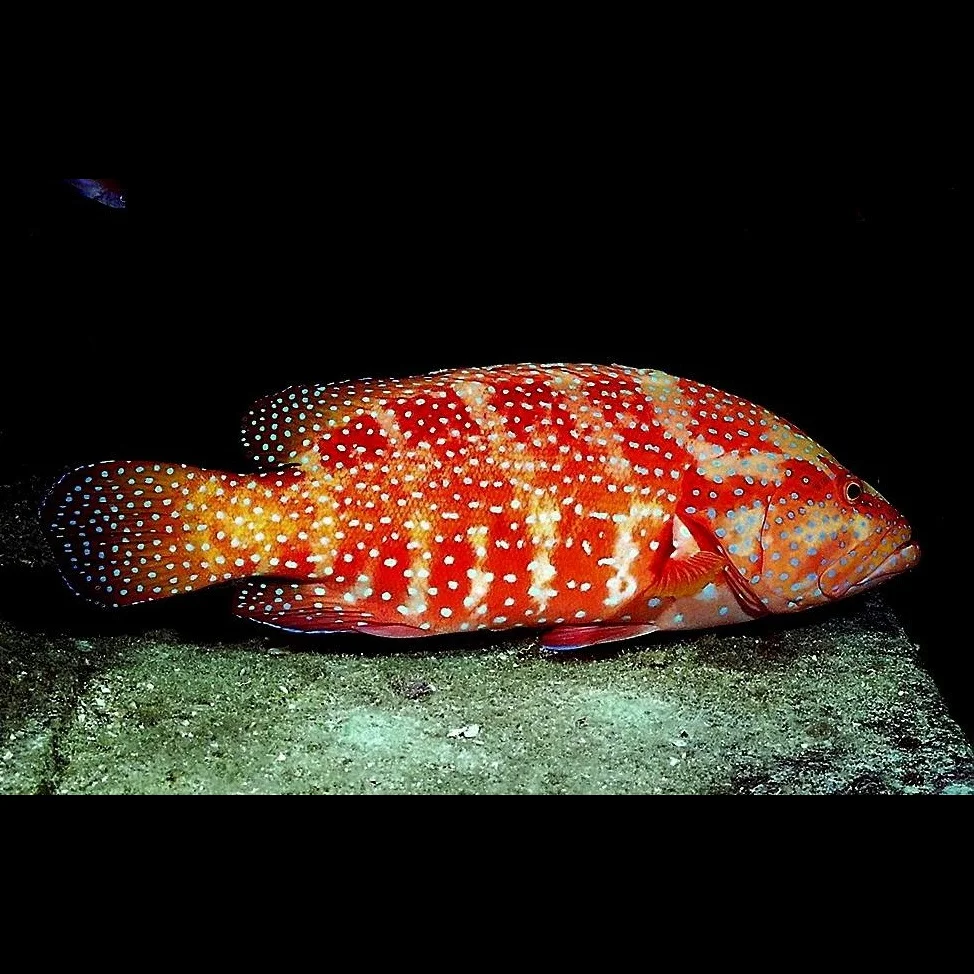
Groupers, sometimes in significant numbers, patrol the wreck, utilizing its contours for shelter and hunting. A diverse array of other marine species, drawn to the protection and hard surfaces the wreck provides, can be observed.
The deliberate sinking of this vessel has successfully fostered an environment where marine life thrives, making each dive a discovery of its evolving ecosystem.
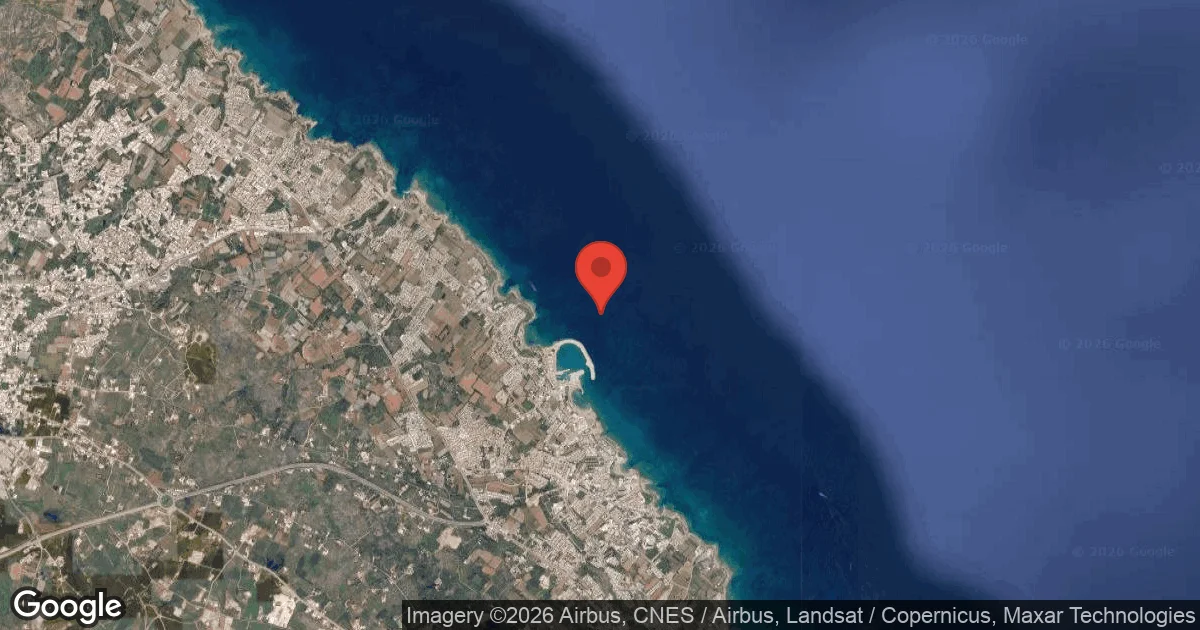
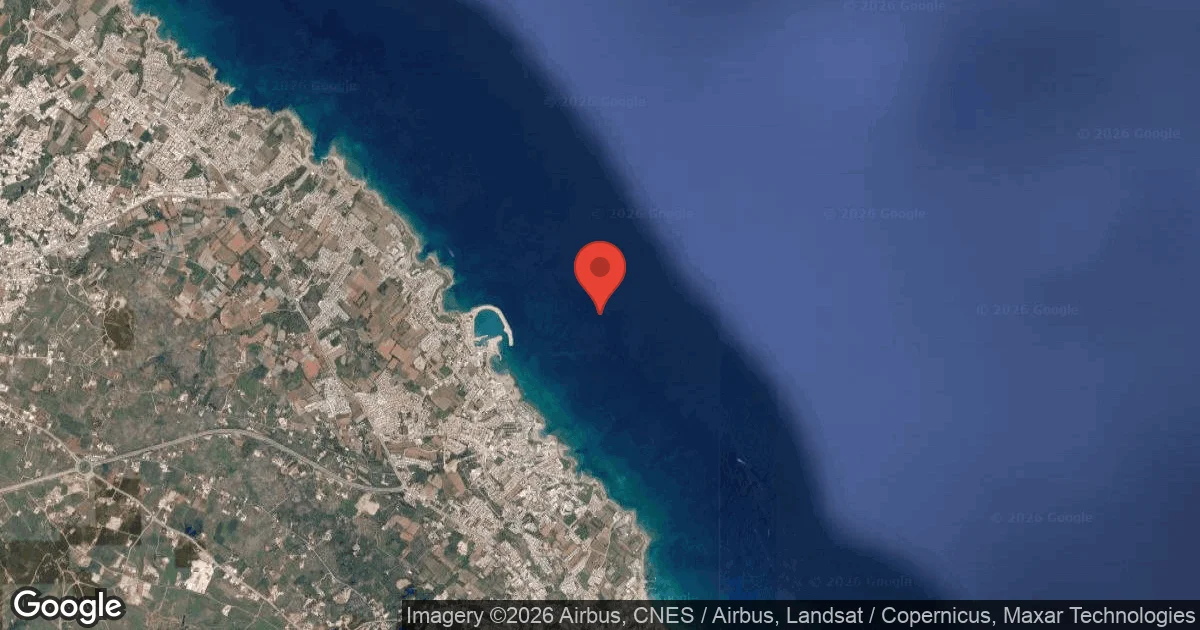
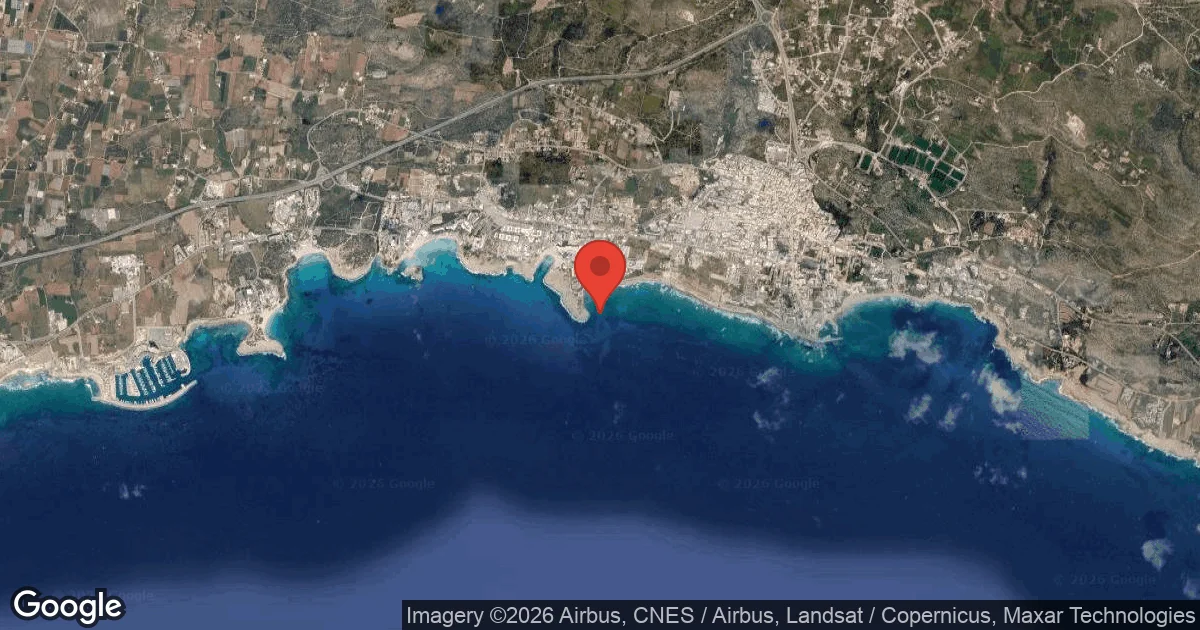
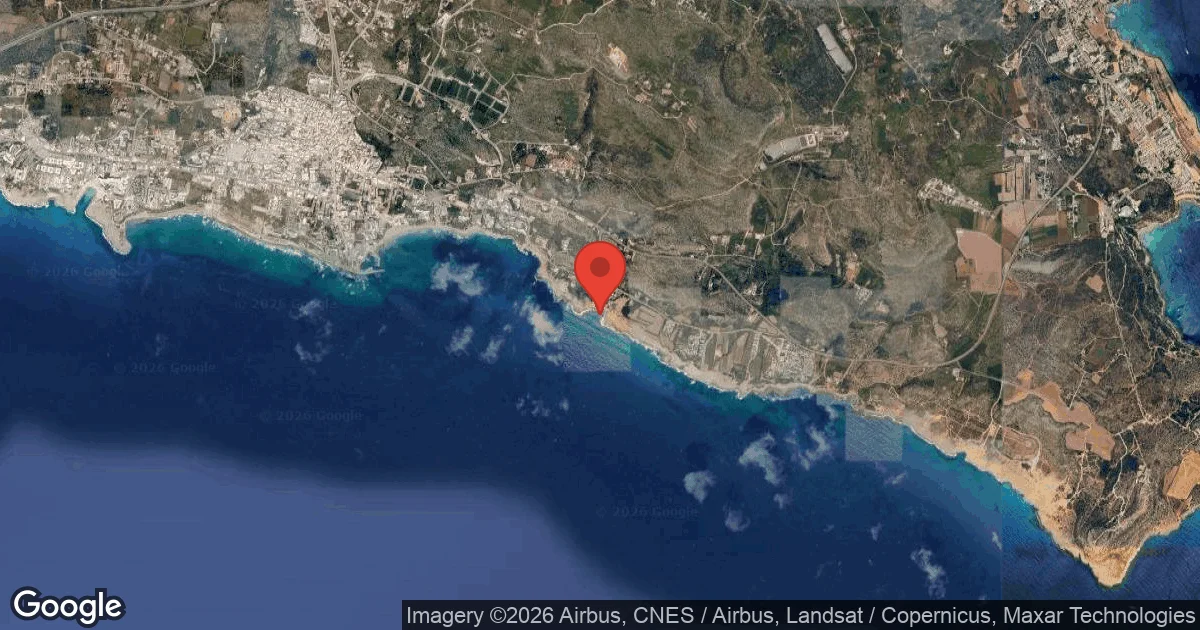
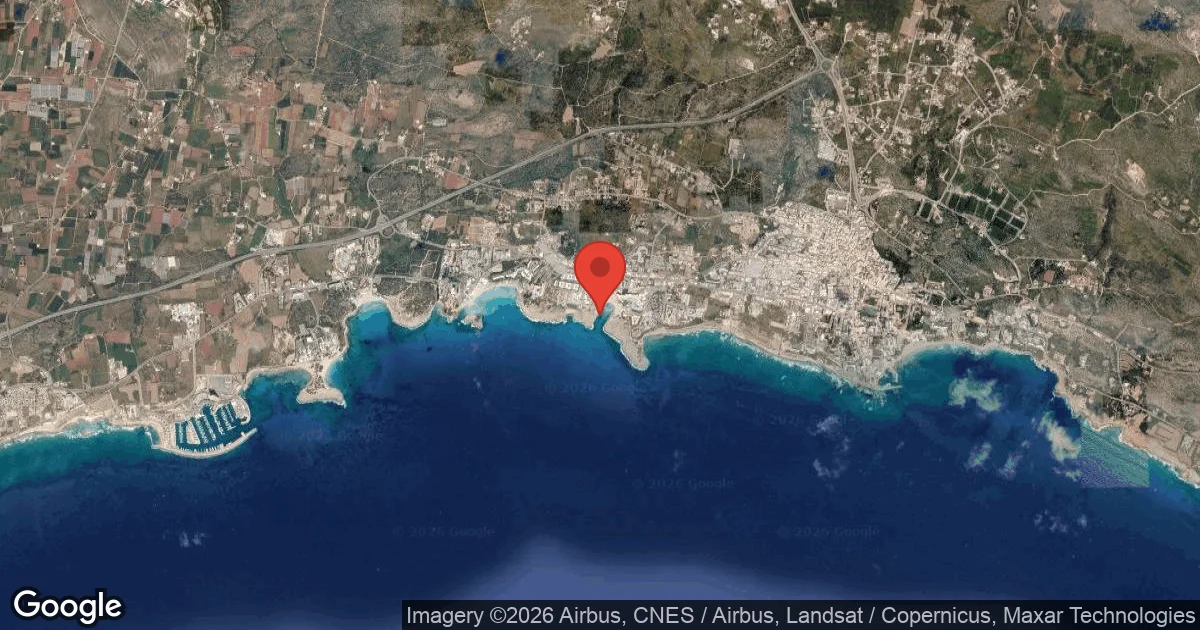
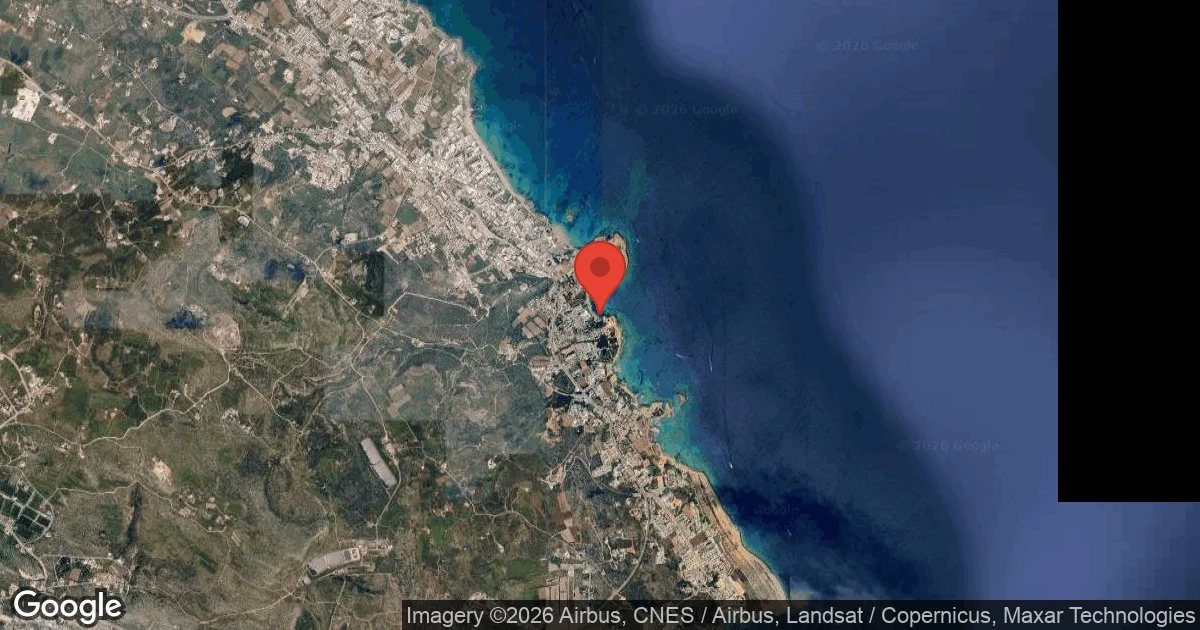
Dive Sites Near Kyrenia Wreck
View all dive sites in CyprusDiscover more underwater gems in this area.
Dive Centers Near Kyrenia Wreck
Today: 07:00 - 23:00
Nearest Airports
Nearest airports to help plan travel to this dive area.
Search Flights
Check available flights and routes on Expedia, using the nearby airports listed in this section.
Search Flights on ExpediaFrequently Asked Questions
What is the maximum depth of the Kyrenia wreck?
The Kyrenia wreck rests on a sandy bottom at a maximum depth of 24 meters (78 feet). This depth makes it accessible for various levels of certified divers.
What type of dive site is the Kyrenia wreck?
It is an artificial reef created from a sunken army vessel. The ship was intentionally submerged in 2015 to enhance marine life in the area.
What marine life can I expect to see at the Kyrenia wreck?
Divers commonly spot moray eels and groupers. The wreck serves as a shelter, attracting a variety of other marine species.
What certifications are recommended for diving this site?
A PADI Advanced Open Water Diver certification is recommended. For more in-depth exploration, a PADI Wreck Diver specialty is useful.
How do divers access the Kyrenia wreck?
Access to the Kyrenia wreck is exclusively by boat. Dive operators from Agia Napa facilitate trips to the site.
When is the best time of year to dive the Kyrenia wreck?
The best times are generally June, September, and October, offering excellent dive conditions with warm air temperatures and minimal rain. Visibility is often around 25 meters during these periods.
Planning to dive Kyrenia Wreck?
Send one inquiry and receive offers directly from the best verified local dive operators.
Conditions are Good
Optimal conditions expected
Current conditions near Kyrenia Wreck show 24° air, 28° sea temperature, 0.7 m waves, and 27 km/h wind. Forecast data is refreshed regularly to ensure accuracy.