
Diving at Jubilee Cavern (Cyprus)
Embarking on a dive at Jubilee Cavern delivers an unforgettable underwater adventure, inviting exploration into mesmerizing depths. This site forms part of the Jubilee Shoals, which stands as one of Cyprus's most impressive natural reef systems. Divers can expect a dynamic journey through a captivating tapestry of marine habitats, making it a standout experience for certified divers seeking dramatic underwater landscapes and geological formations.
Evening condition tracking at Jubilee Cavern features an air temperature of 24°C. We have recorded wave heights measuring 1 m during this period. These figures outline the environmental parameters currently present.
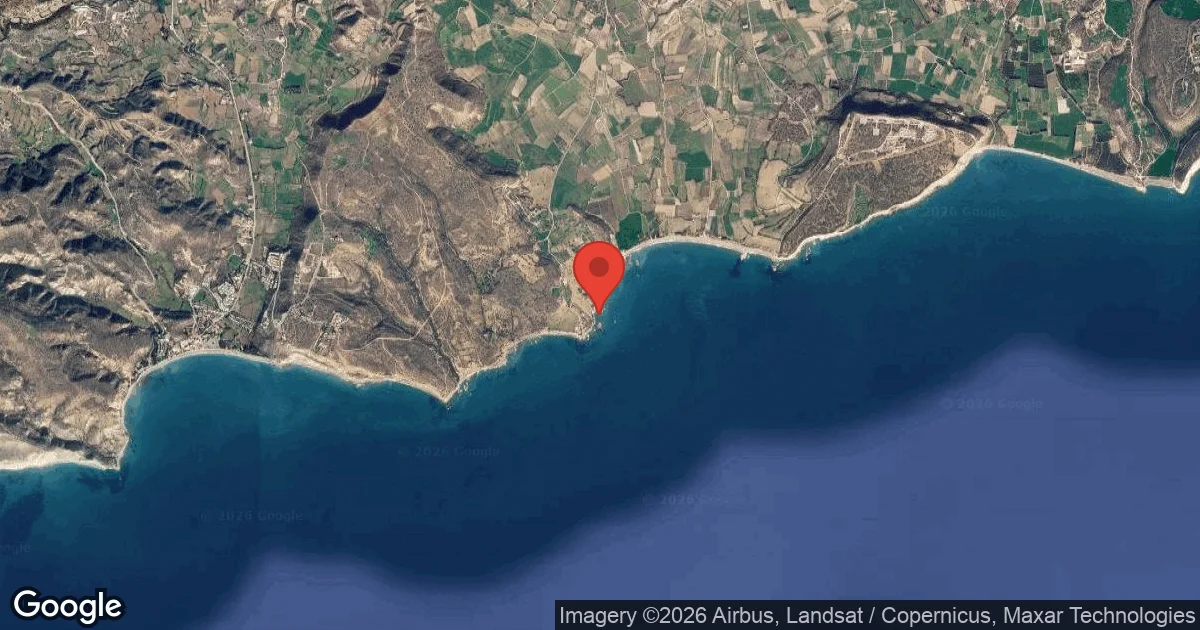
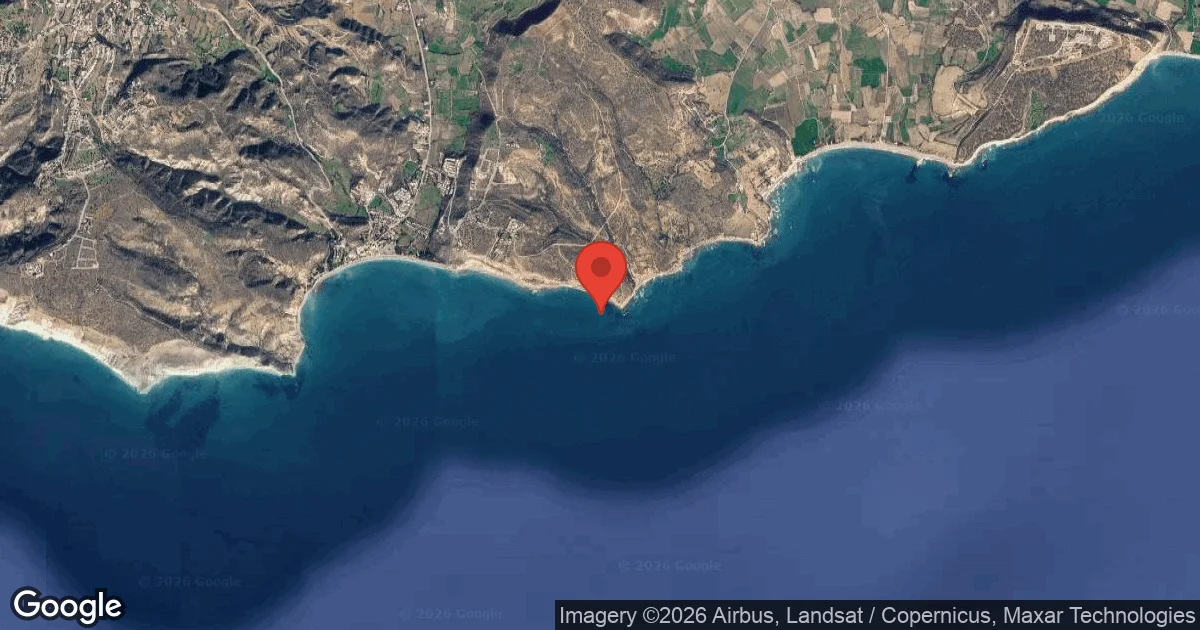
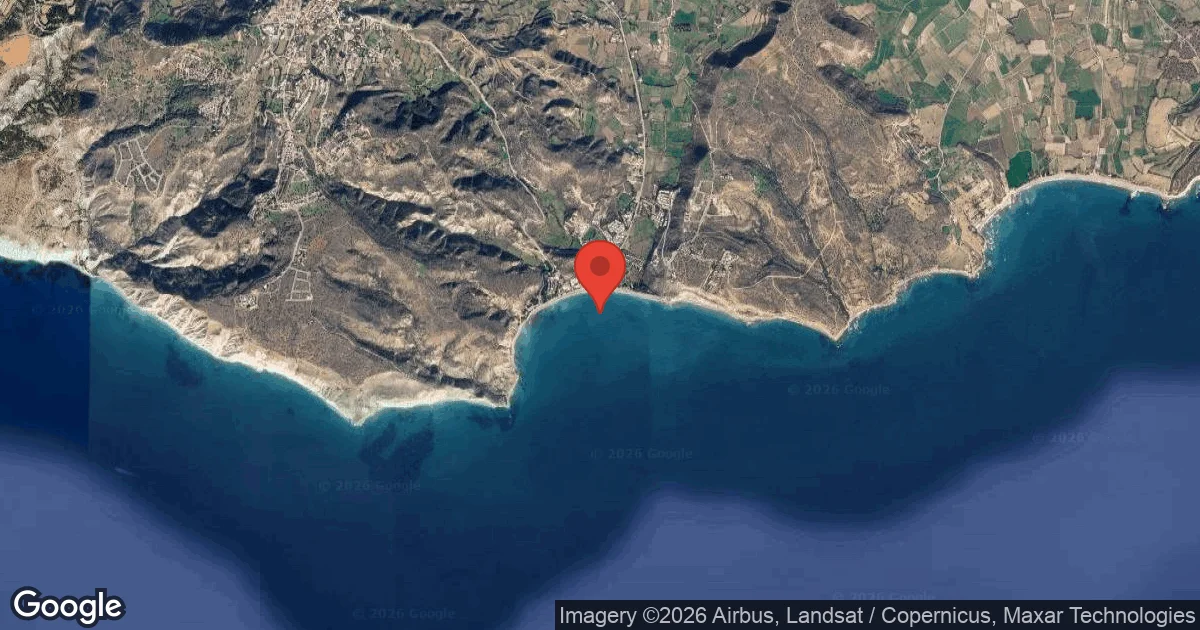
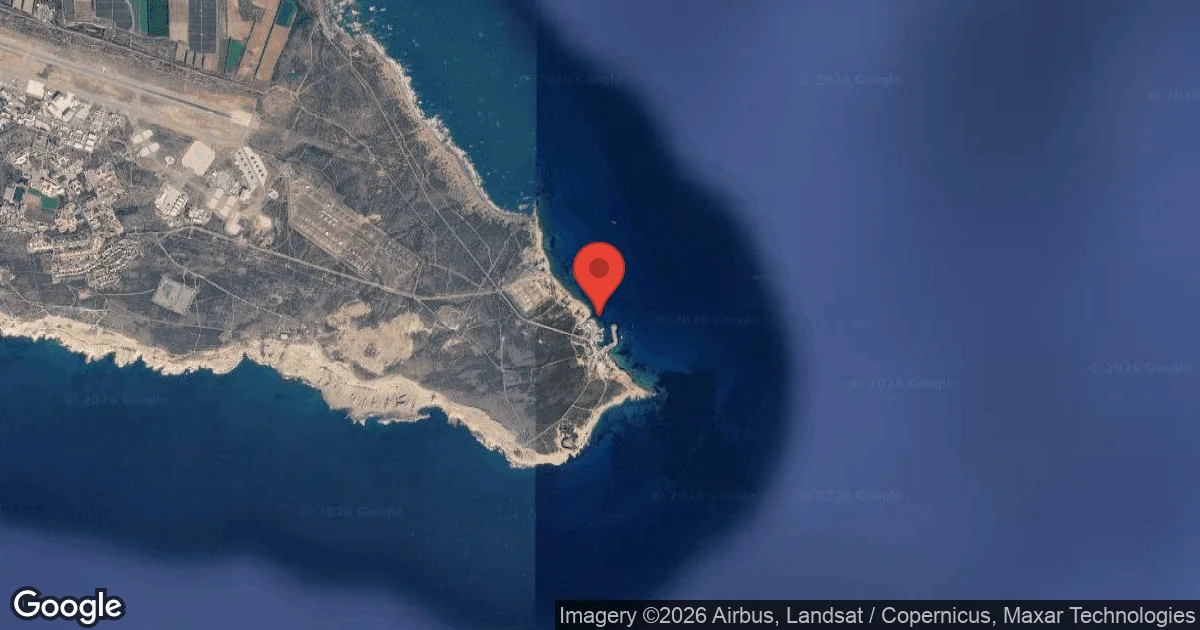
Dive Site Location & Key Facts
Dive Site Overview
The structure of Jubilee Cavern primarily revolves around a prominent pinnacle rising from a seabed of about 40 meters. Divers typically initiate their descent along this pinnacle, beginning around 18 m / 59 ft, as they navigate towards the cavern's entrance.
The cavern itself presents a substantial opening, approximately 3 meters tall and 5 meters wide, hinting at the expansive space within. Inside, the cavern hosts an array of corals, various algaes, and encrusted marine life across its approximately 30-meter length.
After traversing the cavern, divers emerge at a depth of roughly 38 meters, continuing their exploration of the pinnacle's exterior in a corkscrew pattern. The broader Jubilee Shoals reef system, which spans 1.3 km / 0.8 miles, features a diverse topography including walls, other pinnacles, ravines, troughs, and overhangs.
This complex environment creates a truly rich and varied dive around the cavern, extending the exploration possibilities beyond the cavern itself.
Conditions are Good
Optimal conditions expected
Current conditions near Jubilee Cavern show 24° air, 27° sea temperature, 1.1 m waves, and 26 km/h wind. Forecast data is refreshed regularly to ensure accuracy.
Best Time to Dive
Optimal diving conditions at Jubilee Cavern align primarily with Cyprus's warmer months, from April through November, when air temperatures are consistently higher and rainfall is minimal. During this period, average air temperatures range from a pleasant 19°C / 66°F in April to a peak of 29.5°C / 85°F in July, gradually cooling to 19°C / 66°F by November. Rainfall is notably scarce in these months, with averages often below 1.5 mm, reducing runoff and generally improving underwater visibility. While water temperature data is not consistently reported for this specific site, the Mediterranean typically offers comfortable diving temperatures of 22-27°C / 72-81°F during the peak season. Winter months still offer good dive scores, but bring cooler air temperatures (as low as 13°C / 55°F) and increased wave heights, potentially impacting surface conditions and boat access.
PEAK SEASON SCORE
Scores combine air & water temps, waves, wind & rainfall for overall conditions.
BEST MONTHS TO DIVE
Monthly records compiled from satellite and marine observation nodes over the last 3 years. Data provided by Open-Meteo and MET Norway.
Dive Experience & Conditions
Navigating Jubilee Cavern involves a deep profile, commencing with a descent along a prominent pinnacle from about 18 meters. The cavern entrance, roughly 3 meters high and 5 meters wide, leads into a chamber where light penetration varies. Exiting the cavern typically occurs at approximately 38 meters, allowing for a continuation of the dive along the pinnacle's outer walls. Visibility inside the cavern can be excellent, but divers must exercise care to avoid disturbing the fine sediment. This site is recommended for experienced divers; its max depth exceeds **50 m / 164 ft**, demanding at least a Deep Specialty certification. Water temperatures vary depending on the season, but are generally comfortable for most of the year. Surface conditions can occasionally be rough, which may influence entry and exit logistics via boat.
Dive Difficulty & Safety Guidelines
Diving Jubilee Cavern requires a strong emphasis on buoyancy control, especially within the cavern environment. The fine, white sand inside can easily become disturbed, significantly reducing visibility if divers are not careful to maintain distance from the bottom. Given its depth profile, which can reach beyond 50 meters, this site is exclusively recommended for experienced divers holding at least a Deep Specialty certification.
Potential for rough surface conditions means careful attention to weather forecasts and dive boat briefings is essential. Adhering to responsible diving practices helps preserve this natural reef system for future explorations.
Recommended Equipment
Deep dive hazard. Increased narcosis and gas consumption risk.
Overhead environment. Do not enter beyond training and gas planning limits.
Current and surface separation risk. Local briefing strongly recommended.
- Dive Computer
- DSMB
- Primary & Backup Lights
- Reel / Spool
- Cutting Tool
This gear list is based on verified equipment signals for Jubilee Cavern, Cyprus. Always confirm final gear choices with your dive operator, guide, or liveaboard.
Recommended Dive Suit
Subtle variations in currents or depth can sometimes influence perceived water temperature.
2-3mm shorty or light wetsuit tends to perform well in water temperatures like those currently observed here. A hood or vest is suggested for sensitive divers due to surface winds. Forecast models show minimal temperature variation in the coming days.
Water temperatures across the dive area at Jubilee Cavern are presently estimated to be around 27°C (80°F). Surface air temperatures are resting at 24°C (75°F).
Emergency & Medical Support
Essential information to help you plan your dive trip to Jubilee Cavern.

Hyperbaric chambers are a critical part of dive safety infrastructure. Availability varies significantly by region, and not all dive areas have immediate access.
Before diving, it's recommended to:
- confirm nearest medical facilities
- check emergency procedures with local dive operators
- ensure dive insurance covers evacuation if required
Divers Alert Network
Diving emergency assistance available through DAN Europe.
+39 0642115685- 24/7 emergency hotline
- Diving medical assistance
- Evacuation coordination
Emergency contacts are provided for reference. Always verify local emergency services before diving.
Closest Listed Hyperbaric Chambers
Showing listed hyperbaric chamber facilities within 200 km of this dive site.
Distances are approximate straight-line distances and may not reflect emergency travel time.
Hyperbaric Medical Centre
24/7 ListedNicosia, Cyprus•Approx. 78 km straight-line
Hyperbaric Medical Centre
24/7 ListedInformation is provided for reference and planning purposes only. Dive Navigator does not verify operational status, staffing, availability, or quality of care at listed facilities. In an emergency, contact local emergency services, DAN, your dive operator, or the chamber directly. Do not travel to a facility without calling ahead.
Poseidonia Medical Centre
24/7 ListedLarnaca, Cyprus•Approx. 82 km straight-line
Poseidonia Medical Centre
24/7 ListedInformation is provided for reference and planning purposes only. Dive Navigator does not verify operational status, staffing, availability, or quality of care at listed facilities. In an emergency, contact local emergency services, DAN, your dive operator, or the chamber directly. Do not travel to a facility without calling ahead.
Hyperbaric Oxygen Therapy Department, General Hospital of Ammochostos (Famagusta)
Paralimni, Cyprus•Approx. 119 km straight-line
Hyperbaric Oxygen Therapy Department, General Hospital of Ammochostos (Famagusta)
Information is provided for reference and planning purposes only. Dive Navigator does not verify operational status, staffing, availability, or quality of care at listed facilities. In an emergency, contact local emergency services, DAN, your dive operator, or the chamber directly. Do not travel to a facility without calling ahead.
Marine Life at Jubilee Cavern
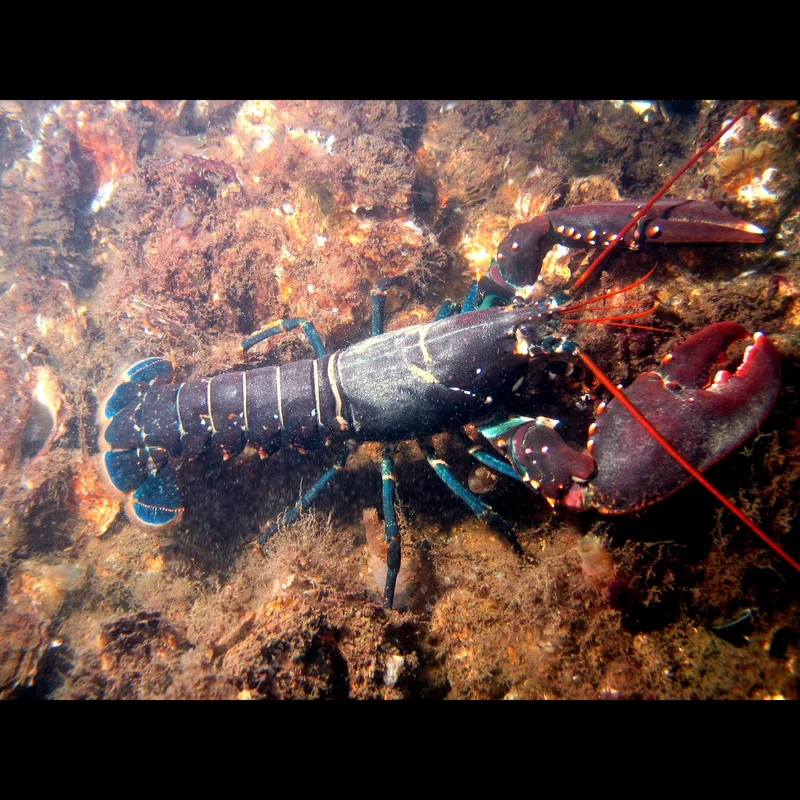
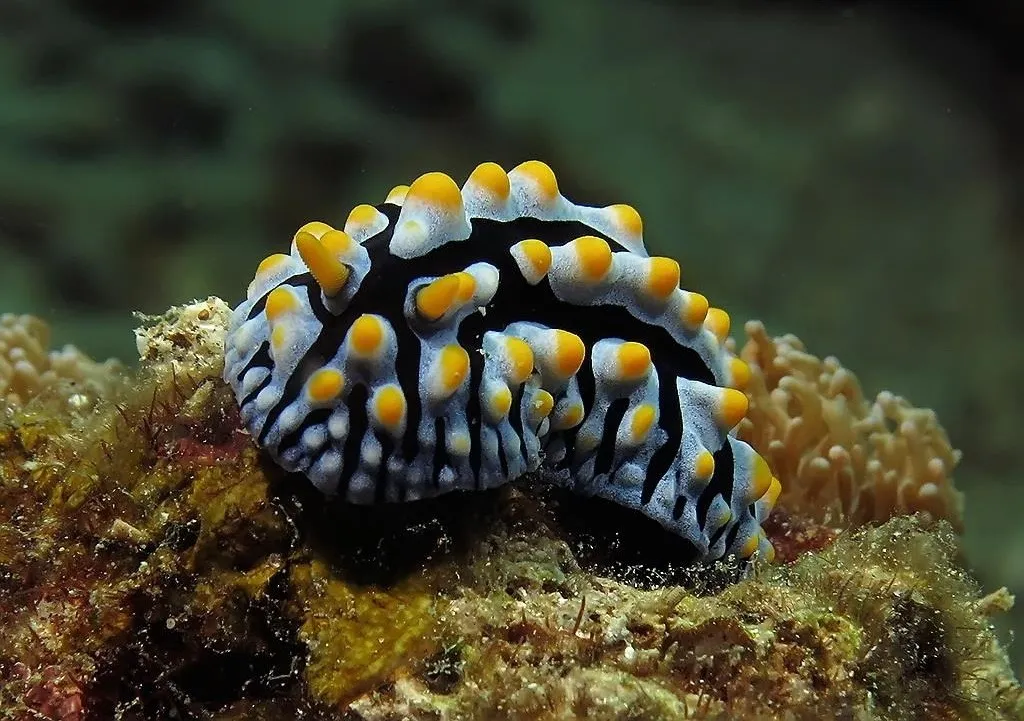
Encounters at Jubilee Cavern often begin with a noticeable abundance of corals and algaes clinging to the walls, both inside and outside the cavern. Look closer to spot dotted nudibranchs and slipper lobsters, thriving in the crevices.
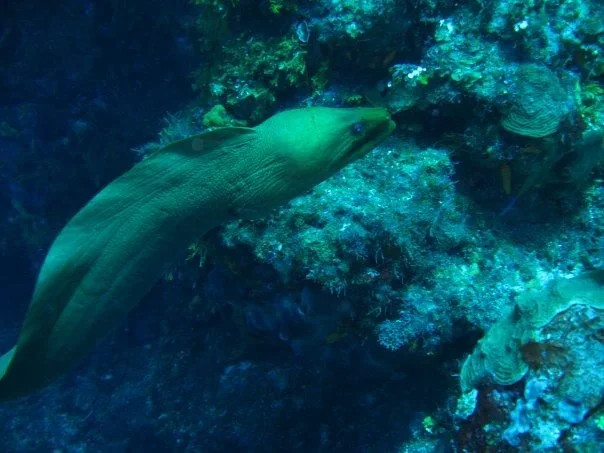
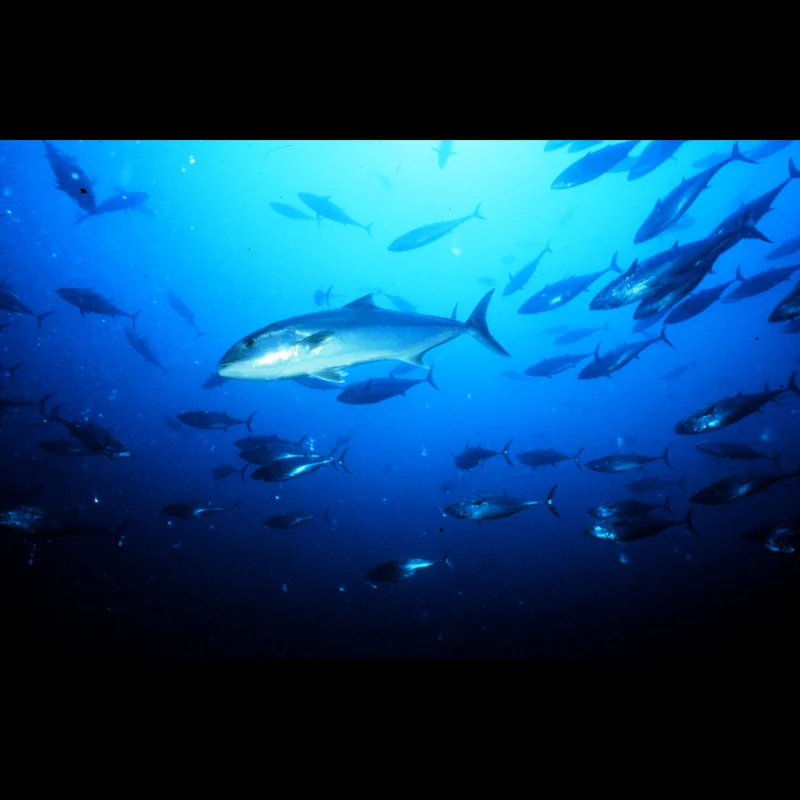
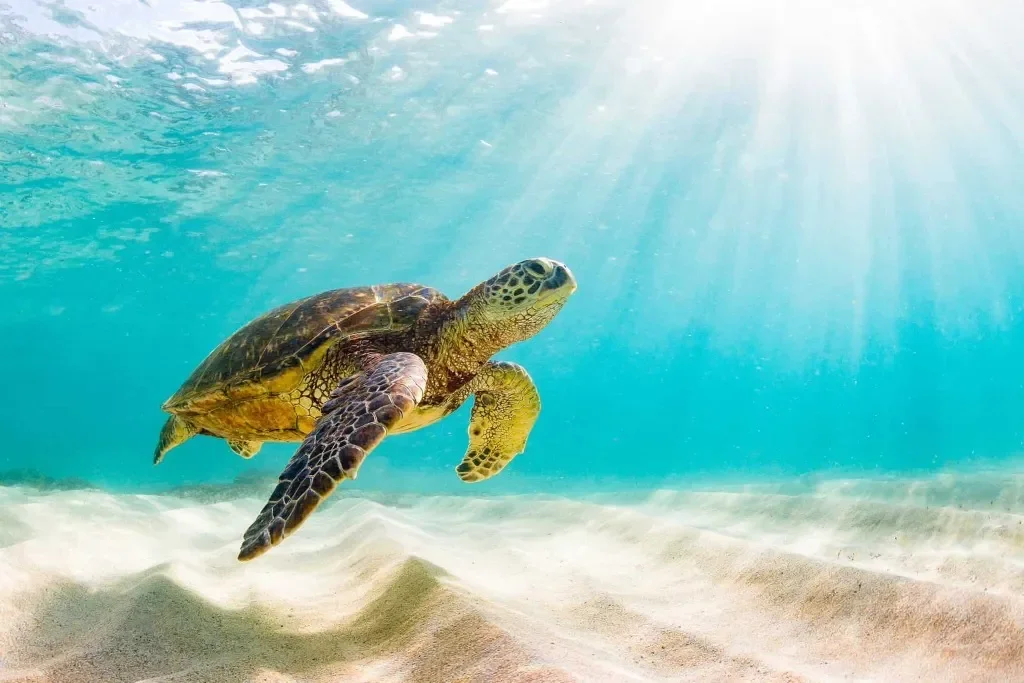
While exploring the surrounding Jubilee Shoals, divers may observe magnificent Loggerhead and Green Turtles gliding by. Shimmering schools of Amberjack and Bream are common, along with elusive Mediterranean Moray Eels.
Lucky divers might also spot the rare Bull Ray or tunas, adding to the diverse range of marine life.
Dive Sites Near Jubilee Cavern
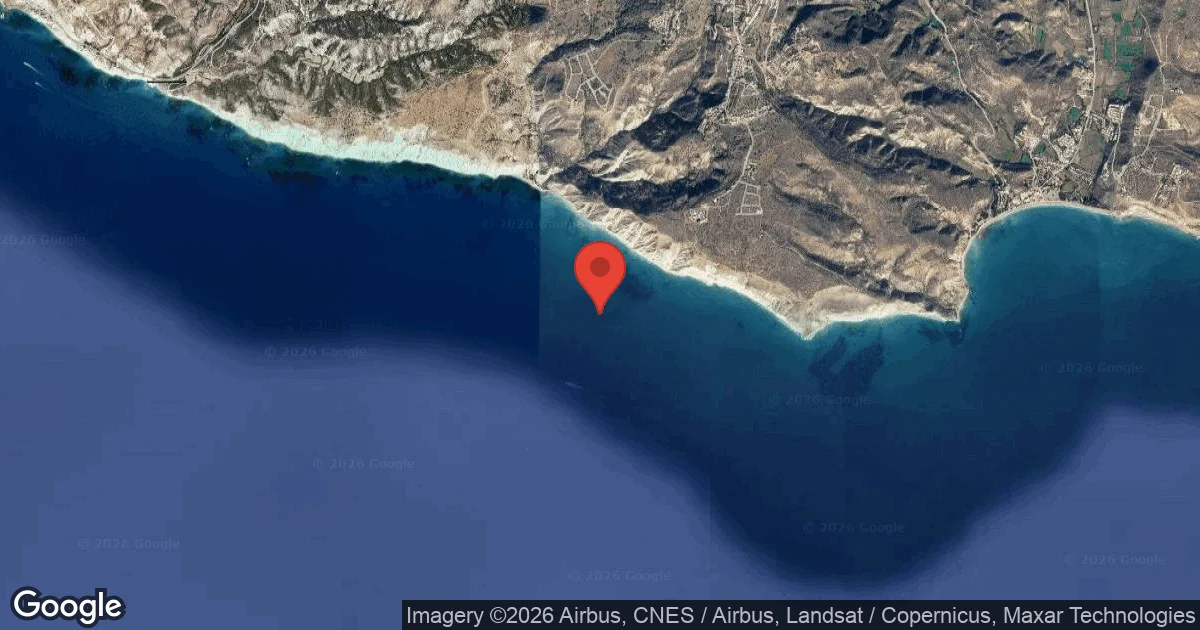
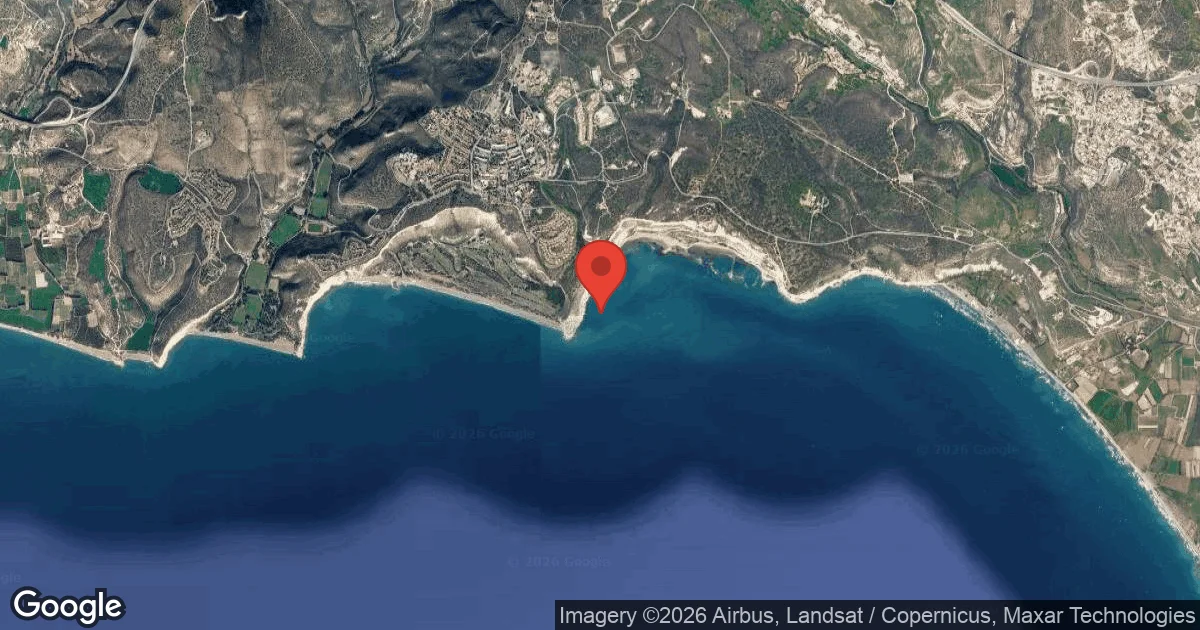
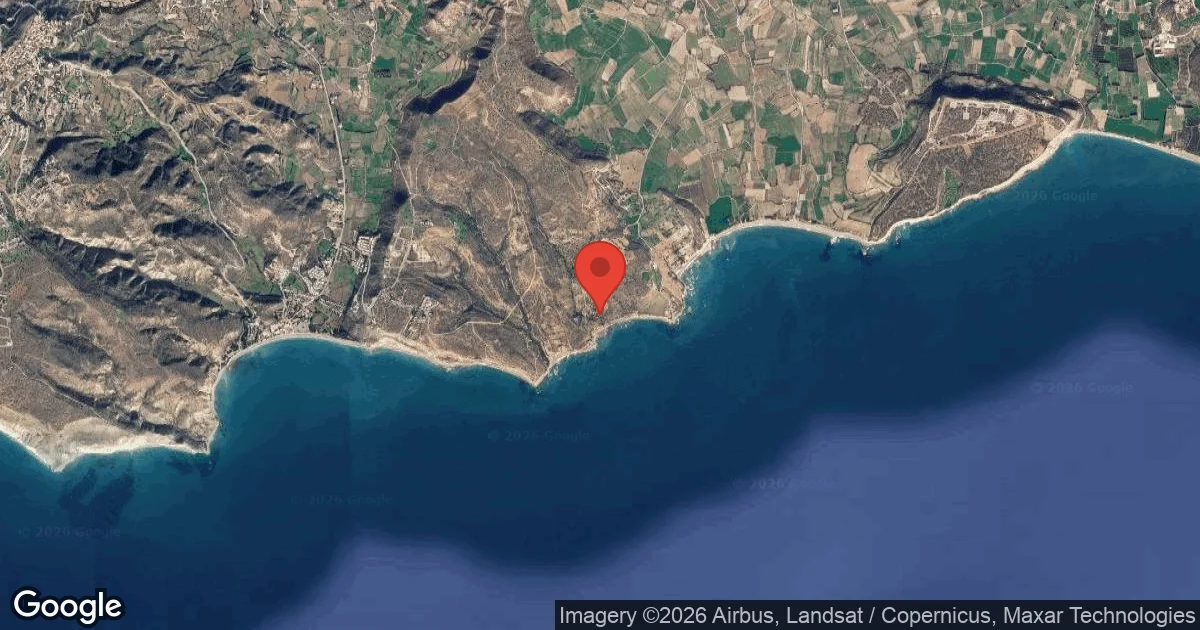
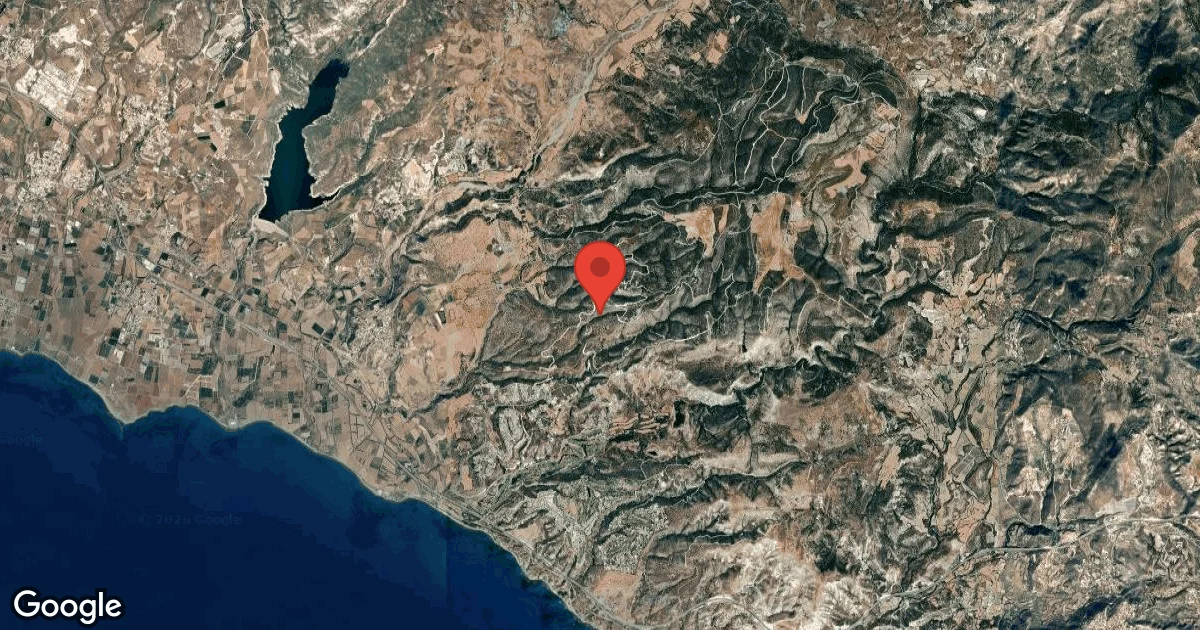
View all dive sites in CyprusDiscover more underwater gems in this area.
Dive Centers Near Jubilee Cavern
Today: 08:30 - 16:30
Nearest Airports
Nearest airports to help plan travel to this dive area.
Search Flights
Check available flights and routes on Expedia, using the nearby airports listed in this section.
Search Flights on ExpediaFrequently Asked Questions
What are the typical depths encountered at Jubilee Cavern?
Divers typically descend the pinnacle starting around 18 meters, with the cavern entrance found at a similar depth. Exiting the cavern occurs at about 38 meters, and the site's maximum depth can exceed 50 meters, requiring deep diver training.
What kind of marine life can I expect to see?
The cavern and surrounding pinnacle host various corals, algaes, dotted nudibranchs, and slipper lobsters. Outside the cavern, divers frequently spot Loggerhead and Green Turtles, Amberjack, Bream, and Mediterranean Moray Eels.
Are there any specific hazards to be aware of inside the cavern?
Within the cavern, the fine white sand on the bottom can easily be disturbed. Maintaining excellent buoyancy control is crucial to prevent silting out the area and preserve visibility.
How long is the Jubilee Cavern swim-through?
The cavern extends approximately 30 meters in length. Divers typically enter at around 18 meters and exit at about 38 meters.
What are the best months to dive Jubilee Cavern?
The period from April to November generally offers the best diving conditions, with warmer air temperatures and minimal rainfall. While diving is possible year-round, winter months may present cooler air temperatures and rougher surface conditions.
Planning to dive Jubilee Cavern?
Send one inquiry and receive offers directly from the best verified local dive operators.
Conditions are Good
Optimal conditions expected
Current conditions near Jubilee Cavern show 24° air, 27° sea temperature, 1.1 m waves, and 26 km/h wind. Forecast data is refreshed regularly to ensure accuracy.