
Diving at Akrotiri Fish Reserve (Cyprus)
Exploring the underwater realm of Akrotiri Fish Reserve unveils a diverse range of depths, inviting divers from various experience levels. With features extending from shallow reefs around 6 meters / 20 feet down to intriguing wrecks and caves that push past 20 meters / 66 feet, there's considerable scope for underwater exploration. This site caters to both newer open water divers and those with advanced certifications, providing a multi-layered dive experience.
Tonight's objective overview for Akrotiri Fish Reserve shows an air temperature of 25°C. The measured surface conditions include wave heights around 1.1 m. This environmental data is logged for the close of the day.
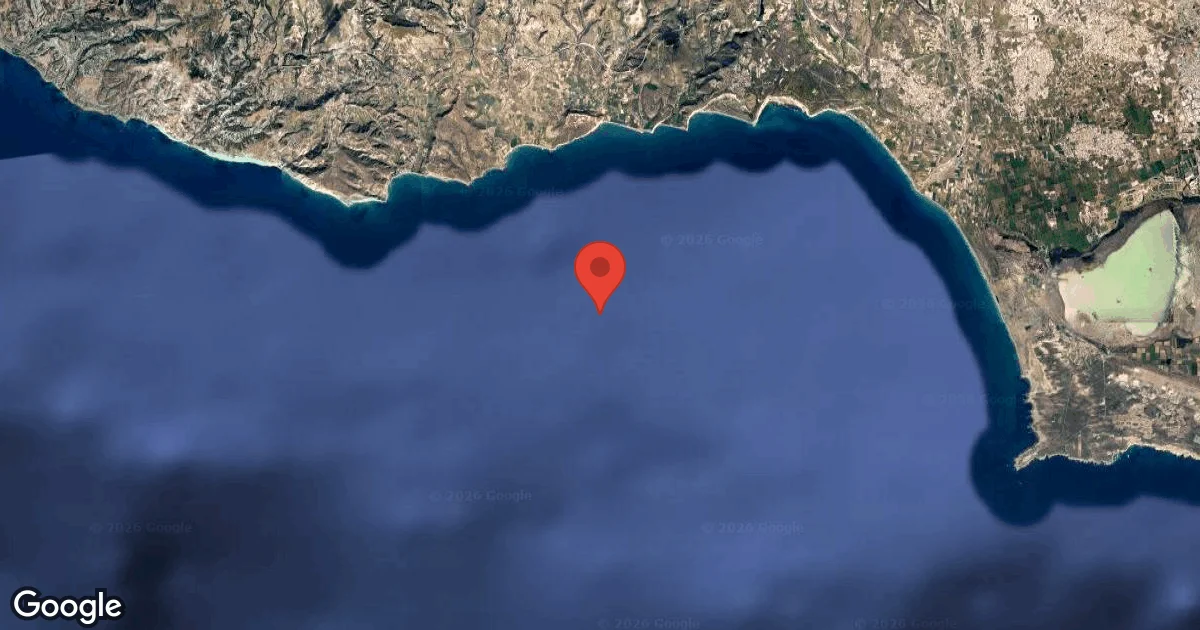
Dive Site Location & Key Facts
Dive Site Overview
Akrotiri Fish Reserve's underwater landscape features a compelling blend of natural and artificial structures, inviting divers to explore diverse environments. Along with vibrant reefs and intriguing gullies, the site hosts a unique collection of submerged attractions, including a helicopter, a fire engine, and a cannon.
These intentionally placed wrecks have transformed into thriving artificial reefs, attracting a wide variety of sea life and offering excellent photographic opportunities. Beyond the immediate reserve, the broader Akrotiri area expands the diving possibilities significantly. Sites like Sharks' Cove are known for a prominent reef wall and several short, accessible swim-through tunnels that add an element of adventure.
Further exploration leads to the 'Tombs' sites, where divers can discover intriguing underwater caves. These cave systems present varied depths; one notable cave starts around 13 meters, while another is shallower, beginning closer to 9 meters.
Exploring these requires appropriate training and comfort, but they offer distinct experiences. The overall topography here ensures engaging dives across multiple environments, from open reef to enclosed cave systems, catering to different skill sets and interests throughout the Akrotiri peninsula.
Conditions are Good
Optimal conditions expected
Current conditions near Akrotiri Fish Reserve show 25° air, 27° sea temperature, 1.2 m waves, and 28 km/h wind. Forecast data is refreshed regularly to ensure accuracy.
Best Time to Dive
While diving is viable for much of the year, conditions at Akrotiri Fish Reserve are generally favorable, particularly during the months with higher dive scores. June, July, September, and October consistently show good dive conditions. Air temperatures during these periods range from a comfortable 24°C (75°F) in June to 27°C (81°F) in July, with very low rainfall, often less than 0.1 mm. Even colder months like January and February still rate 'Good' for diving, with air temperatures around 15-16°C (59-61°F). Water temperatures typically stay within 22-27°C / 72-81°F for much of the dive season, though colder temperatures will be present in winter months. The winter months, particularly December, see higher rainfall totals, averaging 3.67 mm, which could impact surface conditions, though visibility underwater often remains excellent.
PEAK SEASON SCORE
Scores combine air & water temps, waves, wind & rainfall for overall conditions.
BEST MONTHS TO DIVE
Monthly records compiled from satellite and marine observation nodes over the last 3 years. Data provided by Open-Meteo and MET Norway.
Dive Experience & Conditions
Accessing this site primarily involves boat entry, ensuring divers reach the specific reserve areas and other dive features around the Akrotiri Peninsula efficiently. The Akrotiri Fish Reserve accommodates a wide range of certifications, from PADI Open Water Diver to Advanced Open Water Diver, and is even suitable for Discover Scuba Diving experiences, making it inclusive for various skill levels. Water clarity here is consistently excellent, often reaching 25 meters, which greatly enhances the experience of exploring the wrecks and marine habitats. Divers frequently encounter good currents, making some areas conducive to drift diving on occasion, adding another dynamic to the dive plan. Depths across the various dive sites, including the Fish Reserve, Shark Coves, and Tombs, offer diverse profiles, ranging from shallow reef environments to deeper wreck explorations that extend past 20 meters, ensuring options for different comfort levels and training. This variety allows for tailored dive experiences within a relatively compact area.
Dive Difficulty & Safety Guidelines
Divers approaching Akrotiri Fish Reserve should always prioritize local guidance and adhere to established dive plans. Given the possibility of drift diving conditions due to currents, appropriate buoyancy control and surface signaling devices are essential. When exploring swim-throughs or underwater caves, such as those found at the Tombs sites, proper training and a keen awareness of your limitations and environment are paramount.
Always dive within your certification limits. Respecting the marine protected status of the fish reserve and avoiding disturbance to the delicate ecosystems, particularly near nesting turtle areas or potential monk seal habitats, ensures the preservation of this valuable site.
Recommended Equipment
Overhead / entanglement risk. Wreck penetration requires proper training.
- Dive Computer
- DSMB
- Primary & Backup Lights
- Wreck Reel
- Cutting Tool
This gear list is based on verified equipment signals for Akrotiri Fish Reserve, Cyprus. Always confirm final gear choices with your dive operator, guide, or liveaboard.
Recommended Dive Suit
According to recent observations, water temperatures near Akrotiri Fish Reserve are approximately 27°C (81°F). Surface air temperatures are resting at 25°C (77°F).
The forecast outlook suggests that temperatures will stay close to current levels.
Divers who prefer moderate insulation typically choose 2-3mm shorty or light wetsuit in similar environments. A hood or vest is suggested for sensitive divers due to surface winds. Many experienced divers adjust their exposure protection depending on the type of dive planned.
Emergency & Medical Support
Essential information to help you plan your dive trip to Akrotiri Fish Reserve.

Hyperbaric chambers are a critical part of dive safety infrastructure. Availability varies significantly by region, and not all dive areas have immediate access.
Before diving, it's recommended to:
- confirm nearest medical facilities
- check emergency procedures with local dive operators
- ensure dive insurance covers evacuation if required
Divers Alert Network
Diving emergency assistance available through DAN Europe.
+39 0642115685- 24/7 emergency hotline
- Diving medical assistance
- Evacuation coordination
Emergency contacts are provided for reference. Always verify local emergency services before diving.
Closest Listed Hyperbaric Chambers
Showing listed hyperbaric chamber facilities within 200 km of this dive site.
Distances are approximate straight-line distances and may not reflect emergency travel time.
Poseidonia Medical Centre
24/7 ListedLarnaca, Cyprus•Approx. 65 km straight-line
Poseidonia Medical Centre
24/7 ListedInformation is provided for reference and planning purposes only. Dive Navigator does not verify operational status, staffing, availability, or quality of care at listed facilities. In an emergency, contact local emergency services, DAN, your dive operator, or the chamber directly. Do not travel to a facility without calling ahead.
Hyperbaric Medical Centre
24/7 ListedNicosia, Cyprus•Approx. 69 km straight-line
Hyperbaric Medical Centre
24/7 ListedInformation is provided for reference and planning purposes only. Dive Navigator does not verify operational status, staffing, availability, or quality of care at listed facilities. In an emergency, contact local emergency services, DAN, your dive operator, or the chamber directly. Do not travel to a facility without calling ahead.
Hyperbaric Oxygen Therapy Department, General Hospital of Ammochostos (Famagusta)
Paralimni, Cyprus•Approx. 102 km straight-line
Hyperbaric Oxygen Therapy Department, General Hospital of Ammochostos (Famagusta)
Information is provided for reference and planning purposes only. Dive Navigator does not verify operational status, staffing, availability, or quality of care at listed facilities. In an emergency, contact local emergency services, DAN, your dive operator, or the chamber directly. Do not travel to a facility without calling ahead.
Marine Life at Akrotiri Fish Reserve
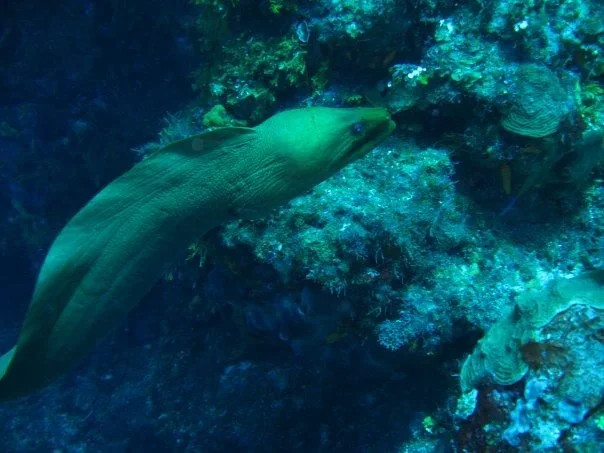
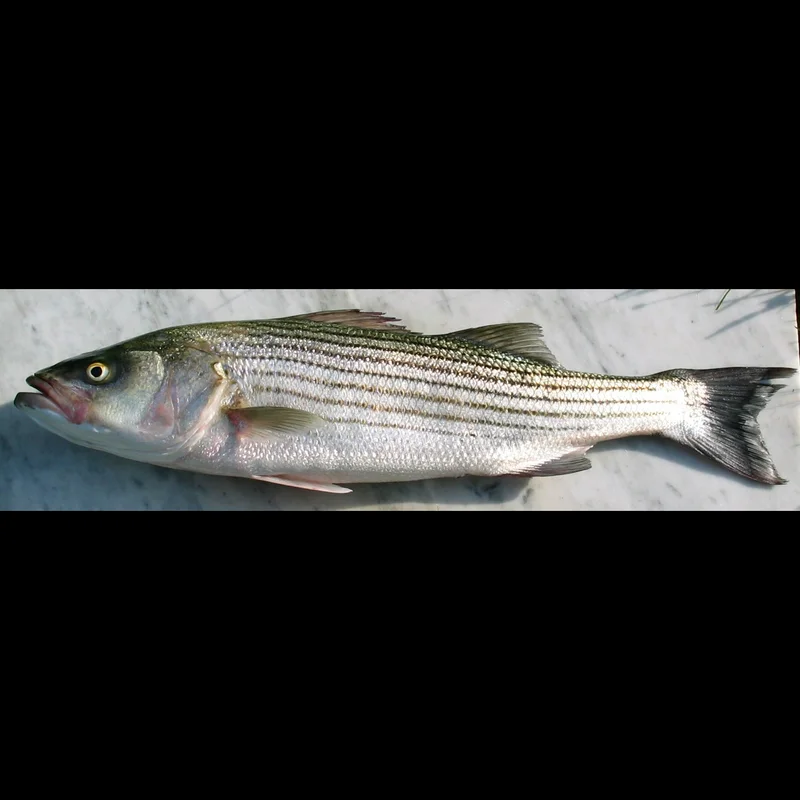
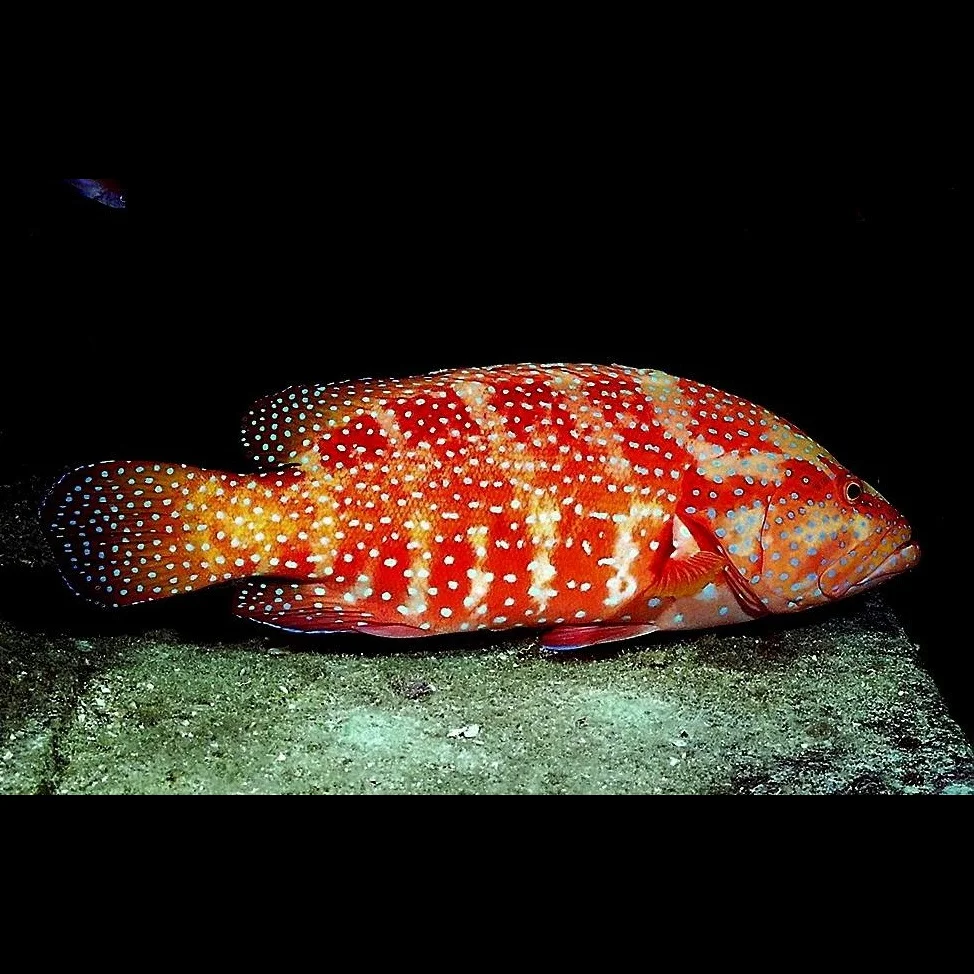
Marine encounters at the Akrotiri Fish Reserve showcase a vibrant array of species inhabiting its reef and wreck structures. Common sightings include groupers, moray eels, bream, and bass, often navigating the submerged helicopter and fire engine.
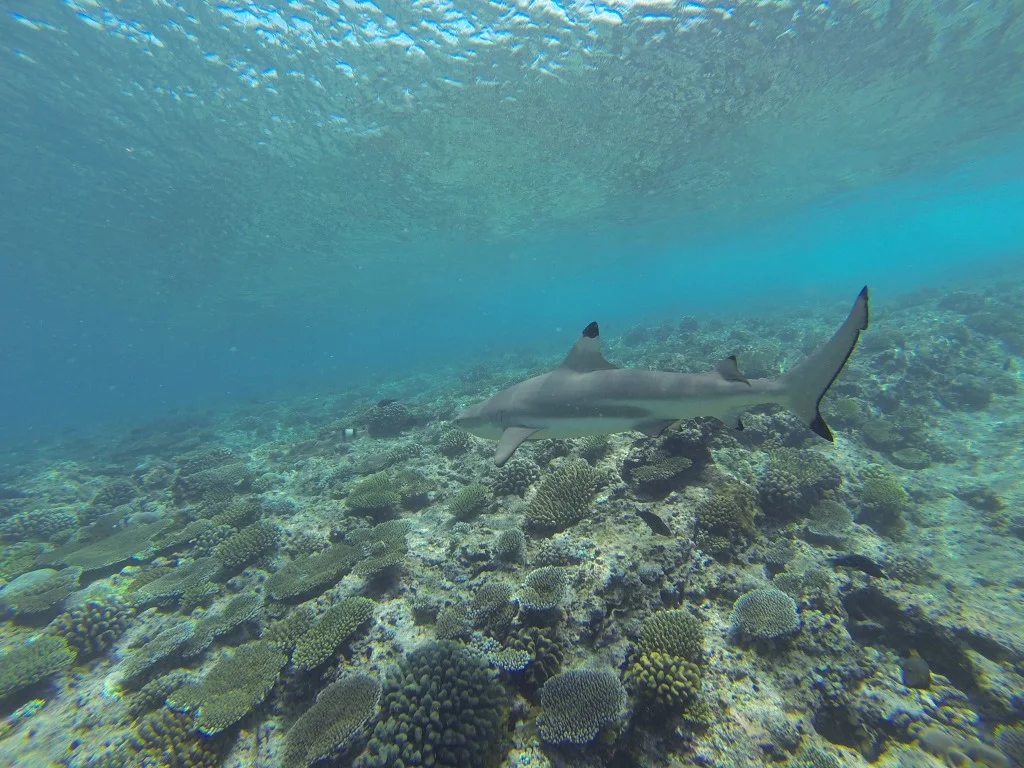
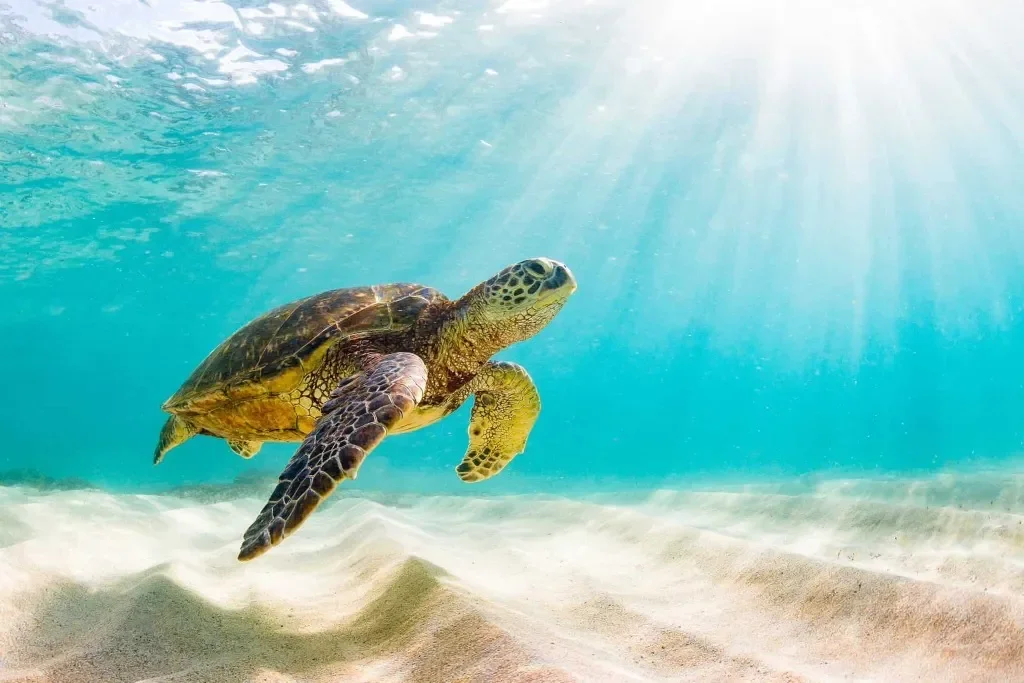
Octopus are also frequently observed camouflaging themselves amongst the rocky seafloor and wreck debris. While the area is known as Sharks' Cove, actual shark sightings are not reported; however, divers may occasionally spot endangered Loggerhead and Green Turtles, especially closer to their nesting grounds along the coast.
The elusive Mediterranean Monk Seal, an endangered species, also calls these waters home, offering a rare glimpse if divers are exceptionally lucky.
Dive Sites Near Akrotiri Fish Reserve
View all dive sites in CyprusDiscover more underwater gems in this area.
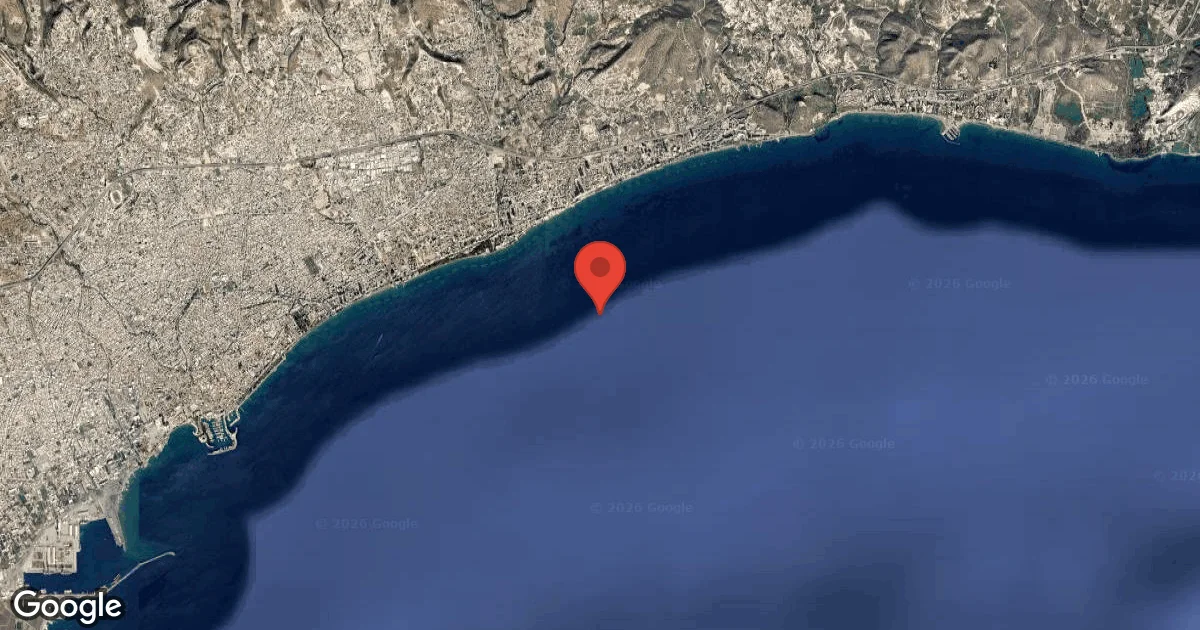
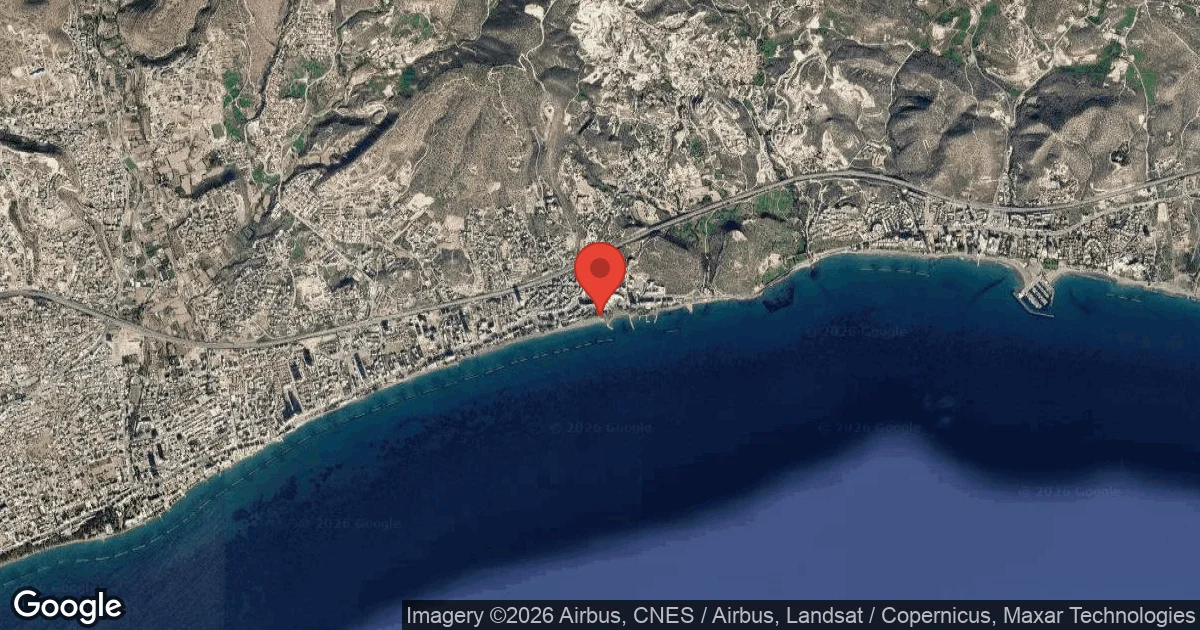
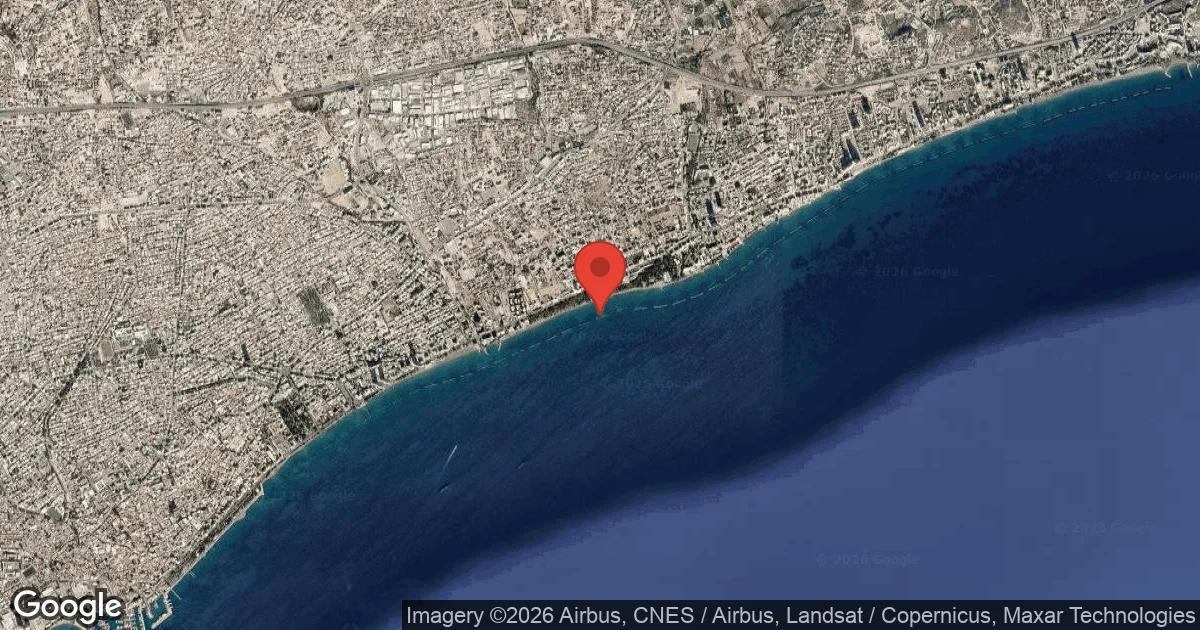
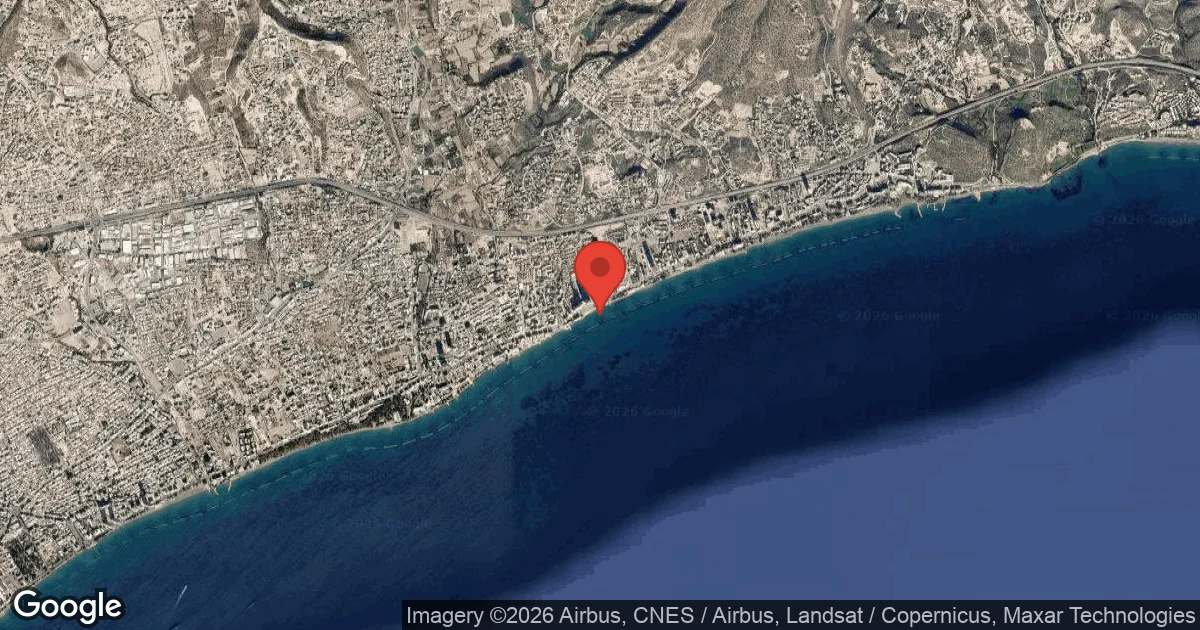
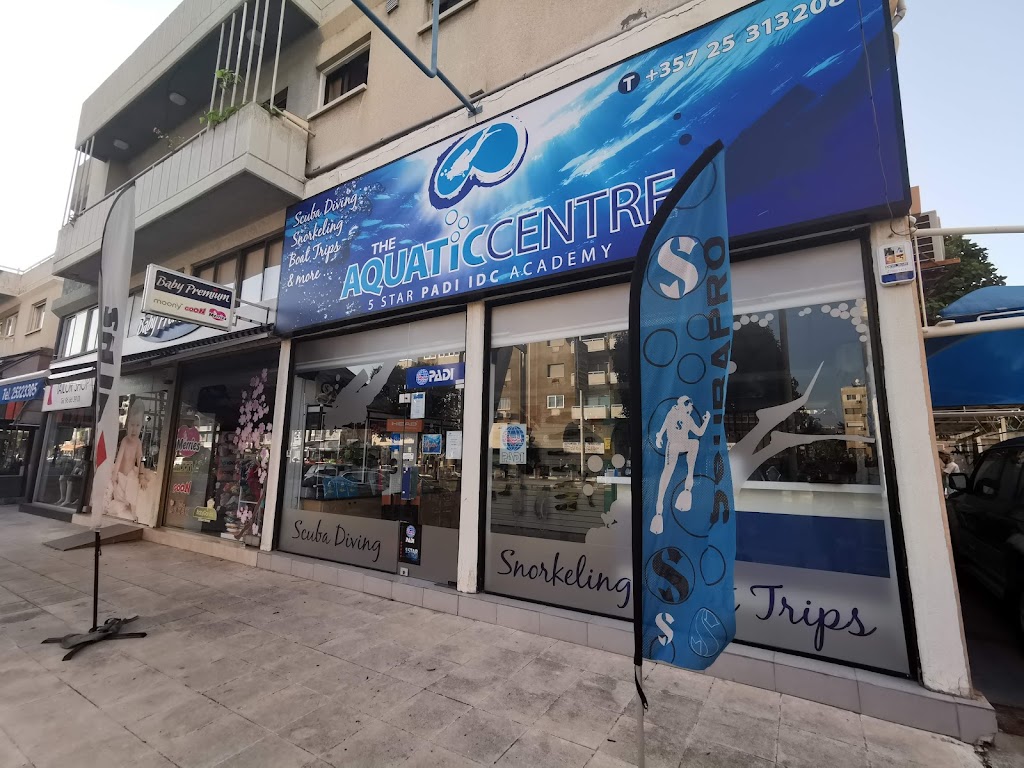
Dive Centers Near Akrotiri Fish Reserve
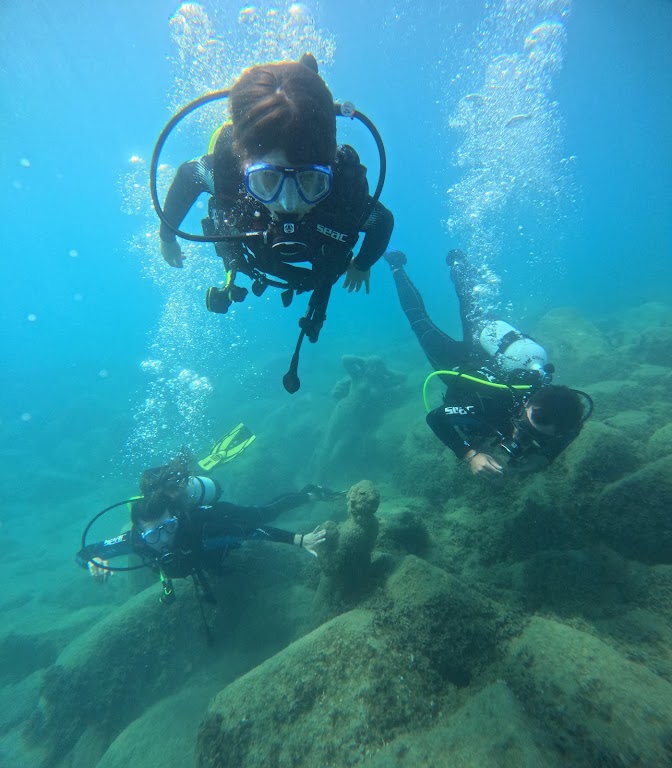
Today: 09:00 - 14:00
Nearest Airports
Nearest airports to help plan travel to this dive area.
Search Flights
Check available flights and routes on Expedia, using the nearby airports listed in this section.
Search Flights on ExpediaFrequently Asked Questions
What kind of dive sites are available at Akrotiri?
Akrotiri offers a diverse range of dive sites including natural reefs, underwater caves (known as Tombs), and artificial reefs created by submerged wrecks such as a helicopter, fire engine, and cannon. Each site presents unique exploration opportunities.
What is the typical visibility at Akrotiri Fish Reserve?
Visibility at Akrotiri Fish Reserve is consistently excellent, often extending up to 25 meters. This allows for clear views of the marine life and underwater structures, providing a truly immersive experience.
Are there any currents to be aware of?
Yes, divers may encounter good currents, making some areas suitable for drift diving. It's advisable to be prepared for these conditions and use appropriate signaling equipment.
What marine life can I expect to see?
You can anticipate seeing groupers, moray eels, bream, bass, and octopus. There is also a chance to spot endangered Loggerhead and Green Turtles, and rarely, the Mediterranean Monk Seal.
What are the average water temperatures?
Water temperatures in Akrotiri generally range between 22-27°C during the primary dive season, though cooler temperatures are present in winter months. Air temperatures are comfortable during peak season, making surface intervals pleasant.
What diving qualifications are suitable for Akrotiri Fish Reserve?
The site is accessible for a range of certifications, from Open Water Divers to Advanced Open Water Divers. Some areas, like certain caves, may require more experience or specialized training.
Planning to dive Akrotiri Fish Reserve?
Send one inquiry and receive offers directly from the best verified local dive operators.
Conditions are Good
Optimal conditions expected
Current conditions near Akrotiri Fish Reserve show 25° air, 27° sea temperature, 1.2 m waves, and 28 km/h wind. Forecast data is refreshed regularly to ensure accuracy.