
Diving at Sandy Bay (Cyprus)
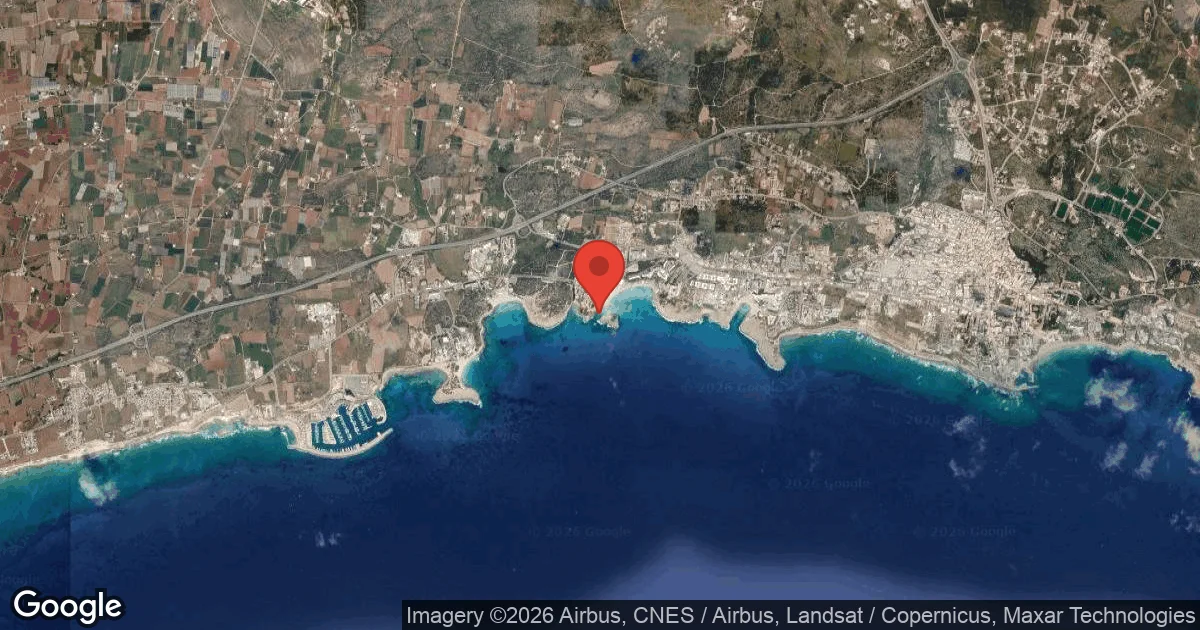
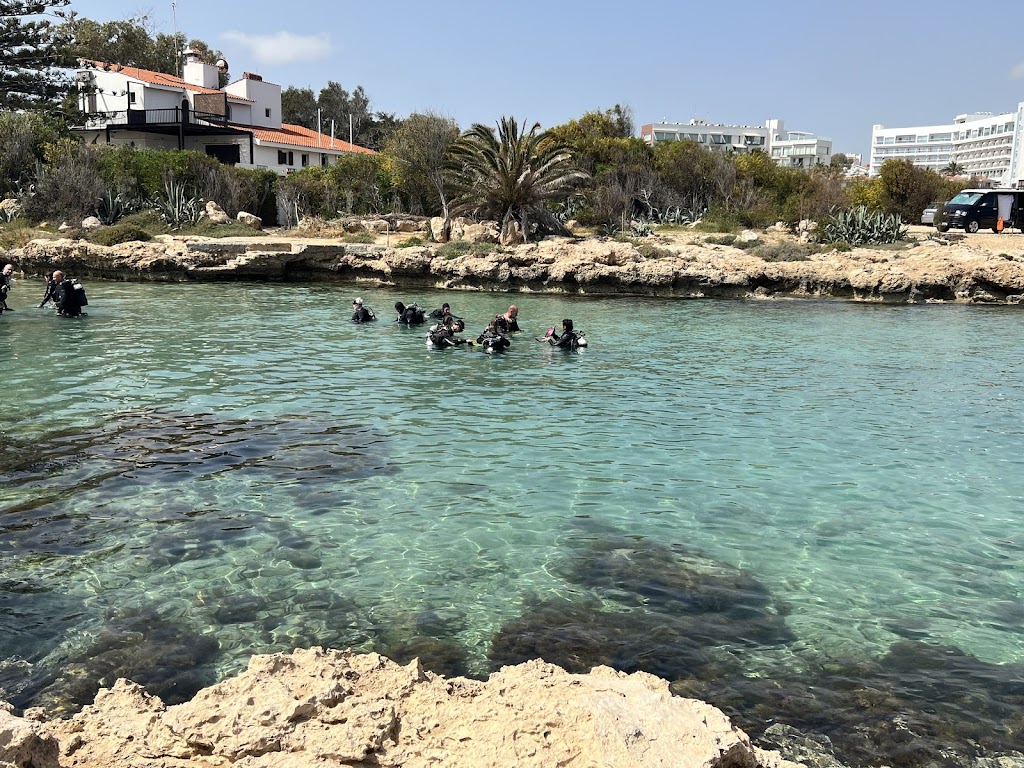
Sandy Bay, nestled on the coast of Cyprus, serves as a welcoming house reef, easily accessible with a short walk from the dive centre. This site naturally divides into distinct areas, providing varied experiences for divers. The right side of the bay offers gentle topography, ideal for foundational training and refresher dives, while the left side, maintaining similar depths, reveals additional features, including a small swim-through cave for those seeking a bit more exploration.
Evening condition tracking at Sandy Bay features an air temperature of 24°C. We have recorded wave heights measuring 0.7 m during this period. These figures outline the environmental parameters currently present.
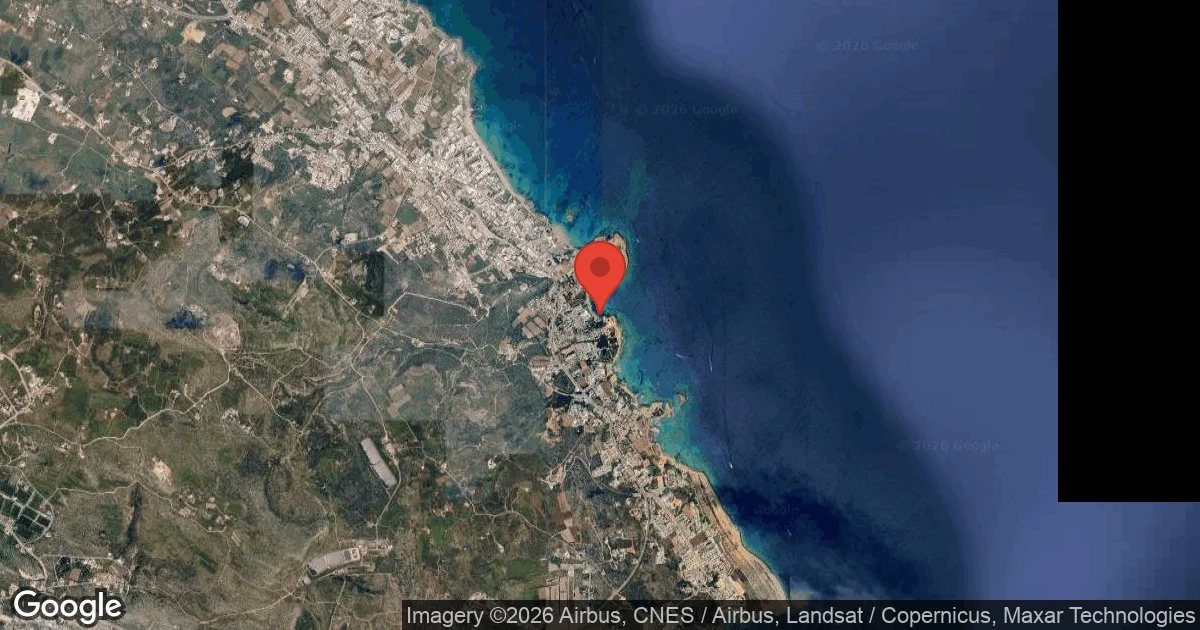
Dive Site Location & Key Facts
Dive Site Overview
What truly sets Sandy Bay apart is its dual appeal as both a premier training ground and an engaging recreational dive site, directly accessible from the shore. The location functions as a house reef, making entry and exit straightforward and often including opportunities for fish feeding, enhancing marine interactions.
On the right side, the environment is perfectly suited for new divers and skill development, characterized by shallower sections and a sandy bottom gently transitioning to reef patches. Moving to the left, divers encounter a similar depth profile but with the added allure of a swim-through cave, which provides a moderate challenge and changes the underwater scenery. The clear waters and mild conditions commonly found here contribute to its reputation as a consistent and enjoyable dive destination, accommodating various certification levels.
Its proximity to the dive centre also simplifies logistics, allowing more time to focus on the underwater experience.
Conditions are Good
Optimal conditions expected
Current conditions near Sandy Bay show 24° air, 28° sea temperature, 0.7 m waves, and 26 km/h wind. Forecast data is refreshed regularly to ensure accuracy.
Best Time to Dive
Considering a dive at Sandy Bay, planning your visit for the months of June, September, and October generally offers the most favorable conditions, reflected by consistently 'Excellent' dive scores. During these periods, air temperatures average between 26.5°C (80°F) in June and 23.5-27°C (74-81°F) in autumn, contributing to comfortable surface intervals. Wave heights are typically minimal, often around 0.5 m (1.6 ft), which aids in calm entries and exits. Rainfall is also exceptionally low from June through October, ensuring clear skies. While water temperatures are not consistently reported in available data, the general climate patterns suggest a pleasant diving environment during these months. Shoulder seasons, like May and November, still provide 'Good' diving scores, with slightly cooler air temperatures and marginally increased rain, though conditions remain highly suitable.
PEAK SEASON SCORE
Scores combine air & water temps, waves, wind & rainfall for overall conditions.
BEST MONTHS TO DIVE
Monthly records compiled from satellite and marine observation nodes over the last 3 years. Data provided by Open-Meteo and MET Norway.
Dive Experience & Conditions
Approaching the Sandy Bay site, divers will find conditions typically calm and conducive to relaxed exploration, characteristic of a protected bay. Wave heights usually register below 0.9 m (3 ft), particularly during peak seasons, contributing to a smooth experience both on the surface and underwater. Currents are generally negligible within the bay, which is ideal for less experienced divers or those focusing on training. Visibility in the Mediterranean is often excellent here, allowing clear views of the sandy seabed, scattered reef formations, and any marine life encountered. Diving depths are well within recreational limits, with both the training areas and the more exploratory sections offering similar max depths. Inside the swim-through cave, divers will experience a slight change in light and can practice buoyancy control in a more confined, yet manageable, setting.
Dive Difficulty & Safety Guidelines
Diving at Sandy Bay is generally considered safe for a broad range of skill levels, from beginners to more advanced divers. Given its designation as a house reef and training site, close supervision by instructors or dive leaders is standard for newer divers. For those exploring the swim-through cave on the left side of the bay, appropriate training for overhead environments and confident buoyancy control are recommended to ensure a smooth passage.
Always dive with a buddy and conduct thorough pre-dive checks. Local guidelines emphasize respecting the marine environment and maintaining appropriate distances from any marine life encountered.
Reviewing your dive plan with local operators provides a clear understanding of the site's specific contours and any transient conditions.
Recommended Equipment
- Dive Computer
This gear list is based on verified equipment signals for Sandy Bay, Cyprus. Always confirm final gear choices with your dive operator, guide, or liveaboard.
Recommended Dive Suit
The latest conditions reported around Sandy Bay place the water temperature close to 28°C (83°F). Surface air temperatures are resting at 24°C (75°F).
2-3mm shorty or light wetsuit generally offers enough warmth for most dives under these conditions. A hood or vest is suggested for sensitive divers due to surface winds.
Surface conditions are expected to warm up slightly in the coming days. A warming trend is expected over the next few days.
Emergency & Medical Support
Essential information to help you plan your dive trip to Sandy Bay.

Hyperbaric chambers are a critical part of dive safety infrastructure. Availability varies significantly by region, and not all dive areas have immediate access.
Before diving, it's recommended to:
- confirm nearest medical facilities
- check emergency procedures with local dive operators
- ensure dive insurance covers evacuation if required
Divers Alert Network
Diving emergency assistance available through DAN Europe.
+39 0642115685- 24/7 emergency hotline
- Diving medical assistance
- Evacuation coordination
Emergency contacts are provided for reference. Always verify local emergency services before diving.
Closest Listed Hyperbaric Chambers
Showing listed hyperbaric chamber facilities within 200 km of this dive site.
Distances are approximate straight-line distances and may not reflect emergency travel time.
Hyperbaric Oxygen Therapy Department, General Hospital of Ammochostos (Famagusta)
Paralimni, Cyprus•Approx. 8 km straight-line
Hyperbaric Oxygen Therapy Department, General Hospital of Ammochostos (Famagusta)
Information is provided for reference and planning purposes only. Dive Navigator does not verify operational status, staffing, availability, or quality of care at listed facilities. In an emergency, contact local emergency services, DAN, your dive operator, or the chamber directly. Do not travel to a facility without calling ahead.
Poseidonia Medical Centre
24/7 ListedLarnaca, Cyprus•Approx. 36 km straight-line
Poseidonia Medical Centre
24/7 ListedInformation is provided for reference and planning purposes only. Dive Navigator does not verify operational status, staffing, availability, or quality of care at listed facilities. In an emergency, contact local emergency services, DAN, your dive operator, or the chamber directly. Do not travel to a facility without calling ahead.
Hyperbaric Medical Centre
24/7 ListedNicosia, Cyprus•Approx. 59 km straight-line
Hyperbaric Medical Centre
24/7 ListedInformation is provided for reference and planning purposes only. Dive Navigator does not verify operational status, staffing, availability, or quality of care at listed facilities. In an emergency, contact local emergency services, DAN, your dive operator, or the chamber directly. Do not travel to a facility without calling ahead.
Marine Life at Sandy Bay
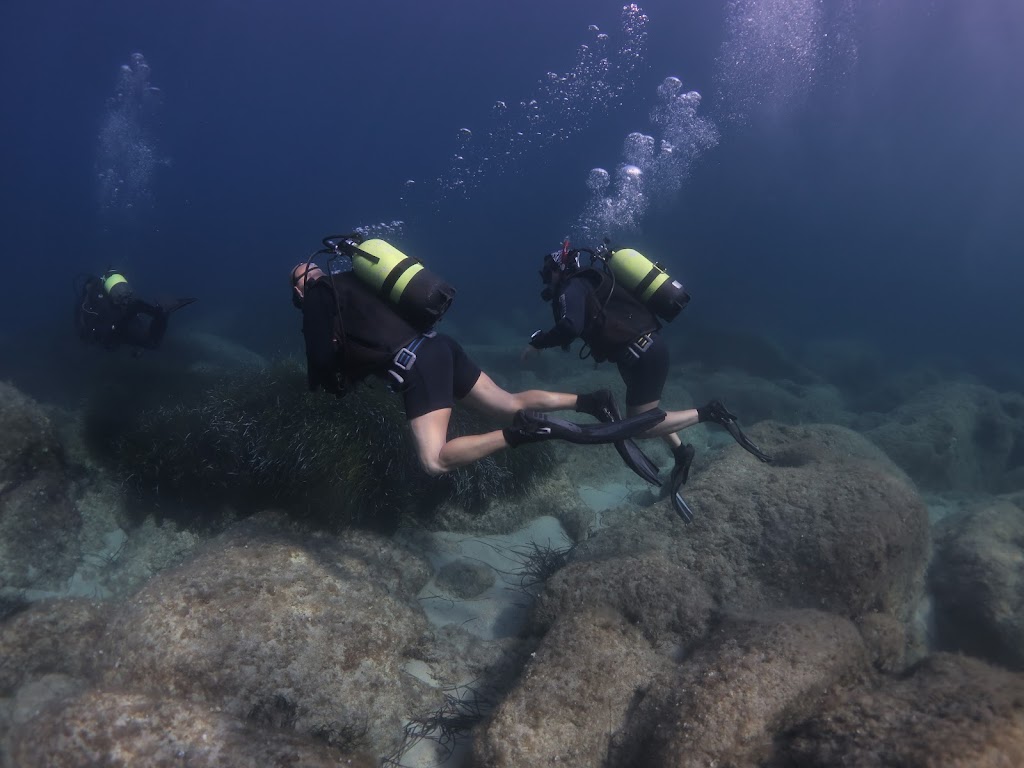
Entering the waters of Sandy Bay, divers often immediately notice the presence of abundant marine life, particularly a variety of common fish species that inhabit the reef patches and sandy areas. The site is frequently described as a 'fish filled bay,' and the practice of free fish feeding enhances the opportunities for close-up observations.
Expect to encounter numerous small to medium-sized reef fish, which are accustomed to divers and contribute to the site's dynamic ecosystem. Gliding over the sandy seabed, look for bottom dwellers, while within the reef structures, smaller invertebrates may also be present, adding to the visual interest.
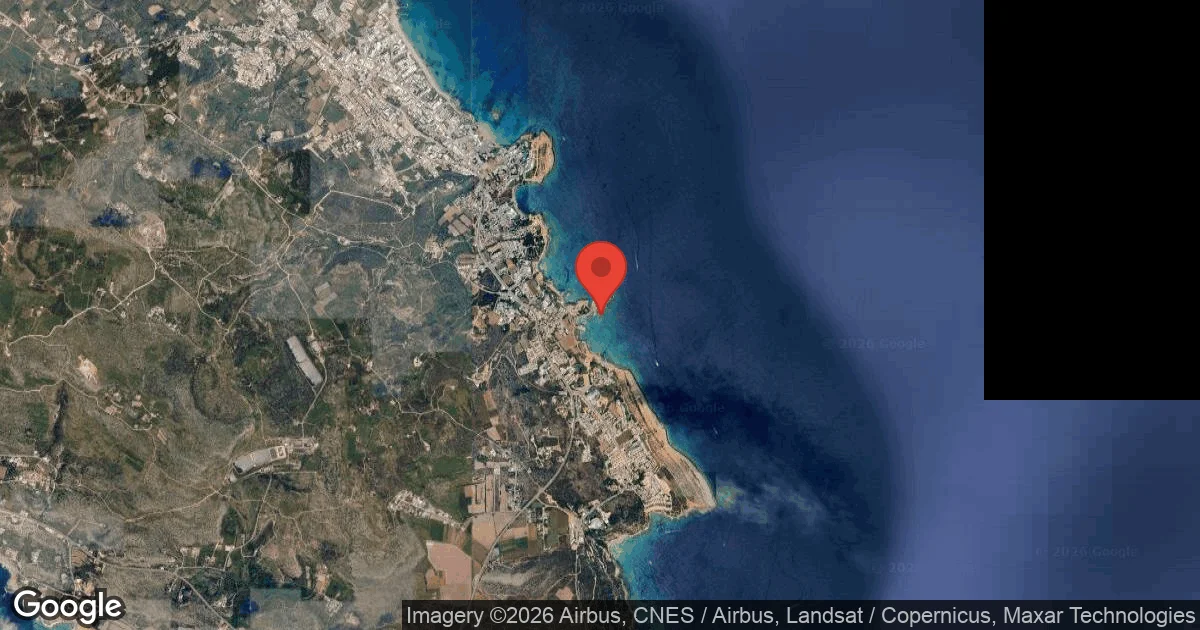
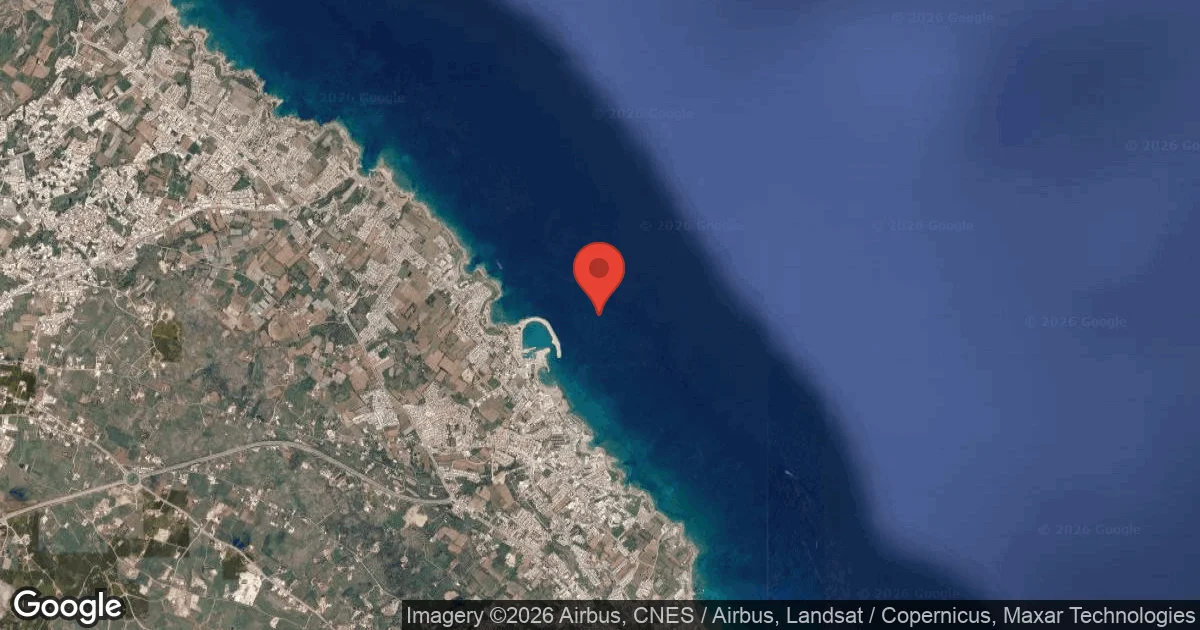
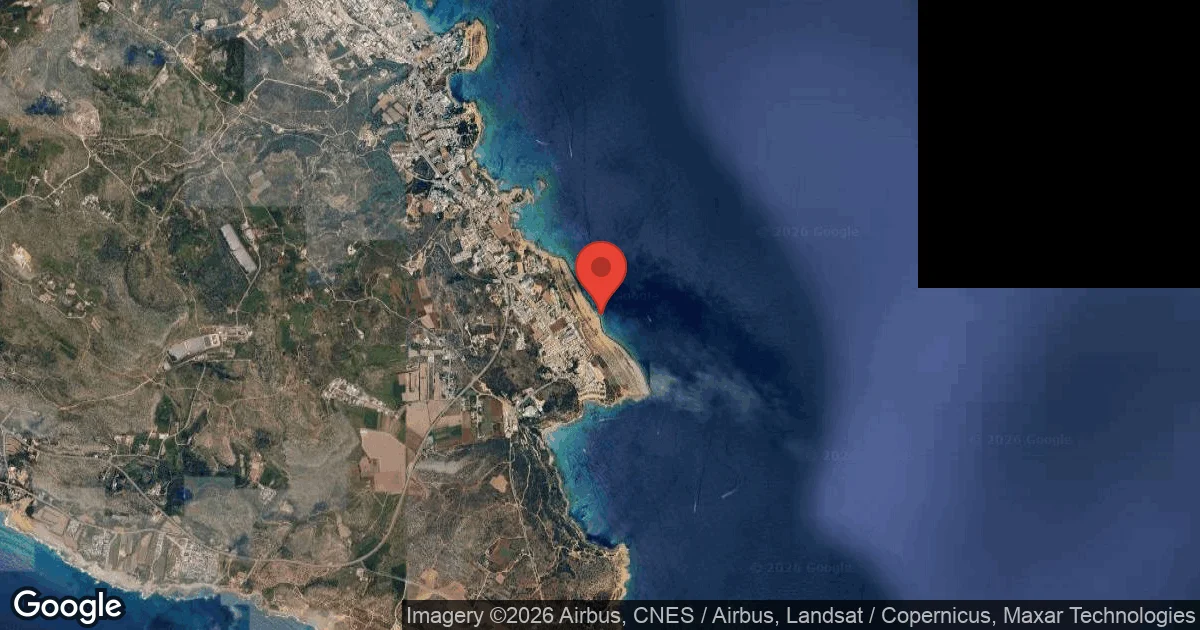
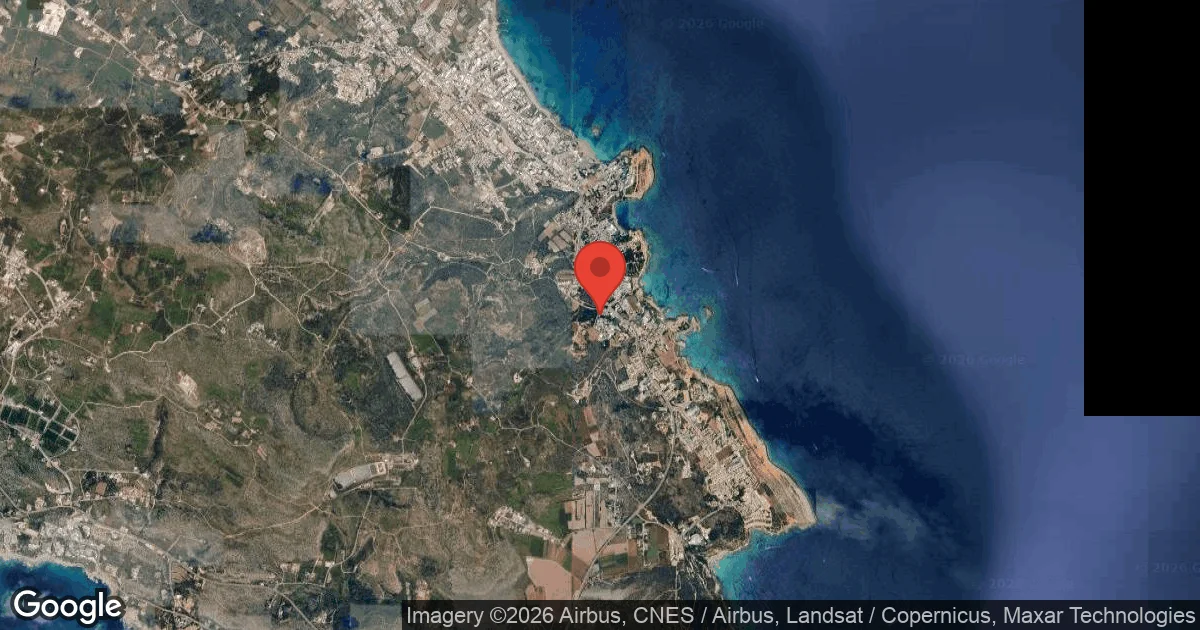
Dive Sites Near Sandy Bay
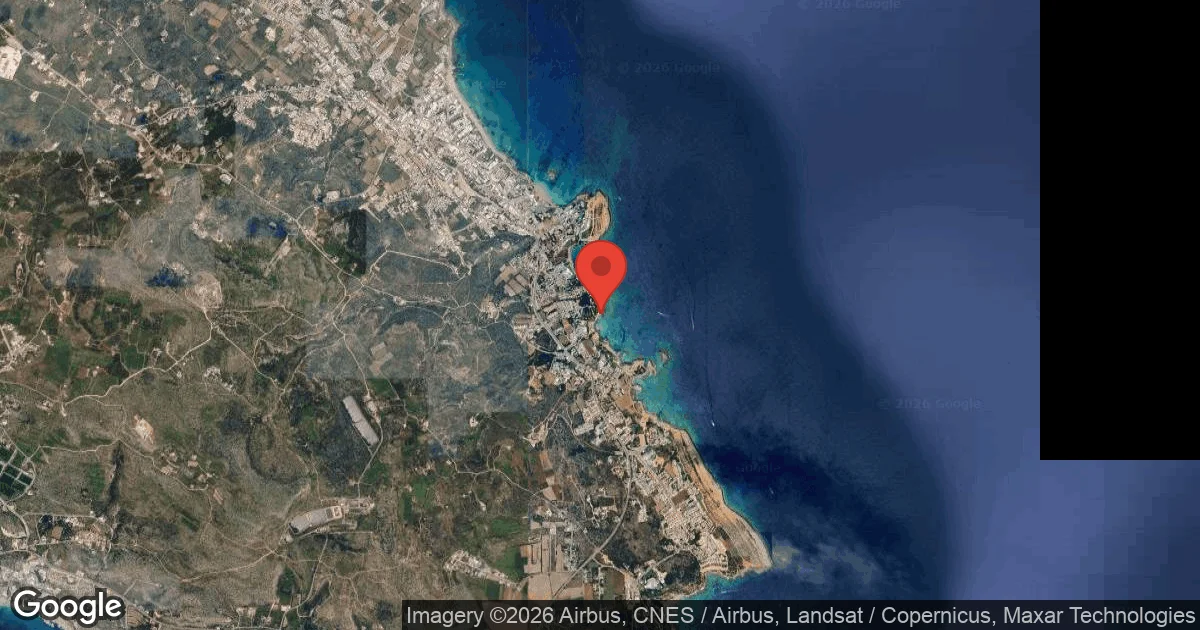
View all dive sites in CyprusDiscover more underwater gems in this area.
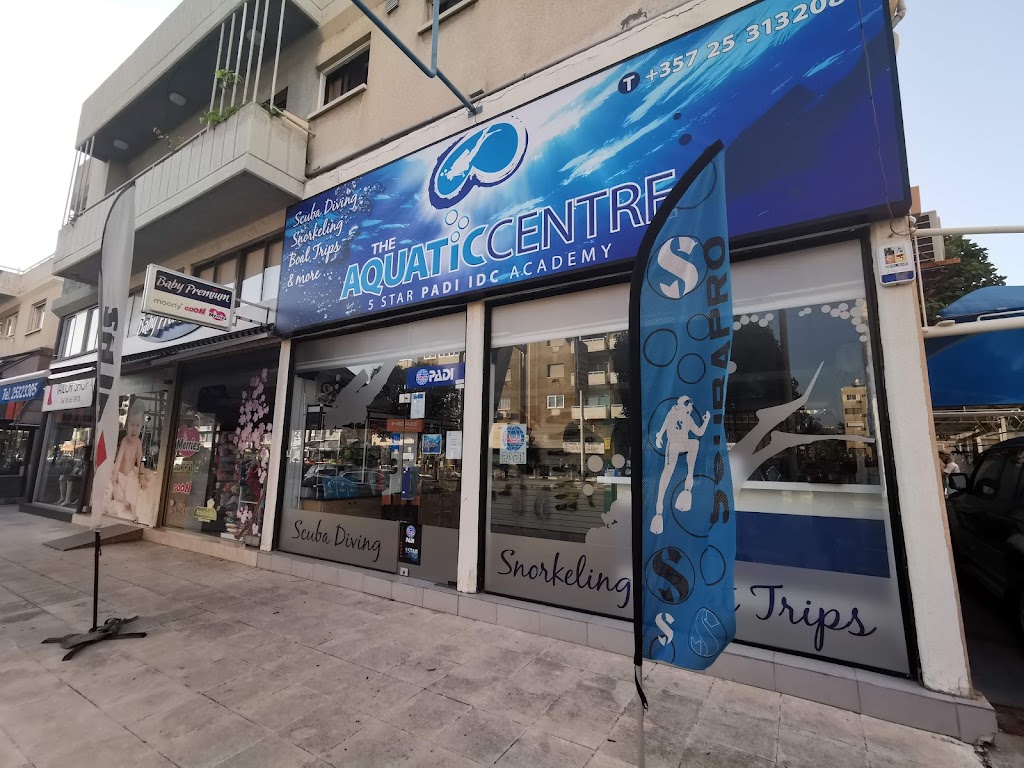
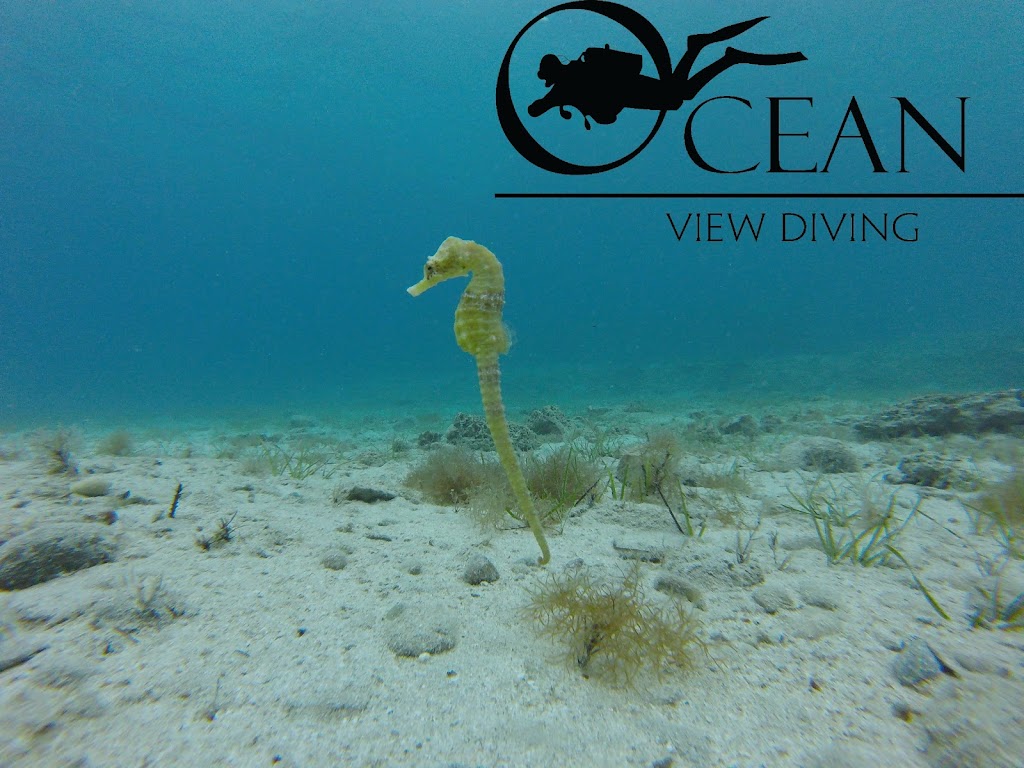
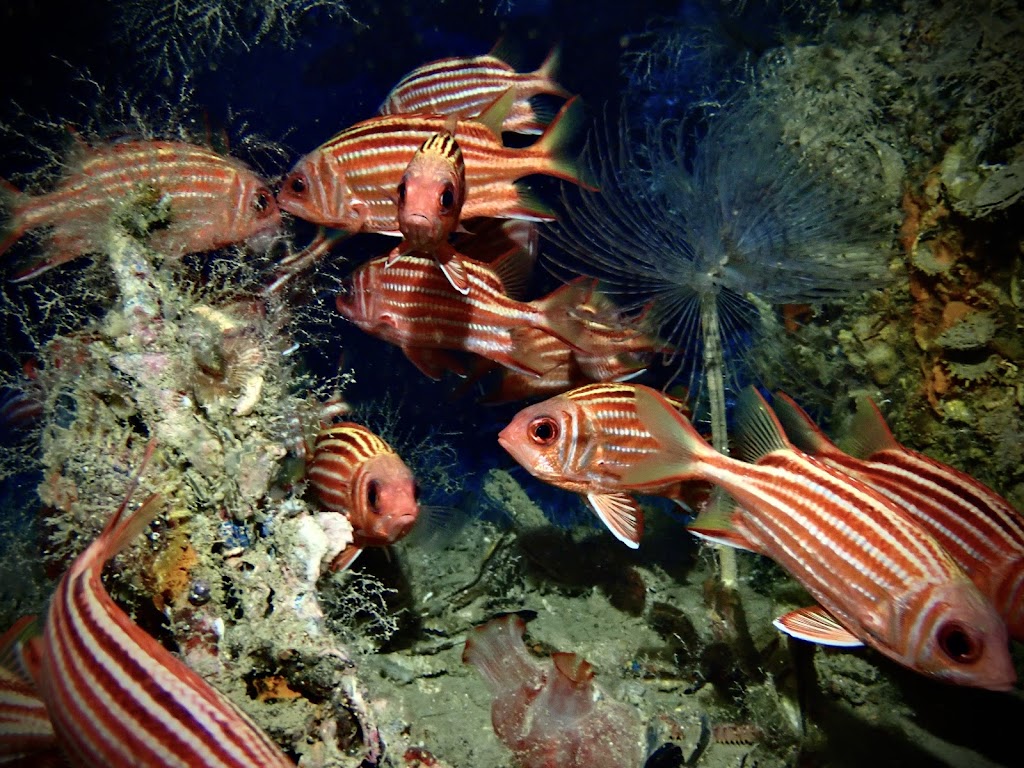
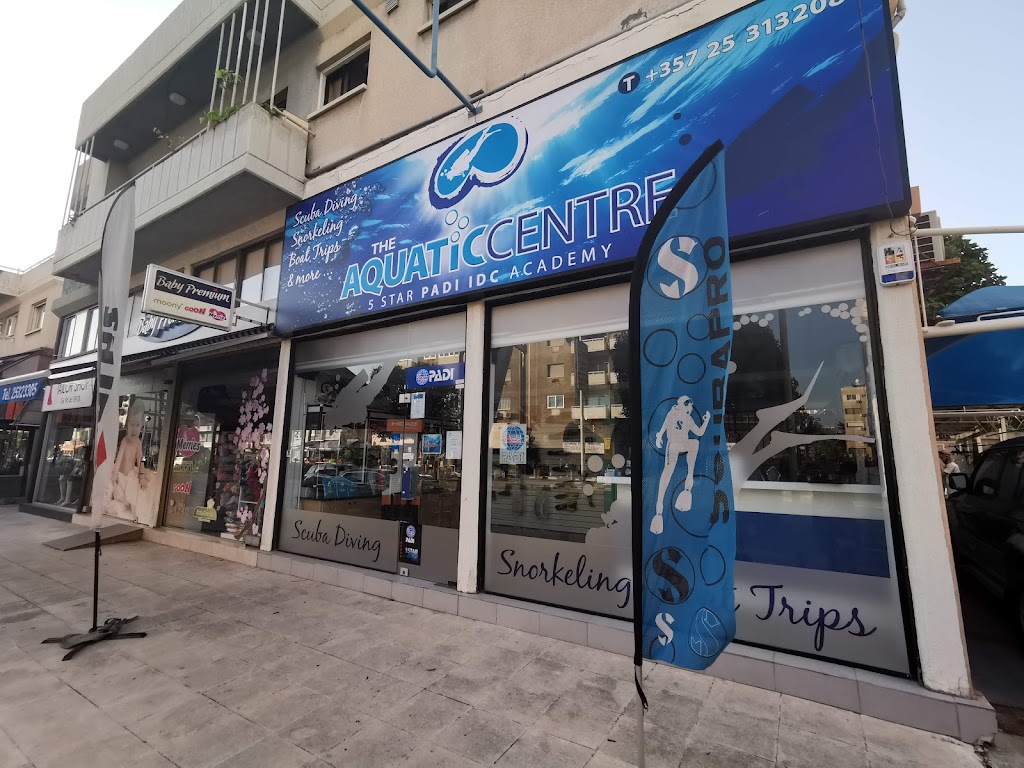
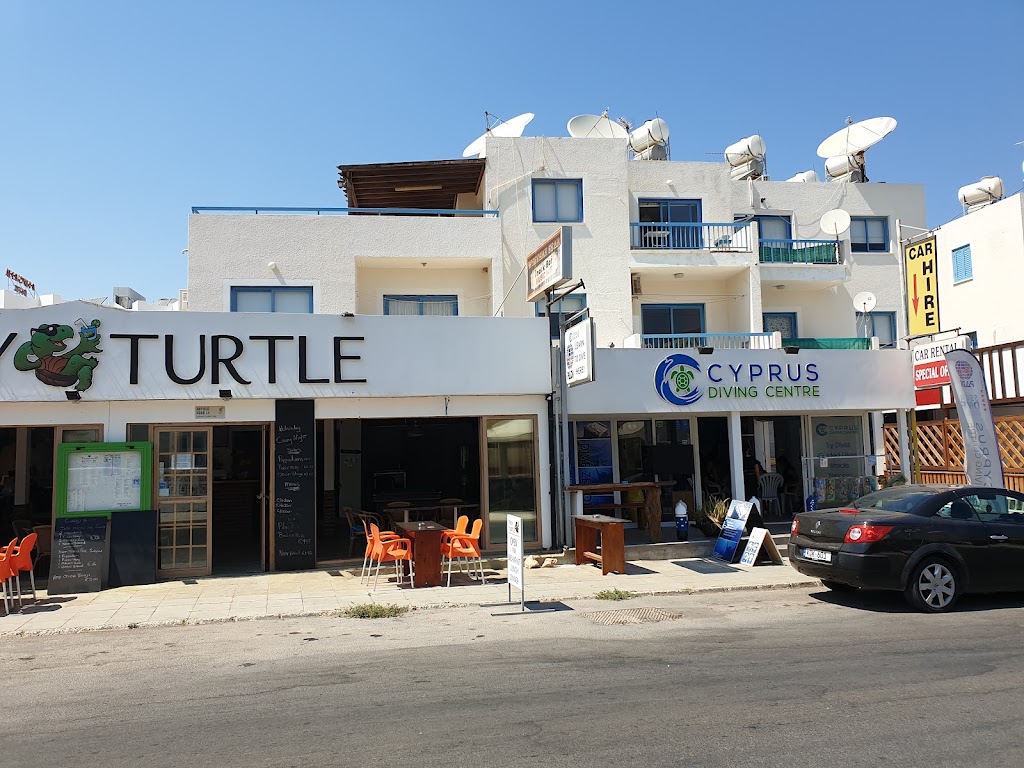
Dive Centers Near Sandy Bay
Today: 07:00 - 23:00
Nearest Airports
Nearest airports to help plan travel to this dive area.
Search Flights
Check available flights and routes on Expedia, using the nearby airports listed in this section.
Search Flights on ExpediaFrequently Asked Questions
Is Sandy Bay suitable for new divers?
Yes, the right side of Sandy Bay is specifically noted as perfect for new divers, training, and refresher dives due to its calm conditions and gentle topography. It's an ideal environment for building confidence.
What kind of underwater features can I expect at Sandy Bay?
Divers will find a mix of a sandy seabed and scattered reef formations throughout the bay. On the left side, there's also a small swim-through cave, providing an extra element of exploration for those interested.
Are there any swim-throughs at this dive site?
Indeed, a small swim-through cave is located on the left side of Sandy Bay. This feature is often highlighted as a good option for a second dive or for divers seeking a bit more adventure.
How accessible is Sandy Bay for divers?
Sandy Bay is highly accessible, functioning as a house reef directly walkable from the dive centre and across the beach. This makes shore entries and exits very convenient.
What months offer the best diving conditions?
For optimal conditions, consider diving in June, September, and October. These months consistently show 'Excellent' dive scores, with comfortable air temperatures and minimal wave activity and rainfall.
Can I expect good visibility at Sandy Bay?
Visibility at Sandy Bay is generally quite good, typical of many sites in Cyprus. The calm, clear waters allow for excellent viewing of the underwater terrain and marine life.
What type of marine life might I see?
Sandy Bay is known as a 'fish filled bay,' with plenty of fish species commonly found on Mediterranean reefs. The site's fish feeding activities often bring various local inhabitants closer to divers.
Planning to dive Sandy Bay?
Send one inquiry and receive offers directly from the best verified local dive operators.
Conditions are Good
Optimal conditions expected
Current conditions near Sandy Bay show 24° air, 28° sea temperature, 0.7 m waves, and 26 km/h wind. Forecast data is refreshed regularly to ensure accuracy.