
Diving at Roman Harbour (Cyprus)
Approaching Roman Harbour, the immediate impression is one of easy access from shore, either via stone steps or a gentle beach entry. Submerged historical remnants, like parts of the ancient Roman harbour wall, are quickly visible, giving a tangible link to Cyprus's past. Shallow sections quickly reveal broken amphorae scattered across the seabed, hinting at centuries of maritime activity.
Tonight's objective overview for Roman Harbour shows an air temperature of 27°C. The measured surface conditions include wave heights around 0.6 m. This environmental data is logged for the close of the day.
Dive Site Location & Key Facts
Dive Site Overview
Roman Harbour takes its name from the submerged foundations of what was once a bustling Roman harbour, central to Paphos's shipping during the Roman era. Exploring this area means encountering tangible links to antiquity; broken amphorae are frequently found encrusted into the wall and scattered across sandy patches.
While initial shallow entry areas, only 1-2m (3-7 ft) deep, provide an immediate historical backdrop, the underwater landscape expands considerably. Divers can navigate a long, interesting passage at around 10 m (33 ft), guiding them through varied rock formations and smaller reef sections. Recreational depth here extends to 18 m (60 ft), accommodating a range of certification levels.
In the mid-section of the dive, three sizable anchors present impressive photo opportunities. These artifacts were reportedly salvaged from deeper shipwrecks and strategically relocated for diver observation.
Further into open water sections, an array of shell sculptures forms a unique, established route, enhancing exploration for both divers and snorkelers. An engaging experience unfolds from this blend of historical remnants, artificial reefs, and natural rock formations, connecting divers with both ancient history and contemporary underwater artistry.
Accessible points are available for both beginners and certified divers seeking relaxed exploration.
Conditions are Good
07:00 - 14:00
Optimal conditions expected
Current conditions near Roman Harbour show 27° air, 28° sea temperature, 0.8 m waves, and 27 km/h wind. Forecast data is refreshed regularly to ensure accuracy.
Best Time to Dive
Air temperatures offer a broad window for comfortable diving. From June to October, average air temperatures range between 23.5-29.5°C (74-85°F), coinciding with minimal rainfall, typically less than 0.3 mm (0.01 inches) per month, and excellent dive scores. This period represents the prime season for clear, calm conditions. Even during spring (April-May) and autumn (November), air temperatures remain pleasant, ranging from 19-22°C (66-72°F) and 19-20°C (66-68°F) respectively, with low to moderate rainfall. Water temperatures are not consistently reported but generally align with Mediterranean seasonal patterns, warming significantly by summer. Winters, from December to March, see cooler air temperatures between 13.5-16°C (56-61°F) and higher average rainfall, up to 3.4 mm (0.13 inches) in December, though dive scores remain good. Night dives are particularly suitable between October and April.
PEAK SEASON SCORE
Scores combine air & water temps, waves, wind & rainfall for overall conditions.
BEST MONTHS TO DIVE
Monthly records compiled from satellite and marine observation nodes over the last 3 years. Data provided by Open-Meteo and MET Norway.
Dive Experience & Conditions
Entry to Roman Harbour is straightforward, accessible via either sandy beach or man-made steps, leading into immediate shallow waters between one to two meters. After descending to a sandy patch around 3 meters near a breakwater wall, divers can adjust gear comfortably. Explorers are then guided towards two large anchors. Beyond these, crossing a submerged wall leads to deeper sections. A maximum depth of 18 meters provides ample space for intermediate divers, while beginner training often focuses on shallower sections, such as the 6-meter maximum within the designated swim zone, especially for discover scuba diving or Open Water courses. A notable feature includes a 10-meter passage, offering structured navigation. Visibility varies depending on conditions but is generally good, supporting easy underwater exploration. Its design allows for a progressive depth profile, making the site adaptable for various skill levels and training objectives.
Dive Difficulty & Safety Guidelines
An expert approach to diving Roman Harbour emphasizes situational awareness, particularly given its popularity with new divers and snorkelers. The site's status within a designated swim zone, coupled with its maximum depth of 18 meters, allows for safe direct ascents to the surface if needed, especially in shallower areas.
Always ensure proper weighting before venturing into the main dive path, particularly after the initial descent to the 3-meter sandy patch. Many dive centers operate from Paphos Harbour, offering comprehensive briefings and well-maintained equipment, which is a critical safety consideration.
Due to the historical artifacts, divers must practice responsible buoyancy control to avoid disturbing the site's integrity. Diving with a local guide is advisable, especially for those unfamiliar with the site's specific layout and potential for marine life encounters.
Recommended Equipment
- Dive Computer
This gear list is based on verified equipment signals for Roman Harbour, Cyprus. Always confirm final gear choices with your dive operator, guide, or liveaboard.
Recommended Dive Suit
For relaxed exploration dives, 2-3mm shorty or light wetsuit generally provides adequate warmth. Water conditions at Roman Harbour are currently measured at approximately 28°C (83°F). Surface air temperatures are resting at 27°C (80°F).
Forecast trends indicate similar diving conditions over the next few days.
A diver's personal tolerance to cold water can play a large role in suit selection.
Emergency & Medical Support
Essential information to help you plan your dive trip to Roman Harbour.

Hyperbaric chambers are a critical part of dive safety infrastructure. Availability varies significantly by region, and not all dive areas have immediate access.
Before diving, it's recommended to:
- confirm nearest medical facilities
- check emergency procedures with local dive operators
- ensure dive insurance covers evacuation if required
Divers Alert Network
Diving emergency assistance available through DAN Europe.
+39 0642115685- 24/7 emergency hotline
- Diving medical assistance
- Evacuation coordination
Emergency contacts are provided for reference. Always verify local emergency services before diving.
Closest Listed Hyperbaric Chambers
Showing listed hyperbaric chamber facilities within 200 km of this dive site.
Distances are approximate straight-line distances and may not reflect emergency travel time.
Hyperbaric Oxygen Therapy Department, General Hospital of Ammochostos (Famagusta)
Paralimni, Cyprus•Approx. 12 km straight-line
Hyperbaric Oxygen Therapy Department, General Hospital of Ammochostos (Famagusta)
Information is provided for reference and planning purposes only. Dive Navigator does not verify operational status, staffing, availability, or quality of care at listed facilities. In an emergency, contact local emergency services, DAN, your dive operator, or the chamber directly. Do not travel to a facility without calling ahead.
Poseidonia Medical Centre
24/7 ListedLarnaca, Cyprus•Approx. 44 km straight-line
Poseidonia Medical Centre
24/7 ListedInformation is provided for reference and planning purposes only. Dive Navigator does not verify operational status, staffing, availability, or quality of care at listed facilities. In an emergency, contact local emergency services, DAN, your dive operator, or the chamber directly. Do not travel to a facility without calling ahead.
Hyperbaric Medical Centre
24/7 ListedNicosia, Cyprus•Approx. 67 km straight-line
Hyperbaric Medical Centre
24/7 ListedInformation is provided for reference and planning purposes only. Dive Navigator does not verify operational status, staffing, availability, or quality of care at listed facilities. In an emergency, contact local emergency services, DAN, your dive operator, or the chamber directly. Do not travel to a facility without calling ahead.
Marine Life at Roman Harbour
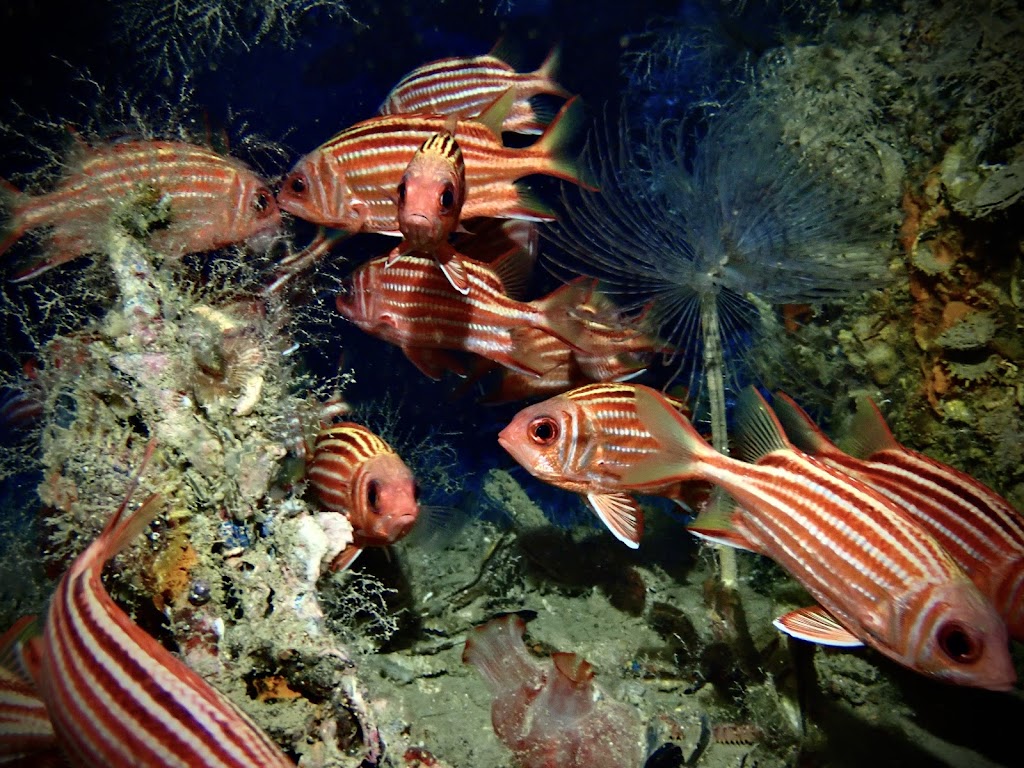
Diverse marine life inhabits the Roman Harbour's varied terrain, from the shallow reef to the deeper channel. Common sightings include various wrasse species, such as rainbow, ornate, and peacock wrasse, often observed following divers.
Sea bream frequently hide within the wall's small gaps and crevices. Schools of damsel fish, including neon purple juveniles in summer, hover above the reef.
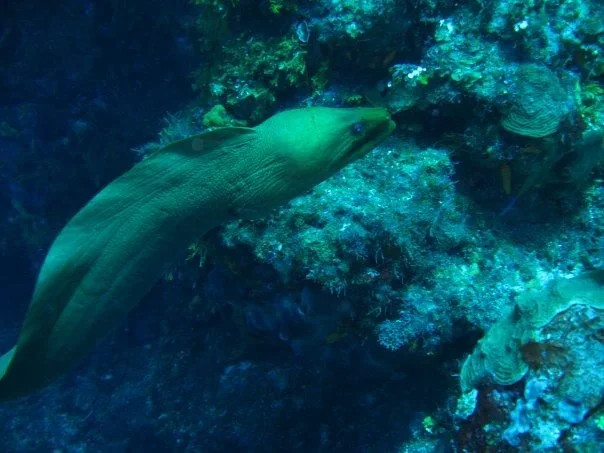
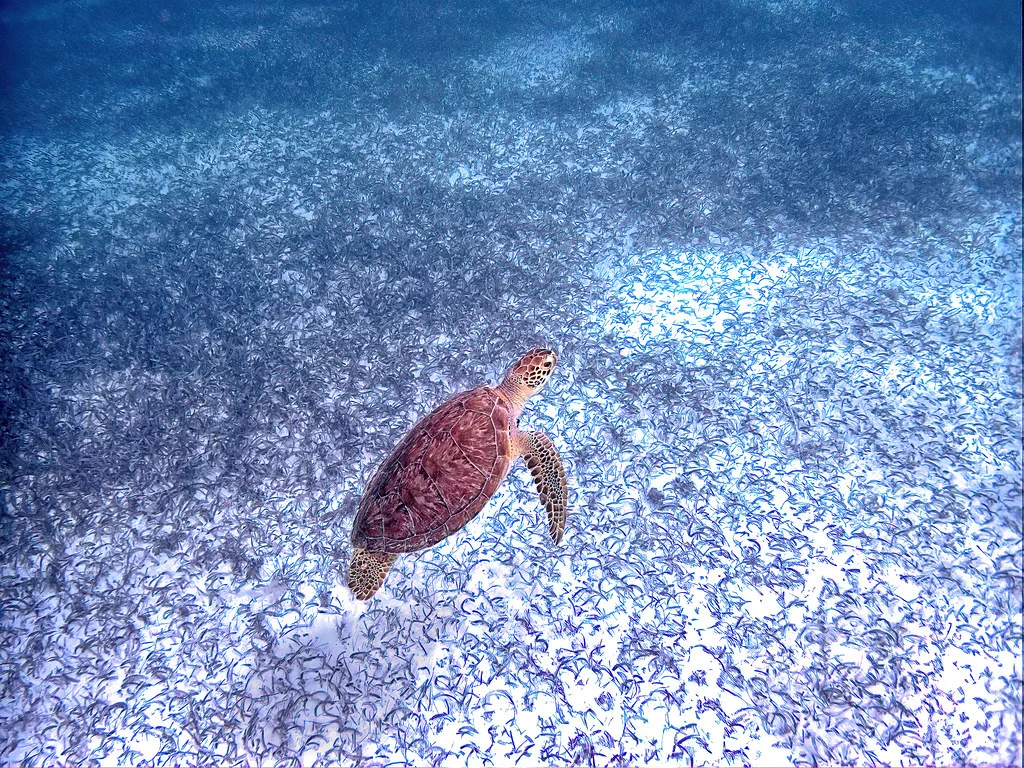
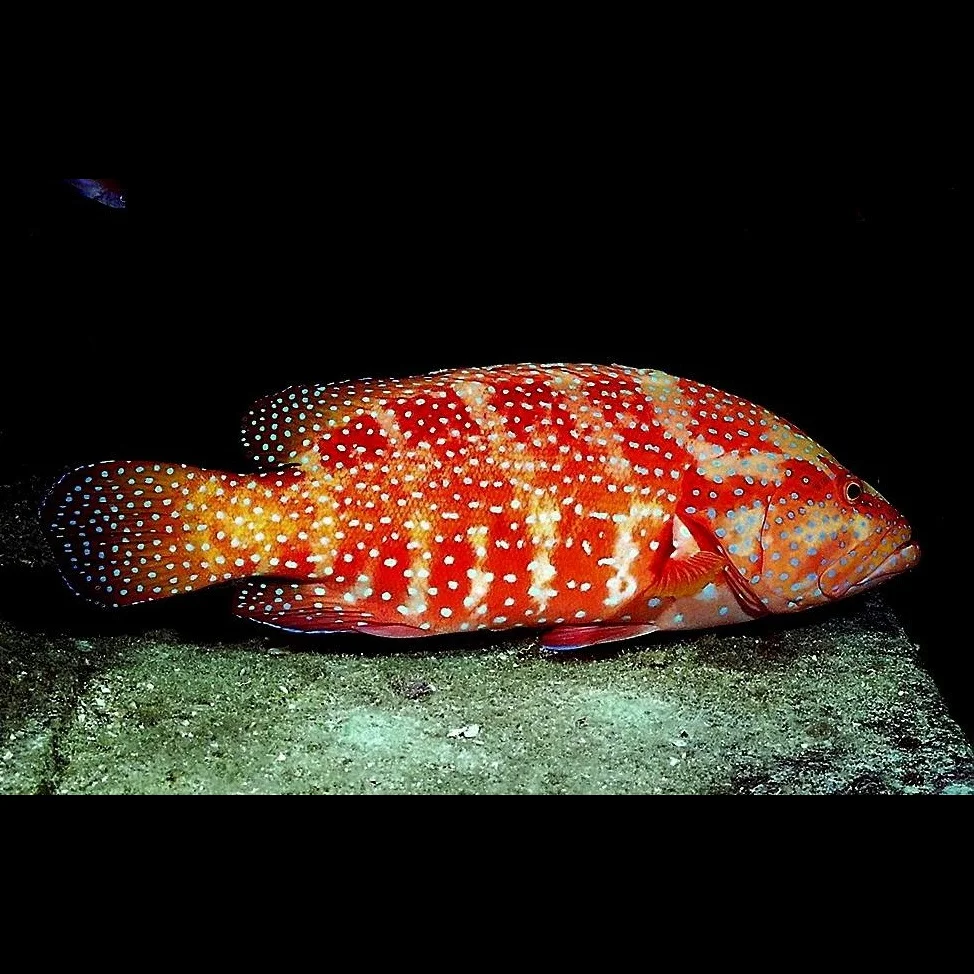
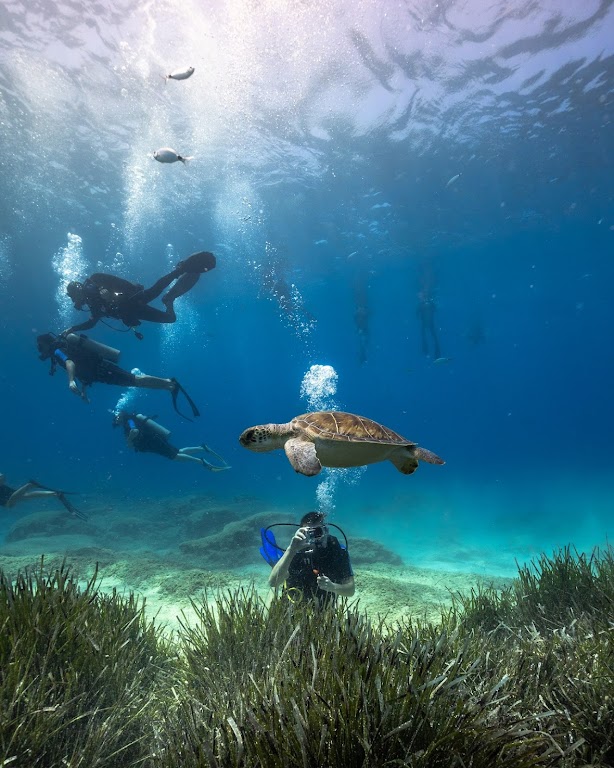
Notably, Green and Loggerhead turtles are regular visitors, either grazing on seagrass or swimming through the water. Other reported species, particularly in the deeper channel and rocky areas, include lionfish, jacks, sponges, nudibranchs, morays, and groupers.
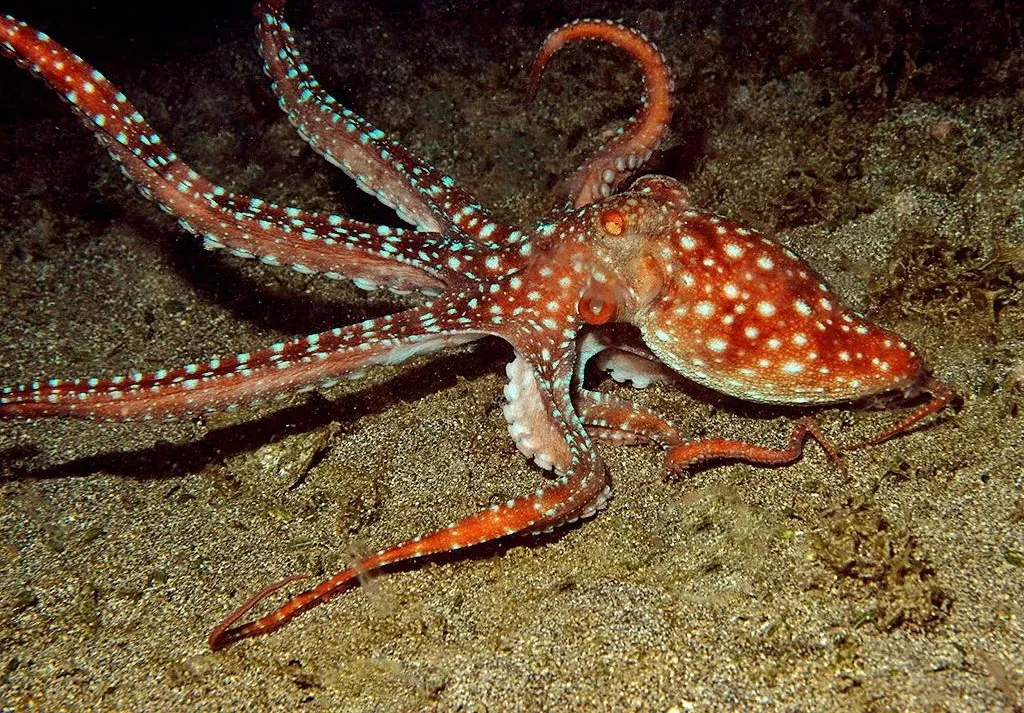
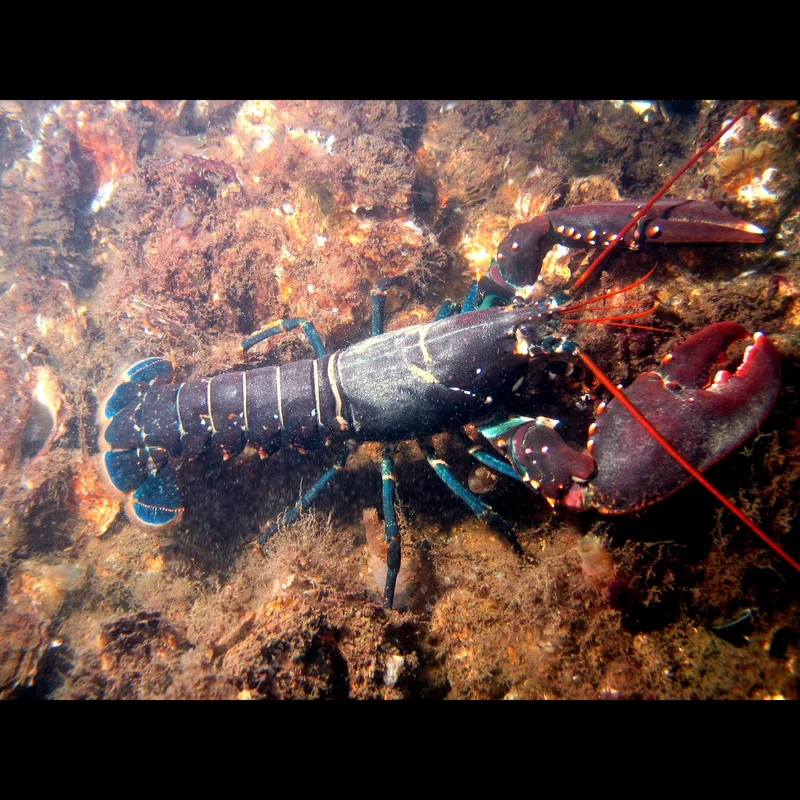
Night dives between October and April are particularly good for spotting slipper lobsters, shrimp, and octopuses.
Dive Sites Near Roman Harbour
View all dive sites in CyprusDiscover more underwater gems in this area.
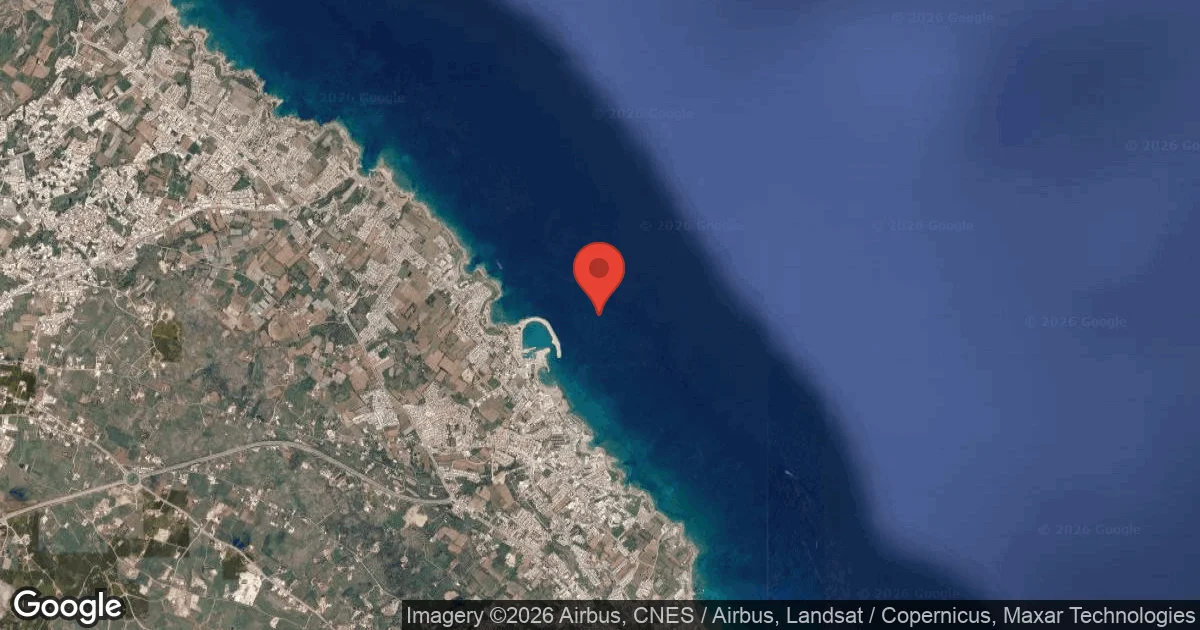
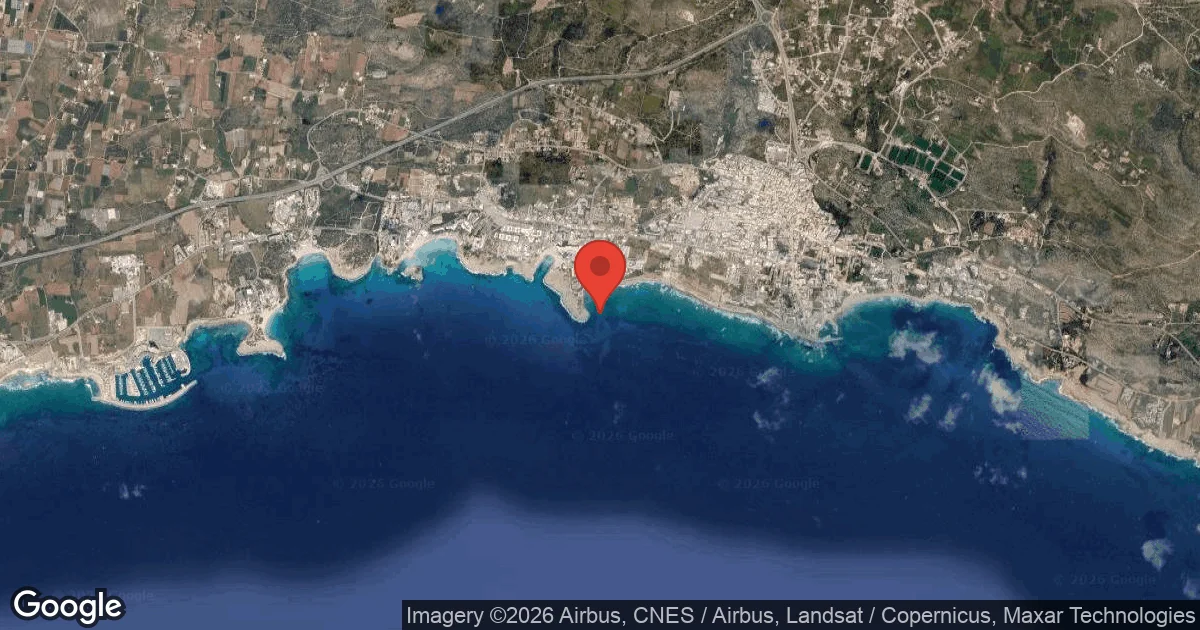
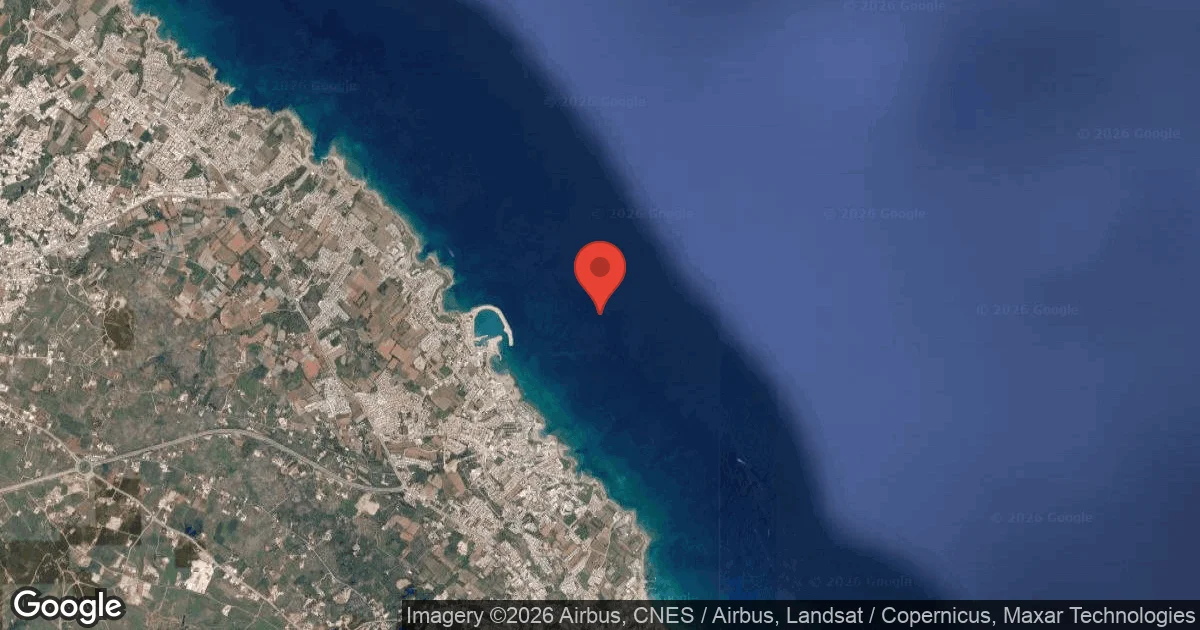
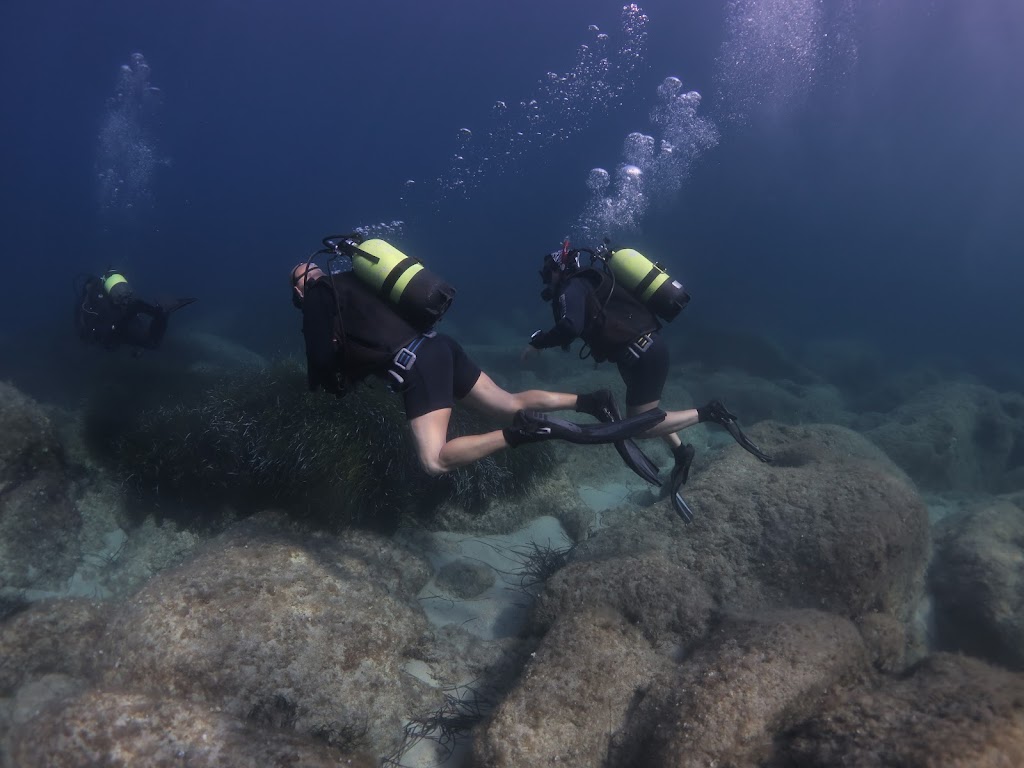
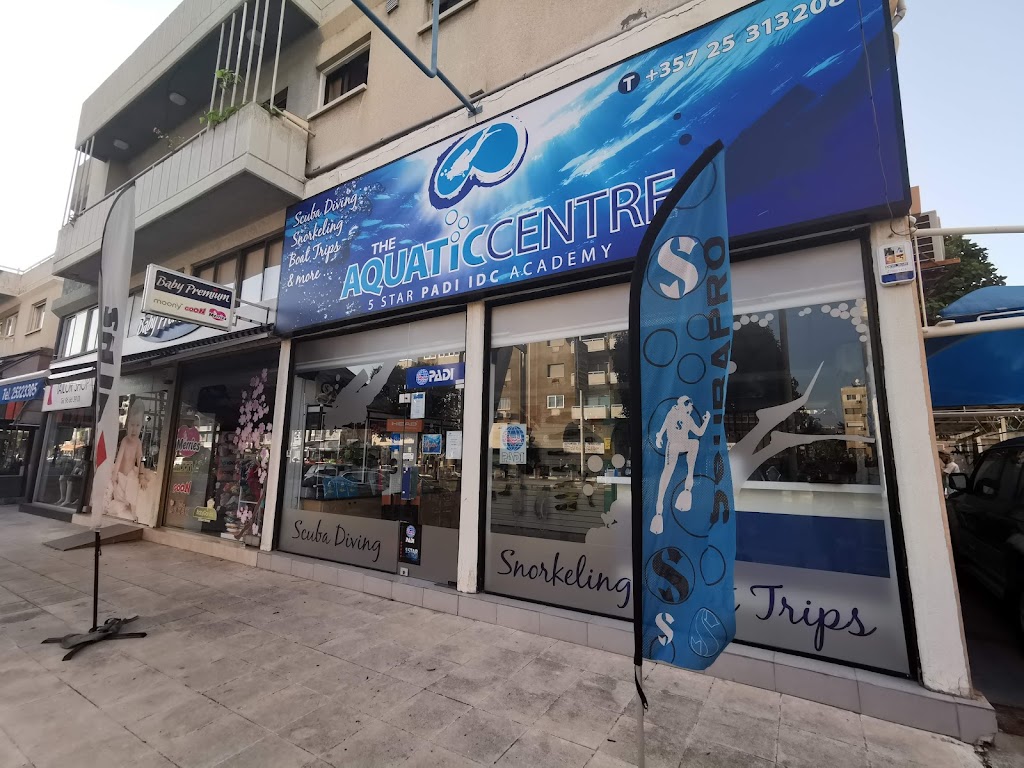
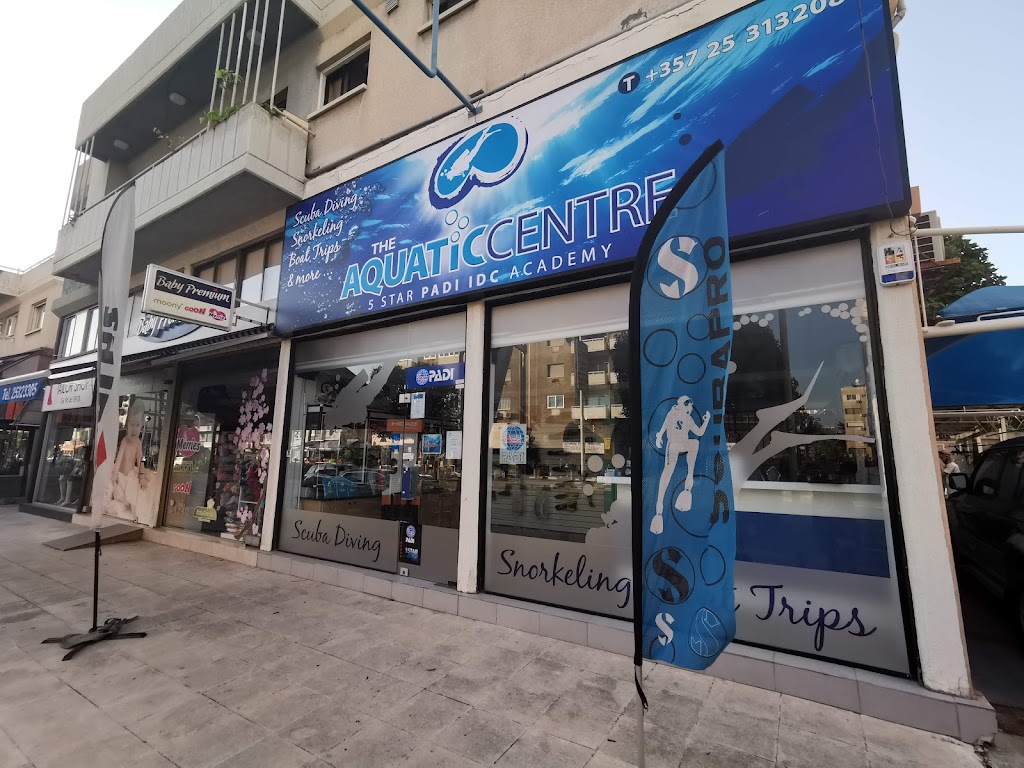
Dive Centers Near Roman Harbour
Today: 07:00 - 23:00
Nearest Airports
Nearest airports to help plan travel to this dive area.
Search Flights
Check available flights and routes on Expedia, using the nearby airports listed in this section.
Search Flights on ExpediaFrequently Asked Questions
Is Roman Harbour suitable for beginners?
Yes, the site is frequently used for Discover Scuba Diving and Open Water courses. Shallower sections, particularly within the swim zone at a maximum of 6 meters, provide a controlled environment for new divers.
What is the maximum depth?
Maximum recreational depth at Roman Harbour is 18 meters. Many features and training areas are found in shallower sections, including a 6-meter maximum for beginner courses.
Are there historical artifacts to see?
Absolutely. Divers regularly encounter broken amphorae fragments embedded in the seabed and wall. The site also features large anchors salvaged from deeper wrecks.
Can I see turtles here?
Yes, both Green and Loggerhead turtles are regularly sighted at Roman Harbour. They are often seen grazing on seagrass or simply cruising through the area.
Is it good for night diving?
Night dives are particularly recommended between October and April. During these months, a submerged wall provides excellent hiding spots for nocturnal creatures like slipper lobsters, shrimp, and octopuses.
How is the entry to the dive site?
Entry is straightforward, accessible either from a sandy beach or via stone steps. This easy access contributes to its suitability for divers of all experience levels.
Planning to dive Roman Harbour?
Send one inquiry and receive offers directly from the best verified local dive operators.
Conditions are Good
07:00 - 14:00
Optimal conditions expected
Current conditions near Roman Harbour show 27° air, 28° sea temperature, 0.8 m waves, and 27 km/h wind. Forecast data is refreshed regularly to ensure accuracy.