
Diving at Artificial Reef (Cyprus)
Understanding the Artificial Reef's purposeful design aids effective navigation. Created to foster new marine ecosystems, this site offers a controlled environment for exploring developing habitats. Its layout encourages careful observation of developing habitats. Planning a boat entry and mindful interaction ensures longevity for its burgeoning underwater structure, contributing to an enriching dive experience.
Evening condition tracking at Artificial Reef features an air temperature of 25°C. We have recorded wave heights measuring 0.6 m during this period. These figures outline the environmental parameters currently present.
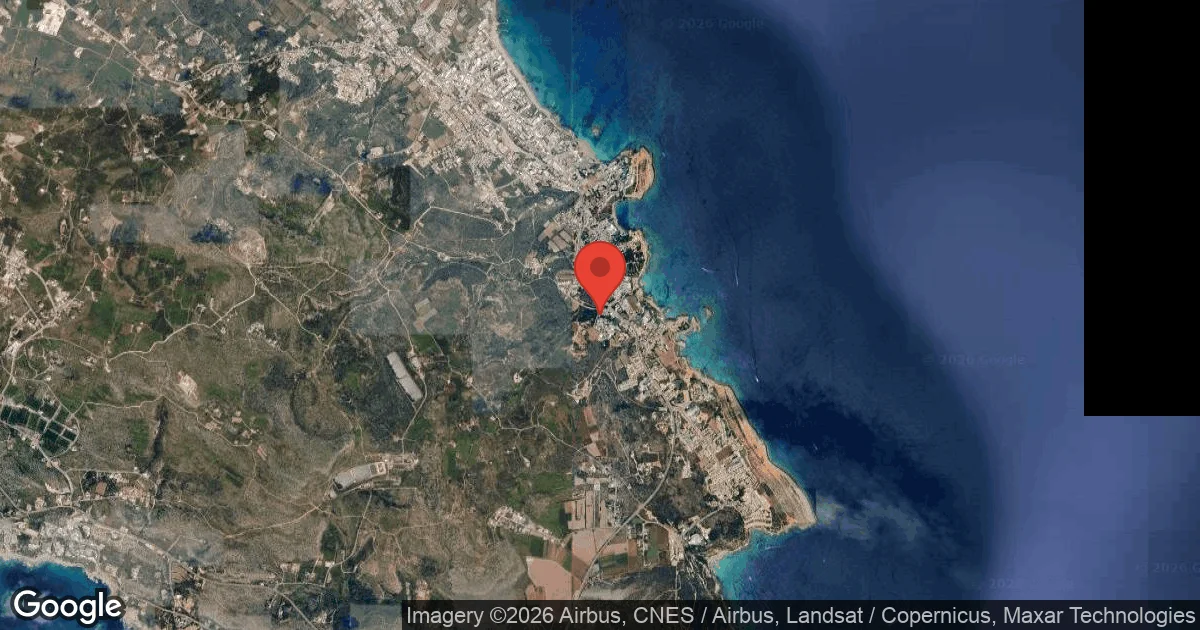
Dive Site Location & Key Facts
Dive Site Overview
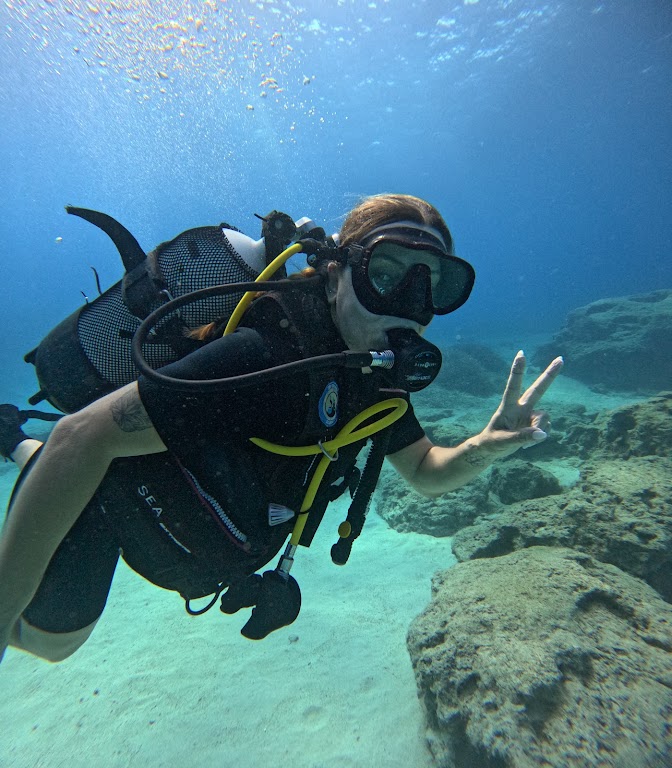
Divers explore a deliberate marine conservation effort at the Artificial Reef. Launched in 2015 by the Cyprus Dive Centre Association and Cyprus Fisheries Department, this site aims to create vibrant underwater habitats.
Situated within a nature reserve, it lies near Nemesis and Liberty wrecks, supporting a wider initiative to diversify Cyprus’s diving options. Its primary role as a nursery supports local fish populations and enhances biodiversity. Construction utilized numerous concrete pipes, large boulders, and solid concrete blocks, interconnected by a guidance line.
These strategically arranged elements provide diverse nooks and crannies for marine organisms to colonize, offering shelter and feeding opportunities. Since completion, the reef has steadily become a productive breeding ground.
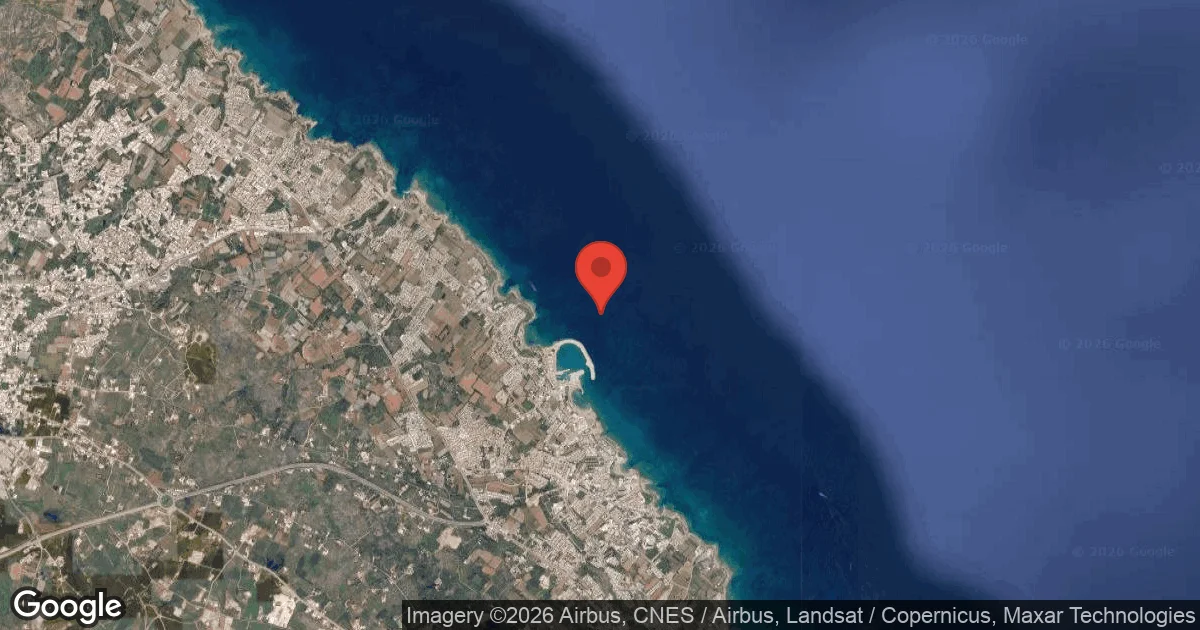
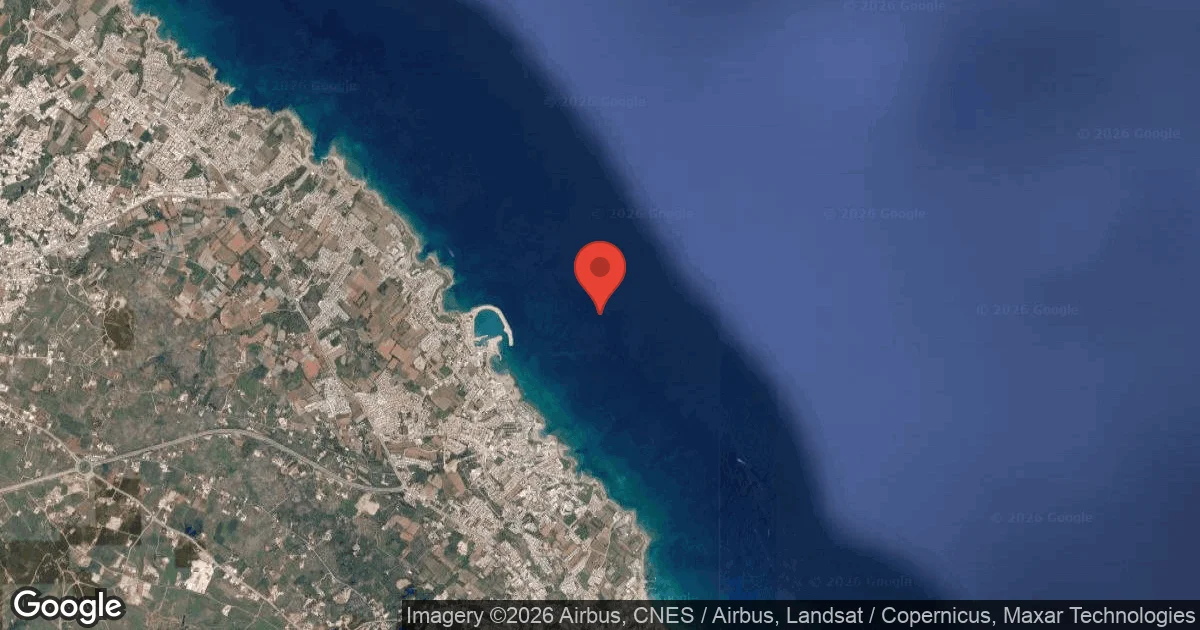
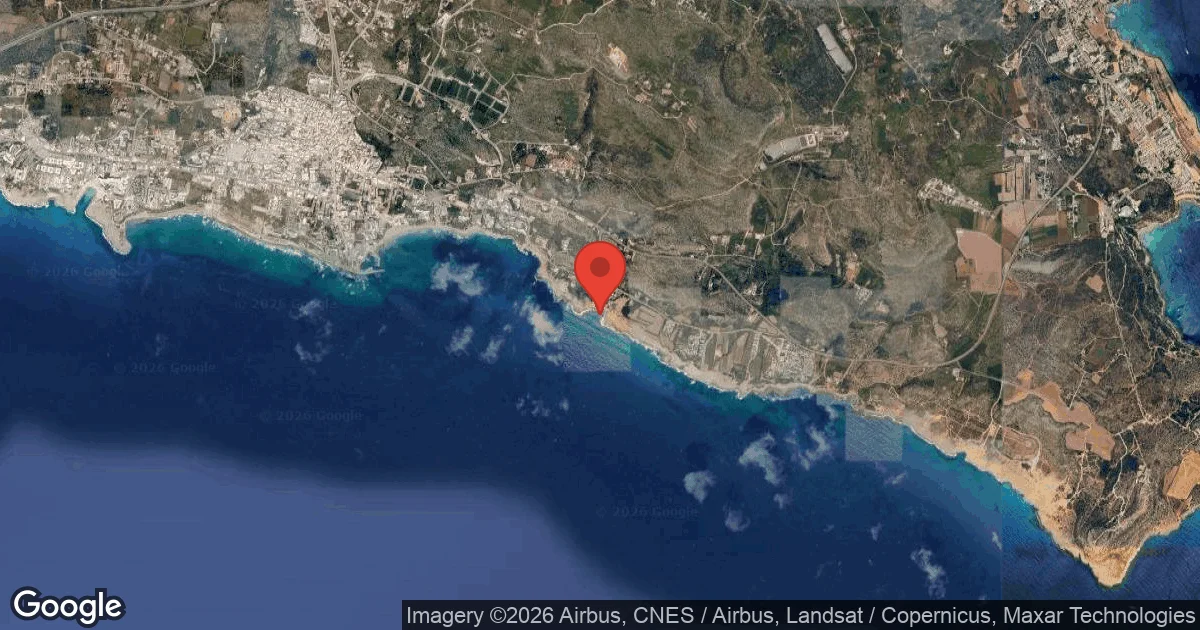
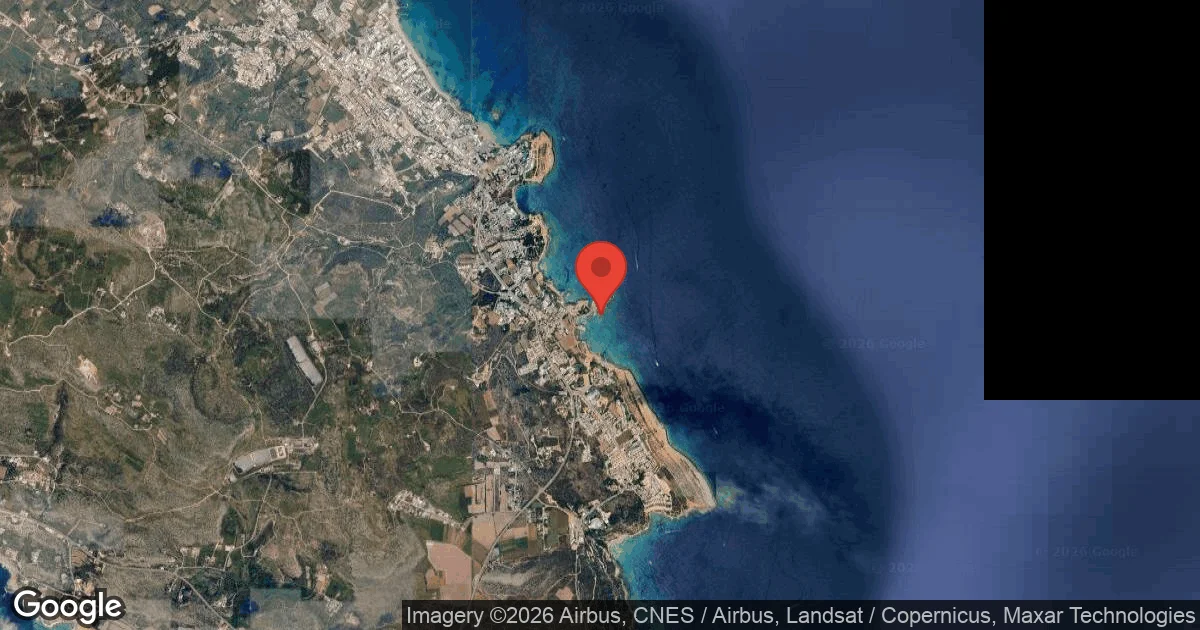
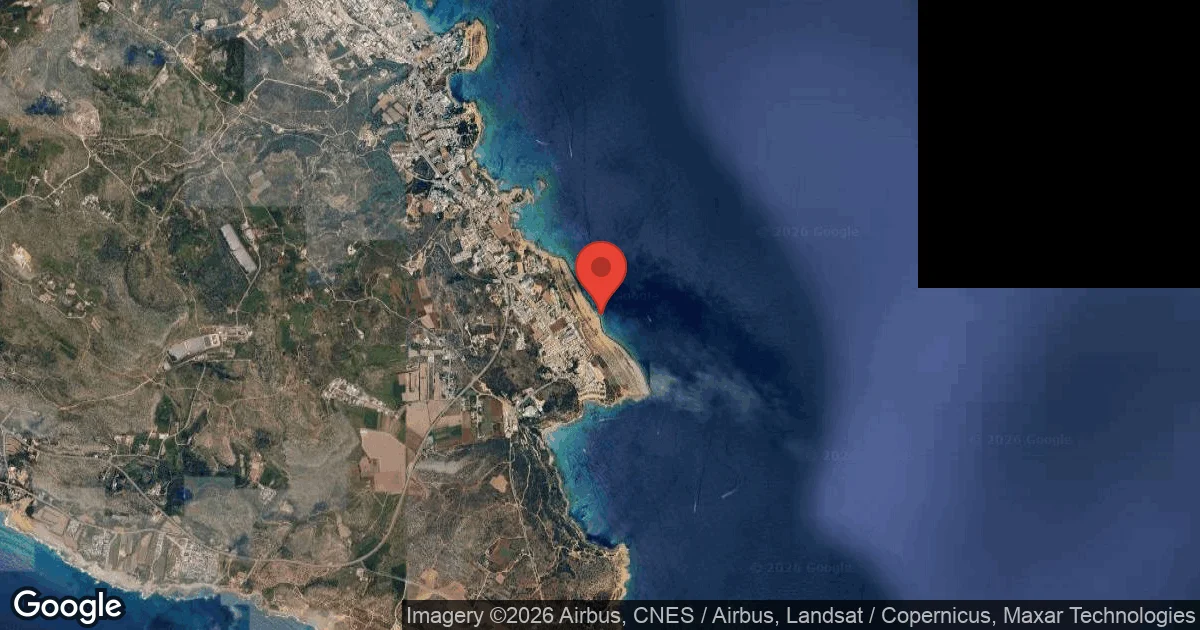
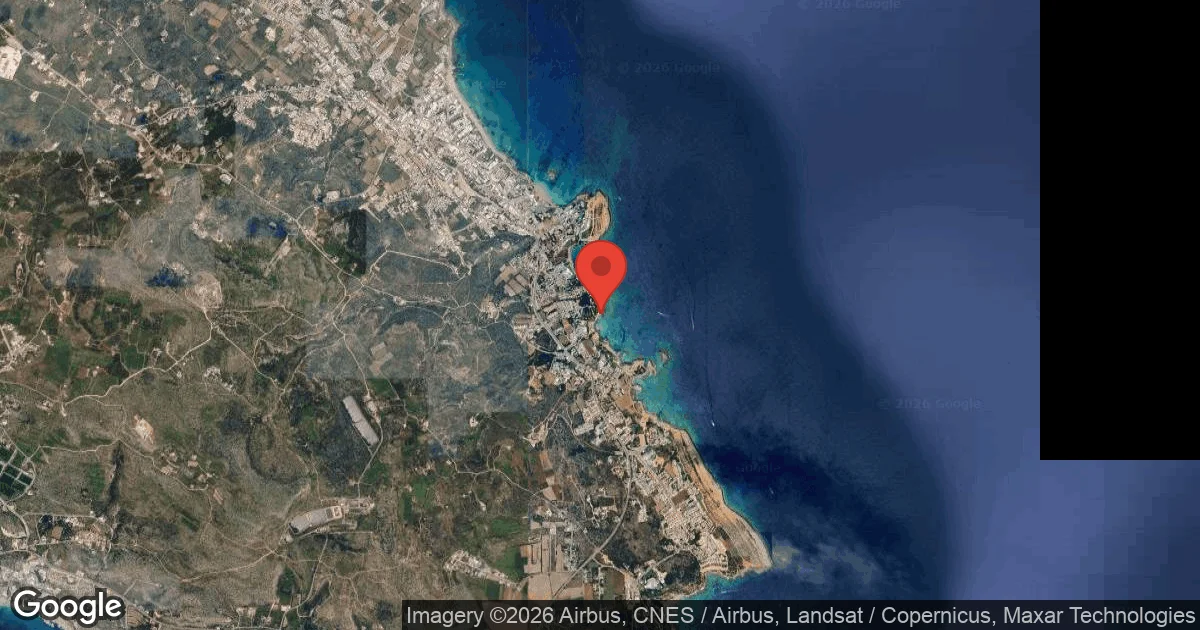
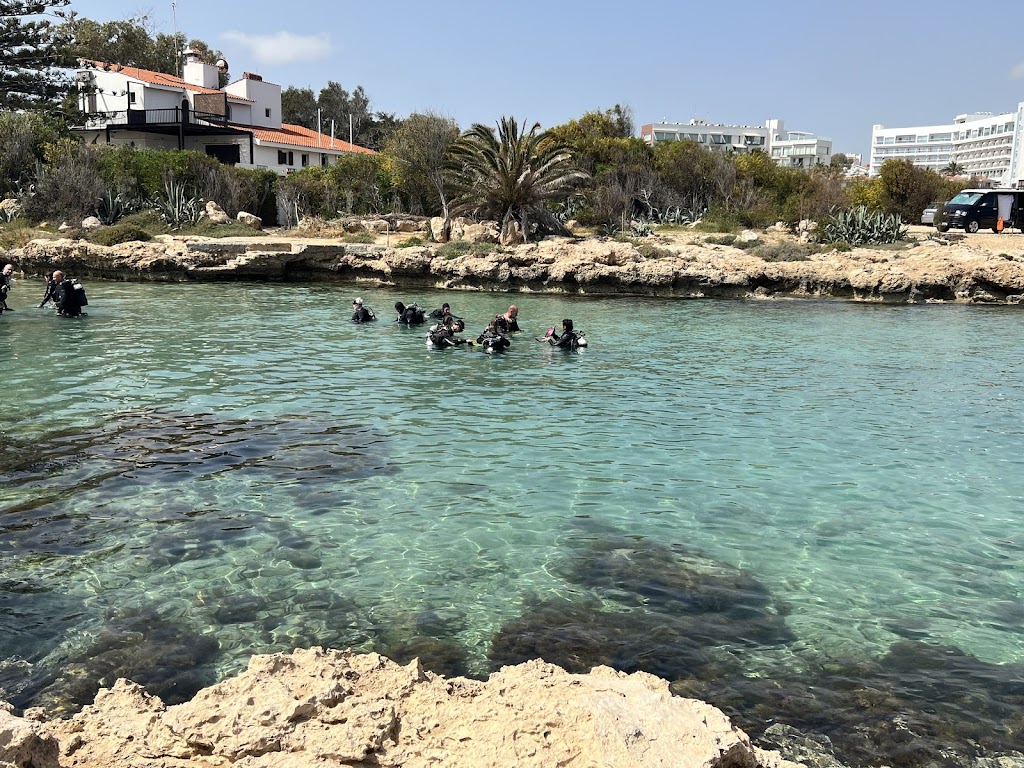
Navigating these structures reveals developing ecosystems where hard corals and sponges begin to encrust surfaces. Boat access is typical, often five minutes from Pernera's Golden Coast fishing shelter.
Maximum depth for exploration reaches 18 to 24 meters (59 to 78 ft), fitting advanced open water divers. A purposefully constructed environment, it presents a distinct underwater landscape, setting it apart from natural formations, offering a focused area for recreational depth exploration.
Conditions are Excellent
07:00 - 14:00
Optimal conditions expected
Current conditions near Artificial Reef show 25° air, 29° sea temperature, 0.7 m waves, and 20 km/h wind. Forecast data is refreshed regularly to ensure accuracy.
Best Time to Dive
Consider visiting in June and October for optimal diving at the Artificial Reef, periods often earning an 'Excellent' dive score. Air temperatures during these months average a comfortable 26.5°C (80°F) in June and 23.5°C (74°F) in October, accompanied by minimal rainfall. Wave heights typically remain lower from June through October, around 0.5 meters (1.6 ft), contributing to calmer seas and better visibility. Other months generally provide good conditions, though winter from December to March brings higher rainfall, averaging 0.79 mm to 3.36 mm monthly, and slightly increased wave activity. Cooler air temperatures, sometimes falling to 13.5-16°C (56-61°F) in February and March, might affect surface comfort.
PEAK SEASON SCORE
Scores combine air & water temps, waves, wind & rainfall for overall conditions.
BEST MONTHS TO DIVE
Monthly records compiled from satellite and marine observation nodes over the last 3 years. Data provided by Open-Meteo and MET Norway.
Dive Experience & Conditions
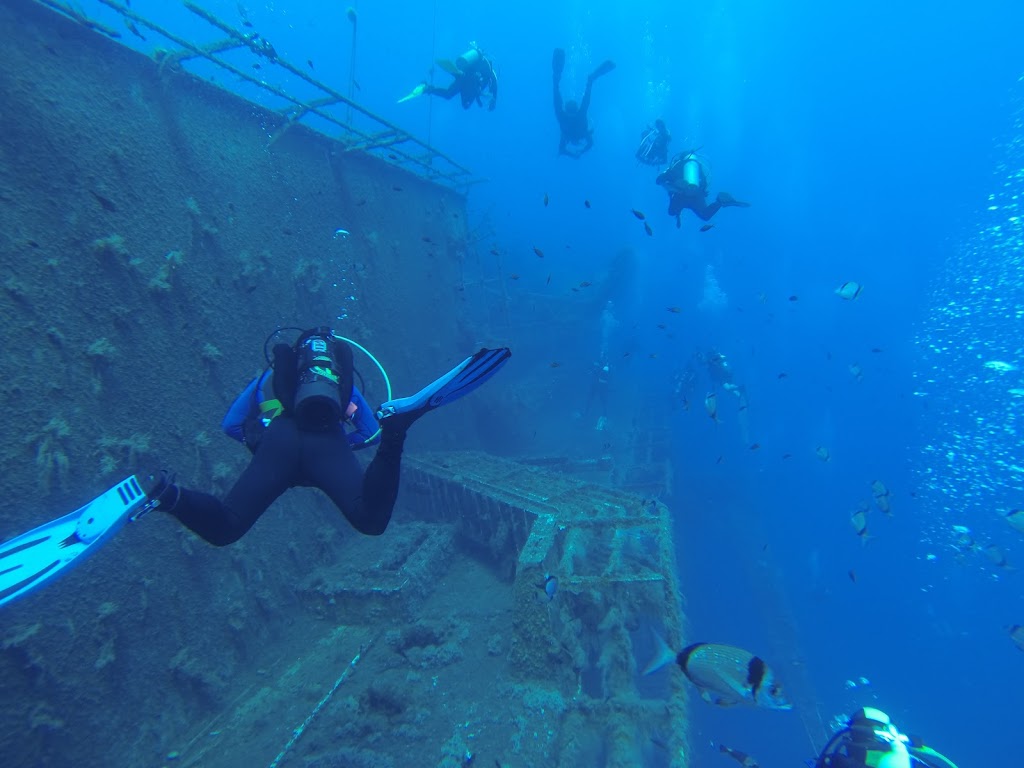
Artificial Reef structures primarily lie between 18 to 24 meters (59 to 78 ft) of water, defining a clear maximum depth for recreational divers. Site features include various figures and structures, crafted from concrete and iron scaffolding, designed to attract and shelter sea creatures. A guidance line aids navigation through an array of concrete pipes, large boulders, and concrete blocks upon descent. Divers find these elements combine to create a diverse underwater landscape, encouraging an engaging dive as new marine life forms colonize the man-made surfaces. Surface visibility often provides clear conditions for descents. Site configuration allows for varied exploration paths within deeper sections, suiting divers with Advanced Open Water certification or similar experience, ensuring a thorough exploration.
Dive Difficulty & Safety Guidelines
Managing depth and bottom time remains crucial at the Artificial Reef, given its maximum depth of 24 meters (78 ft). As a designated nature reserve, divers must practice impeccable buoyancy control. This prevents contact with developing marine growth and the structures, actively protecting the nascent ecosystem.
Always adhere to standard safe diving practices, including staying within certification limits and diving with a buddy. Consulting with local dive professionals and understanding site conditions beforehand ensures a safer, more enjoyable experience at this actively managed location.
Recommended Equipment
- Dive Computer
This gear list is based on verified equipment signals for Artificial Reef, Cyprus. Always confirm final gear choices with your dive operator, guide, or liveaboard.
Recommended Dive Suit
In these water temperatures, 2-3mm shorty or light wetsuit is a common choice for recreational diving. Longer dive profiles can make thermal protection more important than short exploratory dives.
At the moment, divers exploring Artificial Reef will likely experience water temperatures near 29°C (83°F). Surface air temperatures are resting at 25°C (77°F).
Temperatures look set to gradually increase over the next several days. A warming trend is expected over the next few days.
Emergency & Medical Support
Essential information to help you plan your dive trip to Artificial Reef.

Hyperbaric chambers are a critical part of dive safety infrastructure. Availability varies significantly by region, and not all dive areas have immediate access.
Before diving, it's recommended to:
- confirm nearest medical facilities
- check emergency procedures with local dive operators
- ensure dive insurance covers evacuation if required
Divers Alert Network
Diving emergency assistance available through DAN Europe.
+39 0642115685- 24/7 emergency hotline
- Diving medical assistance
- Evacuation coordination
Emergency contacts are provided for reference. Always verify local emergency services before diving.
Closest Listed Hyperbaric Chambers
Showing listed hyperbaric chamber facilities within 200 km of this dive site.
Distances are approximate straight-line distances and may not reflect emergency travel time.
Hyperbaric Oxygen Therapy Department, General Hospital of Ammochostos (Famagusta)
Paralimni, Cyprus•Approx. 7 km straight-line
Hyperbaric Oxygen Therapy Department, General Hospital of Ammochostos (Famagusta)
Information is provided for reference and planning purposes only. Dive Navigator does not verify operational status, staffing, availability, or quality of care at listed facilities. In an emergency, contact local emergency services, DAN, your dive operator, or the chamber directly. Do not travel to a facility without calling ahead.
Poseidonia Medical Centre
24/7 ListedLarnaca, Cyprus•Approx. 43 km straight-line
Poseidonia Medical Centre
24/7 ListedInformation is provided for reference and planning purposes only. Dive Navigator does not verify operational status, staffing, availability, or quality of care at listed facilities. In an emergency, contact local emergency services, DAN, your dive operator, or the chamber directly. Do not travel to a facility without calling ahead.
Hyperbaric Medical Centre
24/7 ListedNicosia, Cyprus•Approx. 63 km straight-line
Hyperbaric Medical Centre
24/7 ListedInformation is provided for reference and planning purposes only. Dive Navigator does not verify operational status, staffing, availability, or quality of care at listed facilities. In an emergency, contact local emergency services, DAN, your dive operator, or the chamber directly. Do not travel to a facility without calling ahead.
Marine Life at Artificial Reef
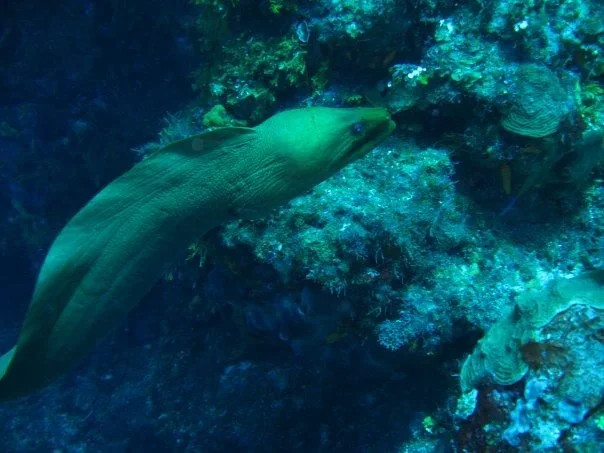
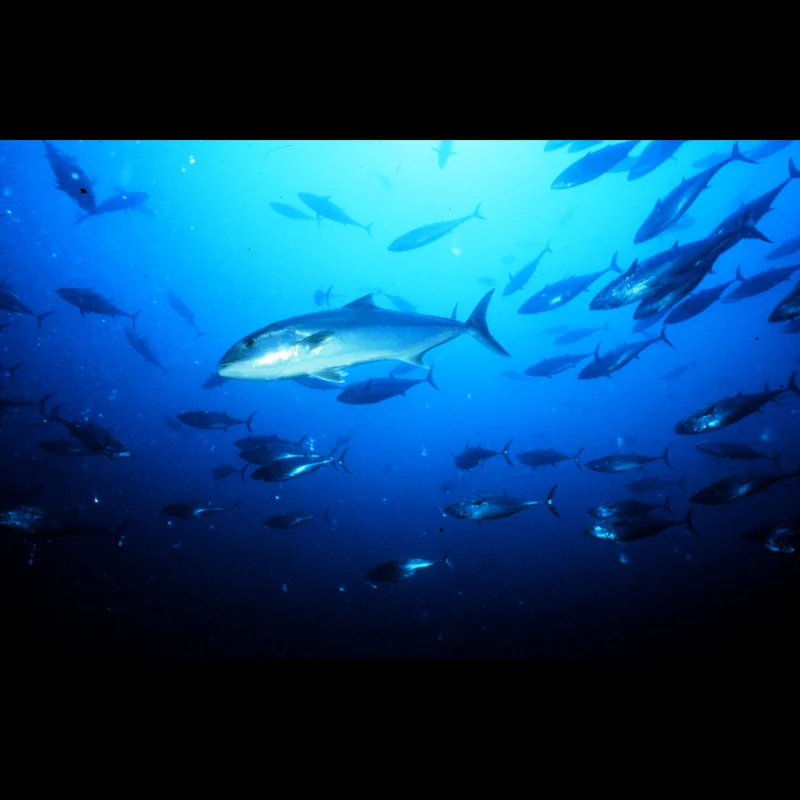
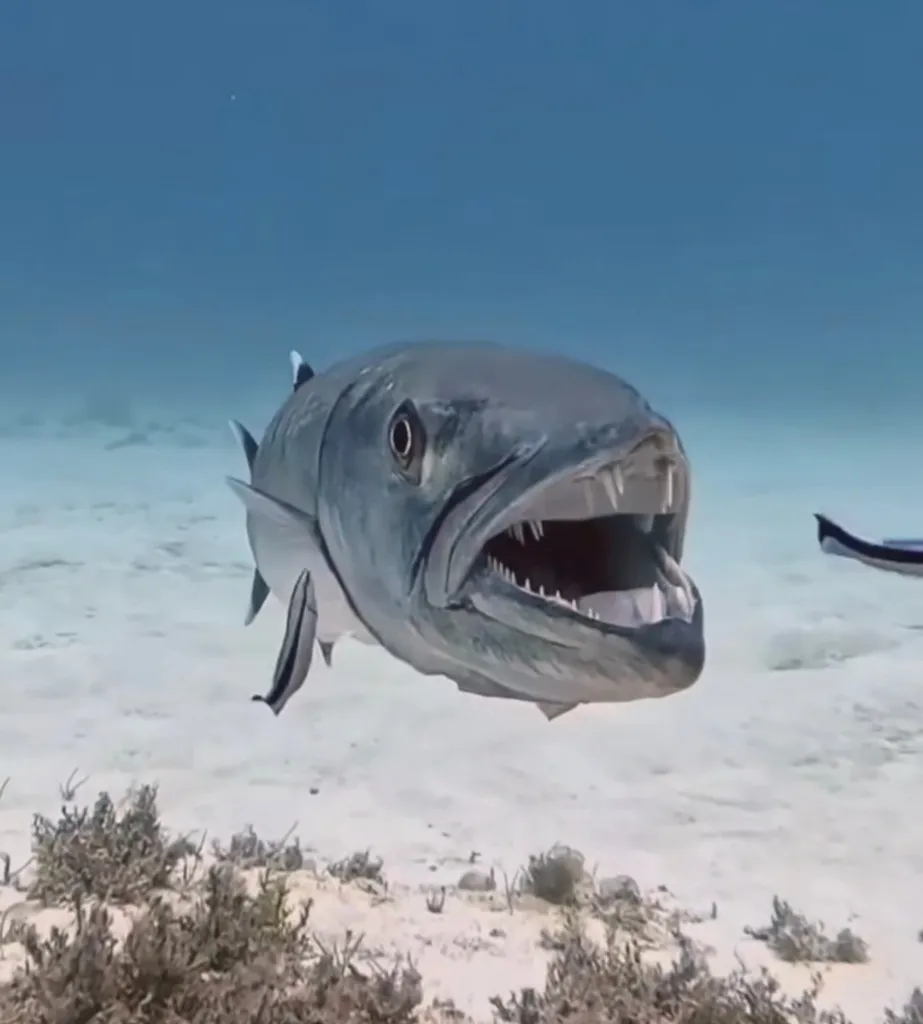
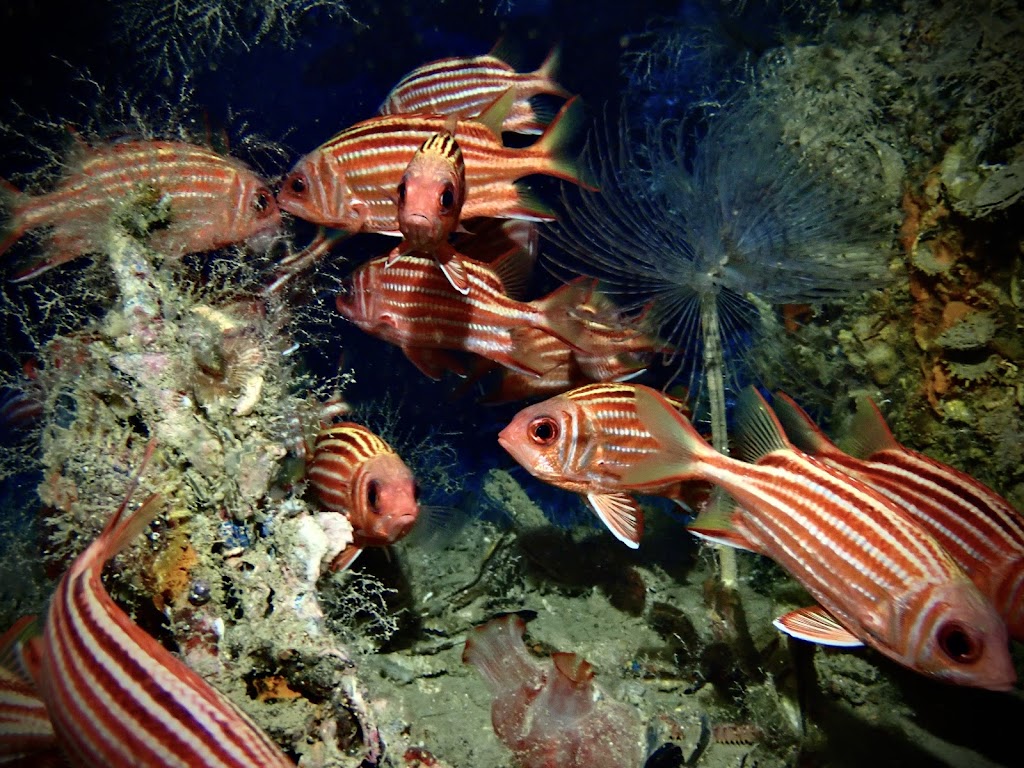
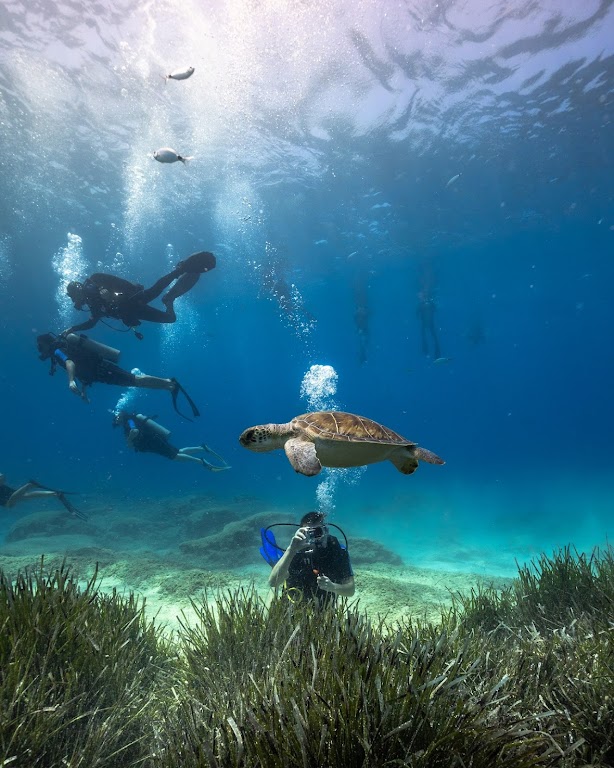
Artificial Reef's developing structures have become a productive breeding ground, attracting diverse Mediterranean marine life. Divers regularly encounter various fish, including schools of amberjacks and barracudas, alongside numerous rainbow wrasse and groupers.
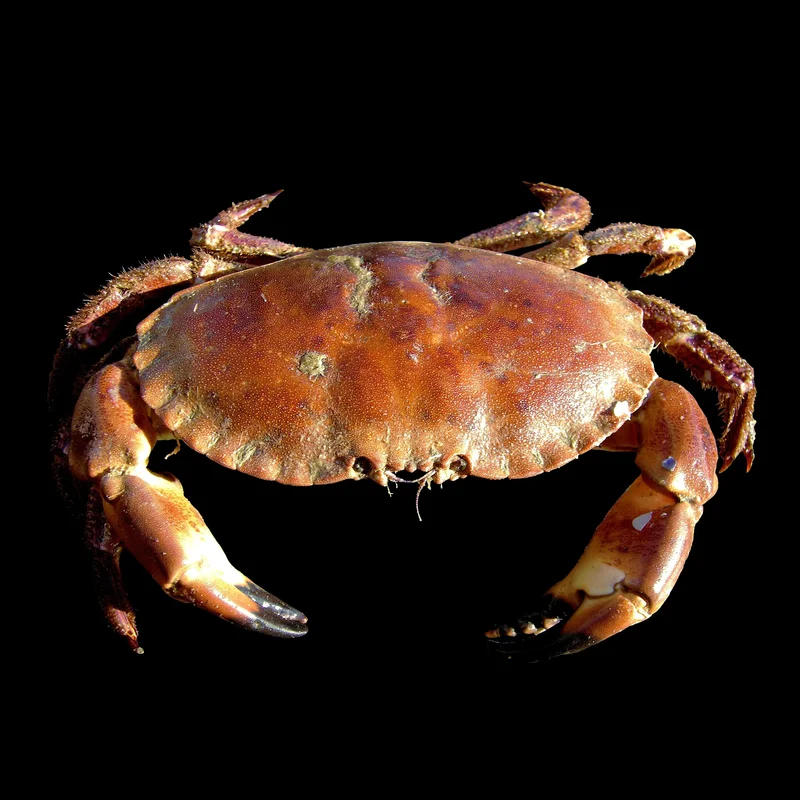
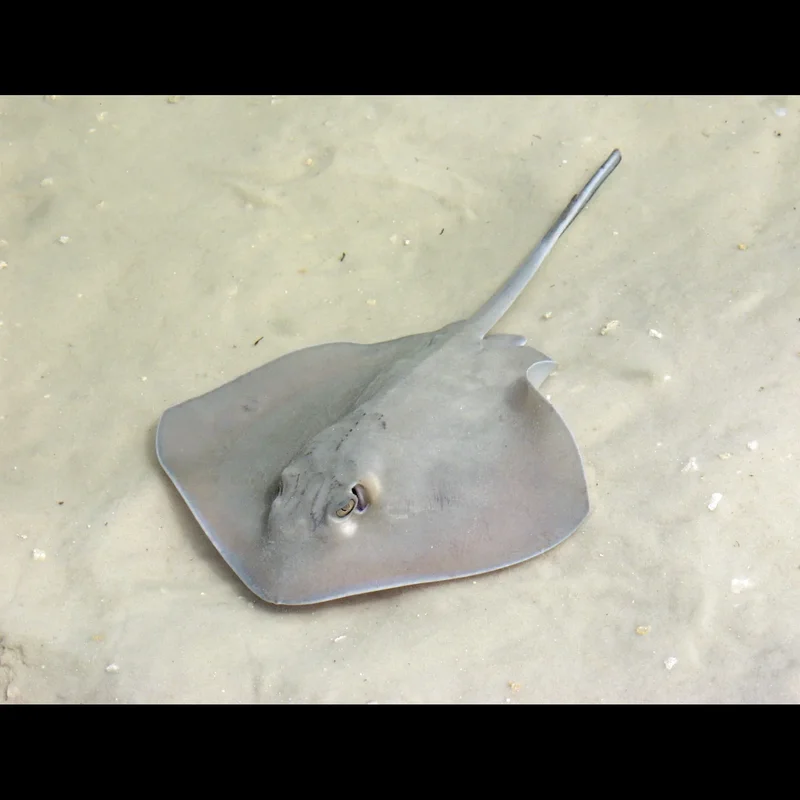
Observing moray eels and octopods hiding among concrete and iron structures is a common occurrence. Additionally, this site hosts stingrays and crabs, making for engaging bottom observations.
Lucky divers might also spot a variety of nudibranchs, or even a turtle feeding in nearby seagrass beds.
Dive Sites Near Artificial Reef
View all dive sites in CyprusDiscover more underwater gems in this area.
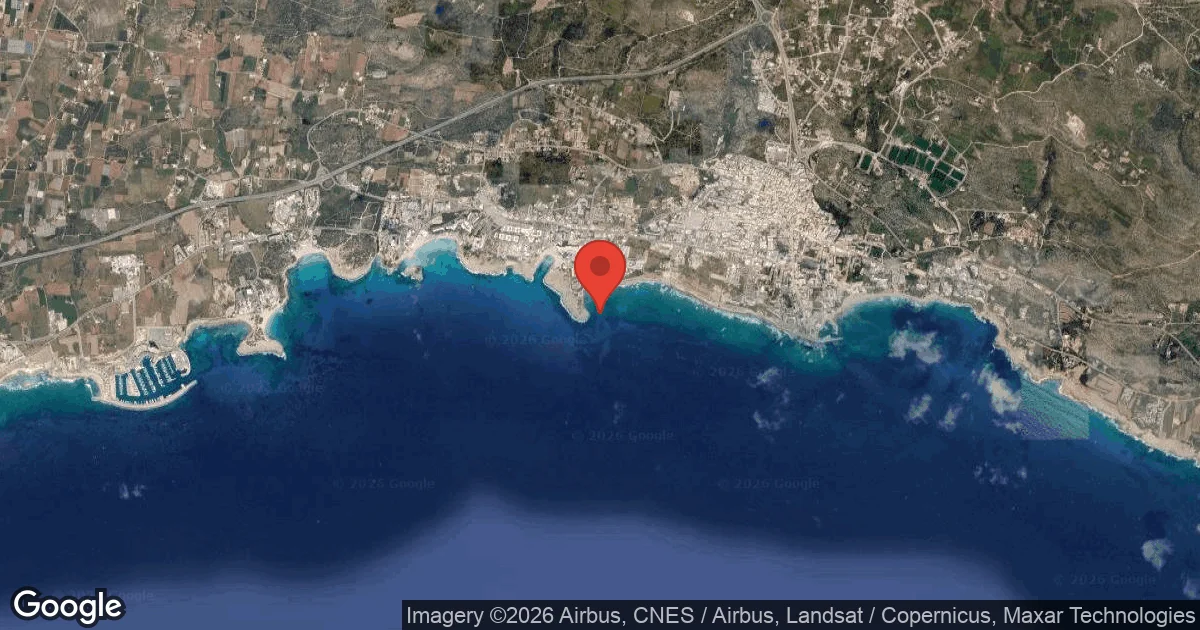
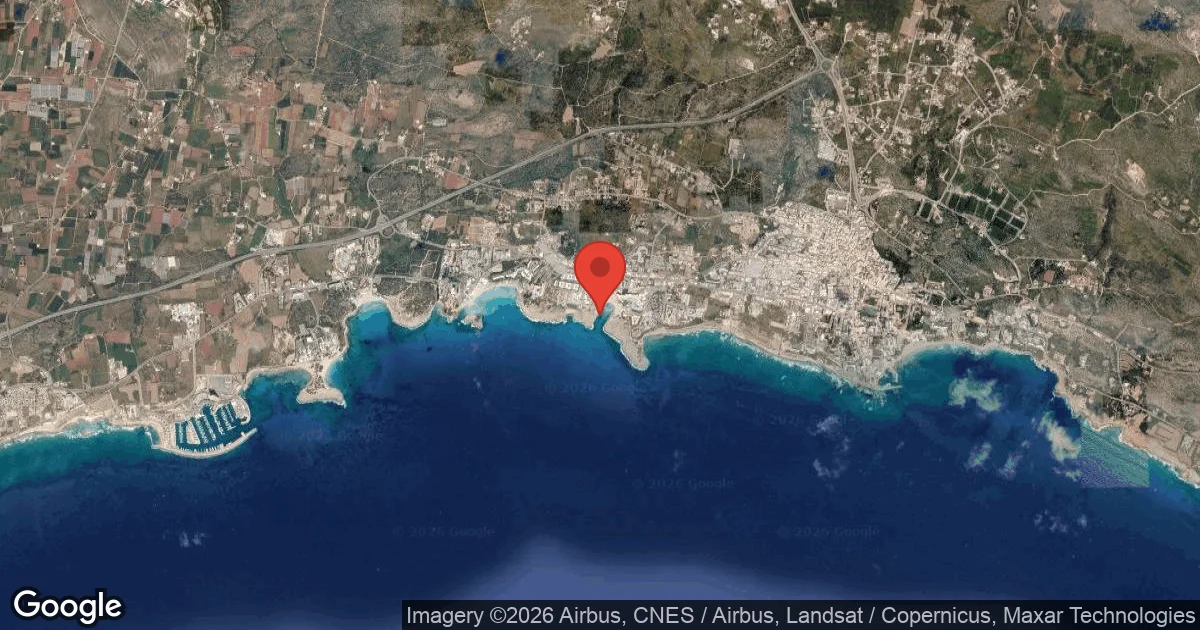
Dive Centers Near Artificial Reef
Today: 09:00 - 17:00
Nearest Airports
Nearest airports to help plan travel to this dive area.
Search Flights
Check available flights and routes on Expedia, using the nearby airports listed in this section.
Search Flights on ExpediaFrequently Asked Questions
What is the maximum depth for diving the Artificial Reef?
Maximum depth recorded for Artificial Reef is 24 meters (78 feet). Divers should plan profiles to stay within recreational limits for this site.
How was the Artificial Reef created?
Artificial Reef project was initiated by Cyprus Dive Centre Association and Cyprus Fisheries Department. Completion occurred in 2015, utilizing concrete and iron scaffolding, pipes, boulders, and blocks, all linked by a guidance line.
What kind of marine life can be seen there?
Site attracts a variety of marine life, including schools of amberjacks and barracudas, rainbow wrasse, groupers, moray eels, octopods, stingrays, and crabs. Occasionally, divers might spot nudibranchs or turtles feeding.
What dive training is recommended for this site?
Useful training for diving here includes PADI Advanced Open Water Diver and PADI Enriched Air Diver courses. Such certifications enhance ability to explore deeper sections and extend bottom time safely.
How do divers access the Artificial Reef?
Access to Artificial Reef is exclusively by boat. A short five-minute boat ride from Pernera's Golden Coast fishing shelter is typical.
Is the Artificial Reef part of a nature reserve?
Yes, dive site is situated within a nature reserve. Designation helps protect developing ecosystem and its resident marine inhabitants.
Planning to dive Artificial Reef?
Send one inquiry and receive offers directly from the best verified local dive operators.
Conditions are Excellent
07:00 - 14:00
Optimal conditions expected
Current conditions near Artificial Reef show 25° air, 29° sea temperature, 0.7 m waves, and 20 km/h wind. Forecast data is refreshed regularly to ensure accuracy.