
Diving at Østerstrands (Denmark)
Østerstrands presents a shallow, protected shore-dive, ideal for divers seeking relaxed exploration of temperate waters. A predominantly sandy bottom defines the site, interspersed with patches of eelgrass and scattered stones. It's a forgiving environment for skill development and macro observation, offering a gentle introduction to Denmark's underwater landscapes without significant depth challenges. Dive profiles here are characterized by gradual descent and slow, deliberate movement.
Evening condition tracking at Østerstrands features an air temperature of 13.5°C. We have recorded wave heights measuring 0.2 m during this period. These figures outline the environmental parameters currently present.
Dive Site Location & Key Facts
Dive Site Overview
Experiencing Østerstrands means diving a primary training and checkout location on the Little Belt coast near Fredericia, noted for consistently calm conditions. Divers frequently utilize the site for easy recreational dives, making it an excellent starting point for new divers or those refining buoyancy and navigation skills.
Its modest maximum depth, approximately 6 m / 19 ft, ensures ample bottom time, fostering a relaxed exploration pace without demanding advanced certifications. Such conditions make it suitable for open water certification dives, refresher courses, or simply for honing underwater photography techniques in a non-challenging environment. Local divers commonly opt for Østerstrands for convenient 'quick dips' when more exposed Little Belt sites face rougher wind and sea states, benefiting from its sheltered environment that guarantees reliable access and predictable diving conditions throughout the year.
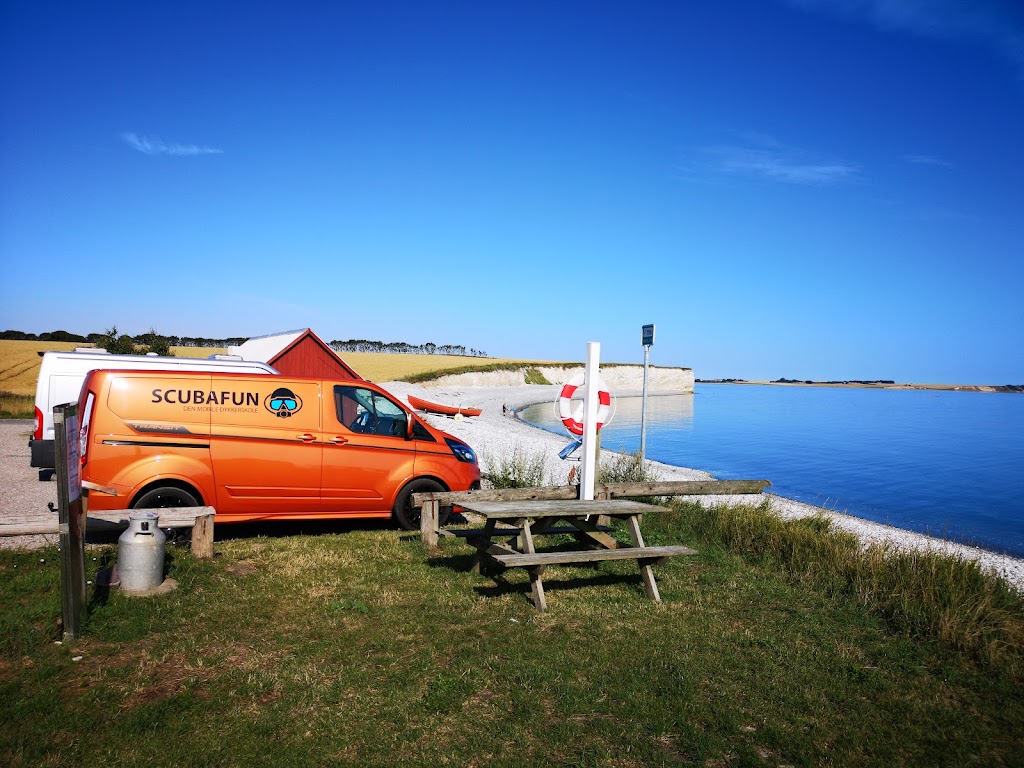
Beyond its appeal for underwater discovery, Østerstrands is a popular recreational haven, often nominated for Denmark's Best Beach. Its versatility extends to both surface activities and underwater exploration, making it a comprehensive aquatic destination.
Divers will find its gentle slopes and rich, shallow ecosystem an ideal setting for honing skills or simply enjoying the tranquil temperate waters of Denmark, particularly rewarding for macro photography enthusiasts due to the abundance of small, interesting life found within its varied bottom composition of sand and eelgrass.
Conditions are Good
Optimal conditions expected
Current conditions near Østerstrands show 14° air, 17° sea temperature, 0.5 m waves, and 31 km/h wind. Forecast data is refreshed regularly to ensure accuracy.
Best Time to Dive
To maximize comfort and enjoyment, planning a dive at Østerstrands is often best during months with milder air temperatures and lower rainfall. While dive scores are generally high year-round, conditions between March and June, or August and November, typically offer more agreeable above-water experiences. Air temperatures during these periods range from approximately 6-16°C / 43-61°F. Rain averages vary but are usually manageable, ranging from 1.5 to 2.8 mm / 0.06 to 0.11 inches, preventing significant runoff into the water. Water temperature data is not consistently reported but can be anticipated to align with temperate northern European waters, requiring appropriate thermal protection.
PEAK SEASON SCORE
Scores combine air & water temps, waves, wind & rainfall for overall conditions.
BEST MONTHS TO DIVE
Monthly records compiled from satellite and marine observation nodes over the last 3 years. Data provided by Open-Meteo and MET Norway.
Dive Experience & Conditions
The experience at Østerstrands is intrinsically linked to its shallow, protected nature, rarely exceeding 6 meters or 19 feet, which inherently encourages extended bottom times and meticulous observation of the seabed. Entry is straightforward, directly from the shore, providing convenient access for divers with full gear. Conditions are typically calm and sheltered from stronger currents, fostering an ideal environment for skill practice and leisurely exploration. The bottom composition gradually transitions from fine sand near the entry point to expansive meadows of eelgrass, punctuated by small rocky features and occasional scattered debris. These varied structures are vital in creating numerous microhabitats for a diverse array of small aquatic life, making the site particularly rewarding for macro photographers and those interested in temperate water biodiversity.
Dive Difficulty & Safety Guidelines
As a protected shore-dive area commonly used for training, Østerstrands is particularly suitable for divers holding a PADI Open Water Diver certification or higher. Due to its shallow profile and generally calm waters, it provides a safe environment for skill practice and recreational dives. Divers should still adhere to standard safe diving practices, including dive planning, buddy checks, and monitoring air consumption and bottom time.
Though the site is known for its accessibility, always be mindful of local marine traffic if surface swimming is required, and consider using a surface marker buoy.
Recommended Equipment
- Dive Computer
- Hard-soled Dive Boots
This gear list is based on verified equipment signals for Østerstrands, Denmark. Always confirm final gear choices with your dive operator, guide, or liveaboard.
Recommended Dive Suit
The latest conditions reported around Østerstrands place the water temperature close to 17°C (62°F). Surface air temperatures are resting at 14°C (56°F).
5-7mm wetsuit generally offers enough warmth for most dives under these conditions. A thermal robe or jacket is recommended between dives.
Surface conditions are expected to warm up slightly in the coming days. A warming trend is expected over the next few days.
Due to technical issues with our weather providers, live updates are temporarily delayed. The data above reflects the conditions at the time of the last successful fetch.
Emergency & Medical Support
Essential information to help you plan your dive trip to Østerstrands.

Hyperbaric chambers are a critical part of dive safety infrastructure. Availability varies significantly by region, and not all dive areas have immediate access.
Before diving, it's recommended to:
- confirm nearest medical facilities
- check emergency procedures with local dive operators
- ensure dive insurance covers evacuation if required
Divers Alert Network
Diving emergency assistance available through DAN Europe.
+39 0642115685- 24/7 emergency hotline
- Diving medical assistance
- Evacuation coordination
Emergency contacts are provided for reference. Always verify local emergency services before diving.
Closest Listed Hyperbaric Chambers
Showing listed hyperbaric chamber facilities within 200 km of this dive site.
Distances are approximate straight-line distances and may not reflect emergency travel time.
Information is provided for reference and planning purposes only. Dive Navigator does not verify operational status, staffing, availability, or quality of care at listed facilities. In an emergency, contact local emergency services, DAN, your dive operator, or the chamber directly. Do not travel to a facility without calling ahead.
Aarhus University Hospital, Noerrebrogade
24/7 ListedICU CapableAarhus C, Denmark•Approx. 73 km straight-line
Aarhus University Hospital, Noerrebrogade
24/7 ListedICU CapableInformation is provided for reference and planning purposes only. Dive Navigator does not verify operational status, staffing, availability, or quality of care at listed facilities. In an emergency, contact local emergency services, DAN, your dive operator, or the chamber directly. Do not travel to a facility without calling ahead.
Rigshospitalet Copenhagen University Hospital
24/7 ListedICU CapableCopenhagen, Denmark•Approx. 177 km straight-line
Rigshospitalet Copenhagen University Hospital
24/7 ListedICU CapableInformation is provided for reference and planning purposes only. Dive Navigator does not verify operational status, staffing, availability, or quality of care at listed facilities. In an emergency, contact local emergency services, DAN, your dive operator, or the chamber directly. Do not travel to a facility without calling ahead.
Marine Life at Østerstrands
Østerstrands presents a vibrant temperate underwater landscape where sandy expanses blend into dense eelgrass beds, functioning as a crucial nursery habitat. Within the protective embrace of the eelgrass, divers frequently encounter various juvenile fish species, seeking refuge and food.
The site is a rich environment for observing a wide range of invertebrate life. Careful examination of the edges where the eelgrass meets sand, the surfaces of small rock patches, and any man-made structures on the seabed will often reveal concentrations of intriguing macro subjects and smaller organisms.
It's a site that rewards patience and a keen eye for detail, offering glimpses into the intricate world of temperate marine ecosystems.
Dive Sites Near Østerstrands
View all dive sites in DenmarkDiscover more underwater gems in this area.
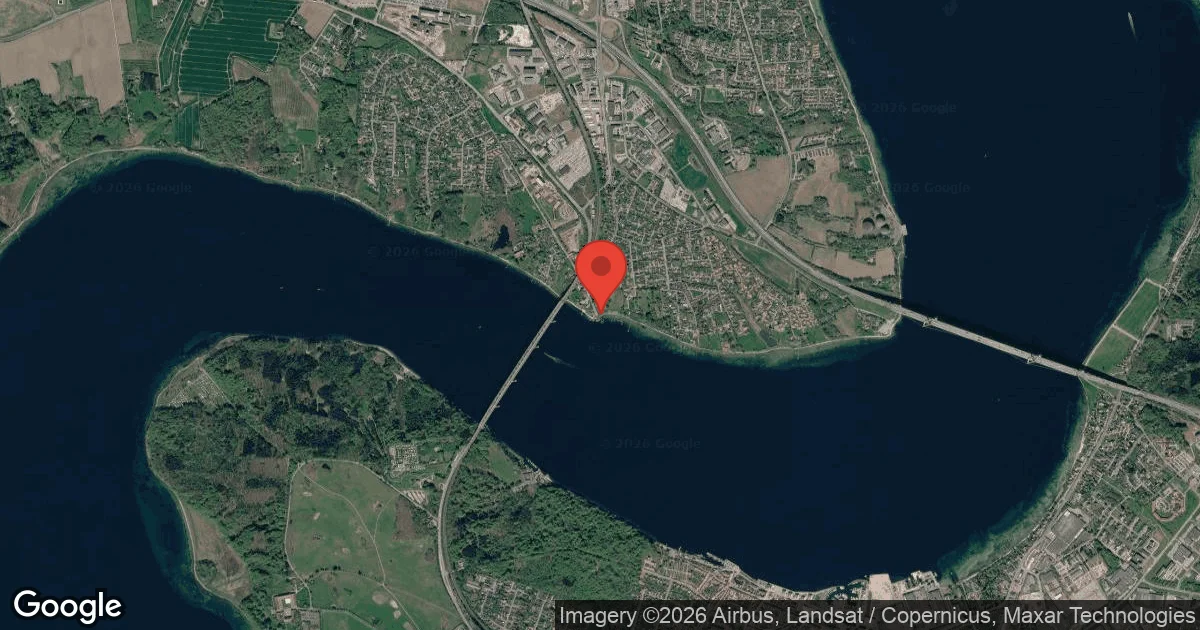
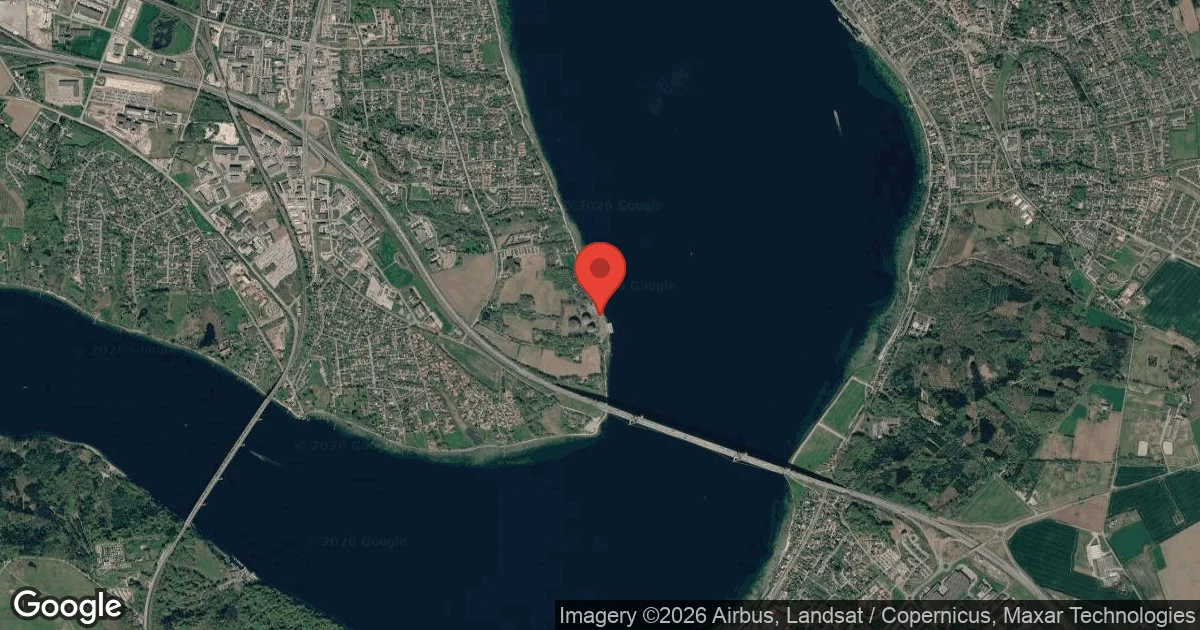
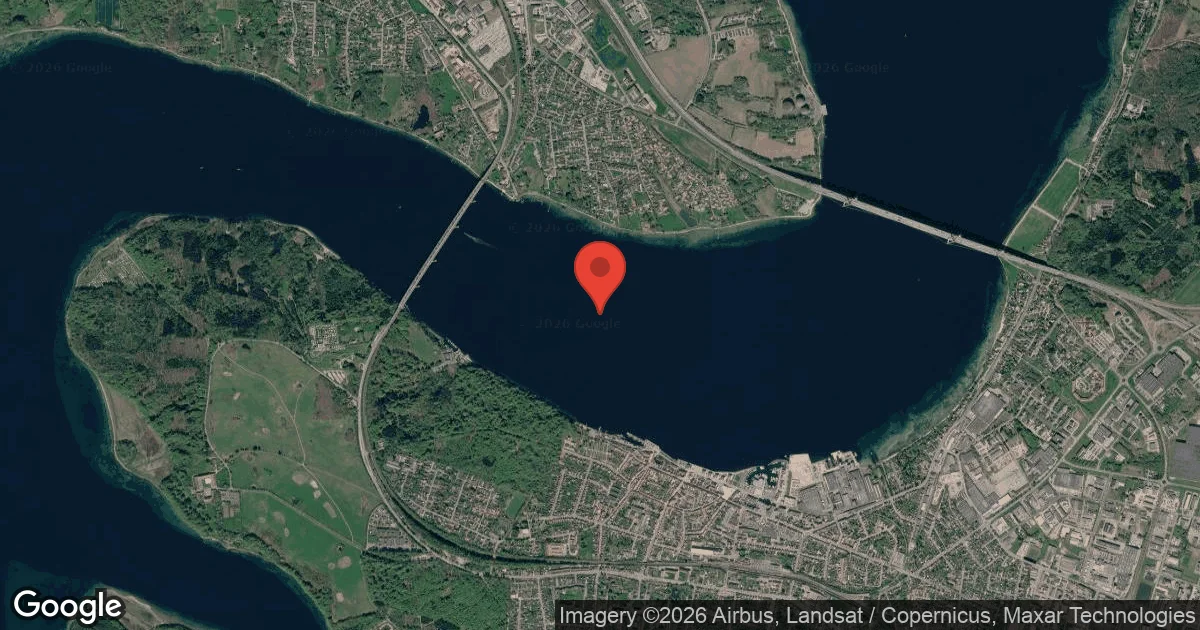
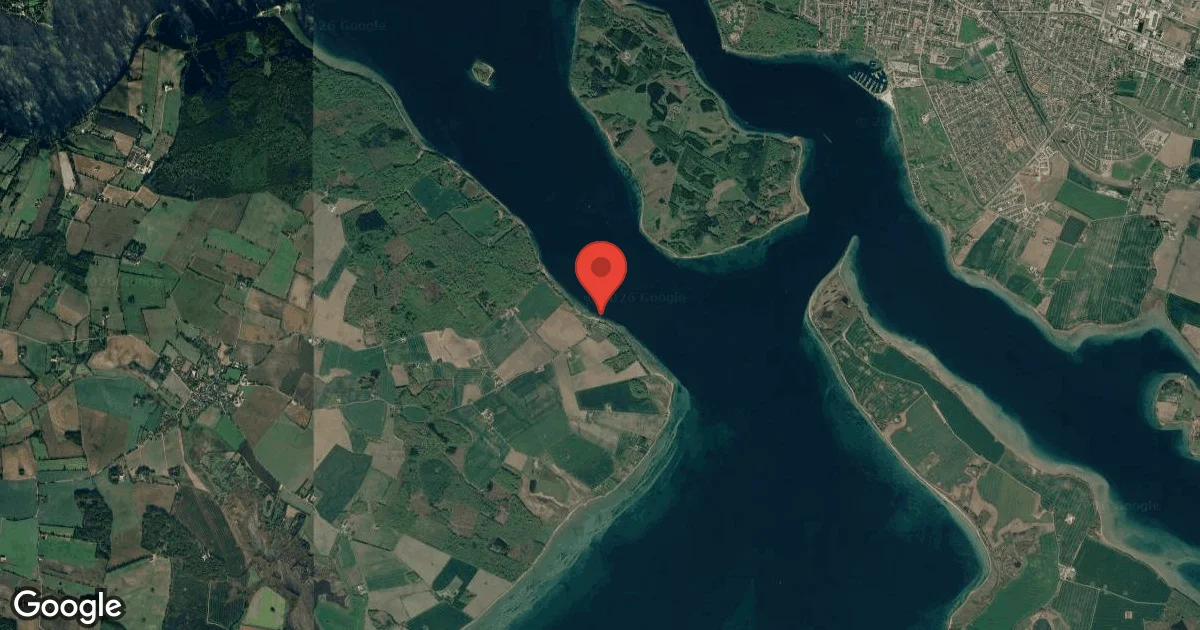
Dive Centers Near Østerstrands
Nearest Airports
Nearest airports to help plan travel to this dive area.
Search Flights
Check available flights and routes on Expedia, using the nearby airports listed in this section.
Search Flights on ExpediaFrequently Asked Questions
What is the maximum depth at Østerstrands?
The maximum depth at Østerstrands is shallow, typically around 6 m / 19 ft. This makes it an ideal site for extended bottom times and training activities without deep dive considerations.
Who is Østerstrands suitable for?
This site is highly suitable for newer divers, those undertaking training or checkouts, and photographers interested in temperate macro life. Its protected, shallow conditions offer a comfortable diving environment.
What kind of bottom composition can I expect?
The bottom is primarily sandy, with extensive eelgrass beds and scattered stones. These varied textures create diverse microhabitats for small marine organisms.
When is the best time of year to dive Østerstrands?
While often diveable year-round, the periods from March to June and August to November generally offer the most pleasant conditions, with milder air temperatures and moderate rainfall. These times balance comfort above water with good dive scores.
What marine life might I see at Østerstrands?
Divers typically observe juvenile fish and various invertebrate species, particularly concentrated within the eelgrass and around small rock patches. It's a site for temperate macro exploration rather than large pelagic encounters.
What are the entry conditions for this dive site?
Østerstrands is a shore-dive site, allowing for easy entry directly from the beach. Its accessible nature contributes to its popularity for training and casual dives.
Are there any facilities available at Østerstrands?
Yes, Østerstrands is a well-developed beach with family-friendly amenities including toilets, changing rooms, and even facilities for bathers with disabilities. Fire pits and seating are also available along the shore.
Planning to dive Østerstrands?
Send one inquiry and receive offers directly from the best verified local dive operators.
Conditions are Good
Optimal conditions expected
Current conditions near Østerstrands show 14° air, 17° sea temperature, 0.5 m waves, and 31 km/h wind. Forecast data is refreshed regularly to ensure accuracy.