
Diving at Gl. Færgehavn (Denmark)
The underwater landscape at Gl. Færgehavn, situated by the Gl. Lillebæltsbro in Snoghøj, reveals a dynamic environment. It's characterized by a sandy bottom that quickly deepens, transitioning from shallow coastal areas to more significant depths further into the Lillebælt. This site offers a straightforward shore entry, leading to an intriguing subaquatic terrain ideal for practicing navigation and exploring varied structures.
Evening condition tracking at Gl. Færgehavn features an air temperature of 16.5°C. We have recorded wave heights measuring 0.4 m during this period. These figures outline the environmental parameters currently present.
Dive Site Location & Key Facts
Dive Site Overview
Descending into Gl. Færgehavn unveils a dynamic coastal setting, once a bustling ferry port, now a popular dive destination.
Divers can access the site via a straightforward shore entry, initiating a journey over a primarily sandy bottom that quickly deepens. The underwater topography makes it suitable for various dive types, including drift diving when conditions allow, and is frequently utilized for a spectrum of PADI training. From foundational Open Water certifications to more specialized courses such as Deep Diver, Dry Suit Diver, and Underwater Navigator, the site's varied characteristics support practical skill development.
Maximum depth here commonly reaches 25 m (82 ft), accommodating both recreational divers exploring the shallows and those with advanced training pushing to greater limits. Current conditions can fluctuate, impacting visibility and the drift experience, but the expansive nature of the Lillebælt often ensures they remain manageable for divers with appropriate experience.
The site's historical function as a ferry crossing adds a unique, albeit subtle, layer to the dive, inviting contemplation of the past as divers explore the natural and sometimes artificial structures beneath the surface. Planning for potential currents is always a good practice here.
Conditions are Good
Optimal conditions expected
Current conditions near Gl. Færgehavn show 16° air, 17° sea temperature, 0.6 m waves, and 31 km/h wind. Forecast data is refreshed regularly to ensure accuracy.
Best Time to Dive
Optimal visibility at Gl. Færgehavn largely depends on the prevailing currents, wind patterns, and season. Calm periods, especially during weaker tides, generally offer clearer conditions. For photographers, the cooler months often provide more stable and better visibility, as water movement tends to be less disruptive. Air temperatures range significantly throughout the year, from a cooler 1°C (34°F) in January to a warmer 16.5°C (62°F) in July, with average monthly rainfalls between 1.6 mm and 4.0 mm. Summer water temperatures typically hover around 18°C (64°F), while spring and late autumn are notably colder. Winter diving is also possible for those equipped for cold water, with some divers even combining it with sauna use post-dive.
PEAK SEASON SCORE
Scores combine air & water temps, waves, wind & rainfall for overall conditions.
BEST MONTHS TO DIVE
Monthly records compiled from satellite and marine observation nodes over the last 3 years. Data provided by Open-Meteo and MET Norway.
Dive Experience & Conditions
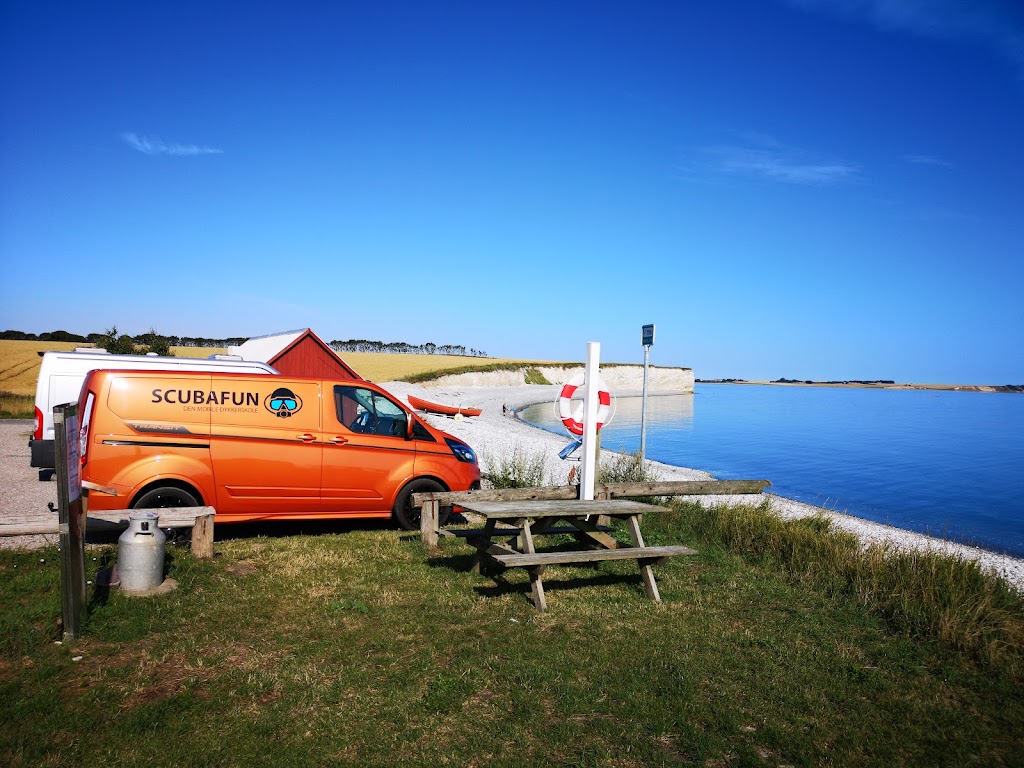
Upon entering the water at Gl. Færgehavn, divers have two primary options: a gentle beach entry perfect for handling cameras and lights, or using the jetty steps for quicker access to deeper water. This direct access immediately places you near the house reef or an artificial reef structure. Initial shallow waters allow for relaxed macro photography among the seagrass. As you progress, the bottom slopes gradually, leading to depths between 6 and 15 meters (20-49 ft) on the artificial reef. While further into the Lillebælt, depths can extend beyond this, most divers here comfortably stay within the moderate zone. Water temperature varies, reaching around 18°C (64°F) in summer but becoming considerably colder in spring, autumn, and winter. Visibility also fluctuates with currents and wind, yet often remains reasonable to good, particularly during slack tides. Dive planning benefits from checking the on-site information board for current conditions.
Dive Difficulty & Safety Guidelines
Navigating Gl. Færgehavn's conditions requires attention to local currents, which vary with tides, wind, and season.
While the Lillebælt's width generally keeps currents manageable, divers should still monitor conditions closely, especially for drift diving. It's advisable to practice navigation skills here given the dynamic environment.
Due to the colder water temperatures outside of peak summer, proper thermal protection, such as a drysuit, hood, and gloves, is highly recommended. Always carry a dive computer, dive flag, dive knife, and a surface marker buoy.
The site is suitable for various training levels, from Open Water to Deep Diver and Drift Diver certifications, emphasizing the importance of matching your dive plan to your skill and experience.
Recommended Equipment
Current and surface separation risk. Local briefing strongly recommended.
- Dive Computer
- DSMB
- Reel / Spool
- Hard-soled Dive Boots
This gear list is based on verified equipment signals for Gl. Færgehavn, Denmark. Always confirm final gear choices with your dive operator, guide, or liveaboard.
Recommended Dive Suit
For many recreational divers, 5-7mm wetsuit provides a practical level of insulation in these conditions. A hood or vest is suggested for sensitive divers due to surface winds. A thermal robe or jacket is recommended between dives. Divers who tend to get cold easily may prefer slightly thicker exposure protection.
At the moment, divers exploring Gl. Færgehavn will likely experience water temperatures near 17°C (62°F). Surface air temperatures are resting at 16°C (62°F).
The next few days appear likely to bring similar environmental conditions.
Emergency & Medical Support
Essential information to help you plan your dive trip to Gl. Færgehavn.

Hyperbaric chambers are a critical part of dive safety infrastructure. Availability varies significantly by region, and not all dive areas have immediate access.
Before diving, it's recommended to:
- confirm nearest medical facilities
- check emergency procedures with local dive operators
- ensure dive insurance covers evacuation if required
Divers Alert Network
Diving emergency assistance available through DAN Europe.
+39 0642115685- 24/7 emergency hotline
- Diving medical assistance
- Evacuation coordination
Emergency contacts are provided for reference. Always verify local emergency services before diving.
Closest Listed Hyperbaric Chambers
Showing listed hyperbaric chamber facilities within 200 km of this dive site.
Distances are approximate straight-line distances and may not reflect emergency travel time.
Information is provided for reference and planning purposes only. Dive Navigator does not verify operational status, staffing, availability, or quality of care at listed facilities. In an emergency, contact local emergency services, DAN, your dive operator, or the chamber directly. Do not travel to a facility without calling ahead.
Aarhus University Hospital, Noerrebrogade
24/7 ListedICU CapableAarhus C, Denmark•Approx. 79 km straight-line
Aarhus University Hospital, Noerrebrogade
24/7 ListedICU CapableInformation is provided for reference and planning purposes only. Dive Navigator does not verify operational status, staffing, availability, or quality of care at listed facilities. In an emergency, contact local emergency services, DAN, your dive operator, or the chamber directly. Do not travel to a facility without calling ahead.
Rigshospitalet Copenhagen University Hospital
24/7 ListedICU CapableCopenhagen, Denmark•Approx. 181 km straight-line
Rigshospitalet Copenhagen University Hospital
24/7 ListedICU CapableInformation is provided for reference and planning purposes only. Dive Navigator does not verify operational status, staffing, availability, or quality of care at listed facilities. In an emergency, contact local emergency services, DAN, your dive operator, or the chamber directly. Do not travel to a facility without calling ahead.
Marine Life at Gl. Færgehavn
Beneath the surface, Gl. Færgehavn's marine environment is home to diverse species adapted to its sandy bottom and artificial reef.
Divers commonly encounter various starfish, gracefully moving across the seabed. Jellyfish drift through the water column, adding a delicate presence.
You might also spot several types of fish, including cod and flatfish, which often blend into the sandy substrate. This site provides an authentic glimpse into the marine life inhabiting the colder waters of the Lillebælt.

Dive Sites Near Gl. Færgehavn
View all dive sites in DenmarkDiscover more underwater gems in this area.
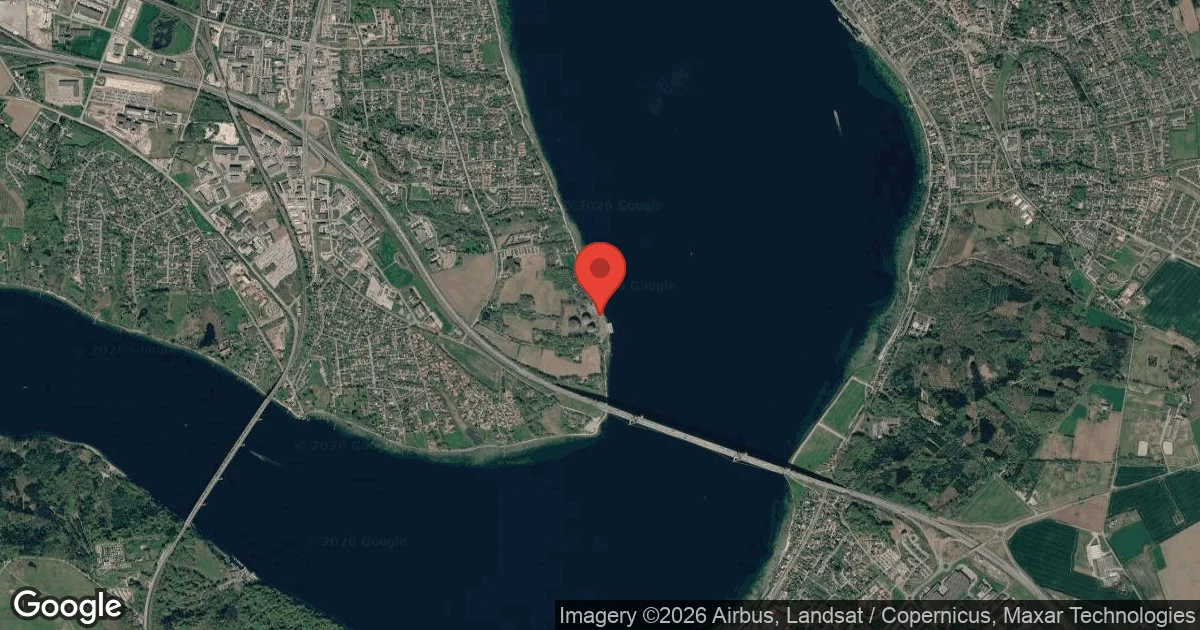
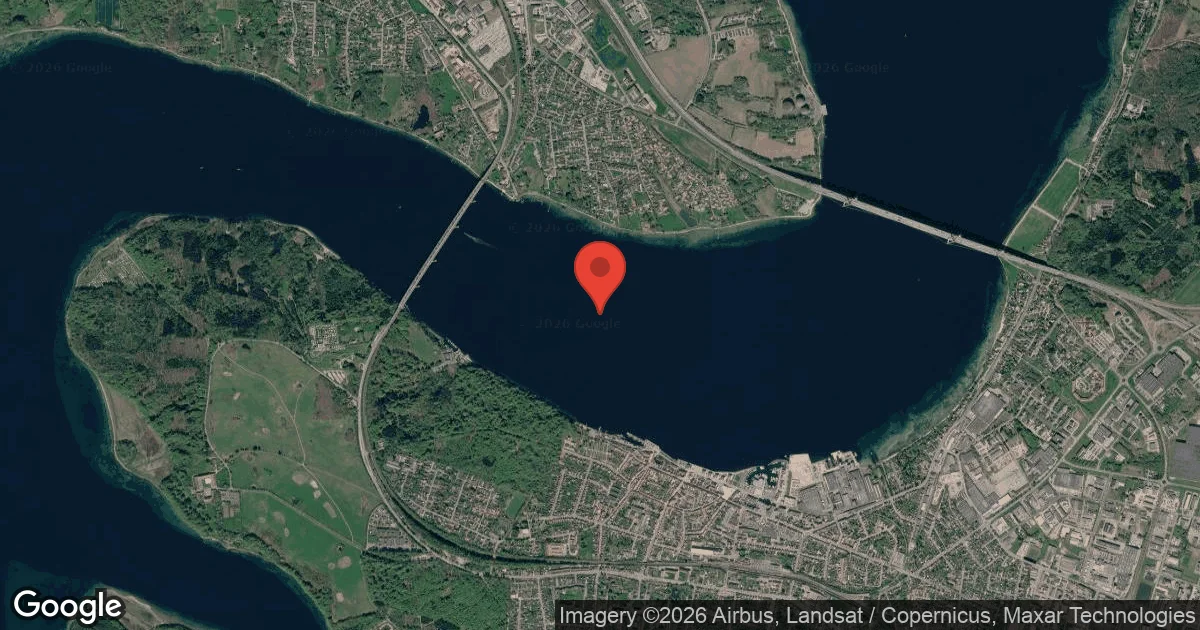
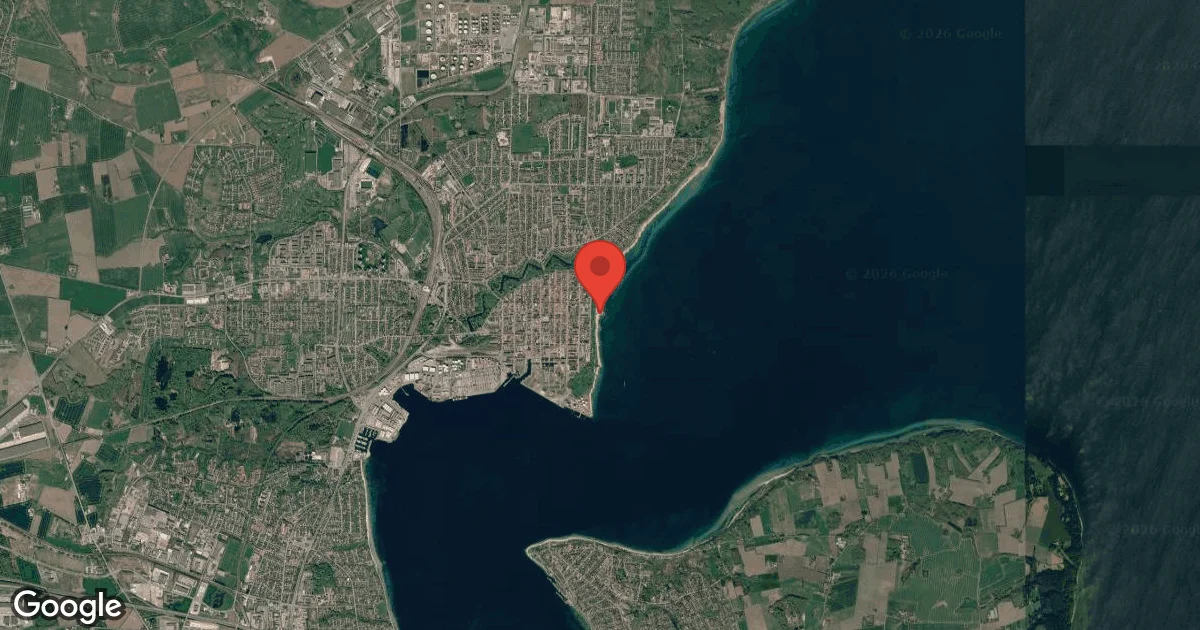
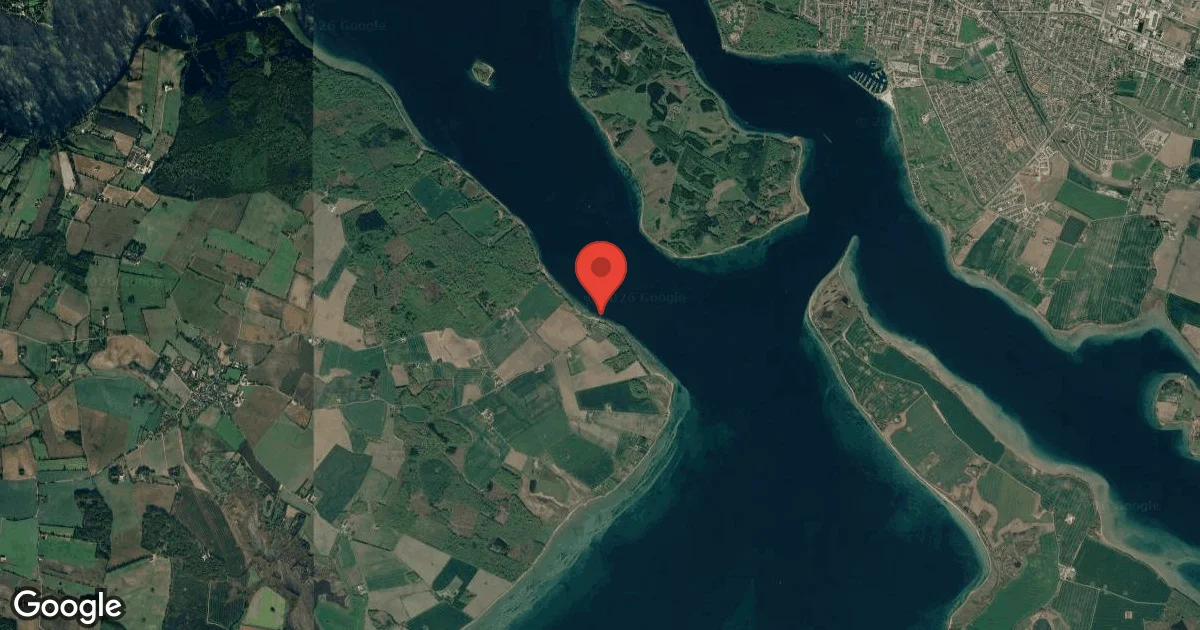
Dive Centers Near Gl. Færgehavn
Nearest Airports
Nearest airports to help plan travel to this dive area.
Search Flights
Check available flights and routes on Expedia, using the nearby airports listed in this section.
Search Flights on ExpediaFrequently Asked Questions
What is the maximum depth at Gl. Færgehavn?
The maximum reported depth for recreational diving at Gl. Færgehavn is 25 m (82 ft). While areas further into the Lillebælt can be deeper, most diving activities at this specific site stay within this range.
How do divers enter the water at Gl. Færgehavn?
Divers can choose between a shore entry via a small beach, which is convenient for carrying equipment like cameras, or utilizing steps from a jetty for quicker access to deeper water.
What kind of dive training is recommended for this site?
The site is suitable for a wide range of PADI training, including Open Water, Advanced Open Water, Rescue Diver, Deep Diver, Dry Suit Diver, Underwater Navigator, Drift Diver, and Night Diver courses.
What marine life can be seen there?
Common sightings include starfish, jellyfish, cod, and various flatfish. The sandy bottom and artificial reef support a variety of smaller, interesting marine organisms.
What are the typical water temperatures?
In summer, water temperatures are usually around 18°C (64°F). Spring and late autumn are colder, and winter diving requires appropriate drysuit gear and experience with cold conditions.
How variable is the visibility at Gl. Færgehavn?
Visibility varies depending on currents, wind, and season. During calm periods and slack tides, it can be quite good, especially in the cooler months, which are often preferred by photographers.
Planning to dive Gl. Færgehavn?
Send one inquiry and receive offers directly from the best verified local dive operators.
Conditions are Good
Optimal conditions expected
Current conditions near Gl. Færgehavn show 16° air, 17° sea temperature, 0.6 m waves, and 31 km/h wind. Forecast data is refreshed regularly to ensure accuracy.