
Diving at Gl. Ålbo (Denmark)
Visibility at Gl. Ålbo in the Lillebælt is dynamic, often shifting with currents, wind, and seasonal changes. While some days offer beautifully clear conditions, allowing sunlight to penetrate the seaweed, others might present a milky appearance due to stronger water movement. Generally, divers can expect reasonable to good clarity, especially during calmer tidal moments. Photographers often find the cooler months particularly advantageous for steadier and improved visibility.
As evening covers Gl. Ålbo, the local air temperature is measured at 14.5°C. The current wave height at the surface is recorded at 0.3 m. These late-day readings characterize the surface conditions for the night.
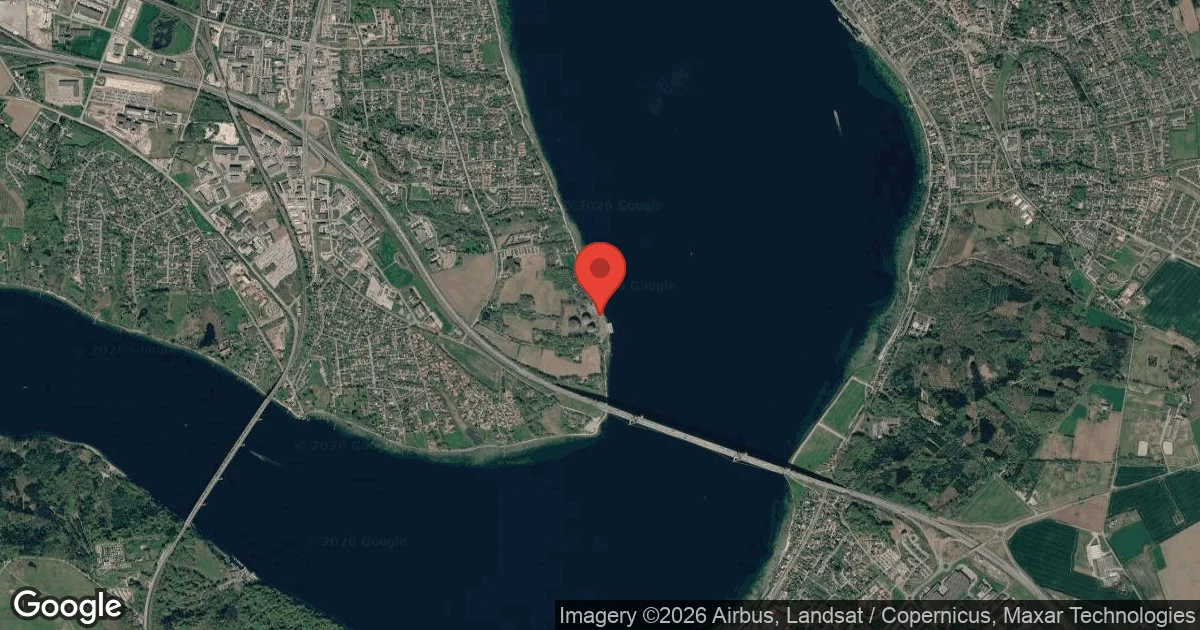
Dive Site Location & Key Facts
Dive Site Overview
Exploring Gl. Ålbo provides access to some of Denmark's compelling dive sites, characterized by the Lillebælt's water depth, currents, and distinct underwater flora and fauna. This location makes for an interesting dive due to its varied environment.
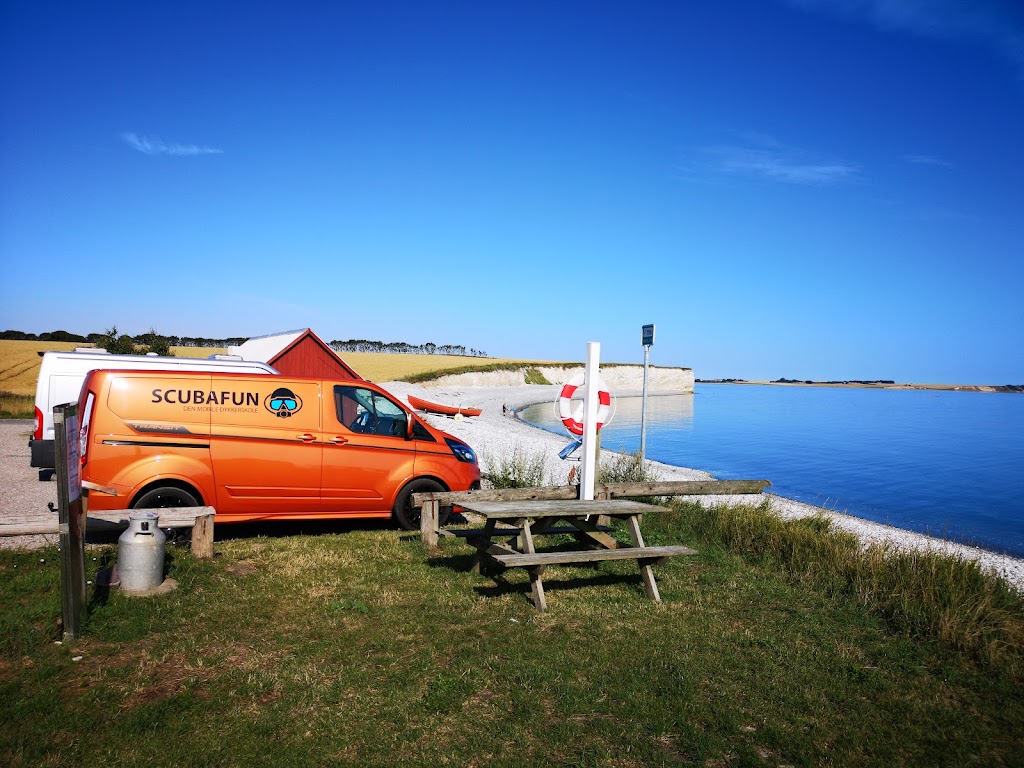
Divers benefit from exceptional facilities that streamline access: you can enter the water directly from a purpose-built jetty, a small beach, or even by boat. The site caters to a wide range of experience levels, from beginners seeking shallow macro opportunities to advanced divers exploring deeper zones. While the area immediately accessible from the jetty offers relaxed dives in shallow seagrass beds, the bottom gradually slopes, leading to an artificial reef at depths between 6 and 15 meters (20 and 50 ft).
Further out in the Lillebælt, the seabed reaches much greater depths, up to 45 meters (147 ft), accommodating technical divers. Much of the diving activity from the campsite, however, typically occurs within the shallower range.
Conditions are Good
Optimal conditions expected
Current conditions near Gl. Ålbo show 14° air, 17° sea temperature, 0.6 m waves, and 30 km/h wind. Forecast data is refreshed regularly to ensure accuracy.
Best Time to Dive
Diving at Gl. Ålbo is considered an excellent experience for much of the year, with dive scores consistently high, even during the colder months. While summer water temperatures typically hover around 18°C (64°F), conditions in spring and late autumn, though cooler, remain perfectly diveable. Winter diving is also practiced by those seeking a refreshing experience, sometimes followed by a sauna. Cooler periods can actually enhance visibility, making months like April/May and September good choices for clearer water. Average air temperatures fluctuate, ranging from 1.5°C (35°F) in January to highs of 16.5°C (62°F) in July and August. Rain accumulation is generally moderate throughout the year, with July typically seeing the highest average at around 4.1 mm, and May and March having the lowest at approximately 1.8 mm.
PEAK SEASON SCORE
Scores combine air & water temps, waves, wind & rainfall for overall conditions.
BEST MONTHS TO DIVE
Monthly records compiled from satellite and marine observation nodes over the last 3 years. Data provided by Open-Meteo and MET Norway.
Dive Experience & Conditions
Beginning a dive from the jetty, you can easily stay in shallow areas for macro photography or a relaxed exploration among the seagrass. As you progress, the bottom gently slopes, guiding you toward the artificial reef, which sits between 6 and 15 meters (20 and 50 ft) of depth. Many divers navigate straight ahead from the jetty to about 15 meters (50 ft), then continue their exploration either in a north-western or south-eastern direction. The seafloor primarily consists of sand interspersed with large boulders. While currents in the Lillebælt are present and can be medium, they are generally manageable given the strait's width. An information board at reception provides current strength details, helping divers plan their entry during weaker tidal flows.
Dive Difficulty & Safety Guidelines
When diving at Gl. Ålbo, awareness of pleasure boat traffic is crucial, particularly near entry points. The Lillebælt's currents necessitate good buoyancy control and, for some, the PADI Drift Diver specialty course can be beneficial. Checking the information board at reception for current strength updates allows for safer dive planning, especially when timing entries for weaker currents.
Booking accommodation or a day pass in advance at Camping Gammel Albo is advised, and day pass holders should note the 20:00 exit time. The site features dedicated diver facilities, including a rinsing area, a sturdy gear-up platform, and a well-placed jetty, all designed to enhance safety and convenience.
Recommended Equipment
Technical depth range. Advanced planning, gas management, and appropriate certification required.
- Dive Computer
- DSMB
- Primary & Backup Lights
This gear list is based on verified equipment signals for Gl. Ålbo, Denmark. Always confirm final gear choices with your dive operator, guide, or liveaboard.
Recommended Dive Suit
5-7mm wetsuit is frequently recommended by dive operators for conditions like these. A hood or vest is suggested for sensitive divers due to surface winds. A thermal robe or jacket is recommended between dives. Those diving at Gl. Ålbo today will likely encounter water temperatures in the region of 17°C (62°F). Surface air temperatures are resting at 14°C (58°F).
Forecast trends indicate little change in overall diving conditions during the next few days.
Even small thermoclines can occasionally cause noticeable changes in water temperature.
Emergency & Medical Support
Essential information to help you plan your dive trip to Gl. Ålbo.

Hyperbaric chambers are a critical part of dive safety infrastructure. Availability varies significantly by region, and not all dive areas have immediate access.
Before diving, it's recommended to:
- confirm nearest medical facilities
- check emergency procedures with local dive operators
- ensure dive insurance covers evacuation if required
Divers Alert Network
Diving emergency assistance available through DAN Europe.
+39 0642115685- 24/7 emergency hotline
- Diving medical assistance
- Evacuation coordination
Emergency contacts are provided for reference. Always verify local emergency services before diving.
Closest Listed Hyperbaric Chambers
Showing listed hyperbaric chamber facilities within 200 km of this dive site.
Distances are approximate straight-line distances and may not reflect emergency travel time.
Information is provided for reference and planning purposes only. Dive Navigator does not verify operational status, staffing, availability, or quality of care at listed facilities. In an emergency, contact local emergency services, DAN, your dive operator, or the chamber directly. Do not travel to a facility without calling ahead.
Aarhus University Hospital, Noerrebrogade
24/7 ListedICU CapableAarhus C, Denmark•Approx. 85 km straight-line
Aarhus University Hospital, Noerrebrogade
24/7 ListedICU CapableInformation is provided for reference and planning purposes only. Dive Navigator does not verify operational status, staffing, availability, or quality of care at listed facilities. In an emergency, contact local emergency services, DAN, your dive operator, or the chamber directly. Do not travel to a facility without calling ahead.
Rigshospitalet Copenhagen University Hospital
24/7 ListedICU CapableCopenhagen, Denmark•Approx. 184 km straight-line
Rigshospitalet Copenhagen University Hospital
24/7 ListedICU CapableInformation is provided for reference and planning purposes only. Dive Navigator does not verify operational status, staffing, availability, or quality of care at listed facilities. In an emergency, contact local emergency services, DAN, your dive operator, or the chamber directly. Do not travel to a facility without calling ahead.
Marine Life at Gl. Ålbo
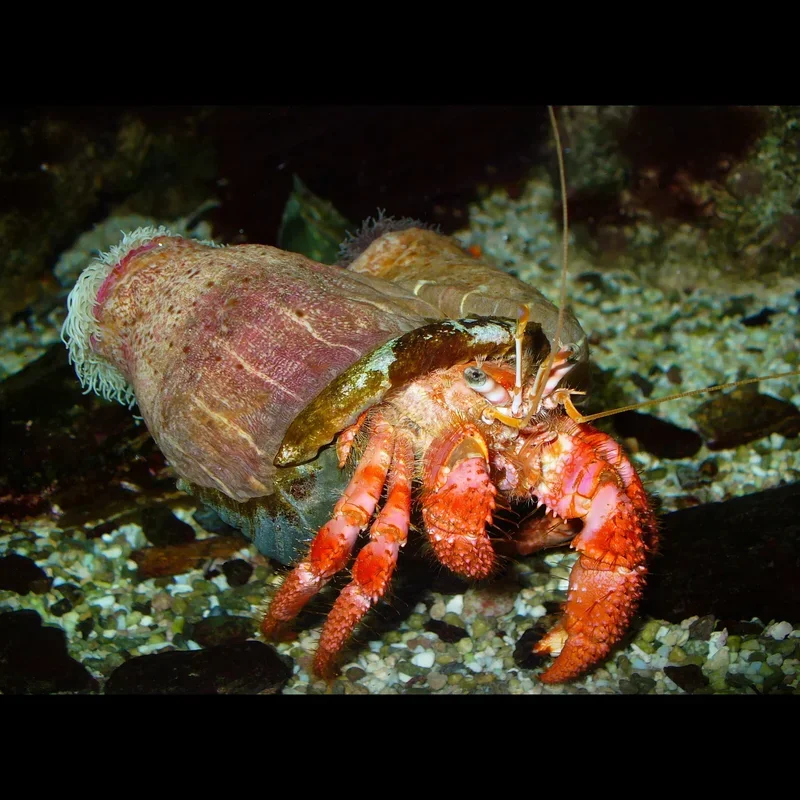
Upon entering the water at Gl. Ålbo, you'll immediately notice the surprisingly rich and diverse marine life, which shifts with the day and season. Schools of small fish dart around, while wrasses, crabs, starfish, and hermit crabs are common sights among the various seaweeds.
The artificial reef, constructed from approximately 3,000 tonnes of large stones, acts as a sanctuary; these stones create numerous small holes where fish seek shelter and young organisms thrive. Beyond the larger reef inhabitants, the macro world is active, with smaller life forms like weeds and snails populating the sandy and rocky bottom, always offering something new to observe.

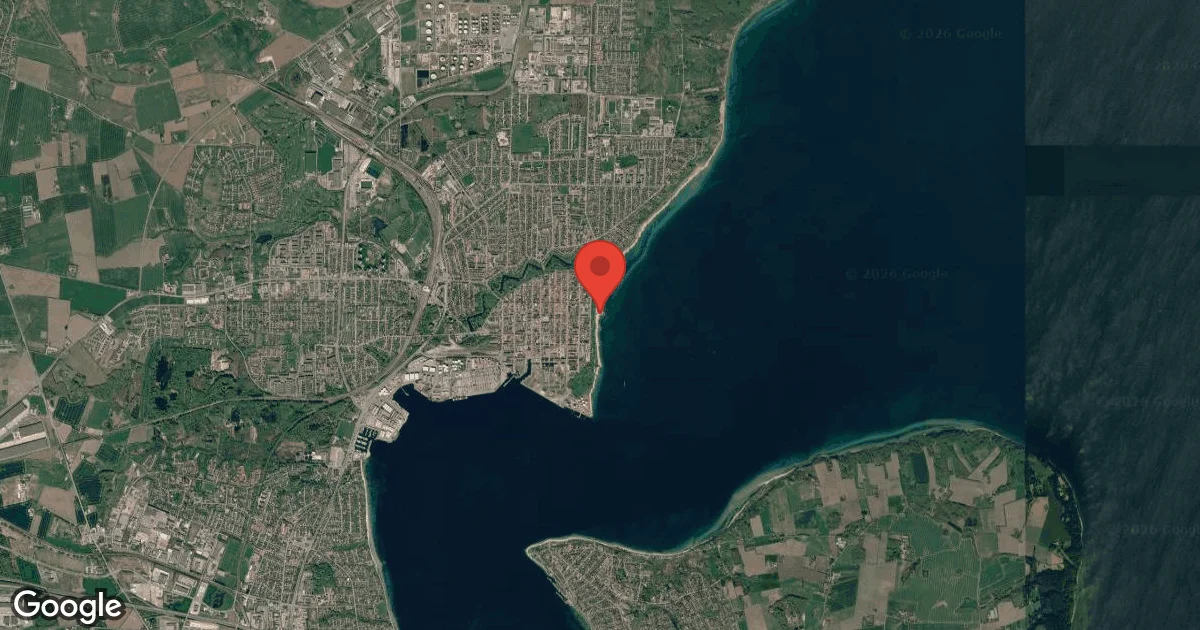
Dive Sites Near Gl. Ålbo
View all dive sites in DenmarkDiscover more underwater gems in this area.
Dive Centers Near Gl. Ålbo
Nearest Airports
Nearest airports to help plan travel to this dive area.
Search Flights
Check available flights and routes on Expedia, using the nearby airports listed in this section.
Search Flights on ExpediaFrequently Asked Questions
What is the maximum depth available at Gl. Ålbo?
The maximum reported depth for diving at Gl. Ålbo is 45 meters (147 feet). However, most divers, particularly recreational ones, typically explore depths between 6 and 15 meters (20 and 50 ft) around the artificial reef and shallower areas.
What types of diving can I do here?
Gl. Ålbo offers primarily shore and beach dives. There's also an artificial reef, making it suitable for reef diving. The site is accessible directly from a jetty or a small beach.
How are the currents at Gl. Ålbo?
Currents in the Lillebælt are generally manageable, often described as limited to medium. The strength varies depending on tidal conditions, and an information board at the reception helps divers identify times of weaker currents.
What is the typical water temperature?
In summer, the water temperature averages around 18°C (64°F). During spring, autumn, and winter, the water is colder but still considered diveable, attracting those interested in year-round diving experiences.
Is Gl. Ålbo suitable for beginner divers?
Yes, Gl. Ålbo is suitable for almost every level of diver. Beginners can enjoy shallow water explorations and the artificial reef, which has a gentle slope, while advanced and technical divers can explore deeper sections of the Lillebælt.
Are there facilities available for divers on-site?
Yes, Gl. Ålbo is well-equipped for divers. Facilities include a fast-filling station with a large air bank, a rinsing area, a sturdy platform for gear preparation, a perfectly positioned jetty for easy water access, and general hospitality amenities.
What kind of marine life can I expect to see?
Underwater life is varied and rich, with common sightings including schools of small fish, wrasses, crabs, starfish, hermit crabs, flatfish, trout, and lobster. The artificial reef stones provide shelter for many small organisms and juvenile fish.
Planning to dive Gl. Ålbo?
Send one inquiry and receive offers directly from the best verified local dive operators.
Conditions are Good
Optimal conditions expected
Current conditions near Gl. Ålbo show 14° air, 17° sea temperature, 0.6 m waves, and 30 km/h wind. Forecast data is refreshed regularly to ensure accuracy.