
Diving at Littlebelt (Denmark)
Navigating Littlebelt's waters demands respect for its dynamic currents, a primary consideration for any diver exploring this central Danish strait. Diving here requires careful planning, often benefiting from the support of a boat or a dedicated surface crew to manage drift dives effectively. The unique underwater landscape, characterized by significant biological diversity and varying depths, promises engaging experiences for those prepared for its conditions. It's a location that rewards divers with an extraordinary look into Northern European aquatic environments.
As evening covers Littlebelt, the local air temperature is measured at 12.5°C. The current wave height at the surface is recorded at 0.3 m. These late-day readings characterize the surface conditions for the night.
Dive Site Location & Key Facts
Dive Site Overview
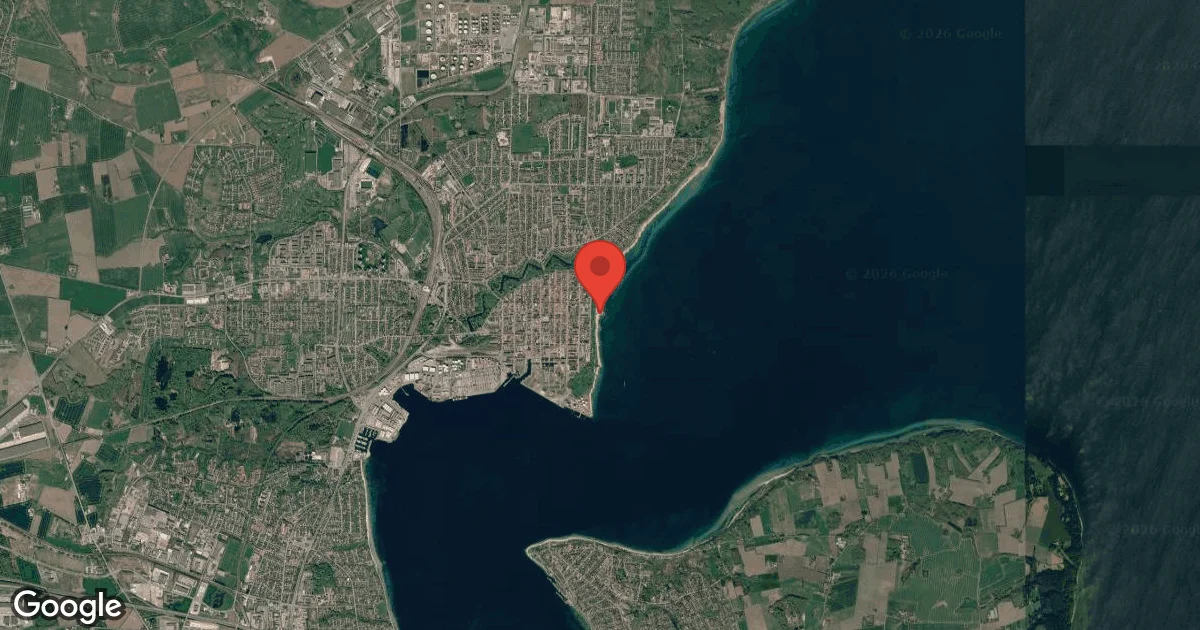
Exploring Littlebelt's underwater landscape reveals a truly extraordinary diving experience, particularly within the narrow strait connecting Middelfart and Fredericia. Within a compact 10 km (6 mi) radius, numerous dive spots exist, offering varied opportunities suitable for diverse interests and experience levels.
Underwater photography enthusiasts find compelling subjects here, from macro to wide-angle scenes. Below the surface, divers encounter intricate clay clusters that form natural reef-like structures. These unique formations provide crucial hiding places and support a vibrant ecosystem, interspersed with extensive, life-rich patches of the seabed.
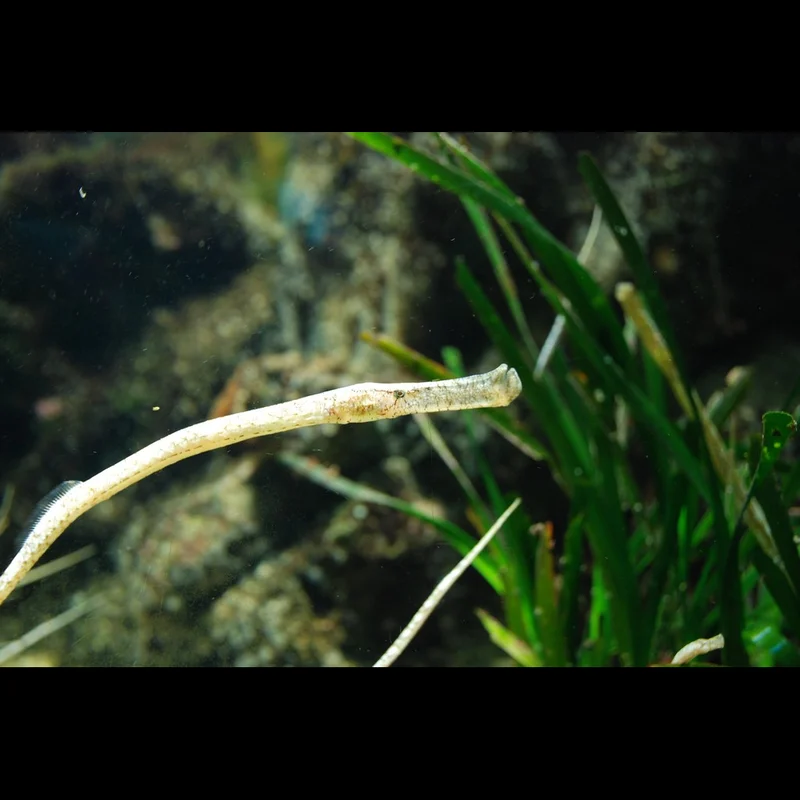
Observations frequently include cod fry and small pipefish navigating these sheltered zones, often alongside larger inhabitants such as robust cod and various species of trout patrolling the deeper sections. The region also proudly hosts one of Northern Europe's largest porpoise populations, making encounters with these marine mammals a significant highlight for many divers.
This blend of structural complexity, varied habitats, and abundant marine activity defines Littlebelt's unique appeal, promising engaging exploration for prepared individuals.
Conditions are Good
Optimal conditions expected
Current conditions near Littlebelt show 12° air, 17° sea temperature, 0.5 m waves, and 28 km/h wind. Forecast data is refreshed regularly to ensure accuracy.
Best Time to Dive
Diving conditions around Littlebelt vary across the year, with optimal periods often indicated by favorable air temperatures and lower rainfall. Average air temperatures are mildest from June to September, ranging from approximately 15.5°C (60°F) in June to 16.5°C (62°F) in August. Rainfall during these months is generally moderate, with July seeing the highest average at around 4.1 mm (0.16 in) per day. Wind speeds tend to be lower during the summer and late spring, influencing surface conditions. While specific water temperatures are not consistently reported, divers should anticipate cold-water conditions year-round, requiring appropriate thermal protection. Periods from May through September, and even into autumn like November, frequently receive 'Excellent' or 'Good' dive scores, suggesting suitable conditions for exploration.
PEAK SEASON SCORE
Scores combine air & water temps, waves, wind & rainfall for overall conditions.
BEST MONTHS TO DIVE
Monthly records compiled from satellite and marine observation nodes over the last 3 years. Data provided by Open-Meteo and MET Norway.
Dive Experience & Conditions
Exploring the depths of Littlebelt reveals an intricate underwater topography, where depths can vary considerably across different sites. While specific maximum depths are not consistently reported, the area caters to a broad recreational depth range, accommodating divers of all experience levels. Strong currents are a defining characteristic, particularly within the narrower sections of the strait. These currents often create dynamic drift diving opportunities, propelling divers past prominent features such as large blocks of clay that cluster into reef-like formations. These structures provide vital shelter and habitat, contributing to the rich biodiversity observed. Visibility can fluctuate with the seasons and local weather patterns, occasionally being influenced by current activity. Each dive here presents a unique encounter with the moving waters and varied underwater terrain.
Dive Difficulty & Safety Guidelines
For safe diving in the Littlebelt, recognizing and planning for strong currents is paramount. Divers should consider having a support boat or a surface crew on land, especially when conducting drift dives, to ensure efficient pickup and manage any unexpected changes in current direction or strength. It's crucial to consult with local dive professionals familiar with specific site conditions, as currents can be highly localized and influenced by tides.
Adhering to PADI Standard Safe Diving Practices is always recommended, alongside confirming current weather and sea state forecasts before entering the water. Divers new to the area or drift diving should consider additional training or guided dives.
Recommended Equipment
Current and surface separation risk. Local briefing strongly recommended.
- Dive Computer
- DSMB
- Reel / Spool
This gear list is based on verified equipment signals for Littlebelt, Denmark. Always confirm final gear choices with your dive operator, guide, or liveaboard.
Recommended Dive Suit
Divers planning relaxed exploration may appreciate the warmth of 5-7mm wetsuit. A thermal robe or jacket is recommended between dives. Divers often notice that perceived temperature can feel cooler during deeper or longer dives.
The waters surrounding Littlebelt are currently maintaining temperatures close to 17°C (62°F). Surface air temperatures are resting at 12°C (54°F).
Temperatures look set to gradually increase over the next several days. A warming trend is expected over the next few days.
Emergency & Medical Support
Essential information to help you plan your dive trip to Littlebelt.

Hyperbaric chambers are a critical part of dive safety infrastructure. Availability varies significantly by region, and not all dive areas have immediate access.
Before diving, it's recommended to:
- confirm nearest medical facilities
- check emergency procedures with local dive operators
- ensure dive insurance covers evacuation if required
Divers Alert Network
Diving emergency assistance available through DAN Europe.
+39 0642115685- 24/7 emergency hotline
- Diving medical assistance
- Evacuation coordination
Emergency contacts are provided for reference. Always verify local emergency services before diving.
Closest Listed Hyperbaric Chambers
Showing listed hyperbaric chamber facilities within 200 km of this dive site.
Distances are approximate straight-line distances and may not reflect emergency travel time.
Information is provided for reference and planning purposes only. Dive Navigator does not verify operational status, staffing, availability, or quality of care at listed facilities. In an emergency, contact local emergency services, DAN, your dive operator, or the chamber directly. Do not travel to a facility without calling ahead.
Aarhus University Hospital, Noerrebrogade
24/7 ListedICU CapableAarhus C, Denmark•Approx. 79 km straight-line
Aarhus University Hospital, Noerrebrogade
24/7 ListedICU CapableInformation is provided for reference and planning purposes only. Dive Navigator does not verify operational status, staffing, availability, or quality of care at listed facilities. In an emergency, contact local emergency services, DAN, your dive operator, or the chamber directly. Do not travel to a facility without calling ahead.
Rigshospitalet Copenhagen University Hospital
24/7 ListedICU CapableCopenhagen, Denmark•Approx. 180 km straight-line
Rigshospitalet Copenhagen University Hospital
24/7 ListedICU CapableInformation is provided for reference and planning purposes only. Dive Navigator does not verify operational status, staffing, availability, or quality of care at listed facilities. In an emergency, contact local emergency services, DAN, your dive operator, or the chamber directly. Do not travel to a facility without calling ahead.
Marine Life at Littlebelt
Beneath the surface topography, Littlebelt's diverse environment supports a vibrant array of marine life. Divers frequently observe small pipefish and numerous cod fry seeking refuge among the complex clay clusters and reef-like structures.
Larger fish, including impressive cod and various species of trout, often inhabit these same protective formations. Perhaps the most notable residents are the porpoises; the Littlebelt hosts one of the largest populations of these marine mammals, making encounters a significant highlight.
This rich ecosystem thrives due to the varied underwater landscape, providing ample food sources and shelter for both small and larger aquatic species.
Dive Sites Near Littlebelt
View all dive sites in DenmarkDiscover more underwater gems in this area.
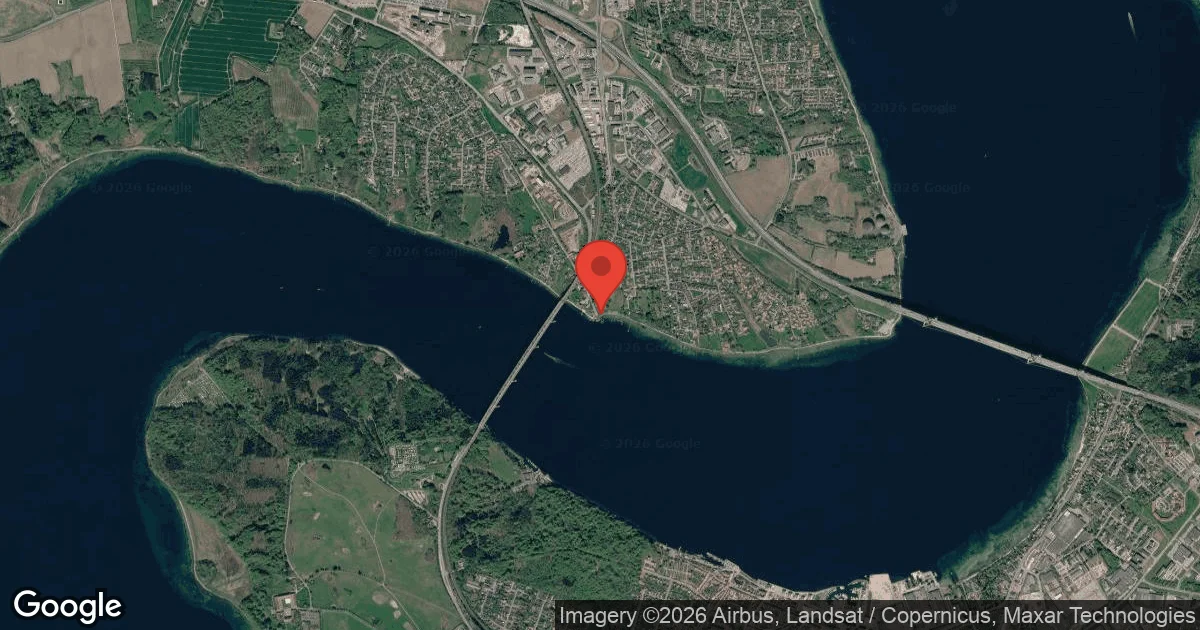
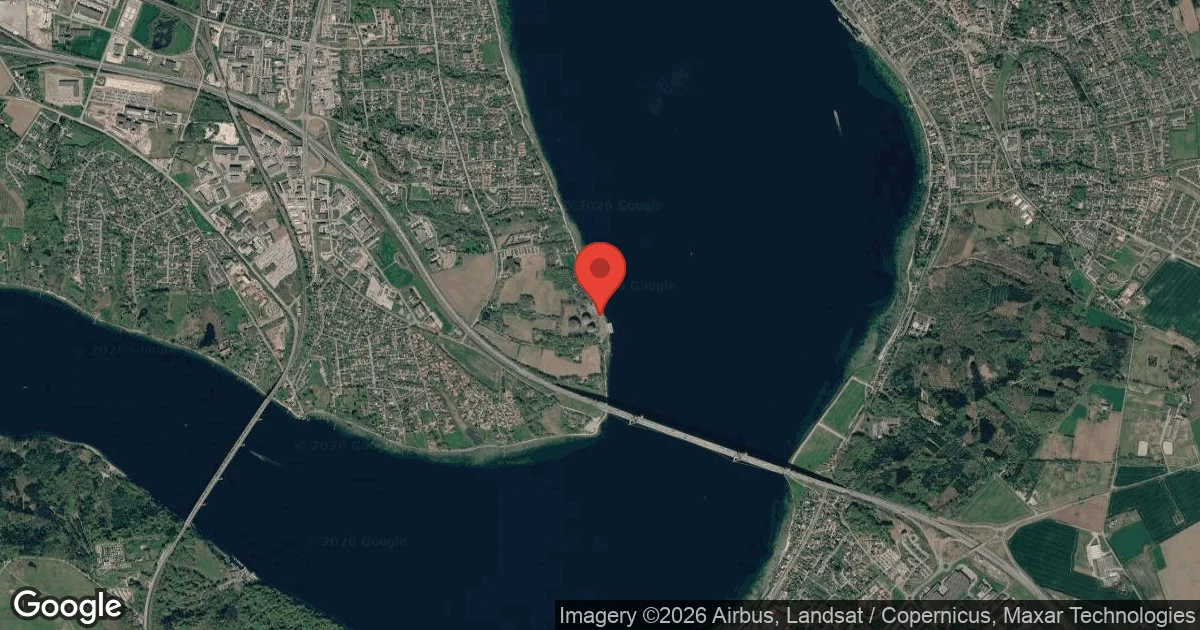
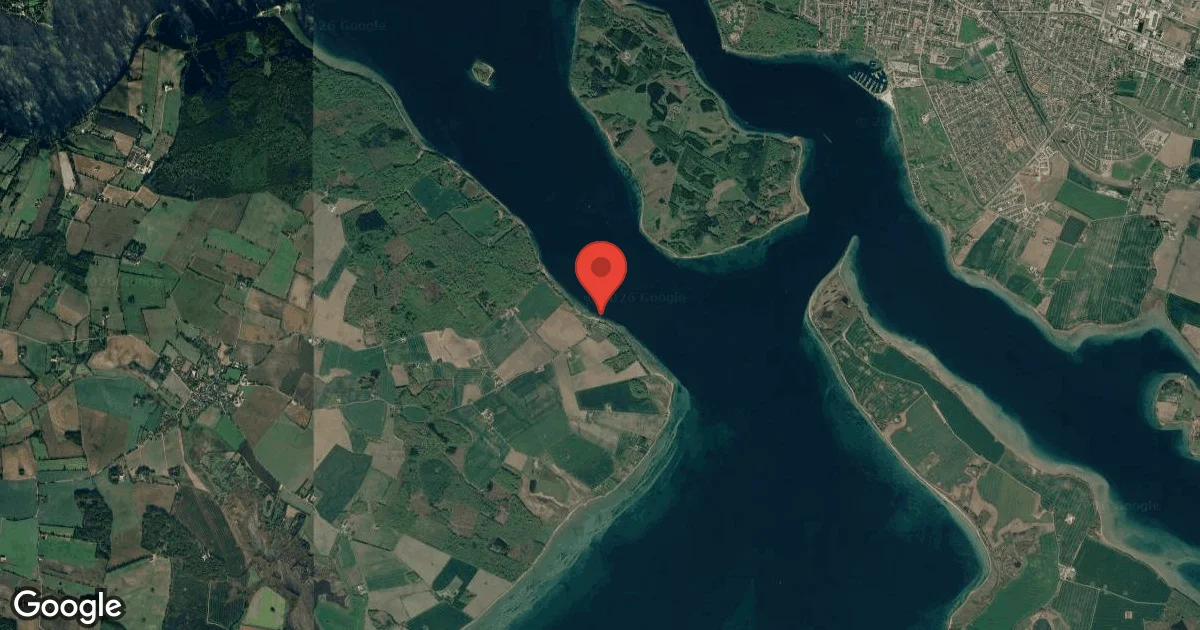
Dive Centers Near Littlebelt
Nearest Airports
Nearest airports to help plan travel to this dive area.
Search Flights
Check available flights and routes on Expedia, using the nearby airports listed in this section.
Search Flights on ExpediaFrequently Asked Questions
What skill level is required for diving in the Littlebelt?
Littlebelt offers dive spots suitable for all experience levels. However, due to strong currents, advanced divers may find more challenging drift dives, while beginners can enjoy calmer, more sheltered areas with local guidance.
What kind of marine life can I expect to see?
You can encounter cod fry, small pipefish, large cod, and trout. The Littlebelt is also known for having one of the largest porpoise populations in Northern Europe.
Are there strong currents in the Littlebelt?
Yes, strong currents are a defining feature of the Littlebelt. Planning for drift diving and considering a support boat or surface crew is highly recommended.
What are the typical water temperatures?
Water temperatures are not consistently reported. Divers should prepare for cold-water diving year-round, requiring appropriate thermal protection like dry suits.
Is Littlebelt suitable for underwater photography?
Absolutely. The diverse marine life, including porpoises and various fish species, combined with the unique underwater structures, make it an absolute delight for underwater photographers.
What unique geological features are present?
The underwater landscape includes large blocks of clay, which form clusters that function as reef-like structures. These formations create important hiding places and contribute to the site's rich biodiversity.
Planning to dive Littlebelt?
Send one inquiry and receive offers directly from the best verified local dive operators.
Conditions are Good
Optimal conditions expected
Current conditions near Littlebelt show 12° air, 17° sea temperature, 0.5 m waves, and 28 km/h wind. Forecast data is refreshed regularly to ensure accuracy.