
Diving at 3 Rocks (Dominican Republic)
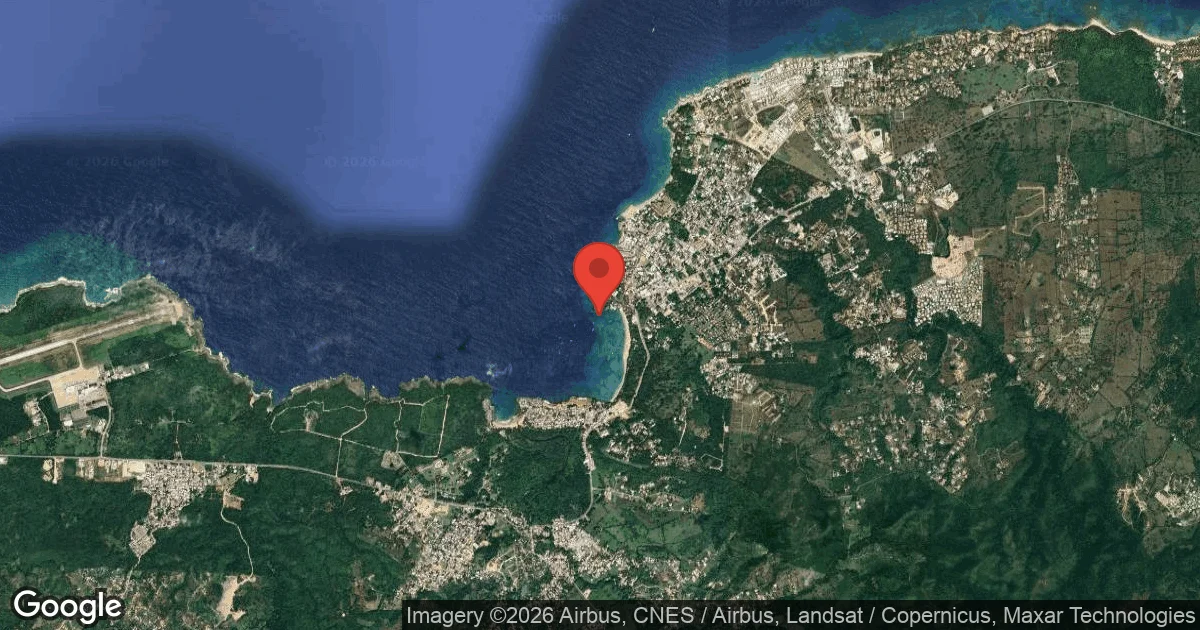
3 Rocks distinguishes itself as an accessible dive site in the Dominican Republic, defined by three prominent coral rock pinnacles rising from a sandy bottom. This location serves as a prime entry point for divers of varying experience, from beginners to those seeking a connection to deeper areas like Coral Gardens. Adding to its distinct appeal, divers occasionally report hearing the resonant songs of humpback whales, particularly during seasonal migrations, creating a truly memorable underwater soundscape.
Tonight's objective overview for 3 Rocks shows an air temperature of 26.5°C. The measured surface conditions include wave heights around 0.8 m. This environmental data is logged for the close of the day.
Dive Site Location & Key Facts
Dive Site Overview
For years, 3 Rocks has welcomed divers with its straightforward structure and calm conditions, making it a staple for those exploring the waters off the Dominican Republic. Reached via a short boat ride from shore, the site unfolds into a recreational depth range, typically dropping to a sandy bottom around 4-7.5 m (13-25 ft).
Here, three distinct rocky formations create a focal point for marine activity, providing shelter and feeding grounds for numerous species. While it stands alone as a beginner-friendly destination, 3 Rocks also functions as a gateway for more advanced explorations, leading divers toward the deeper sections of Coral Gardens, which can extend to 24 m (80 ft).
This versatile profile allows for both shallow, leisurely dives and serves as a starting point for more extensive underwater journeys.
Conditions are Good
Optimal conditions expected
Current conditions near 3 Rocks show 27° air, 29° sea temperature, 0.8 m waves, and 26 km/h wind. Forecast data is refreshed regularly to ensure accuracy.
Best Time to Dive
Considering dive conditions, the period from April to November generally presents the most favorable environment at 3 Rocks, marked by consistently 'Good' dive scores. During these months, air temperatures typically range between 24-28°C (75-82°F), offering comfortable surface intervals. Rainfall is notably low, averaging around 1.5 to 5.7 mm monthly, minimizing runoff and enhancing underwater visibility. While specific water temperatures are not consistently reported, conditions usually align with tropical averages, varying seasonally. For those preferring slightly cooler air, January through March still offers 'Moderate' conditions, with air temperatures around 24-25°C (75-77°F) and similar low rainfall, though wave heights can be slightly higher.
PEAK SEASON SCORE
Scores combine air & water temps, waves, wind & rainfall for overall conditions.
BEST MONTHS TO DIVE
Monthly records compiled from satellite and marine observation nodes over the last 3 years. Data provided by Open-Meteo and MET Norway.
Dive Experience & Conditions
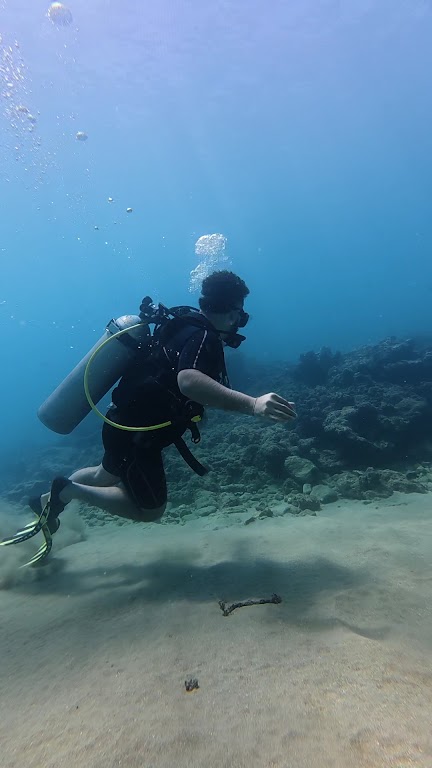
Descending into the shallow waters of 3 Rocks, a diver immediately notices the welcoming nature of this site, characterized by a depth range of 4.6 m to 7.3 m (15 to 24 ft). The shallow profile, combined with a sandy bottom and prominent rocky features, creates an approachable setting for a wide range of divers. While navigating the reef structures, an awareness of the surface is essential. Expect boat traffic, as this area is popular with snorkelers. The calm, warm salt water generally ensures comfortable diving, and on occasion, the faint, haunting sounds of humpback whale songs can filter through the water column, adding an ethereal layer to the experience.
Dive Difficulty & Safety Guidelines
Understanding the various skill levels of divers visiting 3 Rocks is crucial for safety planning. This site is suitable for beginners and first-time divers, but certain precautions remain important. The primary hazard to be aware of is boat traffic, particularly due to the area's popularity with snorkelers.
Maintaining surface awareness is critical, especially during ascents and while at the surface. Using a surface marker buoy (SMB) is highly recommended to signal your position to boat operators, ensuring visibility and minimizing risks.
Due to the shallow depths, it's also a good practice to monitor air consumption and bottom time closely.
Recommended Equipment
- Dive Computer
This gear list is based on verified equipment signals for 3 Rocks, Dominican Republic. Always confirm final gear choices with your dive operator, guide, or liveaboard.
Recommended Dive Suit
Forecast trends indicate little change in overall diving conditions during the next few days.
Two divers in the same water temperature may experience very different comfort levels.
Many divers find that dive skin or rash guard offers the right level of insulation for conditions like these. A hood or vest is suggested for sensitive divers due to surface winds. Divers preparing to enter the water at 3 Rocks will likely find temperatures around 29°C (84°F) today. Surface air temperatures are resting at 27°C (80°F).
Due to technical issues with our weather providers, live updates are temporarily delayed. The data above reflects the conditions at the time of the last successful fetch.
Emergency & Medical Support
Essential information to help you plan your dive trip to 3 Rocks.

Hyperbaric chambers are a critical part of dive safety infrastructure. Availability varies significantly by region, and not all dive areas have immediate access.
Before diving, it's recommended to:
- confirm nearest medical facilities
- check emergency procedures with local dive operators
- ensure dive insurance covers evacuation if required
Divers Alert Network
Diving emergency assistance available through DAN World.
+1-919-684-9111- 24/7 emergency hotline
- Diving medical assistance
- Evacuation coordination
Emergency contacts are provided for reference. Always verify local emergency services before diving.
Marine Life at 3 Rocks
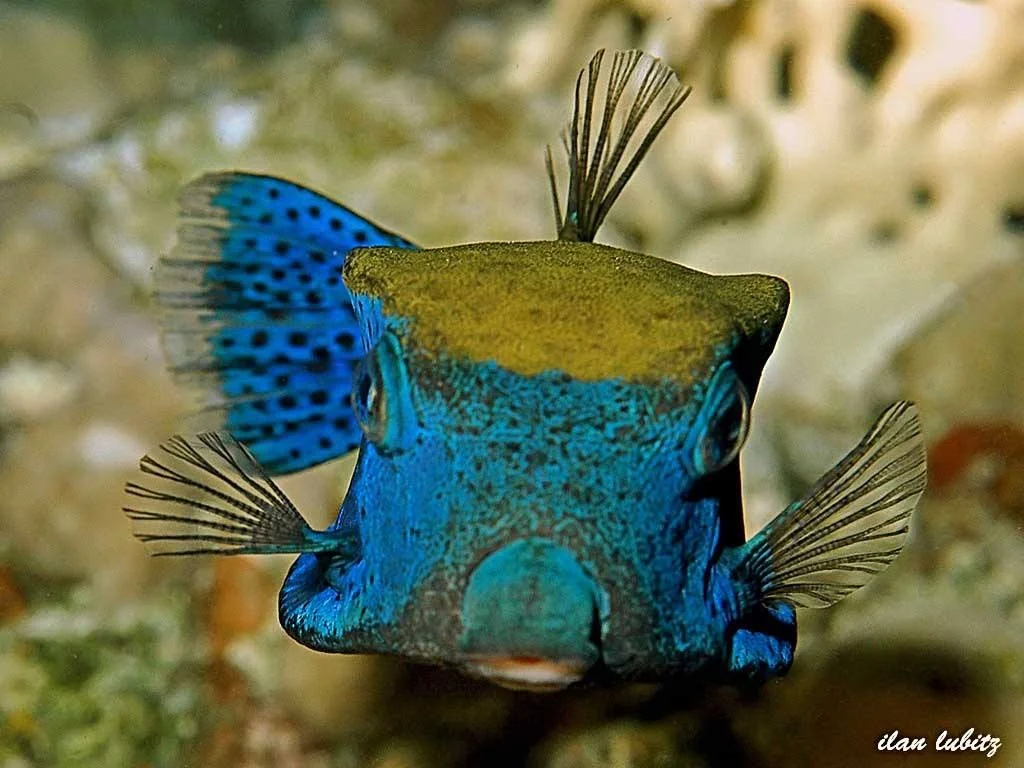
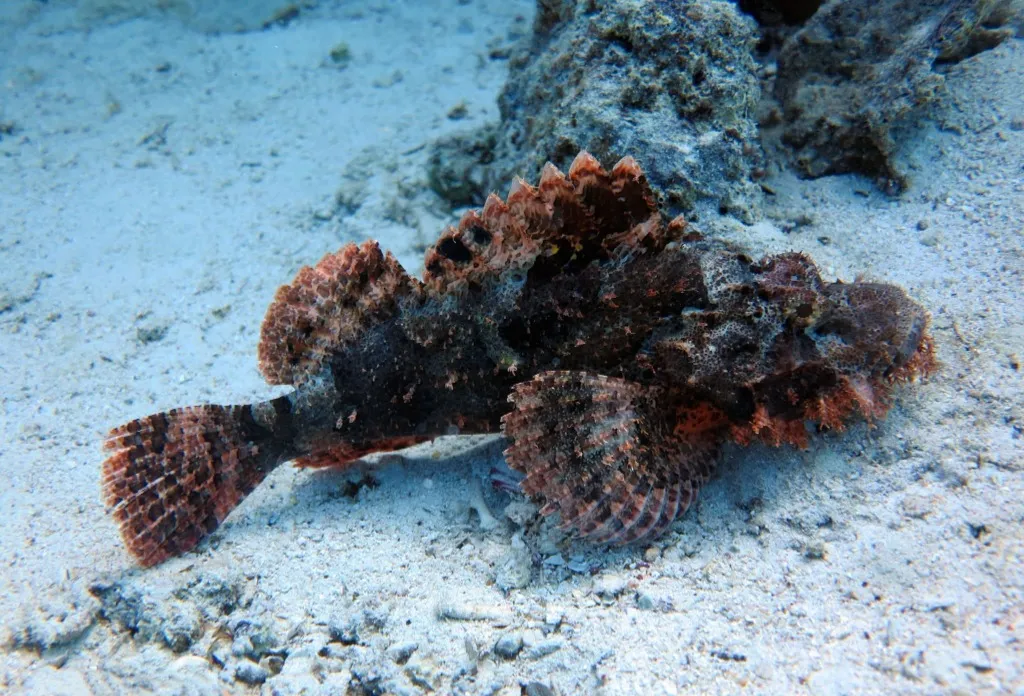
Upon first approach, the abundance of vibrant reef fish immediately captures attention around the three rock pinnacles. Divers often spot scorpionfish, boxfish, and various puffer fish moving among the corals.
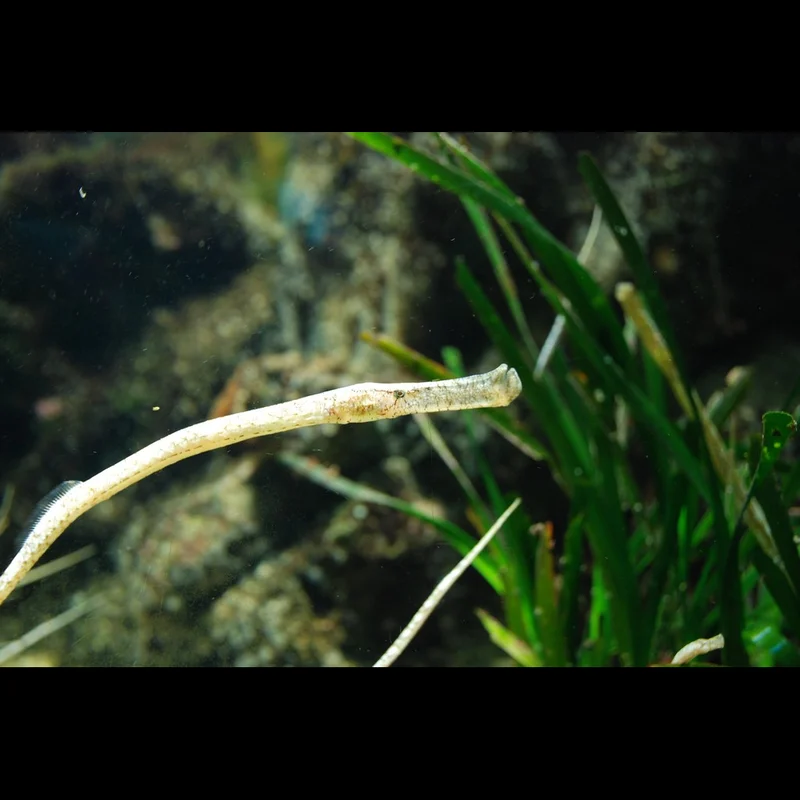
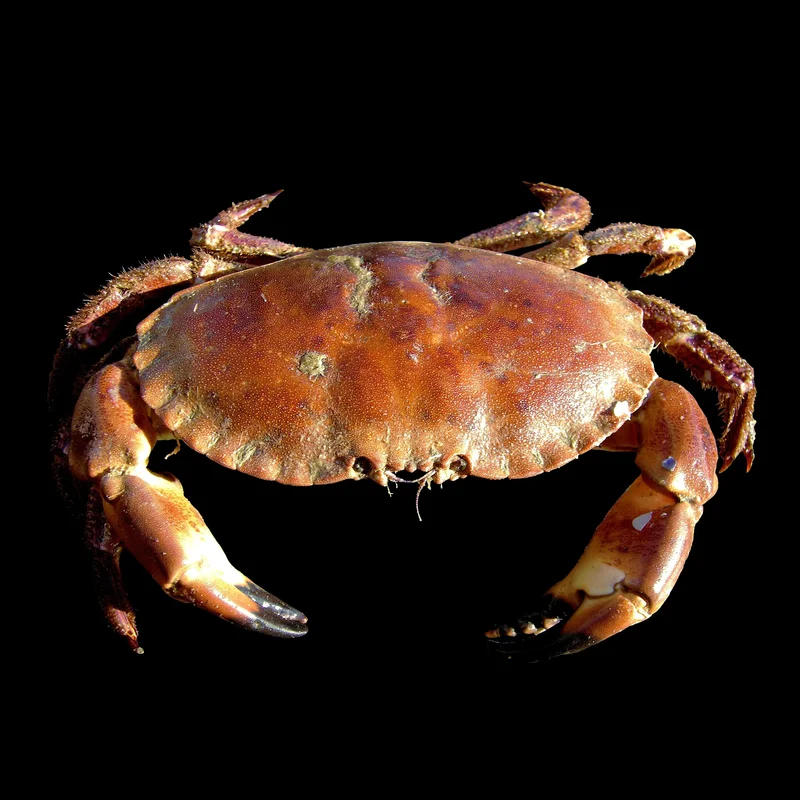
Surgeonfish, angelfish, bannerfish, and triggerfish are common, alongside parrotfish, trumpetfish, and the more camouflaged pipefish. Look closely for smaller creatures like shrimps, crabs, and starfish nestled among the soft and hard corals, fans, and whips.
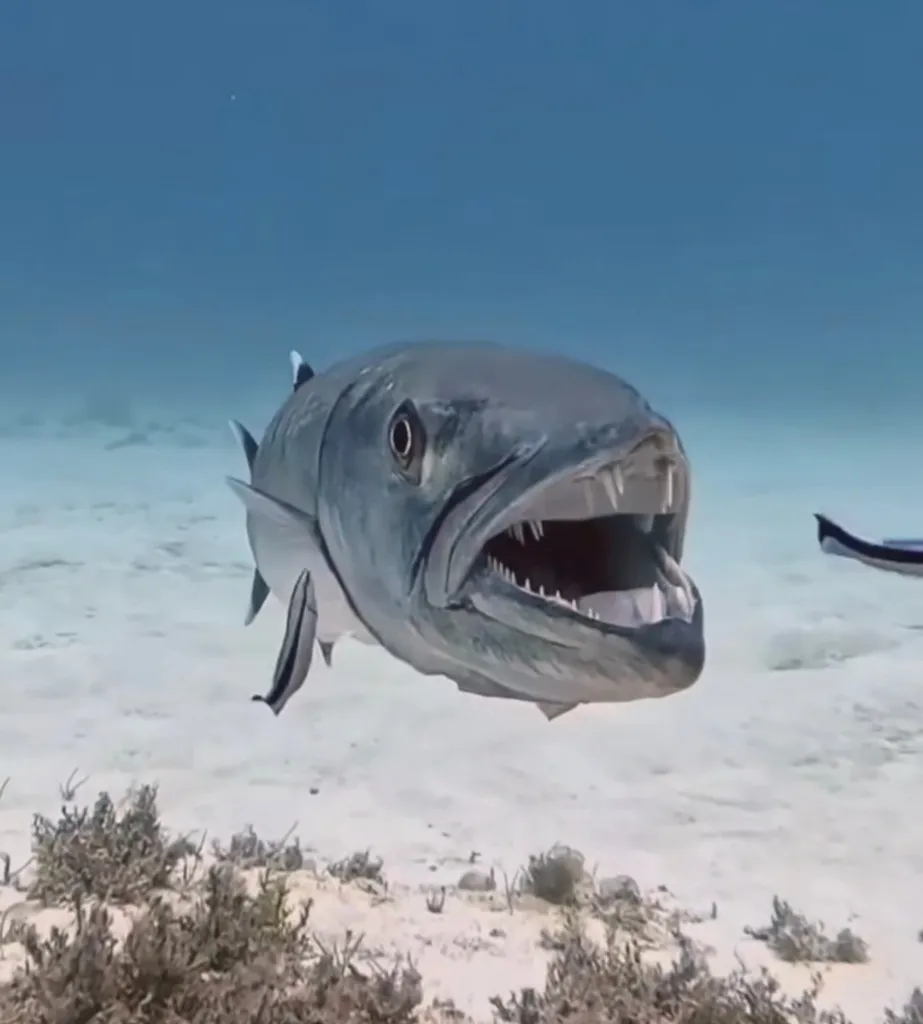
Occasionally, larger species like barracudas and leatherjacket fish might cruise past, adding to the site's rich biodiversity.
Dive Sites Near 3 Rocks
View all dive sites in Dominican RepublicDiscover more underwater gems in this area.
Dive Centers Near 3 Rocks
Today: 08:30 - 15:00
Nearest Airports
Nearest airports to help plan travel to this dive area.
Search Flights
Check available flights and routes on Expedia, using the nearby airports listed in this section.
Search Flights on ExpediaFrequently Asked Questions
What is the typical depth range at 3 Rocks?
The reported depth range at 3 Rocks is between 4.6 m and 7.3 m (15 and 24 ft). Its shallow profile makes it an excellent site for less experienced divers and snorkelers alike.
Is 3 Rocks suitable for beginner divers?
Yes, 3 Rocks is well-suited for beginner divers and even first-time divers. Its shallow depth and generally calm conditions create a very approachable environment for learning and enjoying the underwater world.
What kind of entry method is used for diving at 3 Rocks?
Entry to 3 Rocks is primarily by boat, as it's a short ride from the shore. This allows divers to access the site efficiently and directly over the key features.
What marine life can I expect to see at 3 Rocks?
Divers can expect to encounter a variety of reef fish, including scorpionfish, angelfish, parrotfish, and puffer fish. Look for smaller invertebrates like shrimps and crabs among the soft and hard corals. Larger species such as barracudas are also sometimes present.
Are there any specific hazards to be aware of while diving here?
The main hazard at 3 Rocks is boat traffic, as the area is also popular for snorkeling. Always use a surface marker buoy during ascents and maintain awareness of your surroundings at the surface.
Can snorkelers also enjoy this site?
Absolutely. The shallow depths and abundant marine life around the rocky features make 3 Rocks a popular and enjoyable spot for snorkelers, often sharing the area with divers.
Is any special training recommended for this site?
While 3 Rocks is beginner-friendly, PADI courses like Discover Scuba Diving, Underwater Naturalist, or Underwater Photographer can enhance your experience. These courses help divers better understand the environment and capture its beauty responsibly.
Planning to dive 3 Rocks?
Send one inquiry and receive offers directly from the best verified local dive operators.
Conditions are Good
Optimal conditions expected
Current conditions near 3 Rocks show 27° air, 29° sea temperature, 0.8 m waves, and 26 km/h wind. Forecast data is refreshed regularly to ensure accuracy.