
Diving in Dominican Republic
Dive conditions in Dominican Republic are influenced by local geography, resulting in noticeable differences between sites. 9 dive locations are currently indexed within Dominican Republic on our platform. The available data helps divers make more informed decisions.
A compelling combination of historical wrecks, intricate reef systems, and captivating geological formations defines the diving experience. This Caribbean nation presents a diverse underwater topography, appealing to various diver preferences from shallow coral gardens to dramatic wall dives and cave explorations. Its underwater landscape truly caters to a broad spectrum of interests.
Geographically, the country's Atlantic and Caribbean coasts offer distinct diving environments. The southeast coast, particularly around Bayahibe and Catalina Island, is frequently noted for its accessible sites and calm conditions, making it suitable for many skill levels. Meanwhile, areas like Punta Cana on the Atlantic side feature specific wreck diving opportunities, adding a historical dimension to the exploration.
Divers can anticipate encounters with a variety of marine life, including large pillar corals, elk corals, and substantial vase sponges at sites such as Isla Catalina Wall. The country's dive offerings are structured to welcome both beginners exploring gentle reefs and advanced divers navigating deeper walls and caverns, ensuring a fulfilling experience regardless of certification.
Dive Map of Dominican Republic
Dive sites are geographically distributed across the nation, with notable concentrations along its southern and eastern coasts, alongside specific areas in the north. The Caribbean side, particularly around Bayahibe, is frequently cited for its extensive diving opportunities and calm conditions.
Major destinations such as Punta Cana, La Romana, and Sosúa serve as key access points to these diverse underwater environments. From these hubs, divers can reach various sites.
Islands like Catalina Island and Saona Island, often accessed from the mainland, host some of the most prominent dive sites, including impressive walls and expansive reefs. The Samana Peninsula in the north also provides distinct experiences, further diversifying the country's underwater map.
Dive Sites to Explore
View all 9 sites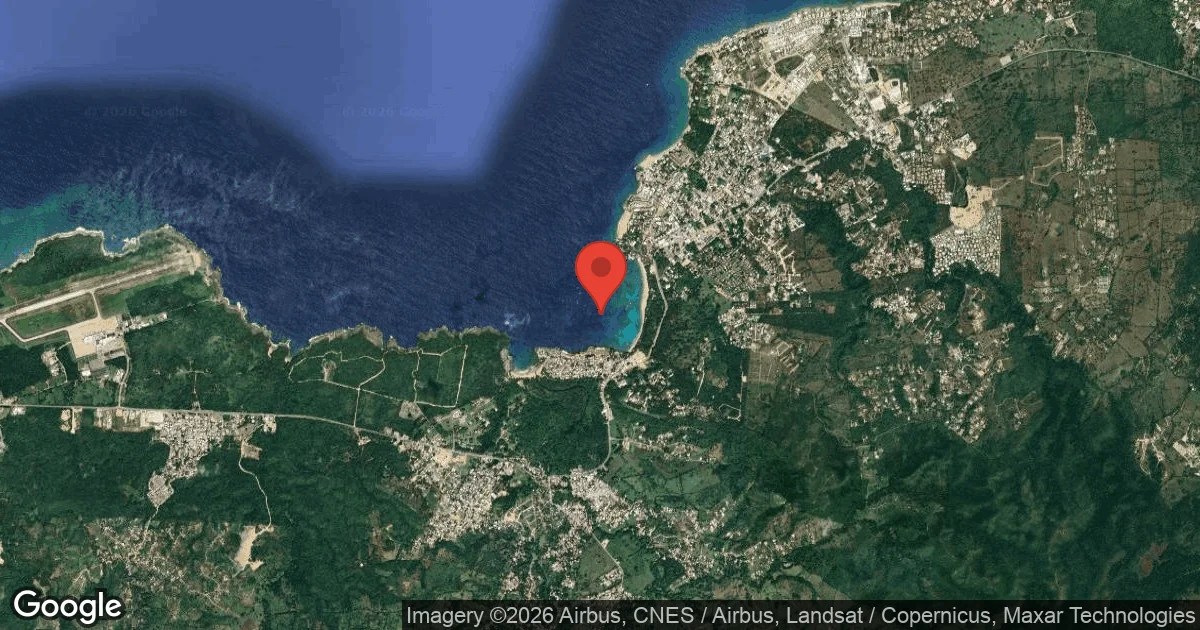
The Dominican Republic offers a diverse array of dive types, encompassing vibrant coral reefs, intriguing shipwrecks, and unique cave systems. Divers can explore a spectrum of underwater landscapes, from shallow, sheltered sites suitable for beginners to challenging deep walls and cavern penetrations. This variety ensures experiences for all certification levels.
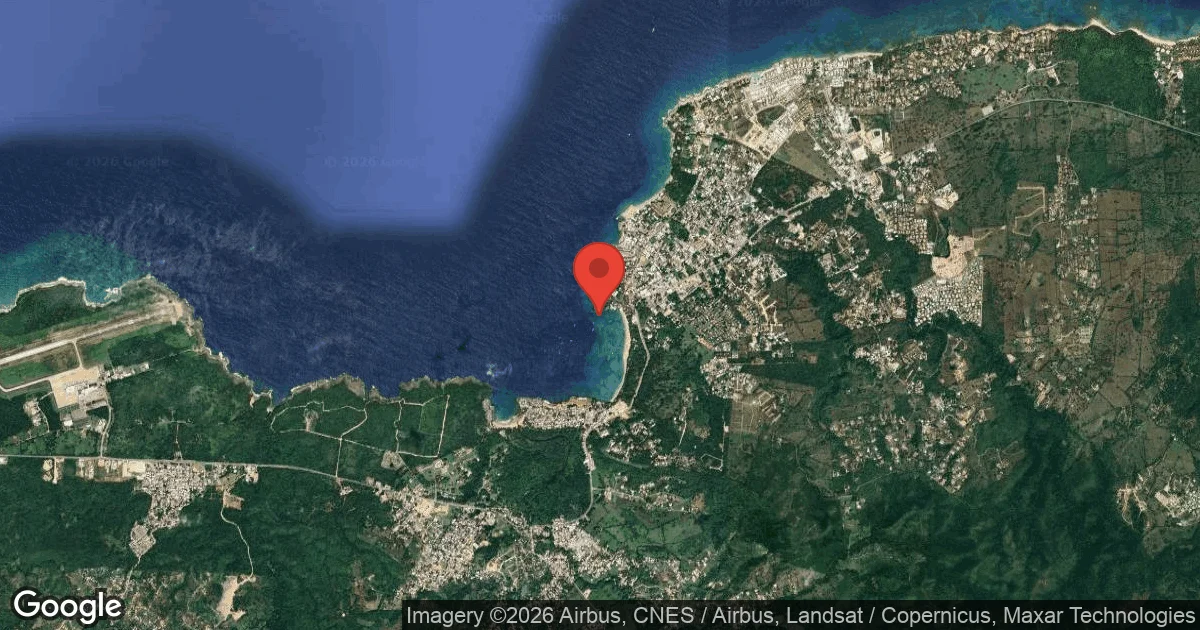
Among the notable sites, the St. George Wreck near Bayahibe stands out as a prominent artificial reef, attracting various marine life. For those seeking dramatic topography, Isla Catalina Wall offers an impressive vertical drop exceeding 100 meters (330 ft), featuring large pillar coral, healthy elk coral, and huge vase sponges. This site is suitable for advanced divers.
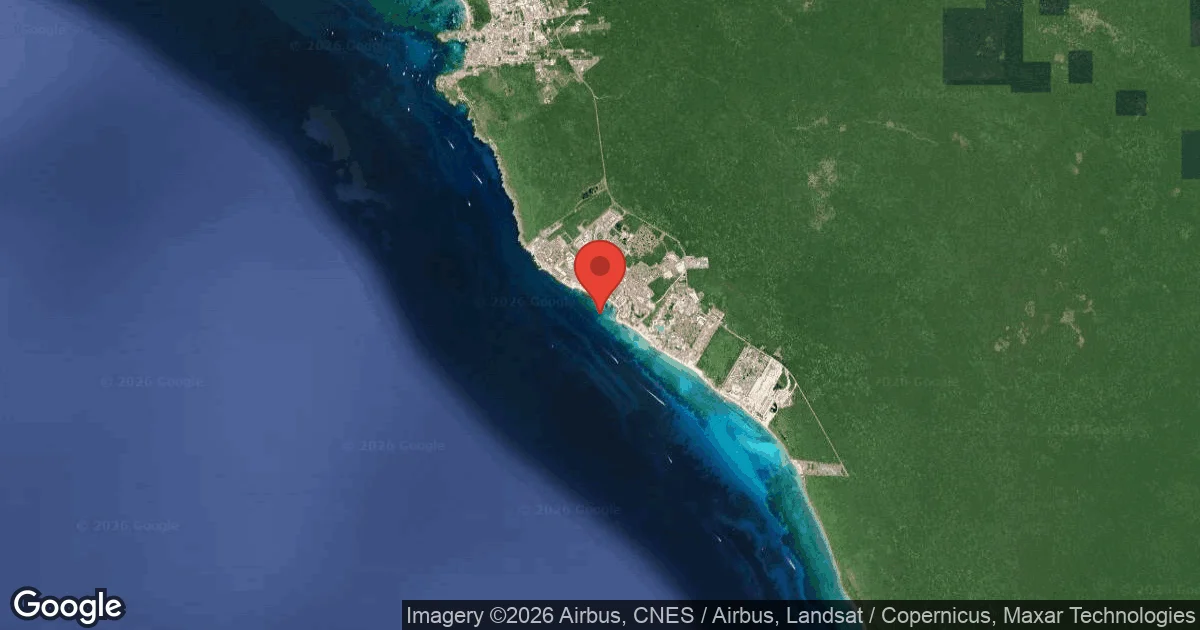
Peñon Reef, located within Cotubanamá National Park between Bayahibe and Saona Island, is a long, shallow coral reef ideal for extended bottom times and underwater photography. Another significant wreck is the Astron, a 300-foot-long Russian delivery ship that rests off Bávaro at approximately 15 meters (50 ft). For unique geological experiences, Chicho’s Cave near Bayahibe presents an underground spring environment with stalactites and stalagmites. The Airport Wall also offers a descent to 30 meters (100 ft) for advanced divers, further showcasing the country's diverse underwater offerings.
Best Time to Dive in Dominican Republic
The optimal period for diving in the Dominican Republic generally spans from November to May. During these months, the seas are typically calmer, and underwater visibility reaches its peak, providing clear conditions for exploration.
While this period is popular, scuba diving is possible year-round. The summer months, which run from June to November, bring warmer water temperatures and an increase in plankton, which can attract a greater diversity of marine life. However, this season also coincides with the hurricane season from June to October, which may lead to occasional storms.
For those specifically interested in marine mammal encounters, December to May is considered the best time for divers seeking humpback whales, particularly around the Silver Bank. The Atlantic side, including areas near Punta Cana and Bávaro, is best dived from April through September, as winter months can bring wind and choppier seas to that region. Conversely, the Caribbean side offers more consistently mild conditions.
Monthly Sea Temperatures
Seasonal variations in water temperature play a role in dive planning and equipment selection here. During the winter months, typically from December to May, sea temperatures generally range from 24-25°C (75-77°F). This period offers a refreshing yet comfortable environment for extended dives.
As the seasons transition into summer, from June to November, the water becomes noticeably warmer. Divers can expect temperatures to rise, reaching approximately 28-30°C (82-86°F). This consistent warmth means that many divers find a 3mm wetsuit perfectly adequate for most dives, or even just a rash guard, depending on personal preference and the dive's depth.
The year-round warmth ensures comfortable diving, but understanding these subtle shifts helps in selecting the right thermal protection. Whether it's the cooler winter currents or the balmy summer seas, the conditions are inviting for exploration.
| Jan | Feb | Mar | Apr | May | Jun | Jul | Aug | Sep | Oct | Nov | Dec | |
|---|---|---|---|---|---|---|---|---|---|---|---|---|
| Max | 28° | 27° | 27° | 28° | 28° | 29° | 30° | 30° | 30° | 30° | 29° | 28° |
| Avg | 27° | 26° | 26° | 27° | 27° | 28° | 29° | 29° | 29° | 29° | 29° | 28° |
| Min | 26° | 25° | 26° | 26° | 26° | 27° | 28° | 28° | 28° | 28° | 28° | 27° |
Dive Conditions
Underwater conditions generally feature good visibility, though specific measurements vary significantly by location and season. Visibility commonly ranges from 15 to 30 meters (50 to 100 ft) on most days, providing clear views of the marine landscape. During the warmer months, particularly in the Atlantic, water clarity can extend up to 30 meters (100 ft), offering expansive vistas for exploration.
However, local factors can influence water clarity; a nearby river, depending on recent rainfall and prevailing currents, may diminish visibility at some coastal sites. This makes understanding regional nuances important for optimal dive planning. Divers should inquire about local conditions when planning their trips, especially after heavy rains, to ensure the best possible experience.
Current strength is generally mild, especially along the south coast, which makes many sites suitable for beginner divers or those seeking relaxed experiences. Conversely, the winter season, spanning from mid-December to early March, is known to bring stronger currents and tides to certain areas. These more dynamic conditions can appeal to experienced divers looking for exhilarating drift opportunities and a different challenge.
Marine Life Highlights
Most Mentioned Species
Marine life in Dominican Republic varies across dive locations, with different species appearing depending on environment and conditions. The species highlighted here are the most frequently associated with dive sites in our data, offering a realistic overview of what divers are most likely to encounter.
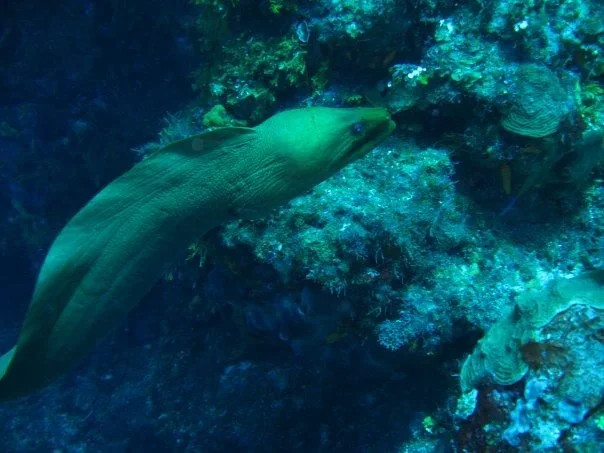
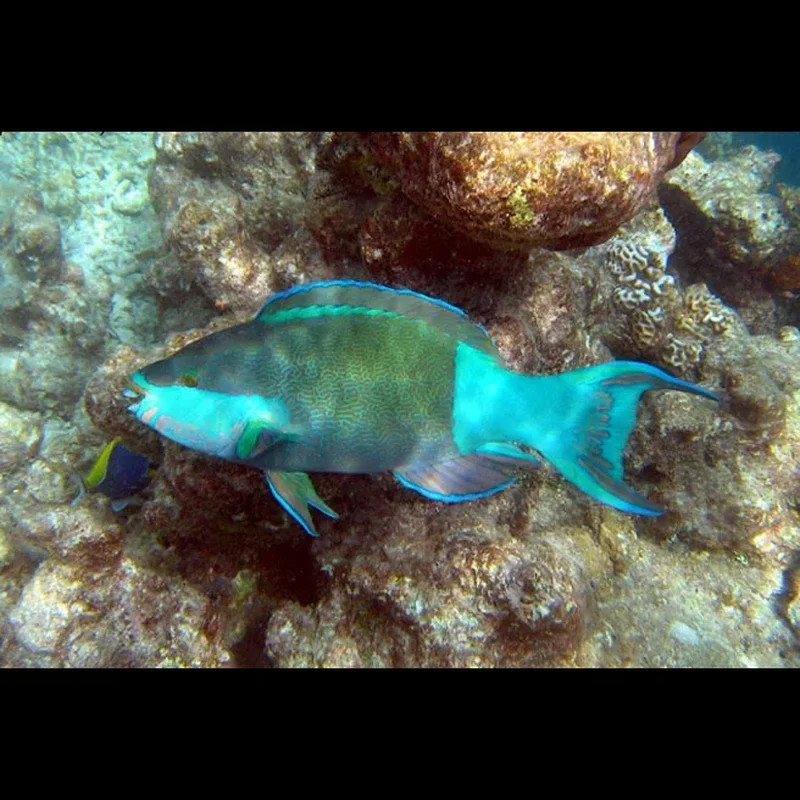
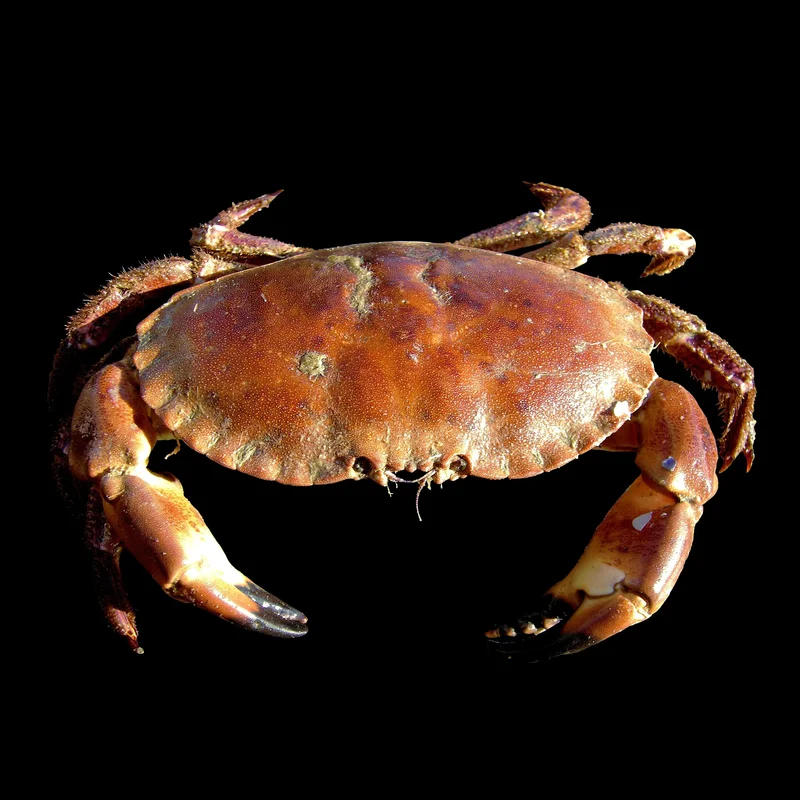
Divers can anticipate encounters with a variety of marine species across the country's reef and wreck sites. Coral formations include substantial pillar coral, healthy stands of elk coral, brain coral, and numerous sponges and sea fans. These intricate structures provide vital habitats for a diverse array of smaller creatures.
Reef residents commonly observed include schools of French grunts, sergeant majors, butterflyfish, parrotfish, angelfish, trumpet fish, and porcupine fish. Look closely into crevices for eels and moray eels, which are often found peeking from their sheltered spots. The vibrant ecosystem supports a continuous display of activity.
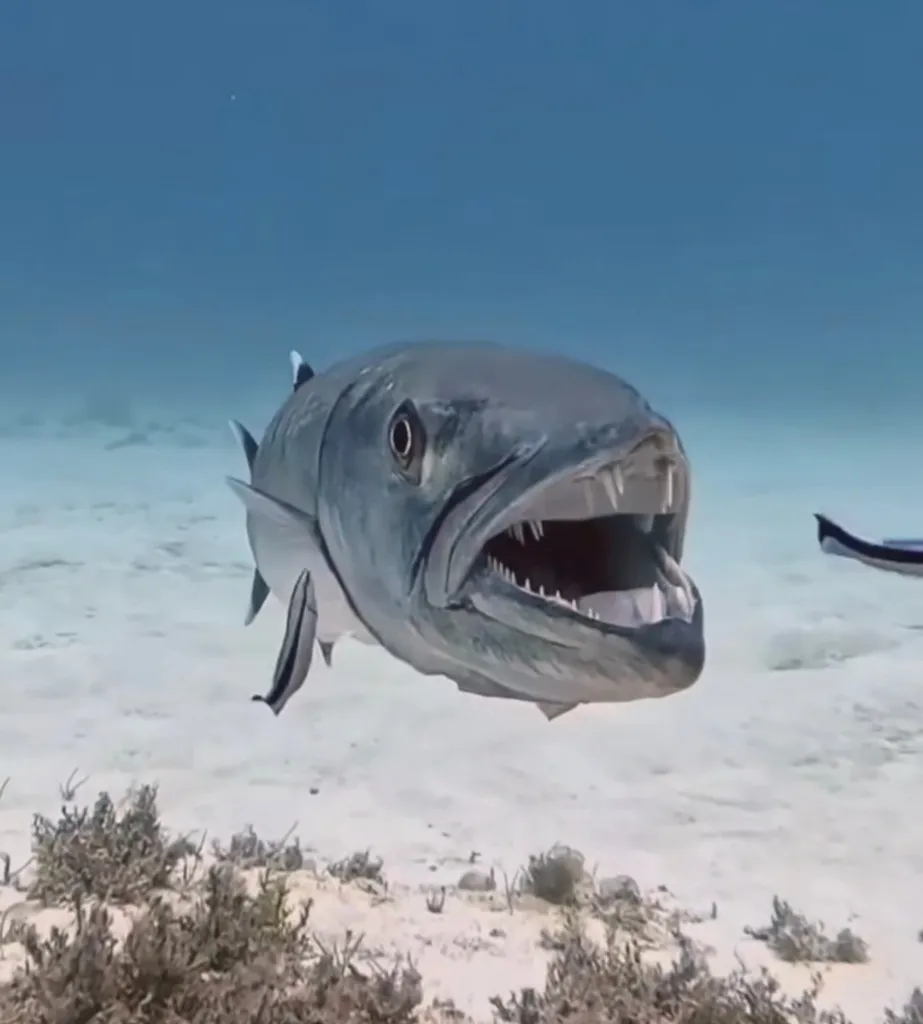
Larger pelagic species are also frequently spotted, such as eagle rays gliding gracefully, barracudas, and nurse sharks resting on the seabed. Green turtles and hawksbill turtles regularly frequent the reefs, particularly near nesting beaches. During the appropriate season, from January to March, observers can spot humpback whales, especially at the Silver Bank.
Regions for Diving
Diving in the Dominican Republic is concentrated in several key regions, each offering distinct characteristics and dive experiences. The southern coast, particularly around Bayahibe in La Altagracia province, is often considered a prime diving area due to its generally mild currents and accessible sites. This region provides easy access to Cotubanamá National Park and nearby Saona Island, where sites like Peñon Reef offer shallow coral exploration. Catalina Island, a short boat ride from La Romana, is another highlight of the south, featuring the impressive Catalina Wall with its deep drop-offs and large coral formations. Water temperatures here are consistently warm, ranging from 24-30°C (75-86°F), and visibility can reach 30 meters (100 ft).
On the eastern side, Punta Cana and Bávaro offer a different set of experiences, primarily known for wreck dives such as the Astron. Dive sites in Punta Cana are often less than 15 meters (50 ft) deep and a short boat ride from shore. The Atlantic side in this region is best dived from April through September when the seas are calmer, with visibility potentially reaching 30 meters (100 ft). Winter months may bring choppier conditions.
The northern coast, specifically around the Puerto Plata province and Sosúa, provides opportunities for deep-water diving amidst rocky formations. Sosúa Bay is home to the Atabey statue, adding an artistic element to dives. The Samana Peninsula, also in the north, is significant for whale encounters during the winter months. While general diving conditions are favorable year-round, specific regional conditions, like stronger winter currents in some areas, should be considered for planning.
Travel & Passport Guide
Travel Basics
Trip Planning
Safety & Diving Considerations
Planning a dive trip involves considering various practical aspects to ensure a safe and enjoyable experience. While many sites are accessible and suitable for different skill levels, being aware of local conditions is important. The south coast typically features mild currents, which are conducive for beginners or those seeking relaxed dives.
However, during the winter months, from mid-December to early March, some areas can experience stronger currents and tides. These conditions may require more advanced diving skills and experience, making site selection crucial for diver safety and comfort.
For specialized dives, such as cavern diving in locations like Chicho’s Cave or other underground springs, it is highly recommended to engage with qualified dive centers. These operators possess the necessary technical qualifications and expertise for navigating overhead environments. Always dive with a reputable operator, ensure your personal and rental equipment is in good condition, and adhere strictly to local dive regulations and safety protocols. Understanding the seasonal variations in currents and sea conditions will help divers select appropriate sites and times for their planned activities, maximizing both enjoyment and safety.
Dive Centers in Dominican Republic
View all 29 dive centers

Frequently Asked Questions
What is the best time of year to dive in the Dominican Republic?
The best time for scuba diving in the Dominican Republic is from November to May, when seas are calmer and underwater visibility is at its best. However, diving is possible year-round, with summer months offering warmer water and increased plankton, which can attract more marine life.
What are the typical water temperatures for diving?
Water temperatures in the Dominican Republic are consistently warm throughout the year, providing comfortable diving conditions. During the winter months (December to May), temperatures are around 24-25°C (75-77°F). In the summer (June to November), temperatures rise to about 28-30°C (82-86°F). This consistent warmth means that divers often find a 3mm wetsuit or even a rash guard sufficient for most dives, depending on personal preference and depth.
What kind of marine life can I expect to see?
Divers can encounter a range of marine life including pillar coral, elk coral, sponges, sea fans, French grunts, butterflyfish, parrotfish, and eels. Larger species like eagle rays, barracudas, nurse sharks, and sea turtles are also frequently observed. Humpback whales can be seen from January to March.
Where are the main diving regions?
Key diving regions include the southern coast around Bayahibe and La Romana, which offers access to Catalina Island and Cotubanamá National Park. The eastern coast around Punta Cana and Bávaro is known for wreck diving. The northern coast near Puerto Plata and Sosúa provides deep-water and rocky formation dives.
What are the general dive conditions like?
Visibility typically ranges from 15 to 30 meters (50 to 100 ft). Currents are generally mild, especially on the south coast, making it suitable for all levels. However, winter months can bring stronger currents to some areas. Visibility can sometimes be reduced by nearby river outflow.