
Diving at Tres Rocas (Ecuador)
Approaching Tres Rocas reveals a distinct underwater landscape, inviting divers into its unique environment. This site presents a fascinating reef and wall dive, making it accessible for certified divers to explore its formations. Its structure provides a compelling experience, with a maximum depth of 15 m (50 ft) that caters well to recreational diving limits. Divers can anticipate encountering diverse marine life within its compelling geological features.
As evening covers Tres Rocas, the local air temperature is measured at 26°C. The current wave height at the surface is recorded at 1.4 m. These late-day readings characterize the surface conditions for the night.
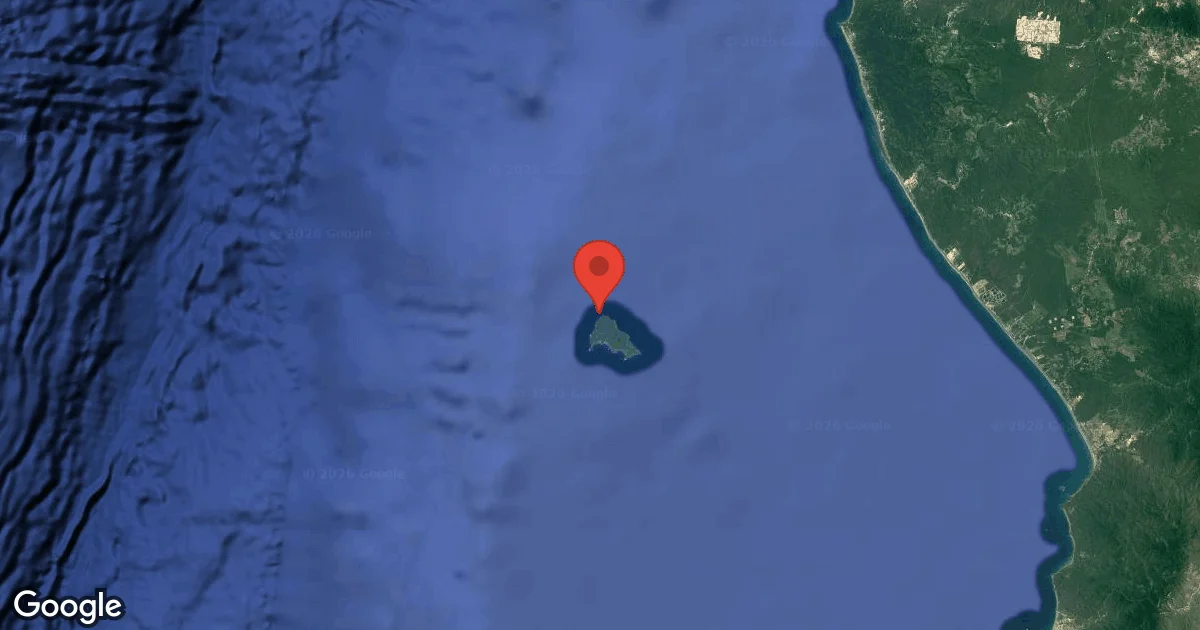
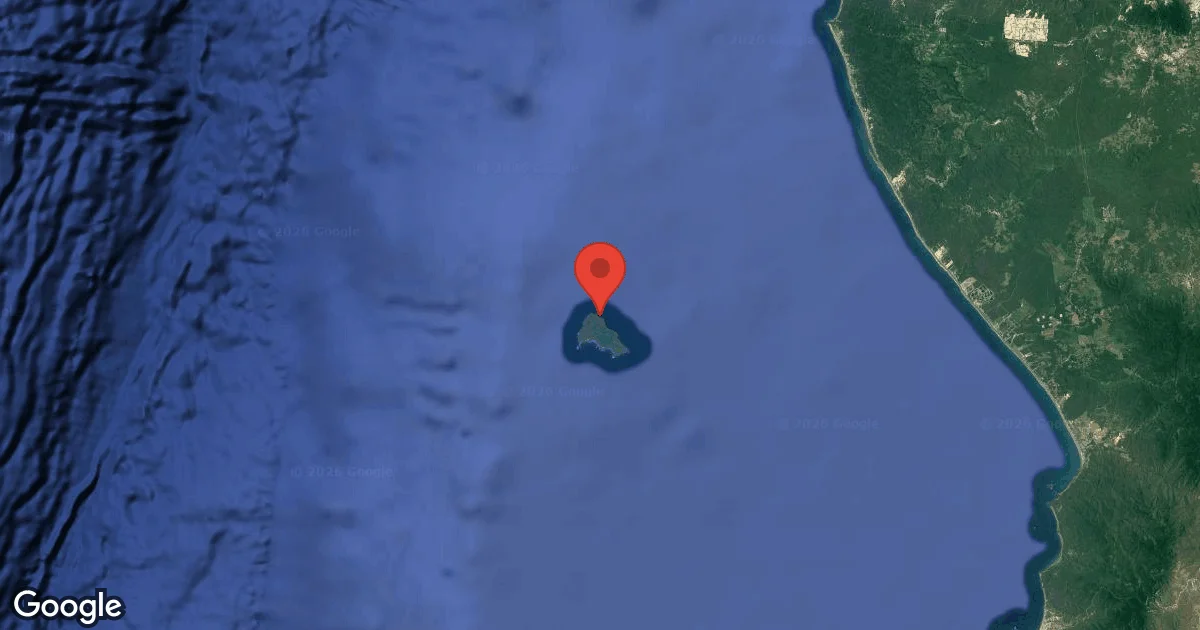
Dive Site Location & Key Facts
Dive Site Overview
Exploring Tres Rocas begins with a descent along a notable wall, which gracefully leads divers down to 15 m (50 ft). This initial section serves as a vibrant backdrop before the topography transitions into three substantial rock formations.
These formations are more than just geological features; they act as crucial habitats, anchoring a dynamic underwater ecosystem. Large schools of pelagic fish routinely swirl around these structures, finding refuge and sustenance. Mobulas are often observed navigating the currents around the site, showcasing their elegant movements.
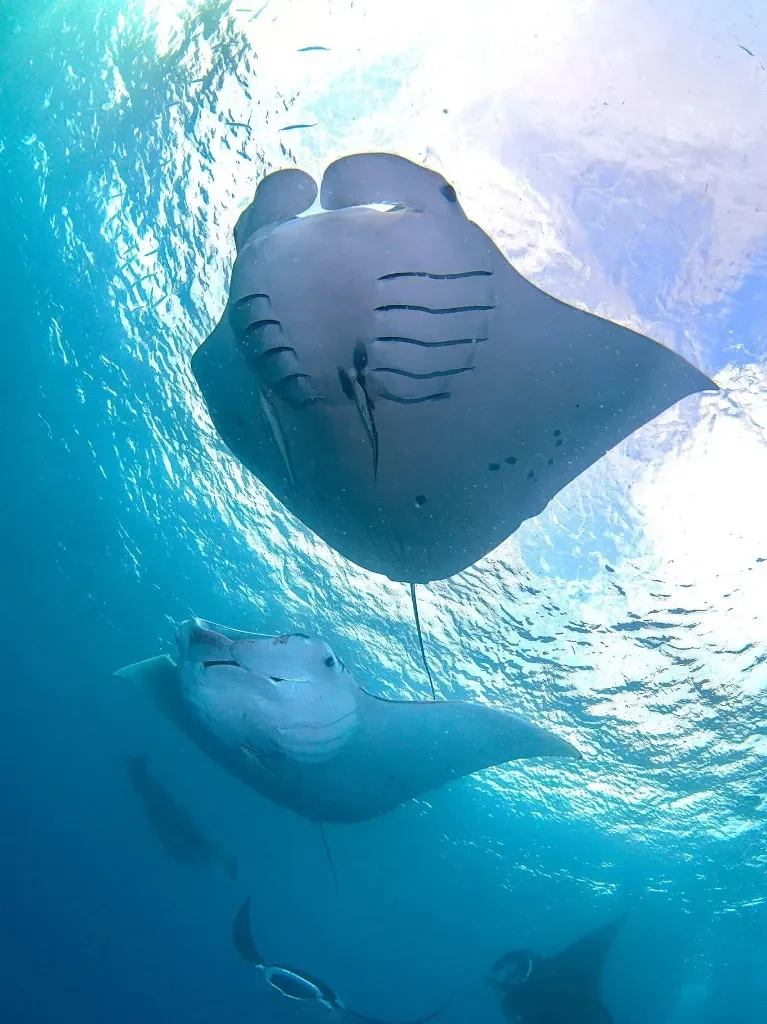
During peak season, the significance of Tres Rocas deepens considerably as it transforms into an oceanic manta ray cleaning station. Observing these majestic creatures interacting with cleaner fish, a vital natural behavior, provides a rare opportunity for divers.
The unique combination of a distinct wall and prominent rock reefs creates a multifaceted exploration, appealing to divers who appreciate both the intricate details of macro life within the crevices and expansive encounters with larger pelagic species. Site structure encourages careful observation of diverse inhabitants, from the smallest cleaner shrimp to the largest passing rays, making each dive feel distinct.
Conditions are Good
Optimal conditions expected
Current conditions near Tres Rocas show 26° air, 27° sea temperature, 1.3 m waves, and 21 km/h wind. Forecast data is refreshed regularly to ensure accuracy.
Best Time to Dive
Considering optimal dive conditions, the period from December to May generally presents warmer water temperatures, making it a prime time for oceanic manta ray and hammerhead shark sightings. Air temperatures during these months average around 25-26°C (77-79°F), though daily rain showers and cloudy skies might occur. For those seeking whale sharks, June to November is often preferred, as the Humboldt current brings cooler waters and an abundance of plankton. Air temperatures during this cooler period range from approximately 22-24°C (72-75°F), accompanied by occasional showers. Dive scores typically remain good to moderate throughout the year, with wave heights averaging 1.2-1.6 meters (4-5 feet) and wind speeds generally between 16-26 km/h (10-16 mph) depending on the month.
PEAK SEASON SCORE
Scores combine air & water temps, waves, wind & rainfall for overall conditions.
BEST MONTHS TO DIVE
Monthly records compiled from satellite and marine observation nodes over the last 3 years. Data provided by Open-Meteo and MET Norway.
Dive Experience & Conditions
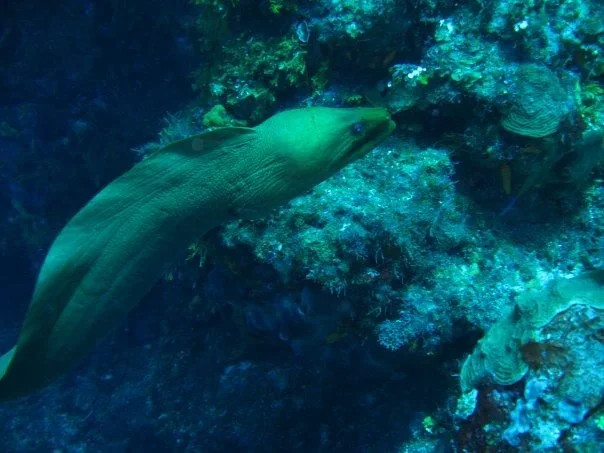
Descending at Tres Rocas, divers often perceive a gentle environment, with reports indicating typically little current, though conditions can always vary. Visibility here fluctuates; while the presence of cleaning stations suggests nutrient-rich waters that might occasionally reduce clarity due to plankton, clear days offer extensive views of the rock formations. The wall section goes down to around 15 m (50 ft), providing ample opportunity to observe giant moray eels within their rocky crevices. Exploring the three prominent rock formations, divers should pay attention to the diverse schools of fish congregating around these structures, adapting their buoyancy for optimal observation.
Dive Difficulty & Safety Guidelines
Navigating Tres Rocas safely requires an awareness of its underwater topography, which includes a distinct wall and several large rock formations. The site's max depth of 15 m (50 ft) generally keeps it within recreational diving limits. While currents are usually described as light, it's always prudent for divers to monitor local conditions and discuss any recent changes with their dive operator.
Maintaining proper buoyancy control is essential, particularly when exploring the rock formations and observing marine life, to avoid disturbing the delicate ecosystem. Divers should remain attentive to their air consumption and no-decompression limits, especially during extended bottom times at the cleaning station.
Recommended Equipment
- Dive Computer
This gear list is based on verified equipment signals for Tres Rocas, Ecuador. Always confirm final gear choices with your dive operator, guide, or liveaboard.
Recommended Dive Suit
For dives of average duration, 2-3mm shorty or light wetsuit usually provides sufficient protection from heat loss. Consider warmer surface protection (like a boat coat) due to brisk winds.
Divers entering the water at Tres Rocas today can expect temperatures near 27°C (81°F) beneath the surface. Surface air temperatures are resting at 26°C (79°F).
Weather projections show fairly stable environmental conditions ahead.
Emergency & Medical Support
Essential information to help you plan your dive trip to Tres Rocas.

Hyperbaric chambers are a critical part of dive safety infrastructure. Availability varies significantly by region, and not all dive areas have immediate access.
Before diving, it's recommended to:
- confirm nearest medical facilities
- check emergency procedures with local dive operators
- ensure dive insurance covers evacuation if required
Divers Alert Network
Diving emergency assistance available through DAN World.
+1-919-684-9111- 24/7 emergency hotline
- Diving medical assistance
- Evacuation coordination
Emergency contacts are provided for reference. Always verify local emergency services before diving.
Marine Life at Tres Rocas
The diverse ecosystem around Tres Rocas hosts an array of captivating marine life, making each dive a discovery. Giant moray eels commonly inhabit the rock formations, peeking from their crevices.
Divers can frequently observe large schools of pelagic fish, creating dynamic underwater spectacles. During specific seasons, the site becomes a crucial cleaning station, attracting impressive oceanic manta rays.
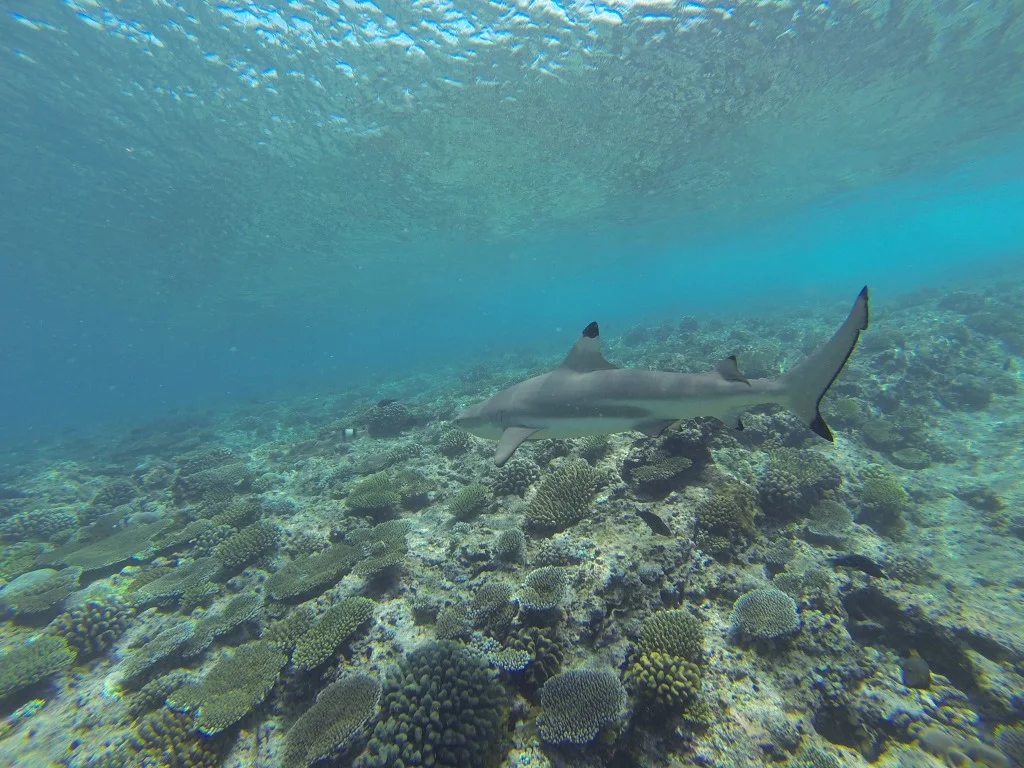
Mobulas are also known to pass through, adding to the pelagic encounters. Depending on the season, sightings might include various sharks, turtles, and different ray species, contributing to a rich dive experience.

Dive Sites Near Tres Rocas
View all dive sites in EcuadorDiscover more underwater gems in this area.
Dive Centers Near Tres Rocas
No Dive Centers Local To Tres Rocas
Are you a dive center visiting this location? Get listed to reach divers.
Nearest Airports
Nearest airports to help plan travel to this dive area.
Search Flights
Check available flights and routes on Expedia, using the nearby airports listed in this section.
Search Flights on ExpediaFrequently Asked Questions
What is the maximum depth at Tres Rocas?
Tres Rocas features a wall that descends to a maximum depth of 15 meters (50 feet), making it suitable for most recreational divers. Shallower sections are also available for exploration.
What marine life can I expect to see at Tres Rocas?
Divers often encounter giant moray eels, large schools of fish, and mobulas. In high season, it acts as an oceanic manta ray cleaning station, offering chances to see these animals up close. Various sharks and turtles are also common.
Are there strong currents at Tres Rocas?
Currents at Tres Rocas are generally reported as light. However, as with any ocean dive, conditions can vary, so it's wise to consult with local dive operators for the most current information.
What kind of dive site is Tres Rocas?
Tres Rocas is categorized as both a reef and wall dive. It features a small wall leading to three significant rock formations, offering a diverse underwater landscape.
When is the best time to see manta rays at Tres Rocas?
The peak season for observing oceanic manta rays at their cleaning station is typically from December to May. Water temperatures are generally warmer during this period.
What are the water temperatures like at Tres Rocas?
Water temperatures vary seasonally, generally warmer from December to May and cooler from June to November. While specific degrees are not consistently reported, divers should be prepared for these seasonal shifts.
Planning to dive Tres Rocas?
Send one inquiry and receive offers directly from the best verified local dive operators.
Conditions are Good
Optimal conditions expected
Current conditions near Tres Rocas show 26° air, 27° sea temperature, 1.3 m waves, and 21 km/h wind. Forecast data is refreshed regularly to ensure accuracy.