
Diving at Bahia Drake - Isla de la Plata (Ecuador)
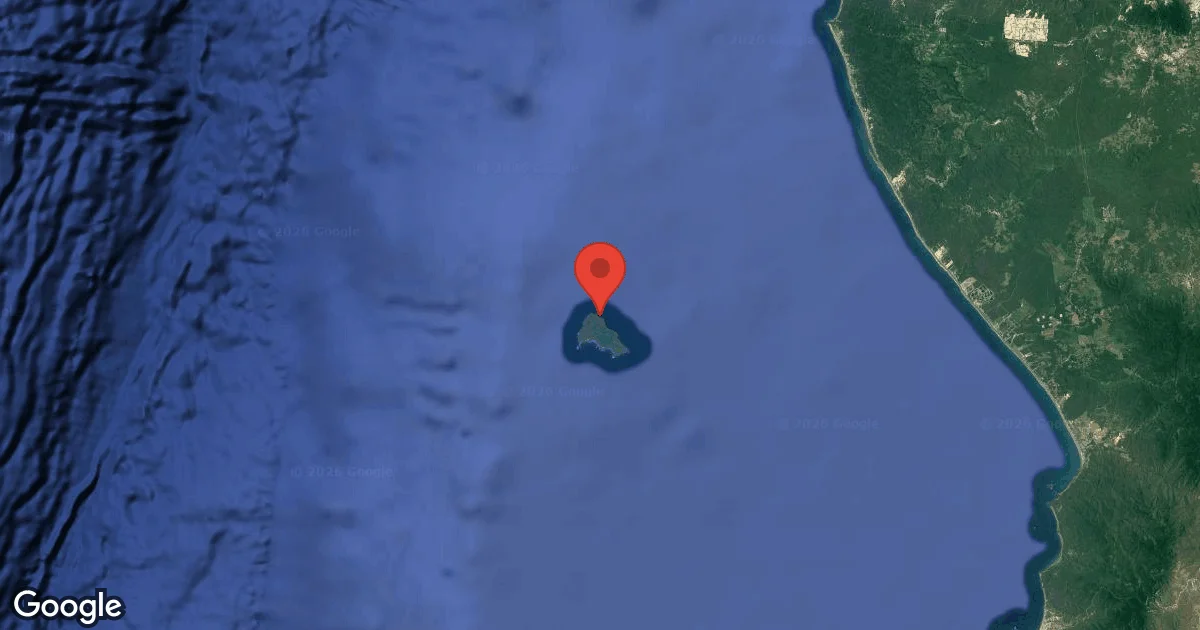
Encompassing a dynamic marine ecosystem, Isla de la Plata lies within the Machalilla National Park, roughly 7 km² (2.7 sq mi) in size. Often dubbed the “Galápagos de los Pobres,” or "Poor Man's Galápagos," this destination presents a remarkable biodiversity and diverse landscapes, making it a compelling dive and exploration site off the coast of Bahia Drake, Ecuador. Its natural allure draws divers seeking a vibrant underwater experience.
As evening covers Bahia Drake - Isla de la Plata, the local air temperature is measured at 26°C. The current wave height at the surface is recorded at 1.4 m. These late-day readings characterize the surface conditions for the night.
Dive Site Location & Key Facts
Dive Site Overview
Beyond its moniker as the 'Poor Man's Galápagos,' Isla de la Plata invites divers into a unique underwater narrative. The island, often translated as 'Silver Island,' carries a legend of Sir Francis Drake's concealed treasure.
Its alternative naming explanation, derived from the distinctive white streaks left by nesting blue-footed boobies on the rocks, adds another layer of intrigue. Diverse dive sites ring the island, each presenting distinct challenges and attractions. For instance, Tres Rocas caters to recreational depths suitable for Open Water certification, exploring varied reef structures.
La Roca Honda, a site for more experienced divers, delves into deeper water, reaching its maximum depth of 30 m (100 ft). El Pináculo tests navigation skills with its consistently strong currents, making it a notable spot for drift diving.
Shallower explorations at sites like El Acuario offer vibrant coral reef formations, including intricate brain, horn, and savanna corals that thrive in the sunlight. This destination truly merges historical whispers with rich marine biology, creating an engaging experience below the surface, from its sandy bottom areas to more dramatic coral walls.
Conditions are Good
Optimal conditions expected
Current conditions near Bahia Drake - Isla de la Plata show 26° air, 28° sea temperature, 1.2 m waves, and 23 km/h wind. Forecast data is refreshed regularly to ensure accuracy.
Best Time to Dive
Planning a dive trip depends heavily on what conditions you prioritize. The warmer season, from January to June, generally offers air temperatures ranging from 25.5-26.5°C (78-80°F) in the earlier months, with external data showing averages climbing to 27-32°C (81-90°F) during this period. Water temperatures are typically between 23-28°C (73-82°F) with visibility often peaking at 10-25 m (33-82 ft). Conversely, the cooler, cloudier season from June to December experiences air temperatures from 23-24.5°C (73-76°F) and water temperatures of 20-25°C (68-77°F); during these months, visibility usually falls between 7-20 m (23-75 ft). Notably, humpback whales are a bonus spectacle during boat journeys from June to September.
PEAK SEASON SCORE
Scores combine air & water temps, waves, wind & rainfall for overall conditions.
BEST MONTHS TO DIVE
Monthly records compiled from satellite and marine observation nodes over the last 3 years. Data provided by Open-Meteo and MET Norway.
Dive Experience & Conditions
Navigating the dive sites around Isla de la Plata presents varied experiences depending on the chosen location. Dive types range from Open Water suitable depths to more advanced deep and current dives. At sites like Tres Rocas, divers can expect low-to-medium currents, exploring depths between 17-25 m (56-82 ft). La Roca Honda can sometimes present strong currents as divers descend to its maximum depth of 30 meters. For those seeking drift challenges, El Pináculo consistently features strong currents. Shallower sections like El Acuario, with a maximum depth of around 12 meters, offer vibrant coral reefs and calmer conditions. A typical dive duration is around 45 minutes, with a recommended one-hour surface interval on the boat.
Dive Difficulty & Safety Guidelines
Ensuring a safe and enjoyable dive at Isla de la Plata necessitates engaging with accredited local diving schools. These centers, primarily operating from Puerto Lopez, provide experienced divemasters and manage boat transportation. Diver responsibility includes adhering to all Machalilla National Park regulations and paying the associated fees.
Given the potential for strong currents at certain sites, divers should assess their skill level and consider dives appropriate for their certification. Always prioritize clear communication with your dive guide and follow their instructions to navigate conditions safely.
Recommended Equipment
- Dive Computer
This gear list is based on verified equipment signals for Bahia Drake - Isla de la Plata, Ecuador. Always confirm final gear choices with your dive operator, guide, or liveaboard.
Recommended Dive Suit
Divers visiting Bahia Drake - Isla de la Plata today can expect water conditions around 28°C (82°F). Surface air temperatures are resting at 26°C (79°F).
Many divers choose 2-3mm shorty or light wetsuit when diving in similar conditions. A hood or vest is suggested for sensitive divers due to surface winds.
Short-term weather patterns suggest stable conditions for divers visiting the area.
Emergency & Medical Support
Essential information to help you plan your dive trip to Bahia Drake - Isla de la Plata.

Hyperbaric chambers are a critical part of dive safety infrastructure. Availability varies significantly by region, and not all dive areas have immediate access.
Before diving, it's recommended to:
- confirm nearest medical facilities
- check emergency procedures with local dive operators
- ensure dive insurance covers evacuation if required
Divers Alert Network
Diving emergency assistance available through DAN World.
+1-919-684-9111- 24/7 emergency hotline
- Diving medical assistance
- Evacuation coordination
Emergency contacts are provided for reference. Always verify local emergency services before diving.
Marine Life at Bahia Drake - Isla de la Plata
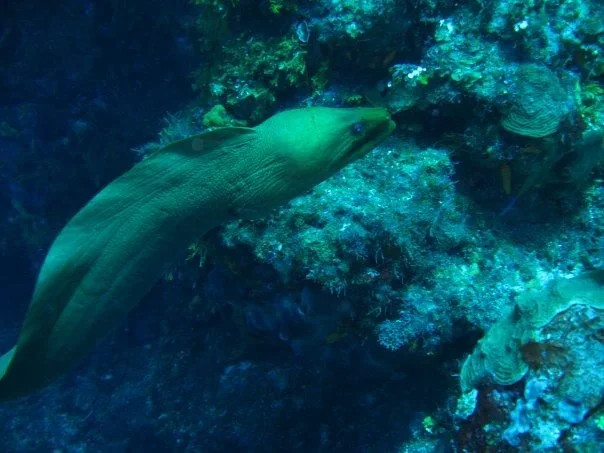
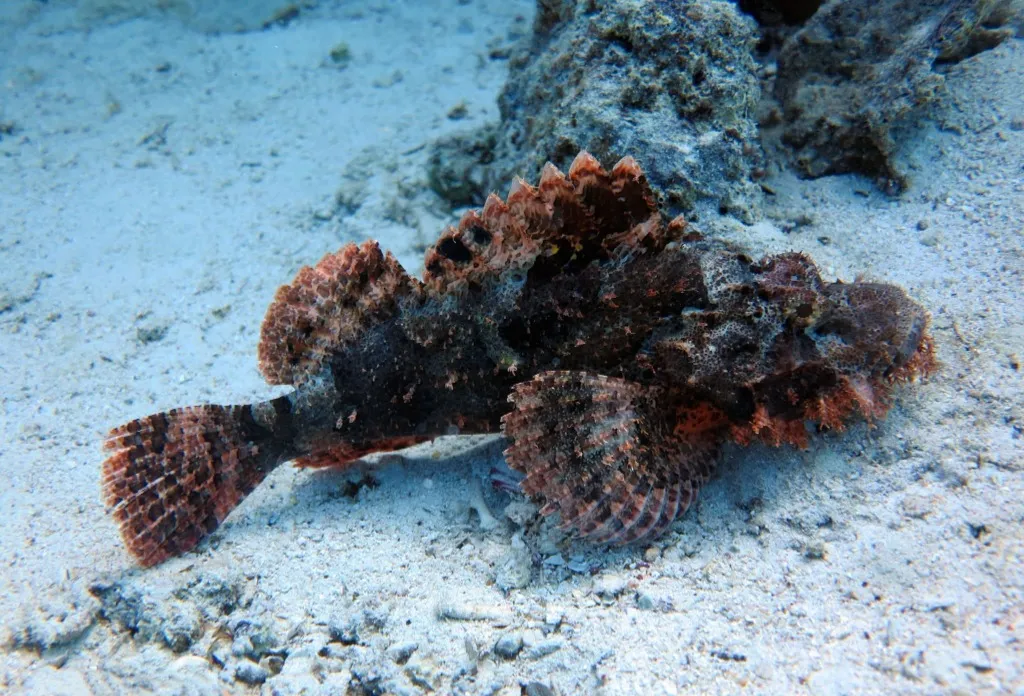
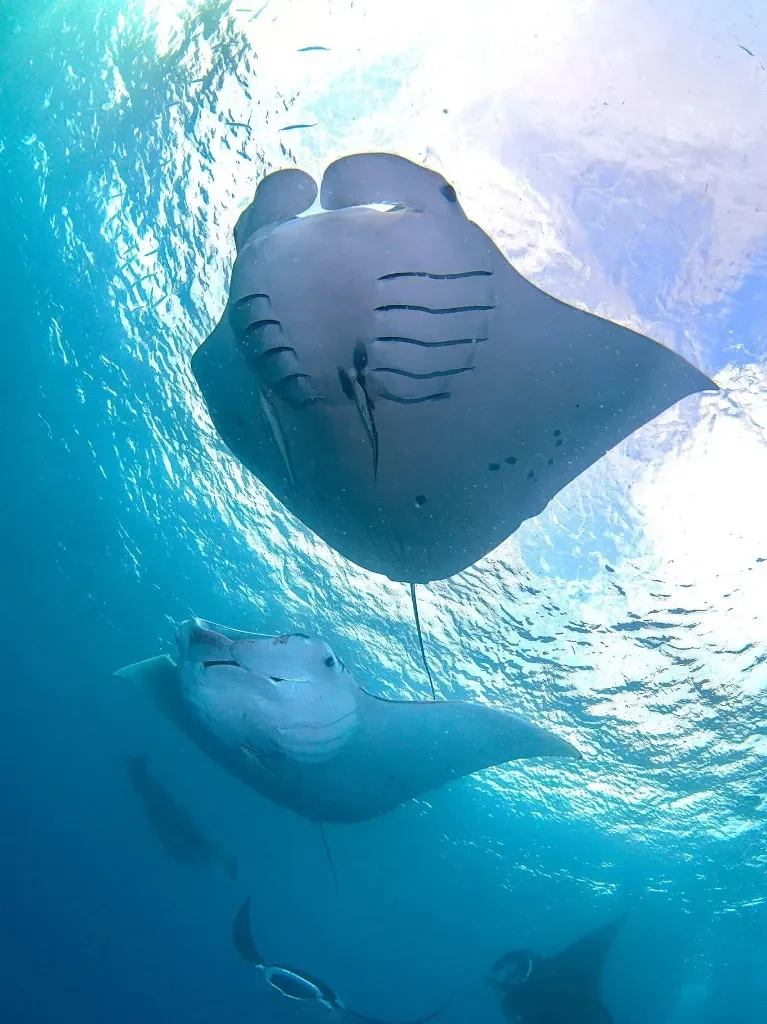
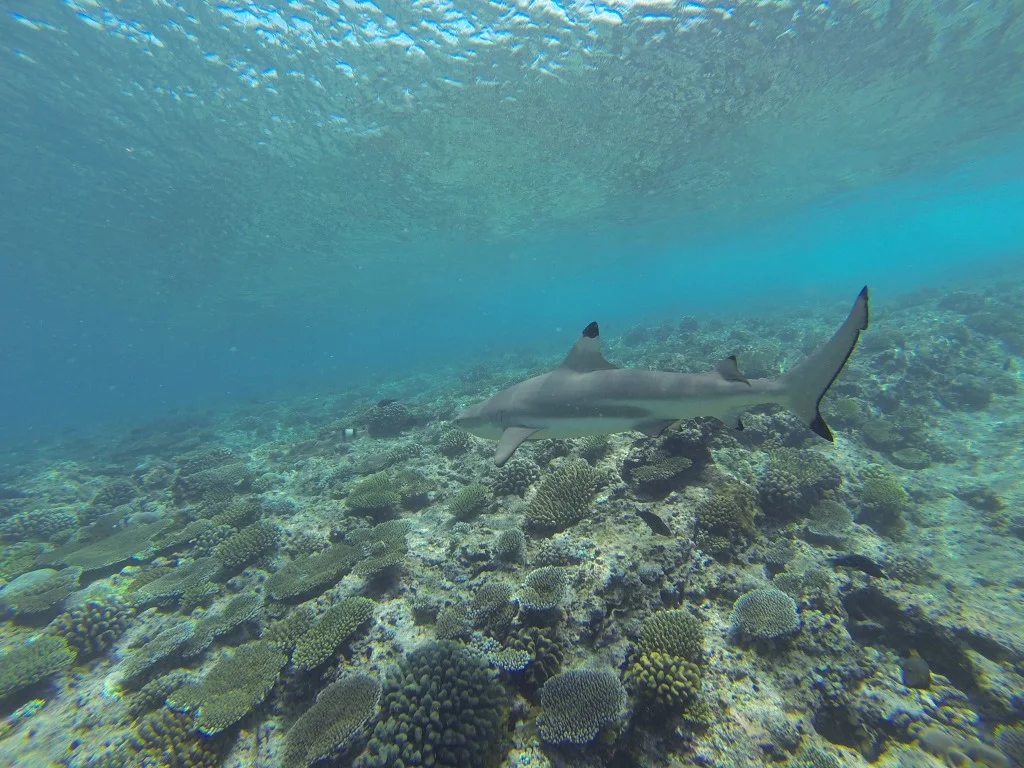
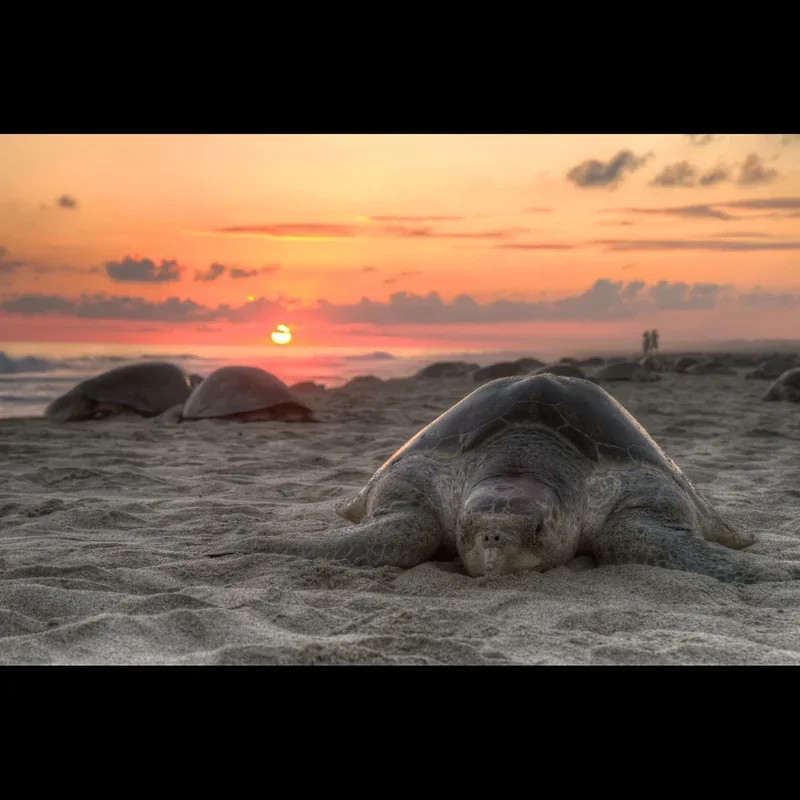
Diving here reveals an impressive diversity of marine inhabitants. Encounters often include a variety of tropical fish, sea turtles, and occasional sightings of sharks and majestic manta rays.
Exploring the reefs, divers might spot pufferfish, devil scorpionfish, triggerfish, and flutefish. Notably, the vibrant zebra moray eel, small stingrays, and miniature 'Christmas trees' also populate these waters.
Above the surface, the island is home to significant seabird colonies, including the captivating blue-footed boobies and frigatebirds, adding another layer to the island's rich biodiversity. During specific seasons, breaching humpback whales can be observed on the journey to and from the island.
Dive Sites Near Bahia Drake - Isla de la Plata
View all dive sites in EcuadorDiscover more underwater gems in this area.
Dive Centers Near Bahia Drake - Isla de la Plata
No Dive Centers Local To Bahia Drake - Isla de la Plata
Are you a dive center visiting this location? Get listed to reach divers.
Nearest Airports
Nearest airports to help plan travel to this dive area.
Search Flights
Check available flights and routes on Expedia, using the nearby airports listed in this section.
Search Flights on ExpediaFrequently Asked Questions
What is Isla de la Plata known for?
Isla de la Plata is often called the 'Galápagos de los Pobres' due to its remarkable biodiversity, which rivals that of the Galápagos Islands. It's also known for its vibrant bird colonies, especially blue-footed boobies.
What are the common dive sites around Isla de la Plata?
Popular dive sites include Tres Rocas, La Roca Honda, El Pináculo, and El Acuario. Each site offers a different experience, from deep dives and strong current dives to shallower coral reef explorations.
When is the best time to see humpback whales?
Humpback whales are a special attraction during the journey to Isla de la Plata. They are typically seen breaching between June and September.
What are the typical water temperatures for diving?
Water temperatures fluctuate seasonally. During the warmer period of January to June, divers can expect temperatures between 23 to 28 degrees Celsius, approximately 73 to 82 degrees Fahrenheit. Cooler months from June to December see temperatures in the range of 20 to 25 degrees Celsius, around 68 to 77 degrees Fahrenheit.
How do I arrange a dive trip to Isla de la Plata?
It's essential to contact a certified diving school, with most operations departing from Puerto Lopez. Companies like Mares Ecuador, Native Diving Center, Machalilla Tours, and Exploramar Diving are recommended options for organizing your dives.
What kind of marine life can I expect to encounter?
Divers often see tropical fish, sea turtles, sharks, and manta rays. Specific sightings can include pufferfish, devil scorpionfish, triggerfish, flutefish, stingrays, and zebra moray eels amidst diverse coral formations.
What is the historical significance behind the island's name?
Isla de la Plata, or 'Silver Island,' is linked to the legend of Sir Francis Drake's hidden Spanish treasure from 1579. Another local theory suggests the name might come from the white streaks left on the rocks by the droppings of blue-footed boobies.
What are the general visibility conditions?
Visibility is subject to seasonal changes. From January to June, conditions often provide good viewing, typically ranging from 10 to 25 meters. In contrast, the period from June to December usually offers visibility between 7 and 20 meters.
Planning to dive Bahia Drake - Isla de la Plata?
Send one inquiry and receive offers directly from the best verified local dive operators.
Conditions are Good
Optimal conditions expected
Current conditions near Bahia Drake - Isla de la Plata show 26° air, 28° sea temperature, 1.2 m waves, and 23 km/h wind. Forecast data is refreshed regularly to ensure accuracy.