Loading...

Diving at Frigate Passage (Fiji)
Published
Cutting across the outer western rim of Beqa Lagoon south of Viti Levu, Frigate Passage is a sweeping 1.8-nautical-mile oceanic channel mapped in NGA Publication 126 Sailing Directions. Nutrient-rich tidal flows surging out of Kadavu Passage transform its steep coral walls, canyons, and swim-throughs from 5 m / 16 ft down past 30 m / 98 ft into luminous gardens of pastel soft corals and giant gorgonian fans. Tailored for Advanced drift divers arriving by boat from Pacific Harbour or Beqa Island, the pass pairs classic Fijian soft-coral color with patrolling grey reef sharks, spotted eagle rays, and hunting giant trevally.
Tonight's objective overview for Frigate Passage shows an air temperature of 25.5°C. The measured surface conditions include wave heights around 1.8 m. This environmental data is logged for the close of the day.
Dive Site Location & Key Facts
Site Characteristics
Max Depth
30m98ft
Visibility
28m92ft
Entry TypeBoat
Water Typesalt
Dive Types
CavernDriftReef
Dive Site Overview
Separating the main Beqa Barrier Reef from Yanutha Reefs, Frigate Passage acts as the primary western gateway into a 440 sq km / 170 sq mi lagoon recognized by the Fijian government as a Biophysically Special and Unique Marine Area highlighted by the Oceanic Society. Two submerged coral patches split the wide mouth while sheer reef flanks plunge from 3 to 10 m / 10 to 33 ft down vertical drop-offs facing hundreds of meters of open South Pacific water.
Divers planning a Beqa itinerary should separate Frigate Passage from Fiji's famous bull-shark feeding reserve along Viti Levu's southern shore. That distinct nearshore sanctuary was formally gazetted as Fiji's first National Marine Park under the Fisheries Shark Reef Marine Reserve Regulations 2014, whereas Frigate Passage delivers natural, unprovisioned outer-reef wall diving.
Across the passage's sheltered caverns and current-swept spurs, heterotrophic soft corals inflate to maximum brilliance whenever incoming tides accelerate. Community-led reef stewardship supported by the UNDP Pacific Office keeps these outer barrier walls healthy and rich in predatory reef fish.
Frigate Passage
Conditions are Poor
4/10
Confidence: 7/10
Indicates meteorological model agreement and data availability.
DIVE WARNING
High Wind Advisory (42km/h). Unsafe surface.
06:12
18:45
H: 10:45
L: 16:20
Air / Sea Temp
26° / 26°
Wave Height
N/A
Wind Speed
42 km/h E
Rain Chance
50%
Current conditions near Frigate Passage show 26° air, 26° sea temperature, N/A waves, and 42 km/h wind. Forecast data is refreshed regularly to ensure accuracy.
Radius: ~12km
Updated: Nov 25, 2026, 06:47 local timeMARINE: OPEN-METEOWEATHER: YR.NO
Best Time to Dive
May through October marks Fiji's cooler, drier southeast trade-wind season, delivering water temperatures of 24 to 26°C / 75 to 79°F and peak incoming-tide visibility of 20 to 40 m / 65 to 130 ft. Lower rainfall during these austral winter months minimizes coastal runoff from Viti Levu and provides crisp blue-water contrast along the outer walls.
From November through April, sea temperatures climb to 27 to 30°C / 81 to 86°F as the South Pacific wet and tropical cyclone season arrives, peaking in January and February. Visibility moderates to 15 to 25 m / 50 to 82 ft in warmer months, with morning incoming tides offering the cleanest passages before afternoon trade winds build.
PEAK SEASON SCORE
70/100
GoodScores combine air & water temps, waves, wind & rainfall for overall conditions.
BEST MONTHS TO DIVE
JAN
FEB
DEC
DIVE SCORE GUIDE (0–100)
Excellent (90–100)
Very Good (80–89)
Good (70–79)
Moderate (50–69)
Poor (30–49)
Not Recommended (0–29)
Monthly records compiled from satellite and marine observation nodes over the last 3 years. Data provided by Open-Meteo and MET Norway.
Dive Experience & Conditions
Dive boats depart Pacific Harbour or Beqa Island resorts for a 45-minute run southwest across the lagoon, positioning carefully in open water clear of the heavy surf break along the shallow outer reef lip. Entering on an incoming flood tide, teams descend rapidly along the steep wall from 5 to 10 m / 16 to 33 ft down to 25 to 30 m / 82 to 98 ft where currents funnel cleanly into the pass. Strong tidal streams inflate dense curtains of orange, pink, violet, and white Dendronephthya soft corals alongside towering sea fans and black-coral bushes clinging to vertical ledges and shaded canyons.
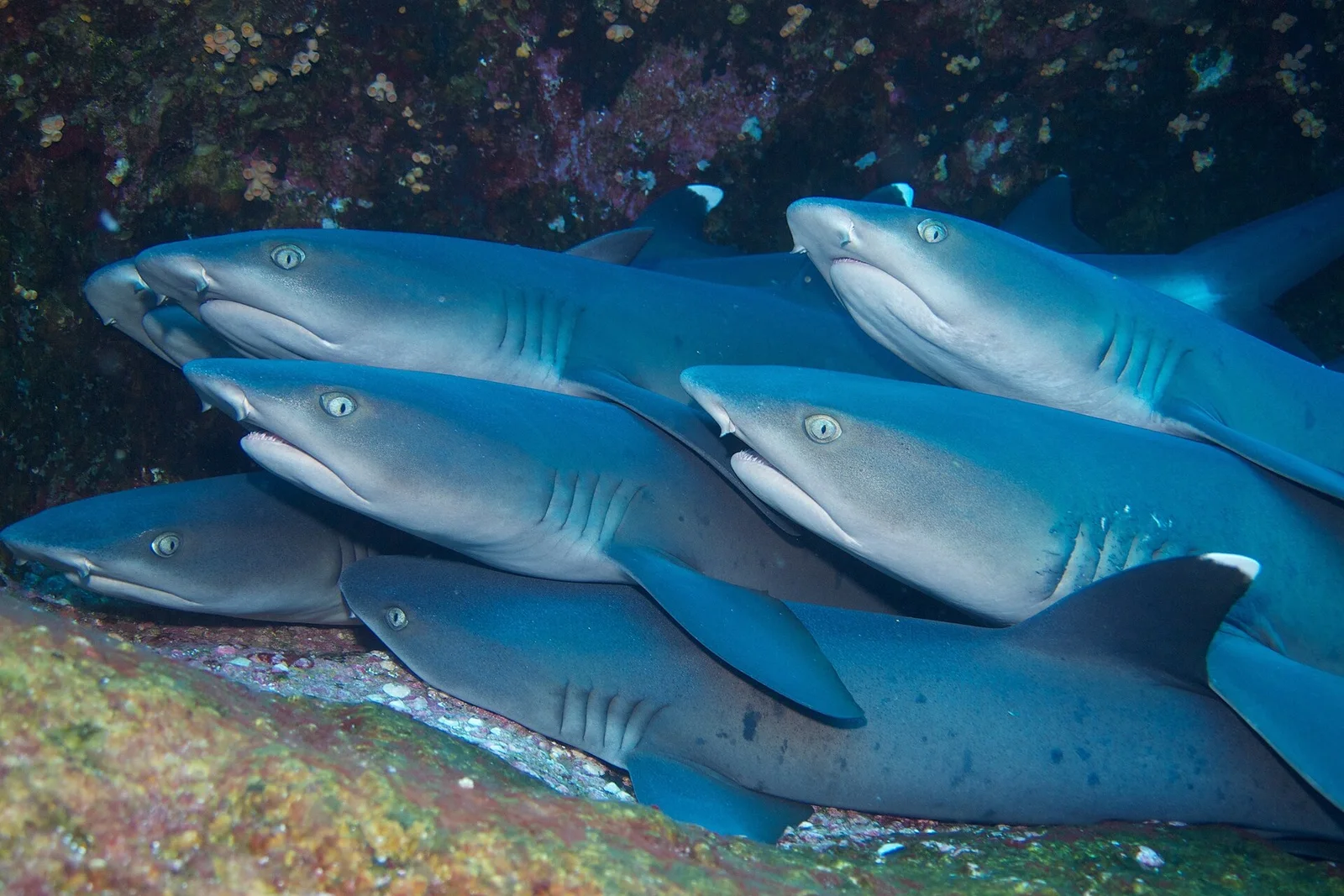
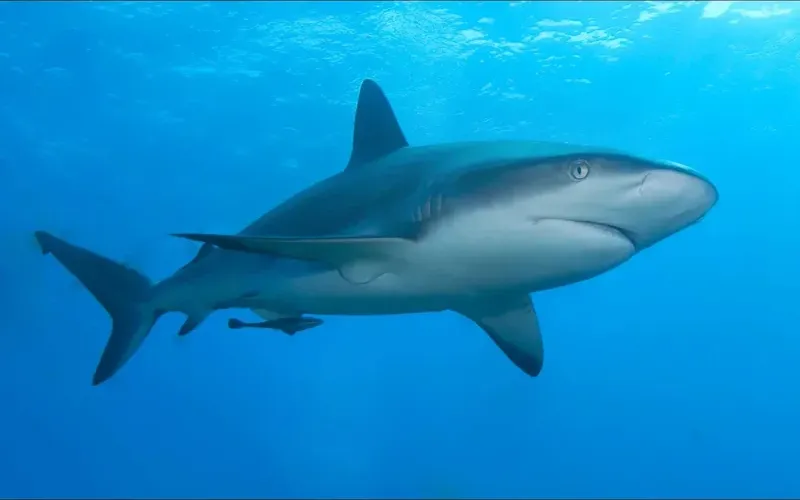
Gliding effortlessly past deep swim-throughs and coral bommies inside the channel mouth lets divers pause in rocky eddies to observe cruising grey reef sharks, whitetip reef sharks, and schooling barracuda holding station in the flow. As bottom time winds down, groups angle upward along sunlit hard-coral gardens at 6 to 10 m / 20 to 33 ft before drifting clear into blue water to deploy delayed surface marker buoys for live-boat pickup.
Dive Difficulty & Safety Guidelines
Brisk tidal currents, open-ocean swells, and steep vertical walls reserve Frigate Passage for certified Advanced Open Water divers experienced in live-boat drift procedures and mid-water DSMB deployment. Western to south-southwestern ocean swells generate a powerful left-hand surf break on the outer reef crest, so divers must stay well off the shallowest breaking edge and watch for localized surge around canyon mouths. Hydrographic notes caution that parts of Beqa Lagoon have incomplete chart coverage, making licensed local skippers essential.
Inshore reef areas belong to indigenous iTaukei customary fishing grounds (qoliqoli) under Fiji's Fisheries Act (Cap. 158) reviewed in the FAO Tenure Rights Review, so always dive through authorized operators who remit community access levies and respect local tabu closures. Should a decompression emergency occur, administer 100% oxygen immediately and coordinate through Fiji Dive Emergency Notes for evacuation to Colonial War Memorial Hospital's recompression unit in Suva (~1 hour by road from Pacific Harbour) or Pacific Specialist Healthcare Hospital in Nadi.
Recommended Equipment
Overhead environment. Do not enter beyond training and gas planning limits.
Current and surface separation risk. Local briefing strongly recommended.
- Dive Computer
- DSMB
- Primary & Backup Lights
- Reel / Spool
- Cutting Tool
This gear list is based on verified equipment signals for Frigate Passage, Fiji. Always confirm final gear choices with your dive operator, guide, or liveaboard.
Recommended Dive Suit
With water temperatures around 26°C (80°F), many divers find a 2-3mm shorty or light wetsuit provides comfortable protection.
Divers performing multiple dives may appreciate slightly warmer protection later in the day.
Forecast models indicate that diving conditions should remain largely unchanged.
Frigate Passage conditions last reviewed: 06:47 local time (UTC+12), Nov 25, 2026
Emergency & Medical Support
Essential information to help you plan your dive trip to Frigate Passage.

Hyperbaric chambers are a critical part of dive safety infrastructure. Availability varies significantly by region, and not all dive areas have immediate access.
Before diving, it's recommended to:
- confirm nearest medical facilities
- check emergency procedures with local dive operators
- ensure dive insurance covers evacuation if required
24/7 Available
Divers Alert Network
Diving emergency assistance available through DAN World.
+1-919-684-9111- 24/7 emergency hotline
- Diving medical assistance
- Evacuation coordination
Emergency contacts are provided for reference. Always verify local emergency services before diving.
Marine Life at Frigate Passage
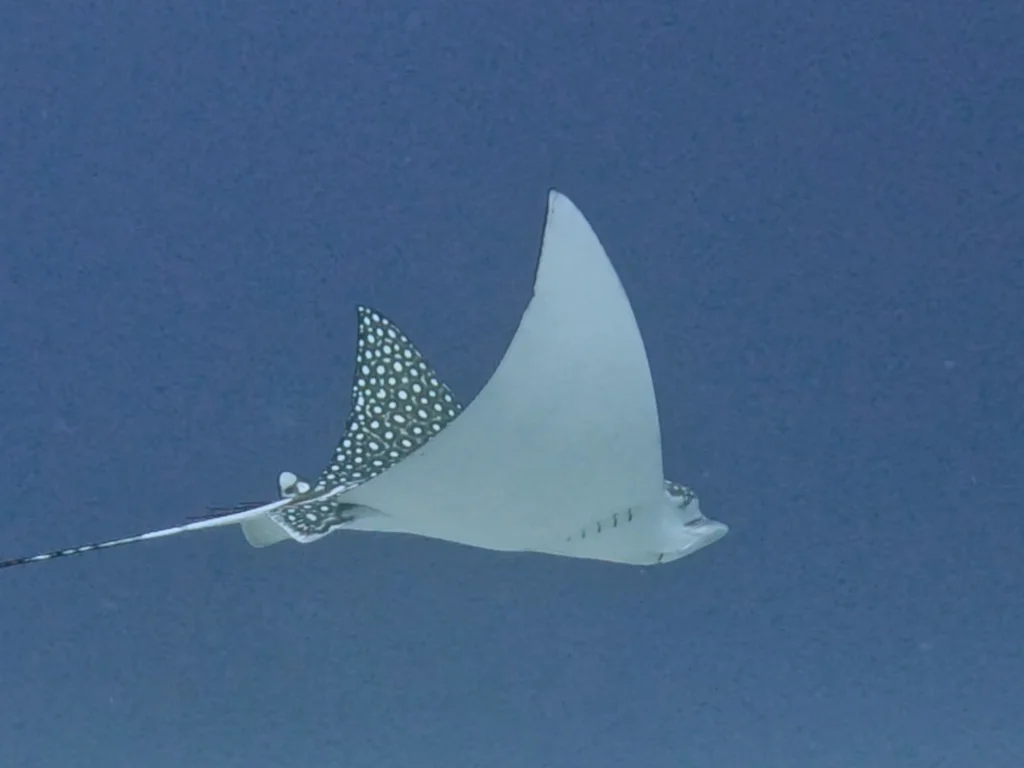
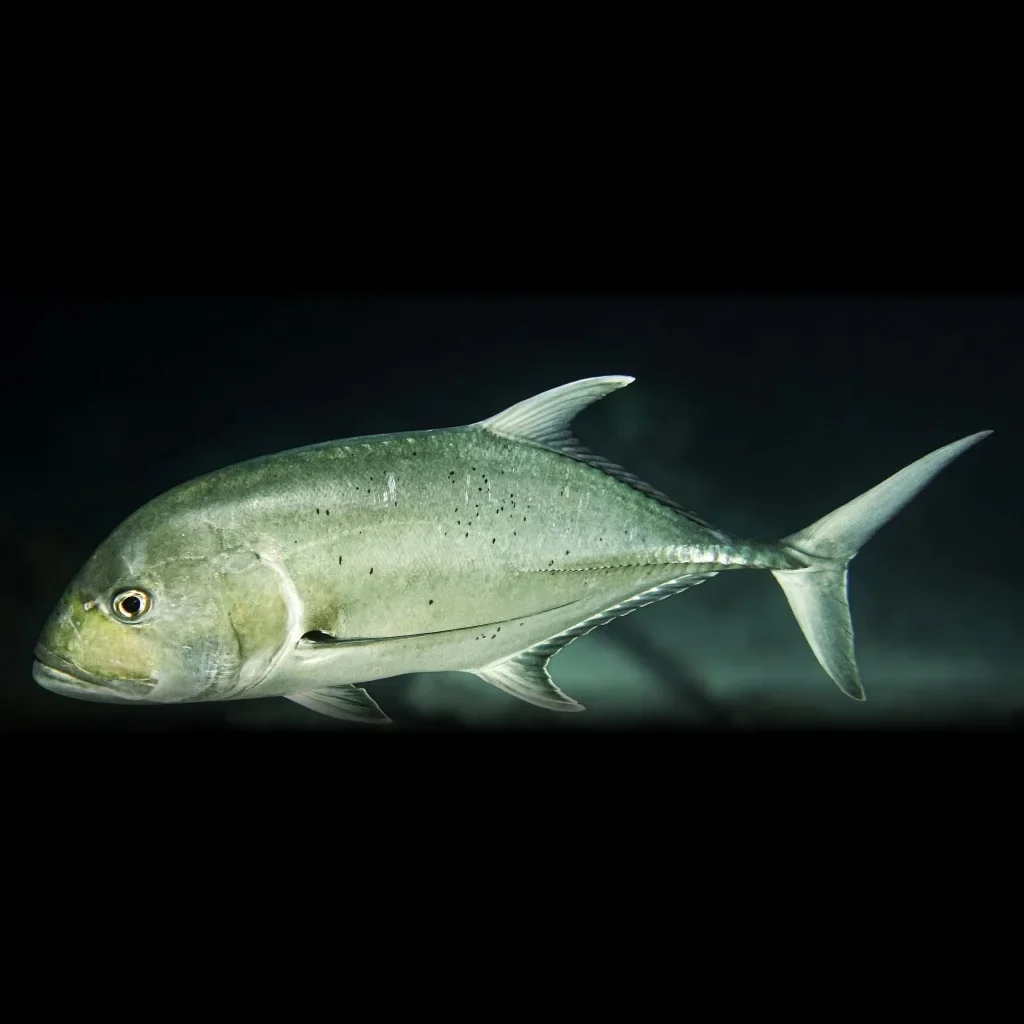
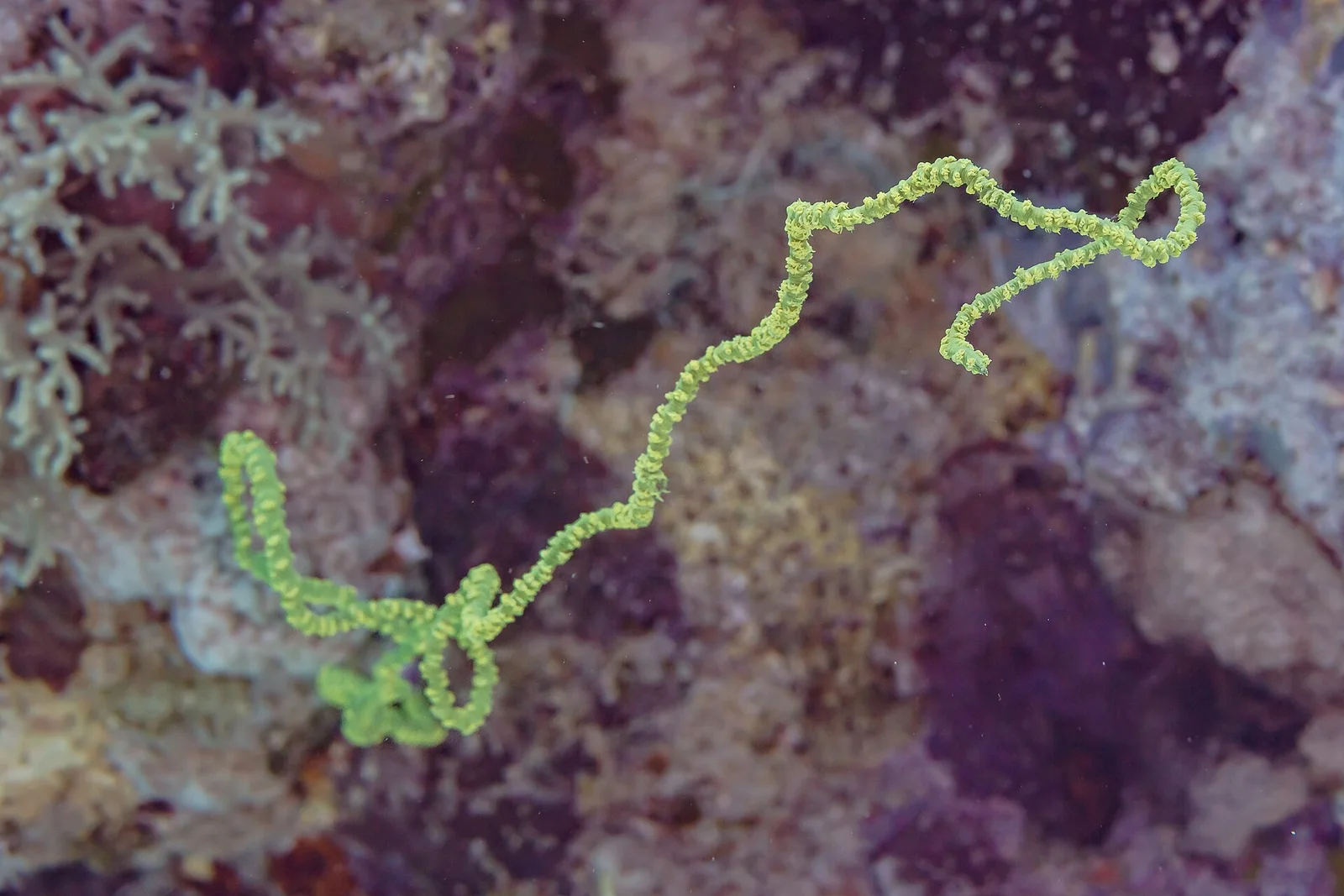
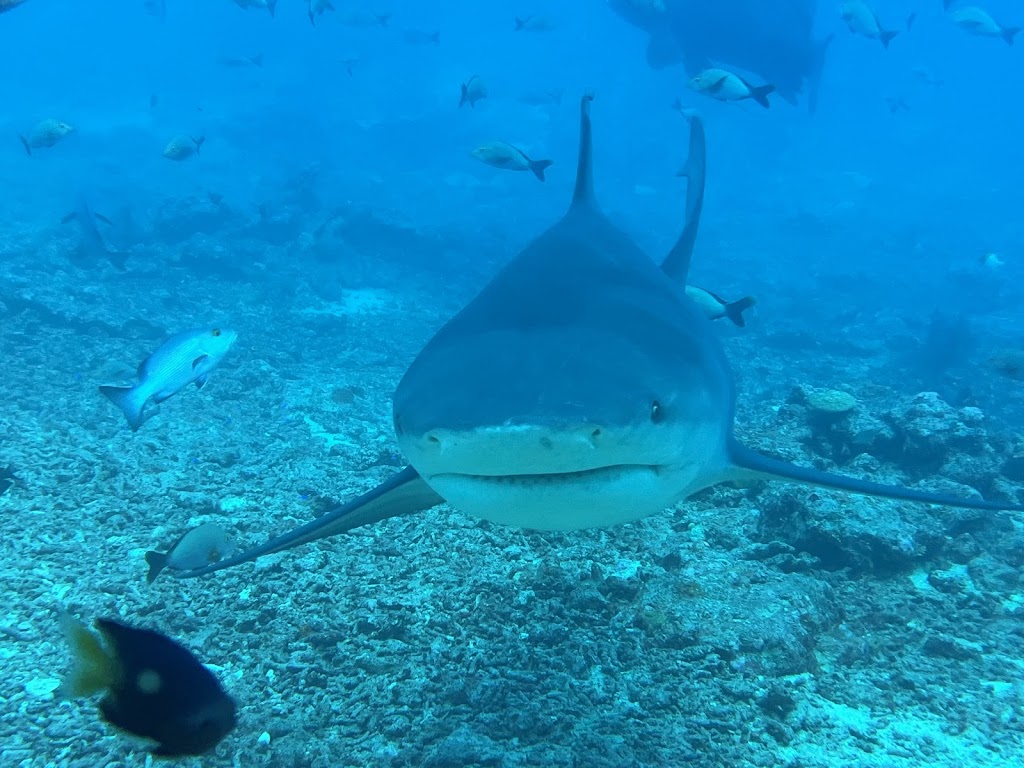
Current-swept overhangs along Frigate Passage are carpeted in vibrant carnation soft corals (Dendronephthya), expansive gorgonian sea fans, and dark black-coral thickets. Patrolling grey reef sharks and whitetip reef sharks cruise the 18 to 30 m / 59 to 98 ft drop-off alongside soaring spotted eagle rays, giant trevally, and tightly packed schools of great barracuda. Inside crevices and sunlit upper reef flats between 5 and 15 m / 16 and 50 ft, hawksbill sea turtles, blue-ribbon eels, lionfish, and clouds of anthias dart among branching hard corals.
1 / 2
Image contributors:Elias Levy, Albert kok + 2 more
Want to contribute photos or local dive knowledge? Learn how to contributeDive Sites Near Frigate Passage
View all dive sites in FijiDiscover more underwater gems in this area.
Dive Centers Near Frigate Passage
Working Hours
Sun07:00 - 16:00
Mon07:00 - 16:00
Tue07:00 - 16:00
Wed07:00 - 16:00
Thu07:00 - 16:00
Fri07:00 - 16:00
Sat07:00 - 16:00
Today: 07:00 - 16:00
Sun07:00 - 16:00
Mon07:00 - 16:00
Tue07:00 - 16:00
Wed07:00 - 16:00
Thu07:00 - 16:00
Fri07:00 - 16:00
Sat07:00 - 16:00
4.7| 215 reviews
24.7 km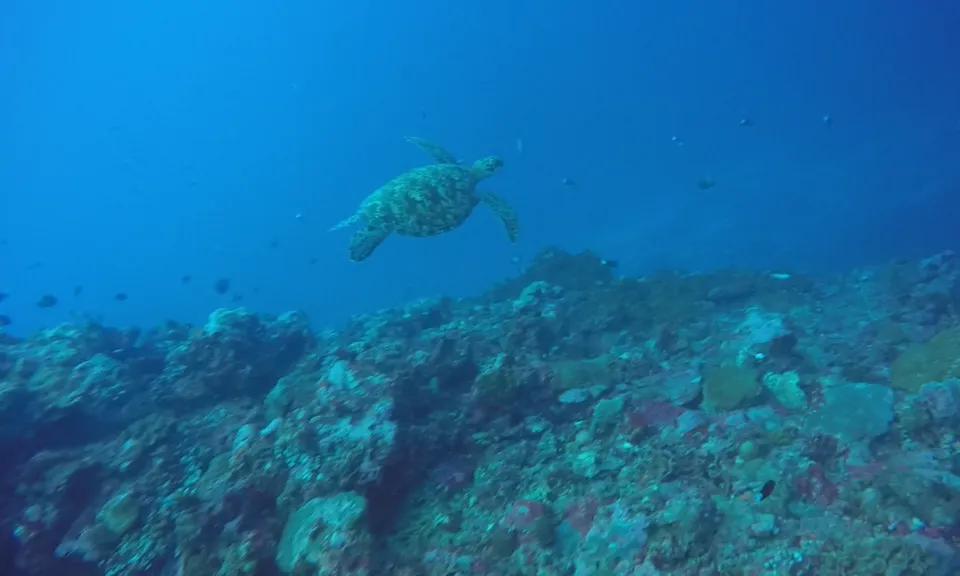
4.7| 7 reviews
41.5 kmNearest Airports
Nearest airports to help plan travel to this dive area.
Nausori International Airport SUV
79 km
Nadi International Airport NAN
93 km
Labasa Airport LBS
264 km
💵 Currency: FJD
Search Flights
Check available flights and routes on Expedia, using the nearby airports listed in this section.
Search Flights on ExpediaAffiliate link · Dive Navigator may earn a commission at no extra cost to you.
Frequently Asked Questions
Is Frigate Passage the same site as Fiji's famous bull-shark feeding dive?
No. Frigate Passage sits out on the western Beqa Barrier Reef and offers natural, unprovisioned drift wall diving among soft corals and reef sharks. Fiji's bull-shark feeding dives take place closer to Viti Levu inside the separately gazetted Shark Reef Marine Reserve.
How strong are the currents in Frigate Passage?
Tidal flows funneling through the 1.8-nautical-mile pass range from moderate to strong depending on lunar phase. Incoming flood tides deliver the clearest oceanic water and inflate the soft corals most dramatically.
What permit or fee is required to dive Beqa Lagoon's outer barrier reef?
Beqa Lagoon reefs fall under indigenous iTaukei customary fishing grounds (qoliqoli) governed by Fiji's Fisheries Act. Licensed Pacific Harbour and Beqa dive operators handle the required community access levies and village conservation agreements on your behalf.
What depth profile do divers follow at Frigate Passage?
Walls and coral heads rise to 5 to 10 m / 16 to 33 ft near the reef crest and drop steeply past 30 m / 98 ft into Kadavu Passage. Most recreational drift profiles stay between 12 and 30 m / 39 and 98 ft before finishing on the sunlit upper reef.
Where is the nearest hyperbaric chamber to Pacific Harbour and Beqa Lagoon?
Colonial War Memorial (CWM) Hospital in Suva operates the closest recompression chamber roughly one hour by road from Pacific Harbour. A second modern chamber also operates at Pacific Specialist Healthcare Hospital in Nadi on western Viti Levu.
Trip Inquiry
Planning to dive Frigate Passage?
Tell us your dates and diving needs. We'll review your request and seek offers from relevant local dive centers.
Request Dive Offers Free request for offers • No booking obligation
Frigate Passage
Conditions are Poor
4/10
Confidence: 7/10
Indicates meteorological model agreement and data availability.
DIVE WARNING
High Wind Advisory (42km/h). Unsafe surface.
06:12
18:45
H: 10:45
L: 16:20
Air / Sea Temp
26° / 26°
Wave Height
N/A
Wind Speed
42 km/h E
Rain Chance
50%
Current conditions near Frigate Passage show 26° air, 26° sea temperature, N/A waves, and 42 km/h wind. Forecast data is refreshed regularly to ensure accuracy.
Radius: ~12km
Updated: Nov 25, 2026, 06:47 local timeMARINE: OPEN-METEOWEATHER: YR.NO
