
Diving at 2ND Gulf of Vouliagmeni (Greece)
2nd Gulf of Vouliagmeni presents convenient shore access, a popular choice near Athens. Diving commences with a short walk over sloped ground, gear in tow, followed by an entry jump from a rock. Initial setup quickly reveals an immediate drop-off, a defining feature readily accessible.
As evening covers 2ND Gulf of Vouliagmeni, the local air temperature is measured at 28.5°C. The current wave height at the surface is recorded at 0.1 m. These late-day readings characterize the surface conditions for the night.
Dive Site Location & Key Facts
Dive Site Overview
2nd Gulf of Vouliagmeni presents a distinct dive profile, focused on its notable 'Devil's Hole' geological feature. A significant draw for local divers, the site quickly descends to an 11-meter terrace before revealing an approximately 3-meter diameter opening.
Maximum reported depth reaches 29.5 m / 96 ft. The primary attraction remains bathed in ambient daylight, creating an intriguing visual. It effectively caters to advanced divers seeking a distinct underwater challenge, while newer divers can comfortably explore surrounding rock formations and shallower areas.
Underwater topography includes elements of a wall dive transitioning into expansive sandy bottom environments. These features offer diverse visual interest and provide habitat for various smaller marine species.
Exploring the area around the hole presents intricate rock formations and potential swim-throughs, though many are narrow. Conditions often vary; visibility is generally good but subject to local currents, which are typically mild.
Careful attention to buoyancy helps preserve clarity, especially near sandy areas and within the hole itself. Combining accessible aspects with challenging elements, it's a multifaceted site suitable for different skill levels.
Conditions are Excellent
07:00 - 14:00
Optimal conditions expected
Current conditions near 2ND Gulf of Vouliagmeni show 28° air, 26° sea temperature, 0.1 m waves, and 21 km/h wind. Forecast data is refreshed regularly to ensure accuracy.
Best Time to Dive
Optimal diving conditions for the 2nd Gulf of Vouliagmeni generally prevail from May through October, consistently earning "Excellent" dive scores. During these peak months, average air temperatures comfortably range from 20-30°C / 68-86°F, often accompanied by minimal rainfall, typically below 1.1 mm per month. Wave heights are also at their calmest, often below 0.4 meters, contributing significantly to a smoother and safer entry and exit from the shore. Wind speeds are generally moderate. While specific water temperature data isn't consistently reported for this particular site, the overall climate suggests comfortable conditions. Diving is still good during the shoulder seasons like March, April, and November, though divers should anticipate cooler air temperatures and a slightly increased chance of rain or choppier surface conditions.
PEAK SEASON SCORE
Scores combine air & water temps, waves, wind & rainfall for overall conditions.
BEST MONTHS TO DIVE
Monthly records compiled from satellite and marine observation nodes over the last 3 years. Data provided by Open-Meteo and MET Norway.
Dive Experience & Conditions
Diver experience here begins with a shore entry, following a brief walk with gear across sloped terrain; this can be challenging with heavy equipment. Divers execute a rock jump, immediately encountering an initial depth of around 4 meters. Main dive activity unfolds around an 11 m / 36 ft terrace, which leads directly to the Devil's Hole, extending to its maximum depth, near 30 meters. Open Water Divers can comfortably explore shallower areas and surrounding rock formations. Those aiming to delve into the Devil's Hole itself should possess an Advanced Open Water Diver certification or equivalent deep diving experience. Sandy bottom and adjacent wall features demand proficient buoyancy control to navigate without stirring up sediment.
Dive Difficulty & Safety Guidelines
Managing depth effectively stands as a key safety consideration for divers at 2nd Gulf of Vouliagmeni, particularly when exploring the Devil's Hole. Reaching depths near 30 meters, the hole, though penetrated by ample daylight, possesses a relatively narrow three-meter diameter.
Careful entry and exit techniques are demanded. Divers must rigorously adhere to certification limits and maintain excellent buoyancy control, preventing disturbance to the delicate bottom or inadvertent contact with rock formations.
Always dive with a buddy. Thorough equipment checks before entering the water are crucial, given the shore entry method.
Consulting local dive centers for current conditions and site-specific briefings remains a wise practice.
Recommended Equipment
- Dive Computer
- DSMB
- Hard-soled Dive Boots
This gear list is based on verified equipment signals for 2ND Gulf of Vouliagmeni, Greece. Always confirm final gear choices with your dive operator, guide, or liveaboard.
Recommended Dive Suit
Short-term weather patterns suggest stable conditions for divers visiting the area.
Some divers prefer slightly warmer exposure protection simply for additional comfort.
2-3mm shorty or light wetsuit usually works well for maintaining comfort during standard dive profiles in these conditions. A hood or vest is suggested for sensitive divers due to surface winds. The surrounding waters at 2ND Gulf of Vouliagmeni are currently registering temperatures of roughly 26°C (79°F). Surface air temperatures are resting at 28°C (83°F).
Emergency & Medical Support
Essential information to help you plan your dive trip to 2nd gulf of vouliagmeni.

Hyperbaric chambers are a critical part of dive safety infrastructure. Availability varies significantly by region, and not all dive areas have immediate access.
Before diving, it's recommended to:
- confirm nearest medical facilities
- check emergency procedures with local dive operators
- ensure dive insurance covers evacuation if required
Divers Alert Network
Diving emergency assistance available through DAN Europe.
+39 0642115685- 24/7 emergency hotline
- Diving medical assistance
- Evacuation coordination
Emergency contacts are provided for reference. Always verify local emergency services before diving.
Closest Listed Hyperbaric Chambers
Showing listed hyperbaric chamber facilities within 200 km of this dive site.
Distances are approximate straight-line distances and may not reflect emergency travel time.
Hyperbaric Medicine Dpt
N. Faliro, Greece•Approx. 20 km straight-line
Hyperbaric Medicine Dpt
Information is provided for reference and planning purposes only. Dive Navigator does not verify operational status, staffing, availability, or quality of care at listed facilities. In an emergency, contact local emergency services, DAN, your dive operator, or the chamber directly. Do not travel to a facility without calling ahead.
Information is provided for reference and planning purposes only. Dive Navigator does not verify operational status, staffing, availability, or quality of care at listed facilities. In an emergency, contact local emergency services, DAN, your dive operator, or the chamber directly. Do not travel to a facility without calling ahead.
MKYI/NNA (DHDM/ANH)
24/7 ListedICU CapableAthens, Greece•Approx. 20 km straight-line
MKYI/NNA (DHDM/ANH)
24/7 ListedICU CapableInformation is provided for reference and planning purposes only. Dive Navigator does not verify operational status, staffing, availability, or quality of care at listed facilities. In an emergency, contact local emergency services, DAN, your dive operator, or the chamber directly. Do not travel to a facility without calling ahead.
Marine Life at 2ND Gulf of Vouliagmeni
Beneath the surface of 2nd Gulf of Vouliagmeni, marine encounters often highlight various invertebrates and smaller reef inhabitants. Divers may observe octopus expertly camouflaged among rocky crevices, blending seamlessly with surroundings.
Squid are also commonly seen gracefully navigating open water, sometimes in small groups. Diverse rock formations and adjacent sandy patches provide suitable habitats for a range of smaller marine life, encouraging attentive observation to spot these well-adapted creatures.

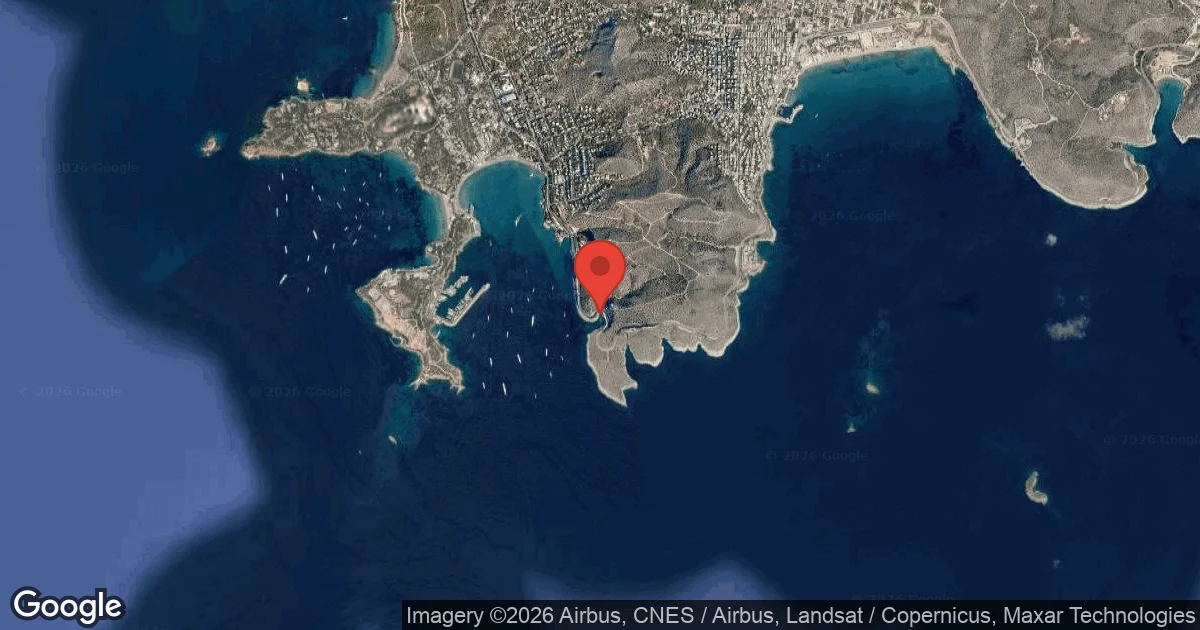
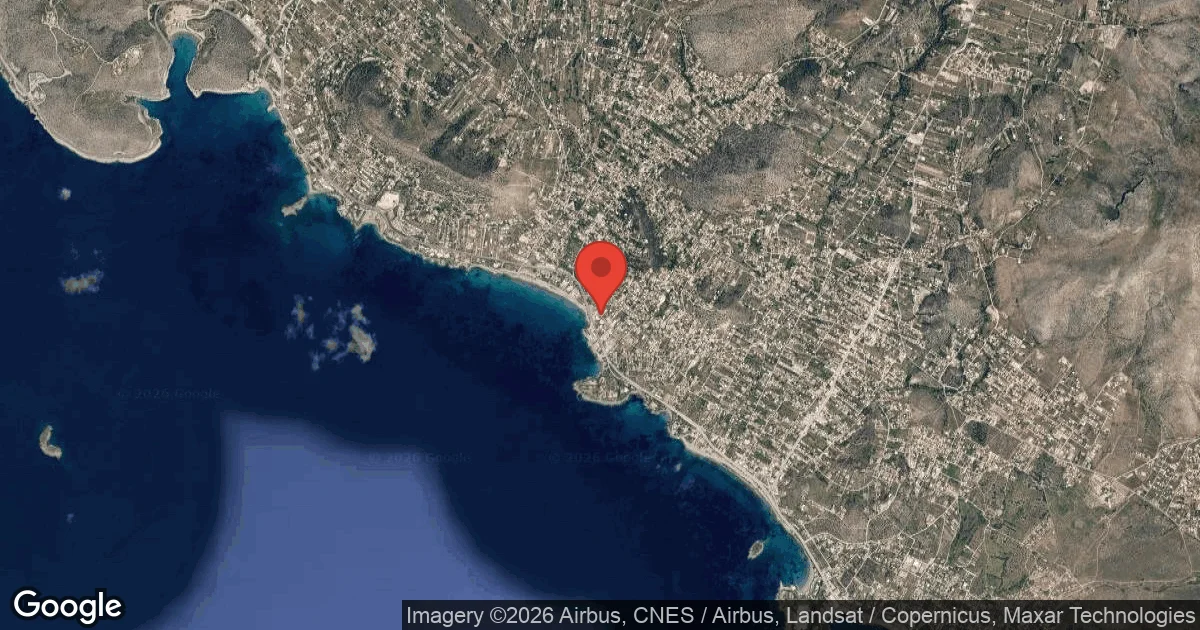
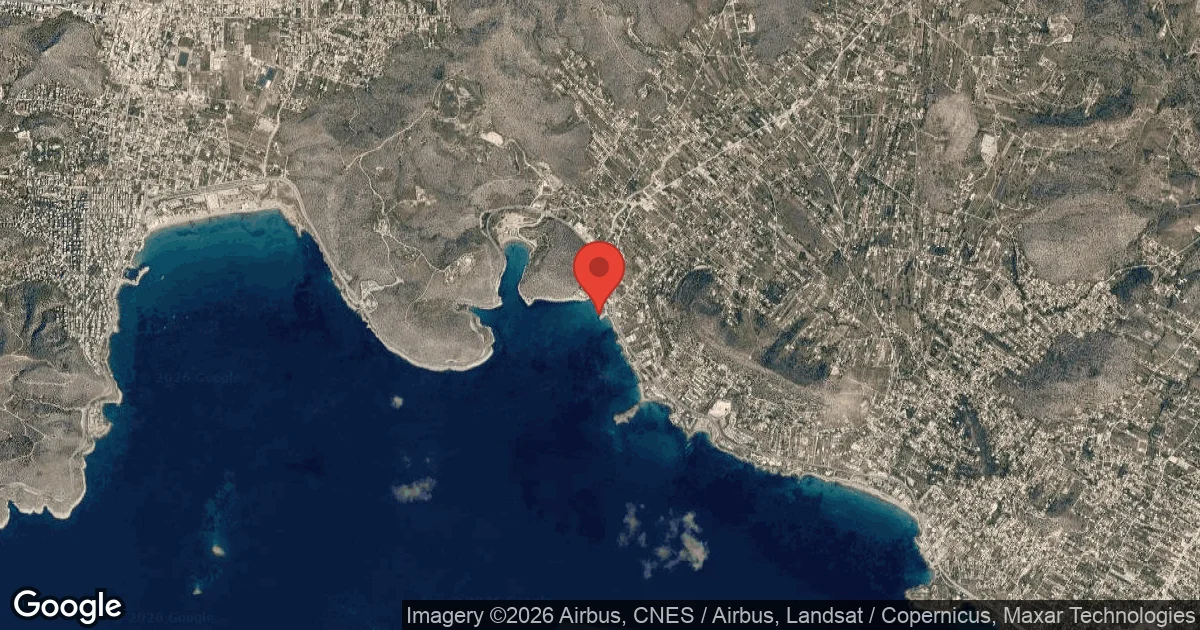
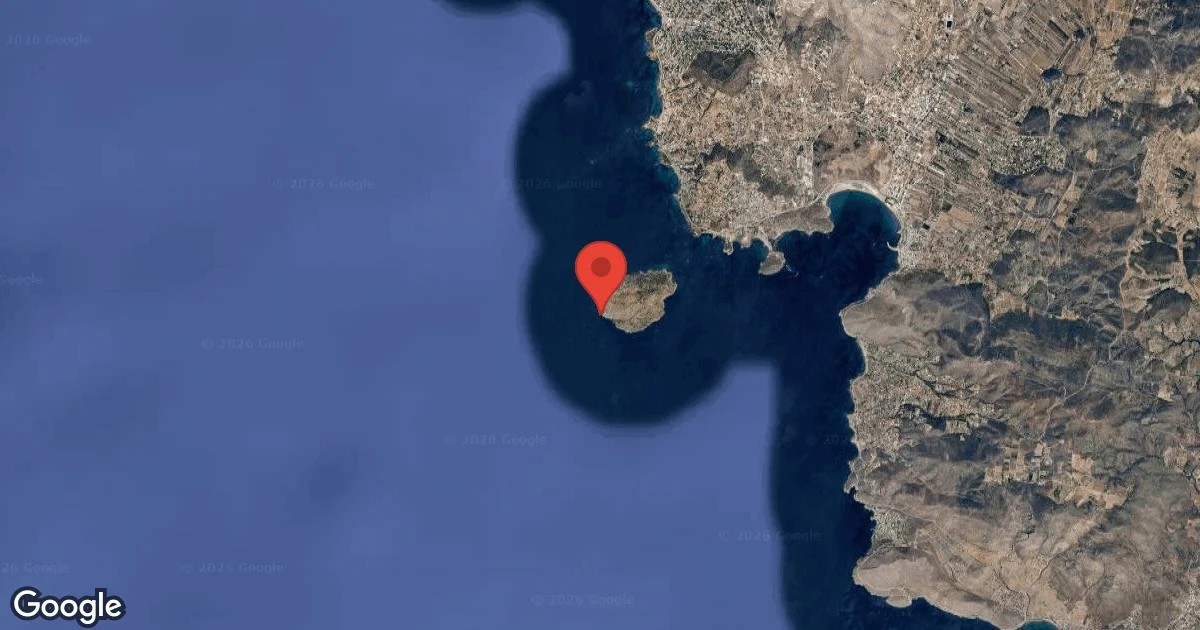
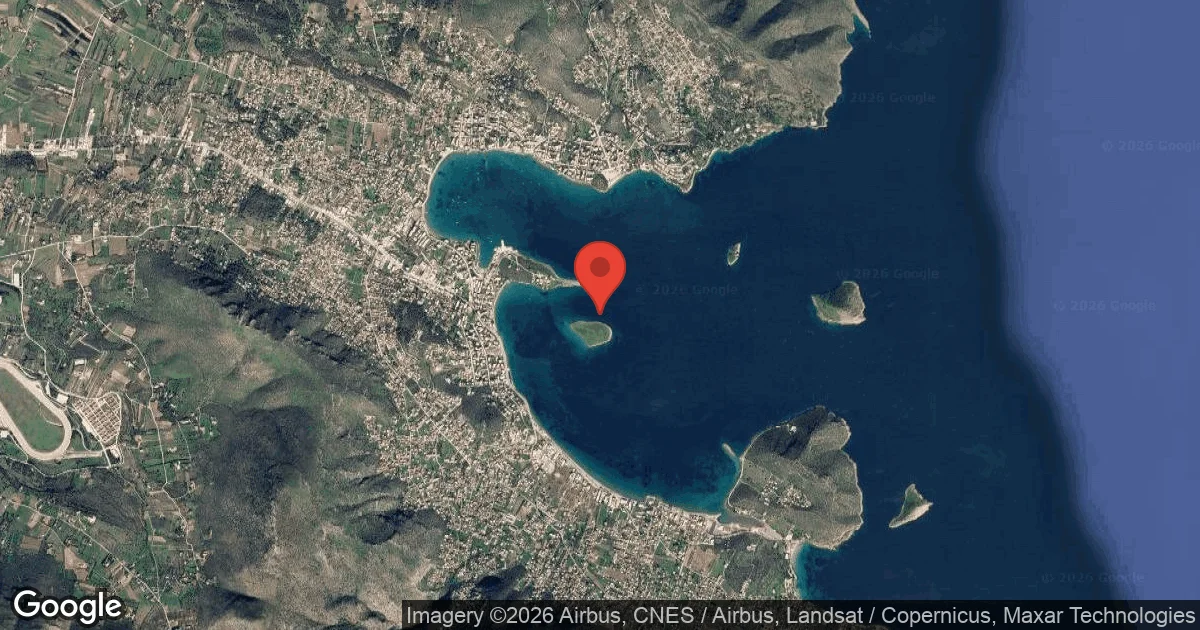
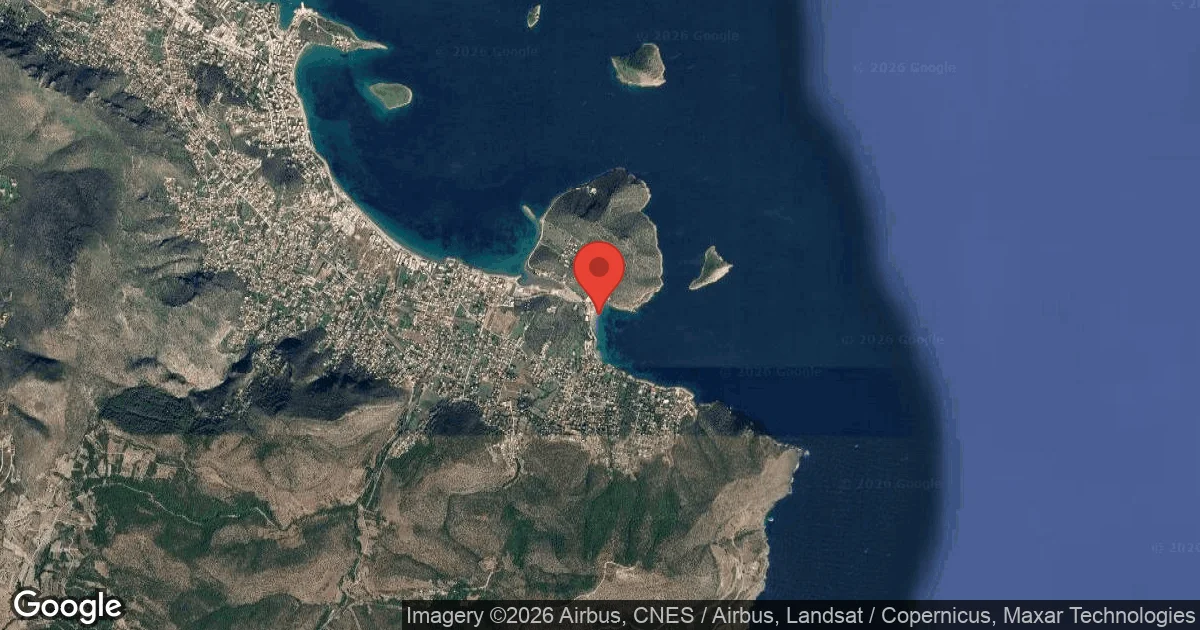
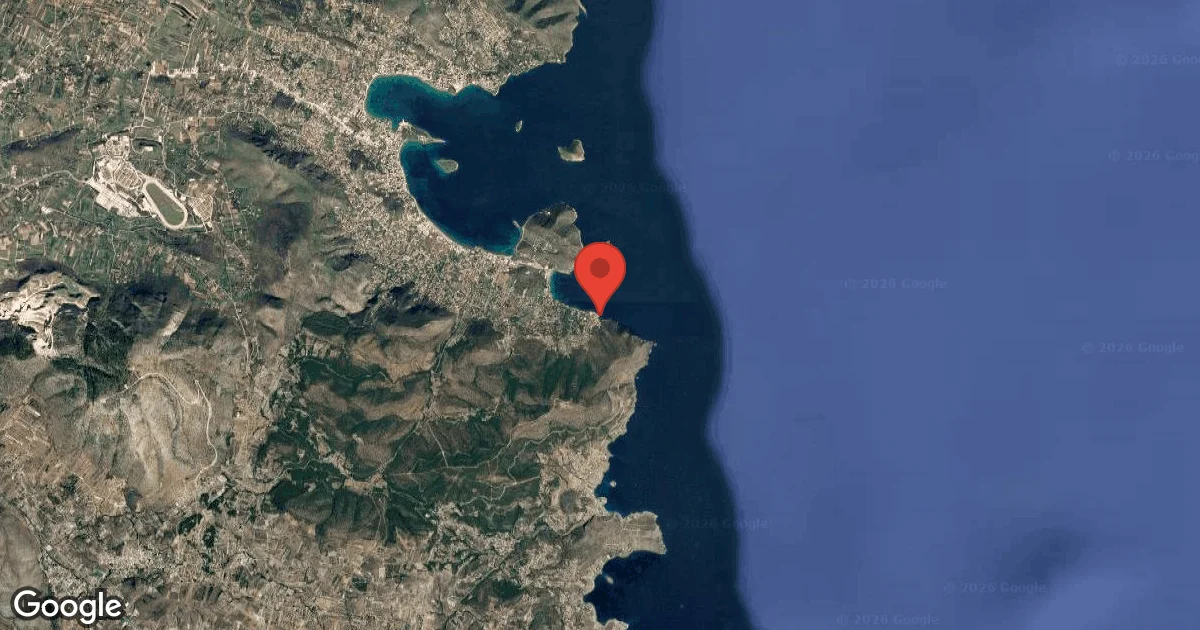
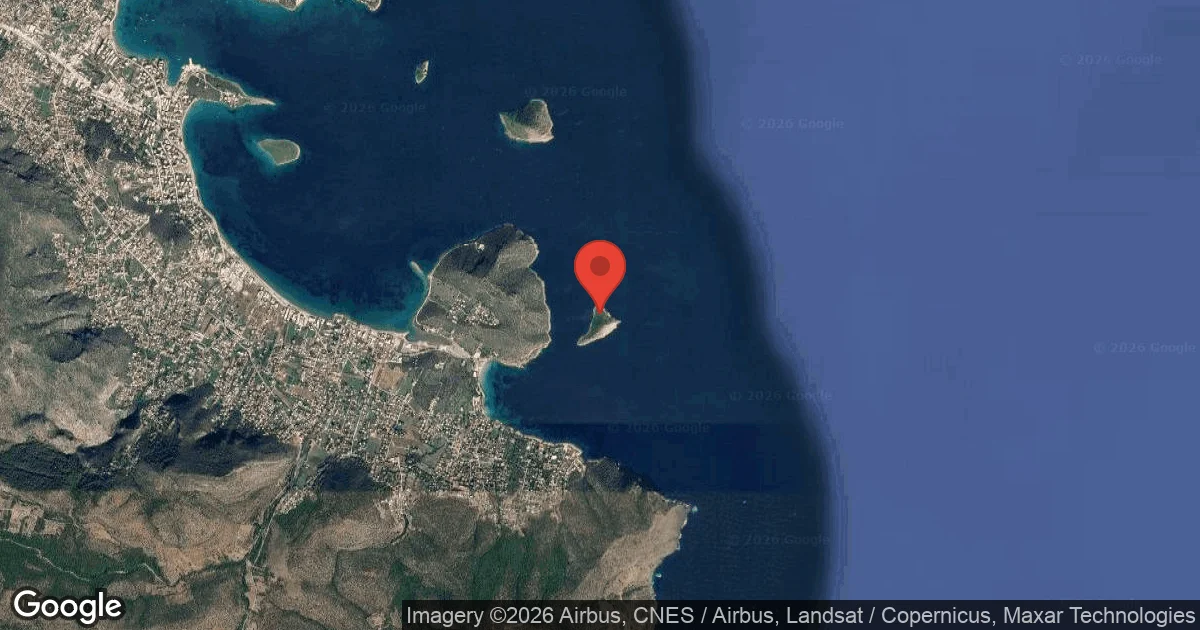
Dive Sites Near 2ND Gulf of Vouliagmeni
View all dive sites in GreeceDiscover more underwater gems in this area.
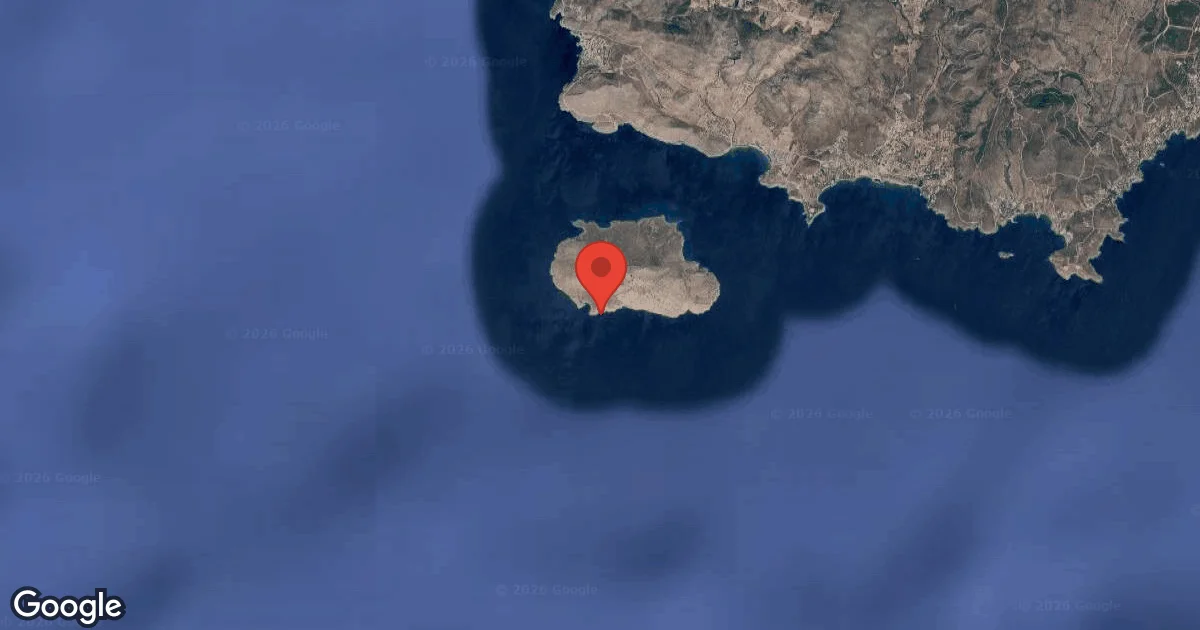
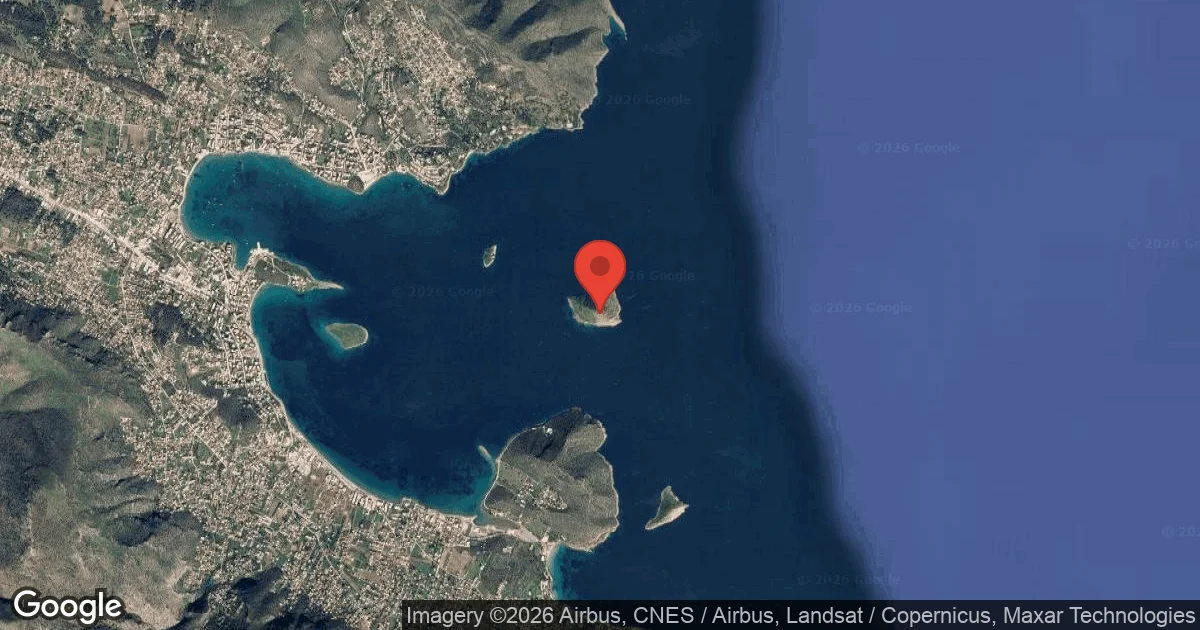
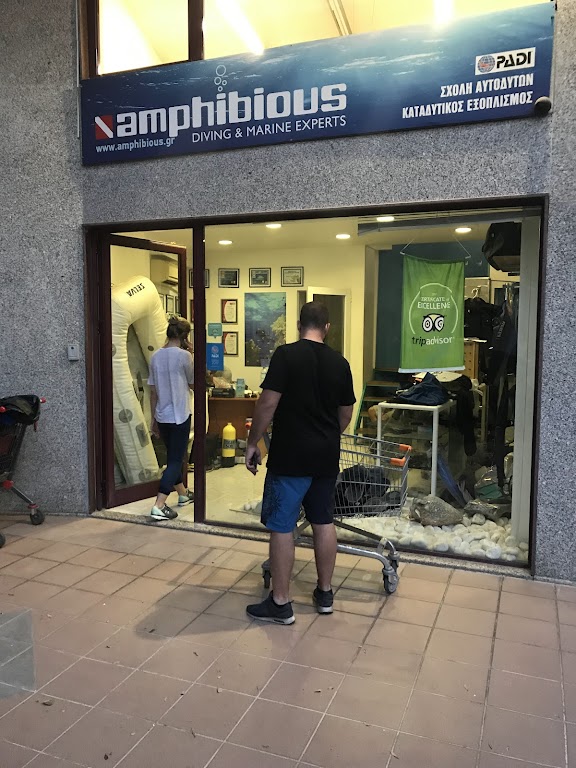
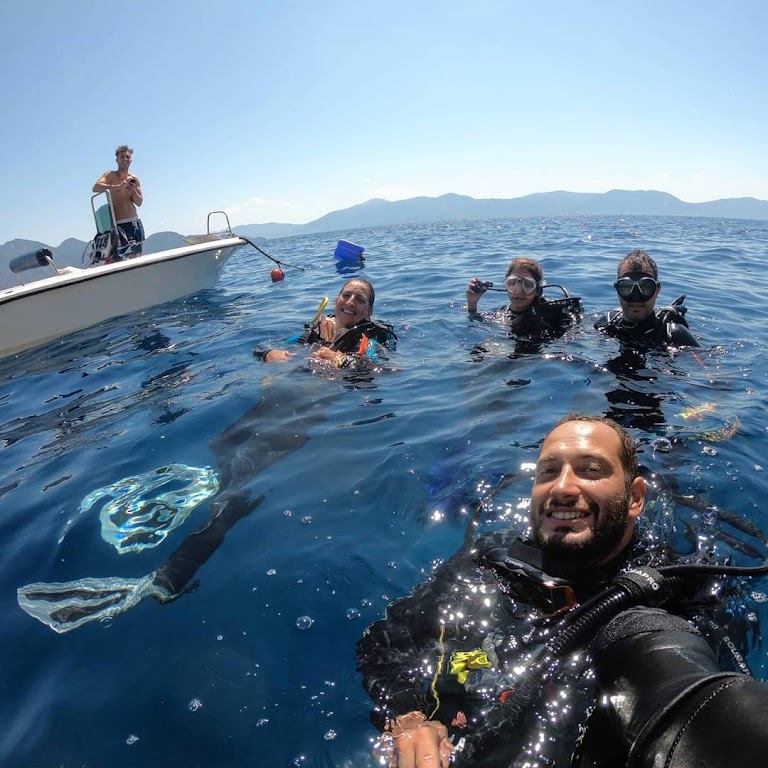
Dive Centers Near 2ND Gulf of Vouliagmeni
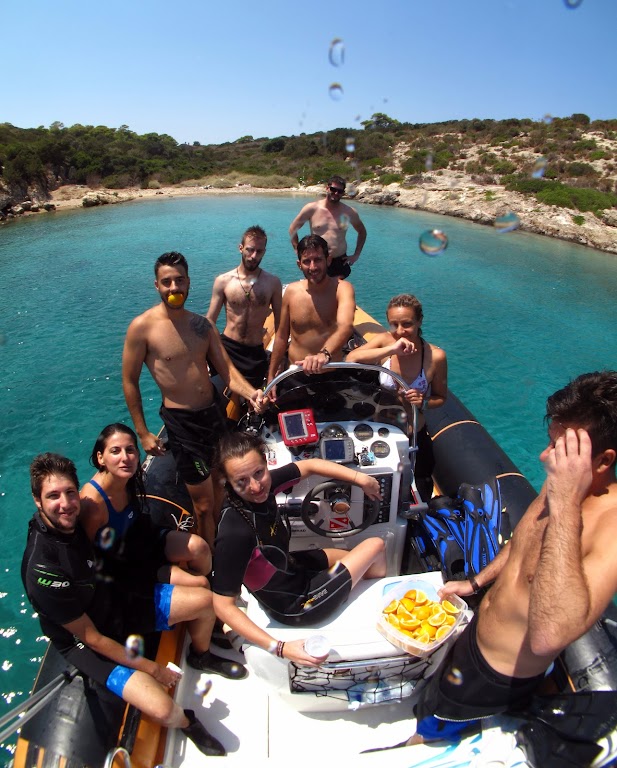
Today: 10:00 - 15:00
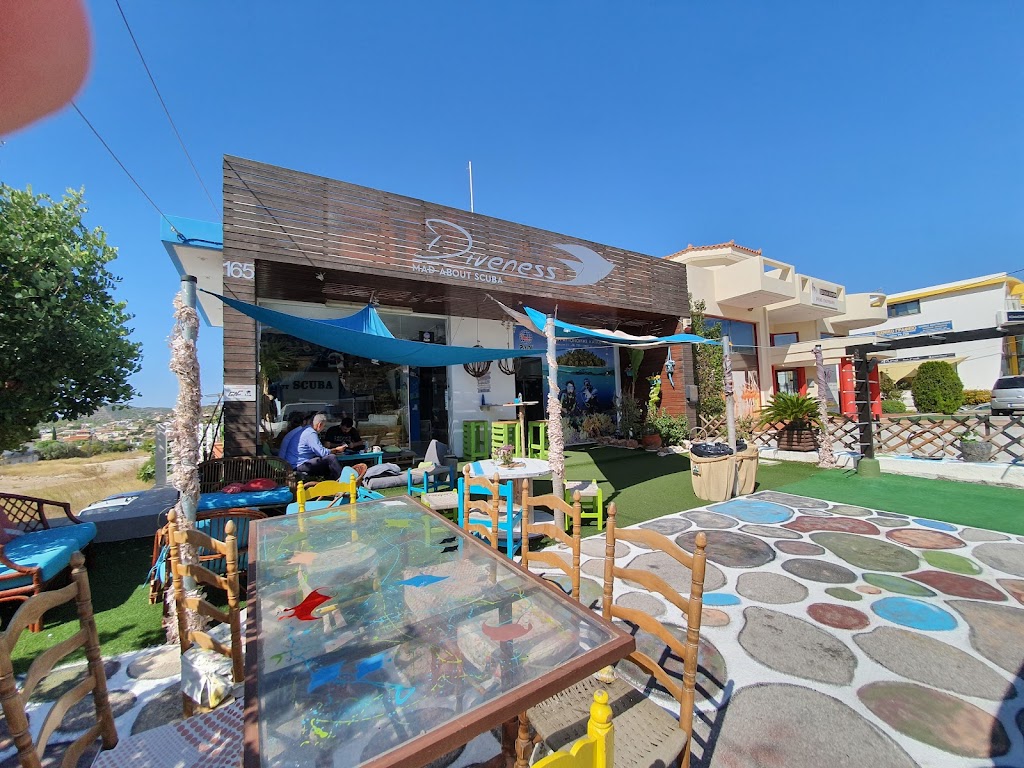
Nearest Airports
Nearest airports to help plan travel to this dive area.
Search Flights
Check available flights and routes on Expedia, using the nearby airports listed in this section.
Search Flights on ExpediaFrequently Asked Questions
What is the main attraction at this dive site?
Primary feature is the "Devil's Hole," a geological formation starting at an approximately 11-meter terrace. It's a natural opening, about three meters in diameter, attracting divers looking for something unique within the area.
What is the maximum depth at 2nd Gulf of Vouliagmeni?
Maximum reported depth at this site is around 29.5 meters, specifically found within the Devil's Hole. Divers should plan their descent accordingly and always stay within certification limits.
What level of diving certification is recommended for this site?
Open Water Divers can explore shallower areas and surrounding rock formations. An Advanced Open Water Diver certification or equivalent deep diving experience is recommended for those wishing to enter the Devil's Hole itself, due to its significant depth.
How do you access the dive site?
Access involves a shore entry. Divers walk with gear for a short distance over sloped ground, then make a jump from a rock into the water to begin their dive.
What kind of marine life might I expect to see?
While not known for large pelagics, divers commonly encounter octopus and squid here, often well-camouflaged among rocks. Site's rock formations and sandy bottom also host various smaller invertebrates.
Are there specific safety considerations for diving the Devil's Hole?
Given the depth of the Devil's Hole, adherence to certification limits and excellent buoyancy control are crucial. Although daylight enters, its relatively confined nature requires mindful navigation and buddy awareness.
Planning to dive 2ND Gulf of Vouliagmeni?
Send one inquiry and receive offers directly from the best verified local dive operators.
Conditions are Excellent
07:00 - 14:00
Optimal conditions expected
Current conditions near 2ND Gulf of Vouliagmeni show 28° air, 26° sea temperature, 0.1 m waves, and 21 km/h wind. Forecast data is refreshed regularly to ensure accuracy.