
Diving at Arzentas Canyon (Greece)
Deep within the Saronic Gulf, Arzentas Canyon carves a dramatic narrative into the underwater landscape near Athens. Its formation speaks to millennia of geological forces, creating a site primarily explored as a 'Cave' dive. Entering this environment offers a journey into the earth’s maritime past, where fissures and chambers await certified divers. The sheer scale of the underwater rock formations sets a profound stage for exploration, beckoning those prepared for technical depths.
As evening covers Arzentas Canyon, the local air temperature is measured at 28°C. The current wave height at the surface is recorded at 0.1 m. These late-day readings characterize the surface conditions for the night.
Dive Site Location & Key Facts
Dive Site Overview
Arzentas Canyon offers a distinctive underwater exploration, distinguishing itself as a documented 'Cave' dive type within the Attica region. Its allure lies in navigating the complex geological structures that define its character, inviting divers into its submerged passages.
While specific depth parameters for the canyon itself are not consistently reported, local dive operators suggest it accommodates a range of recreational to advanced diving, likely extending beyond 30 m (100 ft) in its deeper sections. Despite some broad reports of pelagic species such as sharks, whales, dolphins, and turtles, divers typically encounter a vibrant array of Mediterranean reef life.
Planning a dive here demands careful consideration of certification and equipment suitable for cave environments, ensuring a safe and rewarding experience through its intricate rock formations. Visibility tends to be good, though specific measurements vary depending on local conditions and season.
Conditions are Good
07:00 - 14:00
Optimal conditions expected
Current conditions near Arzentas Canyon show 28° air, 26° sea temperature, 0.2 m waves, and 31 km/h wind. Forecast data is refreshed regularly to ensure accuracy.
Best Time to Dive
Planning your dive around the climate ensures the most comfortable and rewarding experience at Arzentas Canyon. From May through September, conditions are often excellent, with average air temperatures ranging from a pleasant 20°C (68°F) in May, peaking around 30°C (86°F) in July, and remaining warm at 25°C (77°F) in September. During these months, wave heights typically register below 0.5 meters (1.6 ft), and rainfall is minimal, often less than 1.5 mm. These calm surface conditions are ideal for boat access and provide a stable diving platform. Outside this peak season, from March to April and October to November, conditions remain good; however, air temperatures are cooler, dropping to 14-16.5°C (57-62°F) in spring and 17.5-20.5°C (64-69°F) in autumn. Wave heights are slightly higher, but generally still manageable for diving operations.
PEAK SEASON SCORE
Scores combine air & water temps, waves, wind & rainfall for overall conditions.
BEST MONTHS TO DIVE
Monthly records compiled from satellite and marine observation nodes over the last 3 years. Data provided by Open-Meteo and MET Norway.
Dive Experience & Conditions
Descending into Arzentas Canyon provides an immersive entry experience, transitioning from open water into a dramatic subterranean world. As a classified 'Cave' dive, the primary draw involves navigating intricate rock formations and exploring its hidden chambers. While no explicit current data is reported for Arzentas Canyon, conditions can vary in the broader Saronic Gulf, with some sites occasionally experiencing light to medium currents, particularly in deeper zones. Divers should prepare for potential thermoclines, as water temperatures are not consistently reported but can shift with depth. Visibility often remains very good, allowing for clear views of the geological features and the marine life inhabiting the canyon walls. This environment requires attention to buoyancy and trim, especially within confined spaces, making it a dive suitable for those with appropriate training and experience.
Dive Difficulty & Safety Guidelines
Approaching Arzentas Canyon demands a thorough understanding of safe diving practices, particularly given its classification as a 'Cave' dive. Expert tips recommend that only divers with appropriate overhead environment training, such as cavern or cave diving certifications, attempt to explore its deeper, more complex sections.
Essential planning involves conservative dive profiles and meticulous gas management, accounting for the unique challenges of a canyon environment. Given the nature of cave diving, maintaining situational awareness and staying close to your dive buddy or team is paramount.
Always carry redundant light sources and signaling devices. It's also wise to check local conditions with dive operators immediately before your dive, as visibility and potential currents, while not consistently reported for this specific site, can fluctuate in the region.
Recommended Equipment
Overhead environment. Do not enter beyond training and gas planning limits.
- Dive Computer
- Primary & Backup Lights
- Reel / Spool
- Cutting Tool
This gear list is based on verified equipment signals for Arzentas Canyon, Greece. Always confirm final gear choices with your dive operator, guide, or liveaboard.
Recommended Dive Suit
Thermal protection such as 3mm wetsuit is commonly used for water temperatures in this range. A hood or vest is suggested for sensitive divers due to surface winds.
Divers entering the water at Arzentas Canyon today can expect temperatures near 26°C (78°F) beneath the surface. Surface air temperatures are resting at 28°C (83°F).
Current forecasts indicate relatively stable conditions for the coming days.
Emergency & Medical Support
Essential information to help you plan your dive trip to Arzentas Canyon.

Hyperbaric chambers are a critical part of dive safety infrastructure. Availability varies significantly by region, and not all dive areas have immediate access.
Before diving, it's recommended to:
- confirm nearest medical facilities
- check emergency procedures with local dive operators
- ensure dive insurance covers evacuation if required
Divers Alert Network
Diving emergency assistance available through DAN Europe.
+39 0642115685- 24/7 emergency hotline
- Diving medical assistance
- Evacuation coordination
Emergency contacts are provided for reference. Always verify local emergency services before diving.
Closest Listed Hyperbaric Chambers
Showing listed hyperbaric chamber facilities within 200 km of this dive site.
Distances are approximate straight-line distances and may not reflect emergency travel time.
MKYI/NNA (DHDM/ANH)
24/7 ListedICU CapableAthens, Greece•Approx. 33 km straight-line
MKYI/NNA (DHDM/ANH)
24/7 ListedICU CapableInformation is provided for reference and planning purposes only. Dive Navigator does not verify operational status, staffing, availability, or quality of care at listed facilities. In an emergency, contact local emergency services, DAN, your dive operator, or the chamber directly. Do not travel to a facility without calling ahead.
Hyperbaric Medicine Dpt
N. Faliro, Greece•Approx. 33 km straight-line
Hyperbaric Medicine Dpt
Information is provided for reference and planning purposes only. Dive Navigator does not verify operational status, staffing, availability, or quality of care at listed facilities. In an emergency, contact local emergency services, DAN, your dive operator, or the chamber directly. Do not travel to a facility without calling ahead.
Information is provided for reference and planning purposes only. Dive Navigator does not verify operational status, staffing, availability, or quality of care at listed facilities. In an emergency, contact local emergency services, DAN, your dive operator, or the chamber directly. Do not travel to a facility without calling ahead.
Marine Life at Arzentas Canyon
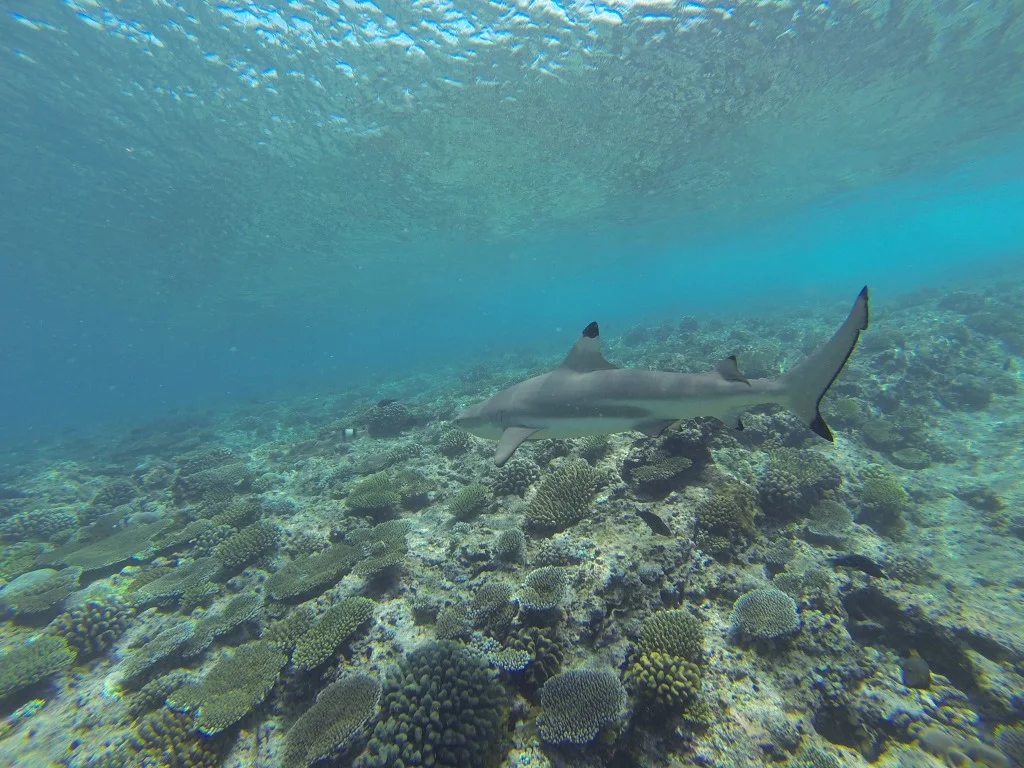
The underwater landscape of Arzentas Canyon, characterized by its dramatic rock formations and cave structures, offers varied habitats for marine life. While general reports mention the possibility of encountering larger pelagic species such as sharks, whales, dolphins, and turtles, divers are more consistently likely to observe a range of Mediterranean fauna adapted to these specific environments.
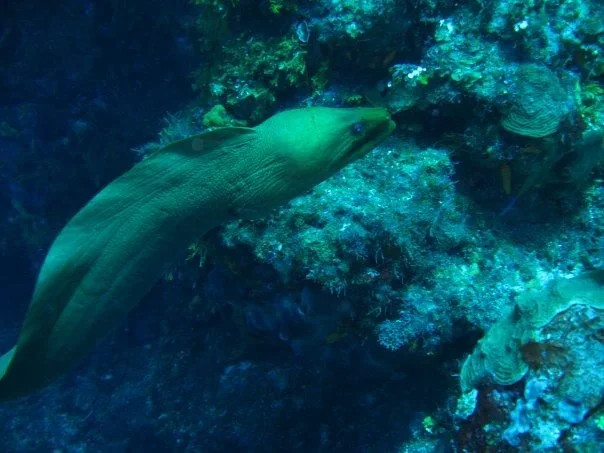
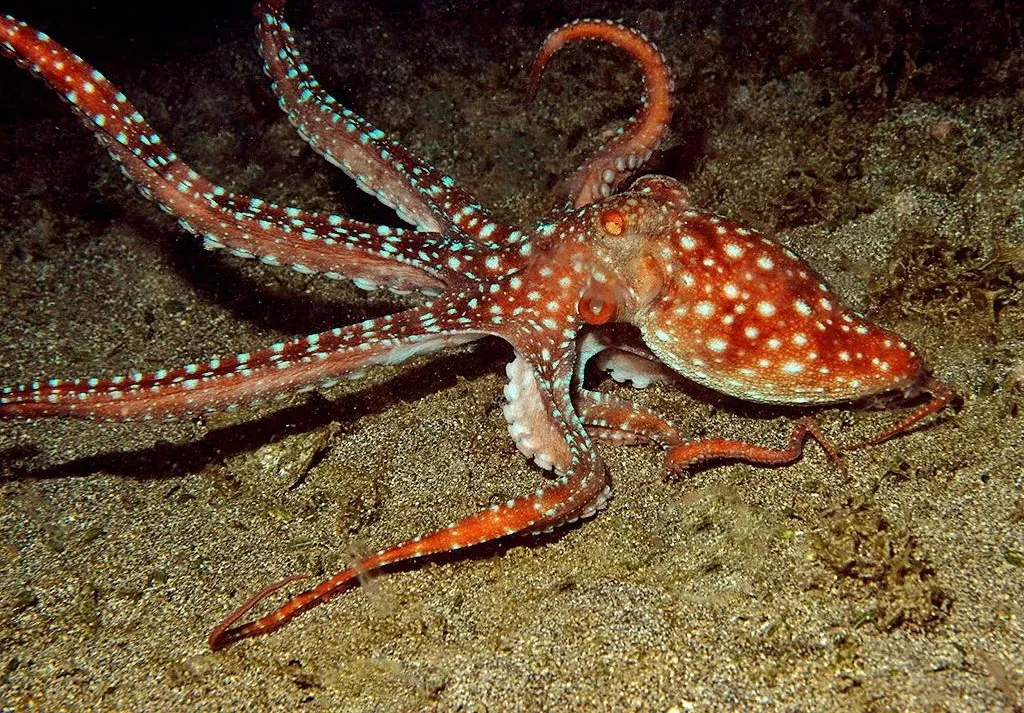
You'll often find colorful sponges and soft corals clinging to the canyon walls, providing shelter for various invertebrates. Small schooling fish frequently navigate the crevices and ledges, while moray eels and octopuses can be spotted within the nooks and crannies.
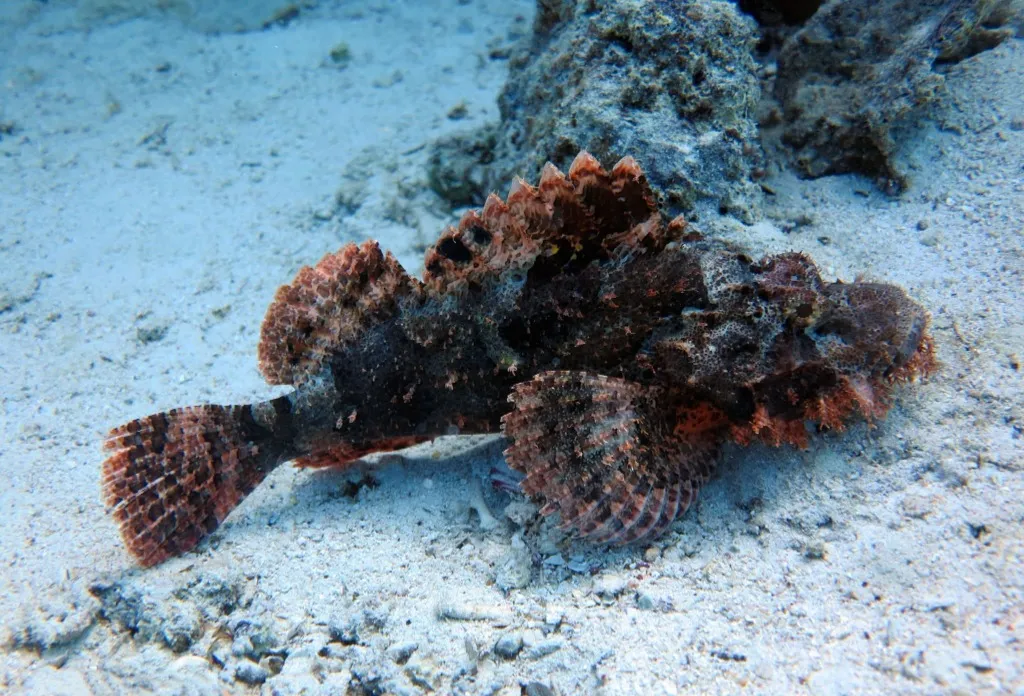
Keep an eye out for scorpionfish camouflaged against the rocks, along with various crustaceans moving across the cave floors.
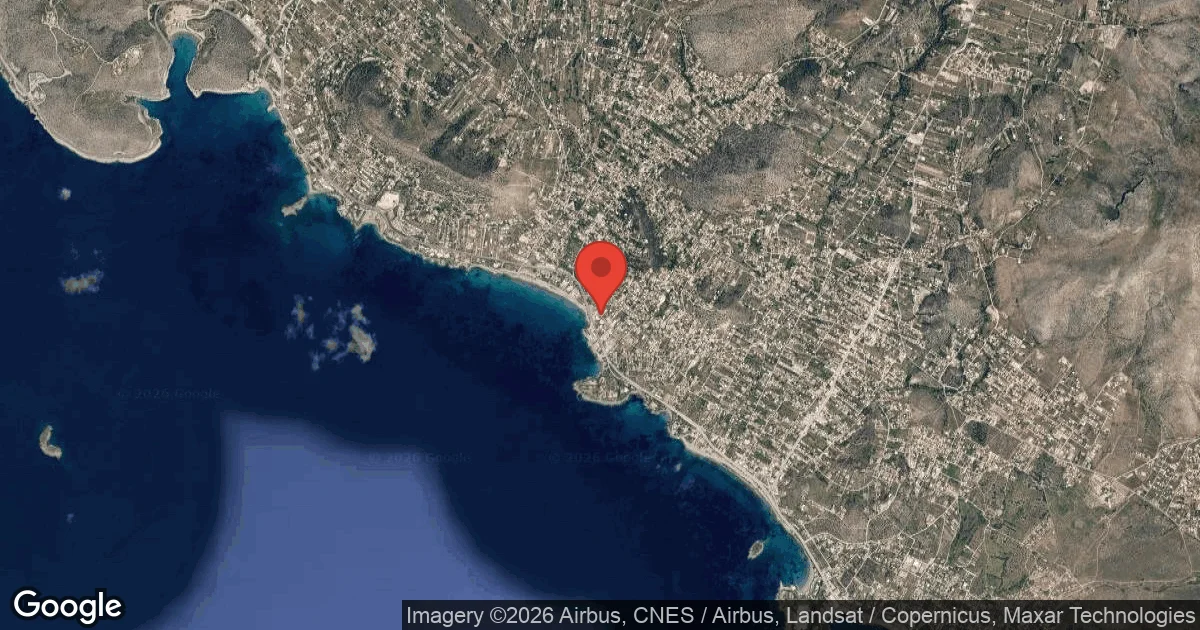
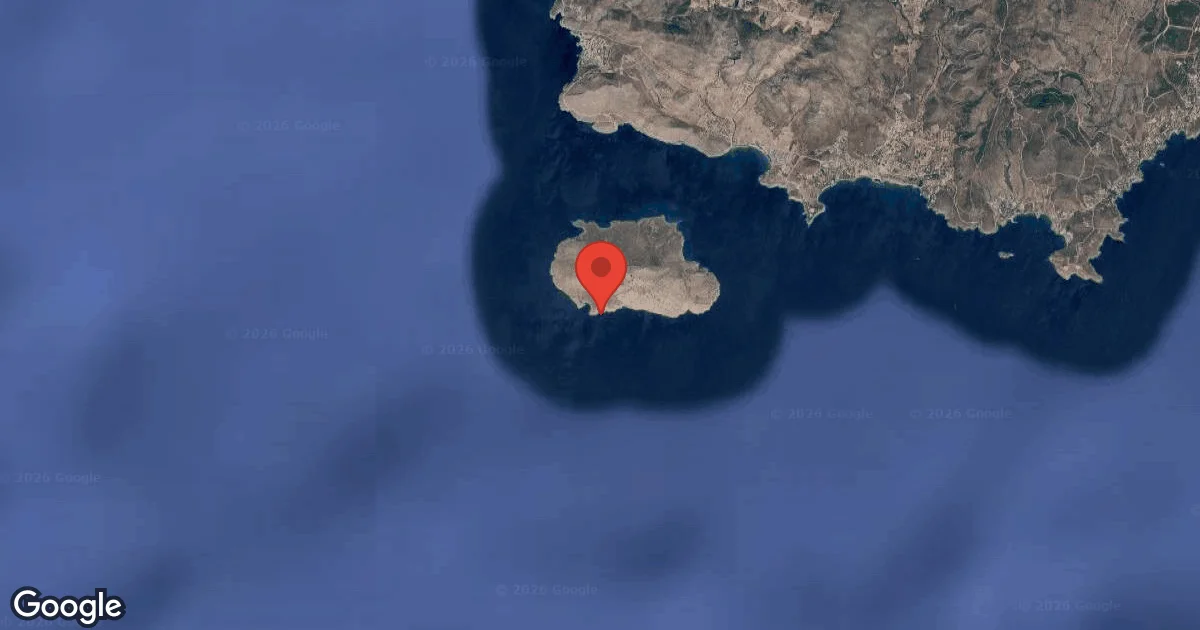
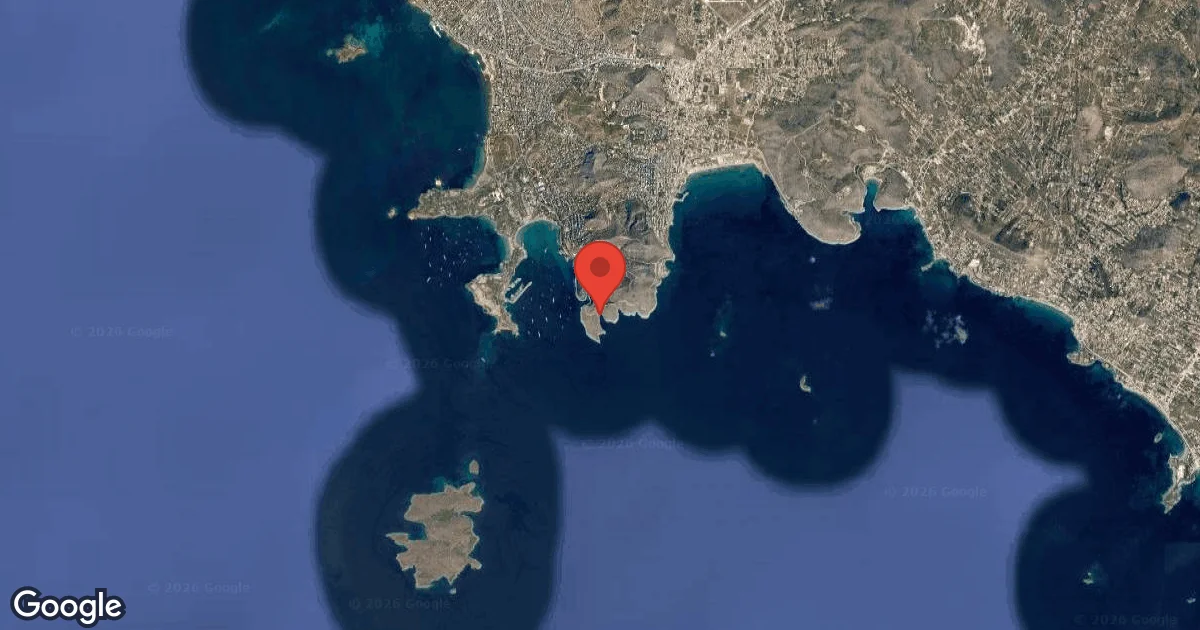
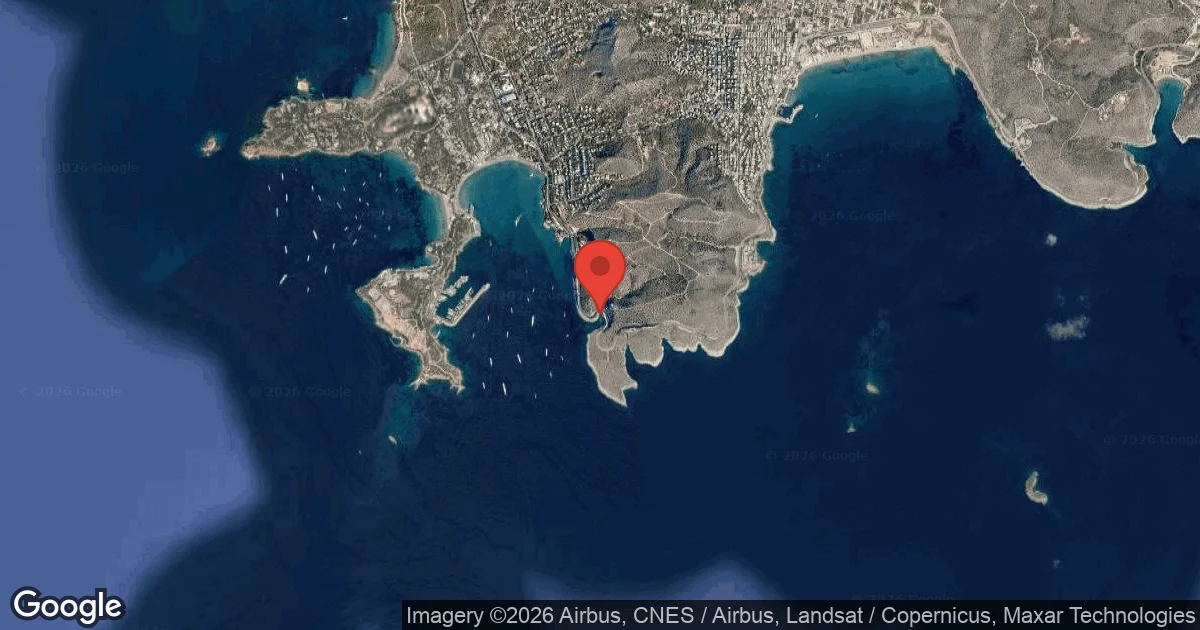
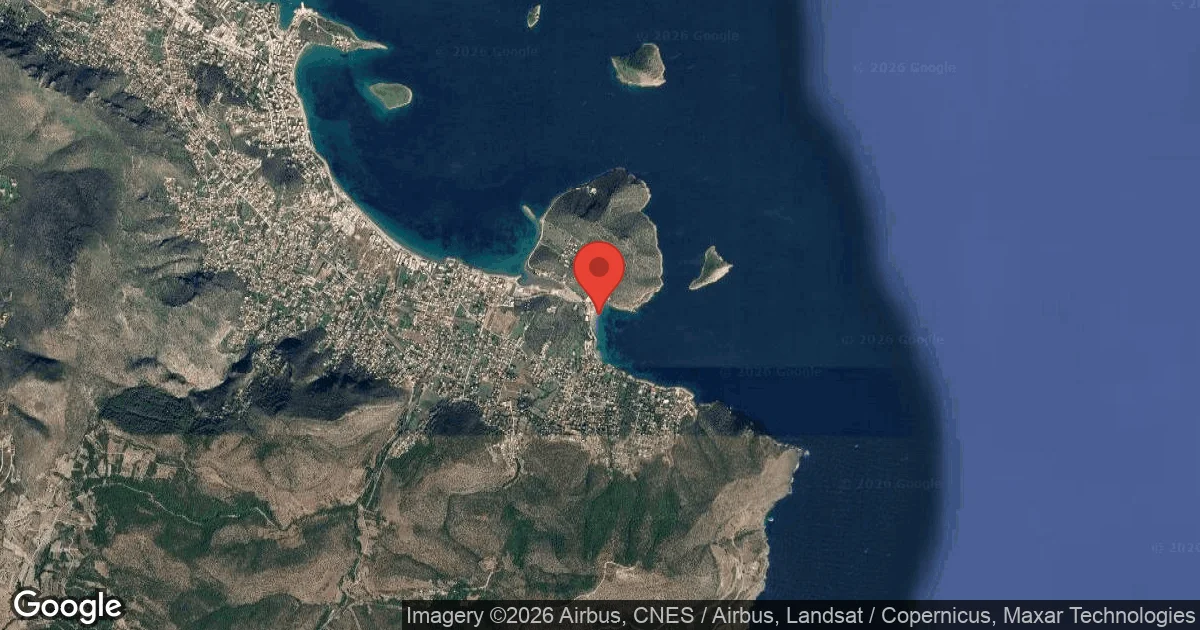
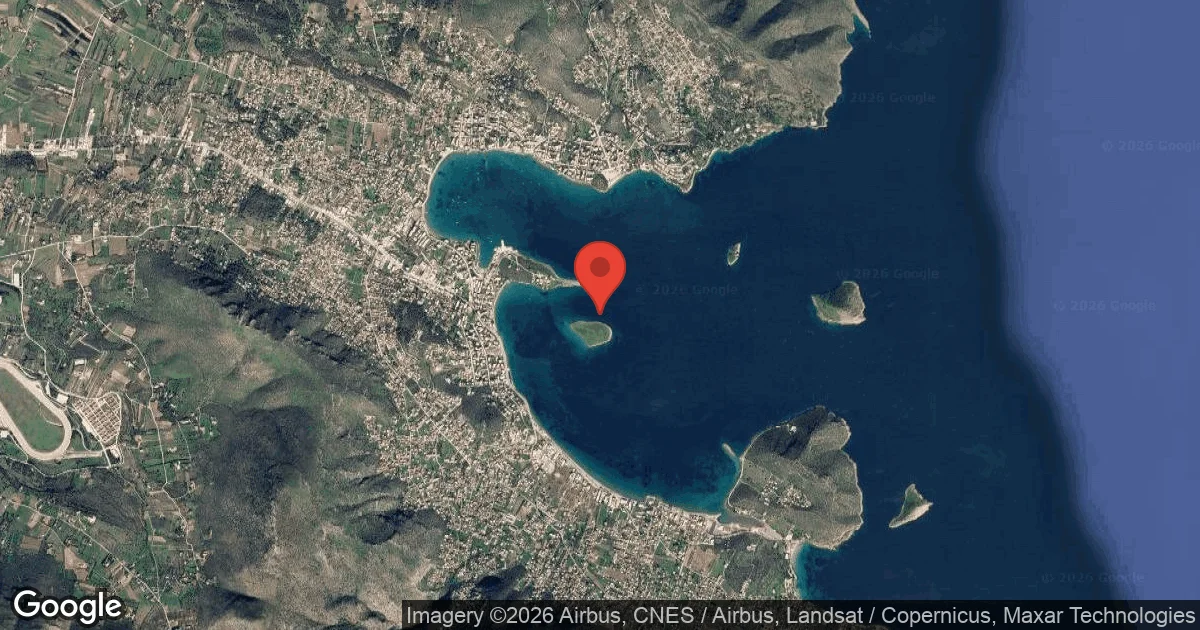
Dive Sites Near Arzentas Canyon
View all dive sites in GreeceDiscover more underwater gems in this area.
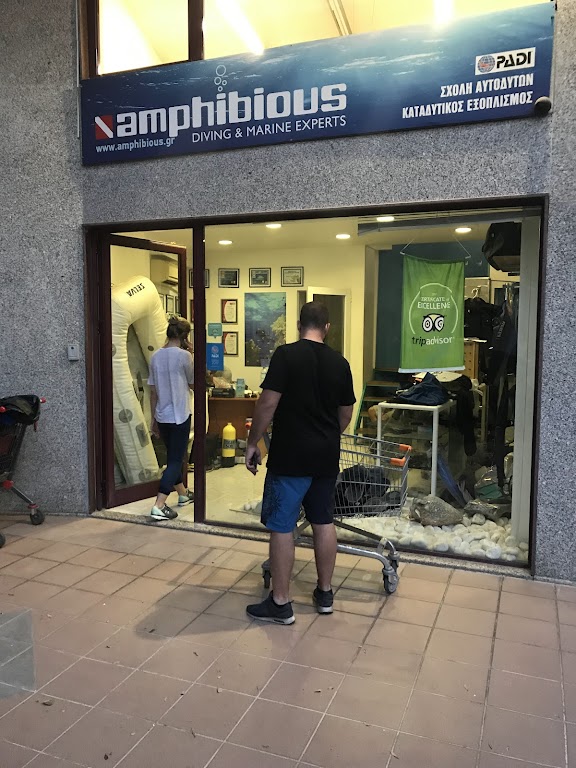
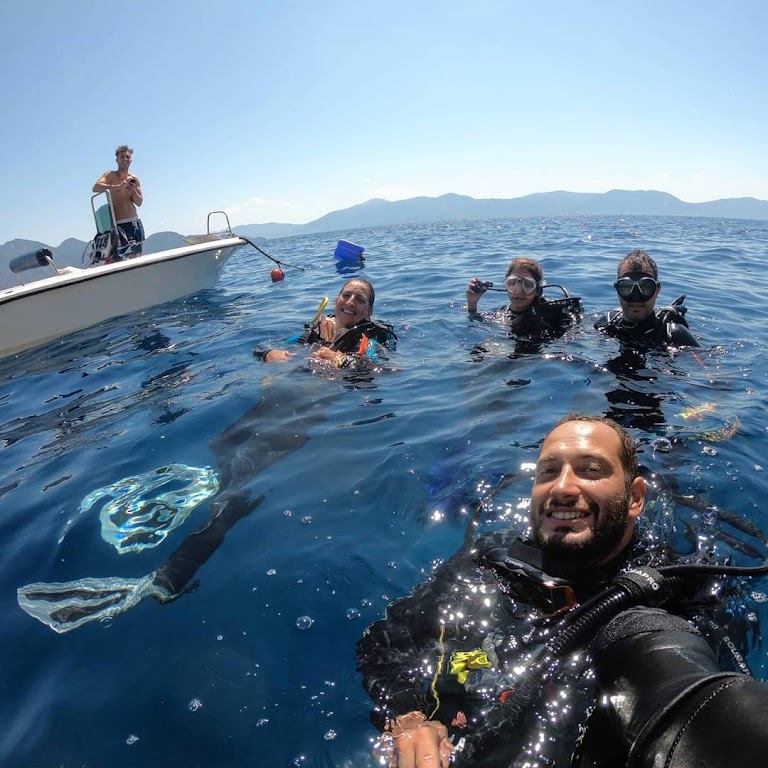
Dive Centers Near Arzentas Canyon
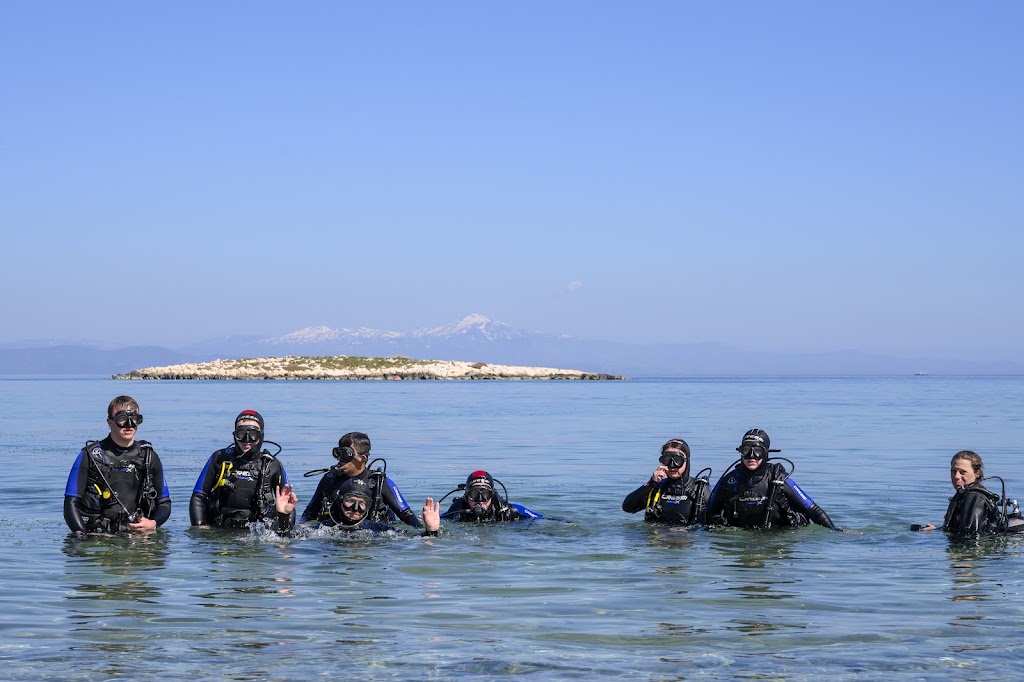
Today: 09:00 - 19:00
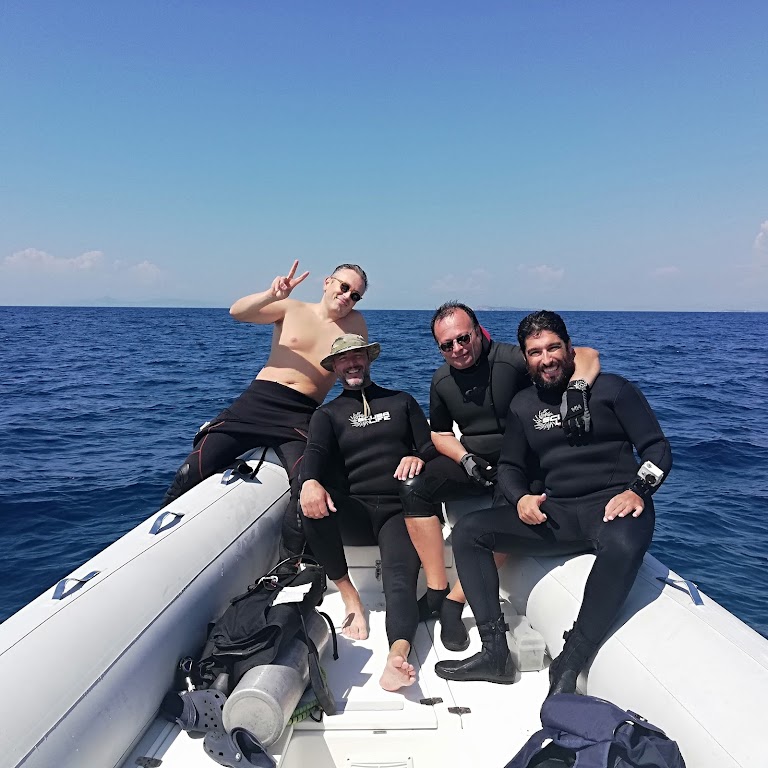
Nearest Airports
Nearest airports to help plan travel to this dive area.
Search Flights
Check available flights and routes on Expedia, using the nearby airports listed in this section.
Search Flights on ExpediaFrequently Asked Questions
What certification is required to dive Arzentas Canyon?
Given its classification as a 'Cave' dive, exploring the more extensive overhead environments of Arzentas Canyon typically requires specialized cave or cavern diving certifications. Recreational open water divers may be limited to the entrance or outer canyon sections under direct professional supervision.
Are there strong currents at Arzentas Canyon?
Specific current data for Arzentas Canyon is not consistently reported. However, conditions in the Saronic Gulf can vary, with some local sites experiencing light to medium currents. Divers should always consult with local dive operators for real-time conditions.
What is the typical visibility like?
Visibility at Arzentas Canyon is generally reported as very good. As with any site, it can vary based on weather, recent rainfall, and localized water movement. Expect clear conditions suitable for exploring the canyon's features.
What kind of marine life can I expect to see?
While broad reports mention pelagic sightings like sharks and dolphins, divers are more likely to encounter typical Mediterranean marine life. This includes various schooling fish, moray eels, octopuses, and colorful invertebrates like sponges and corals adhering to the canyon walls.
Is Arzentas Canyon suitable for beginner divers?
The deeper and 'Cave' classified sections of Arzentas Canyon are not suitable for beginners and require advanced training. However, some shallower, more open parts of the canyon might be accessible to appropriately supervised recreational divers, depending on specific dive plans with local centers.
How is the site typically accessed?
Arzentas Canyon is primarily accessed by boat. Dive operators from nearby coastal towns or marinas in the Attica region will typically transport divers to the site, allowing for comfortable entry directly into the diving area.
Planning to dive Arzentas Canyon?
Send one inquiry and receive offers directly from the best verified local dive operators.
Conditions are Good
07:00 - 14:00
Optimal conditions expected
Current conditions near Arzentas Canyon show 28° air, 26° sea temperature, 0.2 m waves, and 31 km/h wind. Forecast data is refreshed regularly to ensure accuracy.