
Diving at Avlaki Blue Flag Beach (Greece)
Avlaki, meaning 'furrow' in Greek, holds a historical significance as an ancient port. The site's name perfectly describes its geological structure, where a rock sloping massif forms a distinct furrow that guides divers deeper into the underwater landscape. This protected location offers calm conditions, making it an inviting entry point to the Aegean Sea's diverse underwater environment.
Tonight's objective overview for Avlaki Blue Flag Beach shows an air temperature of 21.5°C. The measured surface conditions include wave heights around 0.1 m. This environmental data is logged for the close of the day.
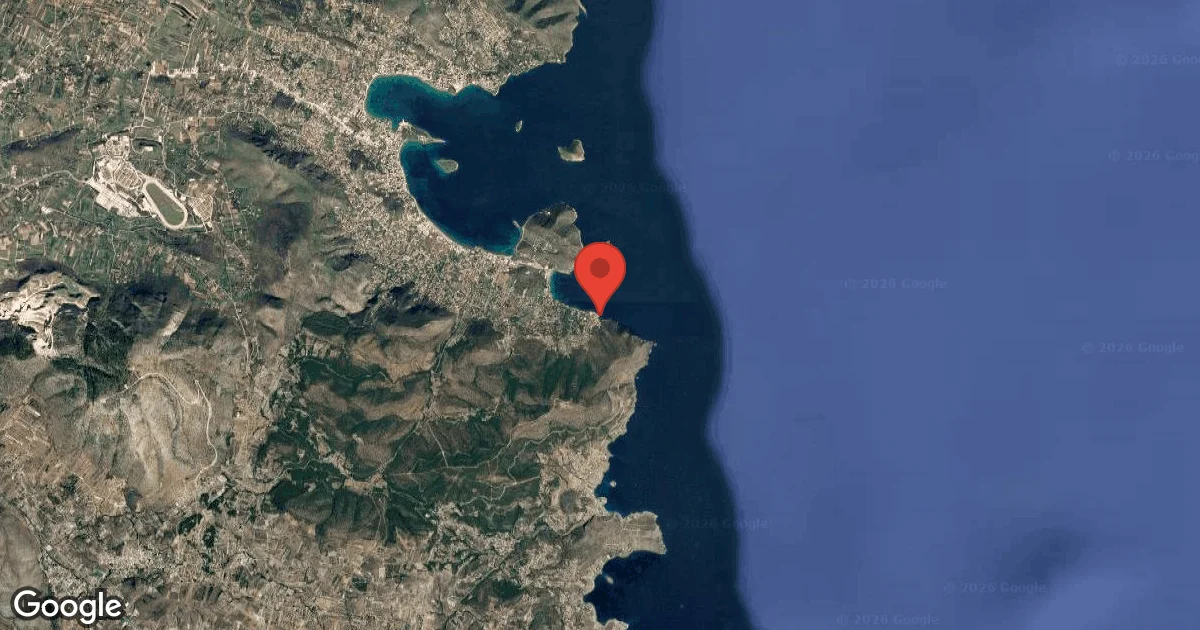
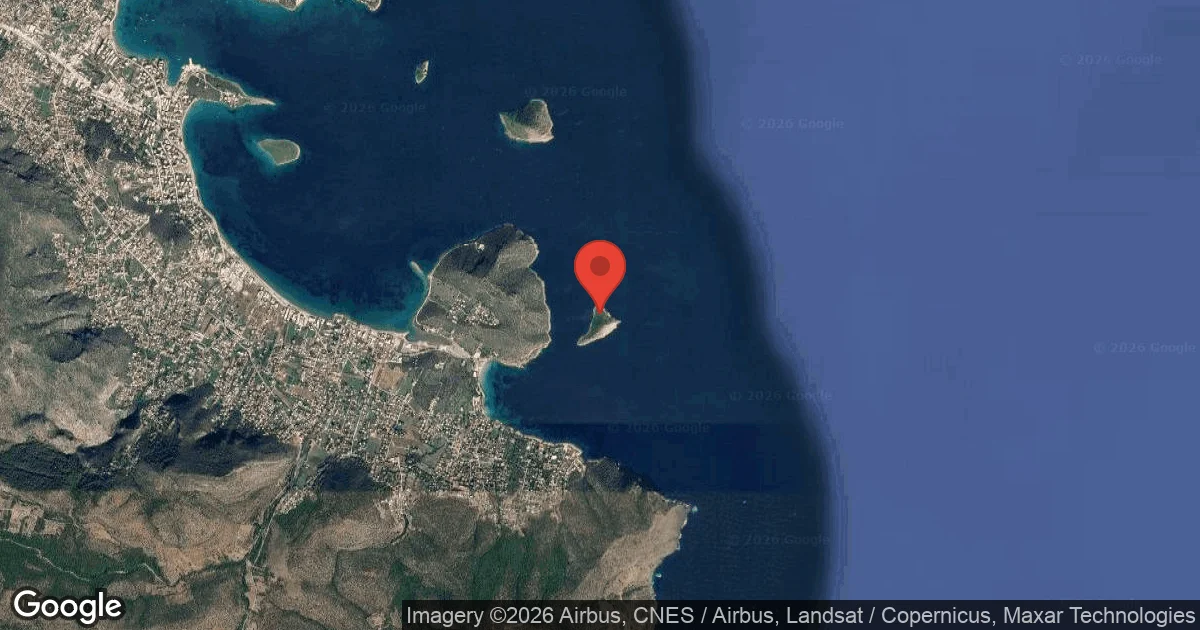
Dive Site Location & Key Facts
Dive Site Overview
Avlaki’s underwater topography unfolds with distinctive character, starting from impressive vertical walls that seamlessly transition into a gentle, gradual slope. This natural descent ultimately guides divers to a sandy bottom, reaching a maximum depth of approximately 50 m (164 ft).
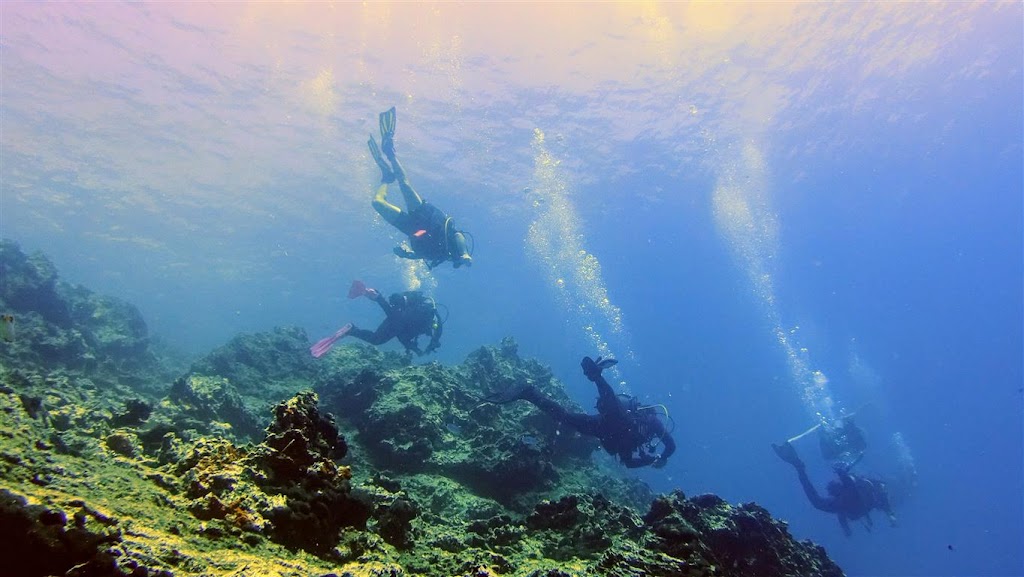
The core of the dive involves navigating a natural furrow—a channel-like geological feature—which serves as a guide through a varied seabed. Along this path, stretches of fine sand alternate with intricate rock formations, creating diverse habitats. As divers explore the walls, countless cracks, crevices, and larger holes become visible, providing shelter and hunting grounds for various species.
These formations offer engaging exploration, particularly when illuminated. Its position provides significant protection from the area's prevalent North-Eastern winds, which directly contributes to the typically clear water conditions and ensures a comfortable environment for descending into recreational depth ranges. Expect a smooth entry into a structured underwater landscape.
Conditions are Excellent
07:00 - 14:00
Optimal conditions expected
Current conditions near Avlaki Blue Flag Beach show 21° air, 25° sea temperature, 0.3 m waves, and 27 km/h wind. Forecast data is refreshed regularly to ensure accuracy.
Best Time to Dive
Optimizing visibility is often a key factor for divers, and at Avlaki, the high diving season, extending from April through October, typically offers excellent conditions. During these months, sea temperatures range from a low of 14°C (57°F) in winter to a high of 28°C (82°F) in summer. Air temperatures also align favorably, with averages like 19.5°C (67°F) in May and 29.5°C (85°F) in July, paired with minimal rainfall (e.g., 1.09 mm in May, 0.28 mm in July). While diving is feasible year-round, conditions outside this peak period, such as higher wave heights of 0.9 m (3.0 ft) in January and increased rain averaging 3.52 mm (0.14 in) in December, might influence dive planning.
PEAK SEASON SCORE
Scores combine air & water temps, waves, wind & rainfall for overall conditions.
BEST MONTHS TO DIVE
Monthly records compiled from satellite and marine observation nodes over the last 3 years. Data provided by Open-Meteo and MET Norway.
Dive Experience & Conditions
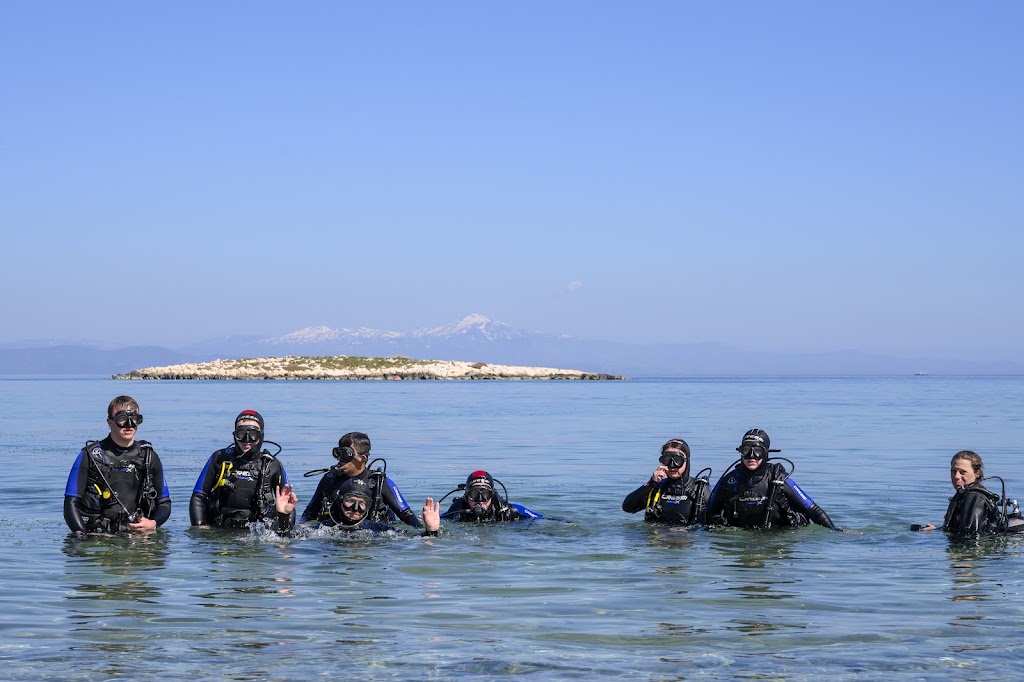
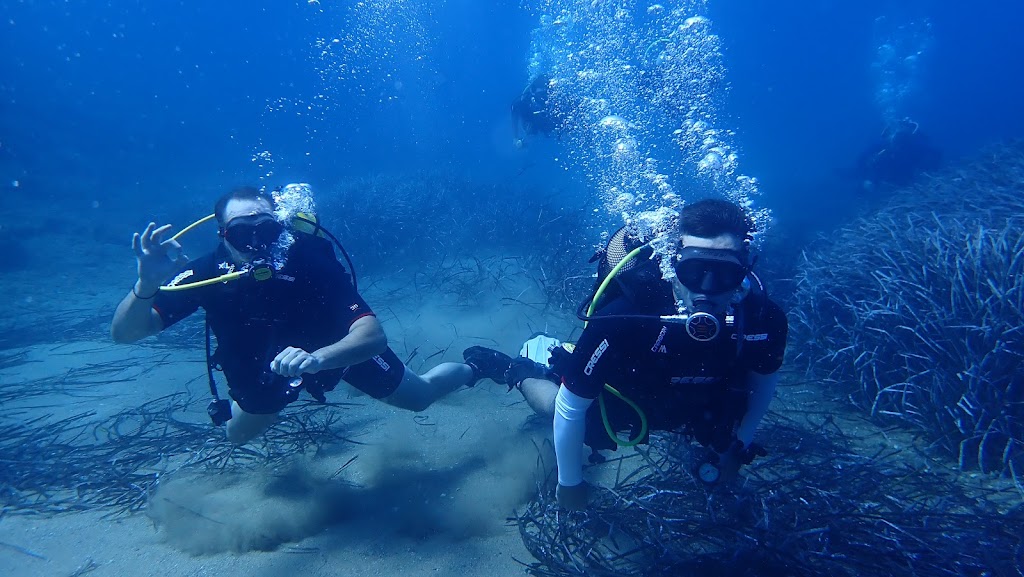
Ease of entry typically characterizes the dive experience at Avlaki, despite some rocky sections along the shore. This site is a common location for Discover Scuba Diving programs and recreational snorkeling, a clear indicator of its calm nature and accessibility for various skill levels. Its sheltered position from common North-Eastern winds generally ensures clear waters and a comfortable environment. However, divers should prepare for a potential current originating from the east. While usually mild, vigilance is always recommended, especially when navigating around features. Water temperatures often range between 22-27°C (72-81°F) during peak season, contributing to the site's appeal. Exploring the walls and sandy areas requires mindful buoyancy control.
Dive Difficulty & Safety Guidelines
Divers at Avlaki should primarily exercise caution regarding the current, which has been observed to originate from the east. Monitoring local conditions and dive guides' advice on current strength and direction before entry is recommended. This site is marked as a Blue Flag Beach, indicating certain environmental and safety standards are upheld.
Exploring the numerous cracks and holes in the wall formations should always be done with appropriate training and equipment, ensuring divers don't venture into confined spaces beyond their capabilities. Always maintain neutral buoyancy to protect the delicate marine environment.
Recommended Equipment
- Dive Computer
This gear list is based on verified equipment signals for Avlaki Blue Flag Beach, Greece. Always confirm final gear choices with your dive operator, guide, or liveaboard.
Recommended Dive Suit
Divers planning deeper dives may feel cooler than those staying in shallower areas.
Many divers find that 3mm wetsuit offers a comfortable balance between warmth and mobility. Surface intervals may feel cooler. Environmental models indicate a modest warming trend ahead. A warming trend is expected over the next few days.
Current temperature readings suggest that the water at Avlaki Blue Flag Beach is around 25°C (76°F). Surface air temperatures are resting at 21°C (70°F).
Emergency & Medical Support
Essential information to help you plan your dive trip to Avlaki Blue Flag Beach.

Hyperbaric chambers are a critical part of dive safety infrastructure. Availability varies significantly by region, and not all dive areas have immediate access.
Before diving, it's recommended to:
- confirm nearest medical facilities
- check emergency procedures with local dive operators
- ensure dive insurance covers evacuation if required
Divers Alert Network
Diving emergency assistance available through DAN Europe.
+39 0642115685- 24/7 emergency hotline
- Diving medical assistance
- Evacuation coordination
Emergency contacts are provided for reference. Always verify local emergency services before diving.
Closest Listed Hyperbaric Chambers
Showing listed hyperbaric chamber facilities within 200 km of this dive site.
Distances are approximate straight-line distances and may not reflect emergency travel time.
MKYI/NNA (DHDM/ANH)
24/7 ListedICU CapableAthens, Greece•Approx. 28 km straight-line
MKYI/NNA (DHDM/ANH)
24/7 ListedICU CapableInformation is provided for reference and planning purposes only. Dive Navigator does not verify operational status, staffing, availability, or quality of care at listed facilities. In an emergency, contact local emergency services, DAN, your dive operator, or the chamber directly. Do not travel to a facility without calling ahead.
Information is provided for reference and planning purposes only. Dive Navigator does not verify operational status, staffing, availability, or quality of care at listed facilities. In an emergency, contact local emergency services, DAN, your dive operator, or the chamber directly. Do not travel to a facility without calling ahead.
Information is provided for reference and planning purposes only. Dive Navigator does not verify operational status, staffing, availability, or quality of care at listed facilities. In an emergency, contact local emergency services, DAN, your dive operator, or the chamber directly. Do not travel to a facility without calling ahead.
Marine Life at Avlaki Blue Flag Beach
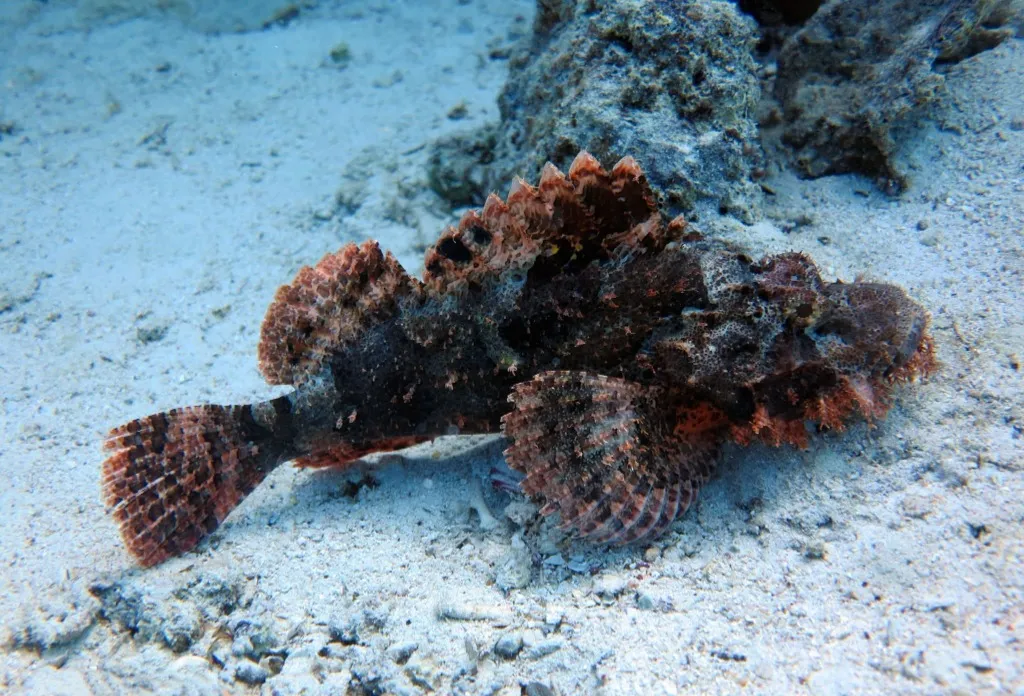
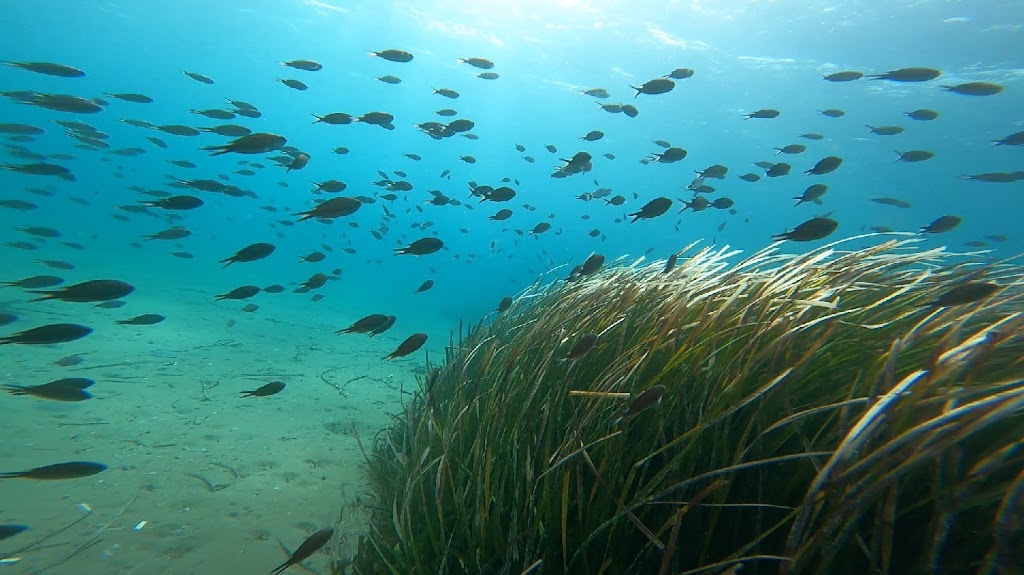
The underwater landscape at Avlaki supports a rich array of marine life. Along the walls and within their numerous cracks, divers may observe octopi and scorpionfish camouflaged against the rock formations.
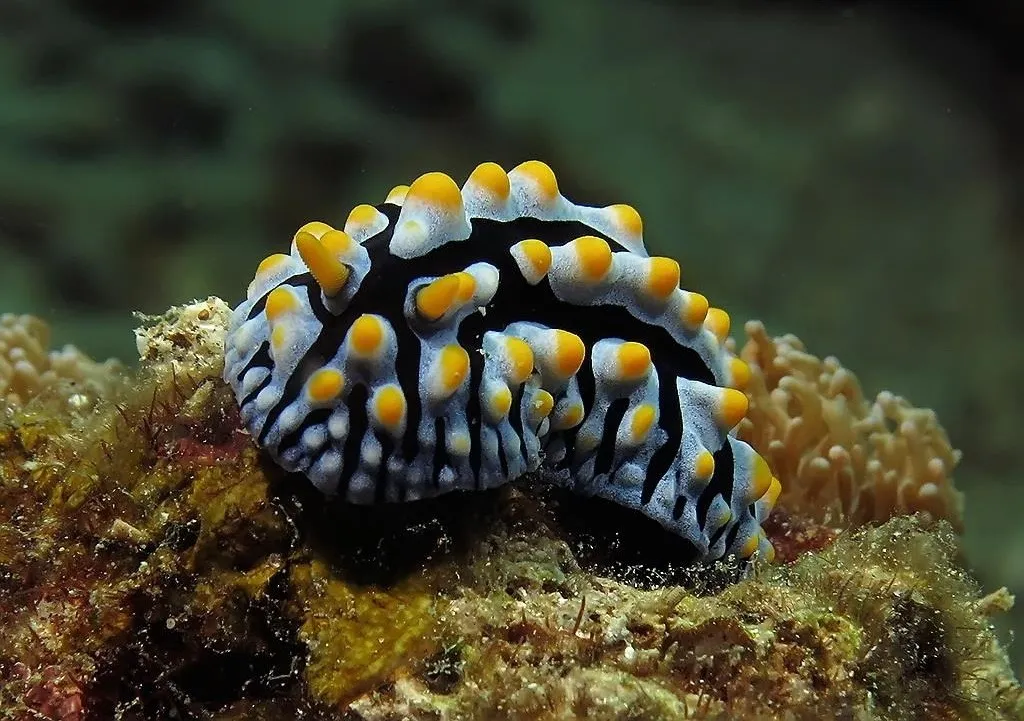
Shoals of carangids often navigate the open water sections. Keep an eye out for nudibranchs subtly moving across the surfaces, and John Dories expertly hidden within the seagrass beds.
There's also a possibility of encountering dolphins passing through the area, adding an exciting element to the dive experience.
Dive Sites Near Avlaki Blue Flag Beach
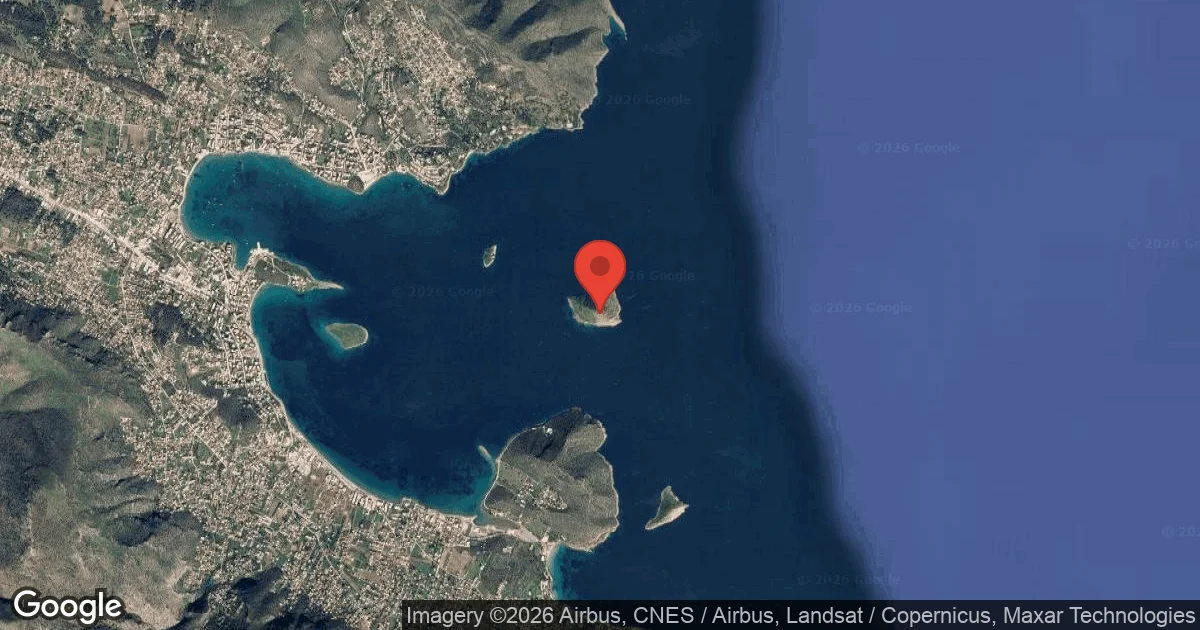
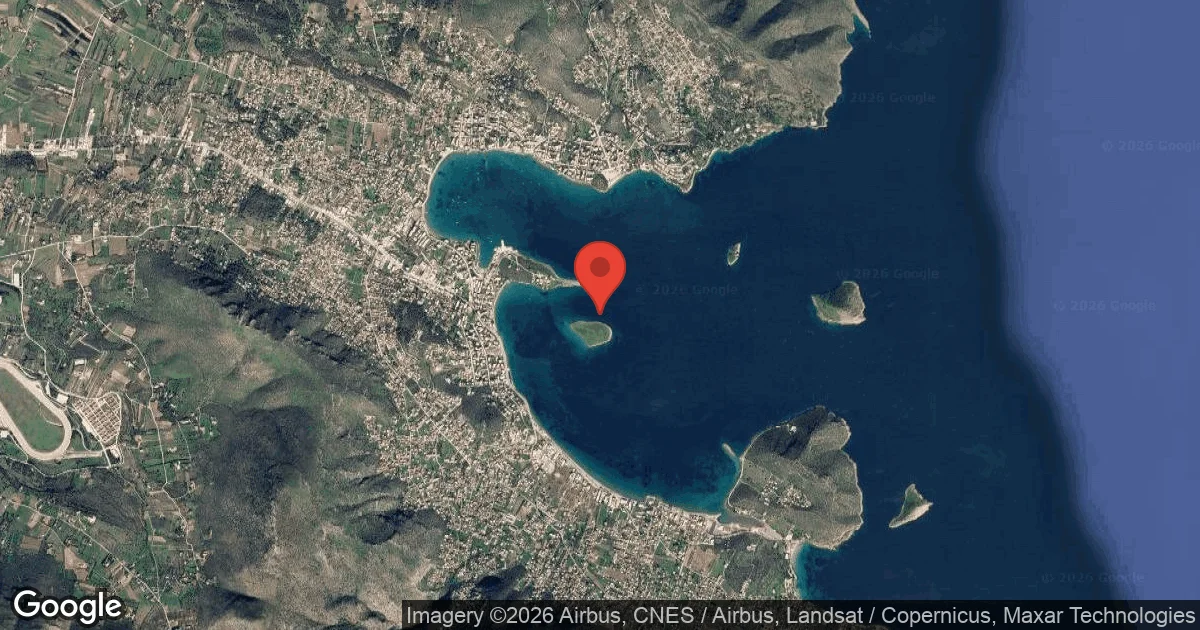
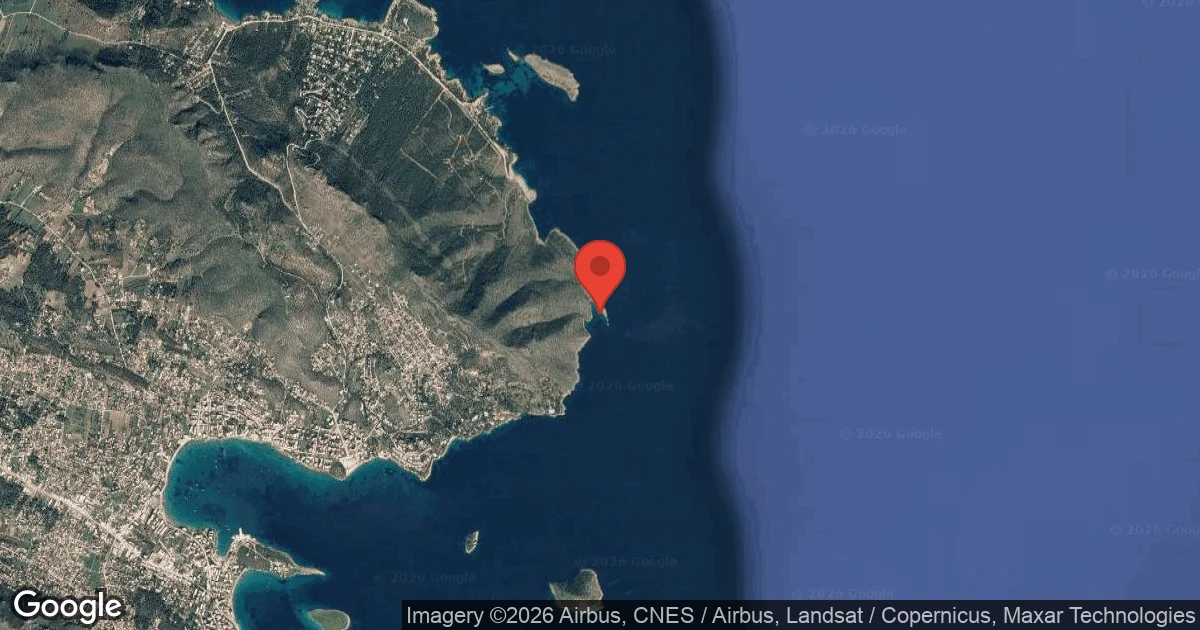
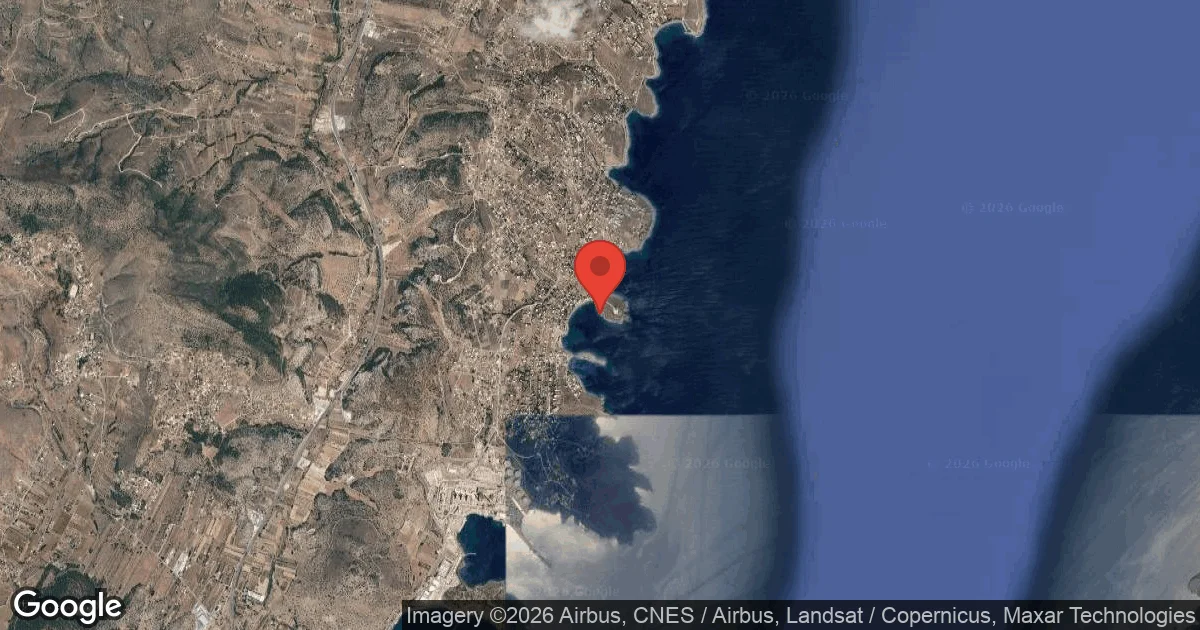
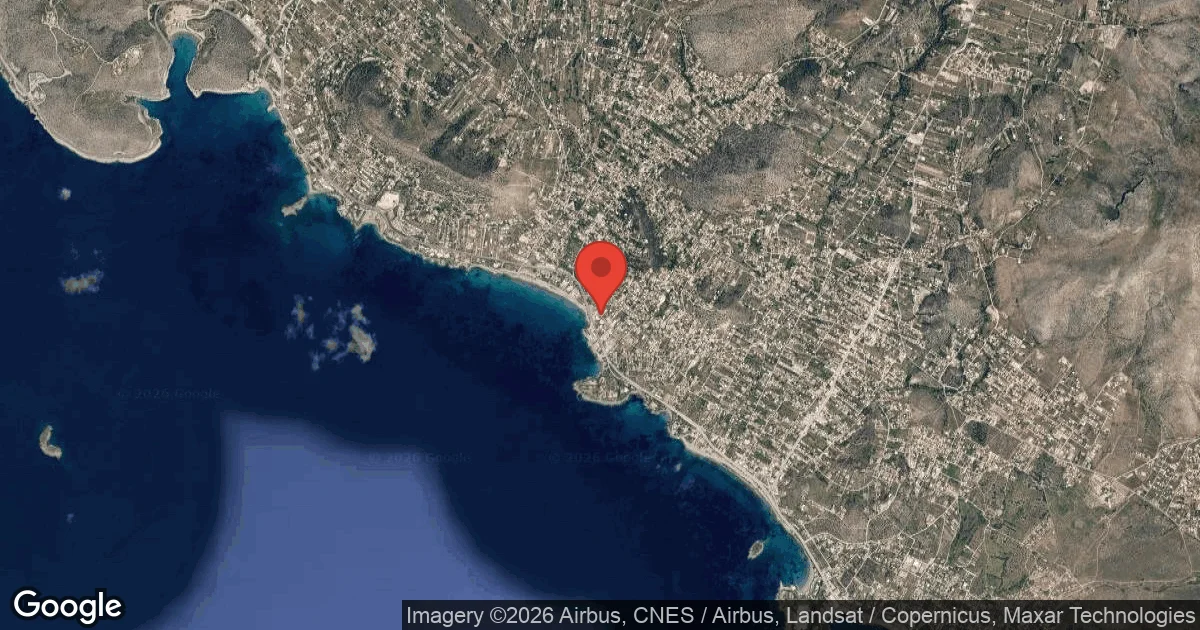
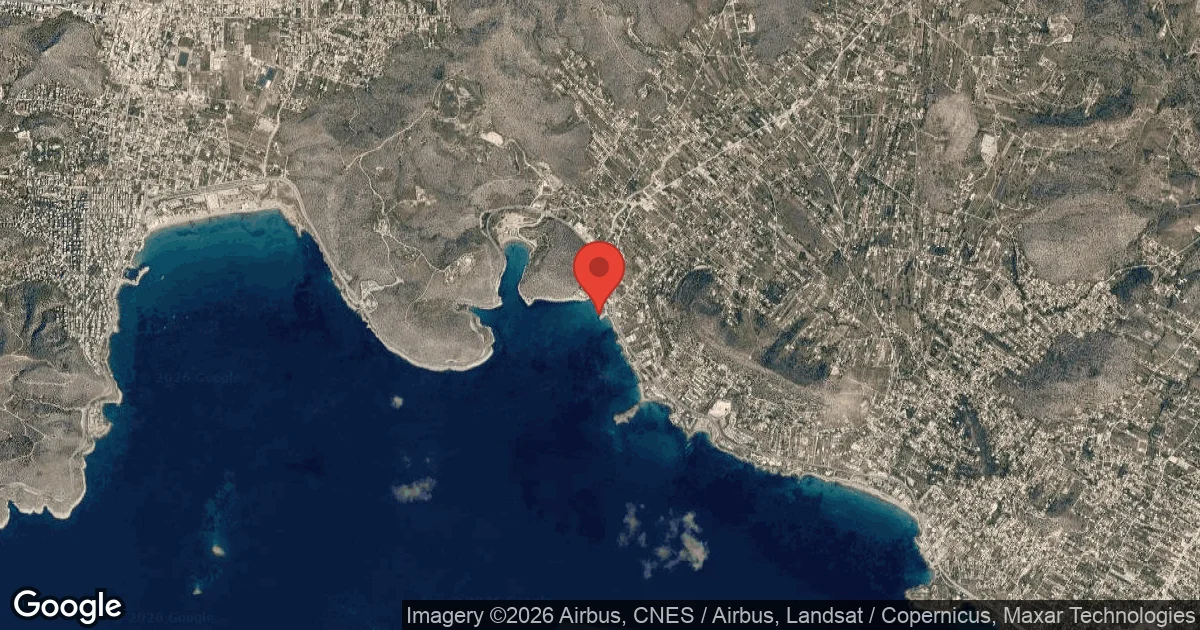
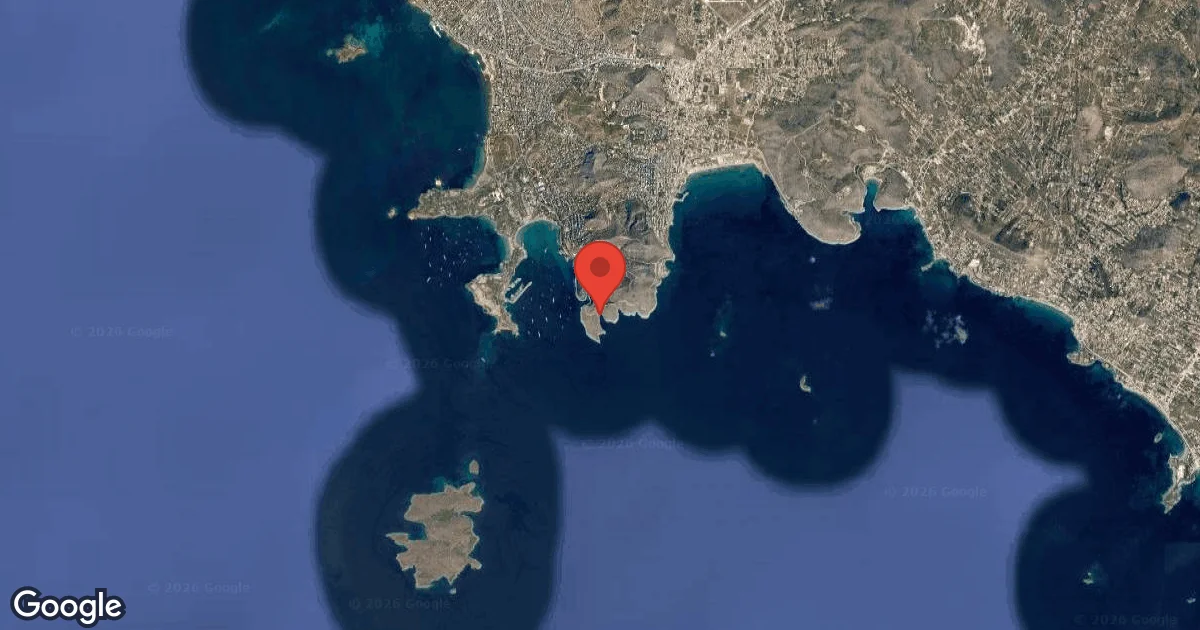
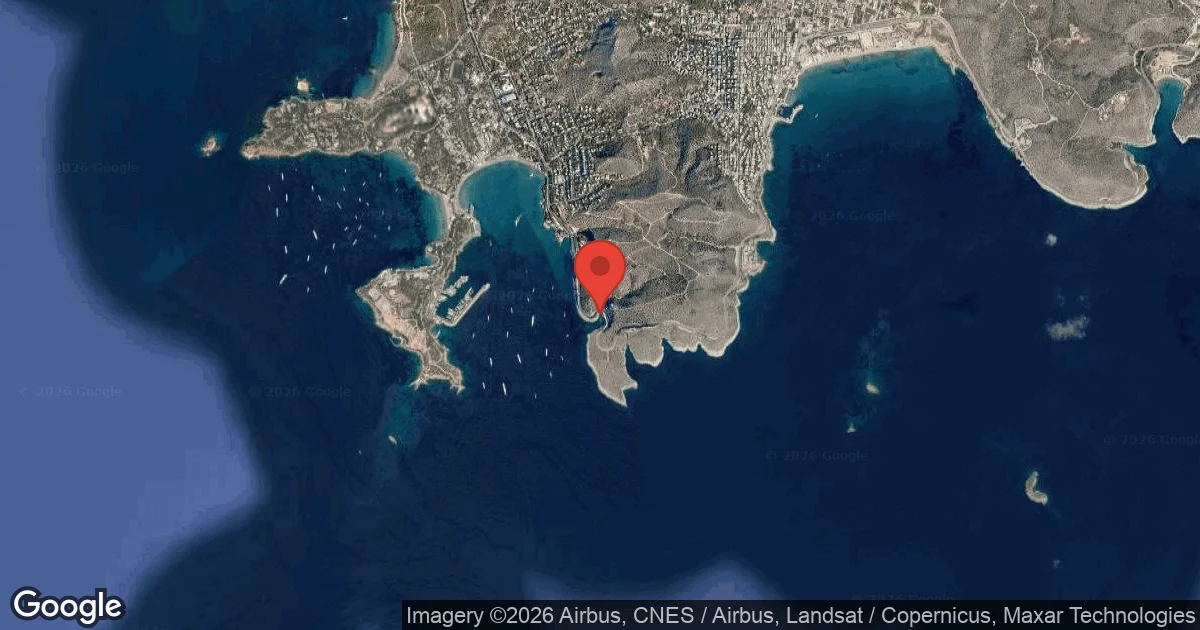
View all dive sites in GreeceDiscover more underwater gems in this area.
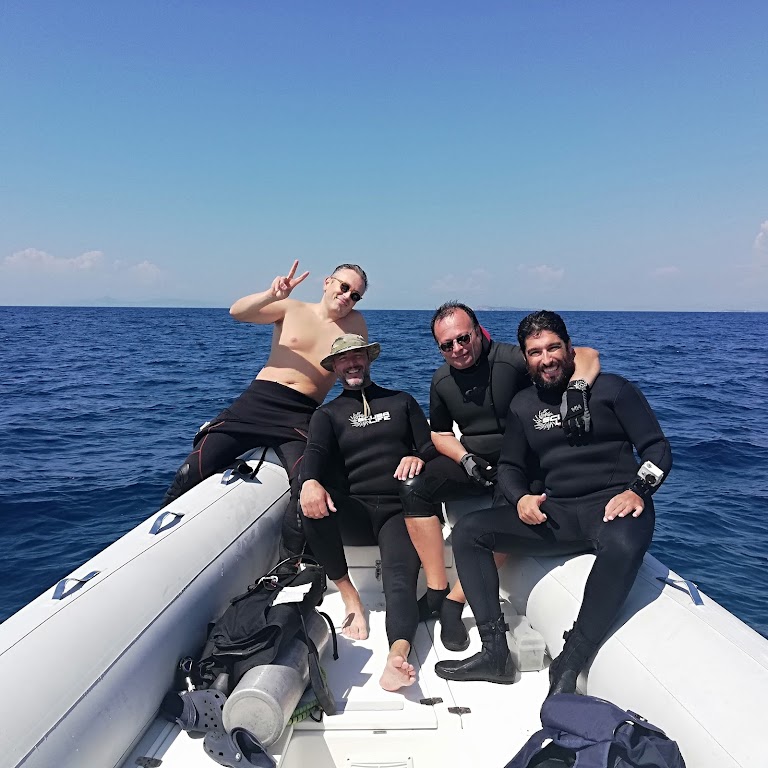
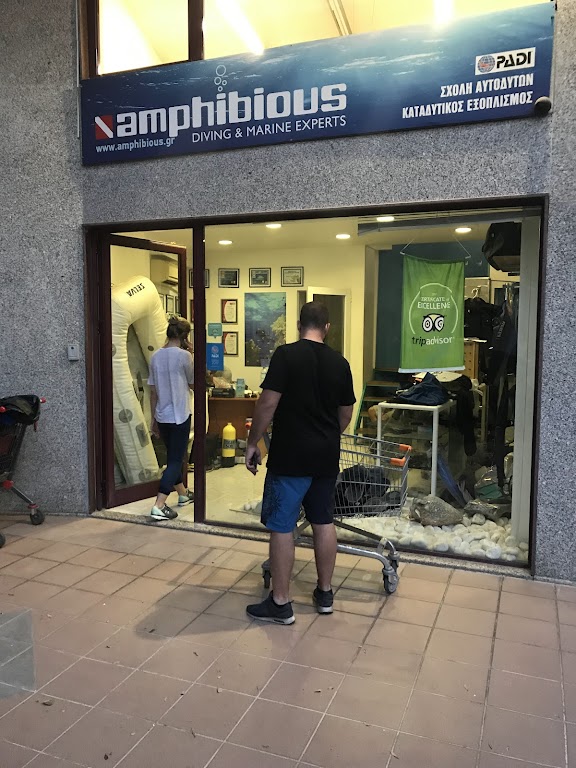
Dive Centers Near Avlaki Blue Flag Beach
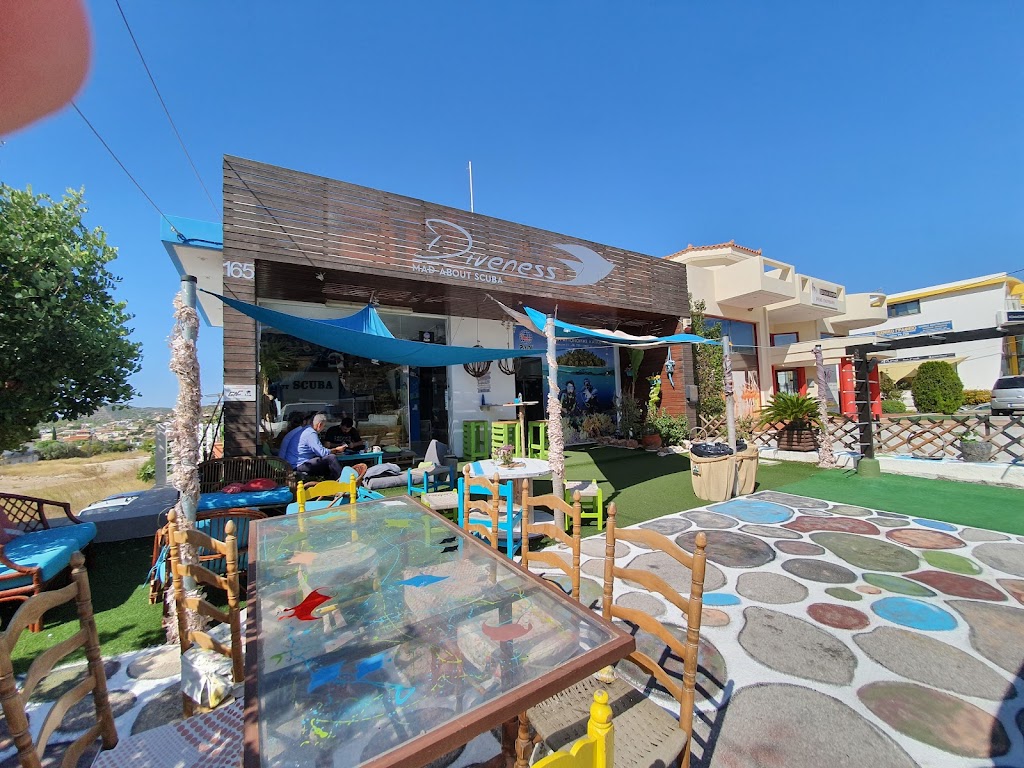
Today: 09:00 - 21:00
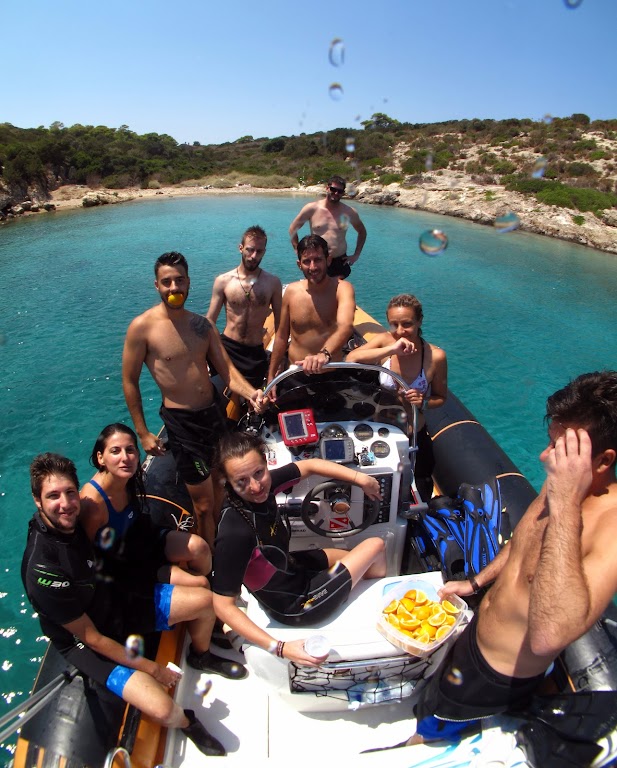
Nearest Airports
Nearest airports to help plan travel to this dive area.
Search Flights
Check available flights and routes on Expedia, using the nearby airports listed in this section.
Search Flights on ExpediaFrequently Asked Questions
What is the maximum depth at Avlaki Blue Flag Beach?
Avlaki Blue Flag Beach reaches a maximum depth of approximately 50 m (164 ft). Walls at the site slope gently down to a sandy bottom at this depth, accommodating various dive profiles.
Is Avlaki suitable for beginner divers?
Yes, Avlaki is considered suitable for novice divers. It's often used for Discover Scuba Diving experiences due to its protected nature, clear waters, and a dive profile accommodating various experience levels.
What kind of underwater topography can I expect?
Walls at Avlaki descend into a gentle slope, ending in a sandy bottom. Expect numerous cracks, holes, and rock formations, collectively creating a 'furrow' effect that guides the dive.
When is the best time to dive at Avlaki?
Optimal diving conditions at Avlaki are typically found during the high season, from April to October. These months offer warmer sea temperatures and generally clearer waters, though diving is feasible year-round.
Are there any specific currents to be aware of?
Divers should be mindful of a potential current that can originate from the east. It's advisable to check local conditions and consult with dive guides before entering the water.
What marine life might I encounter at Avlaki?
A diverse array of marine life inhabits Avlaki. Look for shoals of carangids, octopi, scorpionfish, and nudibranchs. John Dories may be spotted in seagrass, and occasional dolphin sightings are possible.
What does the name 'Avlaki' mean?
In Greek, 'Avlaki' translates to 'furrow.' This name accurately reflects the natural rock formations that create a channel-like structure for divers to explore.
Planning to dive Avlaki Blue Flag Beach?
Send one inquiry and receive offers directly from the best verified local dive operators.
Conditions are Excellent
07:00 - 14:00
Optimal conditions expected
Current conditions near Avlaki Blue Flag Beach show 21° air, 25° sea temperature, 0.3 m waves, and 27 km/h wind. Forecast data is refreshed regularly to ensure accuracy.