
Diving at Koroni Island (Greece)
Koroni Island provides a diverse underwater landscape suitable for various diving skill levels. Its three distinct shorelines cater to both novice and experienced divers seeking different challenges and environments. With depths varying significantly, from shallower training areas to more advanced deep wall dives, divers can progressively explore the rich Mediterranean waters. This destination is an accessible entry point for those beginning their dive journey, while also offering intricate exploration for certified divers.
Evening condition tracking at Koroni Island features an air temperature of 20.5°C. We have recorded wave heights measuring 0.1 m during this period. These figures outline the environmental parameters currently present.
Dive Site Location & Key Facts
Dive Site Overview
Koroni Island, nestled within the broader Attica region of Greece, represents an established dive destination where the ancient geological processes of the Mediterranean are vividly displayed underwater. Submarine topography here showcases impressive wall formations, a characteristic feature of the region's millennia of tectonic activity.
Divers here can expect a dive experience shaped by the gradual sculpting of shorelines, leading to diverse depth profiles and varied marine habitats. Exploring these waters provides a sense of connection to the enduring history of the Aegean, where geological evolution has created a series of dramatic underwater features over eons. From relatively shallow coastal sections extending to significant depths, the island's underwater environment has long been a haven for local biodiversity, adapting to the varied terrain.
The varied underwater landscape includes intriguing canyons and rocky reefs, adding to the structural diversity. With three structured shorelines, a long-standing appeal is suggested, offering a range of experiences from calm, protected bays to more exposed areas influenced by prevailing currents.
These varying conditions require adaptive dive planning. Such historical shaping means a journey through Koroni's waters is an encounter with a mature and resilient ecosystem, constantly evolving beneath the surface.
Conditions are Excellent
07:00 - 14:00
Optimal conditions expected
Current conditions near Koroni Island show 21° air, 25° sea temperature, 0.3 m waves, and 28 km/h wind. Forecast data is refreshed regularly to ensure accuracy.
Best Time to Dive
Planning a dive at Koroni Island prioritizes comfort and optimal underwater visibility for the best possible experience. The prime diving season typically spans from May through September, offering excellent conditions. During these months, the air temperatures are notably pleasant, ranging from approximately 19.5°C (67°F) in May, soaring to 29.5°C (85°F) in July, and remaining warm at 24.5°C (76°F) in September. Rainfall is minimal, with June, July, and August experiencing the lowest levels, often less than 1 mm, contributing to stable conditions. Wave heights generally remain below 0.5 meters (approximately 1.6 feet) in these peak months, ensuring calmer seas and easier boat access. While specific water temperatures are not consistently reported for Koroni Island, the broader Mediterranean Sea typically sees comfortable diving temperatures, particularly in summer. For divers seeking favorable weather and tranquil conditions, late spring through early autumn presents an ideal window for exploration, providing the clearest waters and most enjoyable surface intervals.
PEAK SEASON SCORE
Scores combine air & water temps, waves, wind & rainfall for overall conditions.
BEST MONTHS TO DIVE
Monthly records compiled from satellite and marine observation nodes over the last 3 years. Data provided by Open-Meteo and MET Norway.
Dive Experience & Conditions
The varying underwater terrain at Koroni Island presents a diverse depth profile, catering to a wide range of diver certifications. Descending at these sites, the terrain changes quickly, moving from shallower coastal areas where depths start around 8 meters, to prominent wall dives. The maximum depth can reach 50 meters (164 ft) in certain locations, appealing to advanced divers. Other areas provide extensive shallower sections, often beginning as low as two meters and gradually sloping to recreational depths, typically around 18 meters. Visibility generally remains quite clear, often extending up to 20 meters (66 ft), which significantly enhances navigating these walls and reef structures. Currents are not consistently reported; however, some regional sites exhibit a permanent light current, suggesting similar conditions might be present here, particularly around exposed points.
Dive Difficulty & Safety Guidelines
Expert planning is crucial for safe diving around Koroni Island, ensuring a smooth and enjoyable underwater exploration. Always dive within your certification limits and those of your buddy. Thoroughly check all equipment before entering the water, confirming proper function of gauges and regulators.
Because the island offers varied topography, including wall dives and potential swim-throughs, maintaining proper buoyancy control is paramount to protect the delicate marine environment and for personal safety. Stay aware of your surroundings, especially regarding any reported light currents, which can affect dive planning and ascent procedures.
Respect marine life by observing without touching or disturbing habitats. Always adhere to local dive center briefings and guidelines, as they provide the most current information on site-specific conditions and potential entry/exit challenges.
Recommended Equipment
- Dive Computer
This gear list is based on verified equipment signals for Koroni Island, Greece. Always confirm final gear choices with your dive operator, guide, or liveaboard.
Recommended Dive Suit
With water temperatures around 25°C (76°F), many divers find a 3mm wetsuit provides comfortable protection.
Divers performing multiple dives may appreciate slightly warmer protection later in the day.
Surface conditions are expected to warm up slightly in the coming days. A warming trend is expected over the next few days.
Emergency & Medical Support
Essential information to help you plan your dive trip to Koroni Island.

Hyperbaric chambers are a critical part of dive safety infrastructure. Availability varies significantly by region, and not all dive areas have immediate access.
Before diving, it's recommended to:
- confirm nearest medical facilities
- check emergency procedures with local dive operators
- ensure dive insurance covers evacuation if required
Divers Alert Network
Diving emergency assistance available through DAN Europe.
+39 0642115685- 24/7 emergency hotline
- Diving medical assistance
- Evacuation coordination
Emergency contacts are provided for reference. Always verify local emergency services before diving.
Closest Listed Hyperbaric Chambers
Showing listed hyperbaric chamber facilities within 200 km of this dive site.
Distances are approximate straight-line distances and may not reflect emergency travel time.
Information is provided for reference and planning purposes only. Dive Navigator does not verify operational status, staffing, availability, or quality of care at listed facilities. In an emergency, contact local emergency services, DAN, your dive operator, or the chamber directly. Do not travel to a facility without calling ahead.
MKYI/NNA (DHDM/ANH)
24/7 ListedICU CapableAthens, Greece•Approx. 29 km straight-line
MKYI/NNA (DHDM/ANH)
24/7 ListedICU CapableInformation is provided for reference and planning purposes only. Dive Navigator does not verify operational status, staffing, availability, or quality of care at listed facilities. In an emergency, contact local emergency services, DAN, your dive operator, or the chamber directly. Do not travel to a facility without calling ahead.
Information is provided for reference and planning purposes only. Dive Navigator does not verify operational status, staffing, availability, or quality of care at listed facilities. In an emergency, contact local emergency services, DAN, your dive operator, or the chamber directly. Do not travel to a facility without calling ahead.
Marine Life at Koroni Island
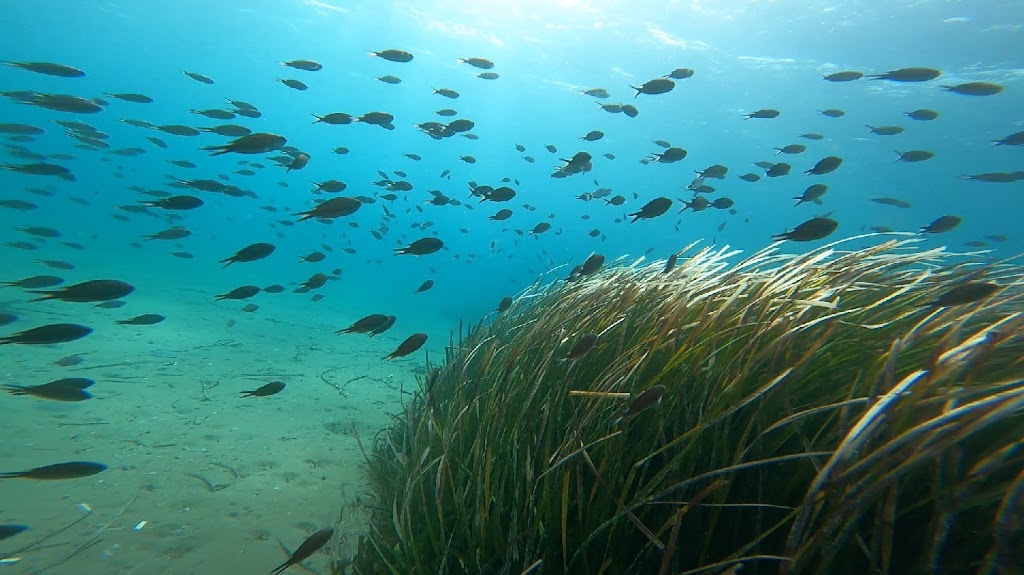
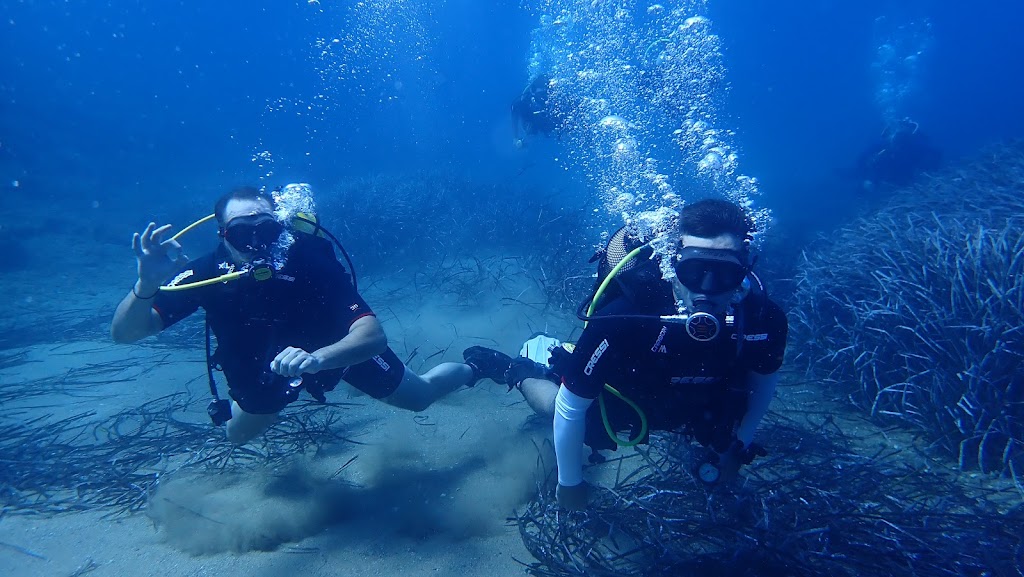
Upon entering the waters around Koroni Island, divers will immediately notice a rich array of Mediterranean marine life inhabiting the varied underwater terrain. The rocky structures and areas of Neptune grass often host vibrant schools of small fish, and it's common to spot various crustaceans sheltering in crevices.
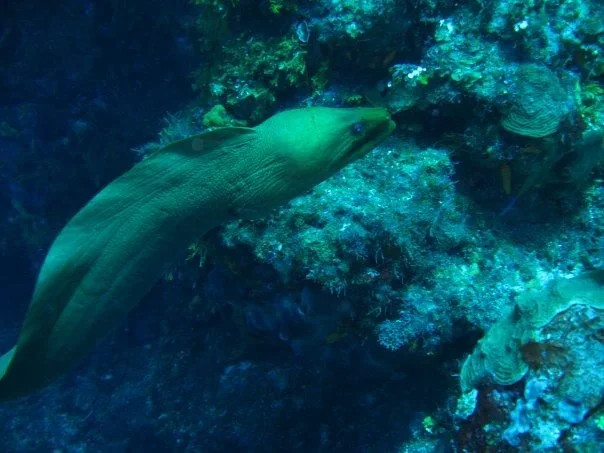
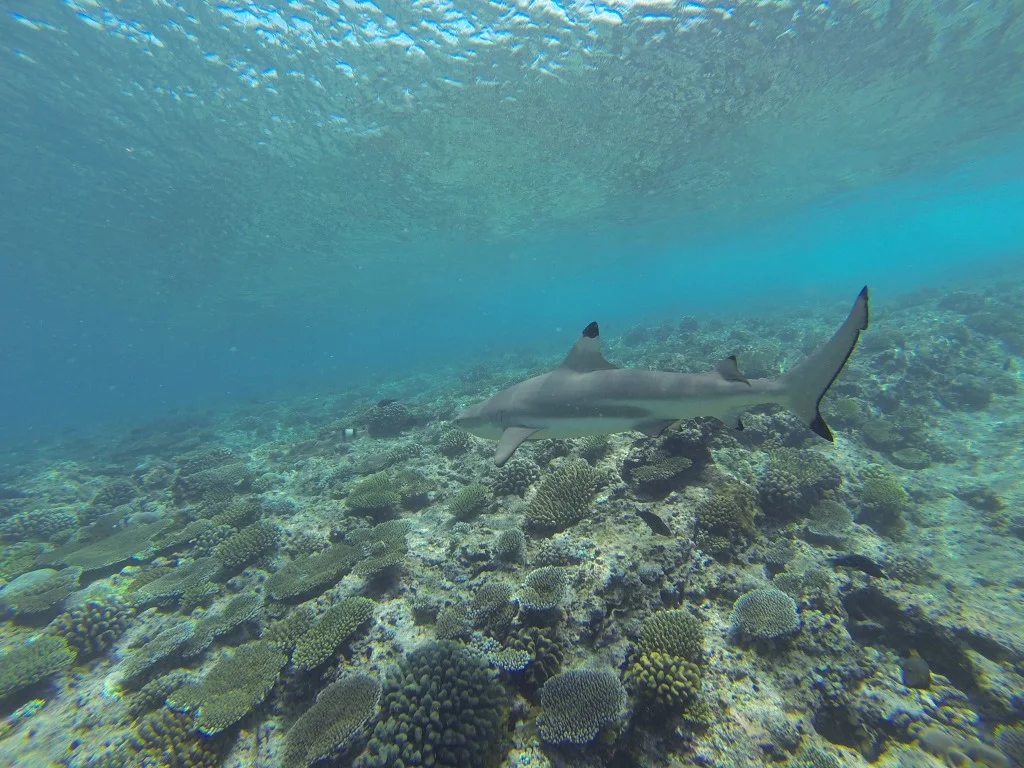
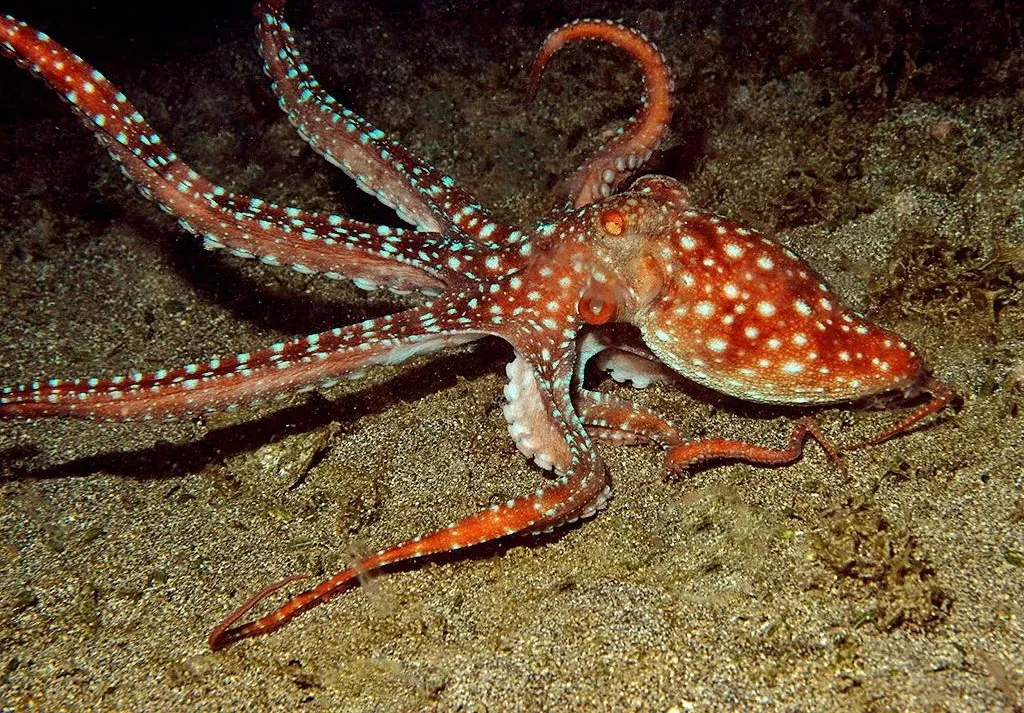
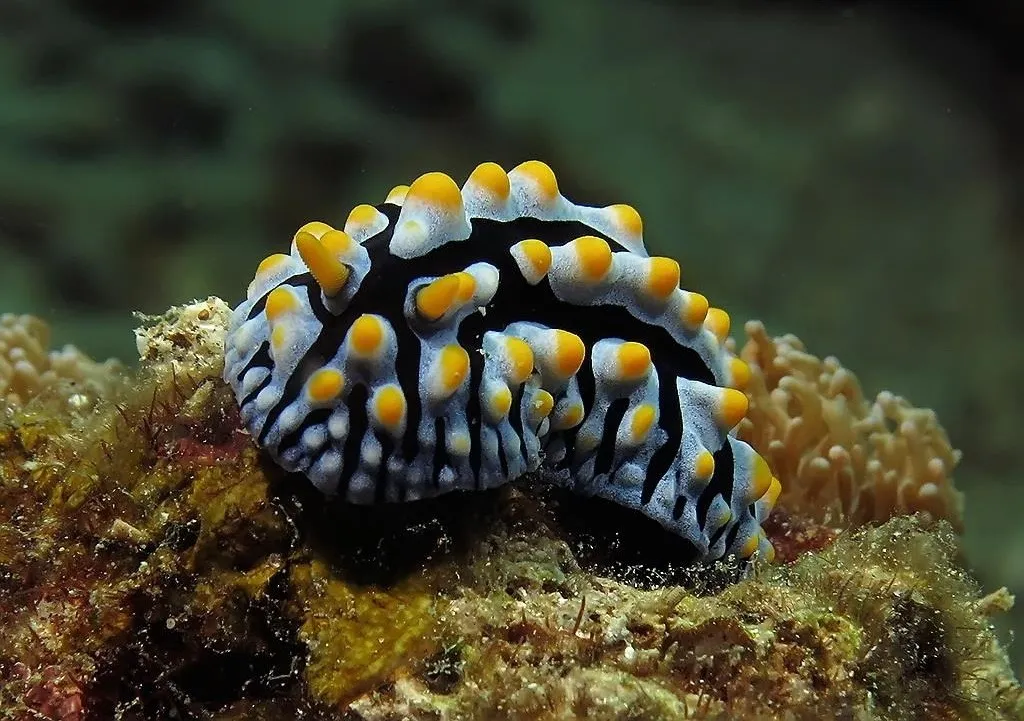
Exploring the wall dives, observant divers may encounter nudibranchs gracefully moving across surfaces or octopuses camouflaged among the rocks. While larger pelagic sightings like sharks, whales, or dolphins are occasionally reported in the wider region, smaller, more consistently present species, such as seabreams and moray eels, characterize the immediate underwater experience.
These waters provide a visual tapestry of species representative of the Aegean Sea's diverse ecosystem.
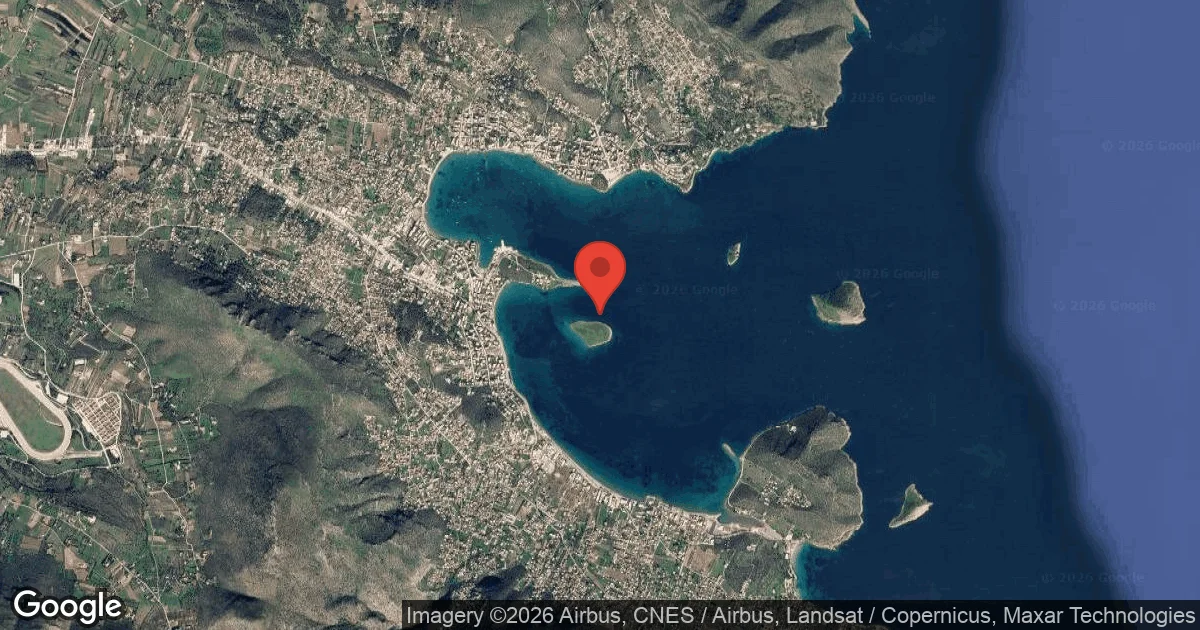
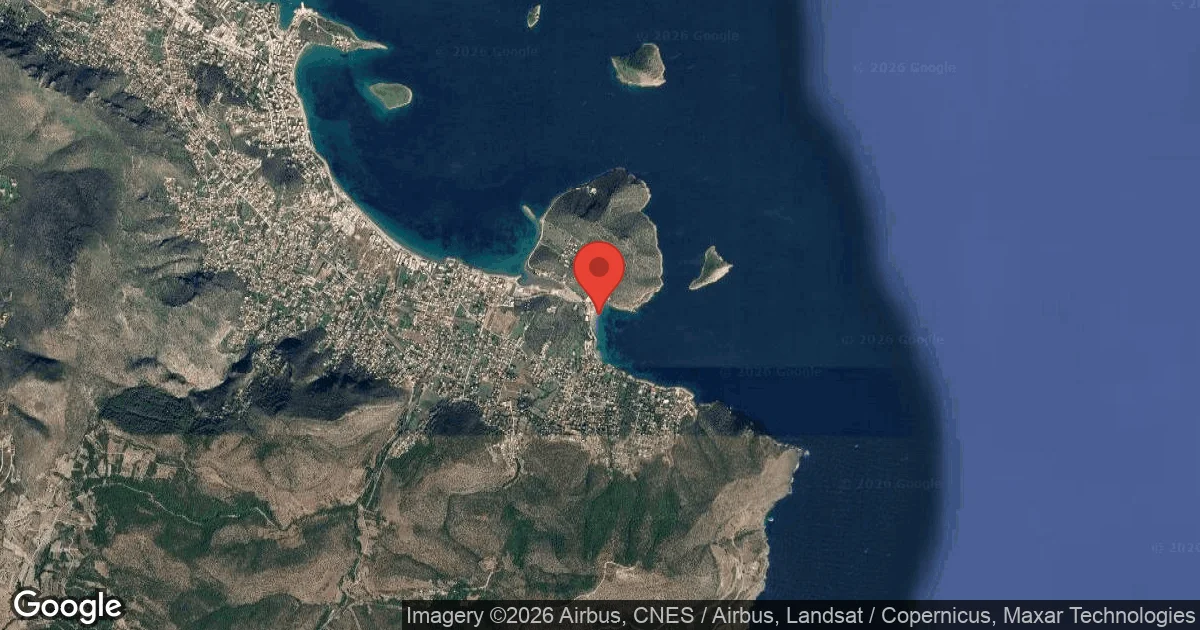
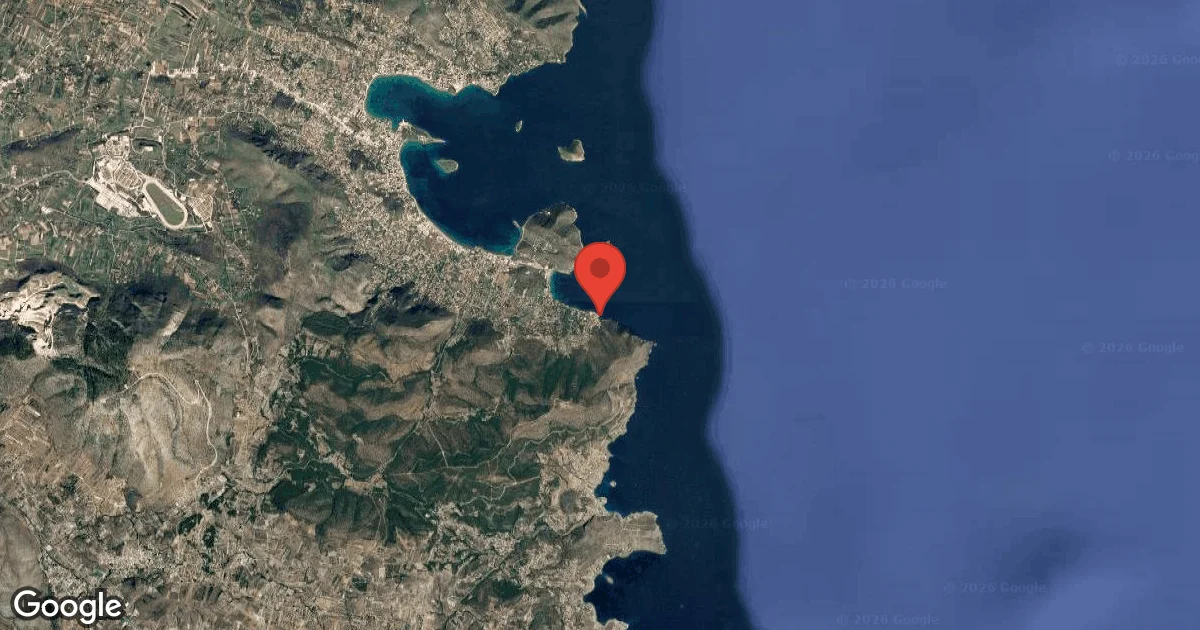
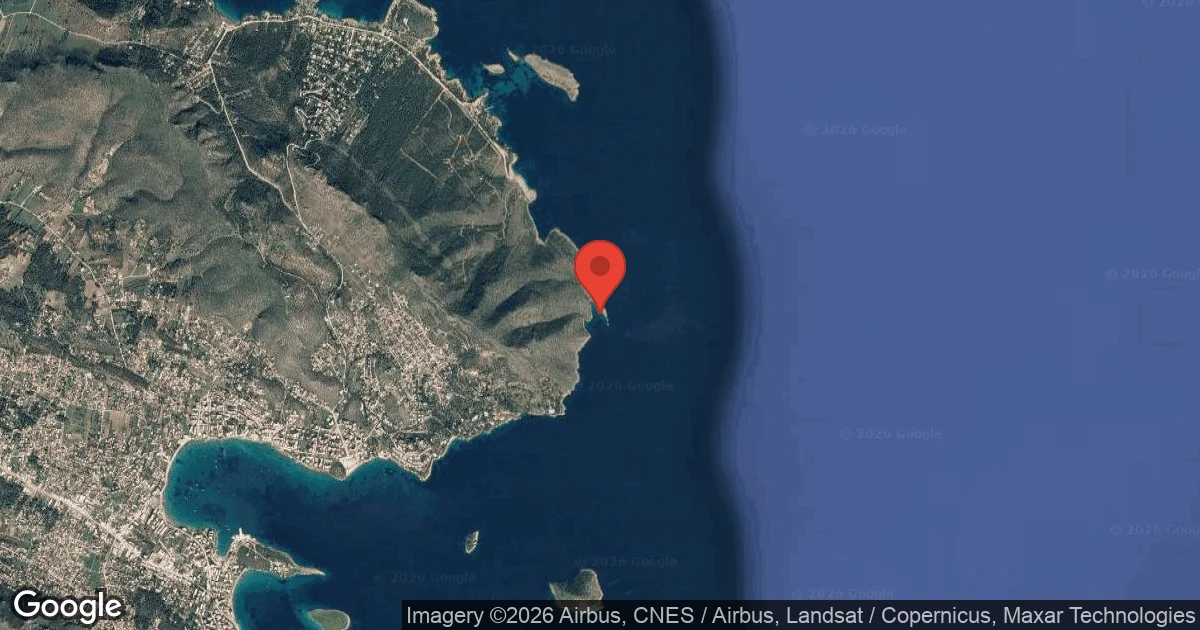
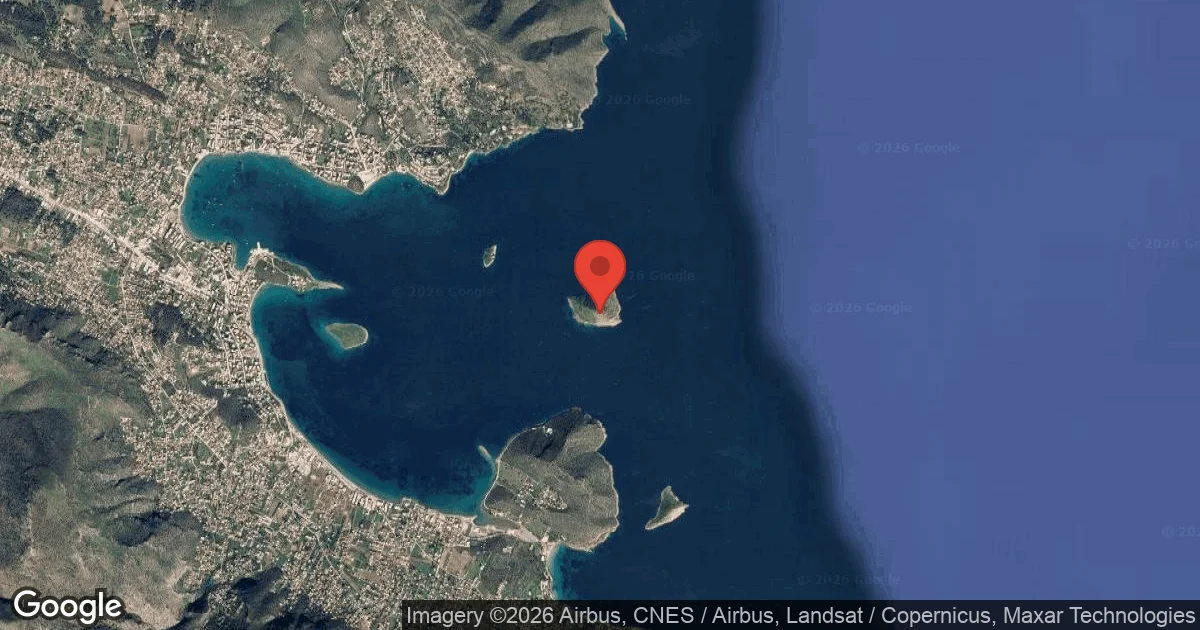
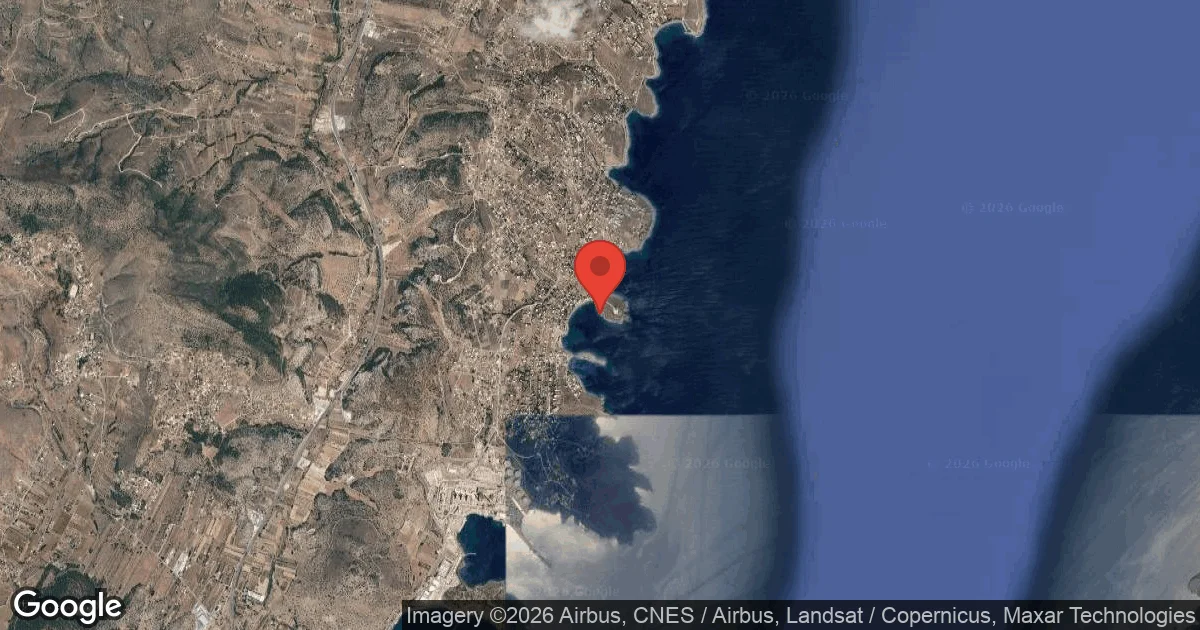
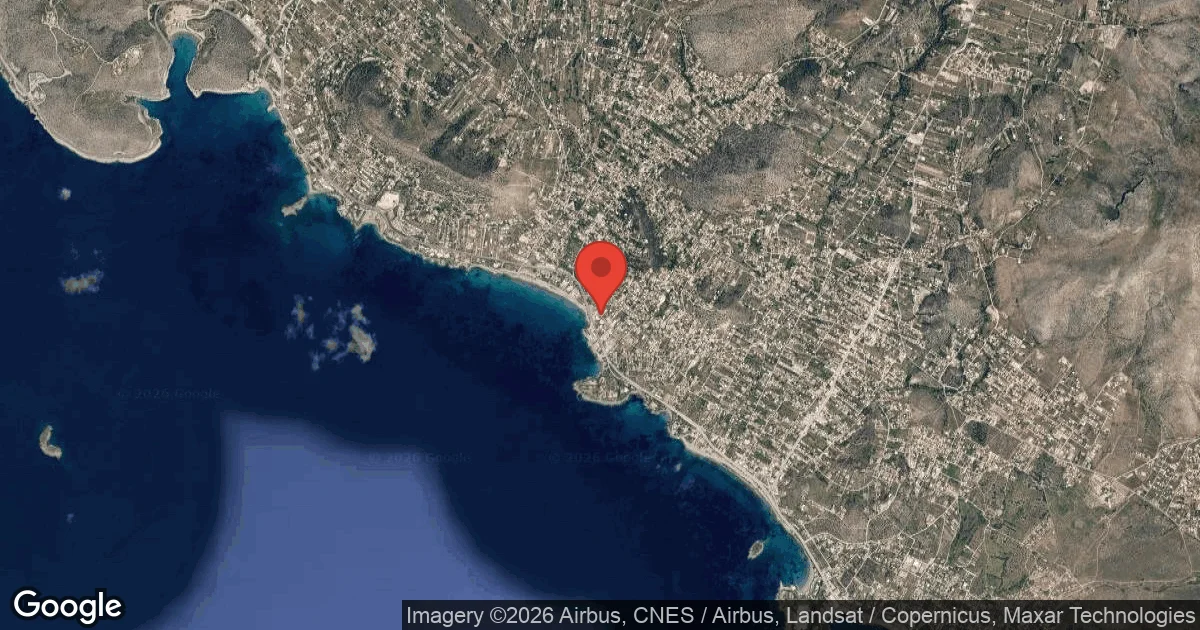
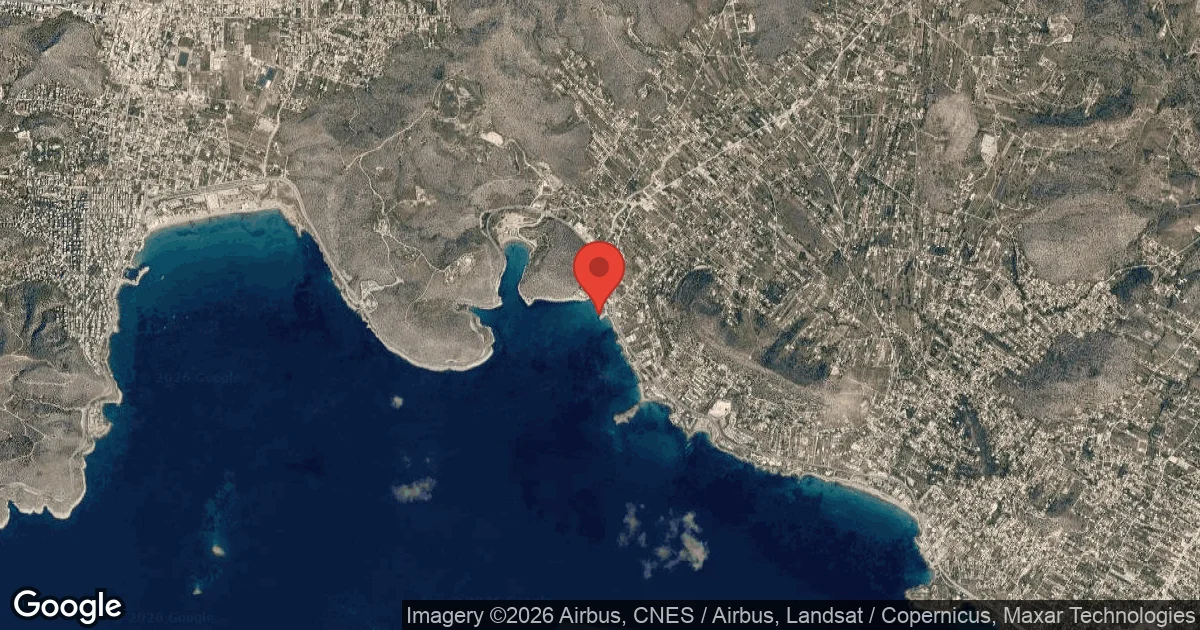
Dive Sites Near Koroni Island
View all dive sites in GreeceDiscover more underwater gems in this area.
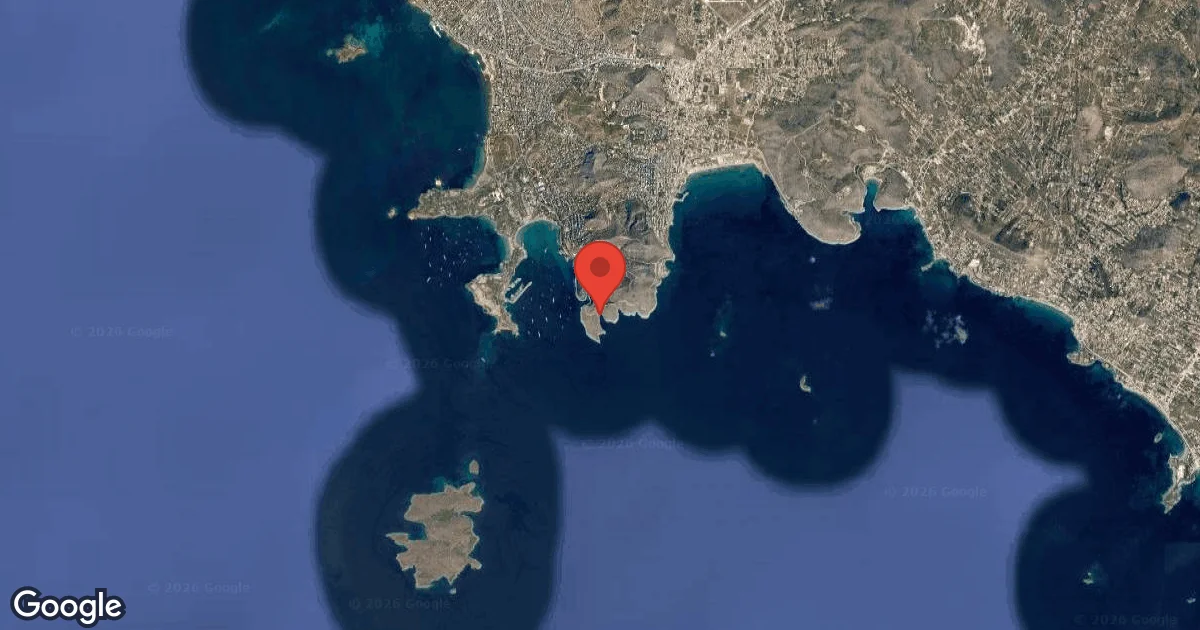
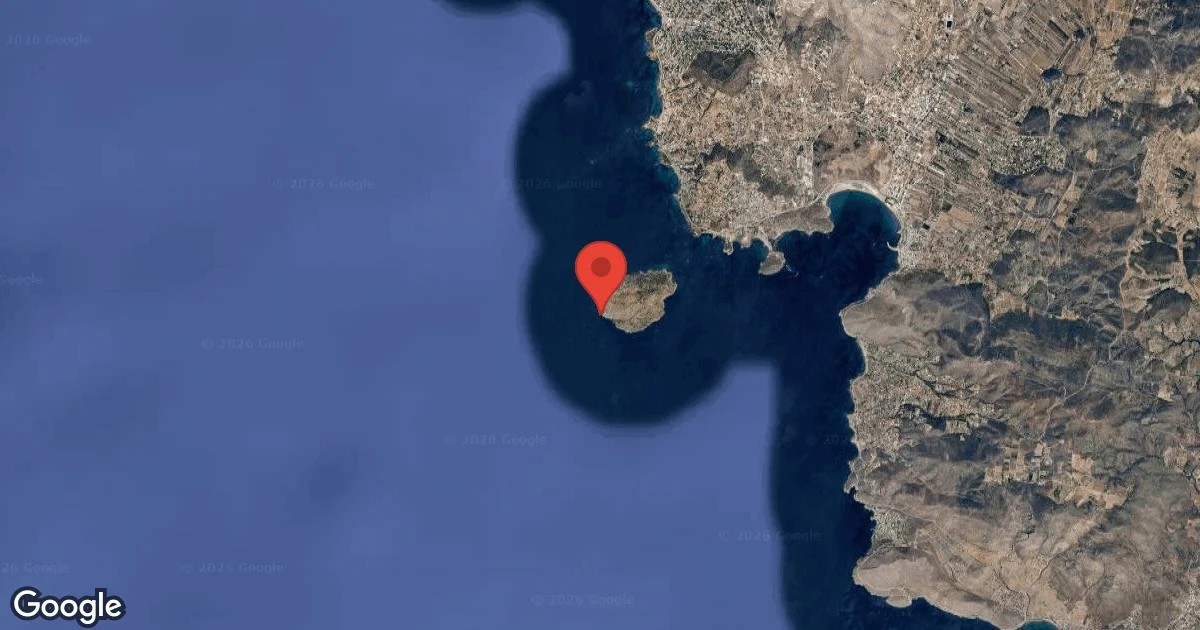
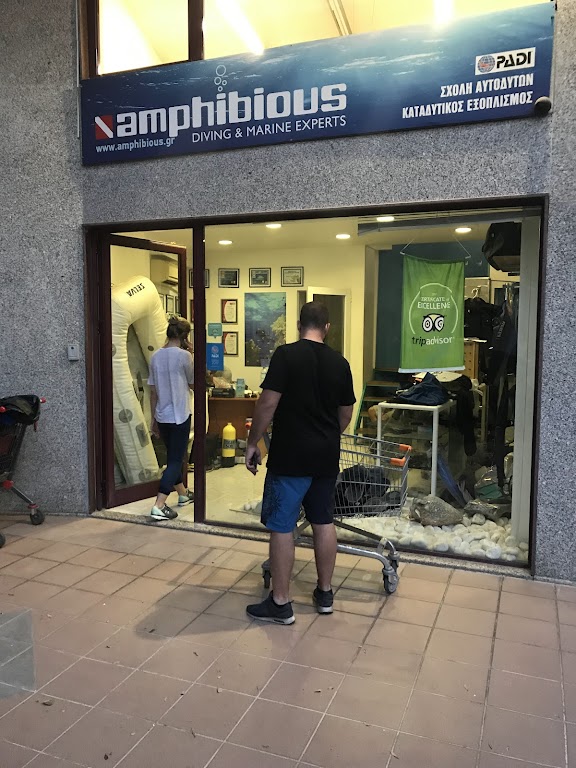
Dive Centers Near Koroni Island
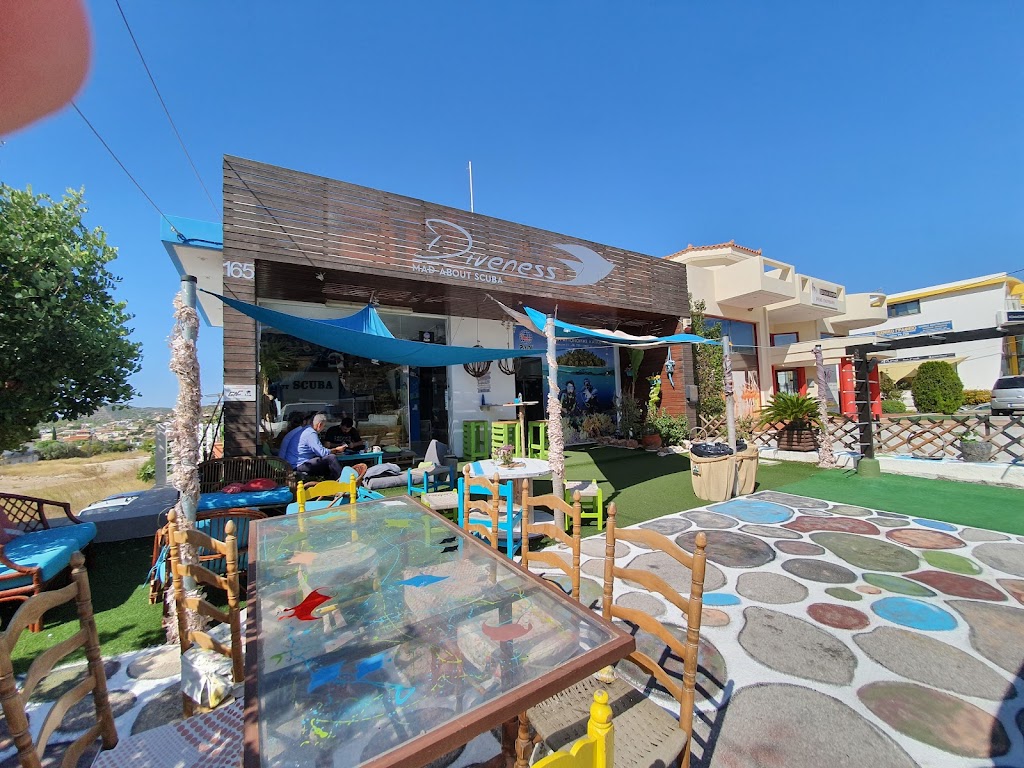
Today: 09:00 - 21:00
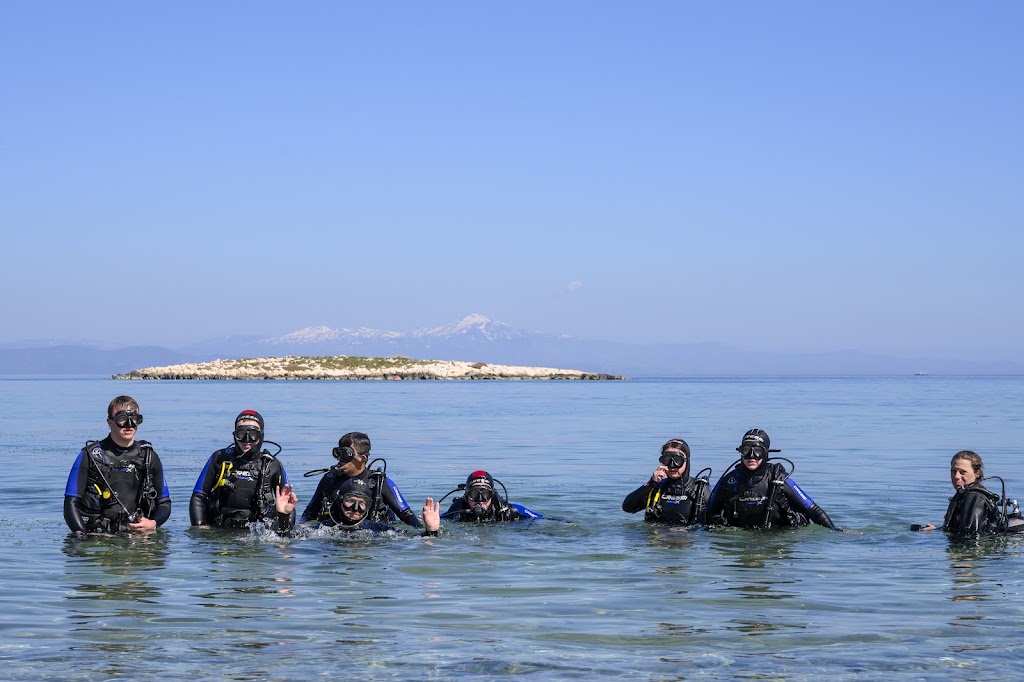
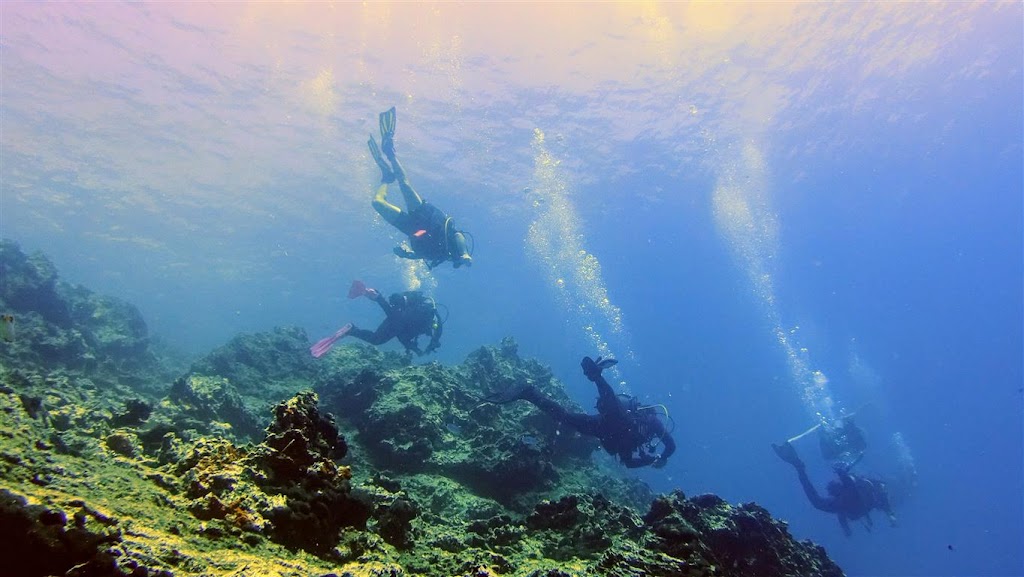
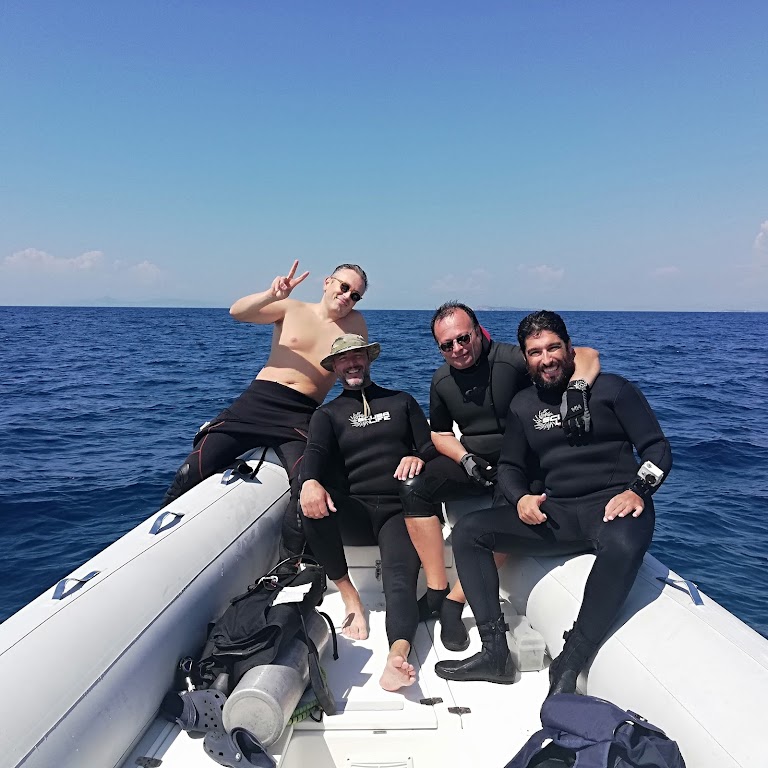
Nearest Airports
Nearest airports to help plan travel to this dive area.
Search Flights
Check available flights and routes on Expedia, using the nearby airports listed in this section.
Search Flights on ExpediaFrequently Asked Questions
What is the typical visibility at Koroni Island?
Visibility around Koroni Island is generally very good, often extending up to 20 meters. This allows for clear views of the diverse underwater topography and marine life.
Are there opportunities for deep diving?
Yes, Koroni Island offers excellent opportunities for deep diving, particularly along its impressive rock walls. Some sites feature descents starting around 8 meters and reaching depths over 50 meters, suitable for appropriately certified divers.
What kind of marine life can I expect to see?
Divers can expect to see a range of Mediterranean species, including various small fish schools, crustaceans, nudibranchs, octopuses, seabreams, and moray eels. While larger pelagic species are occasionally reported in the wider region, these smaller inhabitants are consistently observed.
Is Koroni Island suitable for beginner divers?
Absolutely. The island's three shorelines provide varied depths, including shallower, protected areas ideal for training and introductory dives. Some sections begin as shallow as two meters and gradually deepen, making them perfect for beginners.
What are the general water conditions like?
Water conditions around Koroni Island generally feature calm seas, especially during the peak summer months when wave heights are minimal. While specific water temperatures are not consistently reported for the island, the Mediterranean Sea typically offers comfortable diving temperatures, particularly from late spring through early autumn.
Are there any known unique dive features?
Koroni Island is characterized by impressive rock walls and a diverse depth profile across its three shorelines. While no specific named 'chimney' or 'mushroom reef' is reported for Koroni itself, the general region features similar geological formations and potential swim-throughs, enriching the dive experience.
What's the best time of year for good weather?
The best time for optimal weather conditions at Koroni Island is from May through September. During this period, air temperatures are warm, rainfall is minimal, and wave heights are generally low, contributing to excellent diving and surface conditions.
Planning to dive Koroni Island?
Send one inquiry and receive offers directly from the best verified local dive operators.
Conditions are Excellent
07:00 - 14:00
Optimal conditions expected
Current conditions near Koroni Island show 21° air, 25° sea temperature, 0.3 m waves, and 28 km/h wind. Forecast data is refreshed regularly to ensure accuracy.