
Diving at Arches (Greece)
Beneath the surface of the Aegean, the Arches dive site in Greece reveals a geological tapestry, shaped over millennia by water and tectonic forces. These natural formations present an intricate underwater landscape, akin to exploring ancient, submerged architecture. Each arch and cavern tells a silent story of erosion and endurance, inviting divers to trace the contours of time itself.
Current morning readings from Arches indicate an air temperature of 15°C. Surface wave heights are averaging around 1.7 m at this time. These local measurements provide a baseline for your daily dive planning.
Dive Site Location & Key Facts
Dive Site Overview
Arches presents a distinct underwater experience in Greece, characterized by impressive natural rock formations. Divers encounter a varied topography featuring significant arches, accessible swim-through caverns, and dramatic reef walls.
The initial entry point typically leads to a shallower area, ideal for training and more relaxed explorations, starting around 7 meters. From this point, the site descends across a multilevel bottom, reaching maximum recreational depths of 40 m (131 ft). Certain sections of the extensive reef wall drop considerably deeper, extending beyond standard recreational limits for specialized divers.
For those with advanced certifications, a deep cave sits at approximately 30 m (100 ft), adorned with an array of vibrant sessile life including sponges and small corals. Navigating the deeper sections often leads back towards the main arch, providing an alternative perspective on its grandeur and scale.
This boat-accessible site is primarily a rocky dive spot, with minimal sandy bottom areas, focusing exploration on its dramatic geological features. Boat entry is the standard approach, facilitating direct access to the most compelling aspects of this intricate underwater landscape.
Conditions are Poor
High Wind Advisory (52km/h). Unsafe surface.
Current conditions near Arches show 15° air, 22° sea temperature, 2.0 m waves, and 52 km/h wind. Forecast data is refreshed regularly to ensure accuracy.
Best Time to Dive
Planning a dive to Arches is best executed during the warmer months, specifically from June through September, when air temperatures consistently hover between 26-29°C (79-84°F). This period typically sees the lowest rainfall, ranging from 0.1 to 2.9 mm, ensuring clearer skies and generally calmer seas. Conditions remain very good into October, with air temperatures around 19°C (66°F), making the shoulder seasons quite appealing for fewer crowds. Even early spring, like March and April, offers good dive scores, though with cooler air averaging 13-15°C (55-59°F). Regardless of the specific month, stable sea conditions and excellent underwater visibility are common throughout much of the diving season, enhancing the overall experience.
PEAK SEASON SCORE
Scores combine air & water temps, waves, wind & rainfall for overall conditions.
BEST MONTHS TO DIVE
Monthly records compiled from satellite and marine observation nodes over the last 3 years. Data provided by Open-Meteo and MET Norway.
Dive Experience & Conditions
Entering Arches, divers are often struck by the remarkably clear water, with visibility frequently extending to significant distances. The diving experience here is generally serene; currents are typically mild or absent, and surge is usually minimal. During warmer months, summertime water temperatures can reach up to 23°C (73°F). Conversely, winter dives will encounter cooler waters, ranging between 14-18°C (57-64°F). These stable conditions allow for comfortable diving, enabling divers to fully focus on the intricate rock formations and the diverse marine life present. Exploring the multilevel bottom and navigating the numerous swim-through caverns feels effortless, enhancing the overall appreciation of this unique underwater environment.
Dive Difficulty & Safety Guidelines
Approaching Arches requires mindful preparation, catering to a range of diver skill levels. The shallower sections are well-suited for Open Water divers, particularly around the initial entry points and within the naturally lit swim-through caverns. For exploring the deep cave or following the dramatic reef wall that extends beyond recreational limits, an Advanced Open Water certification is essential.
Divers considering these deeper explorations should also consider specific Deep Diver training. The site, accessible exclusively by boat, typically presents mild to no current, but carrying a Delayed Surface Marker Buoy (DSMB) is always a prudent piece of safety equipment.
A dive torch is advisable for illuminating the darker corners of the caverns and the deeper cave systems, ensuring full appreciation of the environment.
Recommended Equipment
Deep dive hazard. Increased narcosis and gas consumption risk.
Overhead environment. Do not enter beyond training and gas planning limits.
- Dive Computer
- DSMB
- Primary & Backup Lights
- Reel / Spool
- Cutting Tool
This gear list is based on verified equipment signals for Arches, Greece. Always confirm final gear choices with your dive operator, guide, or liveaboard.
Recommended Dive Suit
Individual comfort in the water can vary significantly from diver to diver, even under the same conditions.
For most recreational dives, 3-5mm wetsuit should provide comfortable protection. Strong winds are present; please take strong precautions against rapid cooling during surface intervals. A thermal robe or jacket is recommended between dives. Environmental models indicate a modest warming trend ahead. A warming trend is expected over the next few days.
Divers heading to Arches today should expect water temperatures around 22°C (72°F). Surface air temperatures are resting at 15°C (59°F).
Emergency & Medical Support
Essential information to help you plan your dive trip to Arches.

Hyperbaric chambers are a critical part of dive safety infrastructure. Availability varies significantly by region, and not all dive areas have immediate access.
Before diving, it's recommended to:
- confirm nearest medical facilities
- check emergency procedures with local dive operators
- ensure dive insurance covers evacuation if required
Divers Alert Network
Diving emergency assistance available through DAN Europe.
+39 0642115685- 24/7 emergency hotline
- Diving medical assistance
- Evacuation coordination
Emergency contacts are provided for reference. Always verify local emergency services before diving.
Marine Life at Arches
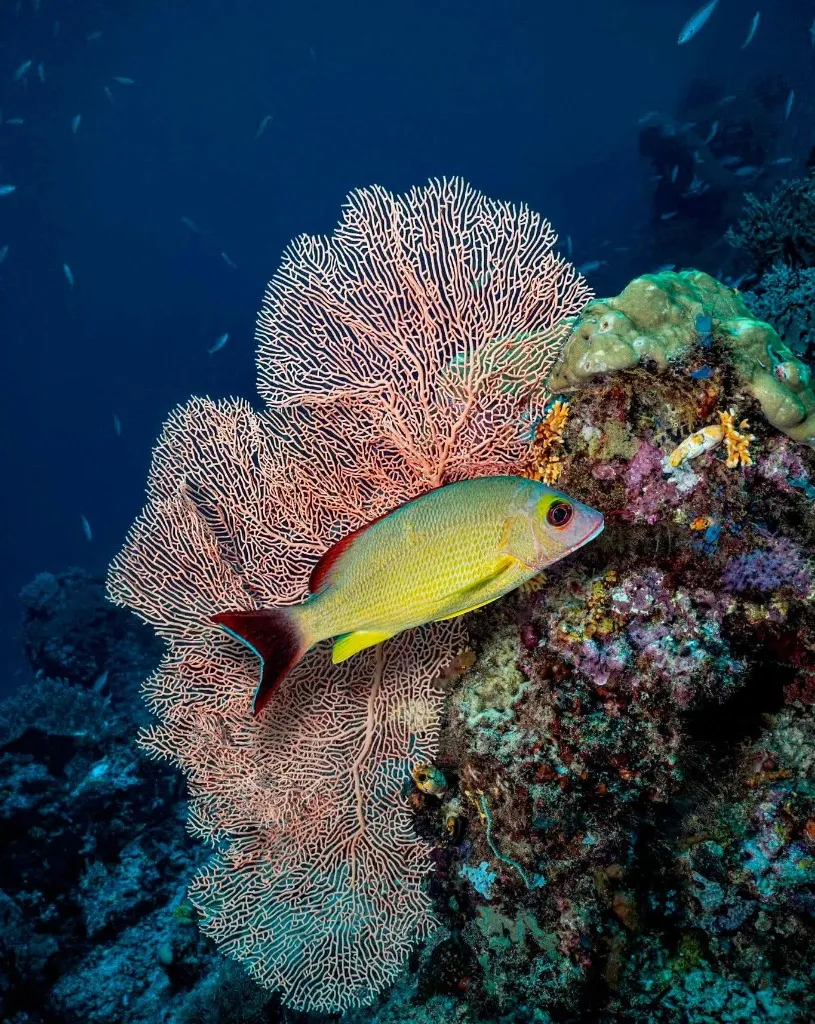
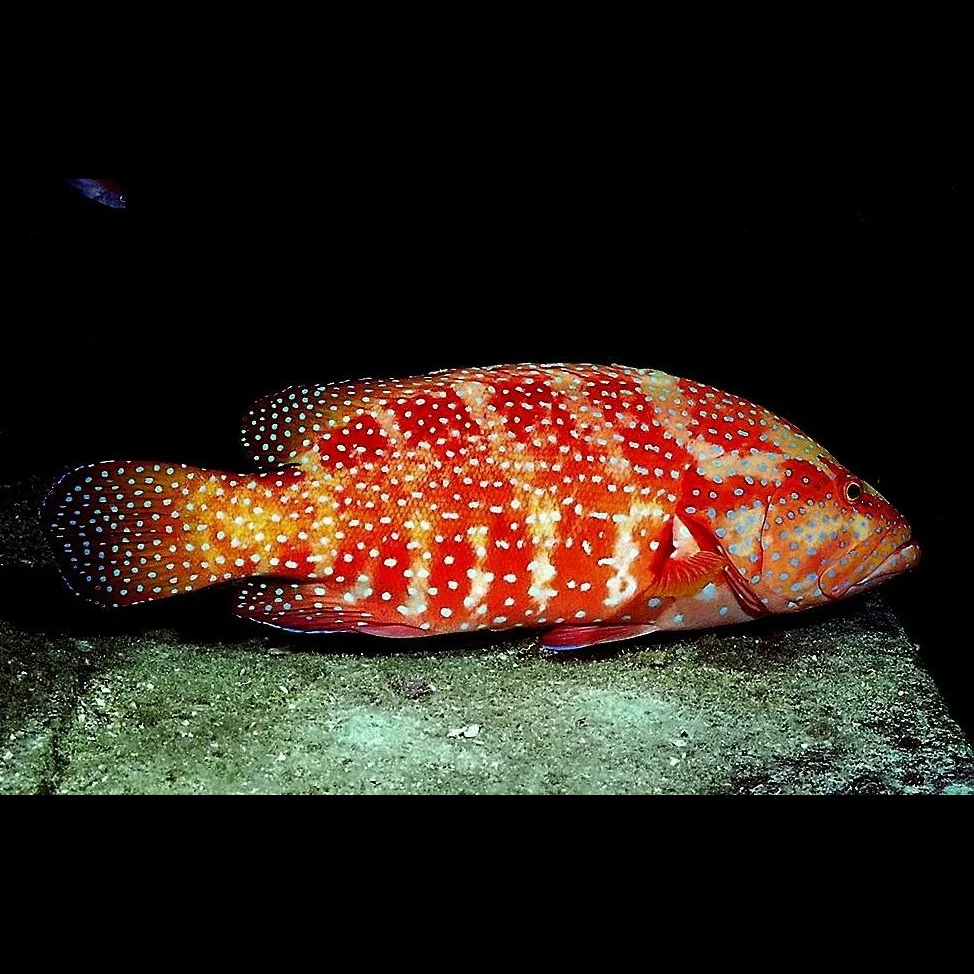
The vibrant reef fish communities are immediately noticeable upon entering the water at Arches. Divers frequently spot parrotfish, snappers, and groupers moving among the rocky outcrops.
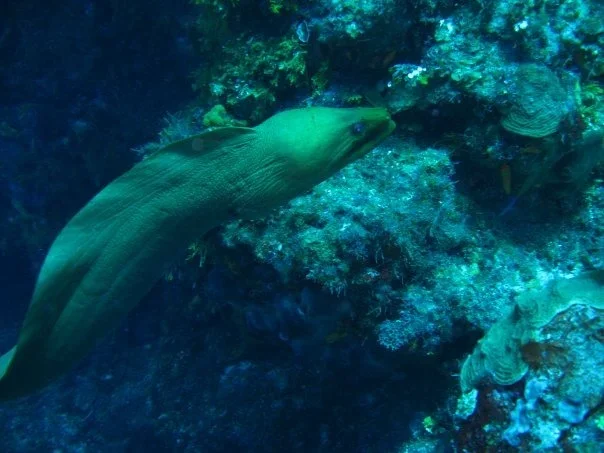
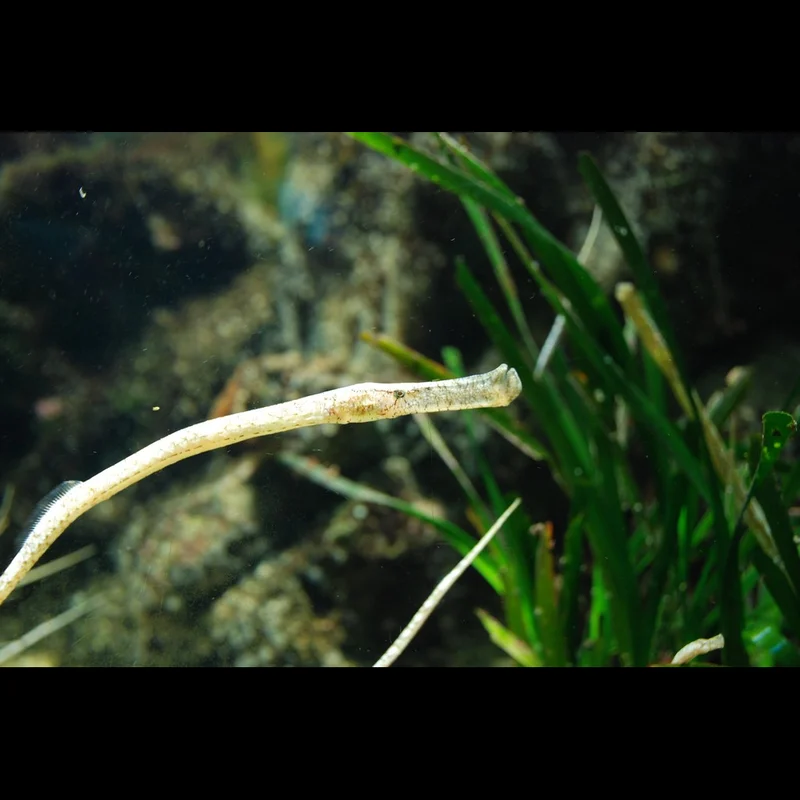
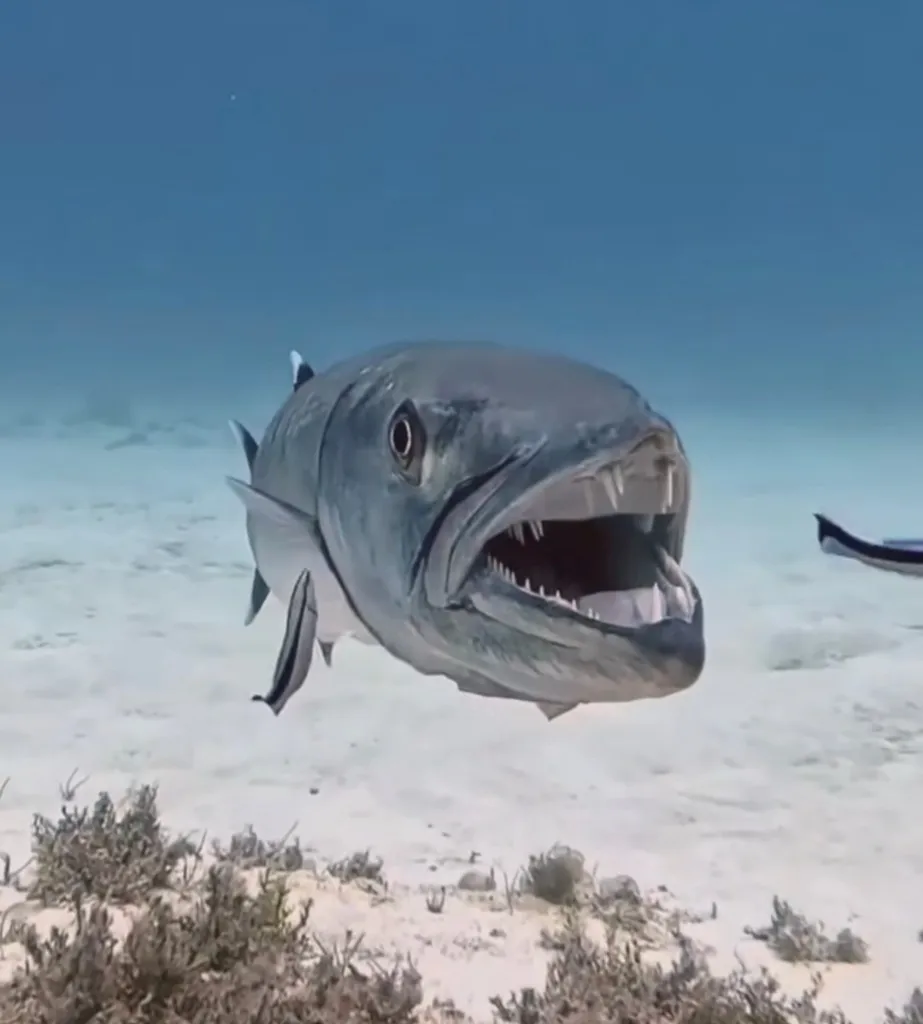
Within the deeper cave areas, walls come alive with shrimps, starfish, and colorful soft corals. Keep an eye out for less common sightings like barracuda and moray eels navigating the deeper sections, and don't miss the chance to spot the slender pipefish, which blend well with the surrounding environment.
Dive Centers Near Arches

Today: 09:00 - 21:00


Nearest Airports
Nearest airports to help plan travel to this dive area.
Search Flights
Check available flights and routes on Expedia, using the nearby airports listed in this section.
Search Flights on ExpediaFrequently Asked Questions
What is the maximum depth at Arches?
Arches features a multilevel bottom, with recreational depths reaching up to 40 m (131 ft). Certain parts of the reef wall extend to significant depths, suitable only for technical diving.
Is Arches suitable for beginner divers?
Yes, a shallow area around the initial entry point and a naturally lit swim-through cavern are suitable for Open Water divers. Deeper sections of the site require advanced certifications for safe exploration.
What kind of visibility can I expect?
The water at Arches is typically very clear, with visibility often reaching excellent distances. Stable sea conditions contribute to consistently good underwater clarity.
What are the water temperatures like?
During the summer months, water temperatures can reach up to 23°C (73°F). In winter, temperatures are cooler, usually ranging between 14-18°C (57-64°F).
How do I access the Arches dive site?
Arches is exclusively accessible by boat. Dive operators typically arrange boat trips from nearby coastal areas to reach the site efficiently.
Are there strong currents at Arches?
Currents at Arches are generally mild or absent, and surge is usually minimal. This contributes to a calm and enjoyable diving experience for most divers.
Planning to dive Arches?
Tell us your dates and diving needs. We'll review your request and seek offers from relevant local dive centers.
Request Dive OffersConditions are Poor
High Wind Advisory (52km/h). Unsafe surface.
Current conditions near Arches show 15° air, 22° sea temperature, 2.0 m waves, and 52 km/h wind. Forecast data is refreshed regularly to ensure accuracy.